16 Ship Designs That Revolutionized Naval Warfare
Naval warfare has seen some pretty dramatic changes over the centuries, with certain ship designs completely reshaping how battles were fought on the high seas. From ancient innovations that gave civilizations decisive advantages to modern marvels that redefined maritime power, these vessels didn’t just participate in history—they made it.
The evolution of naval combat has always been driven by clever engineering and bold design choices. Here is a list of 16 ship designs that fundamentally changed the way nations approached warfare on water.
Greek Trireme
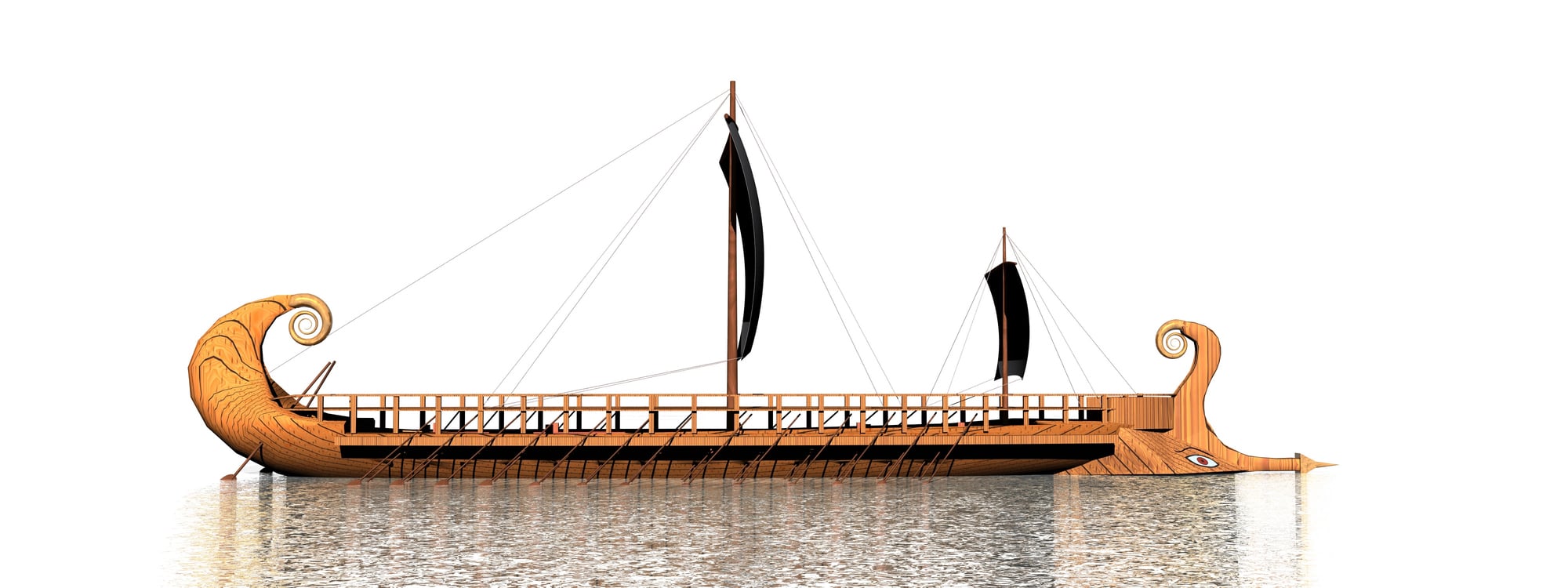
The ancient Greeks created something special with the trireme around the 7th century BC. This sleek warship featured three rows of oars on each side, giving it incredible speed and maneuverability for its time.
The bronze ram at the front wasn’t just for show—it could punch through enemy hulls like a spear through leather, making ramming a devastating tactic that dominated Mediterranean warfare for centuries.
Roman Corvus Ships

Romans weren’t naturally great sailors, but they were brilliant problem-solvers. They attached a spiked boarding bridge called a corvus to their ships, essentially turning naval battles into land battles.
When an enemy ship got close, down came the bridge, locking the vessels together so Roman soldiers could charge across and fight on familiar terms. This innovation helped Rome dominate the Mediterranean despite facing more experienced naval powers.
Viking Longship
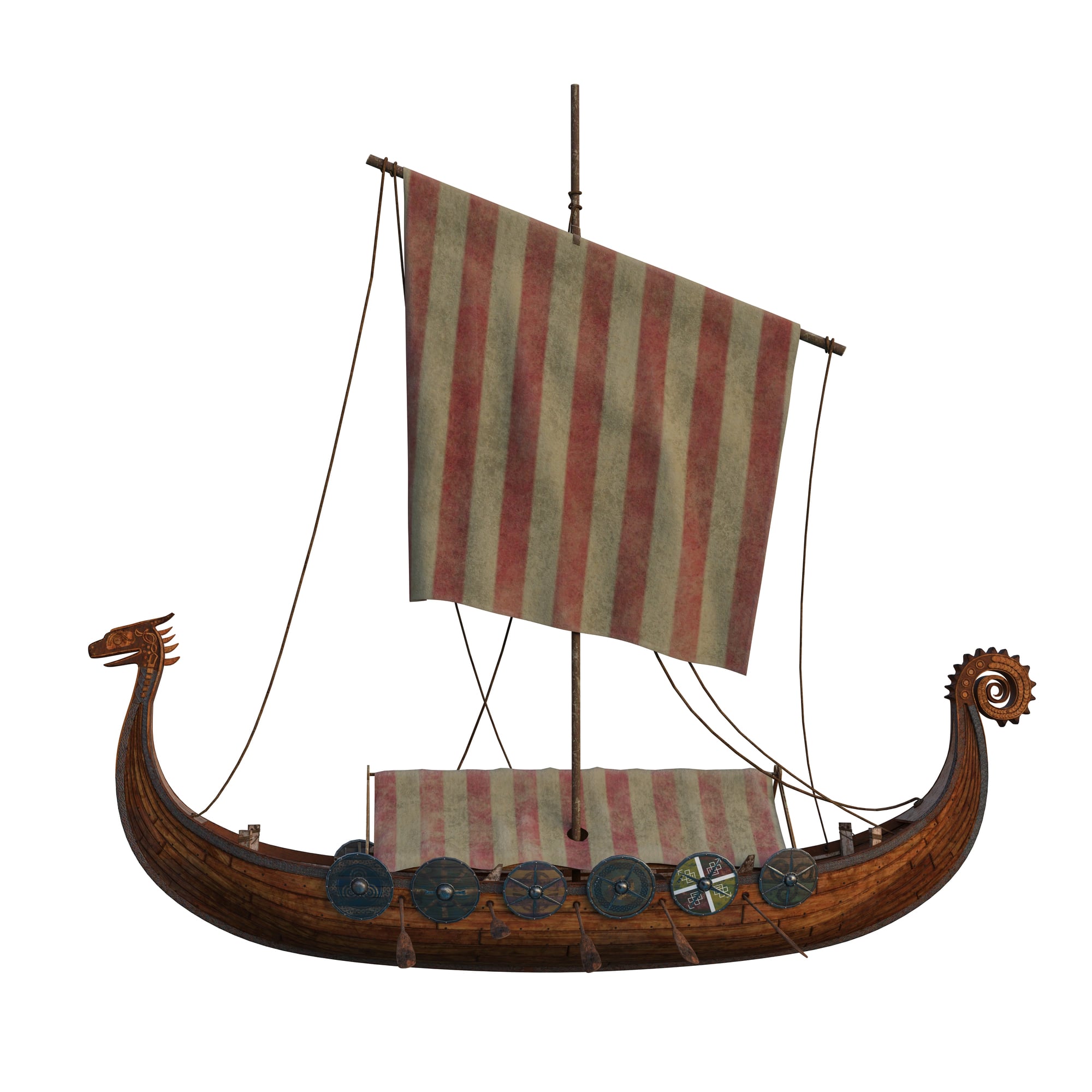
Viking longships were the sports cars of medieval warfare—fast, flexible, and designed for surprise attacks. Their shallow draft meant they could sail up rivers where larger ships couldn’t follow, bringing raids deep into enemy territory.
The symmetrical design with a steering oar at both ends allowed Vikings to reverse direction quickly without turning around, perfect for hit-and-run tactics that terrorized coastal Europe for centuries.
Byzantine Greek Fire Ships
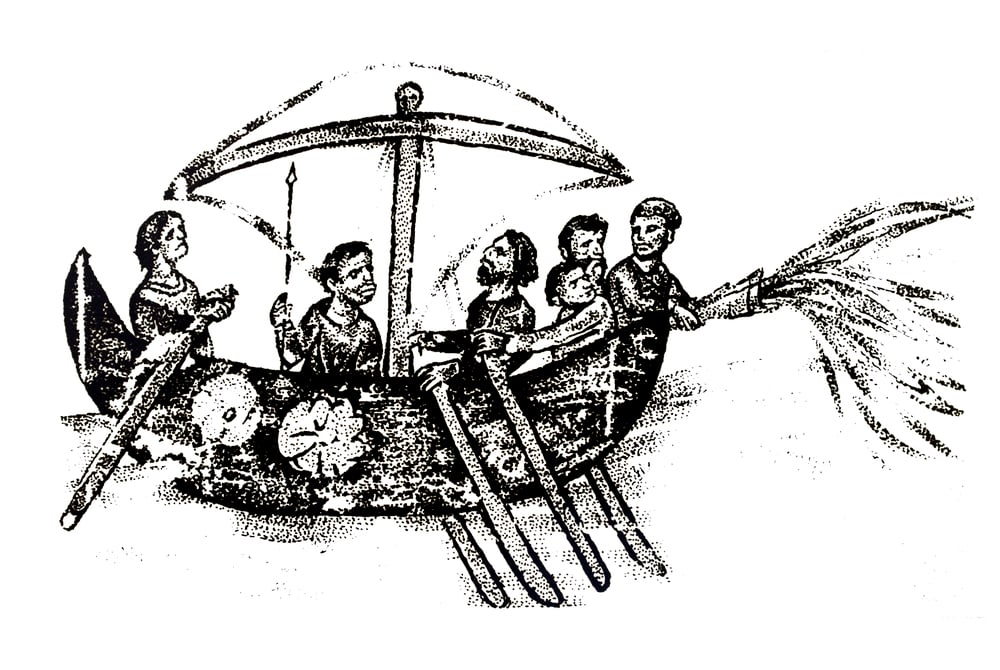
— Illustration by WHPics
The Byzantines developed something that seemed almost magical to their enemies—ships that could shoot liquid fire across the water. Greek fire was an incendiary weapon delivered through siphons mounted on specially designed vessels, creating a psychological and tactical advantage that helped Constantinople survive numerous sieges.
The exact formula remained a closely guarded secret, making these fire ships one of history’s most effective naval deterrents.
Venetian Galley

Venice turned shipbuilding into an art form with their galleys, which combined the best of rowing power and sailing capability. These vessels were built in the famous Venetian Arsenal using assembly-line techniques centuries before Henry Ford.
The result was a standardized, reliable warship that helped Venice control Mediterranean trade routes and become one of the wealthiest cities in the world.
Spanish Galleon

Spain’s galleons were the workhorses of the Age of Exploration, designed to carry enormous amounts of treasure across the Atlantic while still being able to fight. Their high forecastles and sterncastles gave archers and musketeers elevated firing positions, while their sturdy construction could handle both rough seas and enemy cannon fire.
These ships literally carried the wealth of the New World back to Europe.
English Race-Built Galleon

The English took the galleon concept and made it faster and more maneuverable by lowering the superstructure and lengthening the hull. Ships like the Golden Hind could outrun larger Spanish vessels while carrying enough firepower to be dangerous in a fight.
This design philosophy emphasized speed and agility over brute force, perfectly suited to England’s hit-and-run tactics against the Spanish Empire.
Dutch Fluyt

The Dutch created the fluyt as a merchant vessel, but its influence on naval warfare was profound. This economical design maximized cargo space while minimizing crew requirements, allowing the Dutch to build large fleets cheaply.
The fluyt’s success helped fund the Dutch Golden Age and proved that economic warfare could be just as effective as traditional naval battles.
Ship of the Line
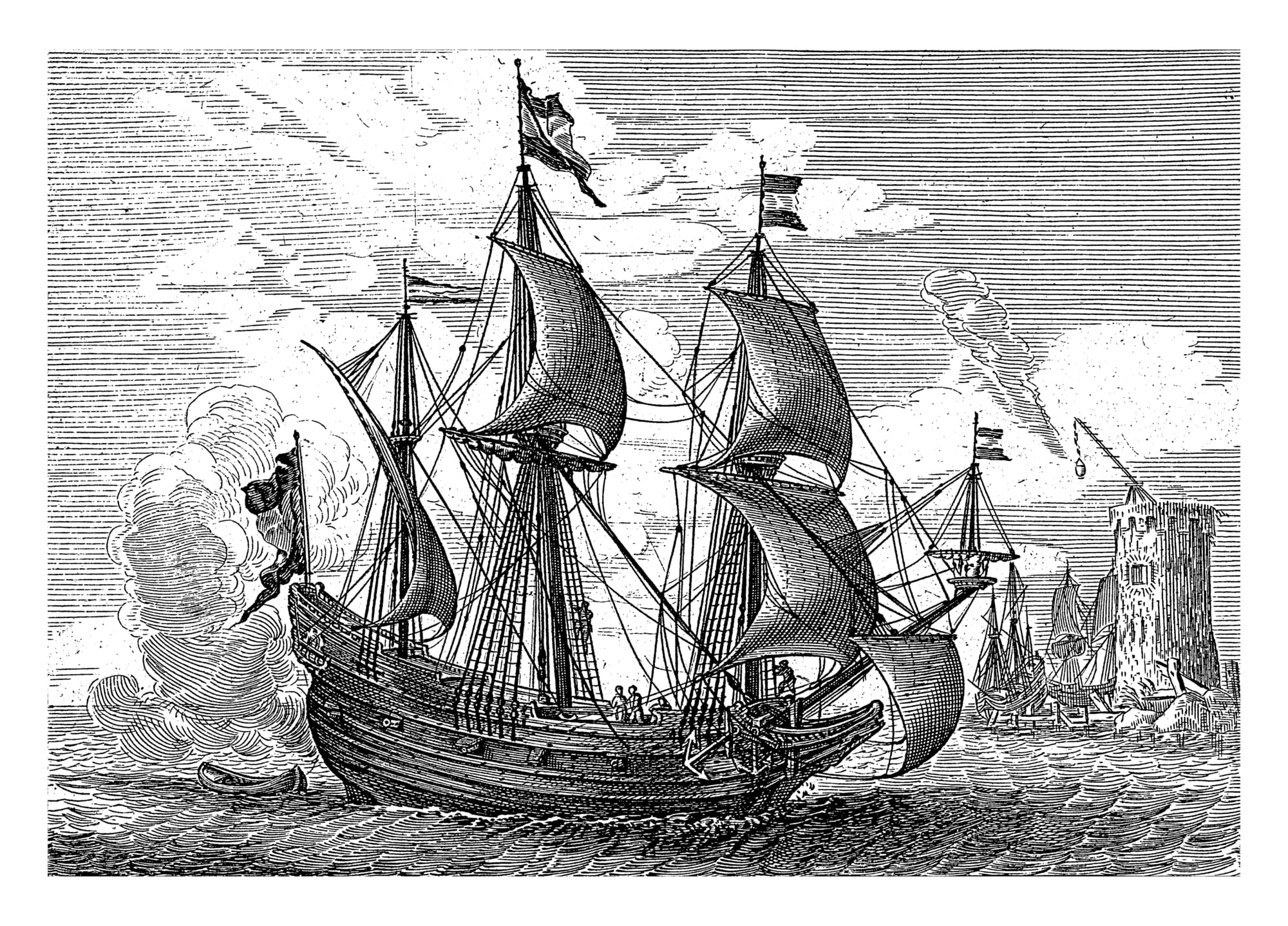
The ship of the line represented the ultimate expression of age-of-sail naval power. These massive vessels carried 70 to 130 cannons arranged in multiple decks, designed to fight in the line of battle formation where ships would sail parallel to enemies and blast away.
HMS Victory and similar ships turned naval combat into floating artillery duels that could be heard for miles.
USS Monitor
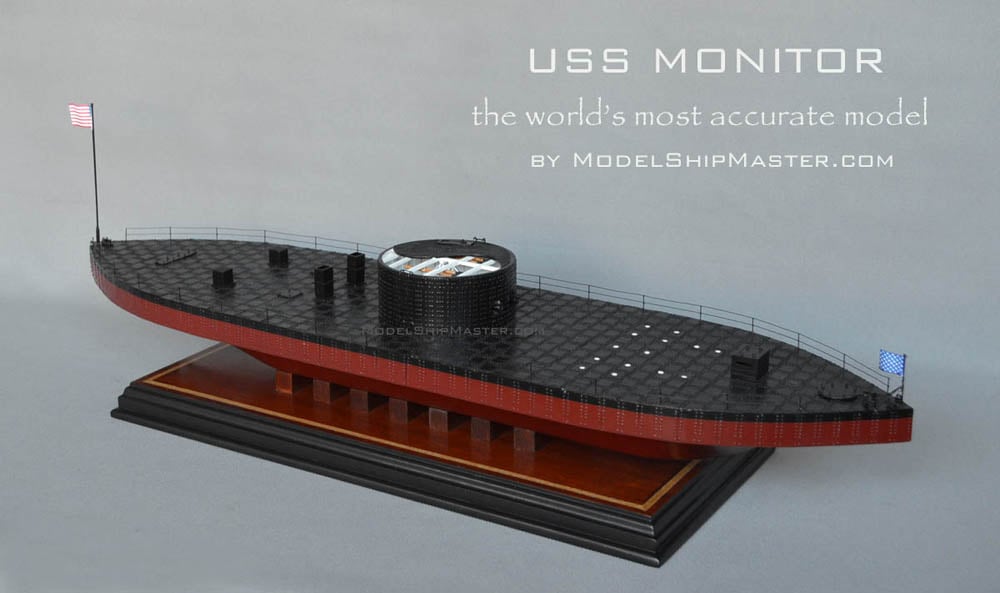
The Monitor’s 1862 battle with the CSS Virginia changed everything about naval warfare in a single day. This low-profile ironclad with a rotating turret proved that armor could defeat traditional wooden warships, making every existing navy obsolete overnight.
The Monitor’s design influenced warship construction for the next century, establishing the principle that protection and firepower mattered more than size and sail.
HMS Dreadnought

Britain’s Dreadnought was so revolutionary that it made every other battleship in the world obsolete, including Britain’s own fleet. Launched in 1906, it featured an all-big-gun armament and steam turbine propulsion that gave it unprecedented speed and firepower.
The Dreadnought started a global arms race and established the template for battleship design that lasted through World War II.
German U-Boat Type VII

The Type VII U-boat was Nazi Germany’s most effective naval weapon, nearly strangling Britain’s supply lines during World War II. These submarines could dive deeper, stay submerged longer, and carry more torpedoes than earlier designs.
Their wolf pack tactics, where multiple U-boats coordinated attacks on merchant convoys, almost succeeded in forcing Britain out of the war before American intervention turned the tide.
Essex-Class Aircraft Carrier

The Essex-class carriers were America’s answer to Japanese naval aviation supremacy in the Pacific. These ships could launch and recover aircraft faster than any previous design while carrying more planes and fuel.
Their improved damage control systems meant they could survive hits that would sink earlier carriers, giving the U.S. Navy the staying power needed to win the long campaign across the Pacific.
Aegis Cruiser

The Ticonderoga-class cruisers introduced the Aegis combat system, which could track and engage hundreds of targets simultaneously using phased-array radar and computer-controlled weapons. This technology transformed naval air defense from a reactive to a proactive capability, allowing a single ship to protect an entire fleet from aircraft and missile attacks.
The Aegis system became the gold standard for naval defense systems worldwide.
Stealth Destroyer

Ships like the USS Zumwalt represent a complete rethinking of naval design for the modern era. Their angular, faceted hulls reflect radar waves away from their source, making these large destroyers appear as small as fishing boats on enemy radar screens.
Combined with advanced automation that reduces crew requirements, these vessels can operate in heavily defended areas where conventional ships would be detected and destroyed.
Nuclear Submarine
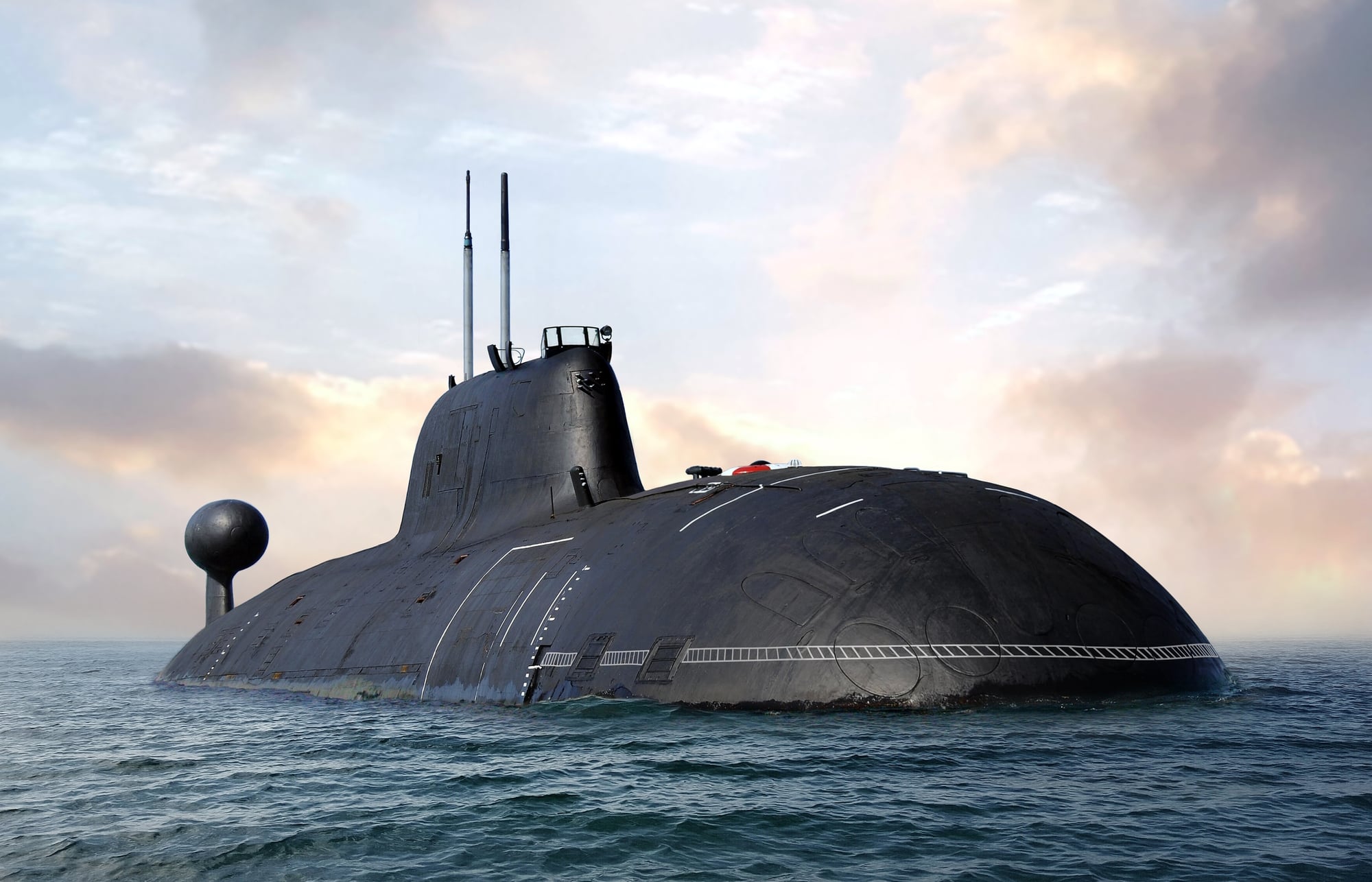
Nuclear propulsion freed submarines from the need to surface regularly, creating truly independent underwater warships. Vessels like the USS Nautilus could stay submerged for months, travel at high speed underwater, and reach any ocean in the world without refueling.
This capability shifted the balance of naval power and made submarines the ultimate strategic weapons platform.
The Modern Naval Landscape

Today’s naval forces still rely on principles established by these groundbreaking designs, even as new technologies continue to push the boundaries of what’s possible on the water. The lessons learned from Greek triremes to nuclear submarines remind us that successful naval innovation often comes from solving specific tactical problems rather than simply building bigger ships.
As warfare continues to evolve with drones, cyber capabilities, and space-based systems, the next revolutionary ship design might look nothing like what we expect from our maritime past.
More from Go2Tutors!

- The Romanov Crown Jewels and Their Tragic Fate
- 13 Historical Mysteries That Science Still Can’t Solve
- Famous Hoaxes That Fooled the World for Years
- 15 Child Stars with Tragic Adult Lives
- 16 Famous Jewelry Pieces in History
Like Go2Tutors’s content? Follow us on MSN.



