When One Decision Made (or Broke) an Empire
Unexpectedly, history is shaped by little events. Decisions that seemed insignificant at the time or disastrously clear in retrospect cause empires to rise and fall.
A general takes a different path, a ruler selects one advisor over another, or a treaty is signed with the incorrect clause. Everything is altered.
Rome’s Choice to Cross the Rubicon
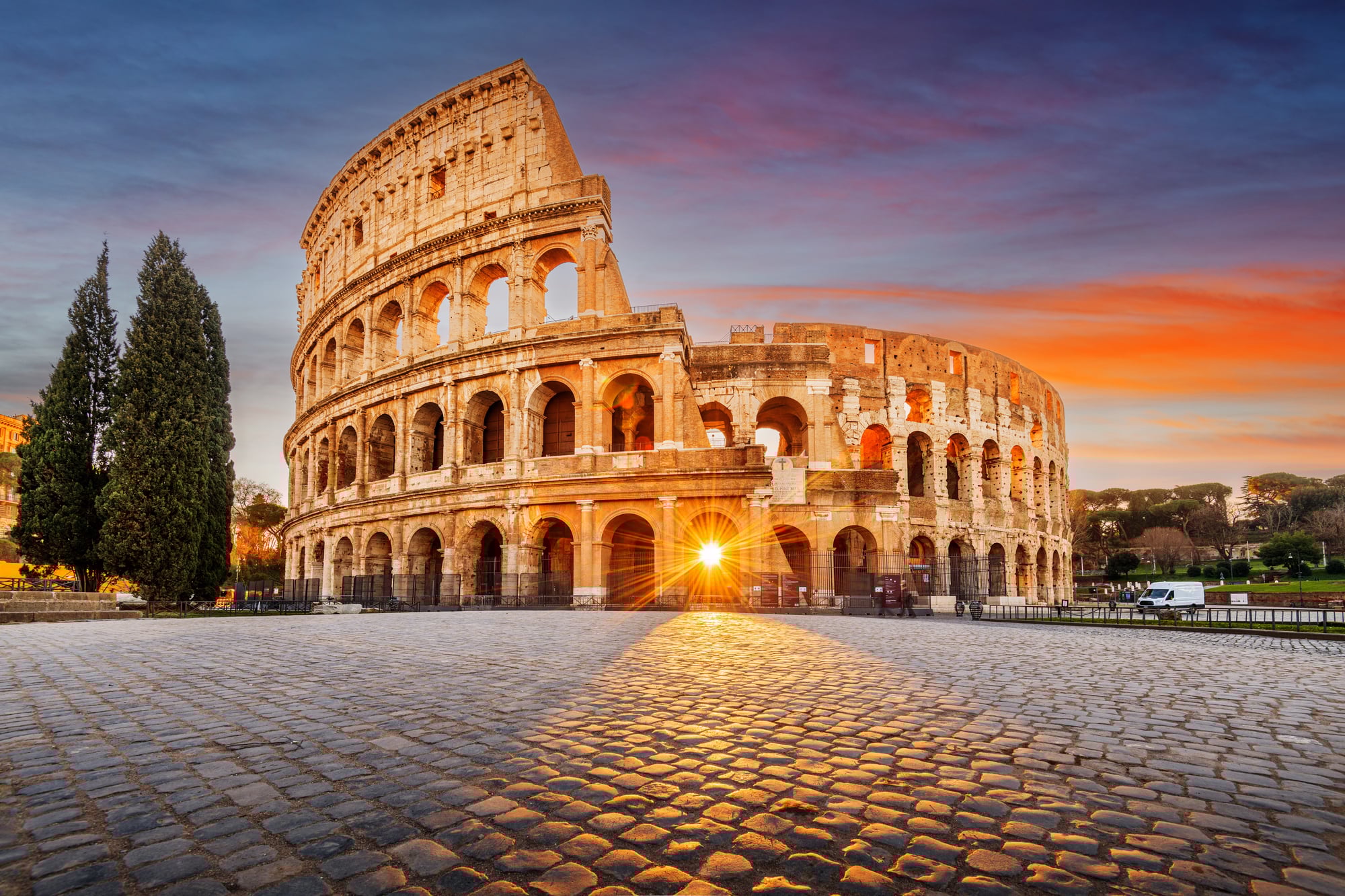
Julius Caesar stood at a river in 49 BCE with a decision that would end the Roman Republic. Cross with his army, and he’d be declaring war on Rome itself.
Stay put, and his political enemies would destroy him. The Rubicon wasn’t even a major river—just a boundary marker that Roman generals weren’t supposed to cross with troops.
Caesar crossed. The civil war that followed put him in power and transformed Rome from a republic into an empire.
The decision took seconds but rewrote centuries of government. One man deciding whether to wade across a stream changed the entire structure of Western civilization.
Mongol Succession Saves Europe

Ögedei Khan died in 1241 while Mongol armies were tearing through Europe. They’d already conquered Hungary and Poland, and nothing stood between them and the Atlantic.
Then the generals got word of the Khan’s death and had to decide: keep conquering or return to Mongolia for the succession crisis. They turned back.
The Mongol invasion of Europe ended not because anyone defeated them, but because internal politics mattered more than expansion. If they’d decided differently—if one commander had chosen to keep pushing west—European history would look nothing like it does.
The decision to honor Mongol succession customs saved kingdoms that didn’t even know they were about to be destroyed.
Spain Delays Columbus (Then Funds Him Anyway)
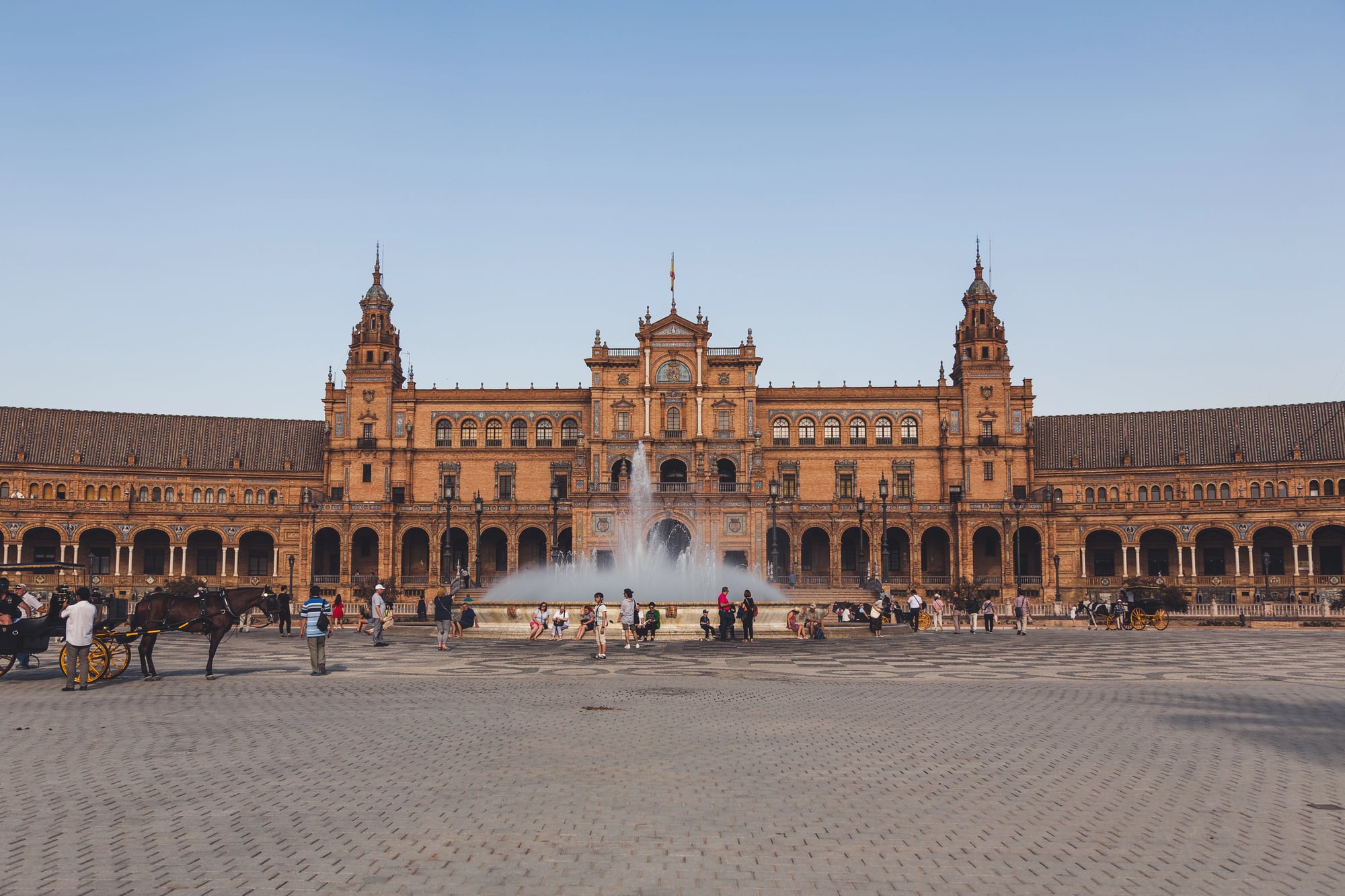
Ferdinand and Isabella kept delaying Columbus. His proposal sounded expensive and his calculations seemed wrong.
Portugal had already rejected him. France wasn’t interested.
The Spanish crown stalled for years, citing cost concerns and other priorities, until they finally decided to fund the voyage after all. That decision—to approve funding after years of hesitation—handed Spain an empire.
Portugal got a head start on exploration but Spain ended up with the Americas. One shift from “maybe later” to “let’s do this” in 1492 made Spain the wealthiest nation in Europe for the next century and changed the entire world.
Napoleon Invades Russia in Summer
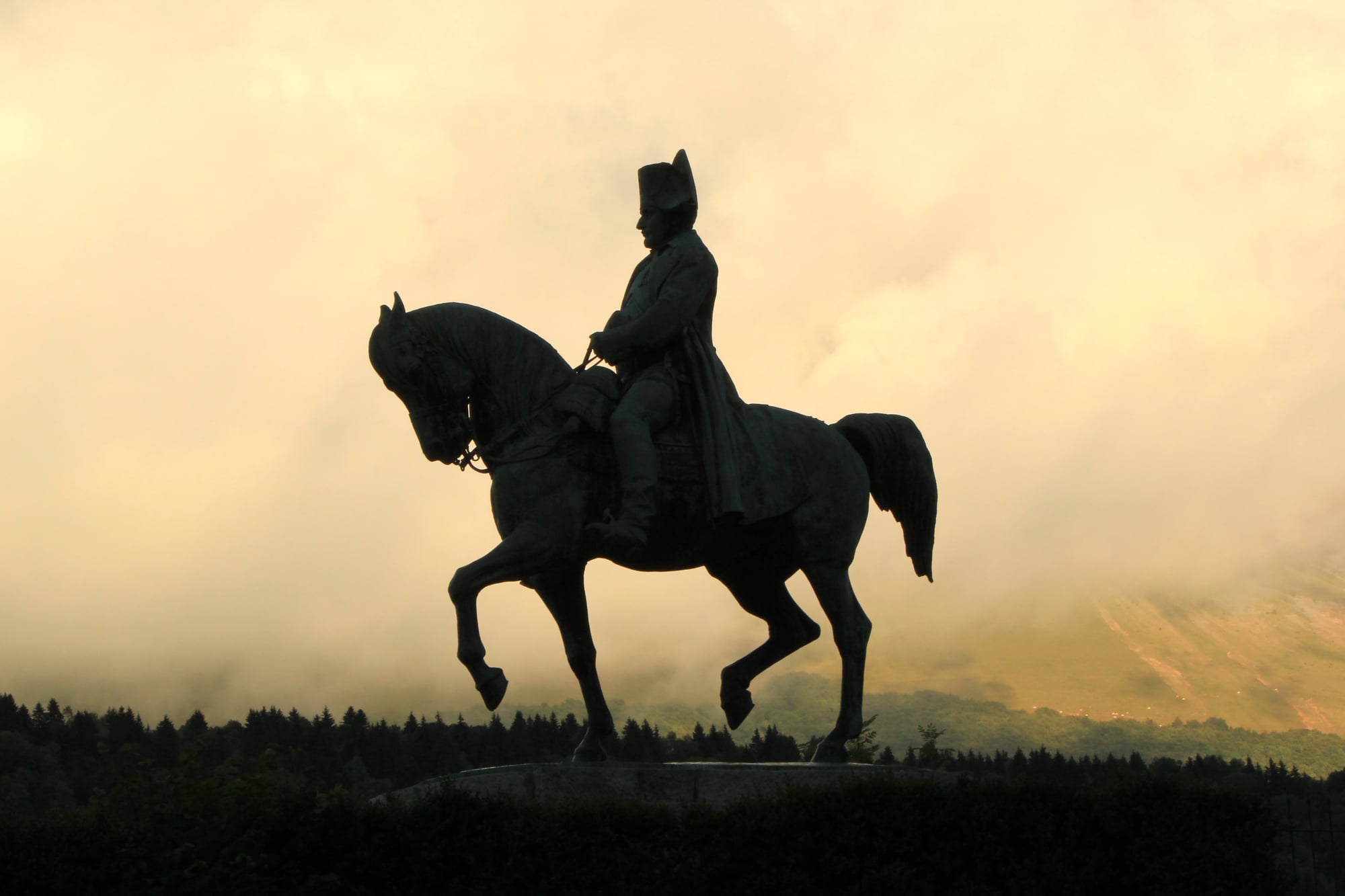
Napoleon had conquered most of Europe by 1812. Russia was the holdout.
He decided to invade with around 450,000 to 500,000 troops—the largest army Europe had ever seen. The decision wasn’t whether to invade but when and how.
Napoleon chose to go deep into Russia, chase the army, and occupy Moscow. Russia retreated and burned everything.
Winter came. The Grand Army died in the snow trying to march back.
Napoleon lost nearly everything in that campaign—not because invading Russia was impossible, but because he made specific choices about timing, supply lines, and objectives that all proved disastrous. One campaign destroyed the empire he’d spent a decade building.
Ottoman Empire Gets Pulled Into War
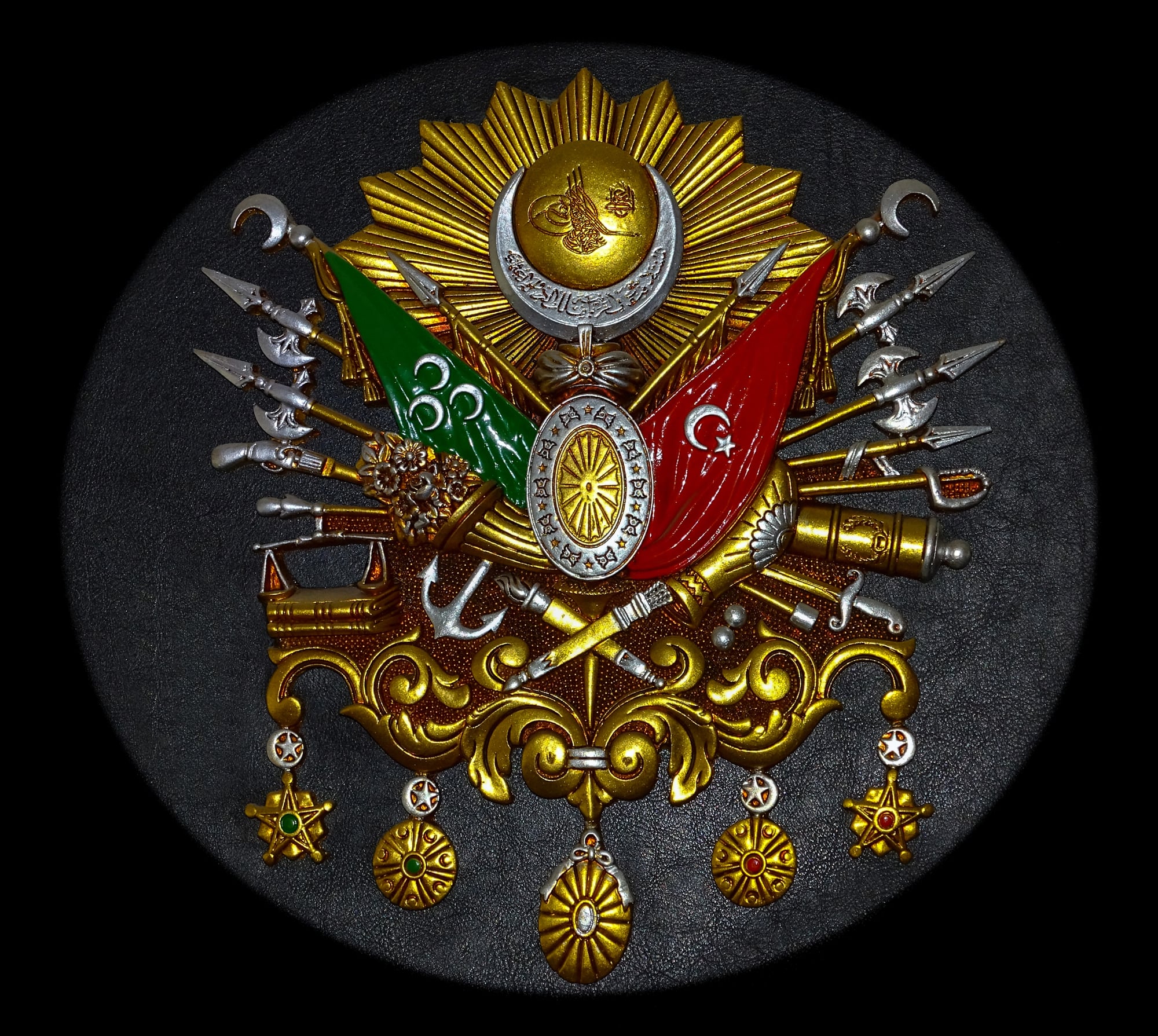
World War I forced the Ottoman Empire into difficult decisions. Pro-German leadership within the government maneuvered the empire toward alliance with the Central Powers.
The decision crystallized when Ottoman warships—commanded by German officers—bombed Russian ports, which triggered declarations of war and locked the Ottomans into the German alliance. The Ottomans lost the war and lost everything.
The empire got carved up by the victors. Turkey survived as a much smaller nation, but centuries of Ottoman power ended because leadership in 1914 allowed themselves to be drawn into a European war on the losing side.
If they’d resisted German pressure or maintained neutrality, the entire Middle East would have developed under different borders and rulers.
British Taxation Pushes America Away

Britain needed revenue after the Seven Years’ War. The government wanted the colonies to contribute to the massive war debt, particularly the cost of maintaining troops stationed in North America.
The Stamp Act, the Tea Act, various tariffs—none of these individually demanded massive amounts of money. Britain just wanted the colonies to help pay down what the war had cost.
The decision to enforce these taxes without colonial representation created the United States. Britain could have handled colonial grievances differently, granted representation, or backed down earlier.
Instead, they kept pushing policies that seemed financially sensible but politically catastrophic. The choice to prioritize debt collection over colonial satisfaction cost them half a continent.
Persian Empire Underestimates Greece
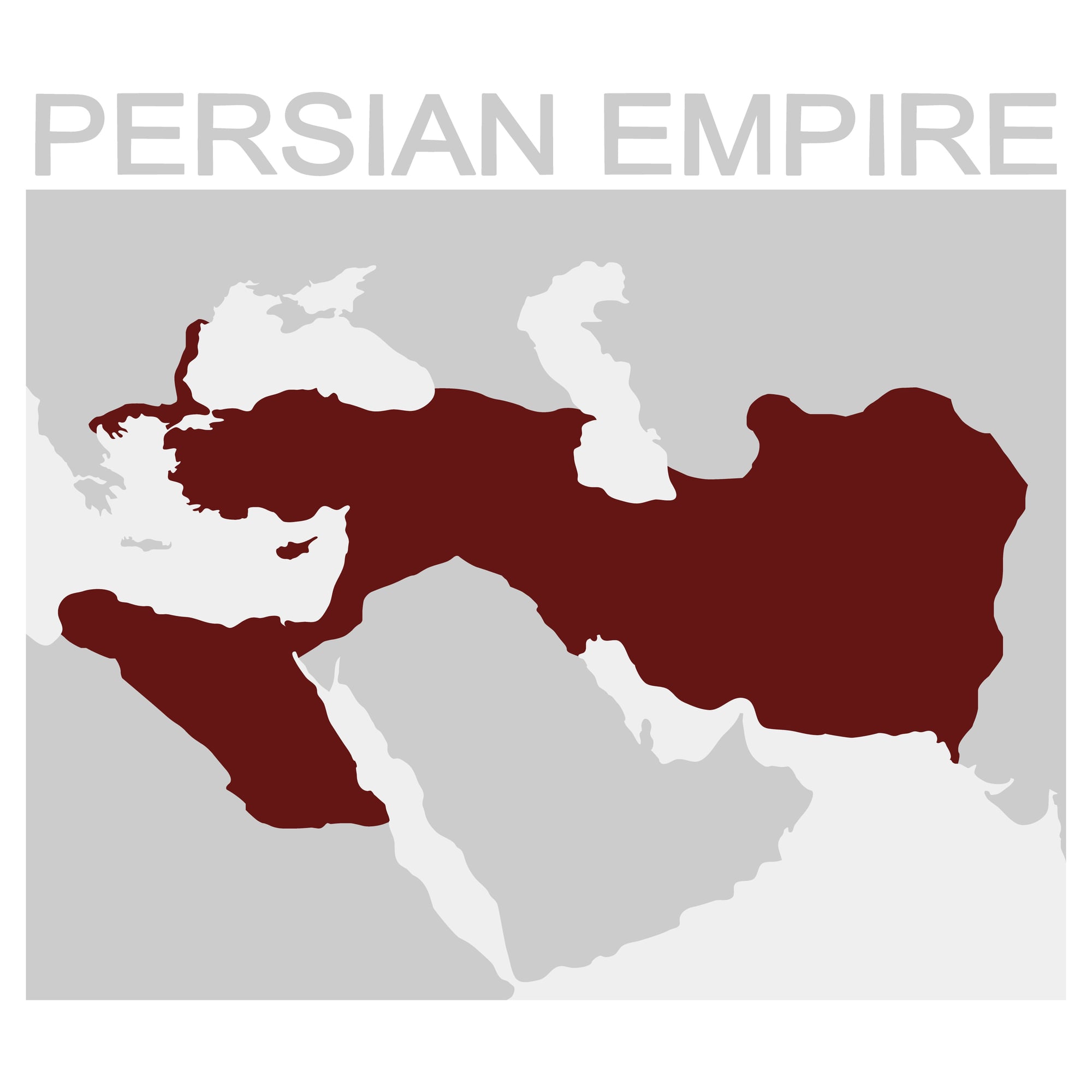
Xerxes had the largest army the ancient world had seen when he invaded Greece in 480 BCE. The Persian Empire stretched from India to Egypt.
Greece was a collection of arguing city-states that couldn’t even agree on who should lead the defense. Xerxes aimed to punish Athens for supporting rebellions and assert Persian dominance over the region, expecting his overwhelming numbers would guarantee success.
He lost. The Greeks won at Salamis and Plataea, and Persia never achieved its objectives in Greece.
The decision to invade with confidence in size over strategy stopped Persian expansion into Europe. Xerxes assumed his advantages guaranteed victory and didn’t plan for the possibility that smaller, coordinated forces could exploit Persian weaknesses.
That assumption cost Persia its momentum.
Ming China Ends Ocean Exploration

China had the best ships and most advanced navigation in the early 1400s. Admiral Zheng He led massive fleets across the Indian Ocean, reaching Africa decades before Europeans figured out how to sail around it.
Then the Ming court decided to end the voyages. Internal court factions opposed the expeditions, Confucian bureaucrats favored land-based priorities, northern threats demanded attention, and the costs seemed unjustifiable.
China turned inward. They stopped building ocean-going ships and banned private maritime trade.
That decision—driven by complex political calculations rather than simple economics—left the seas open for European powers. If China had kept sailing, the Age of Exploration might have been Chinese instead of European.
The Ming court chose stability and traditional priorities over expansion and changed who would dominate global trade for centuries.
Austria Rejects Serbian Response
Austria-Hungary gave Serbia an ultimatum after Archduke Franz Ferdinand’s assassination in 1914. Serbia accepted most demands but rejected the critical one—allowing Austrian police to operate inside Serbian territory to investigate the assassination.
Austria cared most about this specific demand and decided Serbia’s refusal to grant it justified war. That decision started World War I.
Multiple empires collapsed in the aftermath—Austria-Hungary, Ottoman, Russian, and German. The Austrian government could have negotiated further or accepted Serbia’s partial compliance.
Instead, they insisted on the one demand Serbia couldn’t accept without surrendering sovereignty and triggered a continental war that destroyed them. One diplomatic decision to reject a compromise ended their empire entirely.
Soviet Union Invades Afghanistan
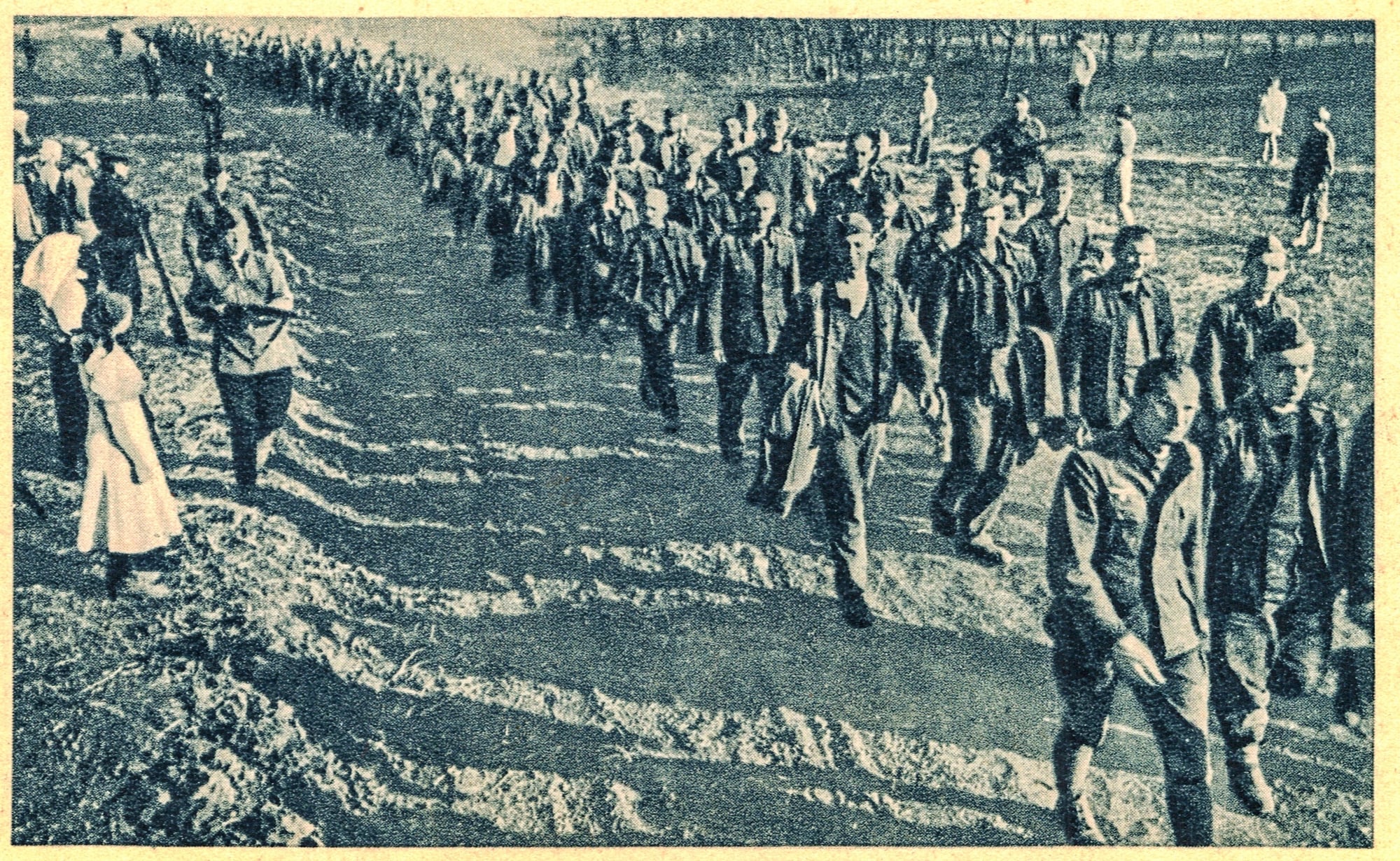
The Soviet Union decided to invade Afghanistan in 1979 after the communist government there started collapsing under pressure from internal factions and resistance movements. Soviet leadership feared losing influence in a bordering state and believed military intervention could stabilize the situation quickly.
Afghanistan had other ideas. The war dragged on for a decade.
It drained Soviet resources, killed thousands of soldiers, and demonstrated that the USSR couldn’t win everywhere. The decision to invade contributed directly to Soviet collapse in 1991.
Afghanistan became the Soviet Union’s Vietnam—a choice to intervene in someone else’s civil war that revealed fundamental weaknesses in the entire system.
France Builds the Maginot Line Strategy

France decided after World War I that they needed to prevent another German invasion. They built the Maginot Line—massive fortifications along the German border.
France also built mobile forces and had strong armored units, but their doctrine emphasized defensive strategy and coordination with Belgium. The fortifications seemed sensible given what happened in the previous war.
Germany went around them through Belgium in 1940. France fell in weeks.
The problem wasn’t just the fortifications themselves but the entire strategic doctrine that assumed defense would work the same way it had before. France had the equipment to fight differently but chose to rely on defensive positions and failed to adapt their thinking.
That doctrinal choice cost France its independence and took years to reverse.
Japan Attacks Pearl Harbor

Japan needed resources and faced an American oil and steel embargo. Japanese military leaders also believed the United States was planning for war regardless of what Japan did.
They decided that attacking the American Pacific Fleet would give them time to secure Southeast Asian resources and possibly force negotiations before America fully mobilized. They planned a surprise attack for maximum damage.
Pearl Harbor brought America into World War II completely committed to victory. Japan’s decision turned a regional conflict into total war with the world’s largest industrial economy.
The calculation that America would fight anyway led to choosing the time and place of that fight—a gamble that guaranteed Japan’s eventual defeat rather than avoiding war altogether.
The Weight of Single Moments

These empires made other choices as well. Each of these moments was the result of hundreds of decisions.
However, some choices are more important than others. These are the moments where different decisions could have completely changed the course of history.
Empires fall due to accumulated errors and rise due to accumulated advantages. However, occasionally a single choice solidifies everything—revealing what was already brittle, securing outcomes that appeared preventable, or creating previously unattainable opportunities.
You can go back hundreds of years to times when someone made a decision that they didn’t fully understand.
More from Go2Tutors!

- The Romanov Crown Jewels and Their Tragic Fate
- 13 Historical Mysteries That Science Still Can’t Solve
- Famous Hoaxes That Fooled the World for Years
- 15 Child Stars with Tragic Adult Lives
- 16 Famous Jewelry Pieces in History
Like Go2Tutors’s content? Follow us on MSN.



