15 Rock and Roll History Facts
Rock and roll has always been about much more than just its music. Since its very beginning, rock and roll has had an edge, an attitude, and an energy that has challenged the status quo and impacted popular culture like few other forms of music have.
Rock and roll rhythms, rock and roll stage shows, and rock and roll personalities have helped shape many different generations of popular culture listeners.
Rock and roll has been constantly evolving, experimenting, and reinventing itself for many decades, and many of the defining moments of its history are full of interesting examples of just how much this genre of music has impacted popular culture, fashion, technology, and youth culture.
Here are fifteen interesting facts about the history of rock and roll:
The Term ‘Rock And Roll’ Became Popular In The Early 1950s
Although the phrase existed earlier in blues lyrics, radio broadcaster Alan Freed helped popularize the term ‘rock and roll’ in the early 1950s. Freed used the name to describe rhythm-driven music that blended elements of blues, country, and gospel.
His radio shows introduced the sound to wider audiences, especially younger listeners. The phrase quickly became shorthand for a new musical style that felt energetic and rebellious compared with traditional pop music of the time.
Early Rock Drew From Multiple Musical Traditions

Rock and roll did not appear suddenly from a single source. Instead, it developed from a mixture of rhythm and blues, country music, gospel, and boogie-woogie piano traditions.
Musicians experimented by combining strong backbeat rhythms with electric guitar and expressive vocals. This fusion created a sound that felt both familiar and completely new.
The cross-cultural blending of styles played a major role in shaping the genre’s early identity.
Elvis Presley Helped Bring Rock Into The Mainstream
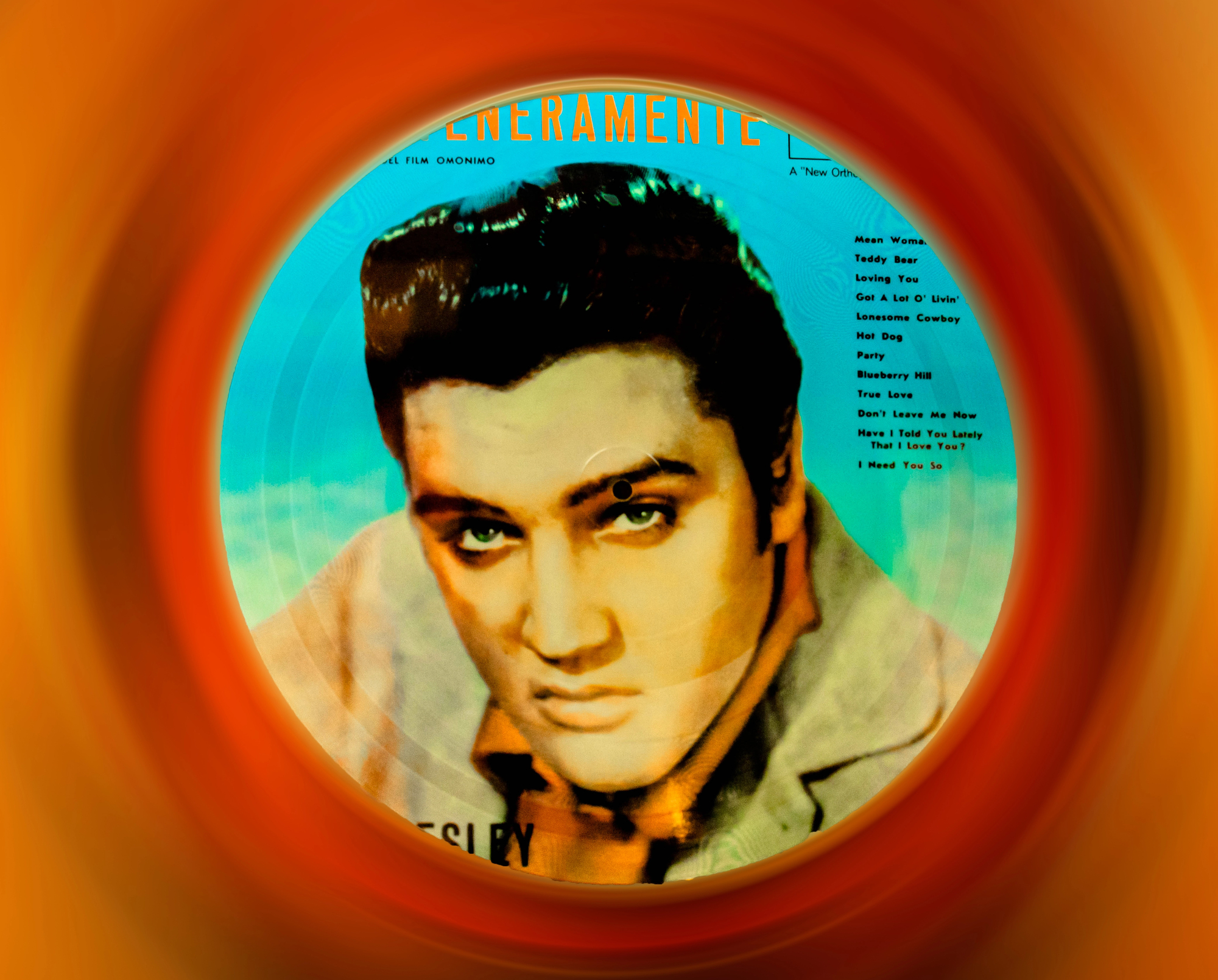
Elvis Presley became one of the first global superstars associated with rock and roll. His recordings and energetic stage presence attracted enormous audiences during the mid-1950s.
Presley’s style combined musical influences from gospel, rhythm and blues, and country traditions. His popularity helped introduce rock music to mainstream radio and television audiences, expanding the genre’s reach across the United States and eventually around the world.
Chuck Berry Defined The Electric Guitar Sound
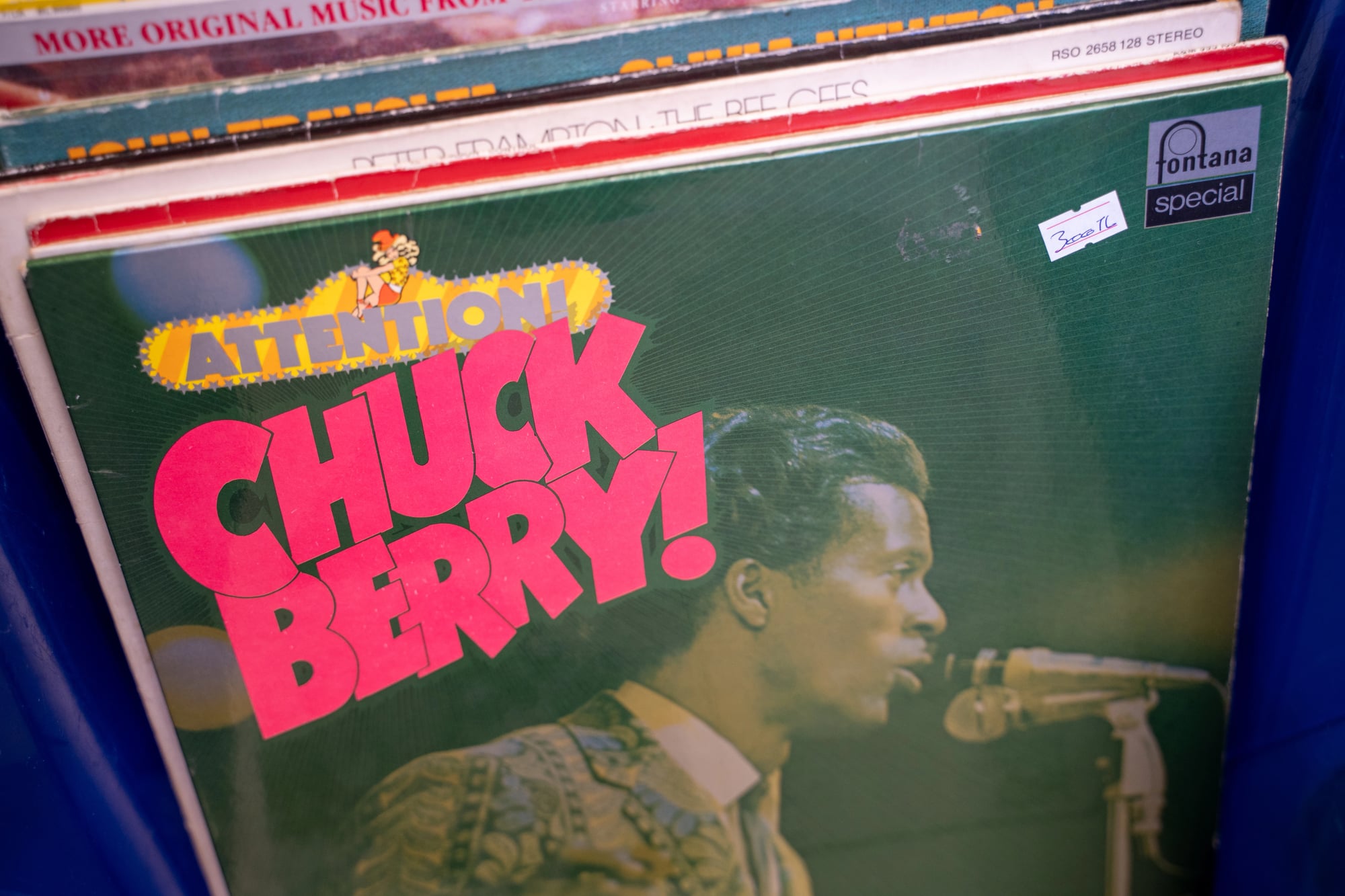
Chuck Berry helped establish the electric guitar as the central instrument of rock and roll. His playing style featured sharp riffs, rhythmic drive, and memorable intros that influenced countless musicians.
Berry’s songwriting also helped shape the genre’s storytelling approach. Many of his songs captured teenage life, cars, school, and youthful freedom.
These themes resonated strongly with young audiences during the rise of rock culture.
Little Richard Brought High-Energy Performance To Rock
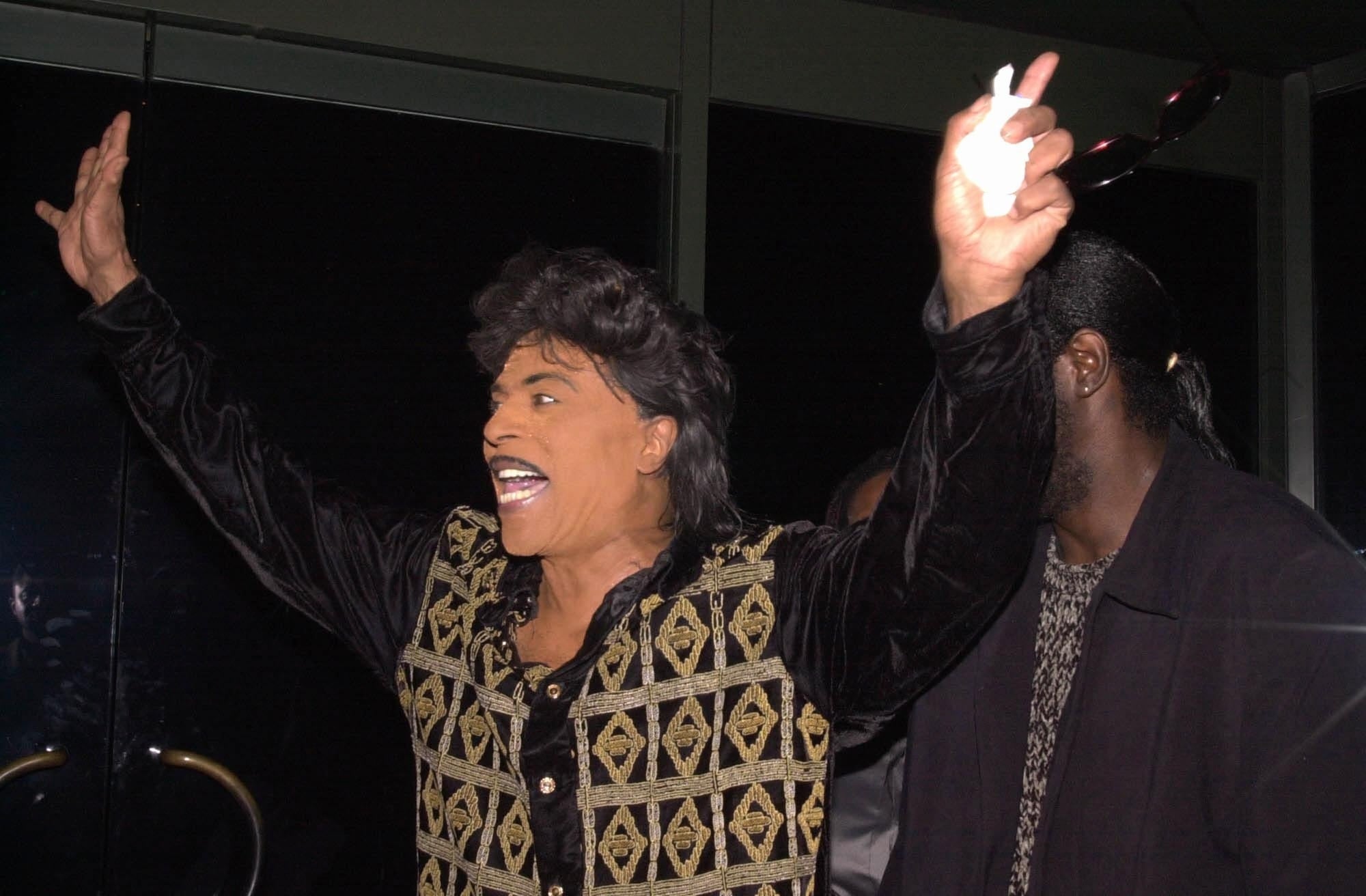
Little Richard’s performances helped define the dramatic energy associated with early rock and roll. His powerful vocals, fast piano playing, and flamboyant stage presence created a thrilling atmosphere during live shows.
Songs such as ‘Tutti Frutti’ and ‘Long Tall Sally’ introduced audiences to a louder and more animated style of performance. His influence extended to later rock artists who adopted similarly energetic stage personas.
The Electric Guitar Became The Symbol Of Rock Music

By the late 1950s and early 1960s, the electric guitar had become the defining instrument of rock music. Amplifiers allowed musicians to produce louder sounds that filled concert halls and large venues.
Guitarists began experimenting with distortion, feedback, and new playing techniques. These innovations helped create the powerful sound associated with many rock bands.
Over time, the electric guitar became one of the most recognizable symbols of the genre.
British Bands Sparked A Global Rock Movement

During the early 1960s, several bands from the United Kingdom gained enormous popularity worldwide. Their success became known as the British Invasion.
Groups such as The Beatles and The Rolling Stones introduced fresh styles of songwriting and performance. Their music blended American rock influences with new creative ideas, helping expand rock’s global appeal and shaping the direction of popular music for years to come.
The Woodstock Festival Became A Cultural Landmark
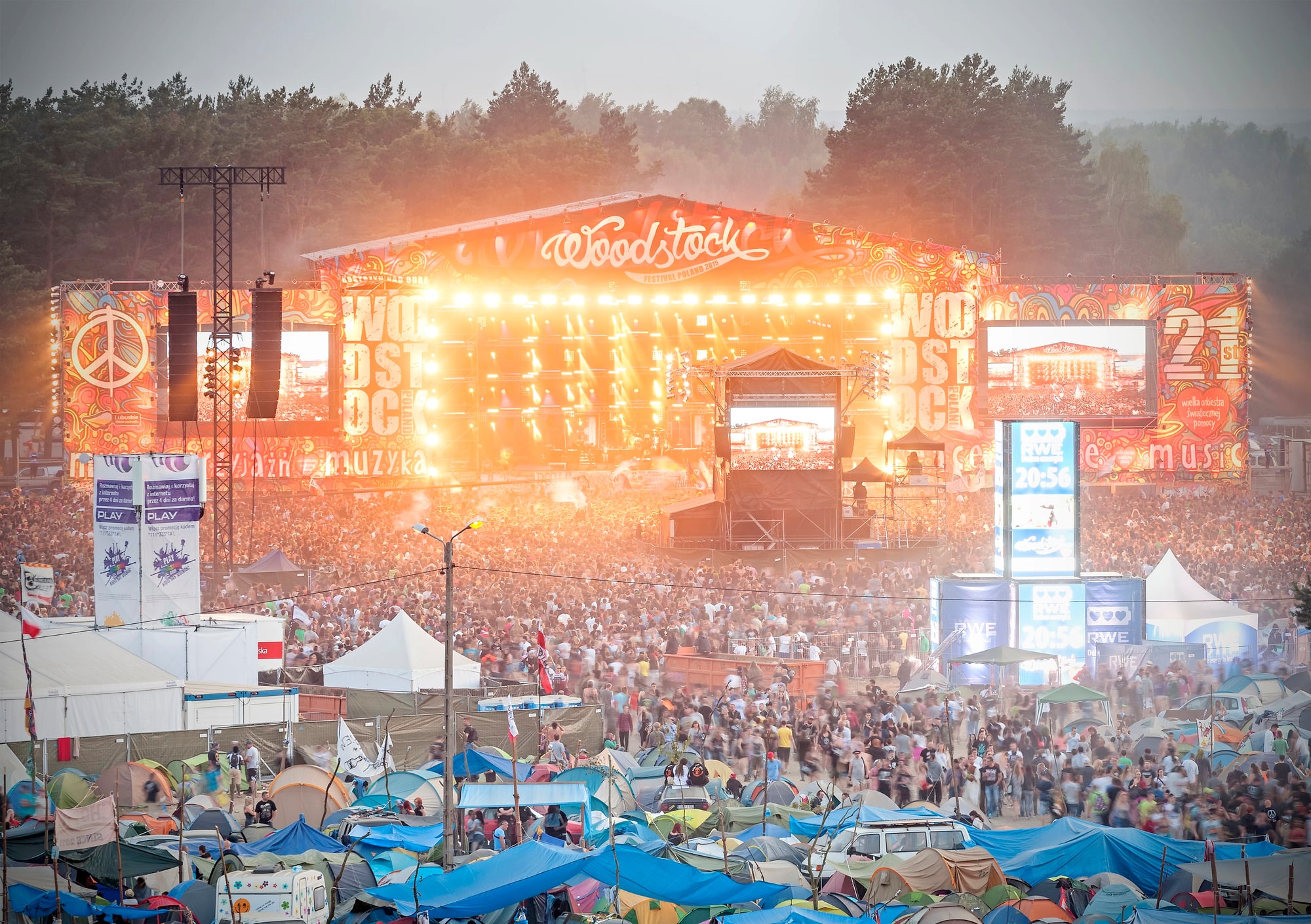
In 1969, the Woodstock Music and Art Fair took place in upstate New York and quickly became one of the most famous music festivals in history. Hundreds of thousands of people gathered for three days of performances by leading rock artists.
The event became associated with the broader cultural atmosphere of the late 1960s, emphasizing music, community, and creative expression. Woodstock remains one of the most frequently discussed moments in rock history.
The Concept Album Changed How Music Was Presented
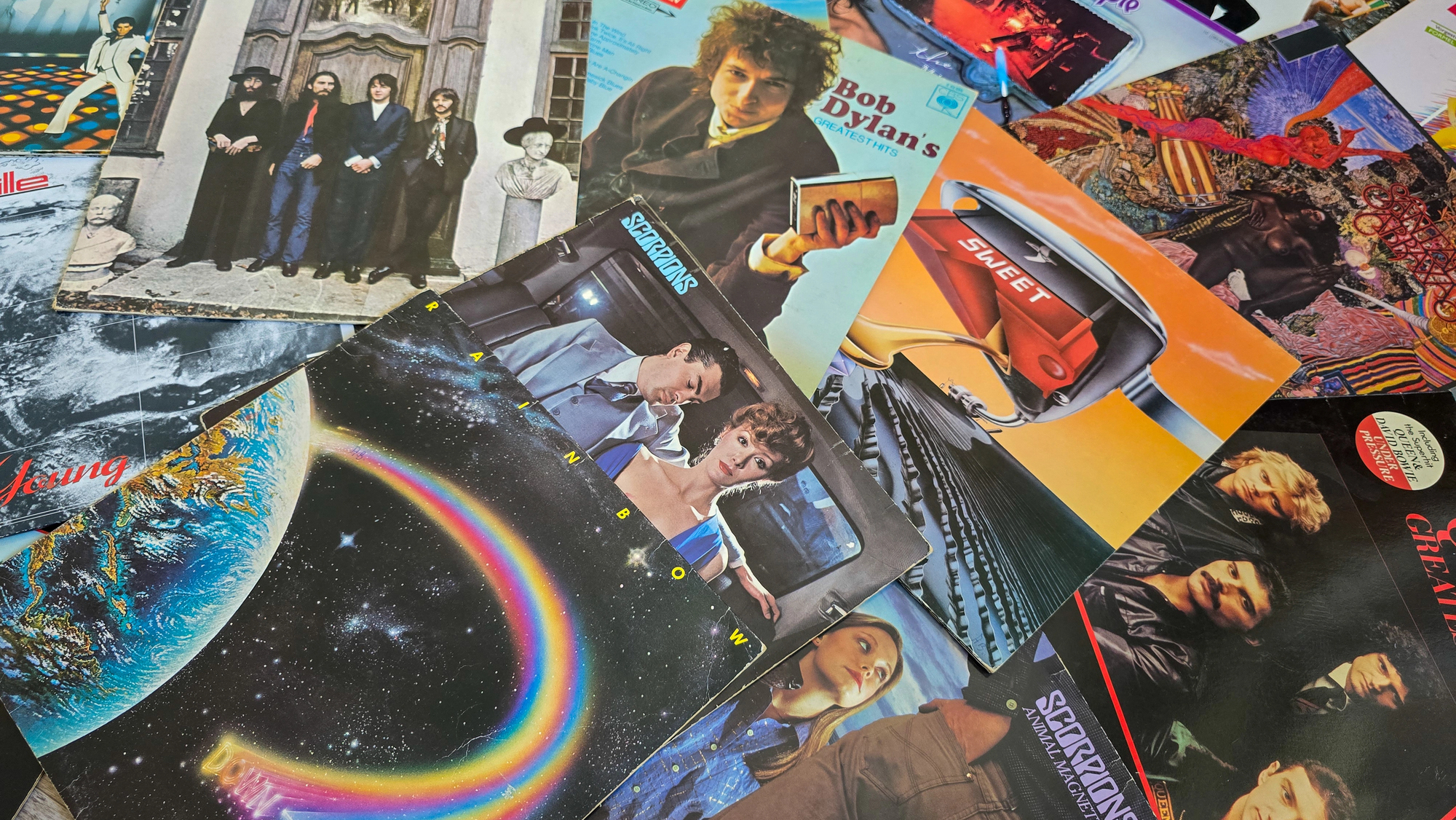
In the late 1960s and 1970s, many rock artists began releasing concept albums that told a connected story or explored a central theme throughout the entire record.
Instead of treating songs as separate pieces, musicians organized albums as unified artistic projects. This approach expanded the creative possibilities of rock music and encouraged listeners to experience records from beginning to end.
Stadium Concerts Transformed Live Performances

As rock music grew more popular, live performances moved from small clubs to large stadiums and arenas. These massive shows required advanced sound systems, lighting setups, and elaborate stage designs.
Stadium concerts turned rock performances into large-scale spectacles. Musicians could now reach tens of thousands of fans in a single night, creating shared experiences that became a defining part of rock culture.
Music Videos Changed How Rock Was Experienced

The rise of music television in the early 1980s introduced a new way for audiences to experience rock music. Artists began creating music videos that visually interpreted their songs.
This shift allowed musicians to express their identity through both sound and imagery. Creative videos helped promote songs while shaping the visual style associated with different rock artists.
Rock Influenced Fashion Trends

Rock musicians have often influenced fashion as much as music. Leather jackets, denim, boots, and distinctive hairstyles became associated with rock culture.
Fans frequently adopted these styles as symbols of individuality and rebellion. Over time, the connection between music and fashion helped define the broader identity of rock culture.
Independent Labels Helped New Artists Emerge

Independent record labels played a crucial role in the development of rock music. These smaller companies often supported artists who experimented with new sounds or unconventional ideas.
Without the pressure of large commercial expectations, many musicians found space to develop unique styles. Independent labels helped introduce audiences to new forms of rock throughout the decades.
Rock Music Inspired Many Subgenres

As rock evolved, musicians began exploring new directions that produced numerous subgenres. Hard rock, punk rock, alternative rock, and many others emerged as artists experimented with different sounds and themes.
Each subgenre introduced new approaches to songwriting, instrumentation, and performance. This constant reinvention helped rock music remain relevant across multiple generations.
Rock And Roll Was Inducted Into Cultural History

In recognition of its influence, institutions dedicated to preserving rock history have been established to celebrate the genre’s legacy. These archives document the musicians, recordings, and cultural shifts that shaped rock music.
By preserving instruments, recordings, and memorabilia, these collections help future generations understand how rock and roll changed popular culture. The genre’s impact continues to be studied, celebrated, and revisited decades after its earliest recordings.
The Legacy Of Rock And Roll Continues

Rock and roll music was born out of a daring experiment that combined several different music styles to create something entirely new. From there, it has expanded to become a worldwide phenomenon that has affected music, fashion, and youth culture.
Today, many contemporary artists still find inspiration from the early artists who helped to establish the genre. While music is still changing and evolving, the essence of rock and roll is still about innovation, excitement, and pushing boundaries.
More from Go2Tutors!

- The Romanov Crown Jewels and Their Tragic Fate
- 13 Historical Mysteries That Science Still Can’t Solve
- Famous Hoaxes That Fooled the World for Years
- 15 Child Stars with Tragic Adult Lives
- 16 Famous Jewelry Pieces in History
Like Go2Tutors’s content? Follow us on MSN.