National Avocado Day: 14 Amazing Facts About This Superfruit
July 31st marks National Avocado Day, a celebration that’s grown from a simple marketing campaign into a nationwide obsession with this creamy green fruit. What started as a way to boost summer avocado sales has become a social media phenomenon, with millions of people sharing their favorite guacamole recipes and avocado toast creations. Yet behind all the Instagram-worthy brunch plates lies a fruit with a history more fascinating than most people realize.
Avocados aren’t just trendy – they’re genuinely remarkable. From their ancient origins to their modern superfood status, these fruits have traveled an incredible journey to reach our tables.
Here is a list of 14 amazing facts about National Avocado Day and this incredible superfruit.
National Avocado Day Started as Pure Marketing
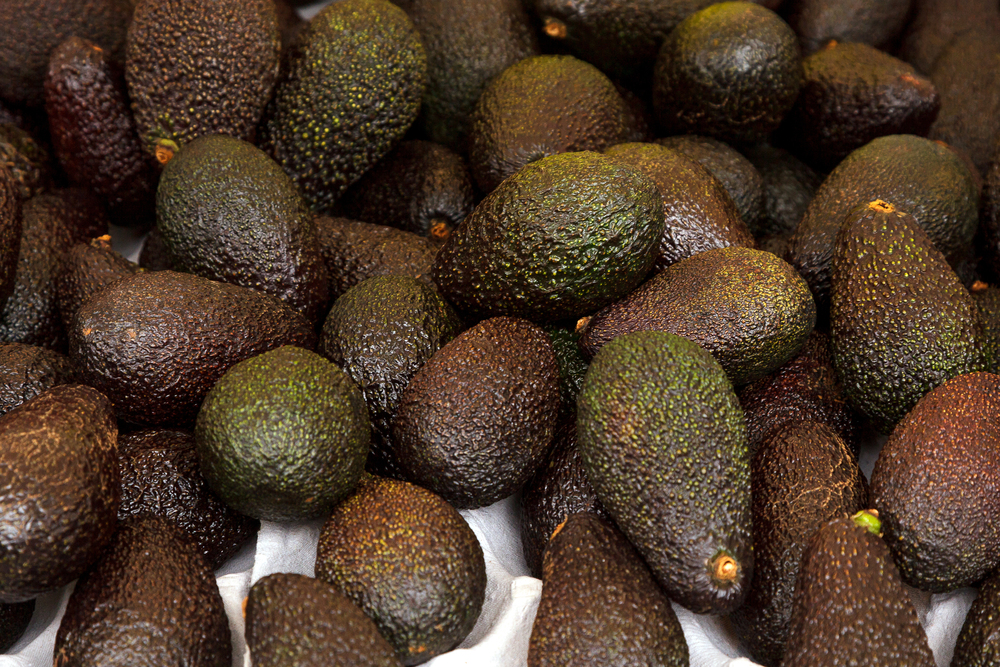
The Hass Avocado Board created National Avocado Day in 2017 to boost summer avocado consumption when sales typically dip. July was chosen strategically since its peak season for California avocados, which needed a competitive edge against year-round imports from Mexico and other countries.
The campaign worked so well that avocado sales during July now consistently spike by double digits.
Avocados Are Actually Berries
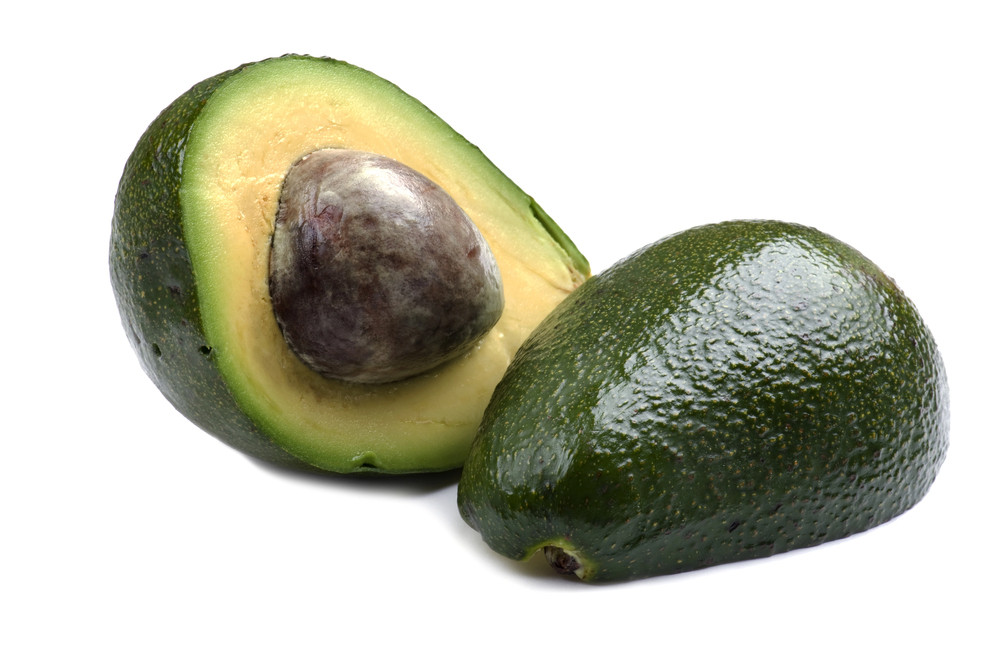
Botanically speaking, avocados qualify as single-seeded berries, making them relatives of grapes and tomatoes rather than tree nuts. This classification comes from their fleshy pericarp surrounding a single large seed, which fits the technical definition of a berry perfectly.
Meanwhile, strawberries and raspberries aren’t actually berries at all – they’re aggregate fruits.
Like Go2Tutors’s content? Follow us on MSN.
The Aztecs Called Them ‘Fertility Fruit’
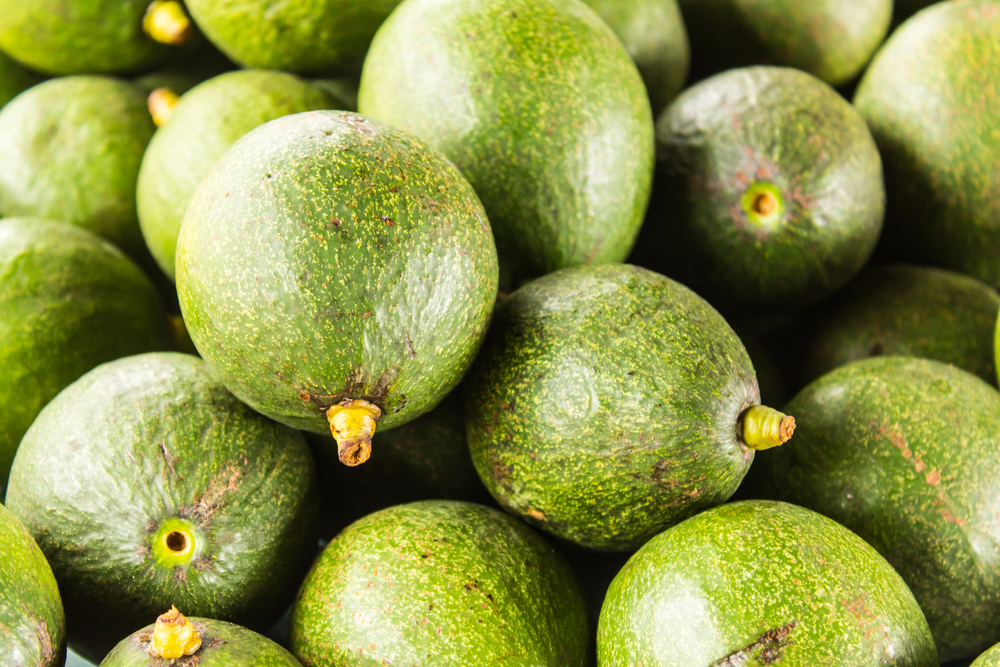
The Nahuatl word ‘ahuacatl’ had dual meanings that led Aztecs to consider the fruit an aphrodisiac and symbol of fertility. Spanish conquistadors couldn’t pronounce the original name, eventually corrupting it into ‘aguacate’ and later ‘avocado.’
The Aztecs were so convinced of the fruit’s romantic powers that they wouldn’t let unmarried women harvest them.
Avocados Were Once Called ‘Alligator Pears’
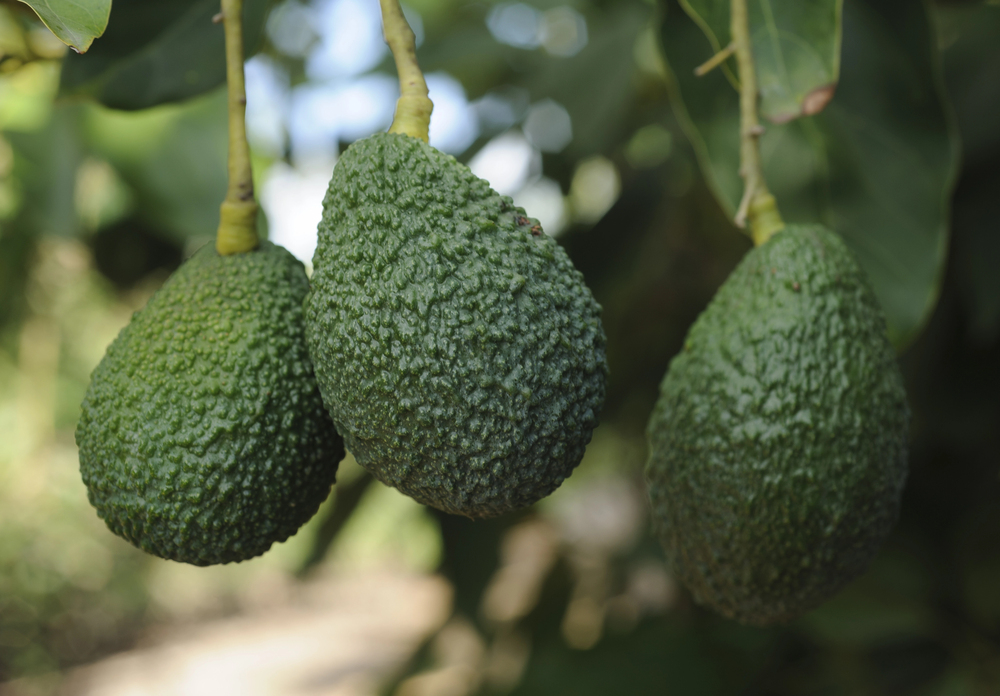
Early American marketers in the 1900s struggled to sell this strange green fruit until they rebranded it as ‘alligator pear’ due to its bumpy skin and pear-like shape. The name stuck for decades, though it confused consumers who expected something sweet rather than the rich, savory flavor they encountered.
Modern marketing eventually dropped the confusing nickname in favor of the original ‘avocado.’
They Take 18 Months to Grow
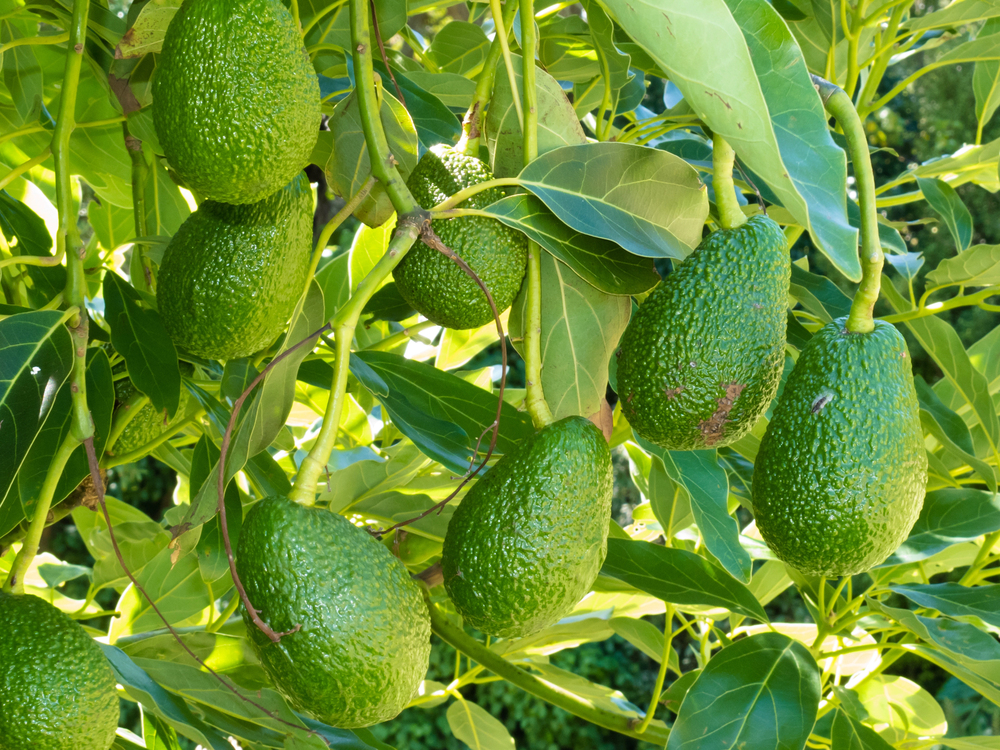
Unlike most fruits that ripen on the tree, avocados can hang on branches for over a year without ripening, essentially using the tree as natural refrigeration. This extended growing period means farmers can harvest avocados almost year-round, picking them when market prices are optimal.
The fruit only begins ripening after it’s removed from the tree.
Like Go2Tutors’s content? Follow us on MSN.
Americans Eat 8 Billion Avocados Annually
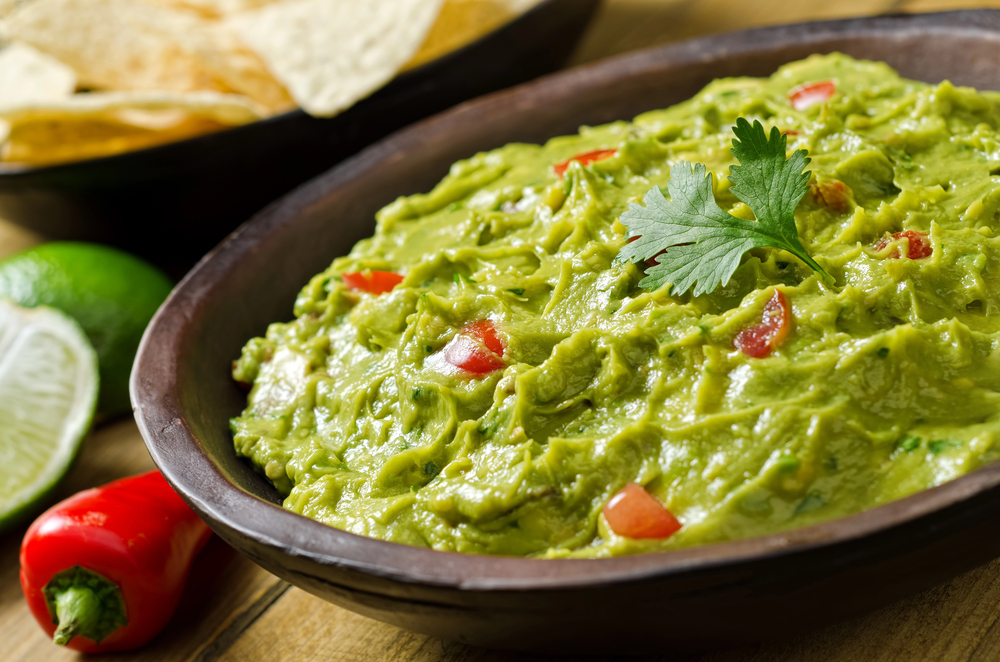
The average American now consumes about 8 pounds of avocados per year, a dramatic increase from just 1 pound in the 1990s. This surge has made avocados a $2.6 billion industry in the United States alone.
Super Bowl Sunday has become the single biggest avocado consumption day of the year, with Americans eating over 100 million pounds of guacamole during the game.
Avocado Trees Can Live for Centuries
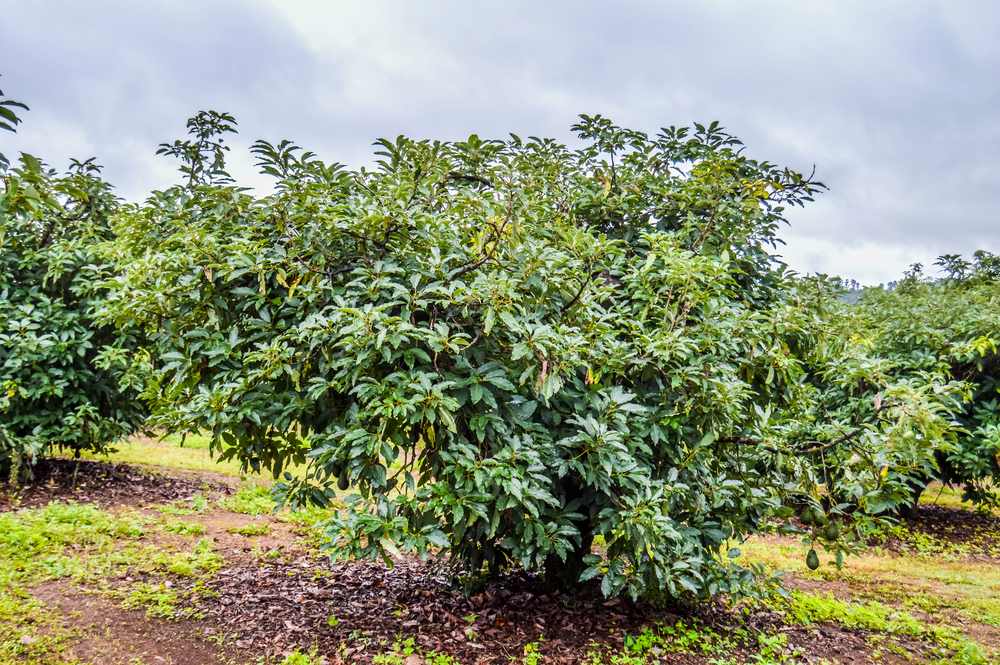
Some avocado trees in Mexico are estimated to be over 100 years old and still producing fruit, with potential lifespans reaching several centuries under ideal conditions. These ancient trees can grow over 60 feet tall and produce thousands of avocados annually once they reach maturity.
It takes about 4-6 years for a newly planted avocado tree to bear its first fruit.
They’re Packed With More Potassium Than Bananas
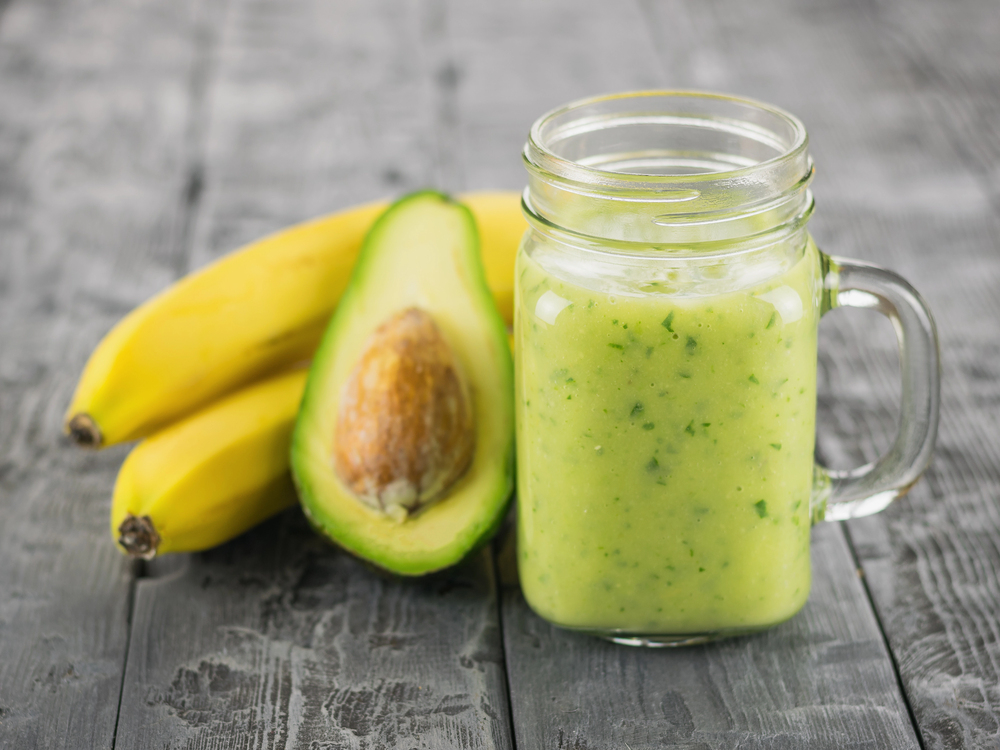
A single avocado contains about 975 milligrams of potassium, compared to 422 milligrams in a medium banana. This high potassium content helps regulate blood pressure and supports proper muscle and nerve function.
The fruit also contains healthy monounsaturated fats that help your body absorb fat-soluble vitamins from other foods.
Like Go2Tutors’s content? Follow us on MSN.
Avocados Ripen Faster With Bananas
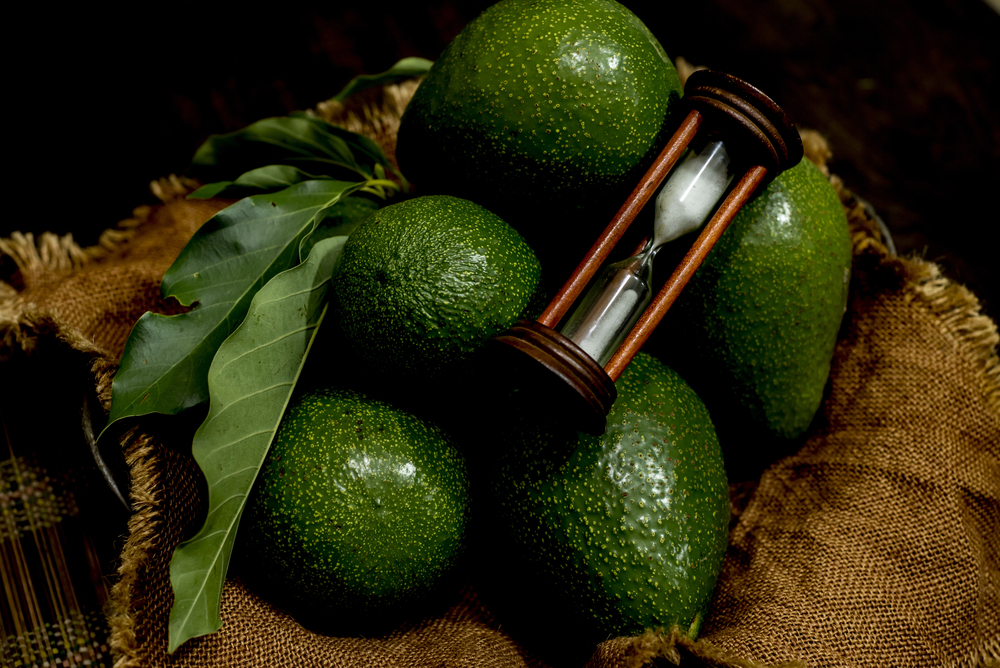
Placing avocados in a paper bag with a ripe banana or apple speeds up ripening dramatically due to ethylene gas production. These fruits naturally emit ethylene, a plant hormone that triggers the ripening process in many fruits.
The paper bag traps the gas, creating a concentrated environment that can ripen hard avocados in just 1-2 days.
There Are Over 500 Avocado Varieties
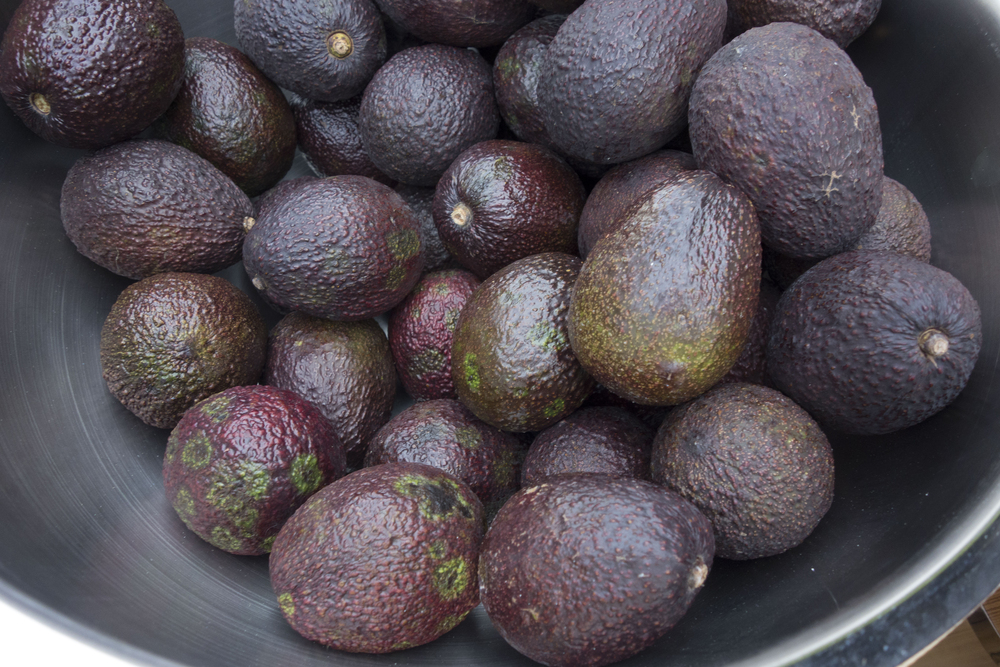
While most Americans only know the dark, pebbly-skinned Hass variety, there are actually hundreds of avocado types ranging from smooth green skins to purple and even black varieties. Some varieties can weigh over 4 pounds each, while others are smaller than chicken eggs.
The Hass dominates commercial production because it ships well and has a longer shelf life than most other varieties.
Mexico Produces 45% of the World’s Avocados
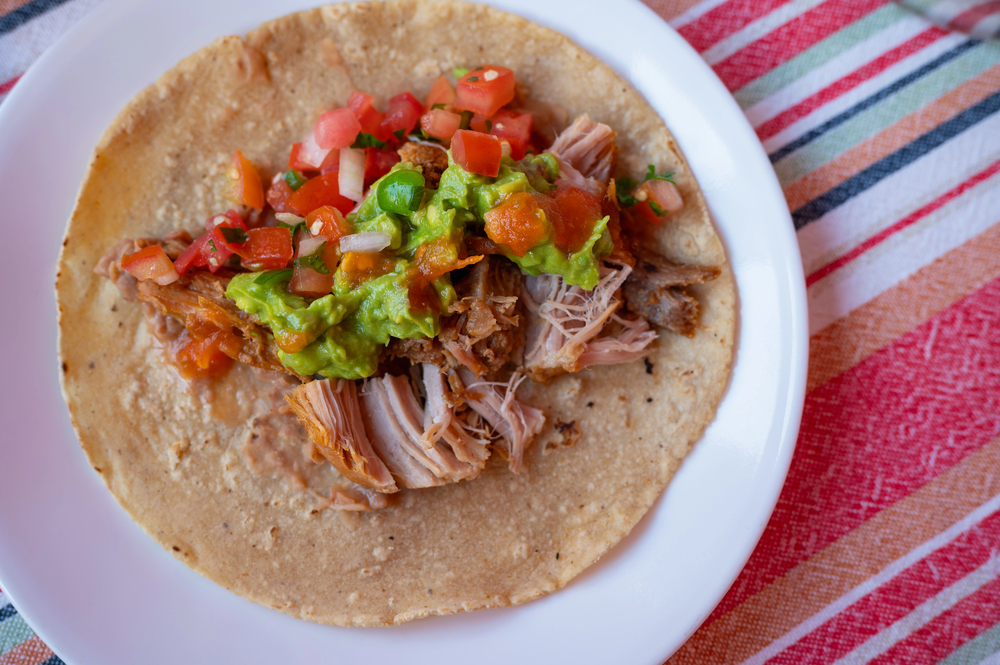
The state of Michoacán in Mexico grows more avocados than anywhere else on Earth, producing over 2 million tons annually. This region’s volcanic soil and ideal climate create perfect growing conditions that have made Mexico the world’s avocado powerhouse.
The industry employs over 300,000 people in Mexico and generates billions in export revenue.
Like Go2Tutors’s content? Follow us on MSN.
Avocados Help You Absorb Other Nutrients
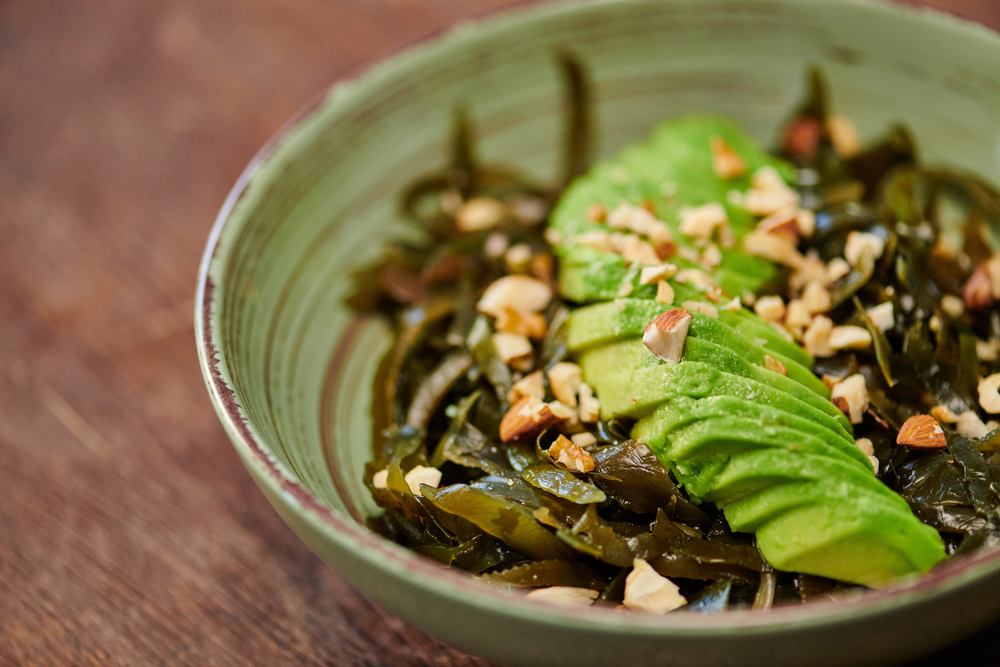
Adding avocado to salads can increase carotenoid absorption from vegetables by 3-5 times compared to salads without fat. The monounsaturated fats in avocados act as nutrient enhancers, helping your body absorb vitamins A, D, E, and K from other foods.
This makes avocados ideal companions for nutrient-dense vegetables and leafy greens.
They Don’t Ripen Until Picked
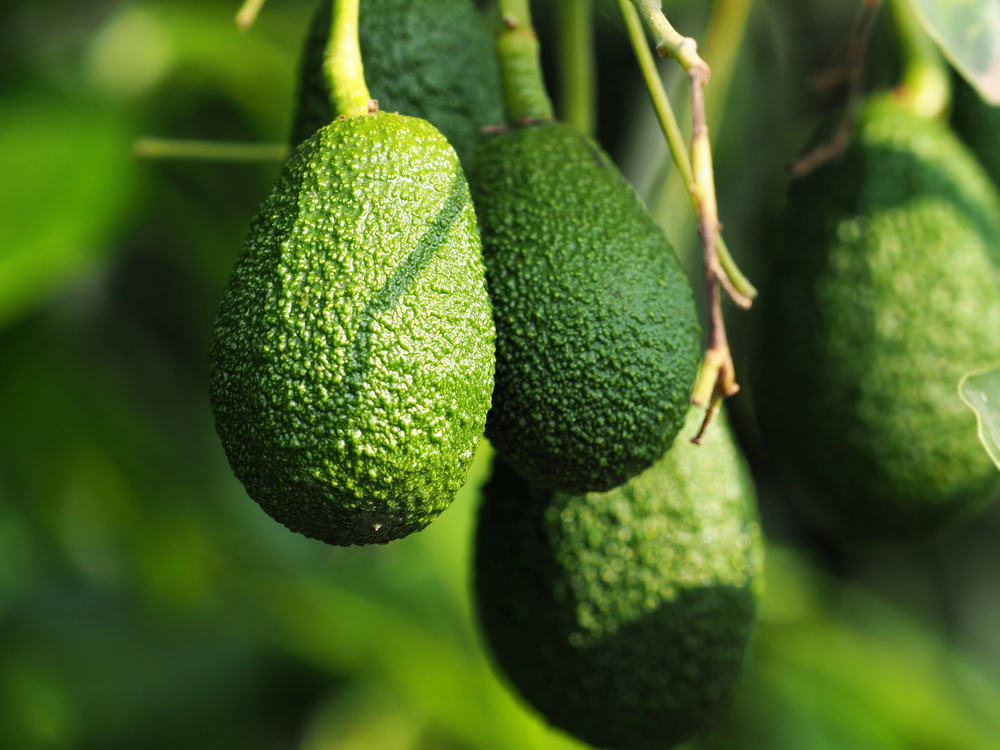
Avocados have a unique ability to remain in a state of suspended animation on the tree, maintaining their hard, unripe condition for months until harvested. This natural preservation system allows farmers to control market supply and ensures year-round availability.
The ripening process only begins when the fruit is separated from the tree and exposed to ethylene gas.
Avocado Oil Has One of the Highest Smoke Points
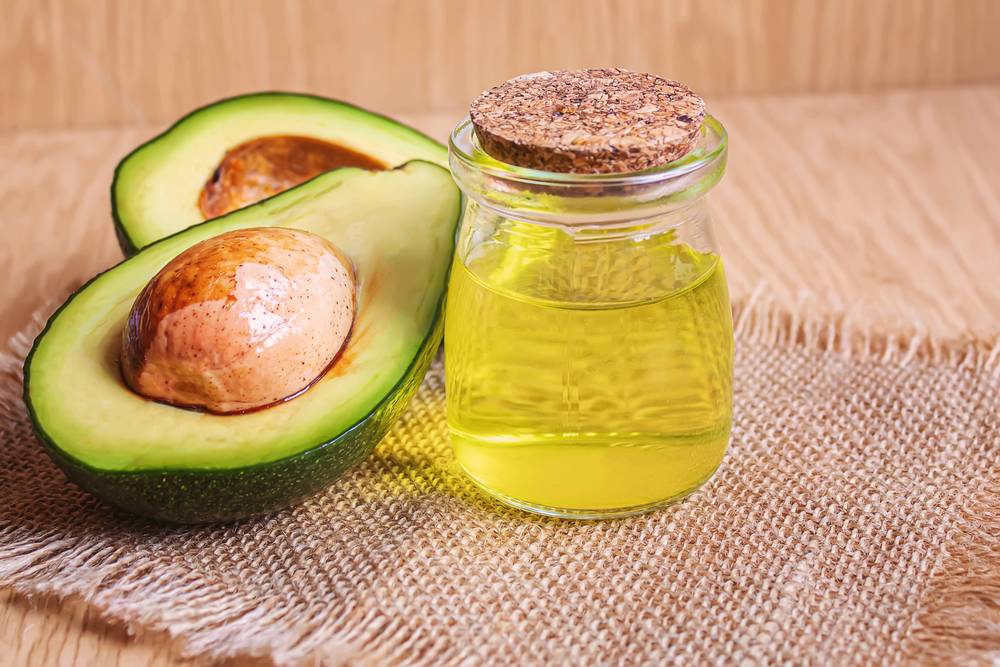
Refined avocado oil can withstand temperatures up to 520°F before breaking down, making it ideal for high-heat cooking methods like searing and frying. This high smoke point surpasses most other cooking oils, including olive oil, which begins curing at around 375°F.
The neutral flavor and heat stability have made avocado oil increasingly popular among professional chefs and home cooks alike.
Like Go2Tutors’s content? Follow us on MSN.
From Ancient Superfood to Modern Obsession
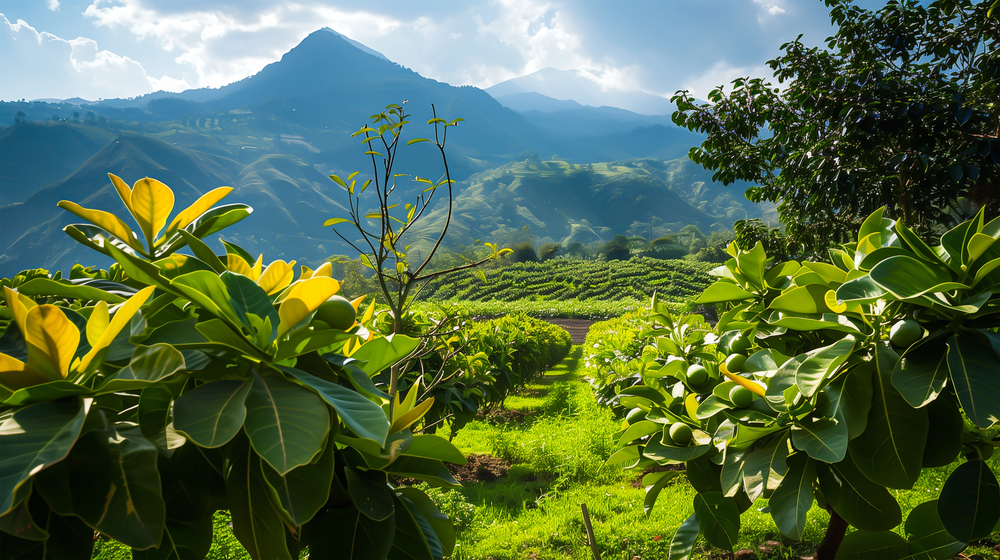
National Avocado Day celebrates more than just a trendy fruit – it honors a food that has sustained civilizations for thousands of years while adapting to modern nutritional science. The Aztecs recognized avocados as a superfood long before the term existed, and contemporary research continues validating their ancient wisdom.
What started as a simple marketing campaign has evolved into a genuine appreciation for one of nature’s most remarkable fruits. Today’s avocado obsession reflects our growing understanding that the best foods often come with the longest histories, proving that sometimes the oldest discoveries make the newest trends.
More from Go2Tutors!

- 16 Historical Figures Who Were Nothing Like You Think
- 12 Things Sold in the 80s That Are Now Illegal
- 15 VHS Tapes That Could Be Worth Thousands
- 17 Historical “What Ifs” That Would Have Changed Everything
- 18 TV Shows That Vanished Without a Finale
Like Go2Tutors’s content? Follow us on MSN.