19 Most Spoken Languages in the World
Language shapes how we connect, share ideas, and understand each other across cultural boundaries. While over 7,000 languages exist worldwide, only a handful truly dominate global communication.
These linguistic powerhouses influence everything from international business to online content, reflecting the economic and cultural influence of their speakers. Understanding which languages carry the most weight globally offers valuable insights into our interconnected world.
Here’s a comprehensive list of 19 languages that collectively reach billions of people across continents.
English
English stands as the undisputed champion of global communication, with approximately 1.5 billion total speakers worldwide. Only about 25% of these speakers are native users, while the remaining 1.1 billion have learned it as a second language.
This remarkable spread reflects English’s role as the default language for international business, technology, and diplomacy. The language dominates the digital world too, with over half of all websites using English for their content.
Mandarin Chinese

Mandarin Chinese claims the second spot globally with around 1.2 billion speakers, but it leads in native speakers with approximately 990 million people learning it from birth. Unlike English’s global dispersion, Mandarin remains heavily concentrated in China and surrounding regions.
What we call ‘Mandarin’ actually encompasses several dialects unified by a shared writing system, though their spoken forms aren’t always mutually intelligible. The language uses a complex tonal system and logographic characters that represent meanings rather than sounds—imagine trying to learn thousands of picture-symbols instead of a simple 26-letter alphabet.
Hindi

Hindi ranks third with approximately 609 million speakers, serving as one of India’s 22 official languages alongside English. The language acts as a bridge across India’s incredible linguistic diversity, where over 121 different languages coexist.
Hindi uses the phonetic Devanagari script, making reading relatively straightforward once you master the characters, and employs a complex honorific system that changes based on social relationships between speakers. Beyond India’s borders, Hindi is spoken by over a quarter of Nepal’s population. Pretty impressive reach for a single language.
Spanish

Spanish boasts around 560 million speakers globally, making it the second most widely spoken language in terms of native speakers and the most spoken Romance language. Spain’s colonial expansion carried this melodious language across the Americas and to parts of Africa and Asia.
What makes Spanish particularly interesting is that a bilingual person who speaks Spanish and English can understand 1 in 3 people who connect to the Internet and access over 60% of web content. The language continues growing rapidly, especially in the United States where it’s the second most spoken language.
French

French reaches 321 million speakers worldwide, with 41% being non-native speakers who’ve learned it as a second or foreign language. The language holds official status in 32 countries, and about two-thirds of French speakers actually live across Africa rather than in France itself.
This distribution reflects France’s colonial history and the language’s continued importance in international diplomacy and culture. French also maintains a solid online presence, accounting for 4.3% of internet content—not bad for a language many consider ‘romantic’ but outdated.
Standard Arabic

Modern Standard Arabic is spoken by 422 million people worldwide, with 313 million being native speakers. This formal version of Arabic serves as the standardized language for media, literature, and formal communication across the Arab world.
Interestingly, Modern Standard Arabic has no native speakers in the traditional sense, as people learn local Arabic dialects at home and acquire the standard form through education. The language connects diverse Arabic-speaking communities from Morocco to Iraq, even so its online presence remains limited at just 0.6% of web content.
Bengali
Bengali reaches 284 million speakers, with 242 million being native speakers, making it the official language of Bangladesh and the second most spoken language in India. The language played a crucial role in the Bengali Language Movement of 1952, when students died protesting Pakistan’s attempt to impose Urdu as the sole state language.
February 21st, the anniversary of these protests, is now celebrated as International Mother Language Day by UNESCO. Bengali has a rich literary tradition and uses a distinctive script derived from ancient Brahmi writing.
Portuguese

Portuguese is spoken by over 257 million people and serves as the official language of nine countries and one territory. Brazil accounts for the vast majority of Portuguese speakers, still the language also thrives in Portugal, several African nations, and parts of Asia.
While Portuguese may vary slightly in accent and vocabulary depending on the region, it remains remarkably unified, enabling cultural and economic connections across multiple continents. The language represents one of the most successful examples of European colonial linguistic expansion.
Russian

Russian is spoken by approximately 258 million people and serves as an official language in Russia, Belarus, Kazakhstan, and Kyrgyzstan. The language uses the Cyrillic alphabet and features a complex case system that changes word endings based on grammatical function—think of it as linguistic gymnastics where every noun does backflips depending on whether it’s the subject or object of a sentence.
Russian influence extends far beyond its official territories, serving as a lingua franca across much of Eastern Europe and Central Asia due to the former Soviet Union’s reach. The language has contributed significantly to literature, science, and space exploration terminology.
Urdu
Urdu reaches 246 million speakers and spans across Pakistan, India, and far-flung diaspora communities worldwide. The language is closely related to Hindi, with their colloquial forms being almost completely mutually intelligible, sometimes leading linguists to classify them as a single language called Hindustani.
Still, Urdu uses the Arabic script and incorporates more Persian and Arabic vocabulary, while Hindi uses Devanagari script and draws more from Sanskrit. This linguistic relationship reflects the complex cultural history of the Indian subcontinent.
Indonesian
Indonesian serves as the official language of the world’s fourth most populous country, reaching over 240 million people. The language belongs to the Malayo-Polynesian family and uses Latin script, making it relatively accessible to Western learners.
What makes Indonesian particularly fascinating is how it evolved from the Malay trade language into a unifying force for Indonesia’s thousands of islands and hundreds of local languages. The government actively promoted Indonesian after independence to create national unity across this incredibly diverse archipelago.
Japanese

Japanese is spoken by approximately 125 million people, almost entirely concentrated in Japan. The language features one of the world’s most complex writing systems, combining three different scripts: hiragana, katakana, and kanji characters borrowed from Chinese.
Japanese also employs an intricate honorific system that requires speakers to adjust their language based on social hierarchies and relationships. Despite having fewer speakers than other languages on this list, Japanese carries significant cultural influence through anime, technology, and business, making it a popular choice for language learners worldwide.
Talk about punching above your weight.
Western Punjabi

Western Punjabi, also known as Lahnda, is spoken by around 90 million people, primarily in Pakistan’s Punjab province, including major cities like Lahore, Rawalpindi, and Multan. The language encompasses several dialects including Majhi, Pothohari, and Multani, and is typically written in Shahmukhi script, a variant of the Persian alphabet.
Despite its large speaker base, Western Punjabi often gets overlooked in official statistics since Urdu dominates formal communication in Pakistan. The language differs from Eastern Punjabi spoken in India in pronunciation, script, and vocabulary.
Marathi
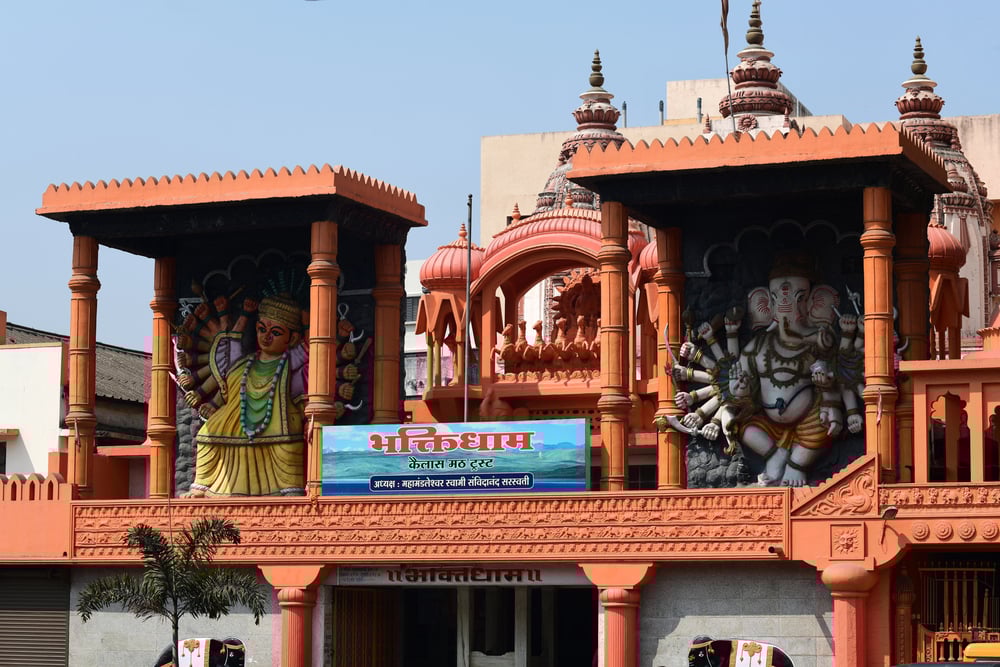
Marathi is spoken by approximately 83 million people, primarily in the Indian state of Maharashtra, including Mumbai. The language uses the same Devanagari script as Hindi but has its own distinct grammar, vocabulary, and cultural expressions.
Marathi boasts a rich literary tradition dating back over a thousand years and has produced numerous influential poets, writers, and scholars. The language plays a crucial role in Maharashtra’s cultural identity and serves as a medium of instruction in many schools throughout the region.
Telugu

Telugu reaches about 82 million speakers and serves as the official language of the Indian states of Andhra Pradesh and Telangana. The language uses its own distinctive script and is known for having more Sanskrit vocabulary than many other Dravidian languages.
Telugu speakers often call their language the ‘Italian of the East’ due to its melodious sound, as most words end in vowels. The language has produced classical literature and continues to thrive in modern Indian cinema, particularly in the rapidly growing Telugu film industry.
Turkish
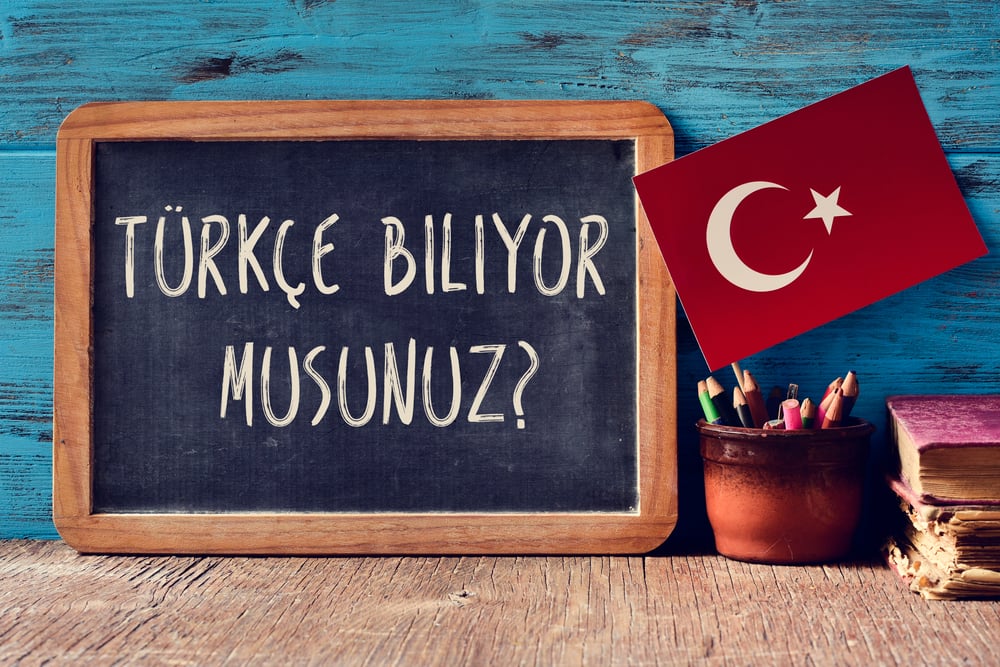
Turkish is spoken by approximately 80 million people, primarily in Turkey, with communities in Cyprus, Bulgaria, and other neighboring regions. The language underwent a dramatic transformation in the 1920s when Mustafa Kemal Atatürk replaced the Arabic script with a modified Latin alphabet as part of Turkey’s modernization efforts.
Turkish belongs to the Turkic language family and features agglutination, where multiple suffixes attach to word roots to create meaning. This gives Turkish speakers the ability to create incredibly long, precise words that would require entire phrases in other languages—imagine condensing a whole sentence into a single word and you’ll get the idea.
Korean

Korean is spoken by about 77 million people across North and South Korea, with additional communities in China, Japan, and other countries. The language uses Hangul, a unique alphabet system created in the 15th century that’s considered one of the most logical and efficient writing systems ever developed.
Korean features multiple speech levels that speakers must navigate based on age, social status, and familiarity with their conversation partner. The global popularity of Korean culture through K-pop, Korean dramas, and Korean cuisine has sparked increased interest in learning the language worldwide.
Vietnamese

Vietnamese is spoken by approximately 76 million people, primarily in Vietnam, with communities in Cambodia, Laos, and diaspora populations worldwide. The language uses a modified Latin alphabet with additional tone marks, as Vietnamese is a tonal language with six different tones that can completely change word meanings.
Vietnamese vocabulary shows influences from Chinese due to centuries of Chinese rule, along with French loanwords from the colonial period. The language’s tonal nature and unique sound combinations make it particularly distinctive among Southeast Asian languages.
Get one tone wrong and you might accidentally call someone’s mother a horse instead of asking for directions.
Tamil

Tamil reaches about 75 million speakers and holds the distinction of being one of the world’s oldest continuously spoken languages. The language is official in Tamil Nadu, India, Sri Lanka, and Singapore, with classical Tamil literature dating back over 2,000 years.
Tamil uses its own script and has successfully resisted many attempts to incorporate Sanskrit vocabulary, maintaining a more ‘pure’ Dravidian character than some related languages. The language’s speakers take enormous pride in their linguistic heritage, and Tamil cultural movements have played significant roles in regional politics.
The Digital Divide in Global Communication
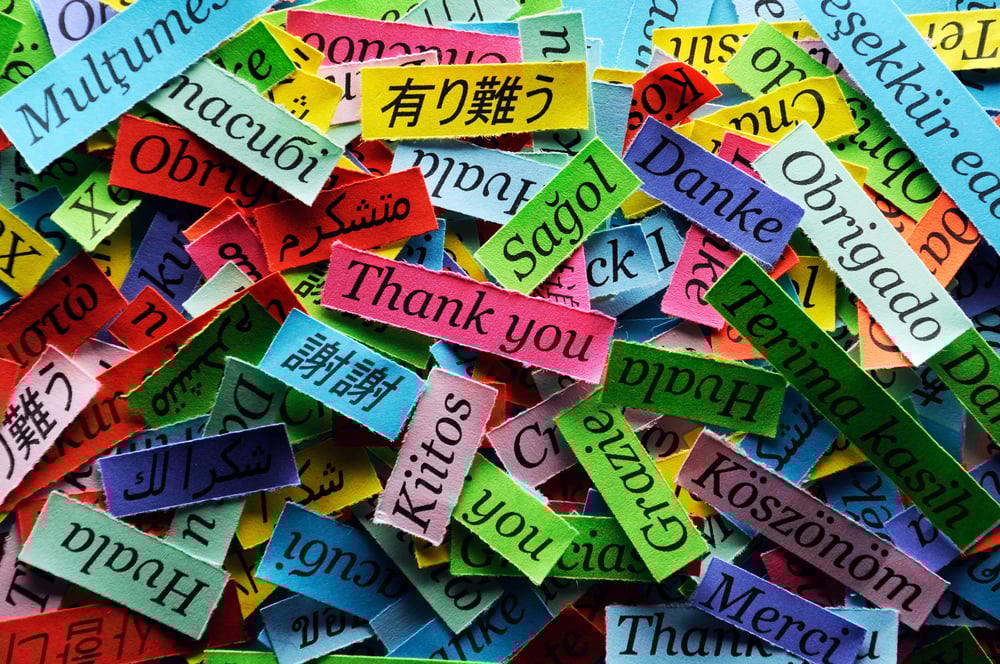
These 19 languages collectively represent the voices of billions, yet their digital footprints vary dramatically. While English dominates over half of all web content despite representing just 25% of its speakers being native, languages like Hindi, Bengali, and Arabic maintain minimal online presence despite their massive speaker populations.
This digital language gap reflects broader patterns of technological access and economic development, reminding us that linguistic influence in our modern world depends not just on speaker numbers, but on digital connectivity and economic power.
More from Go2Tutors!

- The Romanov Crown Jewels and Their Tragic Fate
- 13 Historical Mysteries That Science Still Can’t Solve
- Famous Hoaxes That Fooled the World for Years
- 15 Child Stars with Tragic Adult Lives
- 16 Famous Jewelry Pieces in History
Like Go2Tutors’s content? Follow us on MSN.