Richest Families in History
Few people realize how old great riches really are. Before Wall Street, tech startups, or global brands existed, some family names gathered sums so huge that borders shifted because of them.
Power didn’t just come from gold—it flowed through courts, temples, battlefields, and art. Often, when dynasties climbed higher, countries rose too; their decline dragged civilizations down.
Money back then wasn’t separate from destiny—it helped write history. Measuring riches over hundreds of years is not simple. Money loses value, documents vanish, whole ways of doing business fade away.
Yet experts say certain dynasties once held assets far beyond today’s biggest net worths. Exact numbers aren’t key—what counts is the influence they wielded. Their wealth came from trade, land, banking—sometimes war, sometimes peace. Power passed down through generations like a quiet force beneath the surface.
Even now, traces of their influence show up in cities, laws, and art. Time moved on, yet echoes remain where you might not expect.
The House of Rothschild
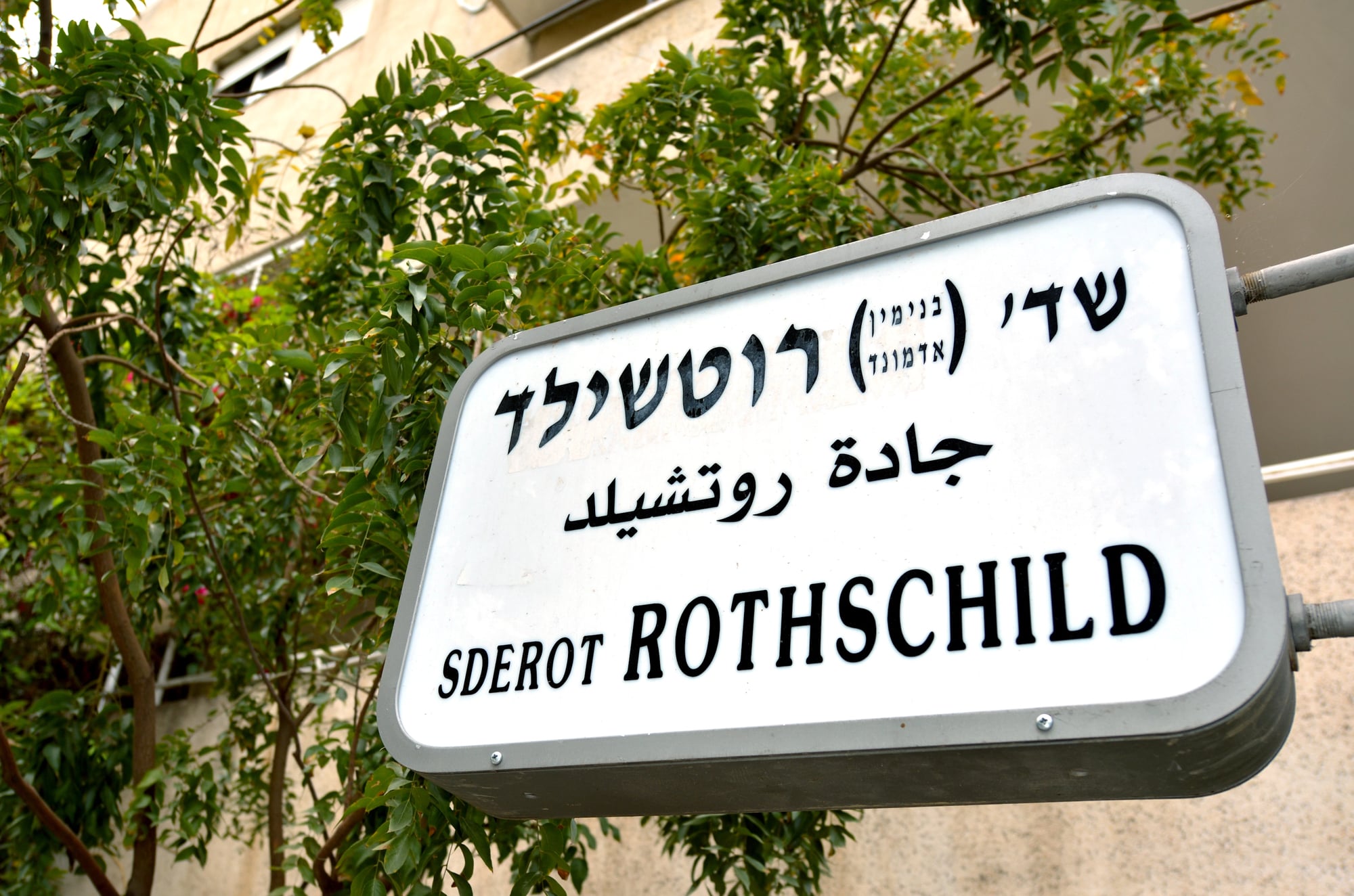
Few family names are as closely associated with wealth as the Rothschilds. Rising to prominence in the late eighteenth and nineteenth centuries, the family built a banking empire that spanned Europe.
By placing members in major financial centers such as London, Paris, Frankfurt, Vienna, and Naples, they created an early version of an international banking network. Their fortune grew through government bonds, war financing, and strategic investments at moments when nations were desperate for liquidity.
At their peak, the family’s combined wealth and influence were unmatched. Even as dominance softened in later generations, the Rothschild name remained synonymous with elite finance. Their legacy lies not only in wealth, but in the systems of global banking they helped normalize.
The House of Saud
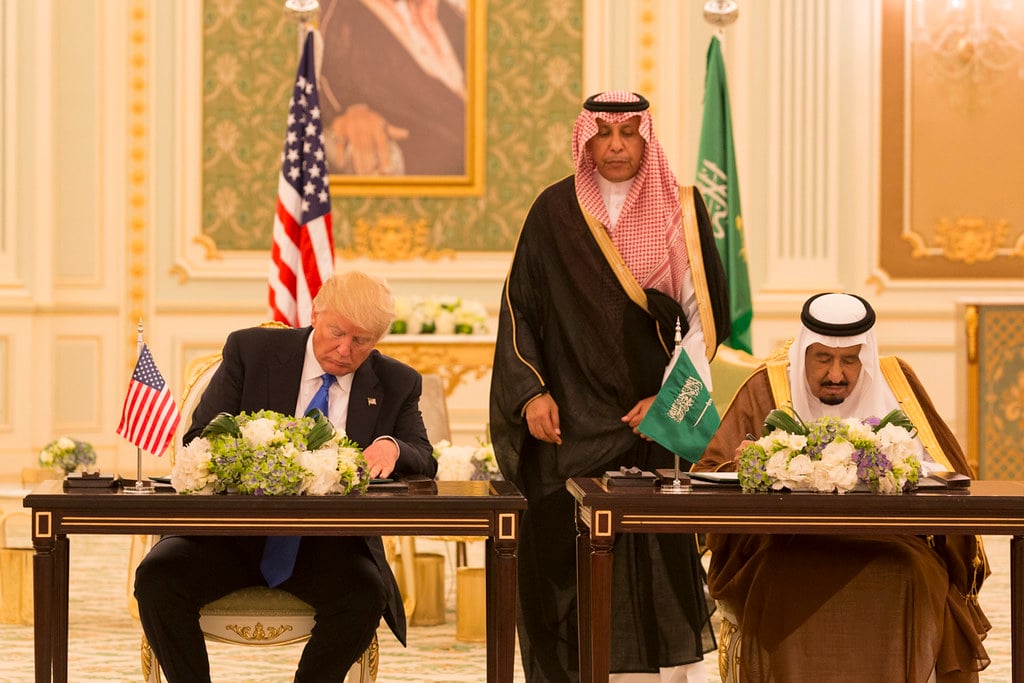
The wealth of the Saudi royal family is rooted in one of the most valuable natural resources ever discovered. With the discovery of vast oil reserves in the twentieth century, the House of Saud transformed from a regional ruling family into custodians of one of the world’s most resource-rich nations.
Unlike industrial fortunes built through private enterprise, this wealth is closely tied to state ownership and control. Oil revenues fund royal assets, national development, and global investments through sovereign wealth structures.
What sets the House of Saud apart is how closely wealth, governance, and national identity intertwine. Their fortune is not just inherited—it is embedded in the structure of the modern Saudi state.
The Romanov Dynasty
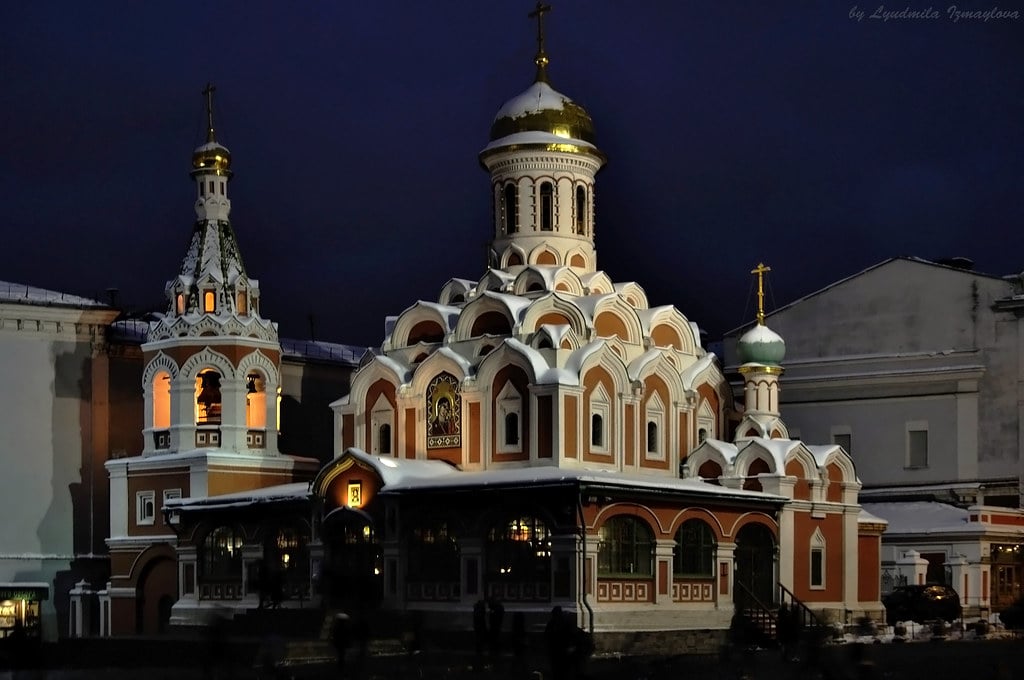
For more than three centuries, the Romanov family ruled Russia, presiding over one of the largest empires in history. Their wealth came from land ownership, taxation, and control of state resources across territories stretching from Eastern Europe to Siberia.
The Romanovs lived in extraordinary luxury, with palaces, art collections, and private estates that rivaled any royal household in Europe. While exact valuations are difficult, historians regard them as among the wealthiest ruling families of their era.
Their story is a reminder of how fragile concentrated wealth can be. Political unrest and revolution brought the dynasty’s rule—and much of its fortune—to an abrupt end in the early twentieth century.
The Mughal Dynasty
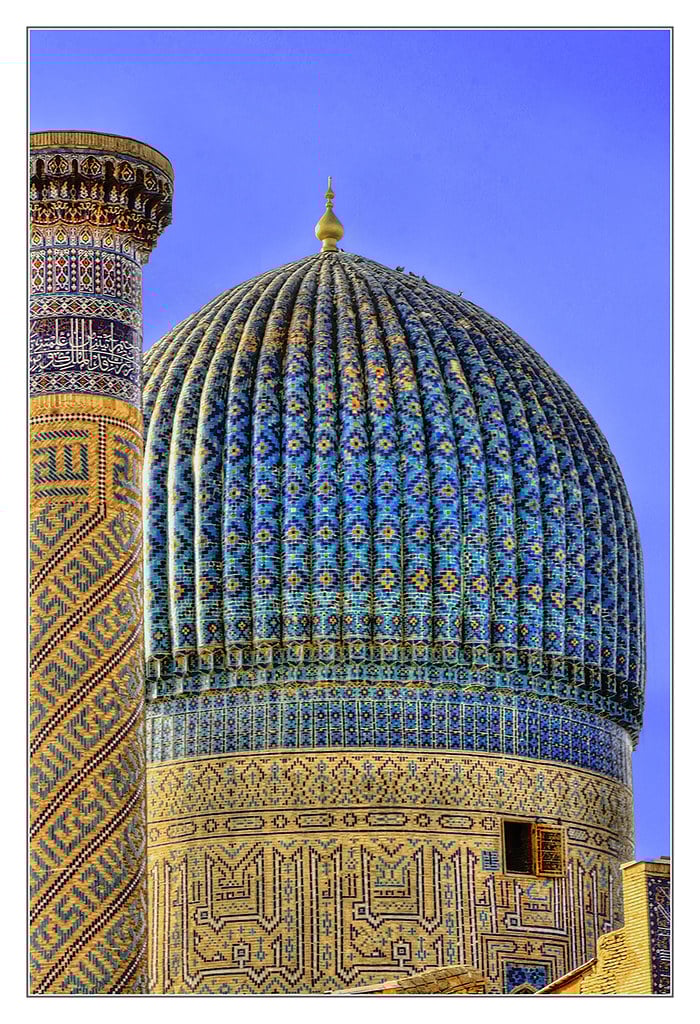
At its height, the Mughal Empire controlled a significant portion of the world’s economic output. Ruling much of the Indian subcontinent from the sixteenth to the eighteenth centuries, the emperors commanded immense agricultural wealth, trade revenues, and tribute from one of the most productive regions on Earth.
The family’s riches were legendary. Monuments like the Taj Mahal were built using imperial resources that reflected extraordinary economic capacity. Though the empire eventually declined, the Mughal dynasty remains a clear example of how regional dominance could translate into global economic influence.
The Medici Family
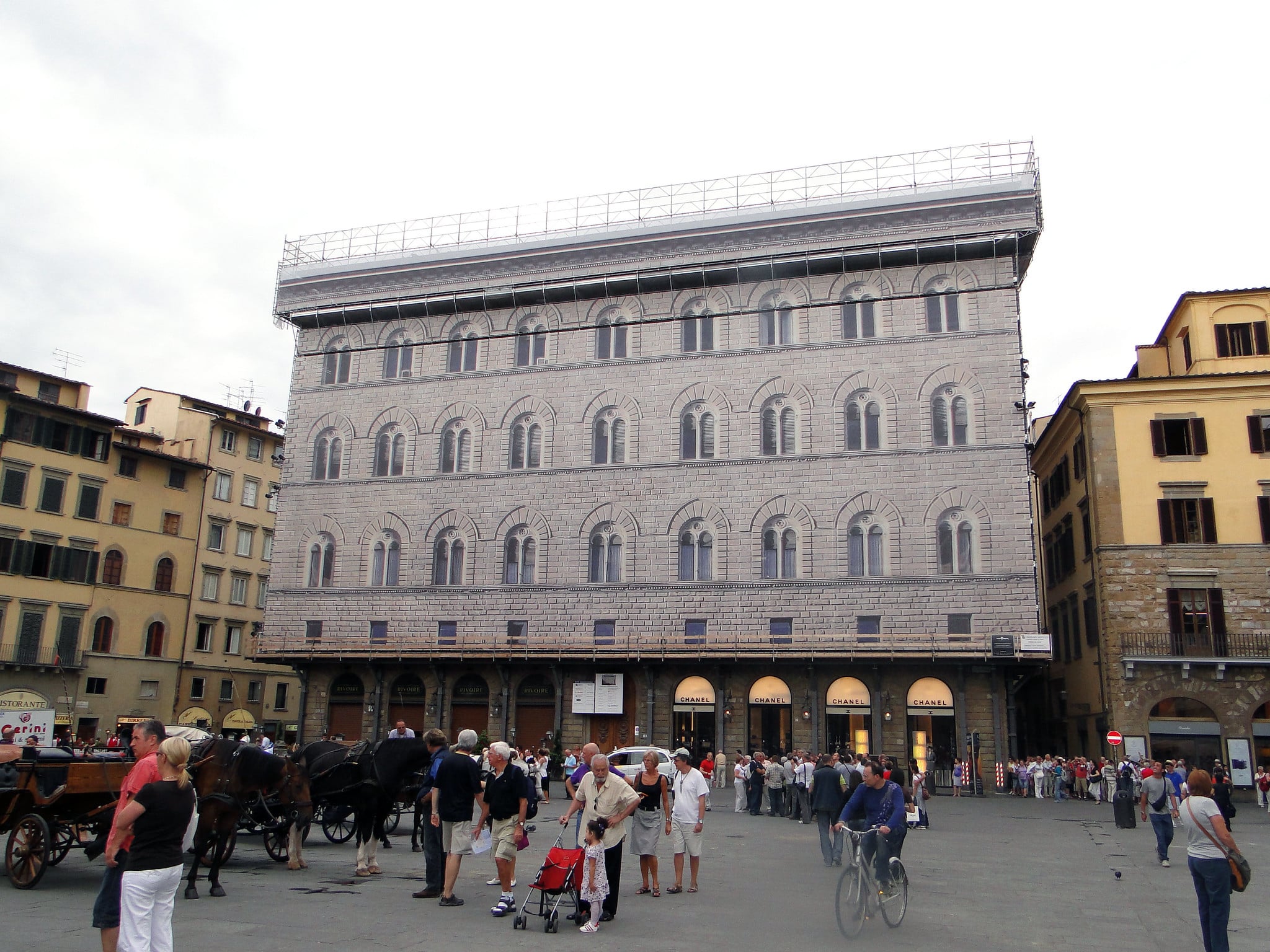
The Medici family rose from merchants to power brokers in Renaissance Italy, reshaping both finance and culture. Based in Florence, their banking operations extended across Europe, handling accounts for monarchs and religious institutions alike.
Their wealth allowed influence far beyond commerce. The Medici became patrons of artists, architects, and thinkers who defined the Renaissance. Figures such as Michelangelo and Leonardo da Vinci benefited directly from Medici support.
While their financial empire eventually faded, the family’s impact endured, demonstrating how wealth could be converted into cultural capital.
The House of Habsburg
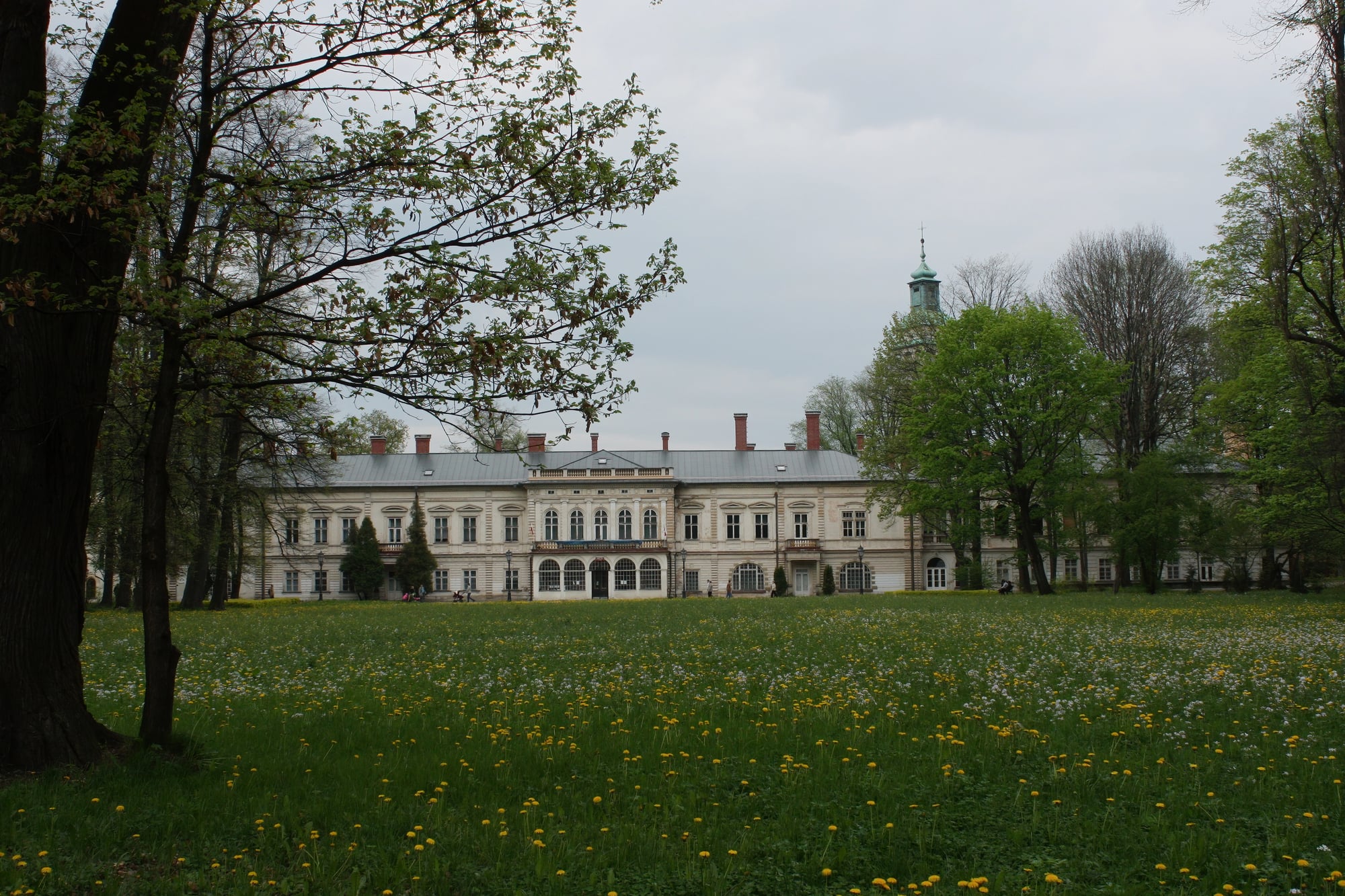
For centuries, the Habsburg family controlled large portions of Europe through strategic marriages, inheritance, and conquest. Their wealth was spread across territories, making it harder to quantify but no less substantial.
The Habsburgs ruled lands rich in agriculture, trade routes, and mineral resources. Their financial power supported vast armies, royal courts, and diplomatic networks that shaped European politics for generations.
The Habsburg fortune is distinctive for its durability. Rather than rapid accumulation, it was sustained through careful expansion and political maneuvering over hundreds of years.
The Ottoman Dynasty
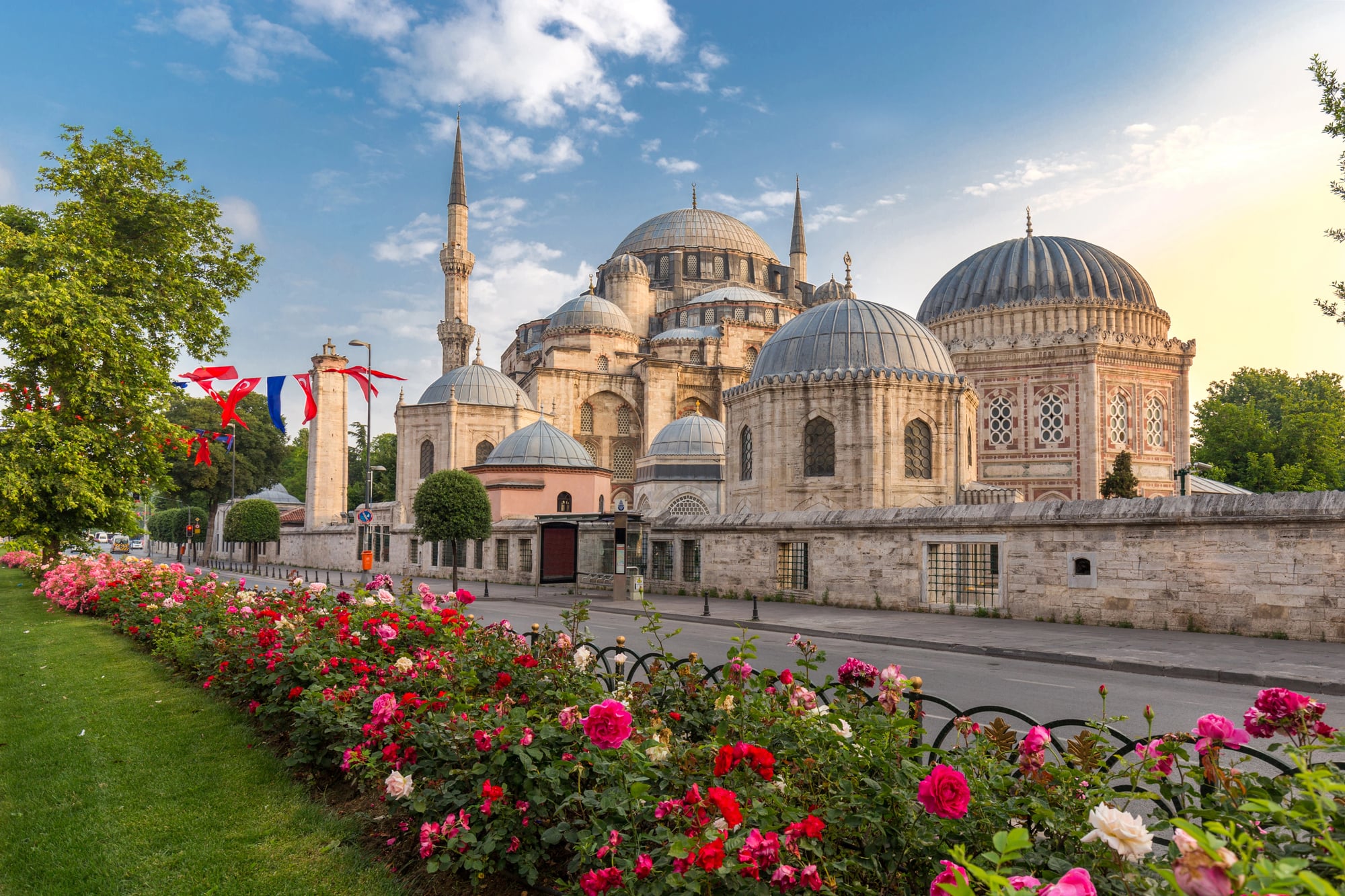
The Ottoman ruling family oversaw an empire bridging Europe, Asia, and Africa for more than six centuries. Their wealth flowed from trade control, land taxes, and strategic dominance of key shipping routes.
Istanbul became a center of commerce and administration, drawing wealth from across the empire. The ruling family enjoyed access to immense resources, supporting elaborate courts and ambitious infrastructure projects.
Although the empire eventually dissolved, the scale of wealth controlled by the Ottoman dynasty during its height places it firmly among the richest families in history.
The Astor Family
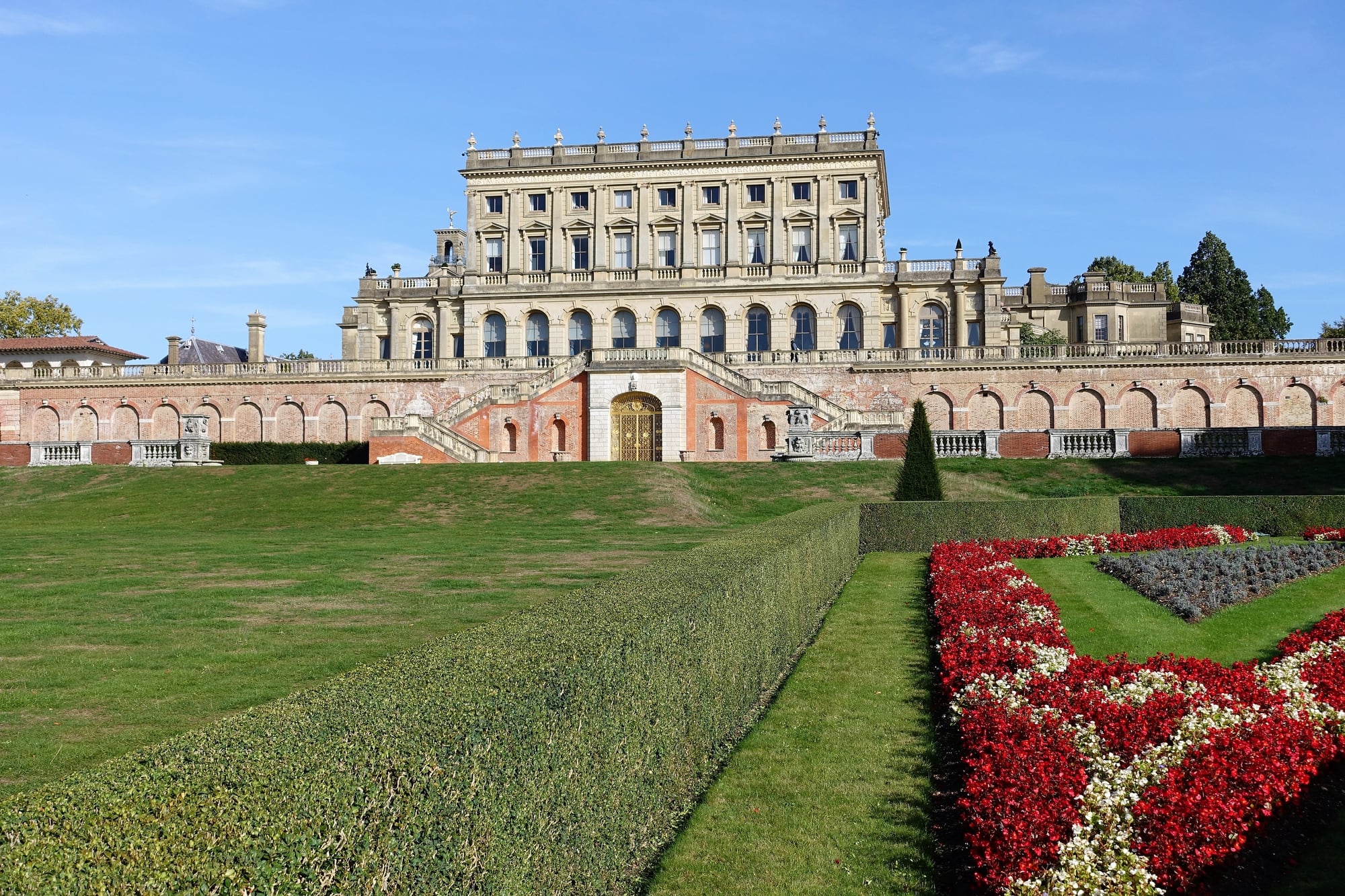
Moving into the industrial age, the Astor family represents one of the earliest examples of modern private wealth in the United States. Their fortune began with fur trading and expanded into New York City real estate.
By acquiring land early and holding it as the city grew, the Astors positioned themselves to benefit from urban expansion on an unprecedented scale. Their wealth translated into influence within social and political circles throughout the nineteenth century.
Later generations diversified or dispersed holdings, but the Astor story highlights how timing and geography can create fortunes that endure for decades.
The Vanderbilt Family
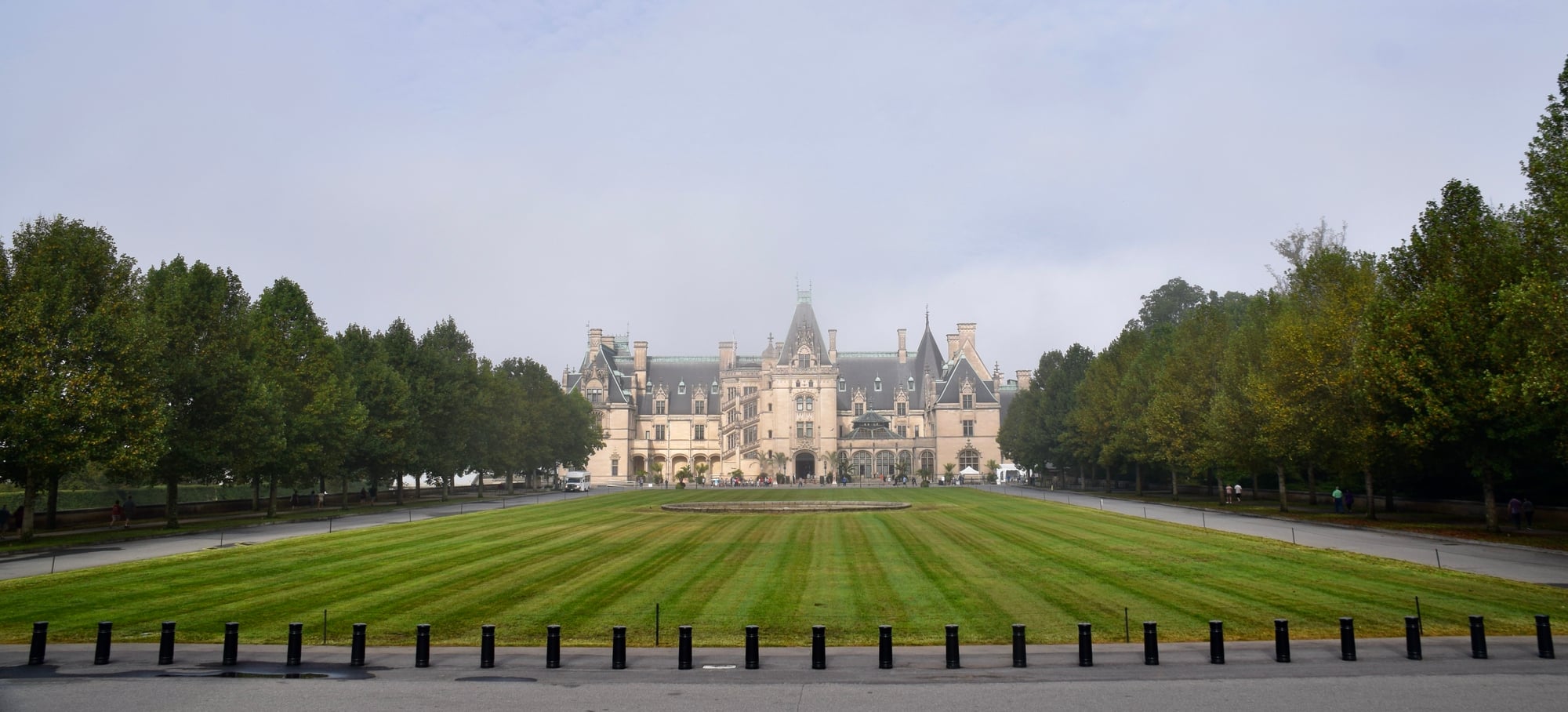
The Vanderbilt fortune was built on transportation and infrastructure during America’s rapid industrial expansion. Beginning with shipping and later dominating railroads, the family accumulated wealth that reshaped the national economy.
Cornelius Vanderbilt’s strategies emphasized consolidation and efficiency, allowing control over key transit routes. At the family’s peak, their fortune rivaled national budgets of smaller countries.
Over time, wealth was divided among heirs and spent on estates, philanthropy, and lifestyle. The Vanderbilt story illustrates how even enormous fortunes can diminish without careful stewardship.
Why These Fortunes Still Matter

Some family names towered over entire economies. Not just collecting money, they built pathways for goods across continents. Power followed them into royal courts, shifting laws without saying a word.
Culture bent wherever their interests reached, and what they paid for wasn’t temporary—cities rose, battles ignited, masterpieces came to life. Over time, one truth emerges: money lifts authority while authority guards money.
Peering into the past through these families shows how power and wealth gaps took root. Today’s massive fortunes might appear unmatched, yet history proves vast wealth has shaped life for centuries—working quietly behind the scenes, leaving deep marks.
More from Go2Tutors!

- The Romanov Crown Jewels and Their Tragic Fate
- 13 Historical Mysteries That Science Still Can’t Solve
- Famous Hoaxes That Fooled the World for Years
- 15 Child Stars with Tragic Adult Lives
- 16 Famous Jewelry Pieces in History
Like Go2Tutors’s content? Follow us on MSN.