19 Celebrities Who Were Child Prodigies
Some people spend decades working toward a breakthrough. Others arrive already there.
Child prodigies have always fascinated the rest of us — partly because of the talent, but mostly because of the mystery.
How does a six-year-old compose music that makes adults cry? How does a twelve-year-old hold a room full of lawyers in silence?
The celebrities on this list didn’t just show early promise. They were operating at an extraordinary level before most kids had figured out what they even wanted to be.
Some of them grew into fame gracefully. Others found it more complicated.
But all of them were, by any measure, remarkable from the very start.
Wolfgang Amadeus Mozart (Composer)
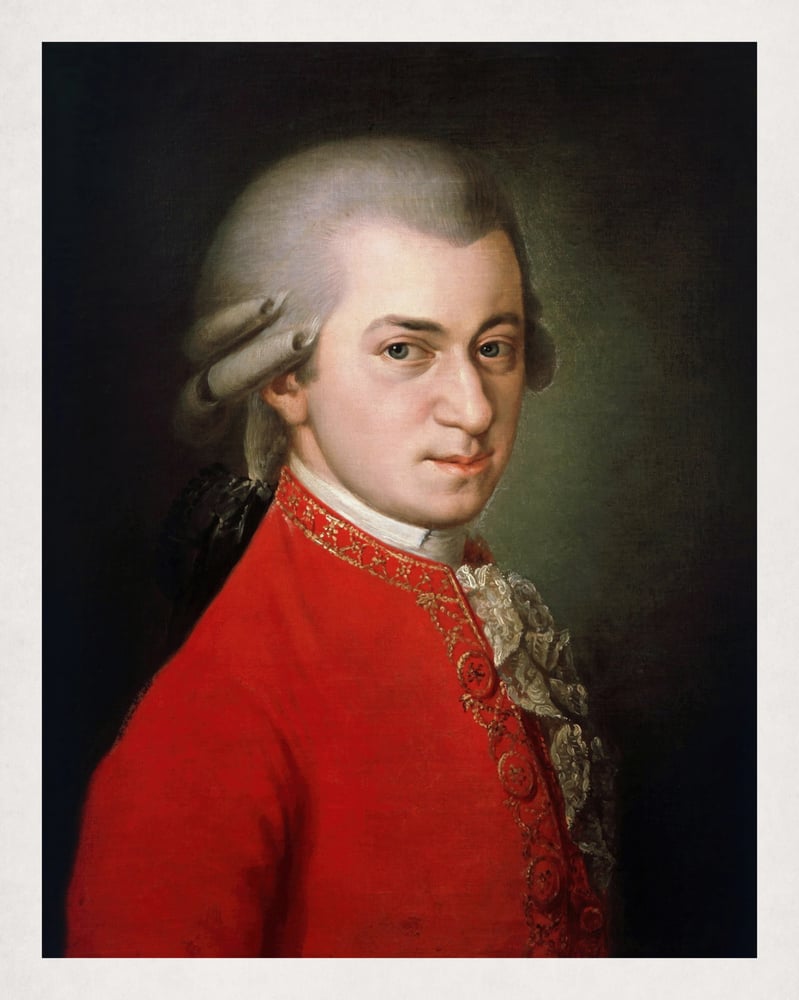
Mozart started playing the harpsichord at three and was composing his own pieces by five. His father took him on tour across Europe as a young child, performing for kings and queens who couldn’t quite believe what they were seeing.
By the time he was a teenager, he had already written symphonies, concertos, and operas. The rest of his short life — he died at 35 — was spent trying to live up to what he had already done.
Serena Williams (Tennis)
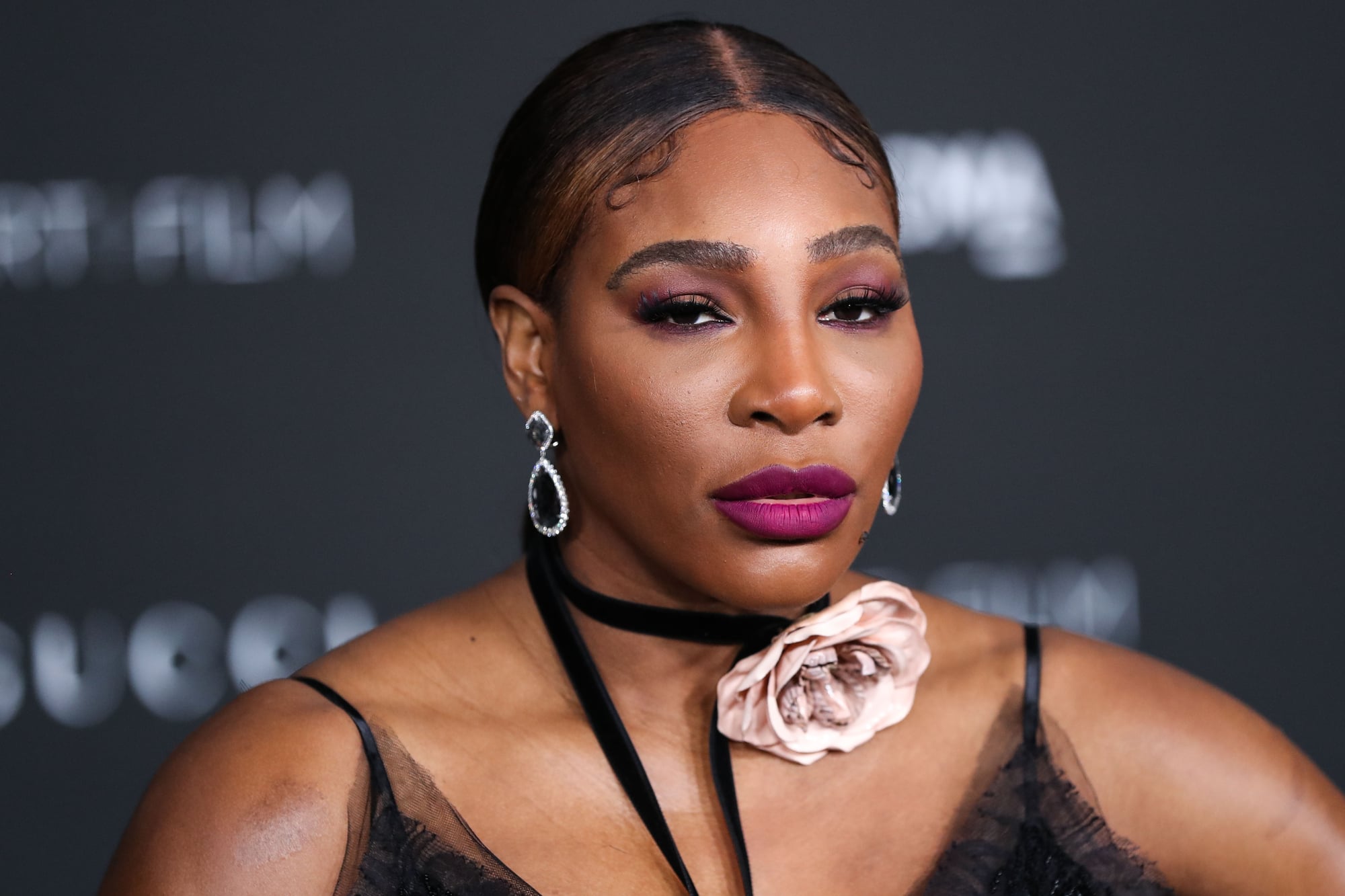
Serena was hitting tennis orbs on public courts in Compton before she was old enough for school. Her father, Richard, coached both her and her sister Venus from almost the beginning, convinced from the start that they would be champions.
By fourteen, Serena was competing professionally. By seventeen, she had her first Grand Slam title.
The intensity that would define her career was visible right from those early years on cracked courts with chain-link fences.
Picasso (Artist)
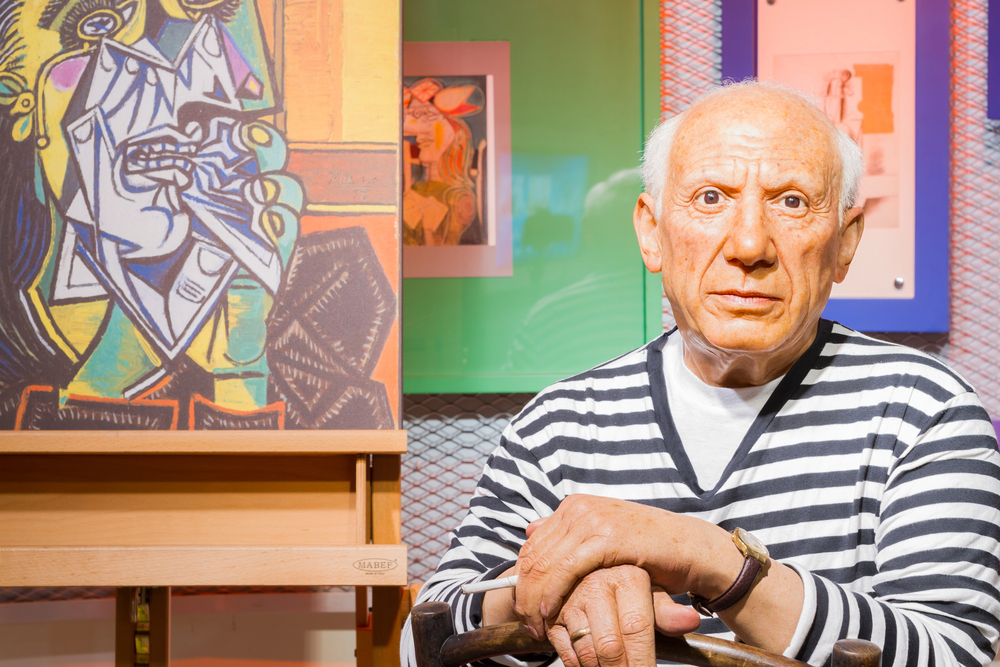
Pablo Picasso’s father was a drawing teacher, and he reportedly gave up painting himself after seeing his son’s early work. Picasso was thirteen when he enrolled in the School of Fine Arts in Barcelona — and he completed the entrance exam, which normally took a month, in a single day.
His technical ability was already beyond his teachers. What came later — the Cubism, the experimentation — grew from a foundation of classical skill most artists never reach at all.
Stevie Wonder (Musician)
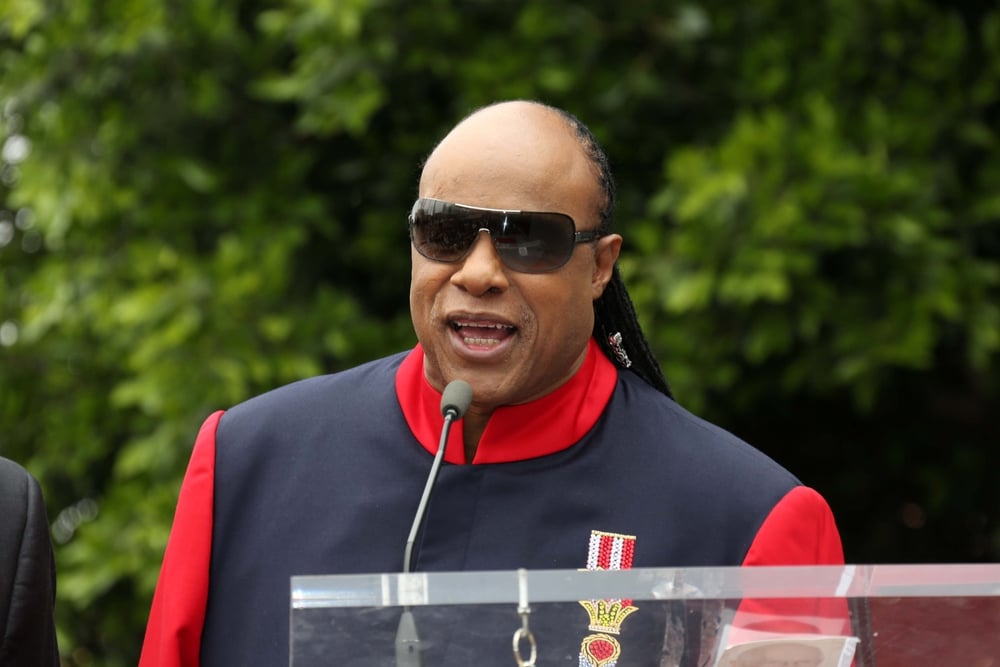
Stevie Wonder was born prematurely and lost his sight in the hospital shortly after birth. By the time he was eight, he was playing piano, harmonica, and drums.
At eleven, he signed with Motown. At thirteen, he had a number-one single with “Fingertips.”
The label called him “Little Stevie Wonder” back then, but there was nothing small about what he was doing.
Blaise Pascal (Mathematician)
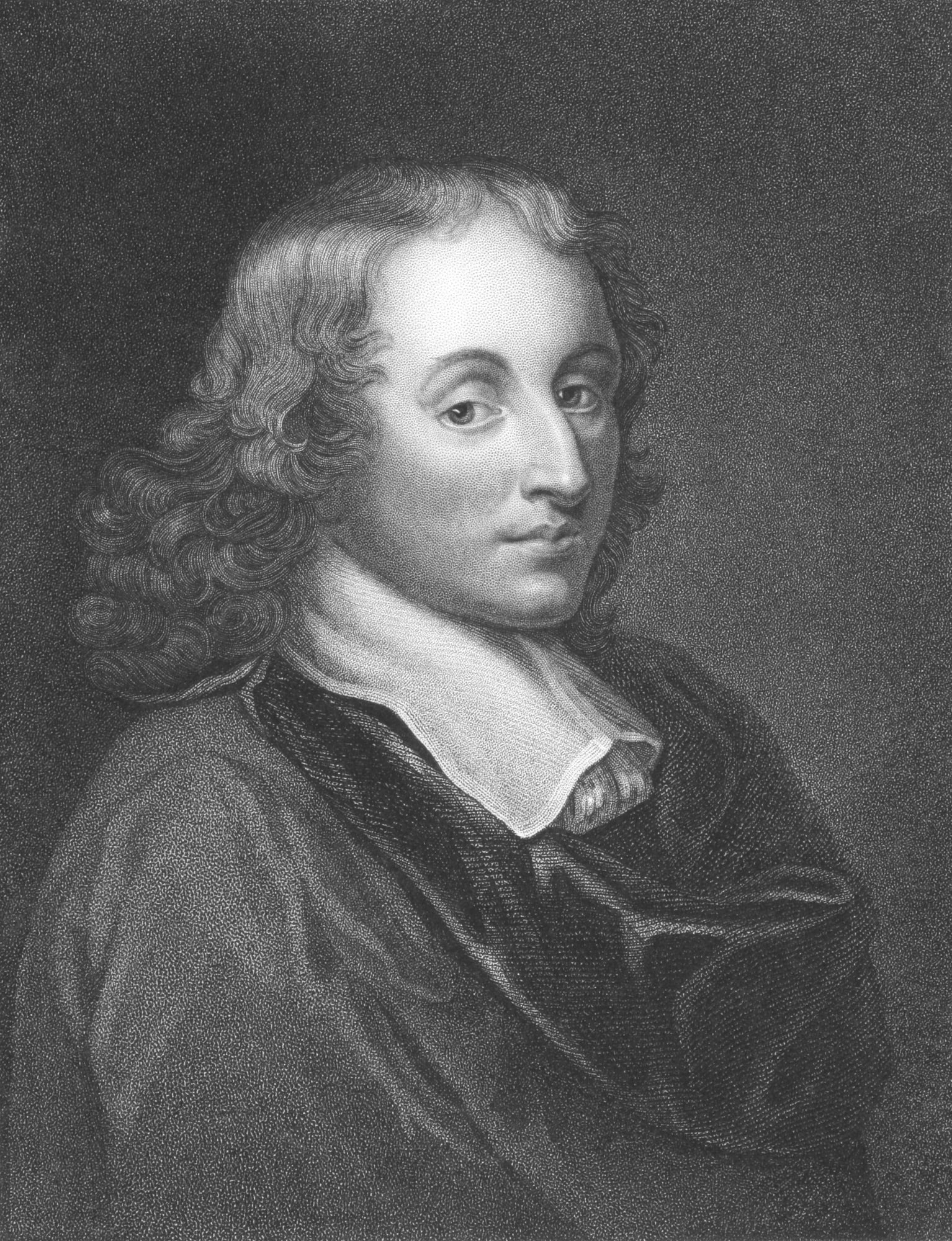
Pascal was doing serious mathematics before he was a teenager. At twelve, working entirely on his own, he rediscovered several theorems of Euclidean geometry.
By sixteen, he had written a significant paper on conic sections that was taken seriously by professional mathematicians of the time.
He later invented one of the earliest mechanical calculators and made lasting contributions to probability theory — all while dealing with chronic illness throughout his short life.
Tatum O’Neal (Actor)
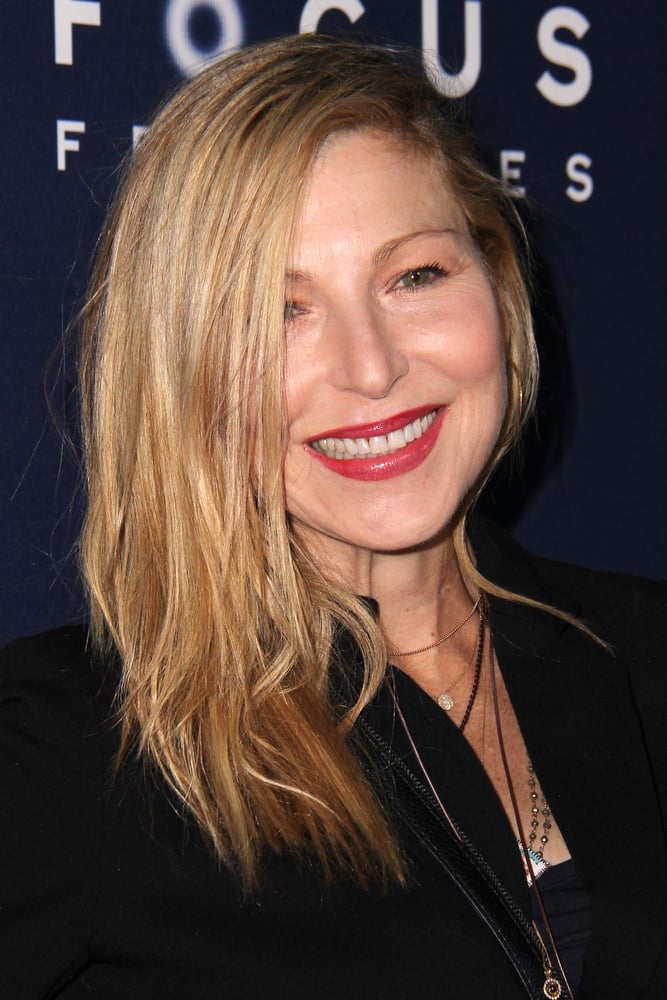
In 1974, Tatum O’Neal became the youngest person ever to win a competitive Academy Award, winning Best Supporting Actress at age ten for her role in Paper Moon. She acted opposite her father, Ryan O’Neal, and held her own in every scene.
The performance was sharp, funny, and completely unself-conscious — qualities that most adult actors struggle to find. Her childhood after that win was harder than the win itself, but the talent was never in question.
Kim Ung-yong (Academic)
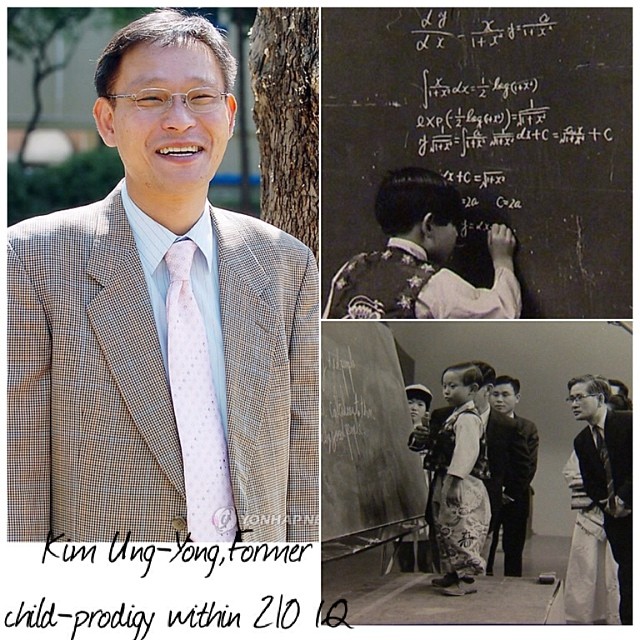
Kim Ung-yong of South Korea is often cited as having one of the highest IQs ever recorded. He was speaking full sentences at six months, reading in multiple languages by age three, and solving calculus problems before he started primary school.
At four, he appeared on a Japanese television program and solved complicated math problems live on air. He was invited to work for NASA as a teenager.
Later in life, he returned to South Korea for a quieter career, which he has said made him happier.
Shirley Temple (Actor)
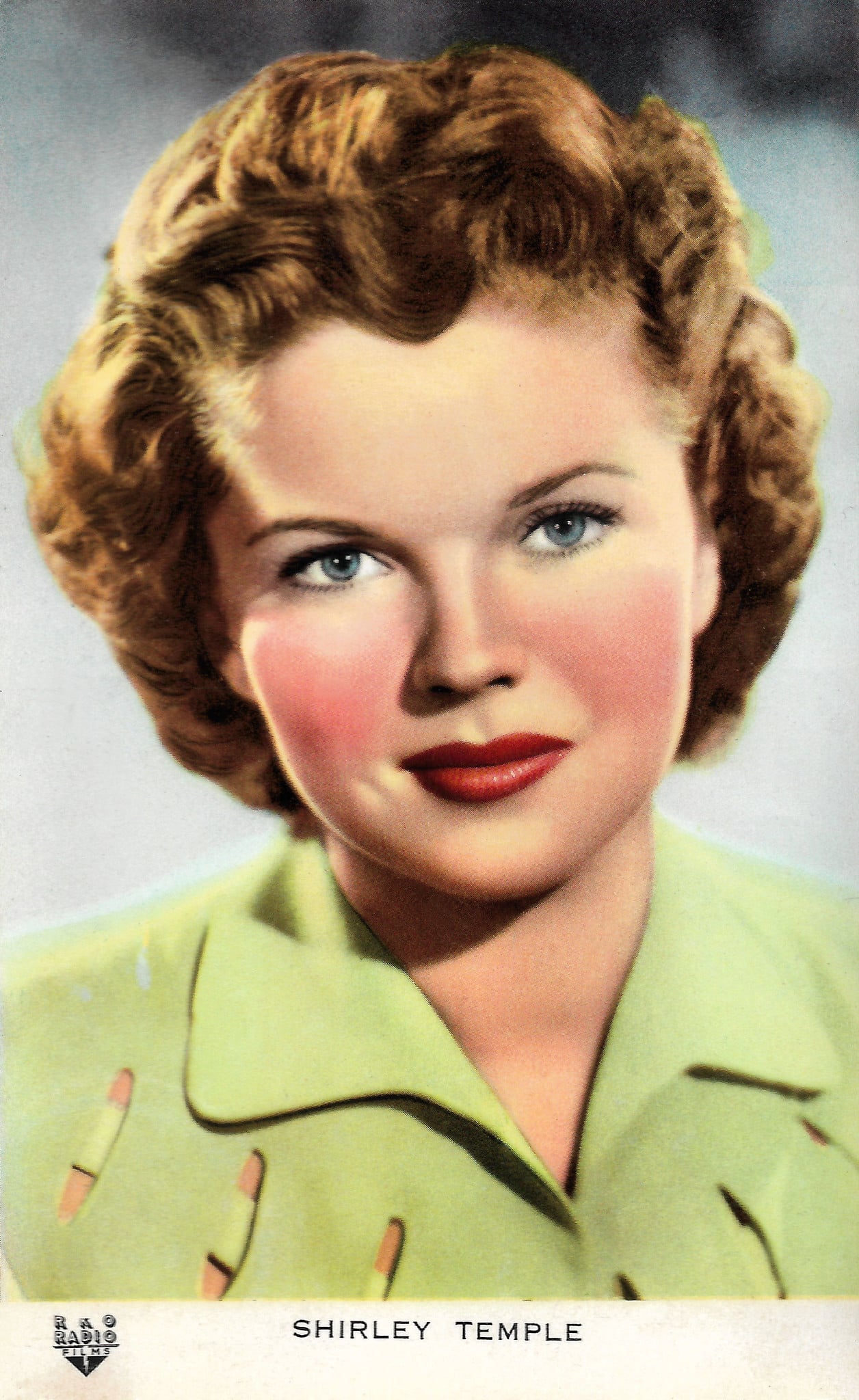
Shirley Temple started dancing lessons at three and was appearing in short films by the time she was five. Between 1935 and 1938, she was the biggest box office draw in Hollywood — bigger than Clark Gable, bigger than anyone.
She received an honorary Academy Award at six years old. The U.S. Treasury credited her with helping lift American spirits during the Depression.
She later had a second career as a diplomat, which tells you something about what kind of person she became.
Yo-Yo Ma (Cellist)
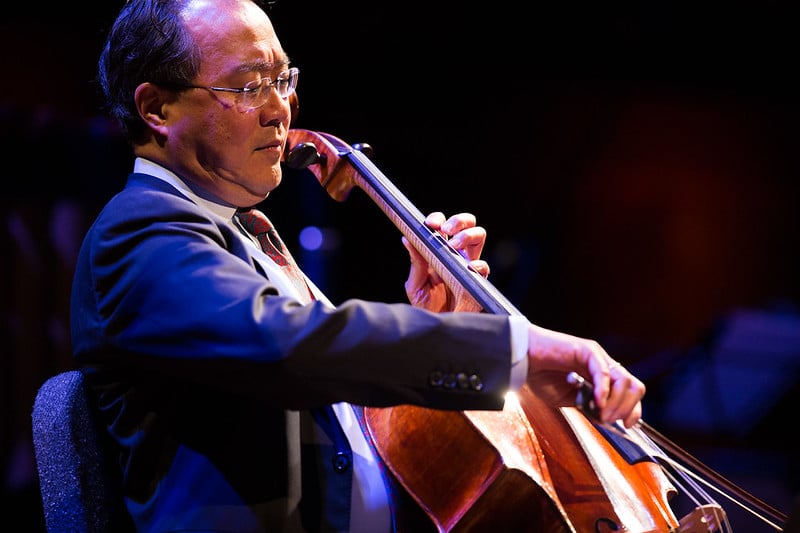
Yo-Yo Ma began studying the cello at four and performed for Presidents Kennedy and Eisenhower when he was seven. He entered Harvard as a teenager, which was unusual enough, but what set him apart even early on wasn’t just technical precision — it was expressiveness.
He played with a warmth that usually takes a lifetime to develop. He has since become one of the most celebrated musicians alive, but those who heard him as a child say the qualities that make him special were already there.
Carl Friedrich Gauss (Mathematician)
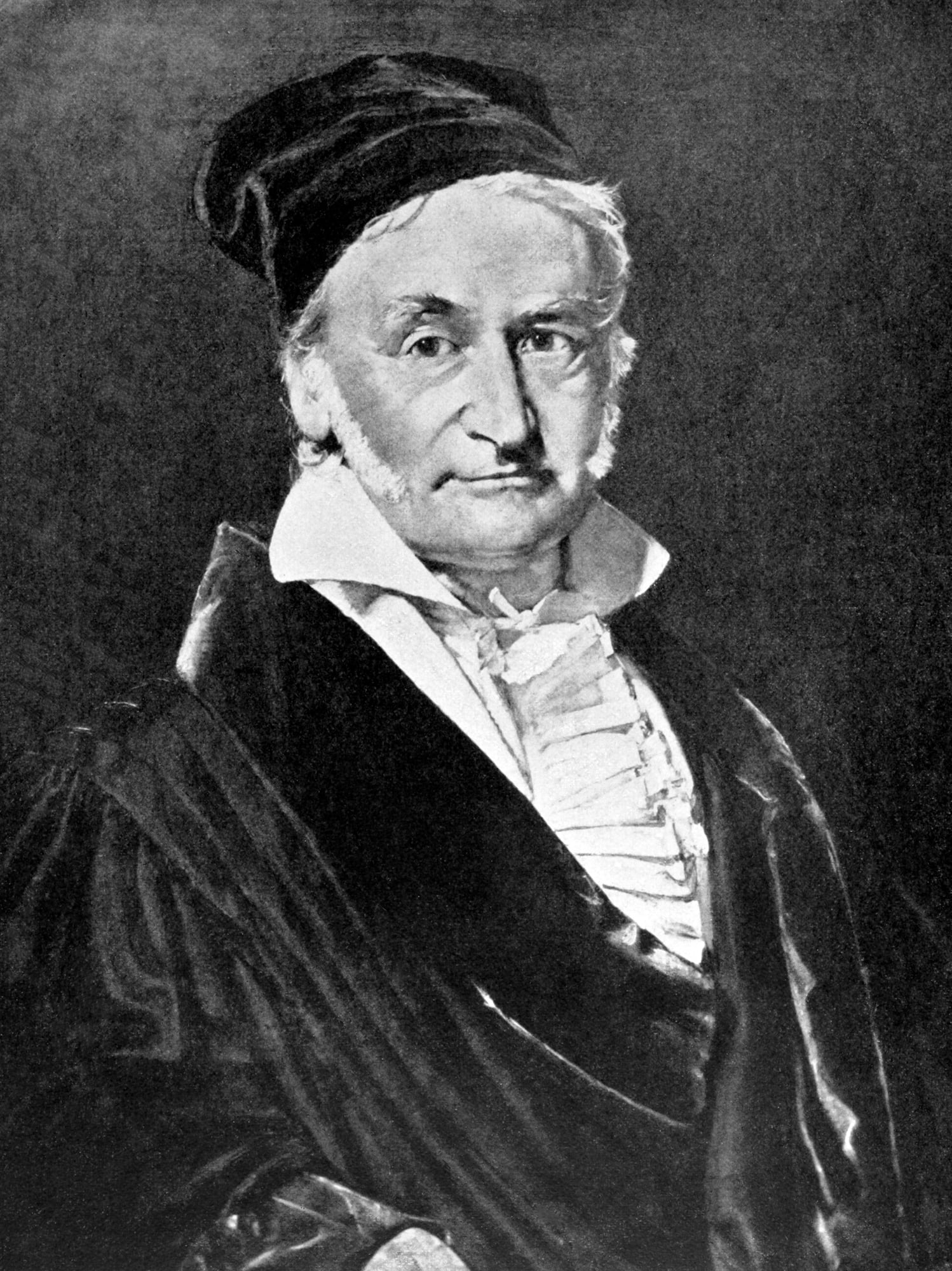
Gauss is said to have corrected his father’s arithmetic at age three. The story that follows him most often is from primary school: when his teacher assigned the class to add up all the numbers from 1 to 100 to keep them busy, Gauss produced the answer almost immediately.
He had figured out the pattern on his own without being taught. He went on to make foundational contributions to number theory, statistics, and physics.
Mathematicians still encounter his name constantly, more than 150 years after his death.
Nadia Comaneci (Gymnast)
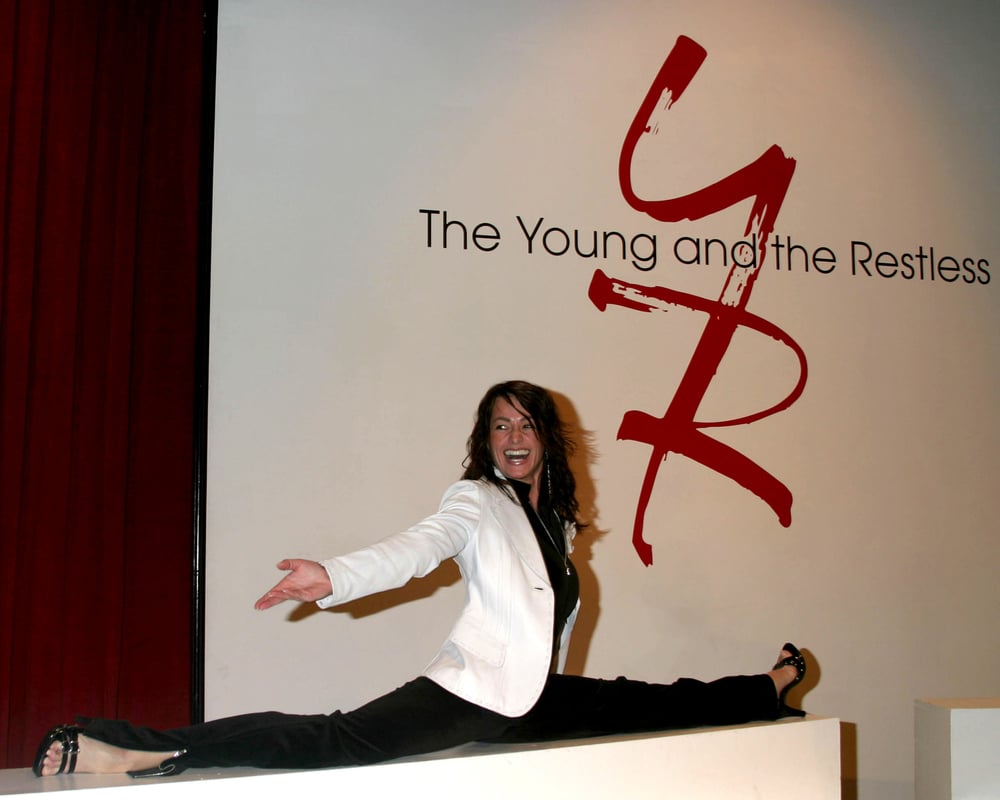
Nadia Comaneci was spotted by Romanian coach Béla Károlyi while playing with her friends at school — she was six. He noticed the way she moved and recruited her on the spot.
Ten years later, at the 1976 Montreal Olympics, she scored the first perfect 10 in Olympic gymnastics history. She was fourteen.
The scoring system wasn’t built to display a 10, so the scoreboard showed 1.00. The crowd figured it out quickly enough.
Frédéric Chopin (Composer)
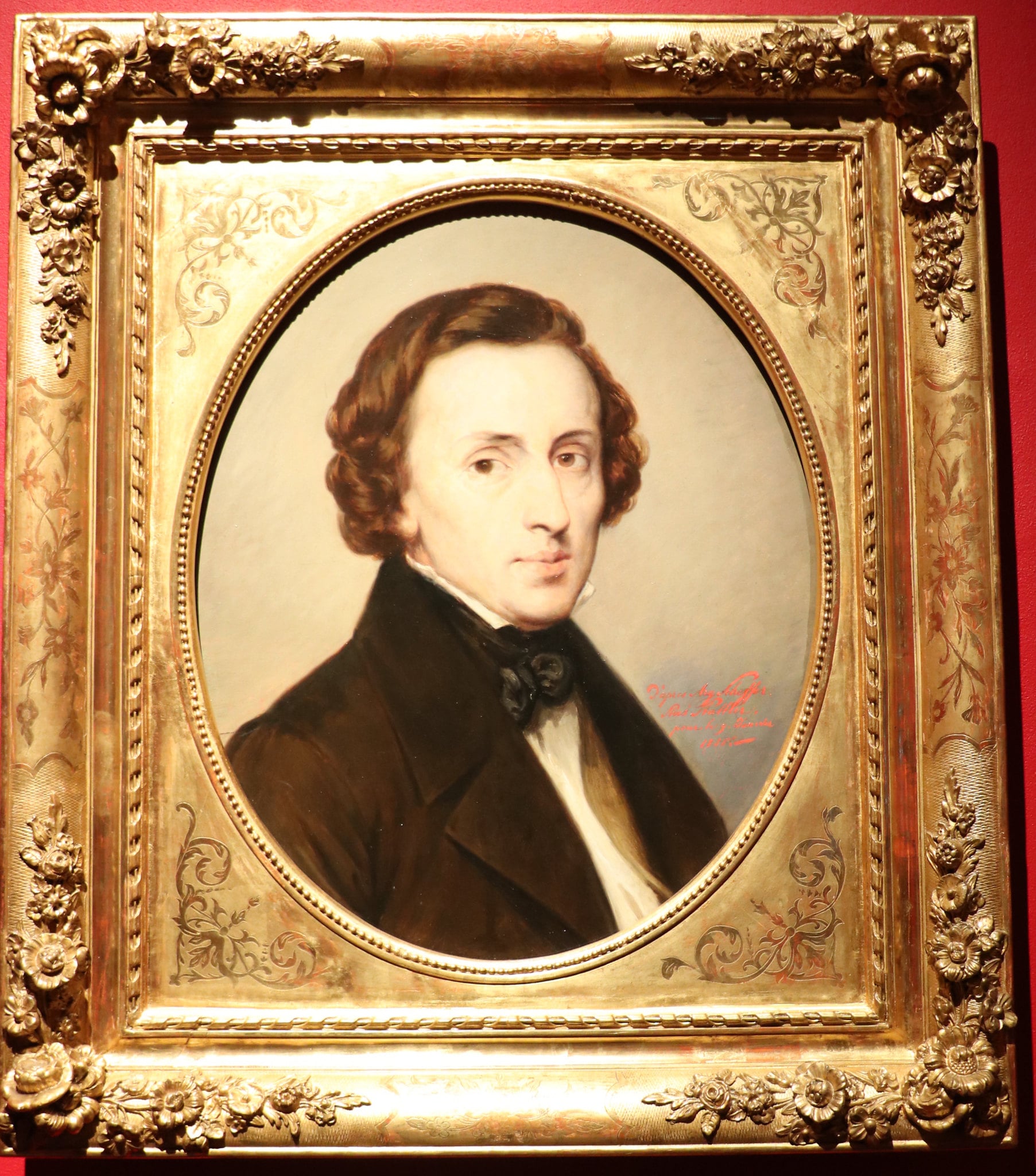
Chopin was giving public piano performances at seven and had his first composition published around the same time. Polish newspapers called him the new Mozart.
He was performing for aristocratic audiences before he was ten. What made him unusual, even then, was that his playing didn’t sound mechanical or showy.
It had a sensitivity and depth that audiences found hard to explain in someone that young. He spent most of his adult life in Paris, where he continued to compose until his death at 39.
Enrico Fermi (Physicist)
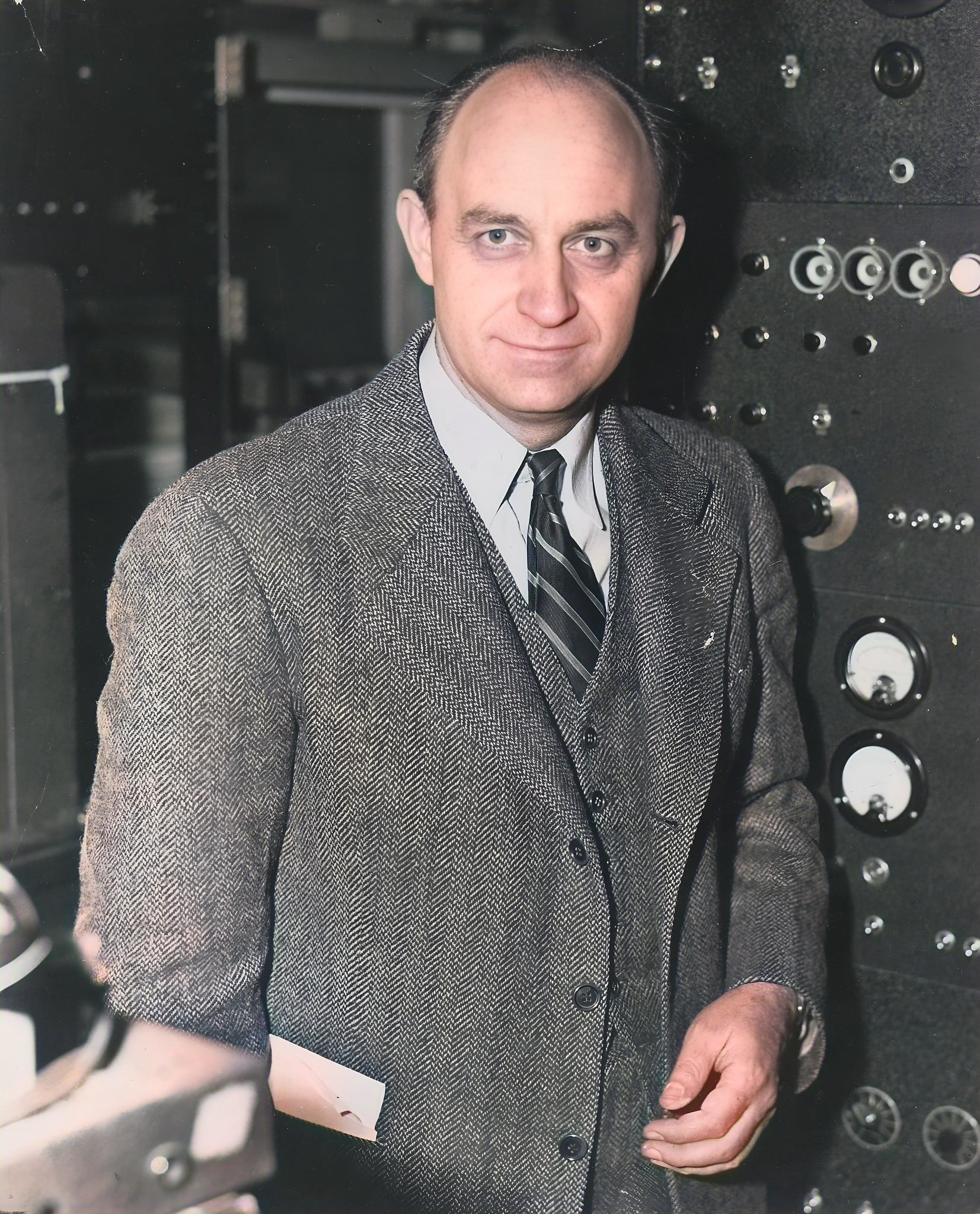
Fermi taught himself physics from two used textbooks he bought at a flea market as a young teenager after the sudden death of his brother. By the time he applied to the Scuola Normale Superiore in Pisa at fourteen, his entrance exam in physics was so advanced that the examiner called him in personally to meet him, astonished that a teenager had written it.
Fermi later led the team that built the world’s first nuclear reactor and was central to the Manhattan Project.
Ayrton Senna (Racing Driver)
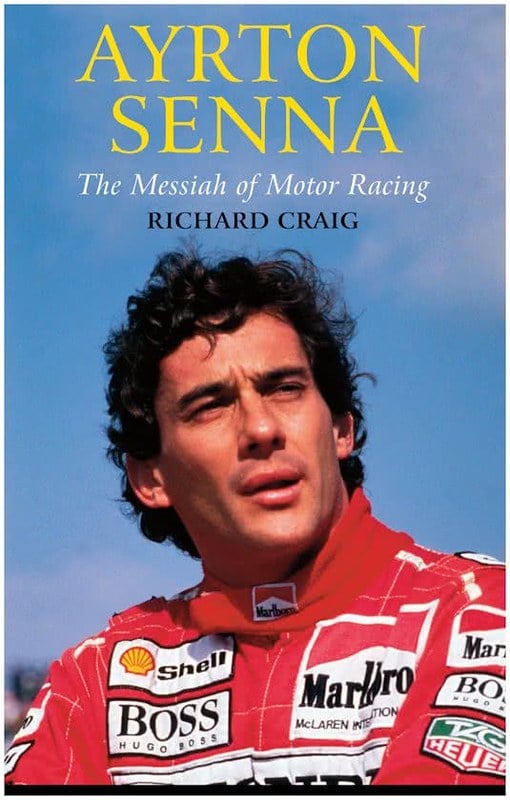
Senna started karting at four years old in São Paulo. By thirteen, he was already racing and winning at a level that attracted serious attention.
His spatial awareness and sense of the car were described by those who watched him then as unlike anything they had seen in someone that age. He went on to win three Formula One world championships and is still considered by many — drivers, engineers, and fans alike — as the greatest racing driver who ever lived.
Ruth Lawrence (Mathematician)
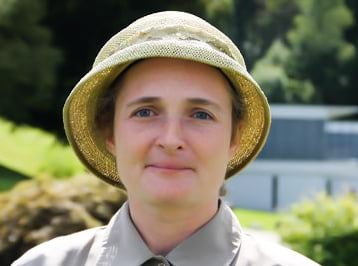
Ruth Lawrence passed the Oxford University entrance exam in mathematics at nine years old, the youngest person ever to do so. She went on to study there alongside students almost a decade older and graduated at thirteen with a first-class honors degree.
She later earned a second degree and a PhD. Her childhood was unconventional — her father home-schooled her and accompanied her to every lecture — but the mathematical gift was entirely her own.
Michael Jackson (Musician)
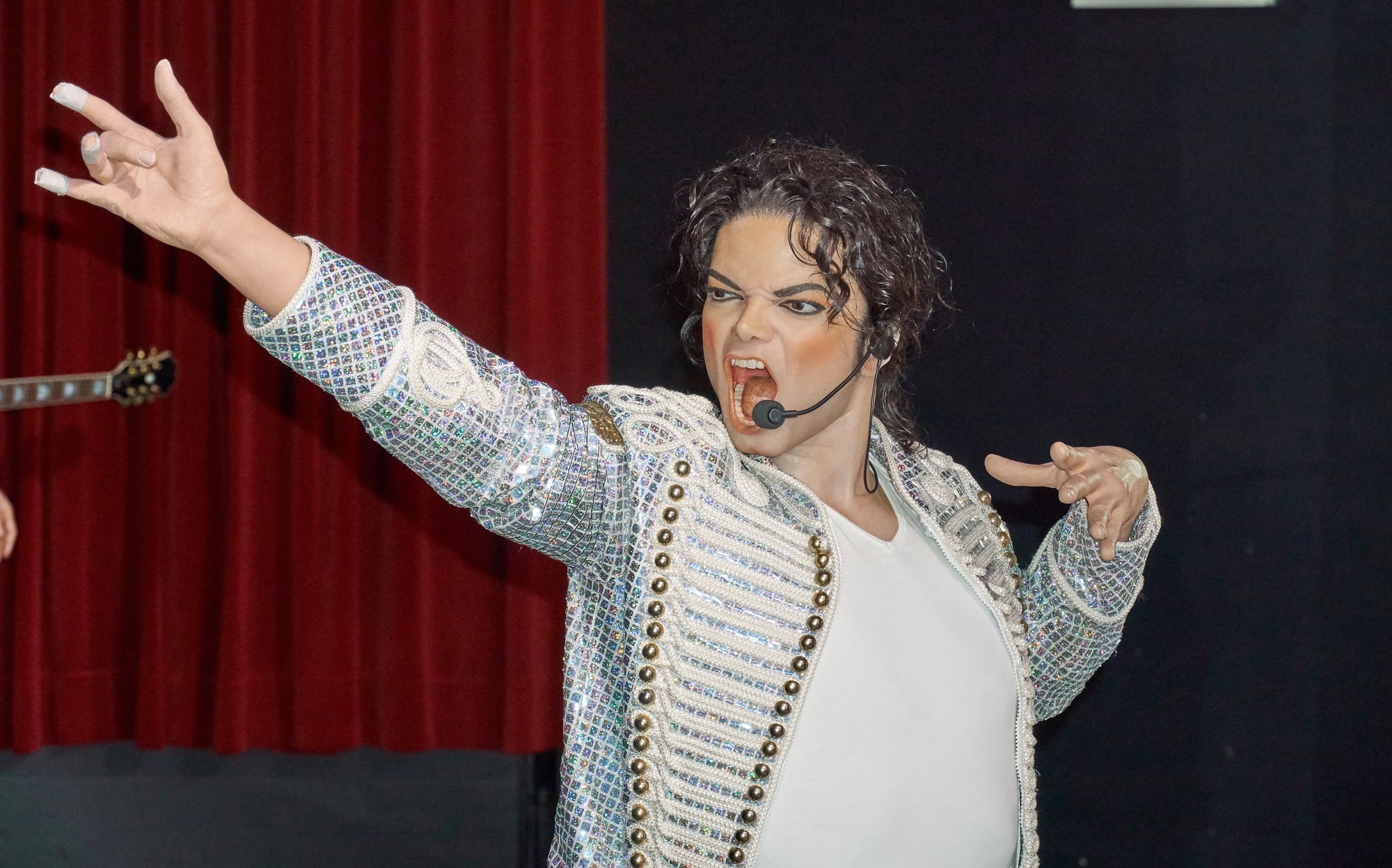
Michael Jackson was performing with his brothers in The Jackson 5 by the time he was five. By eight, he was the lead singer of a professional group signed to Motown.
The voice, the movement, the natural charisma on stage — it was all there before he was in double digits. Berry Gordy, who had seen a lot of performers by that point, said Michael was something different.
What followed — Off the Wall, Thriller, the tours, the cultural impact — grew from a foundation laid impossibly early.
Terence Tao (Mathematician)
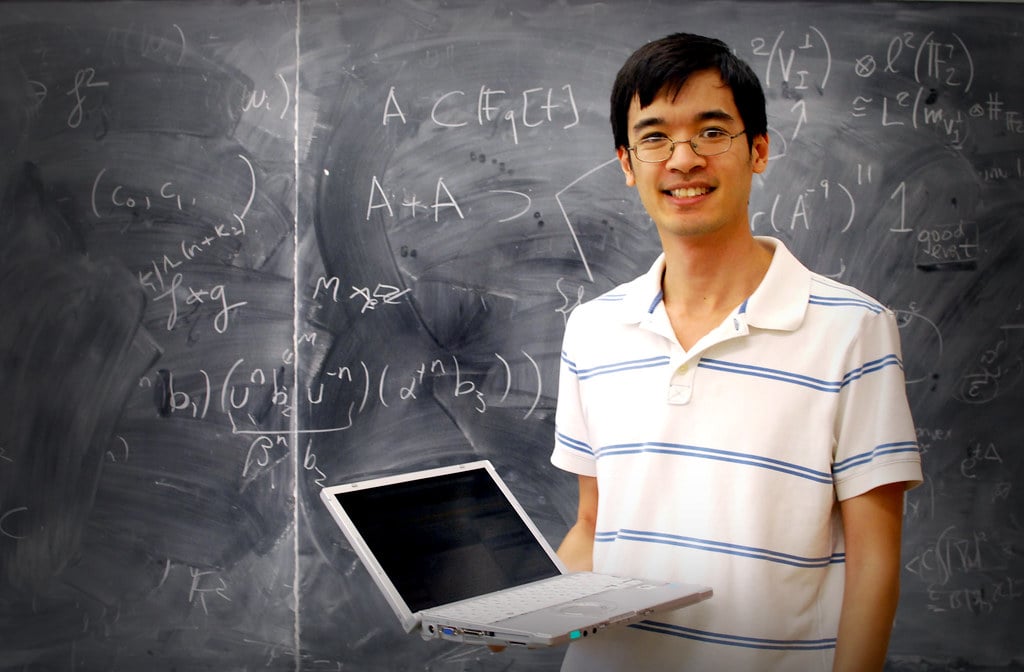
Terence Tao of Australia taught himself to read at two by watching Sesame Street. At seven, he was taking high school math classes.
At nine, he competed in the International Mathematical Olympiad — he was the youngest person ever to participate. He won a gold medal at thirteen.
He has since won the Fields Medal, the highest honor in mathematics, and is currently a professor at UCLA. Other mathematicians who work alongside him describe him as operating on a different level entirely.
Midori (Violinist)
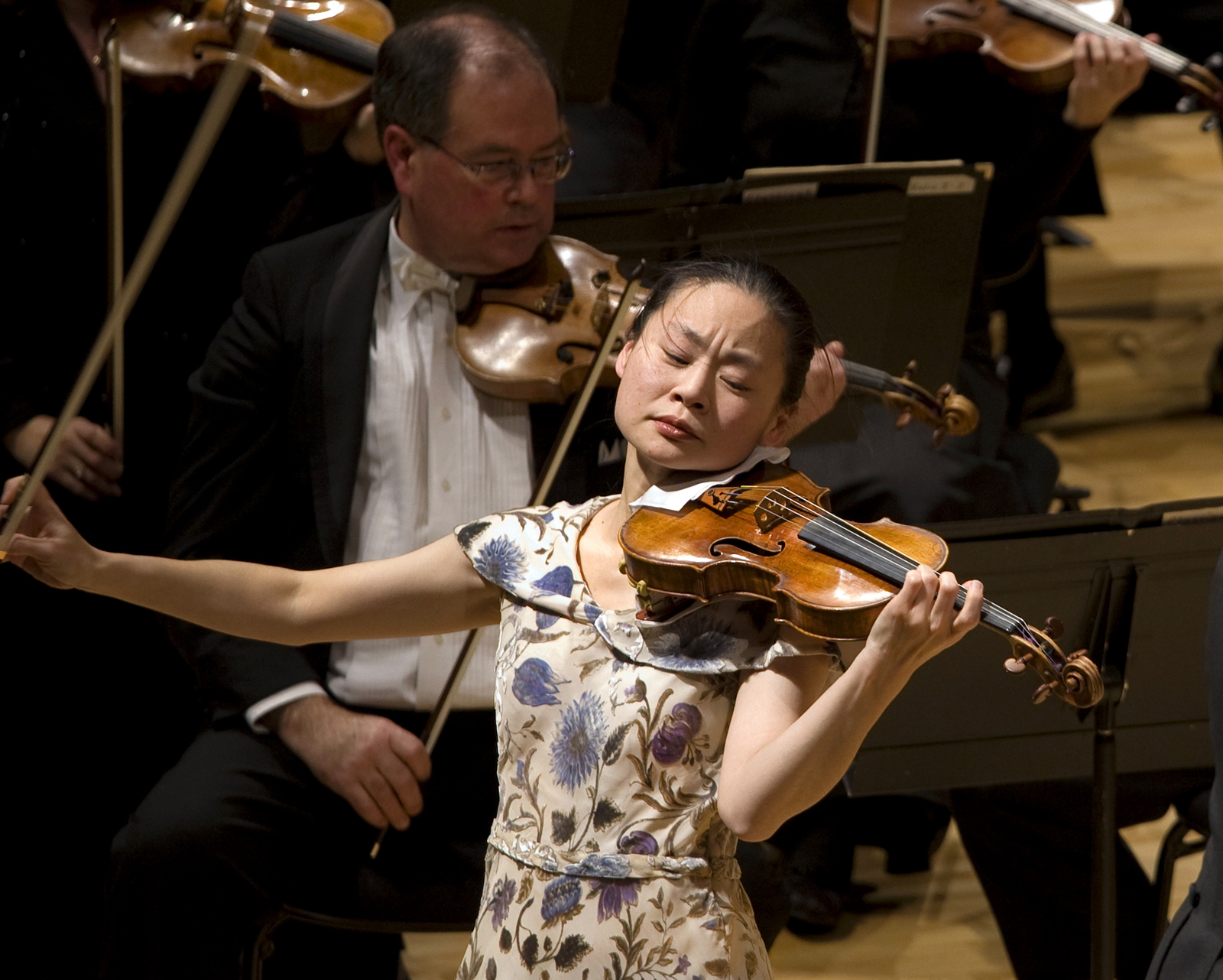
Japanese violinist Midori gave her first public performance at six and was invited to study at the Juilliard School at eleven. At fourteen, she performed with the New York Philharmonic under Leonard Bernstein at Tanglewood — and when two strings broke on her violin mid-performance, she calmly borrowed instruments from two orchestra members and finished the concert without stopping.
The audience gave her a standing ovation. Bernstein reportedly wept.
She was a teenager who had just handled a professional crisis with more composure than most adults manage in a lifetime.
Magnus Carlsen (Chess)
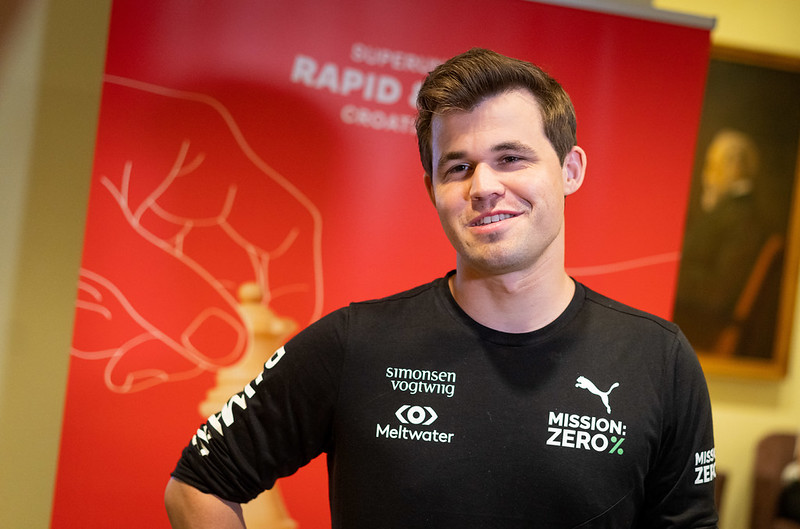
Magnus Carlsen of Norway became a chess grandmaster at thirteen — one of the youngest in history. His early games showed something that coaches struggled to articulate: not just accuracy, but an almost intuitive sense of position that you can usually only develop over decades.
He went on to become world chess champion and held the top ranking for years. People who played him as a child say they knew something was different about him.
Not just that he was good. That he was operating with a kind of clarity that didn’t seem to belong to his age.
The Part That Doesn’t Show Up In The Records

What doesn’t always get told in these stories is what came after the early years. Some of these prodigies flourished.
Some struggled enormously with the pressure of an identity built entirely on exceptional ability. A few found ways to turn childhood gifts into lifelong purpose.
Others spent years finding out who they were outside of being extraordinary.
What you can take from all of them, though, is that talent at that level — real, undeniable, early talent — doesn’t follow a single script.
It arrives in different forms, in different places, under different circumstances. And it doesn’t always lead where you’d expect.
More from Go2Tutors!

- The Romanov Crown Jewels and Their Tragic Fate
- 13 Historical Mysteries That Science Still Can’t Solve
- Famous Hoaxes That Fooled the World for Years
- 15 Child Stars with Tragic Adult Lives
- 16 Famous Jewelry Pieces in History
Like Go2Tutors’s content? Follow us on MSN.