Photos That Capture What Peak 1980s Technology Looked Like
The 1980s felt like the future arriving in real time. Every gadget promised to revolutionize daily life, and for a brief moment, it seemed like they actually might.
These weren’t just products—they were statements about where humanity was headed, complete with blinking lights, chrome accents, and enough buttons to make a NASA engineer jealous.
The Original Macintosh

Apple’s 1984 computer announcement changed everything overnight. That beige box with its tiny black-and-white screen looked nothing like the intimidating terminals that came before it.
The mouse sat beside it like some kind of alien artifact—most people had never seen one before.
Sony Walkman

Orange foam headphones became the unofficial uniform of an entire generation. The Walkman turned every sidewalk into a personal concert hall and every subway ride into a private moment.
Suddenly, music wasn’t something that happened to you—it was something you carried.
VHS Players and Recorders

So here’s the thing about VHS that nobody talks about: it wasn’t just about watching movies (though that was revolutionary enough, considering you previously had to wait for something to show up on television or catch it at a theater). The real magic happened when people figured out they could record things—and suddenly everyone became their own television programmer, which was both liberating and slightly overwhelming in a way that feels familiar now but felt completely unprecedented then.
You could tape a movie off HBO. Simple as that.
The Nintendo Entertainment System
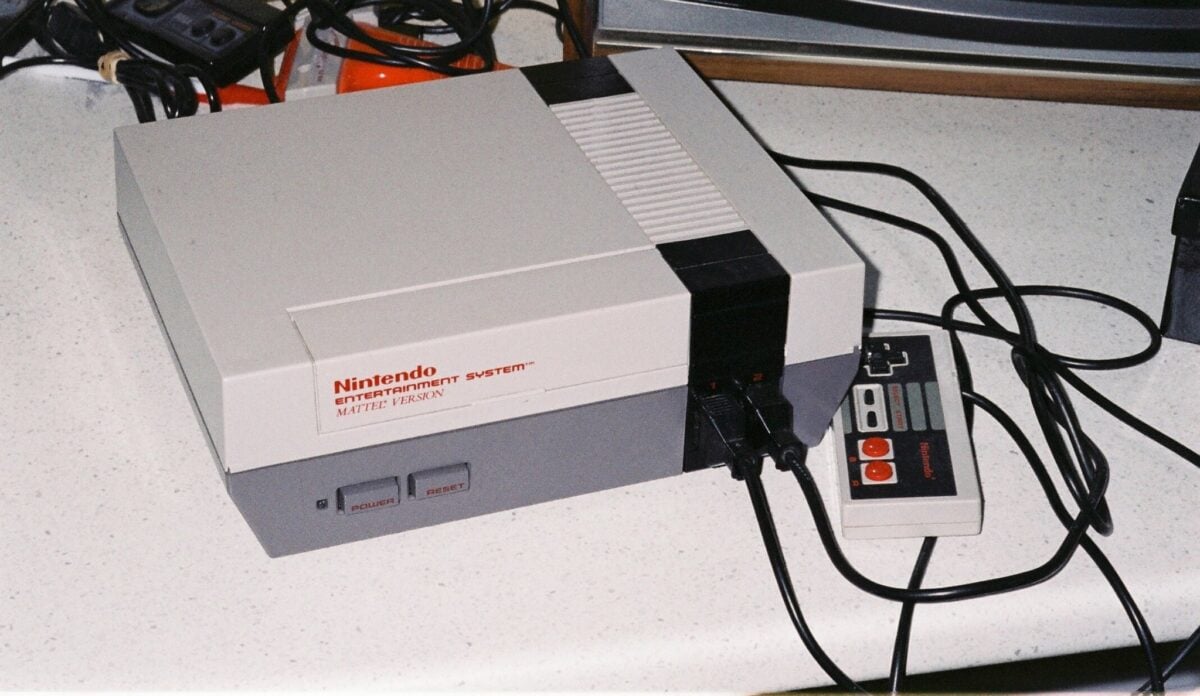
There’s something almost ritualistic about how the NES demanded your attention. The cartridge had to be inserted just so, then pressed down with the kind of reverence usually reserved for ancient ceremonies.
When it worked—when Mario finally appeared on screen after three attempts—it felt like you’d successfully negotiated with the future. The gray plastic housing looked serious, almost industrial.
This wasn’t a toy trying to look friendly. It was technology that happened to be fun, and somehow that made all the difference.
Portable Phones the Size of Bricks
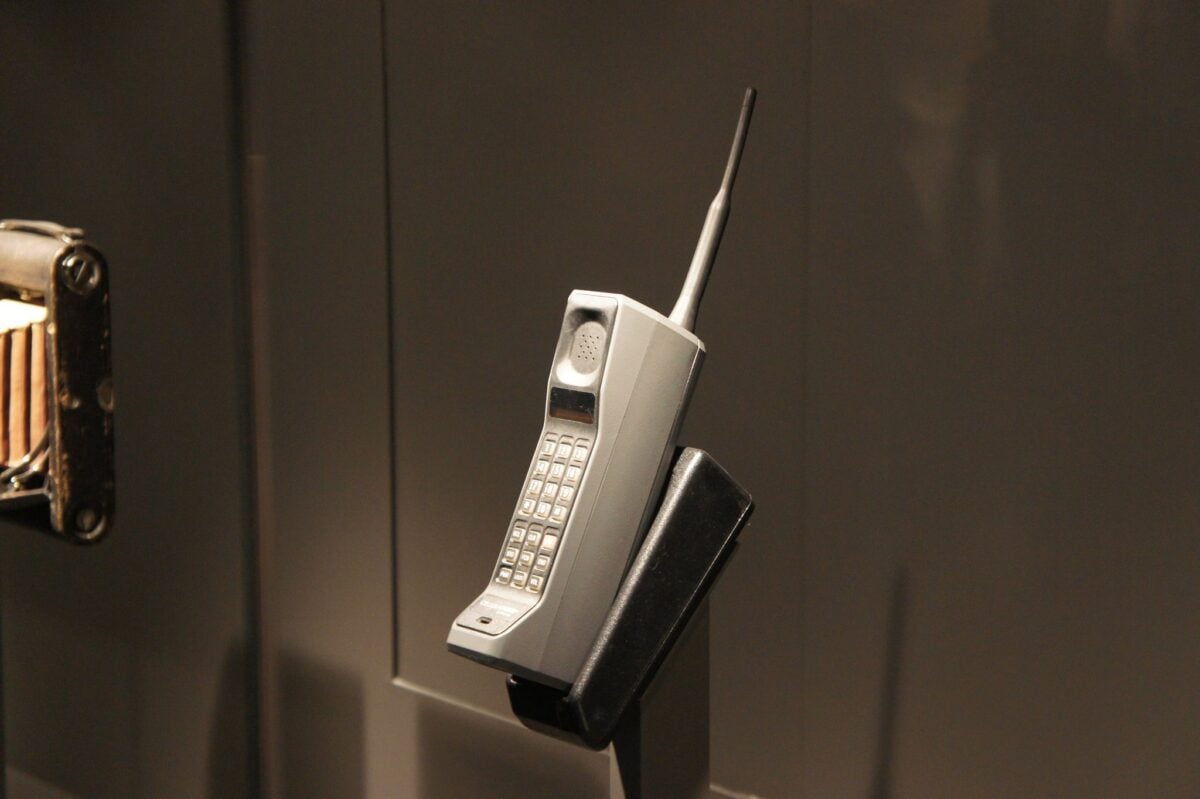
The Motorola DynaTAC weighed nearly two pounds and cost four thousand dollars. People carried it anyway.
The thing barely fit in a briefcase, let alone a pocket, and the battery died after thirty minutes of talk time—which was usually more than enough, considering most conversations started with amazed strangers asking if that was really a phone.
Pac-Man Arcade Cabinets

Arcade cabinets were the cathedral architecture of the 1980s. Those massive wooden boxes with their glowing screens commanded entire corners of restaurants and bowling alleys.
The joystick had weight to it—real resistance that made every movement deliberate. Players developed calluses from gripping the controls too tightly during intense sessions that stretched past midnight.
The machine didn’t care if you had school tomorrow.
Boom Boxes with Dual Cassette Decks
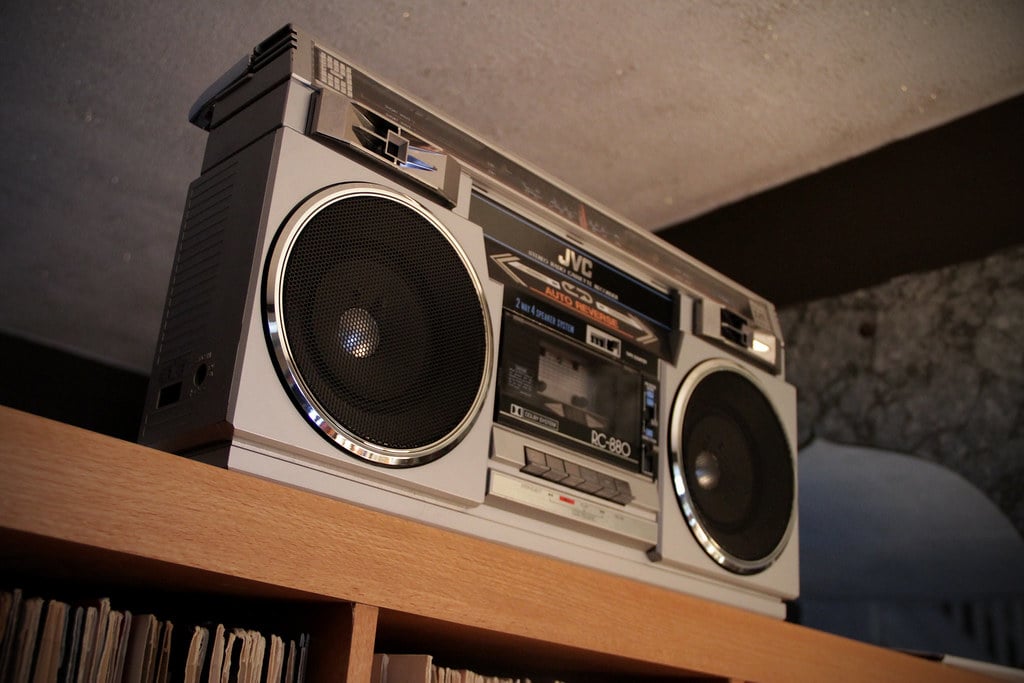
The dual cassette deck solved every music lover’s primary problem: how to make a mixtape without stopping playback on the original. High-speed dubbing meant you could copy an entire album in fifteen minutes, though audiophiles insisted the quality suffered and preferred real-time recording.
These machines sat on shoulders like technological sculptures, broadcasting personal taste to everyone within a three-block radius. The volume wasn’t adjustable—it was either loud enough to matter or not worth carrying.
The Polaroid Camera
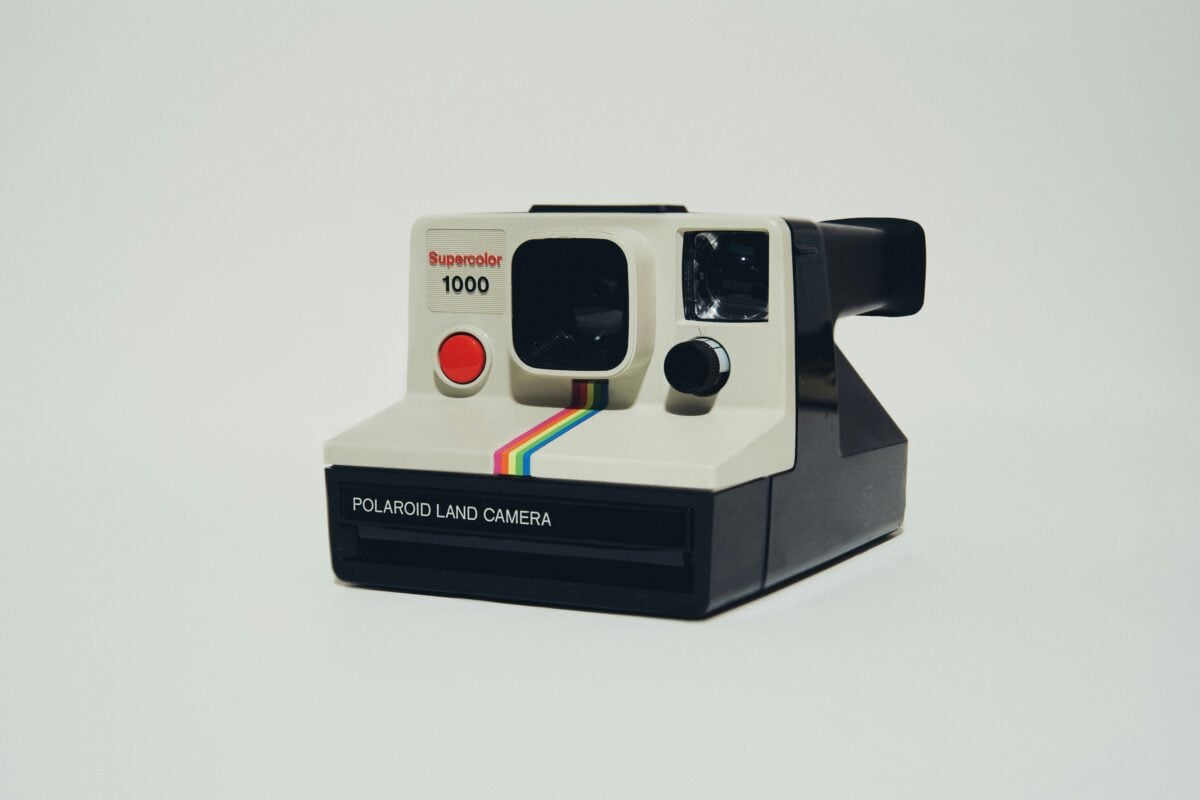
So the Polaroid camera occupied this strange middle ground between professional photography and party trick: you’d take a picture, and then everyone would gather around to watch it slowly materialize from nothing, as if you’d just performed some kind of chemical magic show right there in the living room (which, to be fair, you basically had). But beyond the novelty—and there was genuine novelty there, watching an image emerge from what looked like a blank piece of cardboard—the real appeal was immediacy.
No waiting. No wondering if the shot worked.
The feedback was instant and absolute.
Personal Computers with Green Monitors
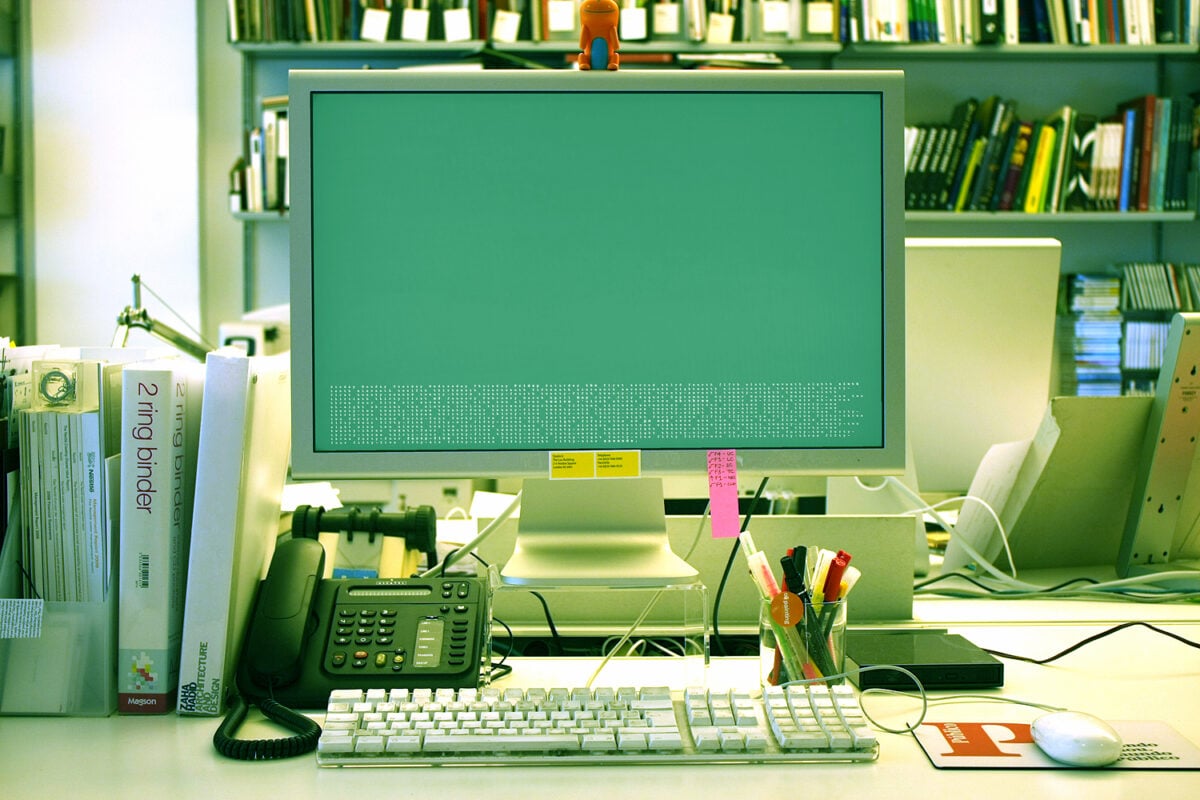
Monochrome monitors bathed entire rooms in an eerie green glow that made everyone look slightly sick. The phosphor burn-in created ghost images of spreadsheets and word processors that lingered on screens for hours after shutdown.
These machines hummed constantly—a low electronic drone that became the background soundtrack of the computer age. The cooling fans never stopped running, as if the technology was always working, always thinking.
Cordless Phones with Extending Antennas
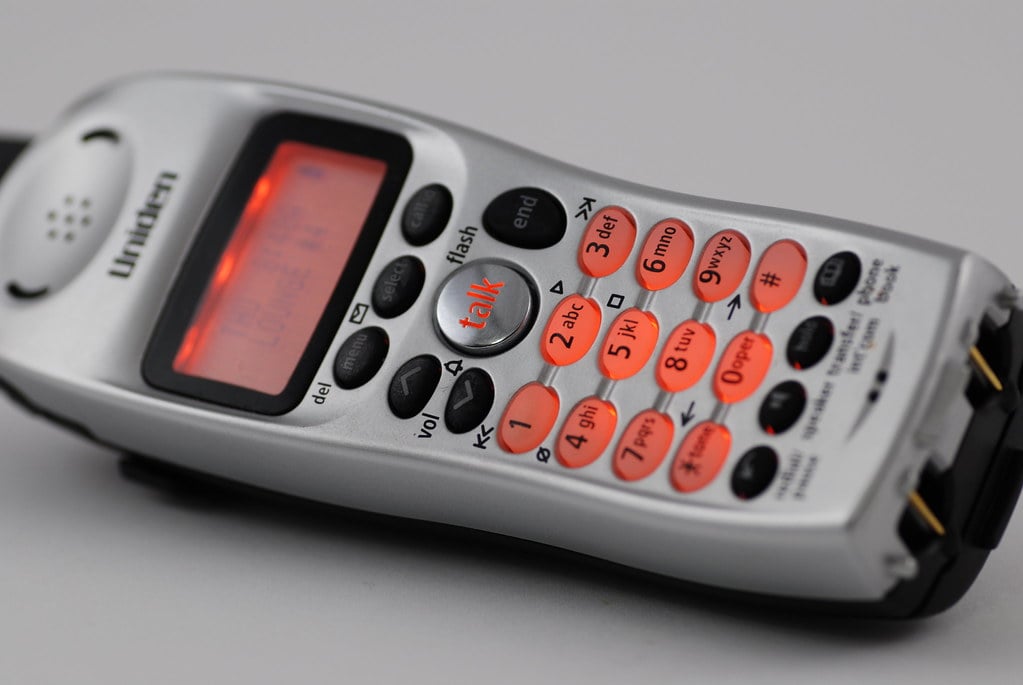
Cordless phones promised freedom from the kitchen wall mount, then delivered about thirty feet of actual range before static took over. The antenna extended with a satisfying metallic slide that felt important, even though most conversations happened within sight of the base station anyway.
Compact Disc Players
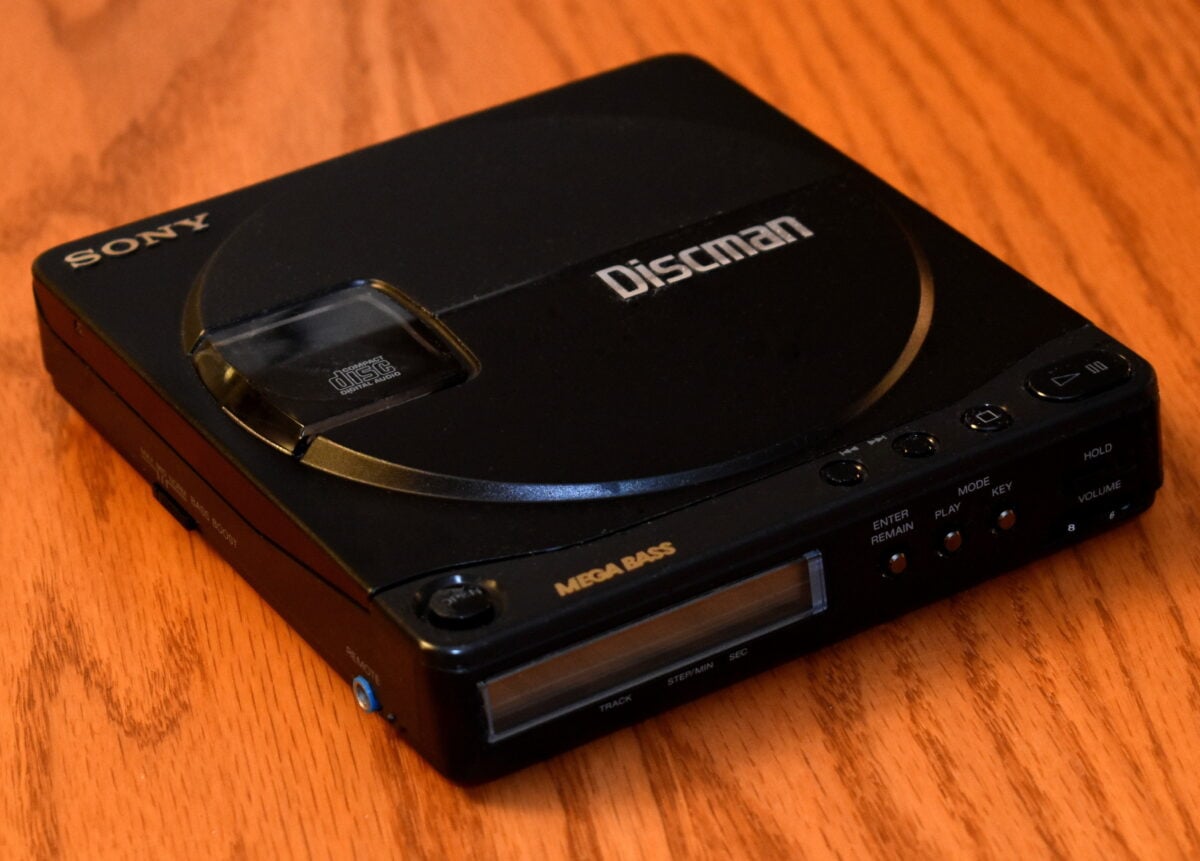
The CD player represented everything futuristic about 1980s design philosophy. Sleek black plastic housing, digital displays showing track numbers in bright red numerals, and that incredible moment when the disc drawer slid out like something from a science fiction film.
No rewinding, no fast-forwarding through songs—just pure random access to any track instantly. The sound quality was supposedly perfect, though plenty of vinyl collectors disagreed loudly and often.
Atari 2600 Game Cartridges
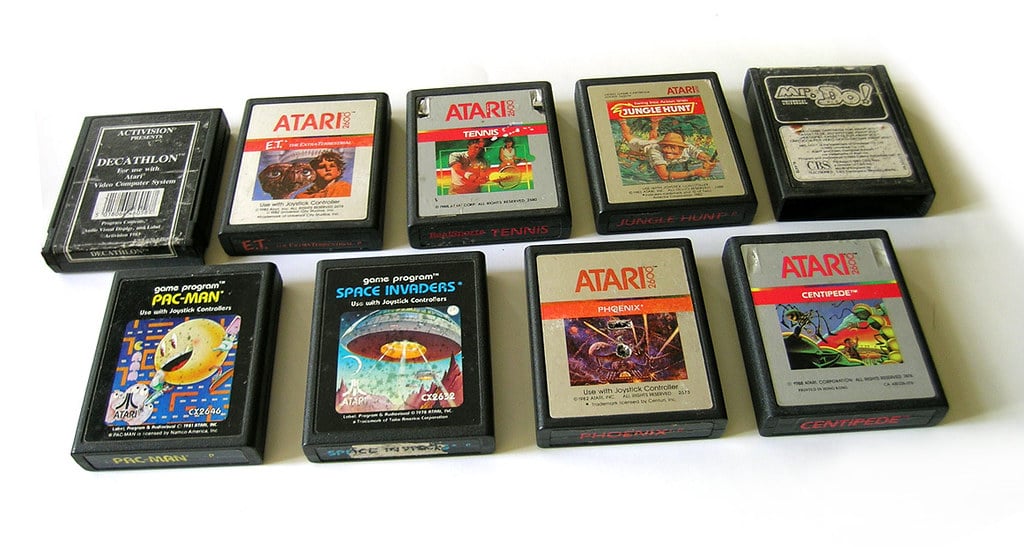
Atari cartridges looked like something you might find in a computer from the year 2050, assuming computers in 2050 were designed by people who thought black plastic and silver labels represented the height of sophistication. The games themselves were often disappointingly simple compared to their elaborate box art, but that hardly mattered when you were holding the future in your living room.
Electronic Calculators with Red LED Displays
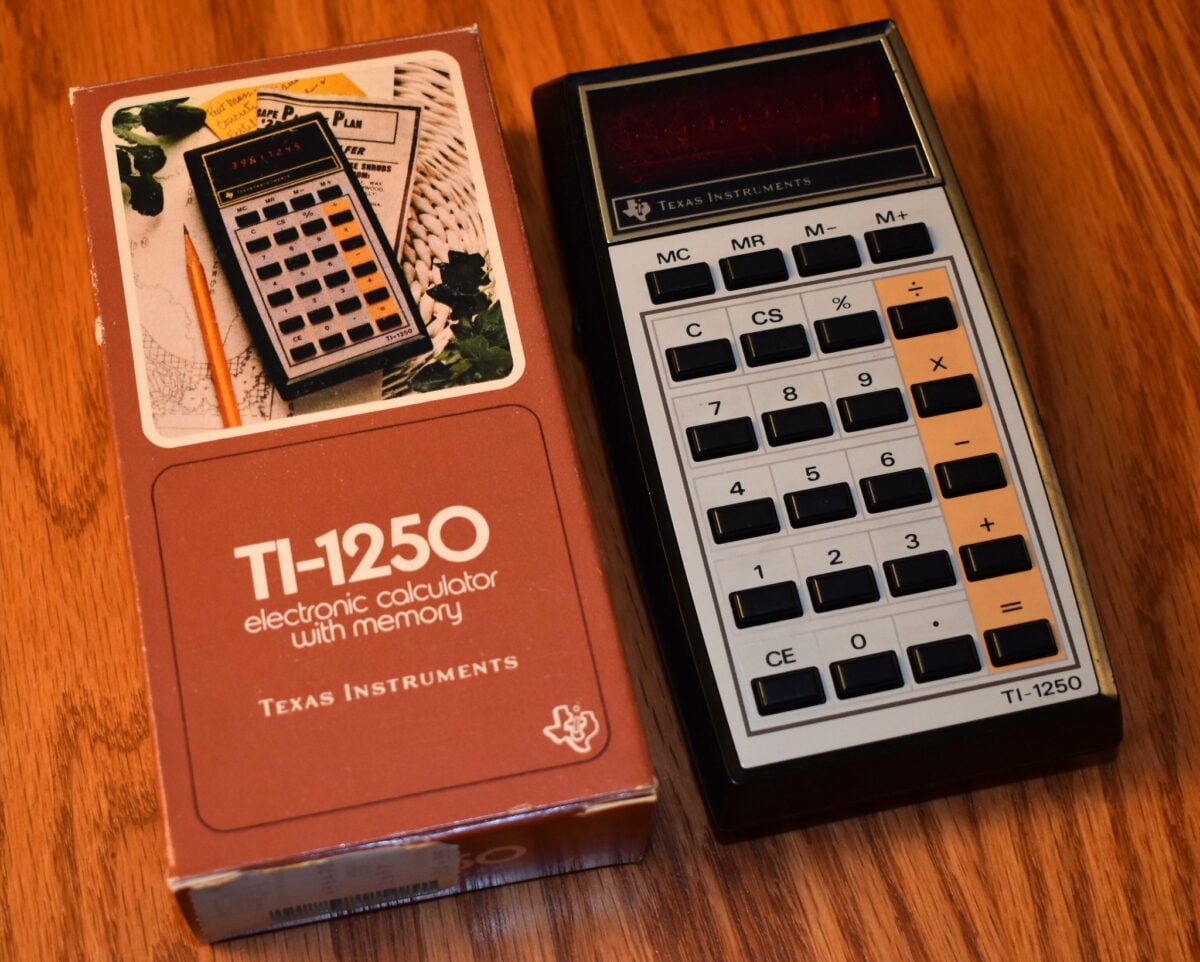
Those chunky calculators with their glowing red numbers felt like desktop computers in miniature (which, in many ways, they were, being among the first mass-produced devices to bring digital displays into regular people’s daily routines, though nobody really thought about it that way at the time). But the LED display was the real star—bright red numerals that seemed to float in space, visible even in direct sunlight.
Battery life is measured in hours, not days.
Digital Watches with Metal Bands

The digital watch was the 1980s on your wrist. Sharp angles, metal construction, and a display that showed not just the time but the date, day of the week, and sometimes even a calculator or primitive game.
These weren’t timepieces—they were wearable computers, even if the computing power barely exceeded a pocket calculator. The metal band caught arm hair and the buttons required fingernail precision, but none of that mattered when you could set multiple alarms or use the built-in stopwatch to time everything from boiling eggs to jogging laps.
When the Future Was Tangible

Looking back at 1980s technology feels like examining artifacts from a civilization that believed the future would be built from black plastic and blinking lights. Every device promised to make life easier, more efficient, more connected—and somehow, despite the primitive processors and limited battery life, many of them actually delivered.
The future arrived exactly as advertised, just not in the way anyone expected.
More from Go2Tutors!

- The Romanov Crown Jewels and Their Tragic Fate
- 13 Historical Mysteries That Science Still Can’t Solve
- Famous Hoaxes That Fooled the World for Years
- 15 Child Stars with Tragic Adult Lives
- 16 Famous Jewelry Pieces in History
Like Go2Tutors’s content? Follow us on MSN.