Major movies you didn’t realize are remakes
Major movies you didn’t realize are remakes Stories from faraway places sometimes find new life under California sun. Big names in film did not always write their own tales, instead shaping borrowed dreams into something audiences mistook for new.
Old scripts, mostly forgotten, quietly fed blockbuster machines. Surprise endings? Not really – just clever recycling dressed like invention.
Odd how a bunch of those reboots ended up stealing the spotlight from what came first. A few famous movies slipped by without folks realizing they were second versions all along.
The Lion King
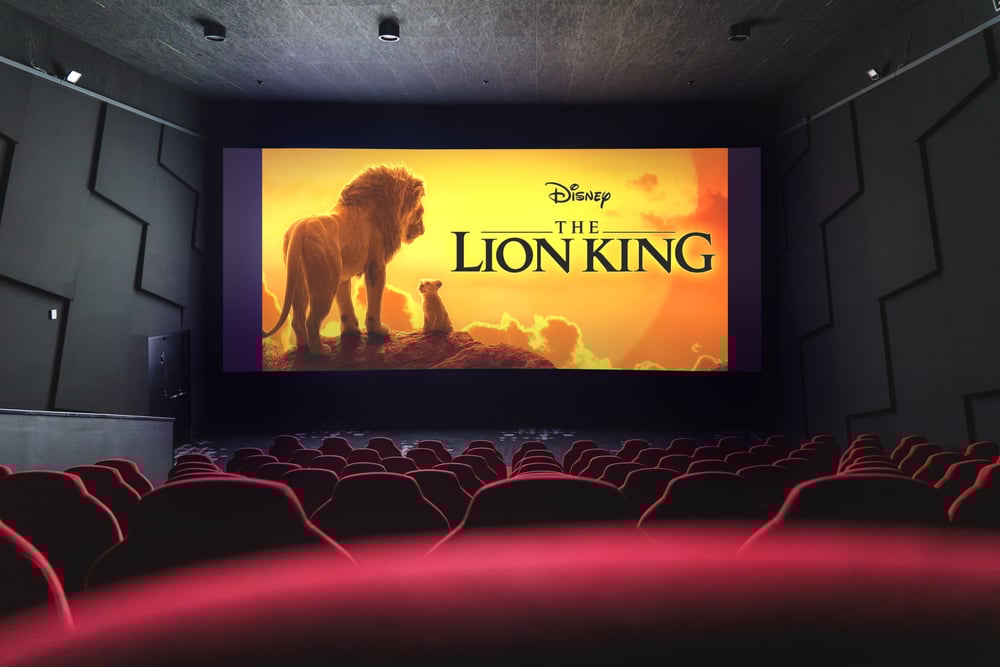
A little lion cub grows up far from home, then returns to take what is rightfully his – that idea shaped both Disney’s 1994 hit and an older Japanese show named Kimba the White Lion, made in 1963. Though the plots line up closely, year after year, no one at Disney ever stood up to say they borrowed it.
Artists who draw cartoons, plus those who study movie history, have whispered about this link for decades. From scene rhythm to character paths, echoes linger between them.
A Star Is Born
A lot of folks assume the 2018 one, featuring Lady Gaga and Bradley Cooper, is where it all began – yet filmmakers have revisited this tale four separate times. Back in 1937, the very first take hit screens.
After that, a song-filled redo arrived in 1954, led by Judy Garland; years later, Barbra Streisand brought her own spin in 1976. Though each shifted time periods and swapped soundtracks, the heart of the plot never changed at all.
Scarface
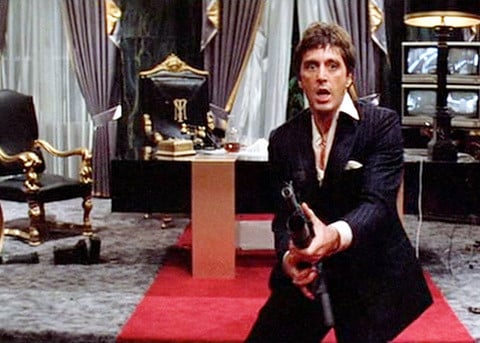
That 1983 movie starring Al Pacino? It’s gained such a reputation that some act as if it started everything.
Truth is, the first Scarface hit theaters way back in 1932 – told the tale of an Italian man climbing power ladders within Chicago’s underworld. What Brian De Palma did was shift scenes south to Miami, changing who played the top dog.
The Departed
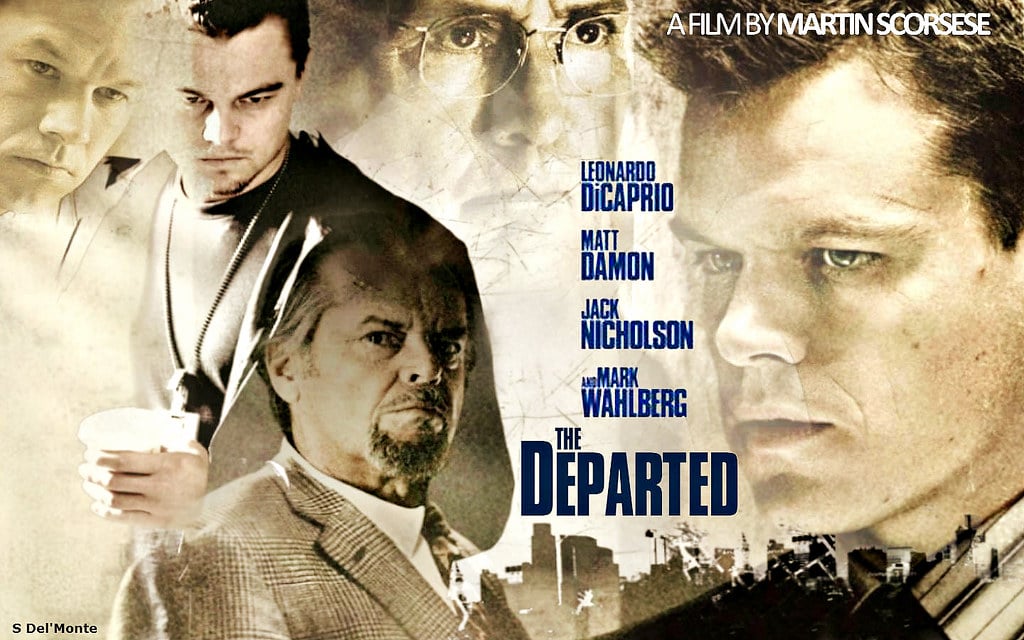
That rough-around-the-edges crime movie by Martin Scorsese in 2006 – yeah, the one that took home the top Oscar prize – wasn’t entirely new. Turns out it borrowed heavily from a 2002 Hong Kong flick titled Infernal Affairs.
While the American cut stretched longer, with tweaks to how things ended, its central idea stayed untouched: two spies planted deep, one inside the cops, one within criminals. Folks who saw the original first often claim it hits harder.
Even now, people still trade opinions on which stands taller.
3:10 to Yuma
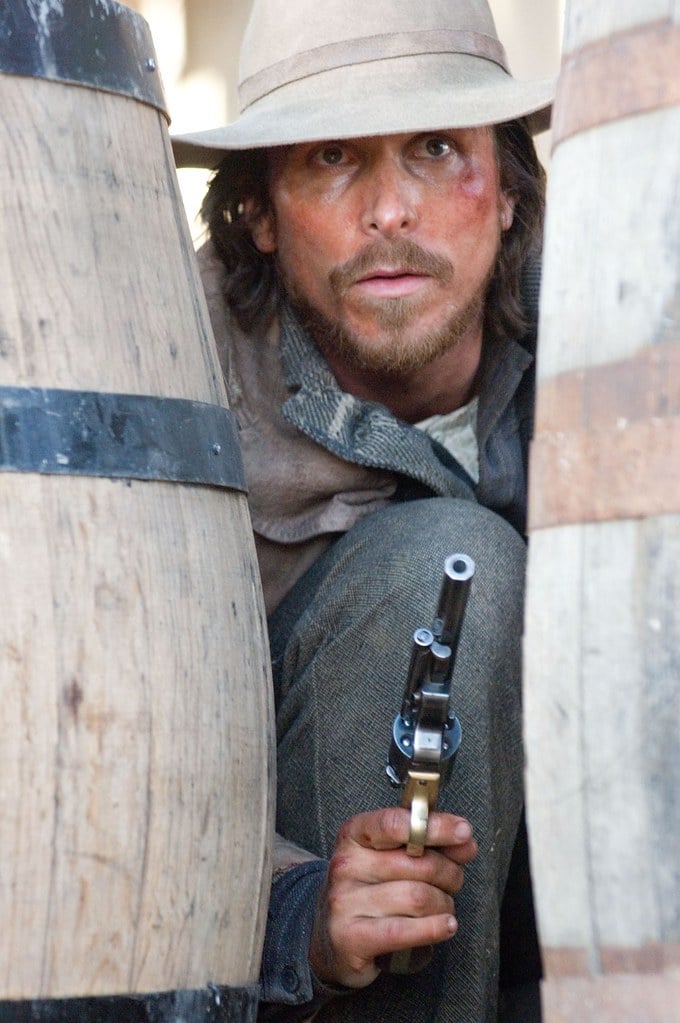
A dusty showdown in 2007 starring Russell Crowe and Christian Bale seemed new at first glance – yet traced back to an older movie from 1957 sharing its name. Behind both lay a compact tale by Elmore Leonard, one that handed them sturdy groundwork right away.
Though the later cut poured in extra stunts and deeper pockets, what really held each together was the quiet crackle between the main pair. That spark never changed.
Ocean’s Eleven
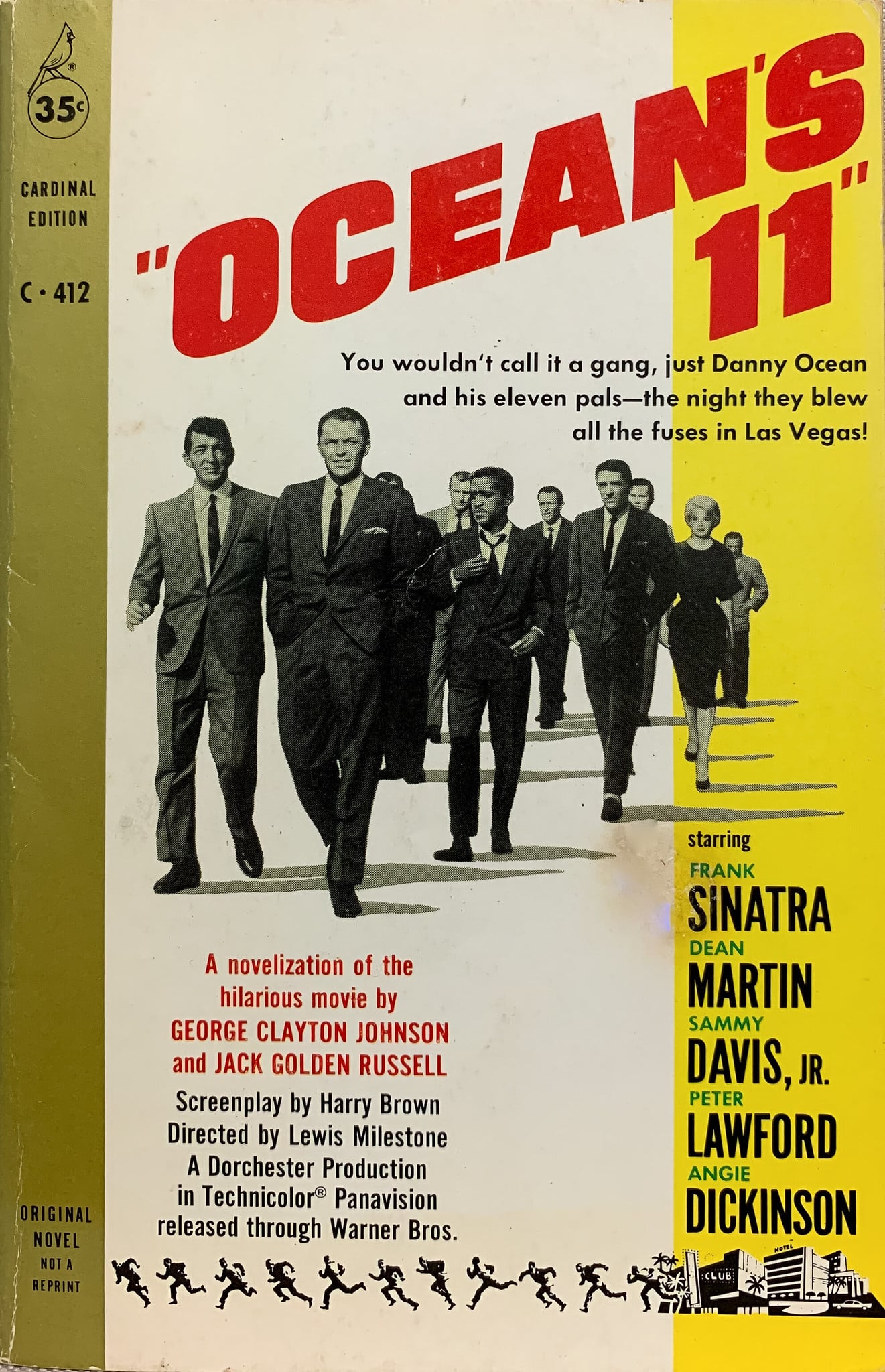
That smooth 2001 robbery movie by Steven Soderbergh? It lines up George Clooney, Brad Pitt, plus a bunch of endlessly likable actors.
Behind it sits a 1960 flick with the same title – packed with Frank Sinatra, Dean Martin, and Sammy Davis Jr. They pulled tricks at a Las Vegas casino back then too.
Same city. Same idea. Yet the new one feels quicker on its feet, wittier, dressed better.
Surprisingly fresh, even when tracing old steps.
True Grit
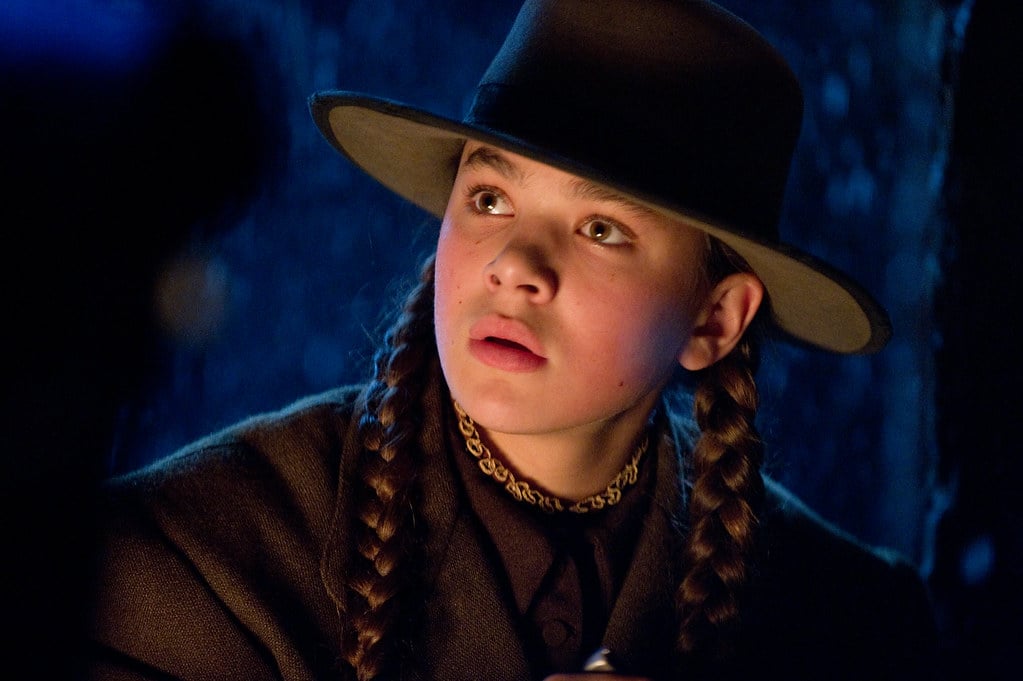
That 2010 film by the Coen Brothers, starring Jeff Bridges as Rooster Cogburn, landed with such force among reviewers that audiences thought they’d invented the tale outright. Back in ’69, John Wayne played the very same part – his performance snagging him a single Oscar, rare for his career.
Though both movies spring from Charles Portis’s novel, the later take shadows the source more closely, its mood steeped deeper in grit and shadow.
Cape Fear
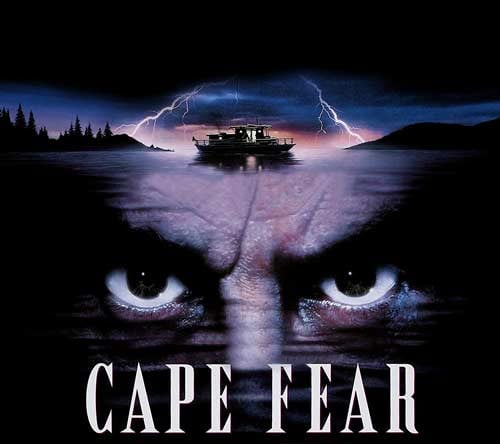
A lot of folks remember the 1991 take on the psychological thriller, where Robert De Niro plays a scary former prisoner. Not many think back to 1962, when it first appeared, led by Robert Mitchum doing that chilling character long before others saw it.
Though Scorsese helmed the newer one, he slipped in nods – Mitchum and Gregory Peck, both from the earlier cut, showed up quietly behind the main story. That echo of the past tucked into new scenes gave weight without saying much.
Funny Games
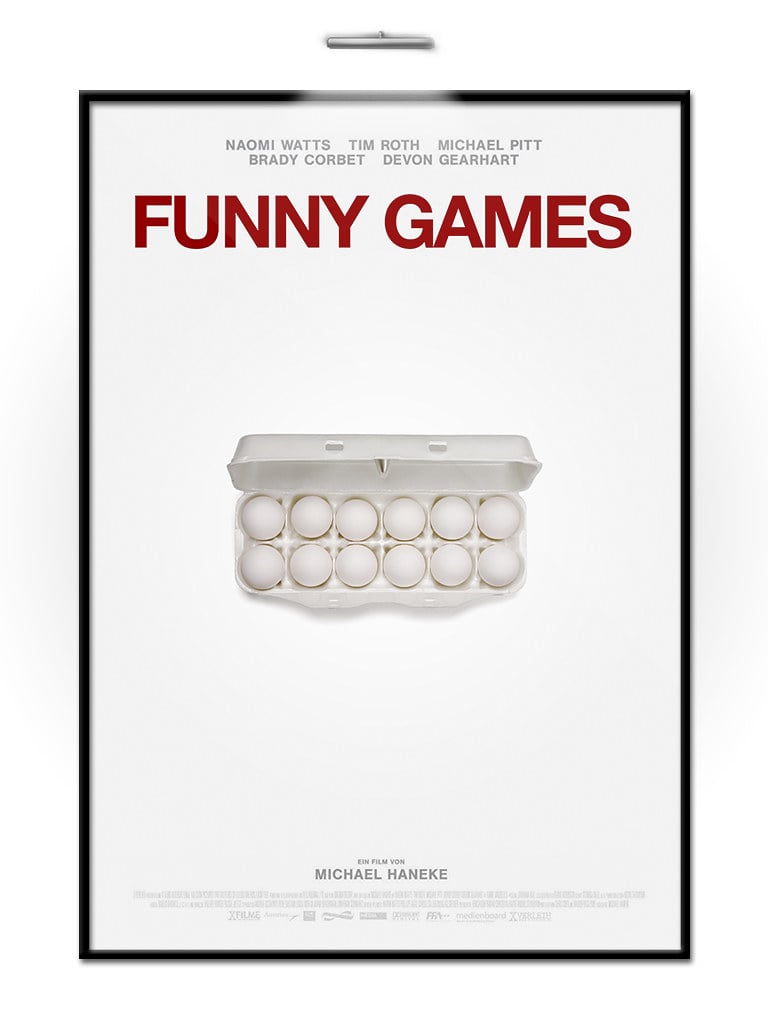
A chilling home invasion movie came out of Austria in 1997, crafted by Michael Haneke. Shot by shot, he repeated his own work ten years later – this time in English, starring Naomi Watts and Tim Roth.
Identical lines. Same moments. Only the faces and location changed.
Americans now filled roles once held by Europeans. He aimed the new version at U.S. viewers because the first barely played there.
Distribution had been too limited back then. So he rebuilt it exactly, hoping more would see.
The Ring
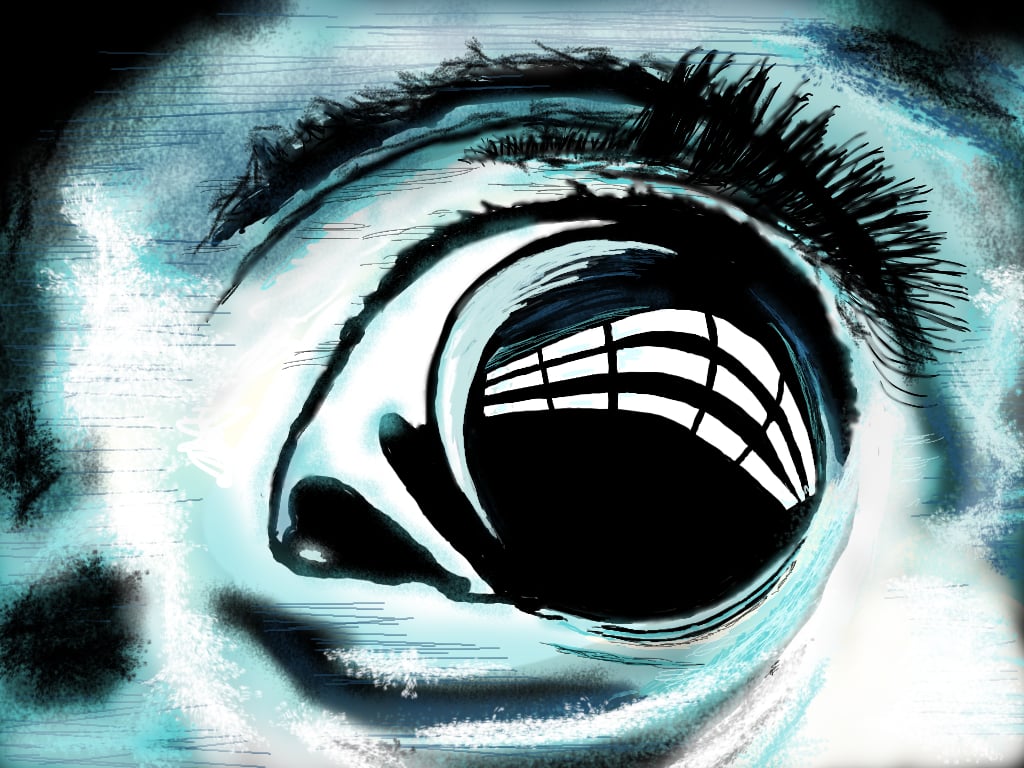
When ‘The Ring’ scared audiences across America in 2002, most viewers had no idea they were watching a remake of a Japanese horror film called ‘Ringu’ from 1998. The Japanese original was based on a novel and had already built a massive following across Asia before Hollywood noticed.
The American version kept the creepy visual style and the central idea of the cursed videotape but expanded the story for a wider audience.
Meet Joe Black

This 1998 romantic drama starring Brad Pitt as Death taking human form was actually based on a 1934 film called ‘Death Takes a Holiday.’ The original was itself adapted from an Italian play, making it a story that traveled through multiple formats before landing on Brad Pitt’s shoulders.
The 1998 version stretched the story across nearly three hours, which some audiences loved and others found exhausting.
Vanilla Sky

Cameron Crowe’s 2001 film starring Tom Cruise was a remake of a Spanish film called ‘Abre Los Ojos,’ which translates to ‘Open Your Eyes,’ released in 1997. The Spanish original starred Penélope Cruz, who then appeared in the Hollywood remake alongside Cruise, playing a similar character.
The two films are so closely related that watching them back to back feels like seeing the same dream told in two different languages.
The Birdcage
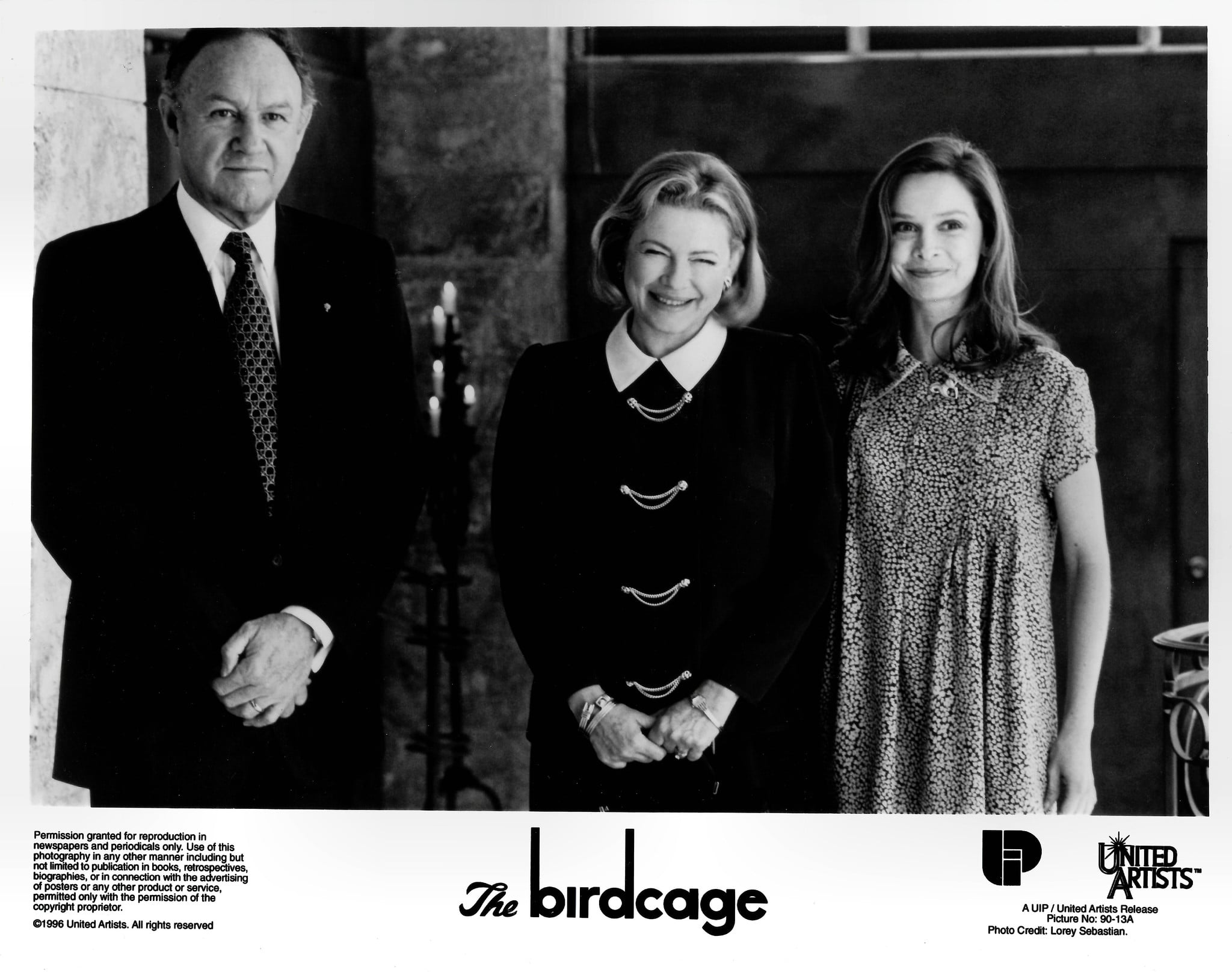
This 1996 Robin Williams comedy about a gay couple navigating a very uncomfortable family dinner was a remake of a 1978 French-Italian film called ‘La Cage aux Folles.’ The original was a huge international hit and even spawned two sequels before Hollywood decided to bring the story stateside.
Robin Williams and Nathan Lane gave the material so much energy that the remake stood completely on its own.
Shall We Dance
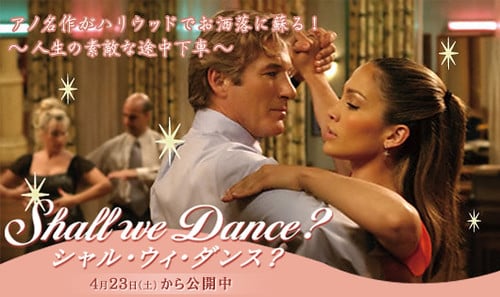
The 2004 version starring Richard Gere and Jennifer Lopez introduced millions of American viewers to the world of ballroom dancing. The original was a 1996 Japanese film of the same name that became a quiet international success before Hollywood picked it up.
The American version kept the basic story but added more drama and leaned harder into the romance between the lead characters.
The Magnificent Seven
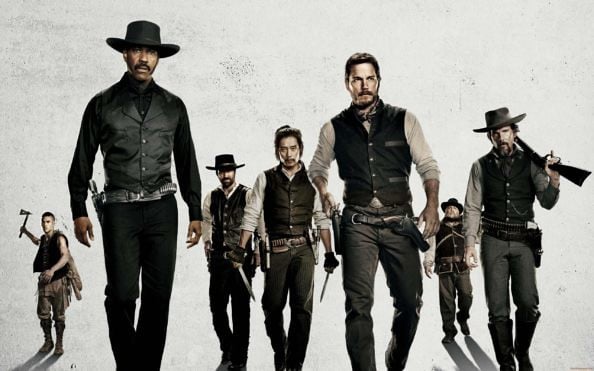
The 1960 western with Yul Brynner and Steve McQueen is considered a classic of American cinema, so it might be surprising to learn it was based on a 1954 Japanese film called ‘Seven Samurai’ by Akira Kurosawa. The filmmakers simply swapped feudal Japan for the American frontier and replaced samurai with cowboys.
Kurosawa reportedly enjoyed the western remake, which says a lot about how well the story translated across cultures.
Father of the Bride
Steve Martin’s warm and funny 1991 family comedy was a remake of a 1950 Spencer Tracy film of the same name. Both versions follow an anxious father trying to hold it together while his daughter plans her wedding, and both films found big audiences because the situation is so easy to relate to.
The 2022 remake updated the story again with a Cuban-American family, proving the premise works in just about any setting.
Roxanne

This 1987 Steve Martin romantic comedy transplanted the story of ‘Cyrano de Bergerac’ from 17th-century France to a small American town. Instead of a swordsman with an oversized nose writing love letters for a less articulate friend, the film followed a fire chief with the same problem in a much more modern setting.
The film worked so well that many viewers simply thought it was an original concept rather than a centuries-old story wearing new clothes.
It’s a Wonderful Life
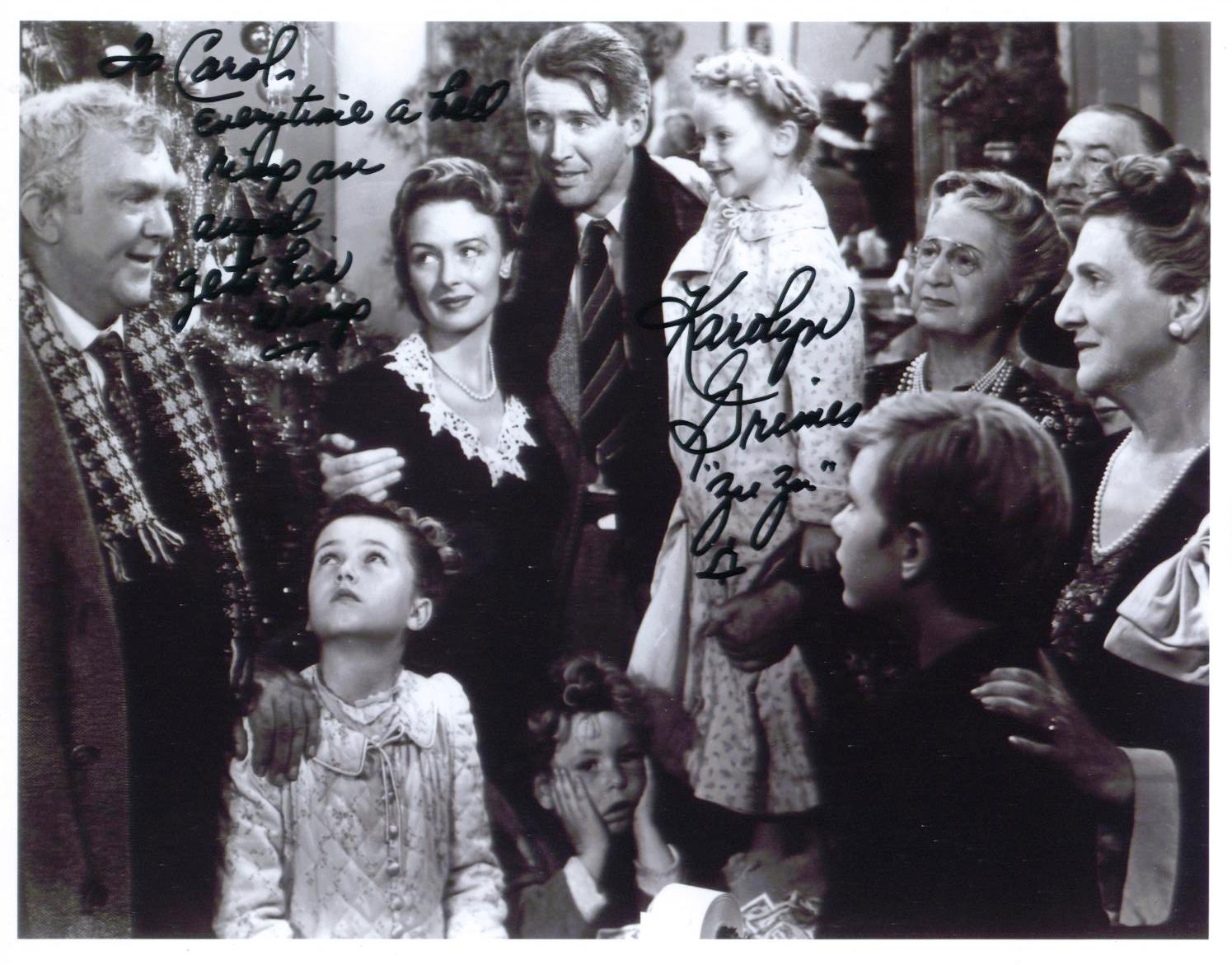
Frank Capra’s 1946 holiday classic is treated like sacred ground in American film culture, but it was based on a short story called ‘The Greatest Gift’ written by Philip Van Doren Stern in 1943. Stern originally self-published the story as a Christmas card for friends and family because no publisher would take it.
A copy landed at RKO Pictures, the studio paid $10,000 for the rights, and the rest is history that airs on television every December.
Stories that never get old

The reason so many great films turn out to be remakes is simple: good stories have always found a way to survive. A strong premise does not belong to one era or one country; it travels, adapts, and lands in new places with new faces.
What matters is not whether the story is original but whether the people making it actually care about getting it right. The films on this list prove that a great idea, handled well, can connect with audiences across decades and still feel completely alive.
More from Go2Tutors!

- The Romanov Crown Jewels and Their Tragic Fate
- 13 Historical Mysteries That Science Still Can’t Solve
- Famous Hoaxes That Fooled the World for Years
- 15 Child Stars with Tragic Adult Lives
- 16 Famous Jewelry Pieces in History
Like Go2Tutors’s content? Follow us on MSN.