17 Mathematical Concepts Named After Their Discoverers
Mathematics has this wonderful tradition of honoring brilliant minds by attaching their names to groundbreaking discoveries. From ancient Greek geometry to modern calculus, countless theorems, formulas, and principles carry the legacy of their creators.
These named concepts serve as permanent monuments to human intellectual achievement — turning abstract ideas into recognizable landmarks in the mathematical landscape. Mathematics textbooks are packed with names that’ve become synonymous with specific concepts and discoveries.
Here is a list of 17 mathematical concepts that bear the names of their discoverers.
Pythagorean Theorem
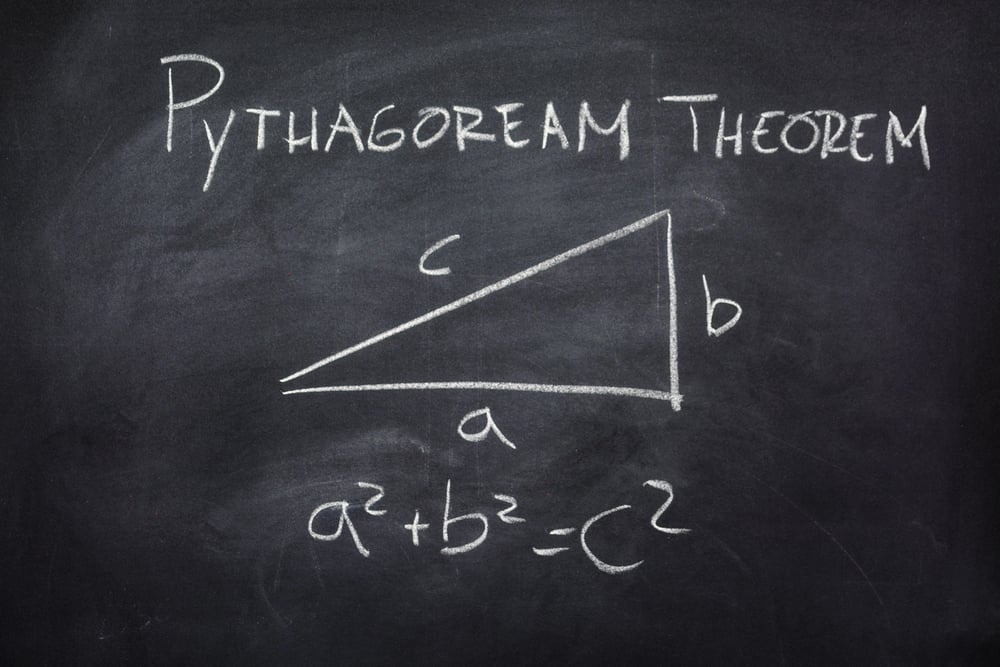
In any right triangle, the square of the hypotenuse equals the sum of the squares of the other two sides — that’s the Pythagorean theorem. Named after the ancient Greek philosopher Pythagoras, this fundamental geometric principle forms the backbone of countless mathematical applications, though evidence suggests earlier civilizations knew this relationship.
Pythagoras gets credit for providing the first formal proof around 500 BCE, yet the concept itself predates his work by centuries.
Fibonacci Sequence
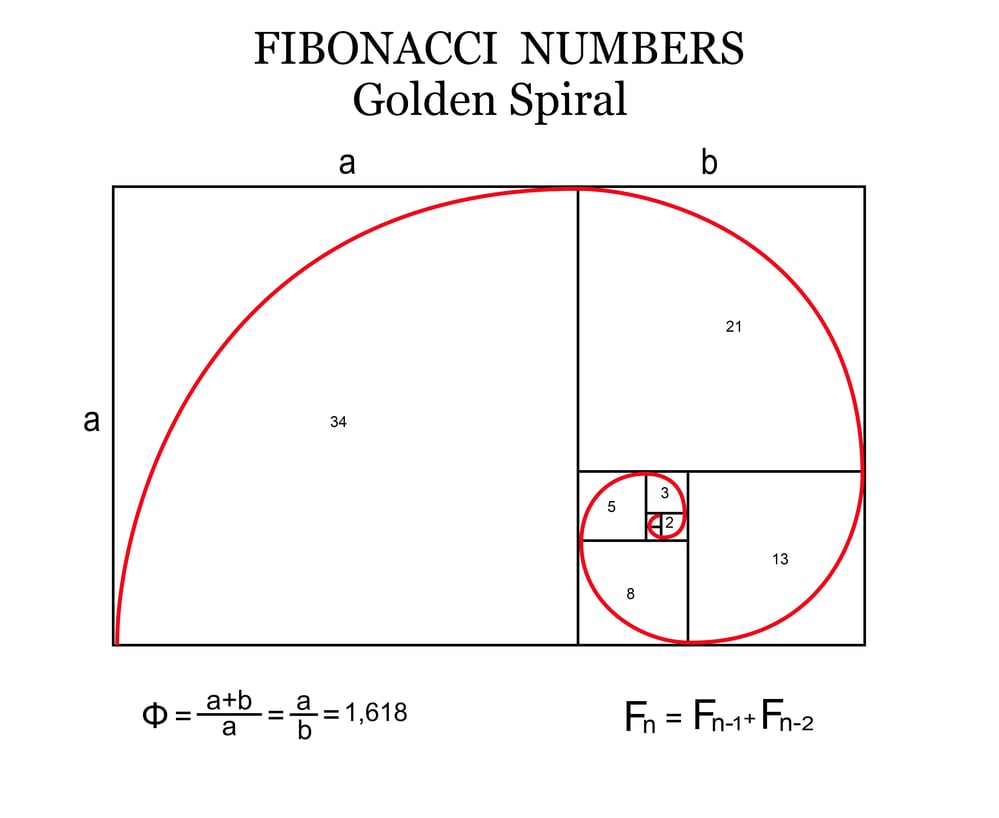
This famous sequence starts simple: 0, 1, then each number afterward equals the sum of the two before it. So you get 0, 1, 1, 2, 3, 5, 8, 13, and it keeps going.
Leonardo Fibonacci introduced this pattern to Western mathematics in his 1202 book ‘Liber Abaci’ — though it had appeared in Indian mathematics centuries earlier. The sequence shows up throughout nature, from flower petals to spiral galaxies
Pascal’s Triangle
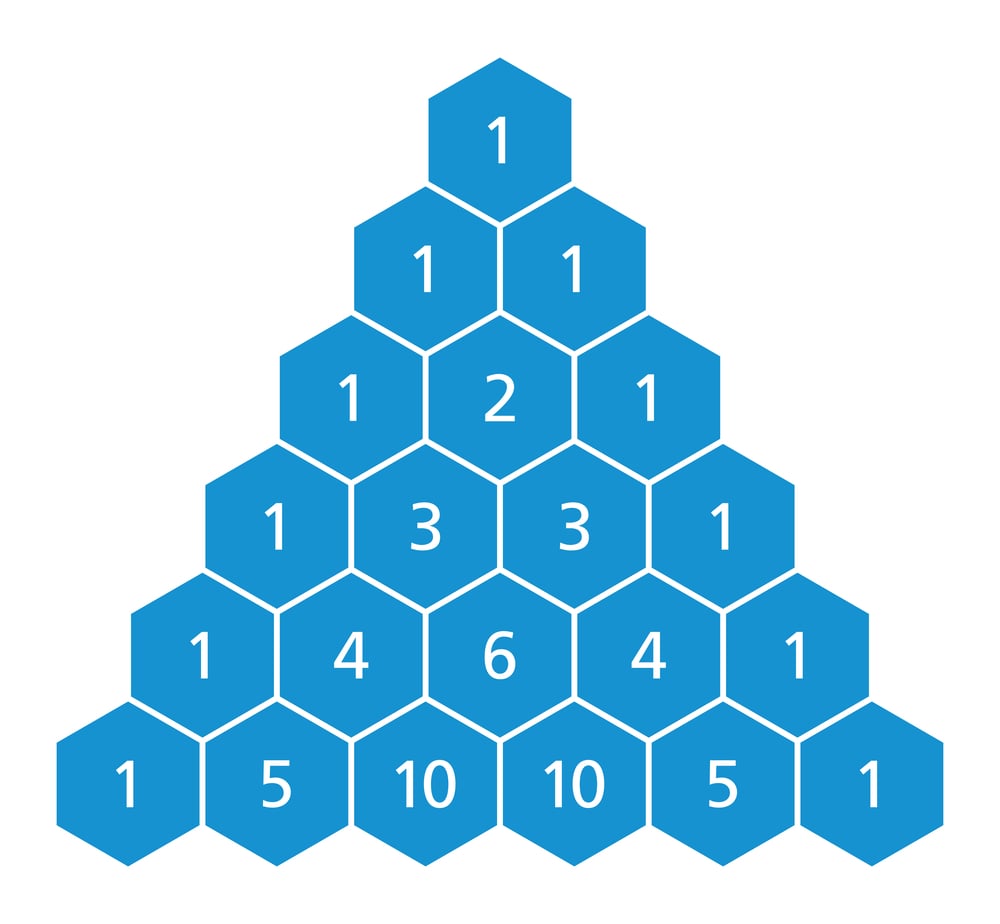
Blaise Pascal developed this triangular array where each number equals the sum of the two numbers sitting above it. Simple concept, yet the triangle reveals binomial coefficients and connects to probability theory in elegant ways.
Pascal originally used it to solve gambling problems, but mathematicians discovered the pattern contains much deeper truths about combinations and algebraic expansions.
Euler’s Formula
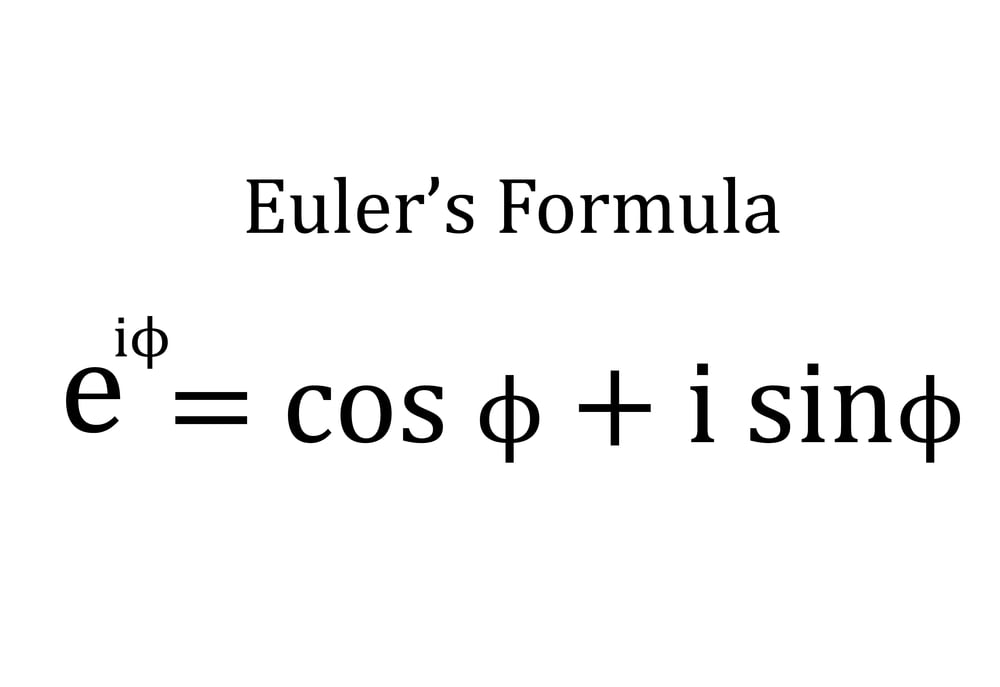
Here’s something that still gives mathematicians chills: e^(iπ) + 1 = 0. Leonhard Euler discovered this equation that connects five fundamental mathematical constants in one breathtaking relationship.
The formula bridges exponential functions, trigonometry, and complex numbers — Euler’s prolific career produced so many discoveries that mathematics literally ran out of letters to name them all.
Newton’s Method
When exact solutions prove impossible to calculate, Isaac Newton’s technique comes to the rescue. The method starts with an initial guess, then repeatedly improves it using the derivative of the function — like mathematical fine-tuning.
Engineers and scientists still rely on Newton’s method today, particularly when dealing with complex equations that resist traditional solving approaches.
Gaussian Distribution

Carl Friedrich Gauss described this bell-shaped curve that emerges whenever random factors combine to produce outcomes. The normal distribution governs everything from test scores to measurement errors, making it statistics’ most important pattern.
Gauss’s mathematical genius was so renowned that contemporaries nicknamed him the ‘Prince of Mathematics’ — a title that’s stuck for over two centuries.
Fourier Transform
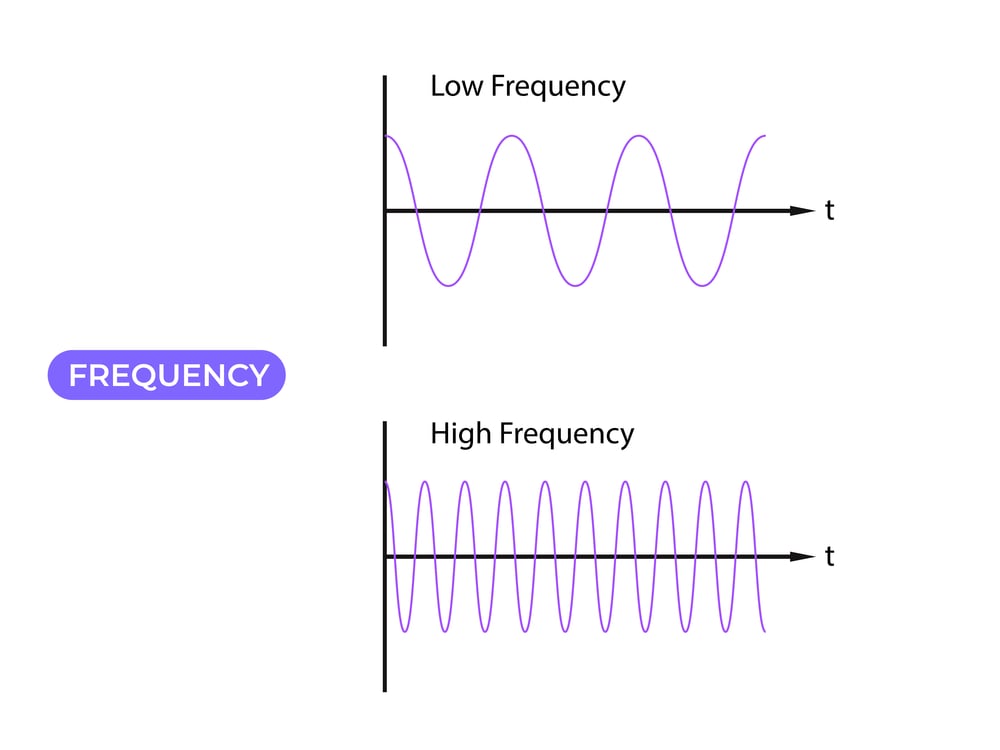
Joseph Fourier made a startling discovery: any periodic function can be broken down into simple sine and cosine waves. This transformation revolutionized how we understand signals, from radio waves to digital music compression.
Modern technology — MRI machines, smartphone apps, digital photography — depends heavily on Fourier’s insight about decomposing complex patterns into simpler components.
Taylor Series

Brook Taylor found a clever way to represent functions as infinite sums of polynomial terms centered around a specific point. This technique lets mathematicians approximate complicated functions using simpler polynomial expressions, though the series can stretch on forever.
Taylor series make it possible for calculators and computers to calculate values of trigonometric and exponential functions with remarkable precision.
Bayes’ Theorem
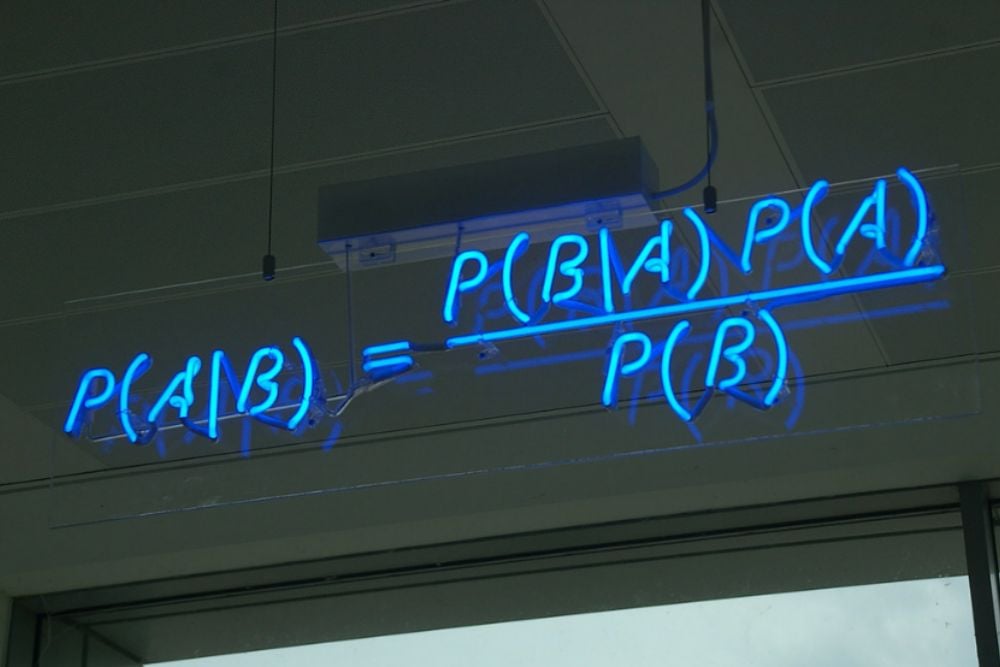
Thomas Bayes developed this probability rule that shows how to update beliefs when new evidence becomes available — think of it as mathematical common sense. The theorem calculates conditional probabilities by combining what you already know with fresh observations.
Machine learning algorithms and medical diagnosis systems rely heavily on Bayesian reasoning to make intelligent decisions.
L’Hôpital’s Rule
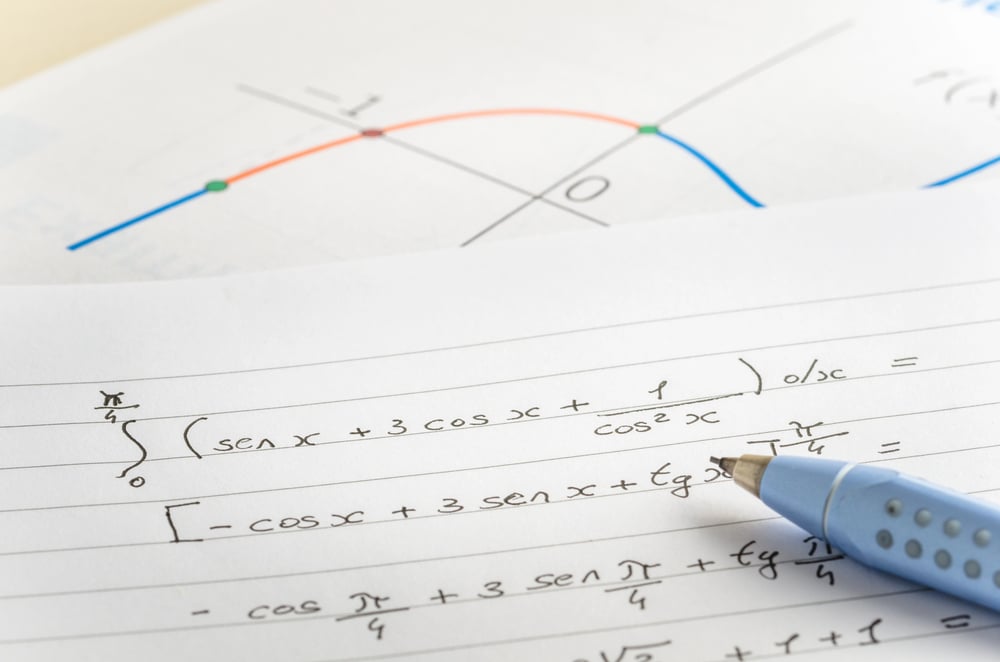
Guillaume de l’Hôpital published this calculus technique for evaluating limits that initially produce indeterminate forms like 0/0 — those mathematical dead ends that seem unsolvable. The rule uses derivatives to resolve these ambiguities and find the true limit value.
Ironically, l’Hôpital may have actually purchased this discovery from Johann Bernoulli, making the naming somewhat controversial among mathematical historians.
Descartes’ Rule of Signs
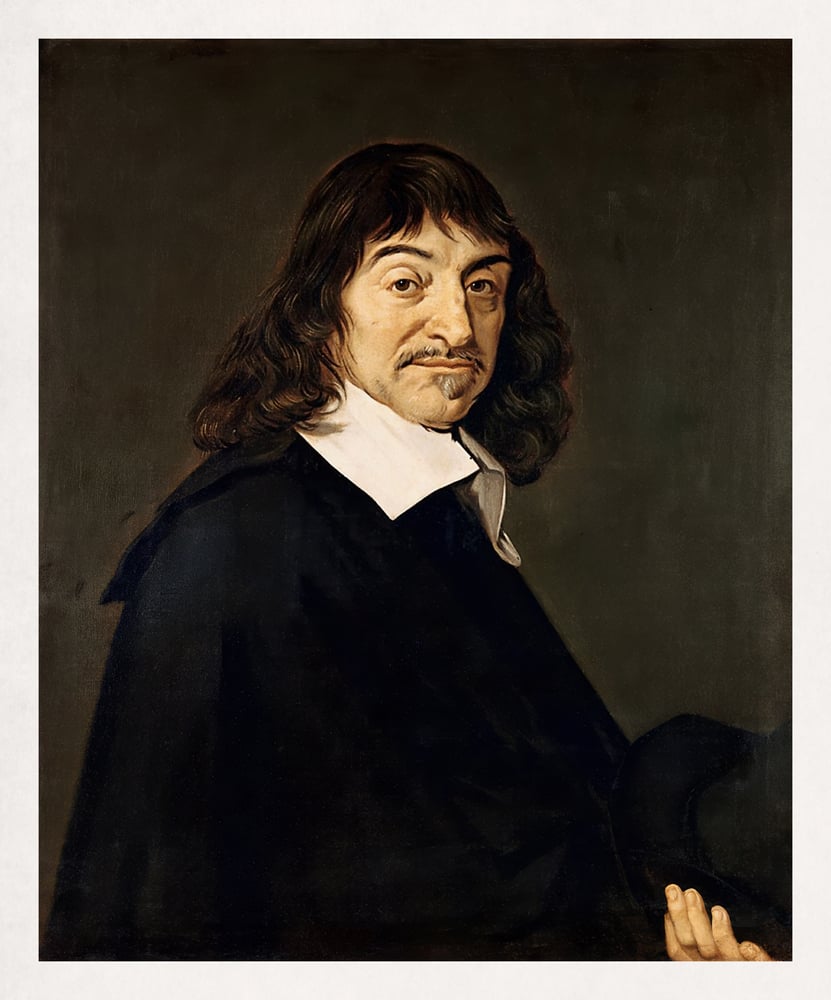
René Descartes discovered a method for determining the maximum number of positive and negative roots in polynomial equations. By counting sign changes in the coefficients, mathematicians can predict how many real solutions exist without actually solving the equation.
This rule provides valuable insight into polynomial behavior before diving into complex calculations.
Riemann Hypothesis
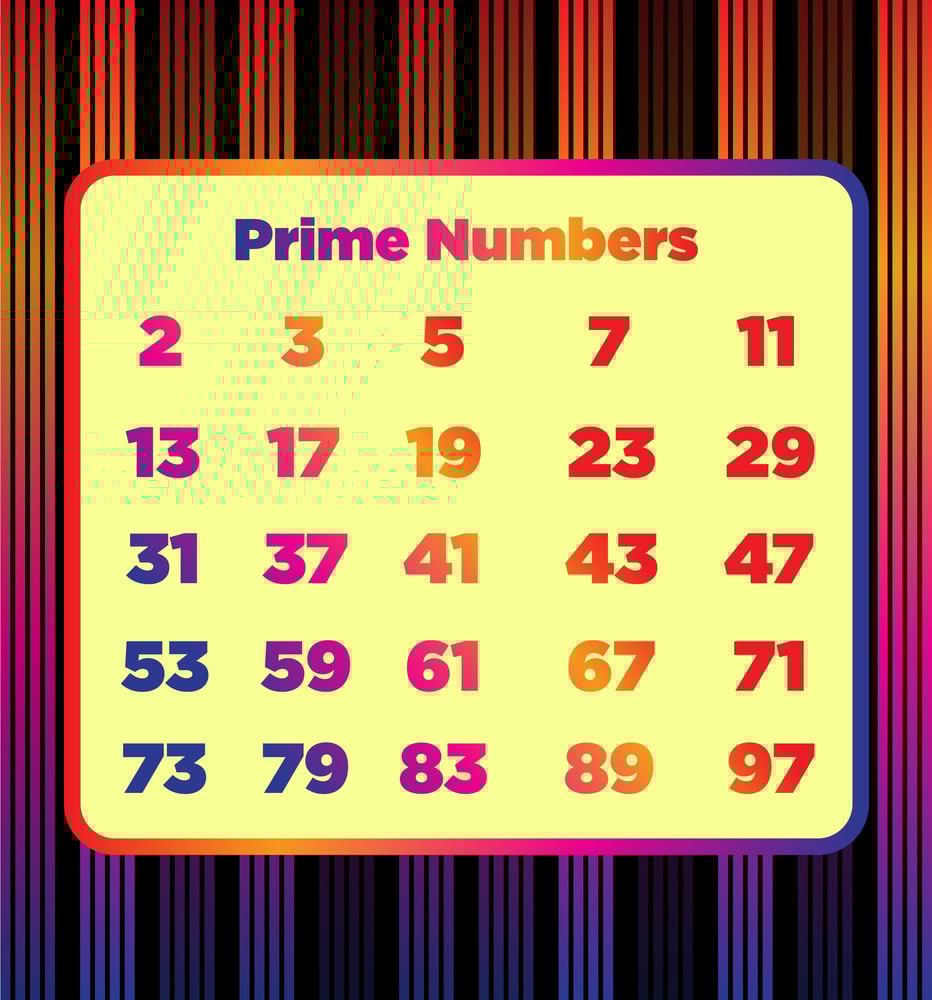
Bernhard Riemann proposed that all non-trivial zeros of the zeta function have a real part equal to 1/2. This conjecture remains one of mathematics’s greatest unsolved problems, with a million-dollar prize awaiting whoever proves or disproves it.
The hypothesis connects prime number distribution to complex analysis in ways that continue to puzzle the world’s brightest mathematical minds.
Galois Theory
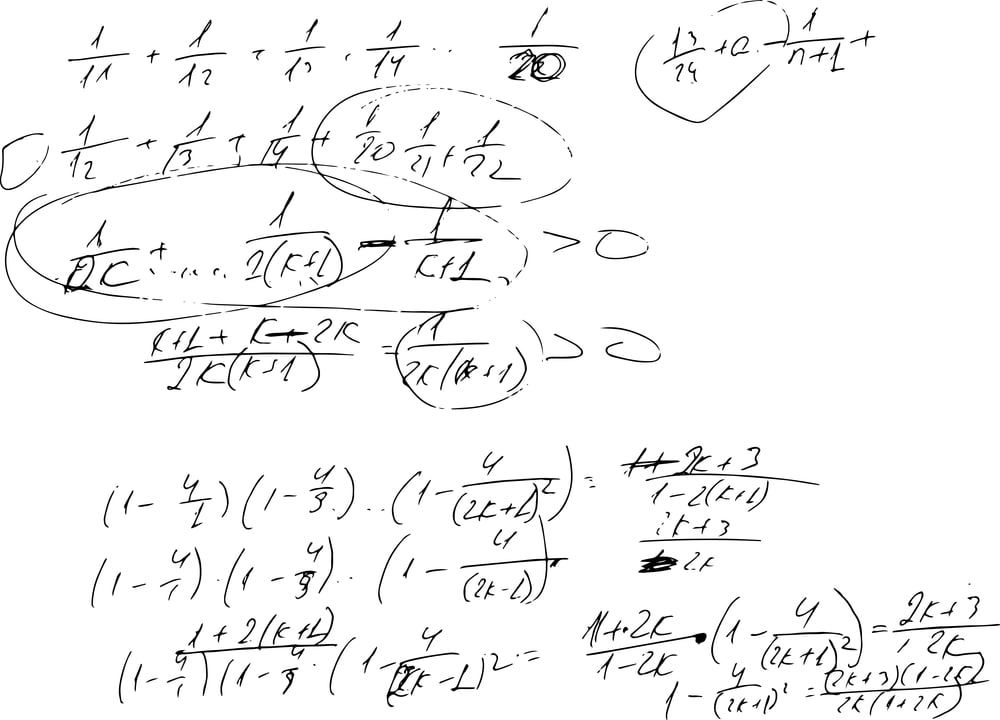
Évariste Galois developed this branch of algebra that uses group theory to analyze polynomial equations and their solutions. His work explains why certain equations simply cannot be solved using radicals, settling questions that had puzzled mathematicians for centuries.
Tragically, Galois died in a duel at age 20, shortly after making these revolutionary discoveries that would reshape algebra forever.
Cauchy-Schwarz Inequality

Augustin-Louis Cauchy and Hermann Schwarz independently discovered this fundamental inequality relating inner products and norms in vector spaces. The inequality states that the absolute value of an inner product never exceeds the product of the norms.
This result appears throughout mathematical analysis while finding applications in probability theory and linear algebra.
Jordan Curve Theorem
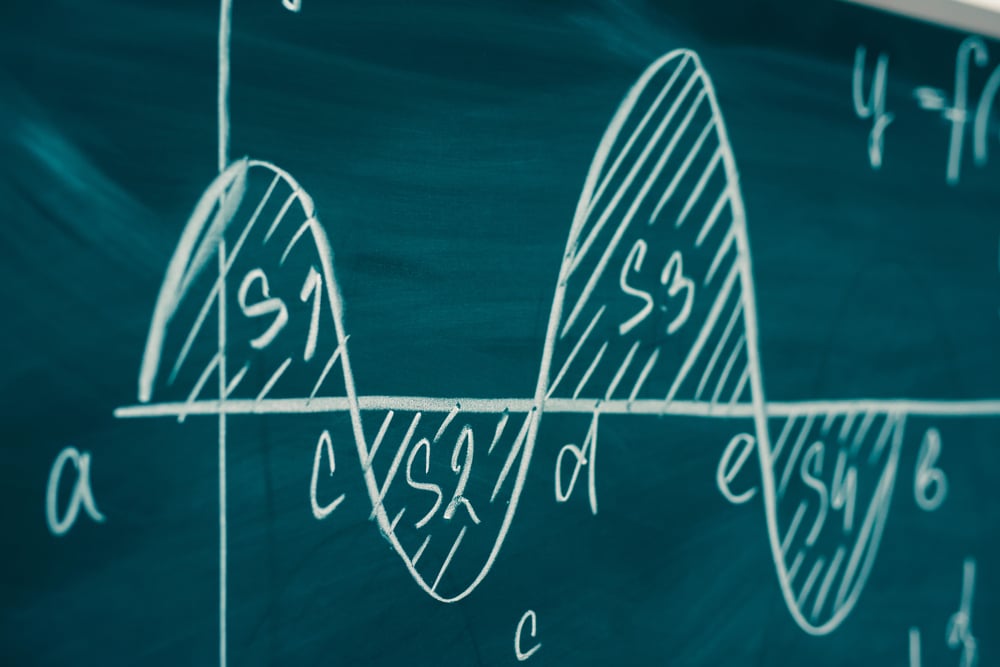
Camille Jordan proved that every simple closed curve in the plane divides it into exactly two regions: an interior and an exterior. While this seems intuitively obvious, providing a rigorous mathematical proof proved surprisingly difficult.
Jordan’s theorem demonstrates how mathematical intuition sometimes requires sophisticated techniques to verify formally, even when the result appears self-evident.
Green’s Theorem

George Green established this fundamental result in vector calculus that relates line integrals around closed curves to double integrals over regions. The theorem connects circulation and flux calculations in ways that prove essential for physics and engineering applications.
Green’s work laid important groundwork for later developments in electromagnetic theory, though he died before seeing his ideas fully appreciated.
Stokes’ Theorem

George Gabriel Stokes generalized Green’s theorem to higher dimensions, relating surface integrals to line integrals around boundary curves. This powerful result unifies many seemingly different theorems in vector calculus under one elegant framework.
Stokes’ theorem appears throughout physics, particularly in electromagnetism and fluid dynamics, where it helps describe how fields behave around boundaries.
The Mathematical Hall of Fame
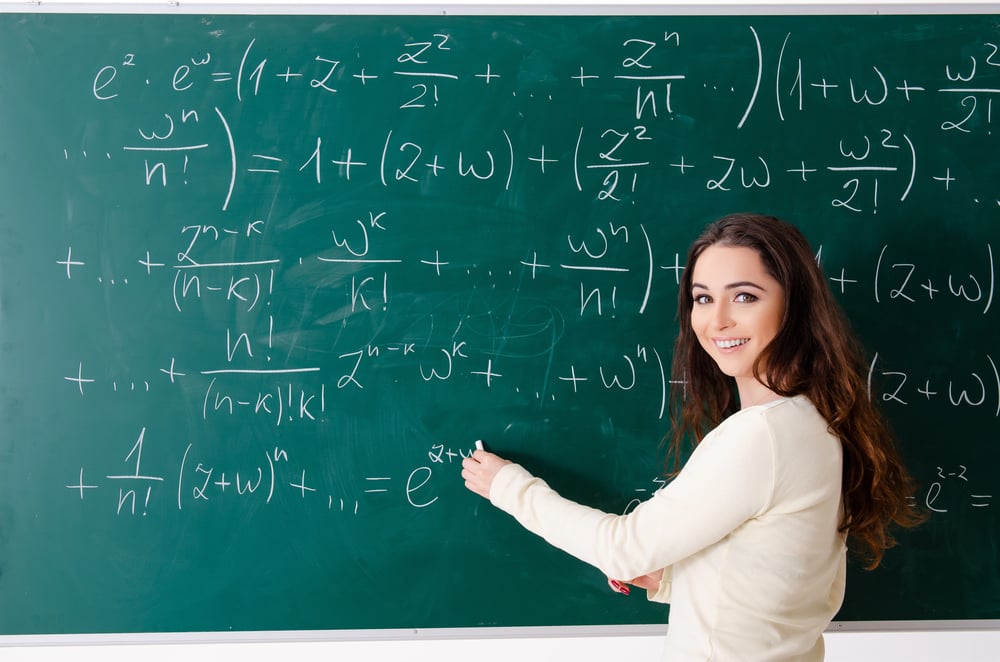
These named theorems and formulas represent just a fraction of mathematics’s rich heritage of discovery and innovation. Each concept carries the legacy of brilliant minds who pushed the boundaries of human knowledge, often working in isolation with nothing but curiosity driving them forward.
Today’s mathematicians continue building on these foundations while creating new theories that future generations will study and admire. Mathematical naming conventions ensure that pioneering contributions receive permanent recognition while helping students and researchers navigate the vast landscape of mathematical knowledge.
The next time you encounter one of these named concepts, remember there’s a human story behind each formula — one of curiosity, persistence, and intellectual breakthrough that transcends centuries.
More from Go2Tutors!

- The Romanov Crown Jewels and Their Tragic Fate
- 13 Historical Mysteries That Science Still Can’t Solve
- Famous Hoaxes That Fooled the World for Years
- 15 Child Stars with Tragic Adult Lives
- 16 Famous Jewelry Pieces in History
Like Go2Tutors’s content? Follow us on MSN.