15 Everyday Things You Don’t Know the Name Of
Most people go their whole lives pointing at things and saying “you know, that bit” or “the little whatever it’s called.” The English language has names for almost everything — absurdly specific ones, in many cases — and a surprising number of them describe objects and features you interact with every single day.
Here are 15 of them.
Aglet
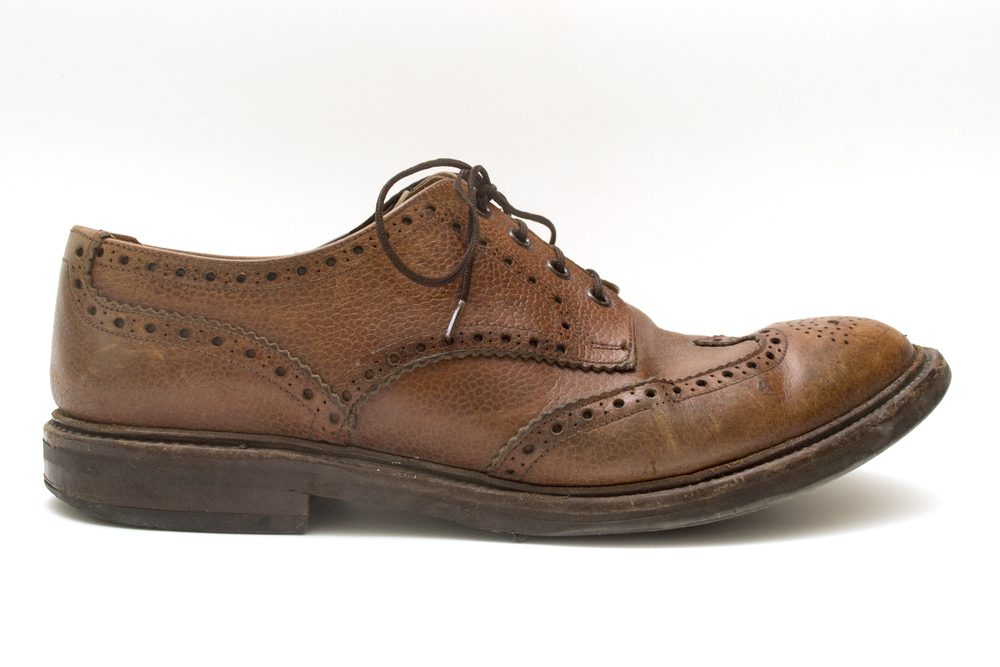
The small plastic or metal cap at the end of a shoelace is called an aglet. Its entire job is to stop the lace from fraying and to make it easier to thread through eyelets.
The word comes from the Latin acus, meaning needle. Without aglets, laces would unravel at the tips within days.
It’s one of those small pieces of design that most people never consciously notice until it breaks off — and then suddenly it’s all you can think about.
Philtrum

The vertical groove running from the base of your nose down to your upper lip has a name: the philtrum. It’s formed during fetal development when the two sides of the face fuse together.
Every human being has one, but its depth and shape vary from person to person. The word comes from Greek and Latin roots relating to love and attraction.
Doctors sometimes use its shape as a marker in developmental assessments.
Ferrule

On a standard pencil, the small metal band that clamps the eraser to the top is called a ferrule. The word also applies to similar metal rings used to reinforce the ends of canes, umbrella tips, and tool handles — basically any small cap or band used to prevent splitting or wear. It comes from the Latin viriola, meaning little bracelet.
The ferrule on a pencil is usually the first part to give out, leaving you with an eraser that spins uselessly when you try to use it.
Lunula
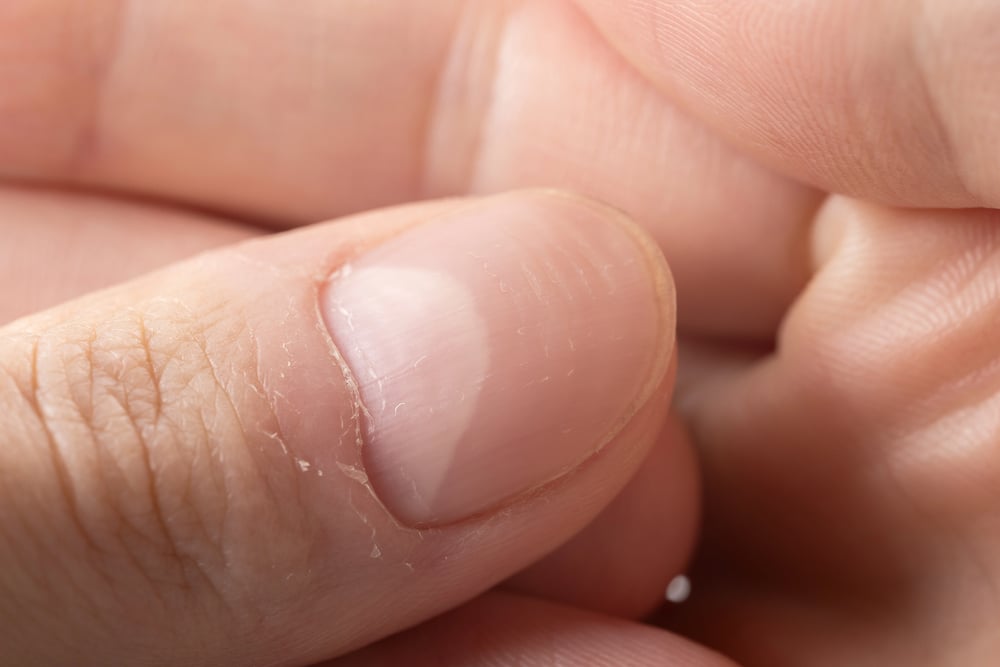
Look at your fingernails. The pale, crescent-shaped area near the base — that’s the lunula, from the Latin word for little moon.
It’s where the nail matrix begins and new nail cells are produced. The lunula is actually part of the nail matrix itself, visible through the translucent nail plate.
On most people it’s most visible on the thumbs and less apparent on the smaller fingers. Its visibility can vary based on overall health and circulation.
Petrichor

The distinctive smell that rises from dry earth when rain first hits it has a name that was coined as recently as 1964 by two Australian scientists. They called it petrichor, from the Greek words for rock and the fluid that flows through the veins of gods.
The smell comes primarily from a compound called geosmin, produced by soil bacteria, along with plant oils that have built up on the ground during dry spells. It’s one of the most universally recognized and liked smells in the world — and it has a name almost nobody knows.
Glabella
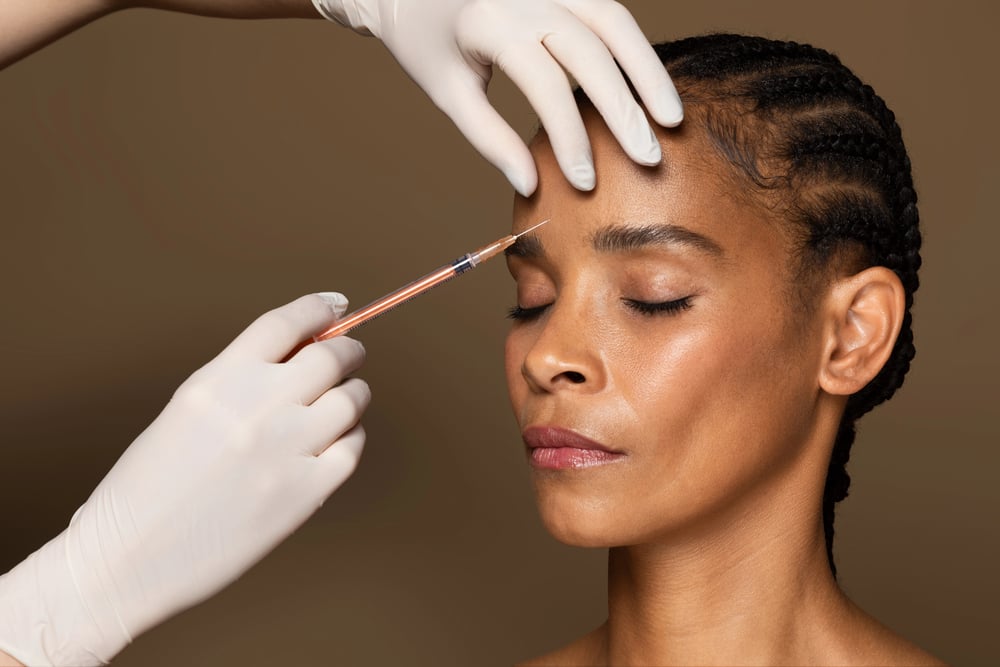
The smooth, flat area of skin between your eyebrows — just above the bridge of your nose — is called the glabella. It’s the spot doctors tap when testing certain neurological reflexes, and it’s also the area that furrows when you frown.
The word comes from the Latin glaber, meaning smooth or bald. Cosmetic procedures targeting frown lines typically focus on this region, even if the product packaging rarely uses the actual anatomical term.
Tines
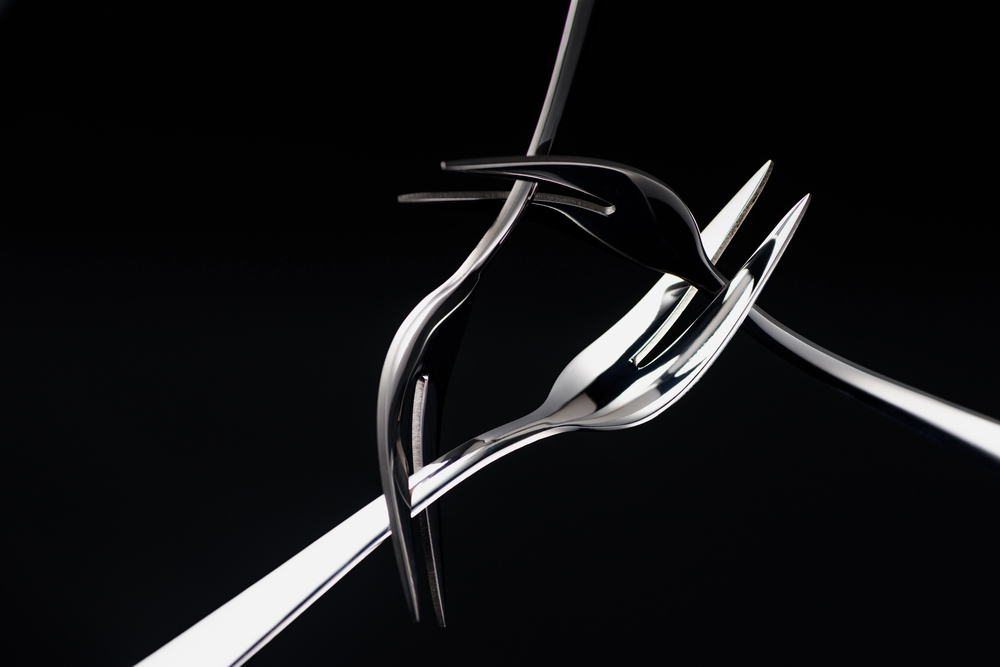
The individual prongs on a fork are called tines. The word is old, with roots in Old English and Germanic languages.
A standard dinner fork has four tines. A salad fork often has three, with a wider outer tine on the left for cutting.
Pitchforks also have tines, as do antlers and certain types of combs. It’s one of those words that sounds like it should be more commonly used given how often people reach for forks.
Borborygmus

That rumbling, gurgling noise your stomach makes — especially when you’re hungry — is called borborygmus. The word is onomatopoeic, meaning it sounds like what it describes.
The noise is produced by gas and fluid moving through the intestines as part of normal digestion. It happens even after eating, not just before.
Doctors listen for it with a stethoscope because changes in borborygmi can signal digestive issues. Most people just call it a stomach growl and quietly hope nobody heard it.
Keeper
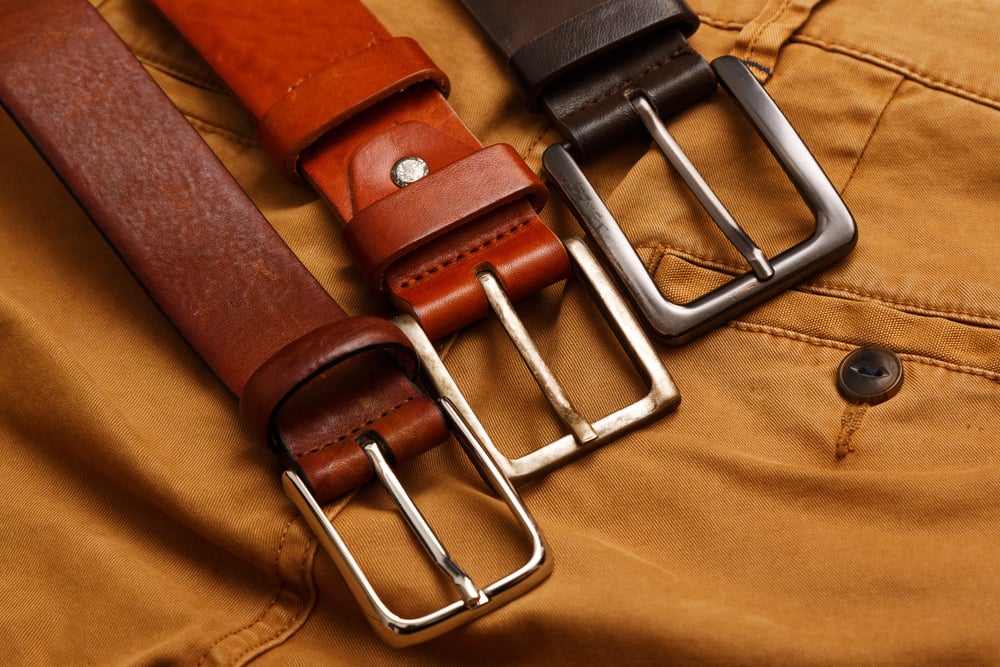
On a belt, the small loop that holds the loose end in place after it passes through the buckle is called the keeper. It does exactly what its name suggests — it keeps the belt end from flopping around.
The same term applies to similar loops on watch straps, guitar straps, and bag handles. It’s a humble piece of design that most people have unconsciously depended on every morning without ever thinking to ask what it’s called.
Rasceta
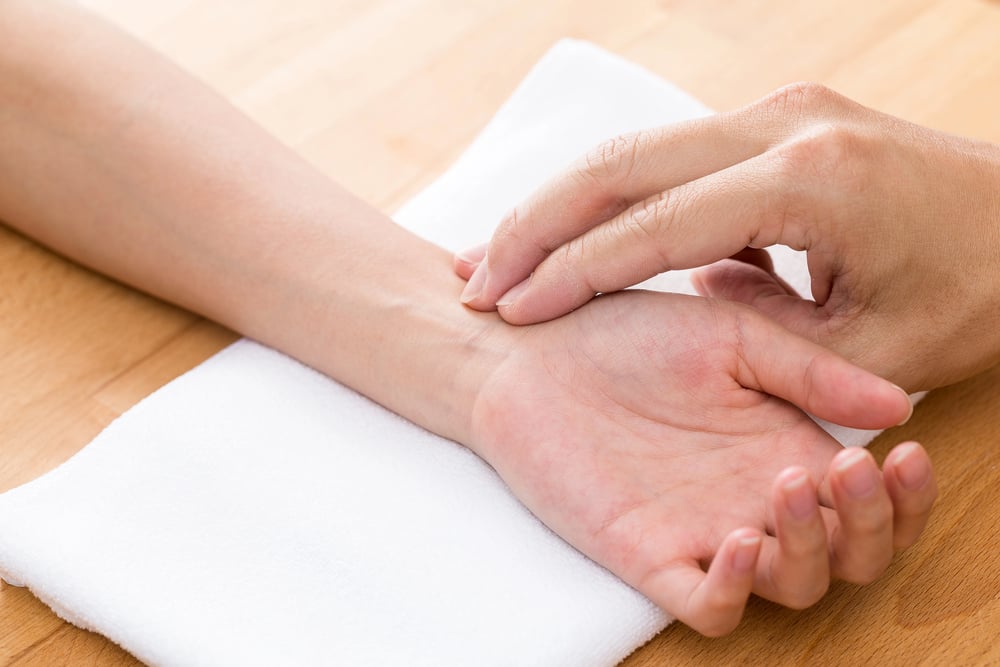
Turn your wrist over and look at the inside. The horizontal creases running across the inner wrist, where your hand meets your arm, are called rasceta (sometimes spelled rasсeta).
The word comes from Arabic via Medieval Latin. Palmists have used these lines for centuries as part of their readings, calling them “bracelets.”
They’re formed by skin folding at the joint.
Most people have two or three visible ones, and their depth changes with age and weight.
Punt

Pick up a wine bottle and look at the bottom. That deep indentation pressed into the base of the glass is called the punt. Its purpose has been debated — theories include structural reinforcement, easier grip when pouring, and the collection of sediment.
It’s also found on champagne bottles, where the inward curve helps the bottle withstand pressure. Whatever the original reason, it’s now largely conventional. The word also refers to a flat-bottomed river boat, which is a separate thing entirely and worth knowing about too.
Grawlix
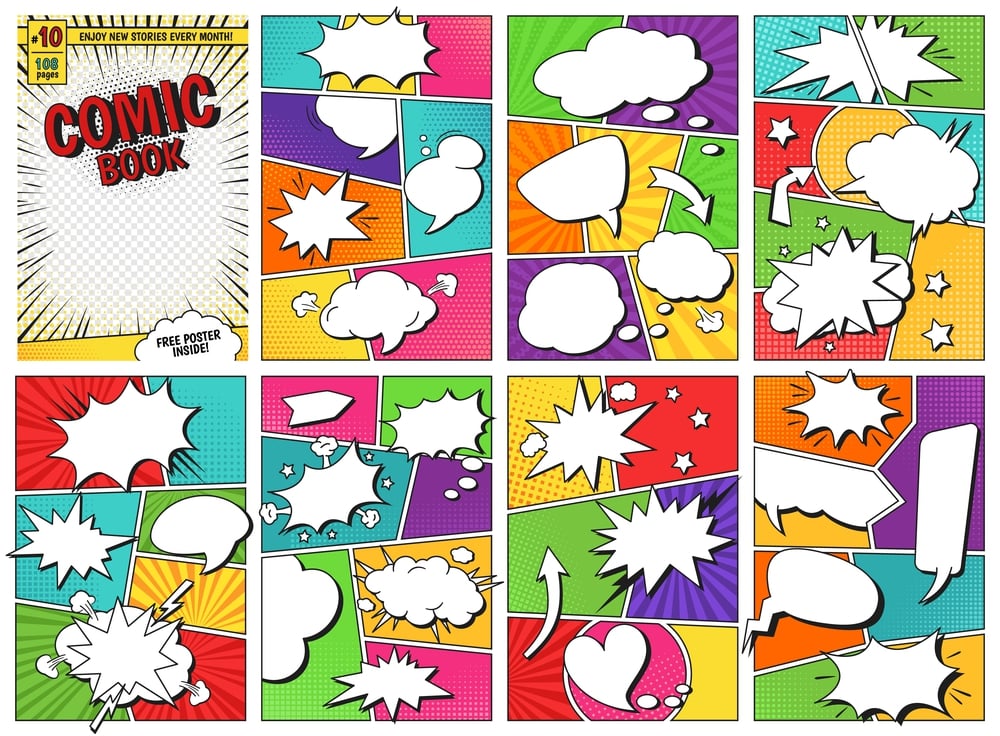
In comic strips and cartoons, when a character says something too rude to print, the profanity is often replaced with a string of symbols — something like @#$%! That collection of typographical characters used to represent swearing is called a grawlix. The term was coined by cartoonist Mort Walker, who created Beetle Bailey and wrote extensively about the visual language of comics.
Grawlixes have been in use since the early days of newspaper comic strips and remain one of the most widely understood visual conventions in popular culture.
Columella
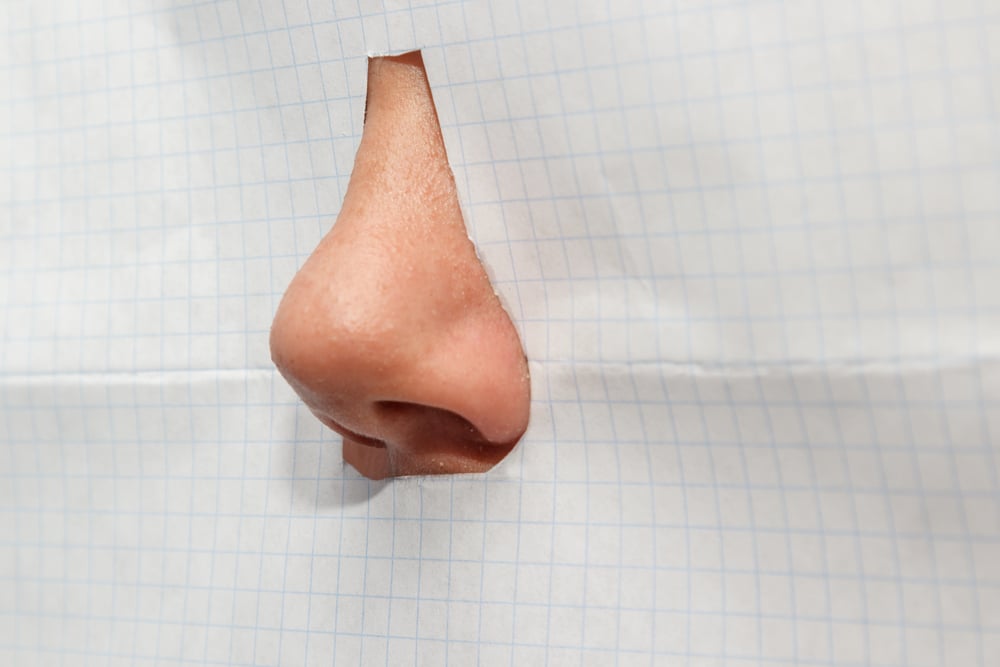
The strip of skin that separates the two nostrils on the underside of the nose is called the columella nasi — or just the columella in everyday medical usage. The word comes from the Latin for small column.
It’s a common reference point in rhinoplasty and facial reconstruction surgery. Piercings that pass through this area are called septum piercings, though the piercing often goes through the columella rather than the cartilaginous septum itself — a distinction that matters quite a lot when a needle is involved.
Armscye
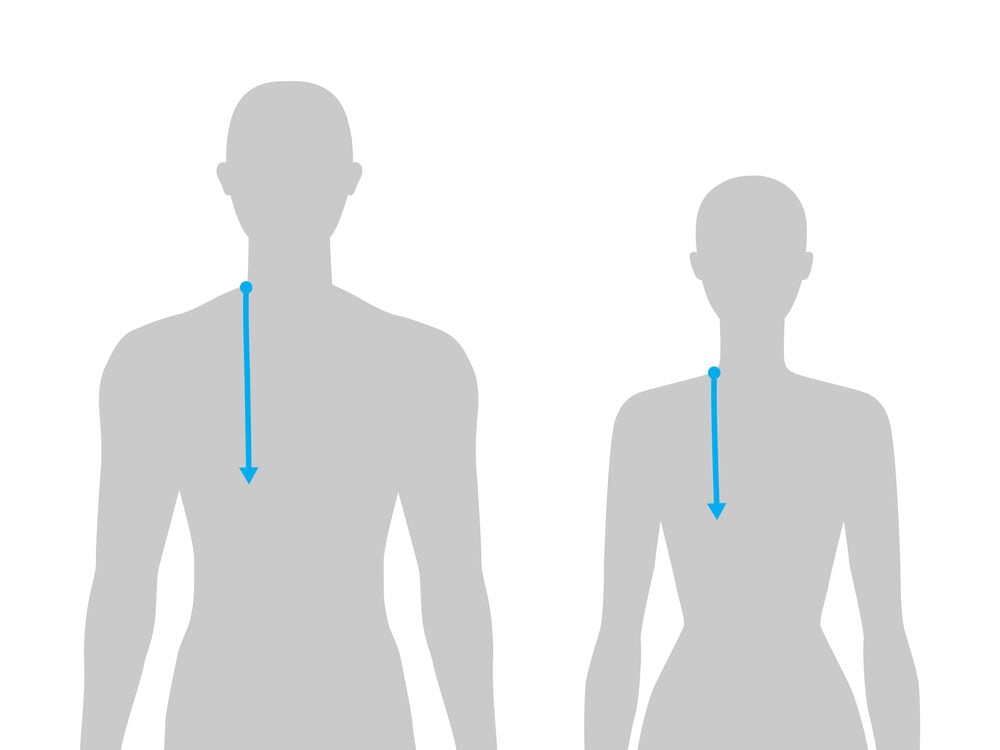
The armscye (also spelled armseye) is the opening in a garment through which the sleeve is attached. It’s used primarily in tailoring and pattern-making.
Getting the armscye right is one of the trickier parts of constructing a well-fitted jacket or shirt — too tight and the wearer can’t move their arms properly, too loose and the whole shoulder hangs wrong. The word appears to come from arm combined with the Scottish word for opening or eye.
Most people have strong opinions about how their clothes fit through the shoulder and have no idea that this part of the garment has a name.
Purlicue

The web of skin stretching between your thumb and index finger is called the purlicue. It’s also sometimes used to refer to the space between the outstretched thumb and forefinger when measuring informally.
The word has Scottish origins and appears in older dictionaries, though it has never made its way into common usage. Tattoo artists who work in this area warn that ink tends to fade faster there due to how much the skin stretches and moves.
It turns out the unnamed parts of your hands have been named all along.
All This Time, the Words Were There

Words often crop up simply because at some point someone had to identify something that was commonly overlooked. Take for instance the finished end of a shoelace, it has its own name, aglet.
A doctor may refer to the area between your nose and upper lip as “philtrum” as if it were common knowledge. Even wine bottles will have a feature, the dimple on the bottom, named punt by those who either made or studied them.
These terms were initially formed in the workshops, labs, or … You’re right. That way, when the tip of your shoelace comes undone, you’ll have the perfect word to describe it.
More from Go2Tutors!

- The Romanov Crown Jewels and Their Tragic Fate
- 13 Historical Mysteries That Science Still Can’t Solve
- Famous Hoaxes That Fooled the World for Years
- 15 Child Stars with Tragic Adult Lives
- 16 Famous Jewelry Pieces in History
Like Go2Tutors’s content? Follow us on MSN.