Deadliest Sea Creatures You Should Avoid
Have you ever stood by the water’s edge and pondered what might be hiding beneath the waves? In addition to its breathtaking beauty, the ocean is home to some animals that are truly deserving of our respect. The majority of these animals don’t seek out human conflict, but when it does occur, understanding what you’re up against could be crucial.
These eleven marine animals deserve your healthy respect and a cautious amount of space.
Box Jellyfish

Imagine something so venomous that its sting can kill within minutes—that’s the reality of the box jellyfish found in Australian and Southeast Asian waters. These nearly transparent creatures pack enough toxin to be potentially fatal, and their long tentacles can deliver venom even after the jellyfish is dead on the beach.
The good news? Modern treatment with vinegar and antivenom has dramatically reduced fatalities, turning what was once often deadly into something survivable with quick medical response.
Blue-Ringed Octopus

Don’t let the small size fool you—this gorgeous little octopus, no bigger than a tennis-sized sphere, carries enough venom to kill 26 adult humans within minutes. When threatened, it flashes brilliant blue rings across its body as a warning, and you should back away immediately since there’s no antidote to its painless bite.
The real danger comes from respiratory paralysis that sets in quickly, making CPR and immediate hospital care absolutely essential for survival.
Great White Shark
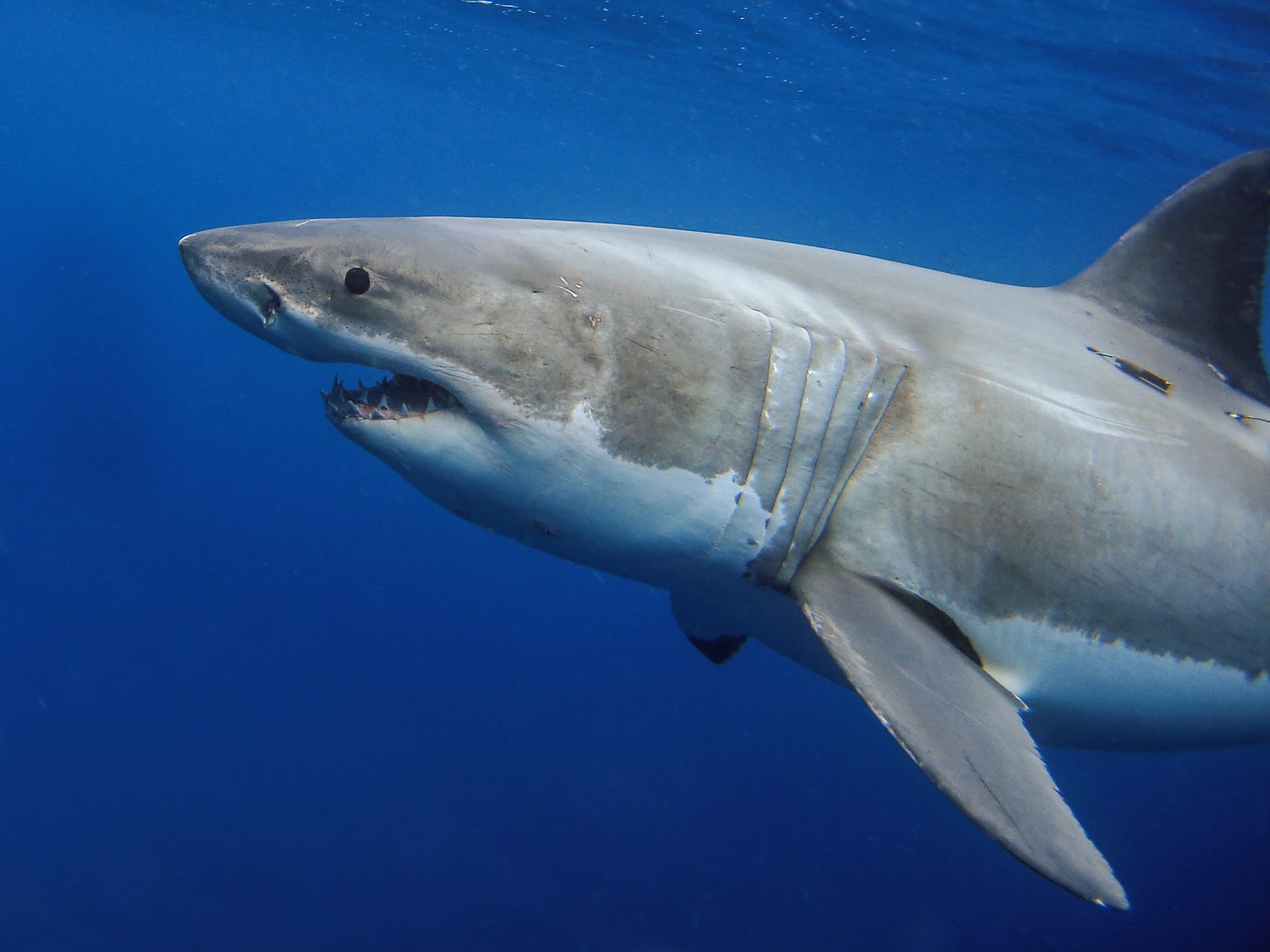
These apex predators can grow over 20 feet long and have been responsible for more unprovoked attacks on humans than any other shark species, though actual fatalities remain relatively rare. What makes them particularly impressive is their speed—they can reach about 25 mph and breach completely out of the water when attacking prey, creating those spectacular (and terrifying) photos we’ve all seen.
Most encounters happen in murky water where the shark mistakes a human silhouette for a seal, but their powerful jaws can cause serious injuries even in cases of mistaken identity.
Saltwater Crocodile

Meet the largest living reptile on Earth, capable of growing over 23 feet long and possessing the strongest bite force of any animal—over 3,700 pounds per square inch. These prehistoric predators are incredibly patient hunters that can remain motionless for hours before launching themselves out of the water with explosive force.
While all crocodile species combined are responsible for hundreds of human deaths annually worldwide, saltwater crocs are among the most dangerous due to their size and territorial nature in both saltwater and freshwater environments.
Cone Snail

This beautiful shell might look like a perfect beach souvenir, but cone snails are actually highly venomous predators that can inject a cocktail of toxins through a harpoon-like tooth. The venom contains powerful neurotoxins that can cause paralysis, respiratory failure, and death within hours, with no known antivenom for many species.
The real danger comes when the snail is still inside its shell—empty shells are perfectly harmless, but a living cone snail can deliver a potentially fatal sting.
Stonefish

Perfectly camouflaged to look exactly like a rock or piece of coral, the stonefish is considered the most venomous fish in the world, with spines that can pierce through thick-soled shoes. When stepped on, the fish injects venom that causes excruciating pain, swelling, and tissue damage that can be life-threatening without treatment.
The excellent news is that antivenom exists and works effectively when administered quickly, though the pain remains legendary among those who’ve experienced it.
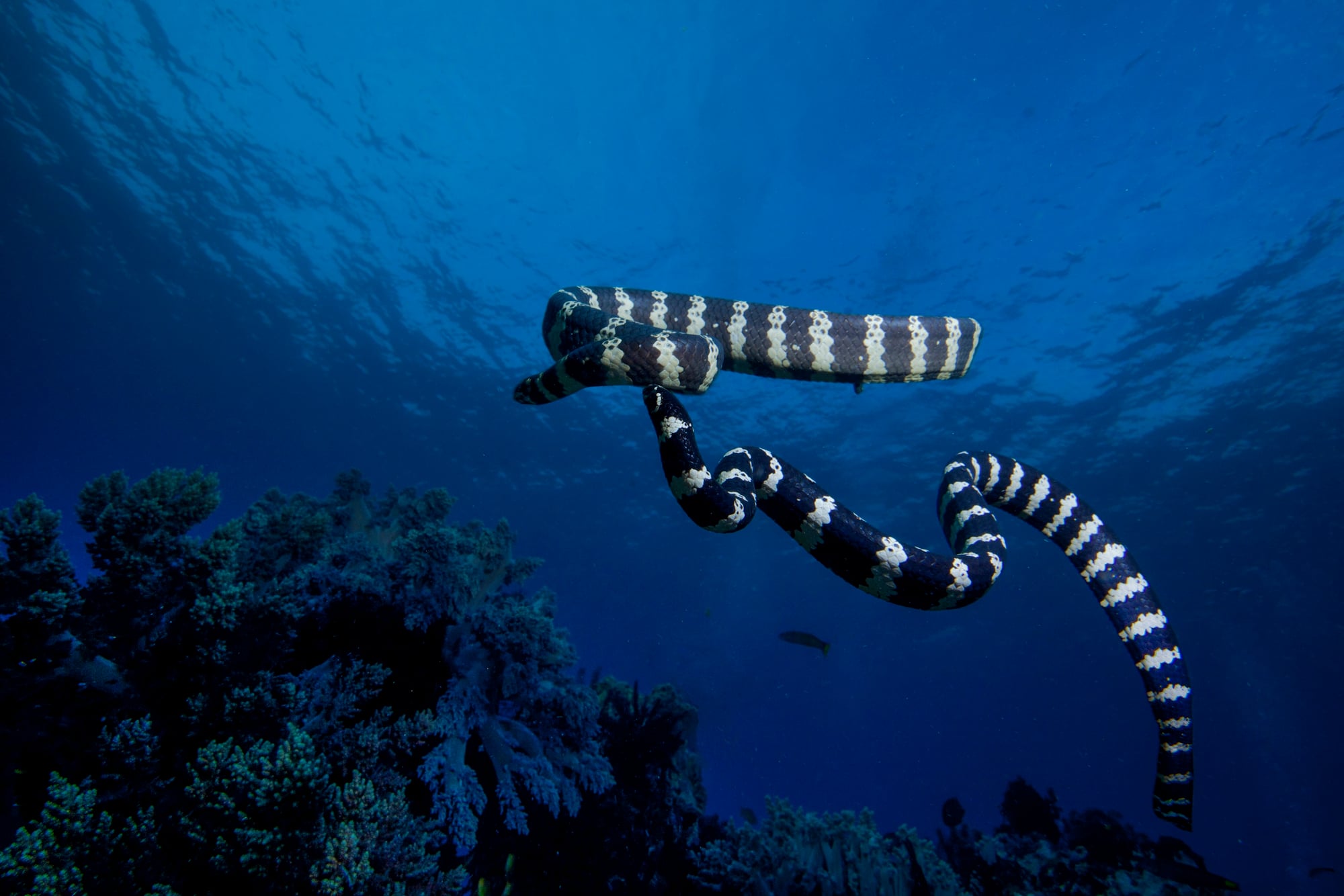
Sea Snake

These highly venomous serpents are perfectly adapted for ocean life, with some species possessing venom 10 times more potent than a cobra’s, though they’re generally docile and rarely bite unless directly threatened. Their venom contains powerful neurotoxins that can cause muscle paralysis and cardiac arrest, with symptoms sometimes taking hours to appear.
Most bites occur when fishermen accidentally handle them in nets rather than during swimming encounters, and while antivenom exists, immediate medical treatment remains essential.
Portuguese Man o’ War
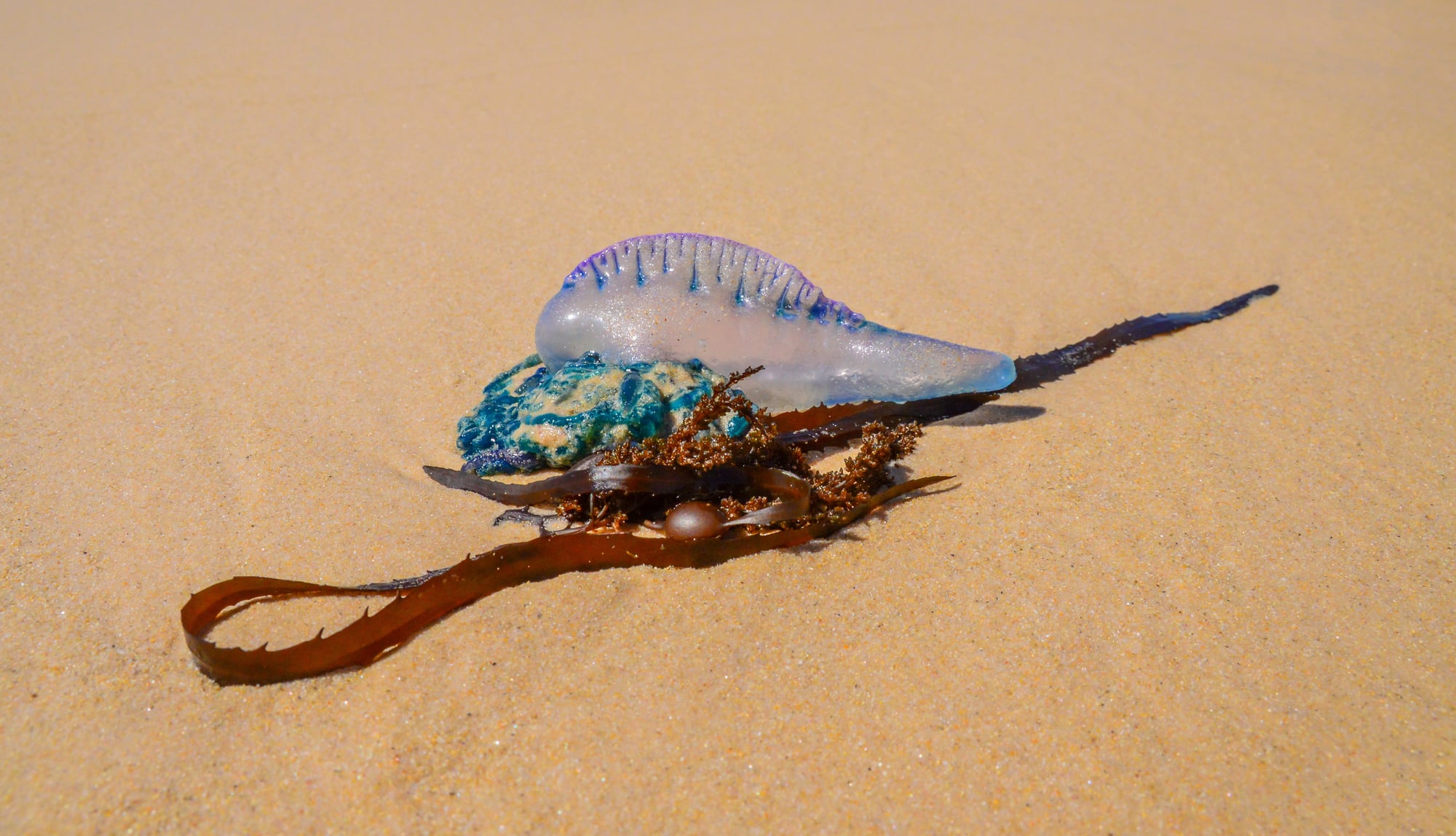
Often mistaken for a jellyfish, this floating colony is actually multiple organisms working together, with tentacles that typically stretch 33-100 feet and deliver venom that remains potent even after the creature dies. The sting causes immediate, intense pain followed by welts that can last for days, and in rare cases, the venom can cause fever, shock, and breathing difficulties requiring emergency care.
Even touching tentacles washed up on the beach hours later can result in serious stings, making beach walks require extra caution in affected areas.
Textile Cone Snail
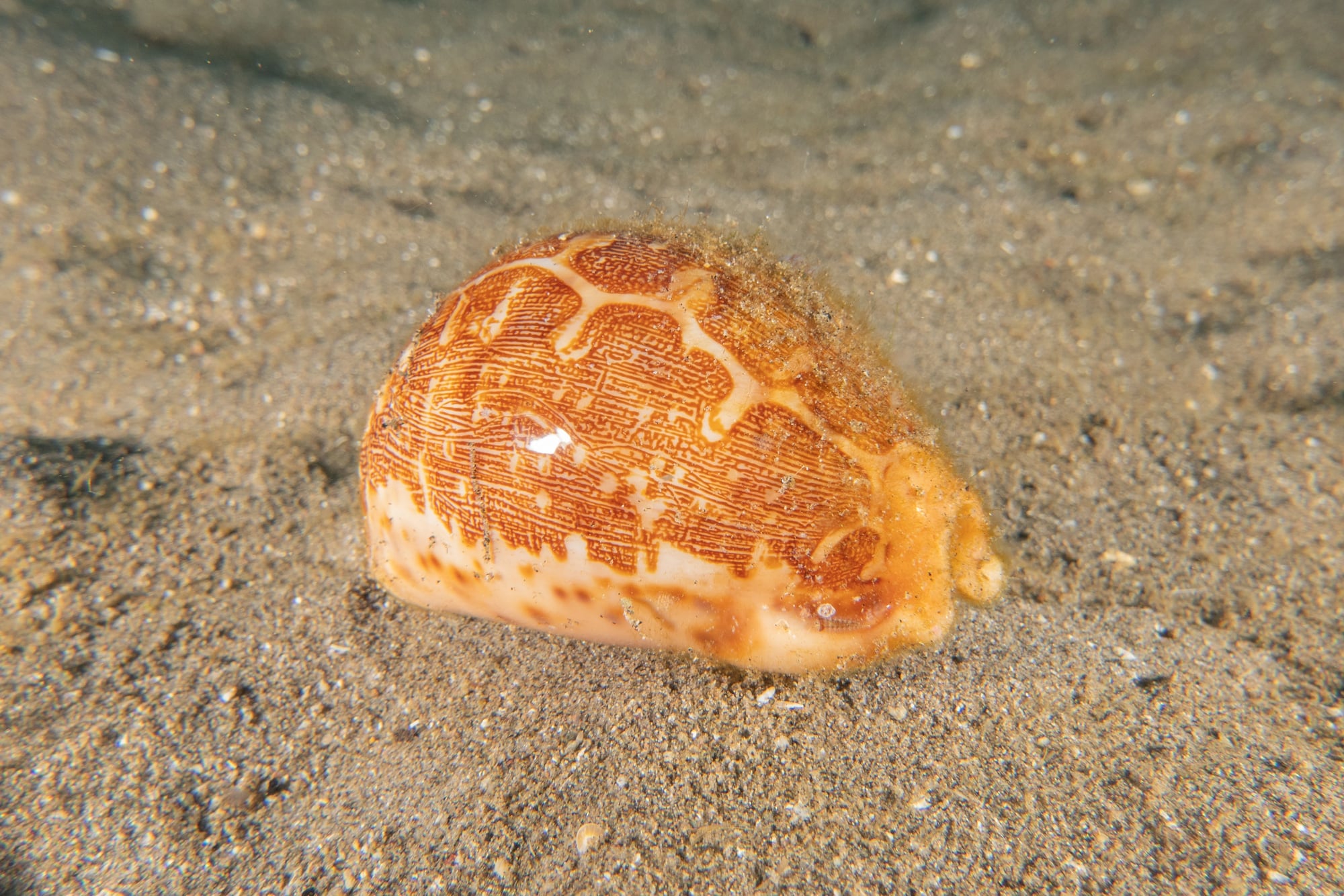
Among the most lethal of all cone snails, this species uses a sophisticated venom delivery system that combines dozens of different toxins to paralyze prey almost instantly. Human victims often don’t realize they’ve been stung until paralysis begins, as the initial injection feels like nothing more than a small pinch.
The venom attacks the nervous system so effectively that victims may lose the ability to breathe within minutes, and with no specific antivenom available, supportive hospital care becomes critical for survival.
Tiger Shark
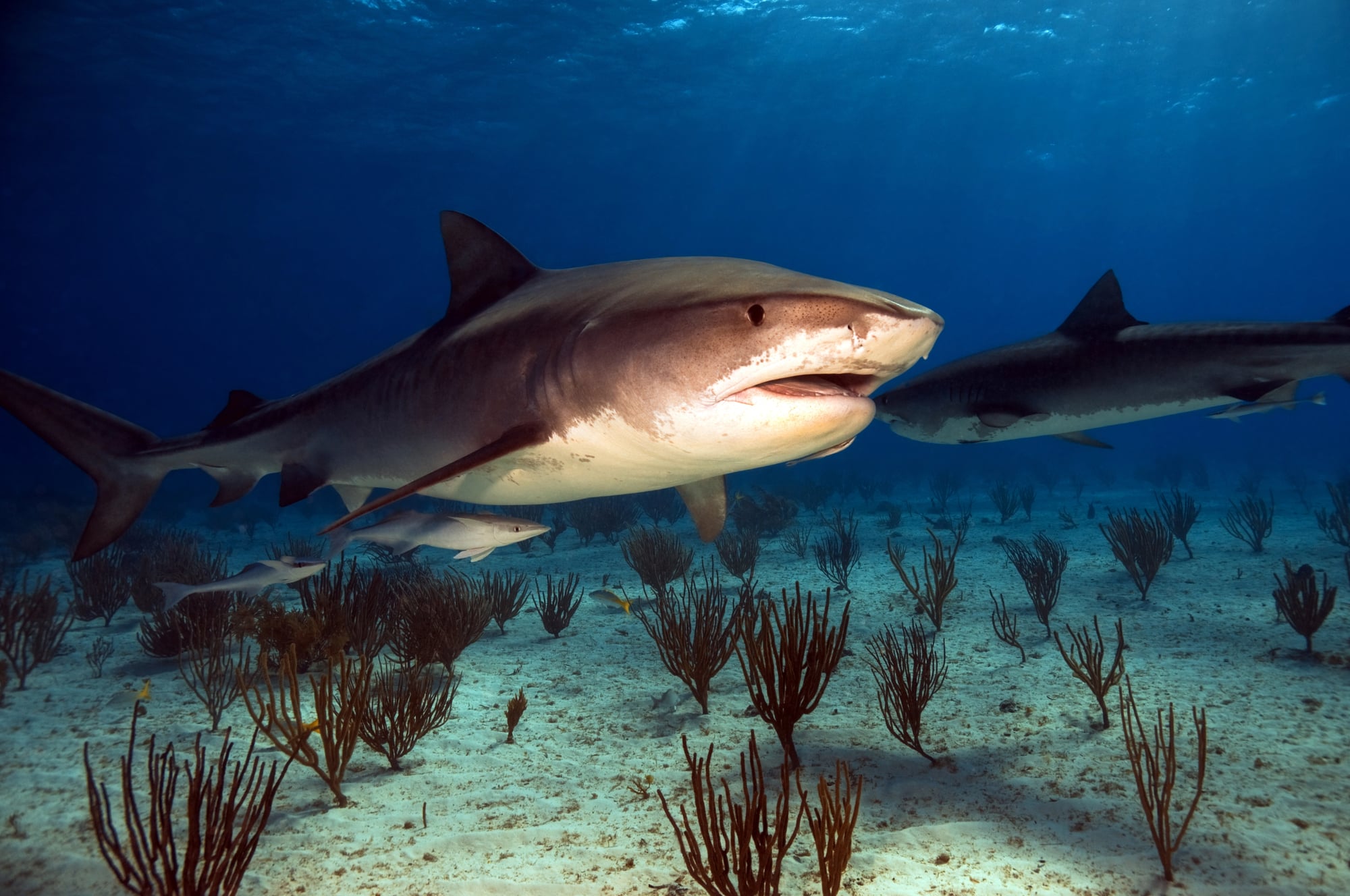
Known for their willingness to eat almost anything, tiger sharks are responsible for the second-highest number of attacks on humans after great whites. These powerful predators can grow up to 18 feet long and have uniquely shaped teeth that can cut through turtle shells and bones with remarkable ease.
They’re particularly dangerous because they hunt in shallow waters where humans swim, and unlike great whites, they’re more likely to take multiple bites rather than releasing their victim after initial contact.
Bull Shark

Perhaps the most unpredictable shark species due to their ability to swim far up freshwater rivers, bull sharks have been found over 2,000 miles inland in river systems. These stocky, aggressive predators are responsible for many attacks in shallow, murky water where people don’t expect to encounter such a formidable hunter.
Their powerful build and territorial nature make them particularly dangerous, though their reputation for extreme aggression is often overstated in popular media.
Your Ocean Safety Toolkit
The most important thing is that preparation and respect always triumph over fear. Because it is home to creatures with amazing survival mechanisms that have been developed over millions of years, the ocean is not out to get you.
Consider it similar to traveling to a foreign nation. You would look up local traditions and safety advice, wouldn’t you?
Ocean exploration follows the same idea. Find out about marine life in the places where you intend to dive or swim.
When exploring reefs, wear the proper protective gear. No matter how innocuous they seem, never handle or bother marine life.
Misunderstandings or accidents cause the majority of dangerous encounters. To keep you and these amazing animals safe, a little knowledge goes a long way.
Enjoy the splendor of the ocean, but treat these amazing creatures with the deference and preparation they merit.
More from Go2Tutors!

- The Romanov Crown Jewels and Their Tragic Fate
- 13 Historical Mysteries That Science Still Can’t Solve
- Famous Hoaxes That Fooled the World for Years
- 15 Child Stars with Tragic Adult Lives
- 16 Famous Jewelry Pieces in History
Like Go2Tutors’s content? Follow us on MSN.