17 Odd Medieval Jobs That Once Existed
Life in medieval times was tough, dirty, and often downright bizarre. While we complain about our modern work schedules, imagine having to taste potentially poisoned food for a living or spending your nights knee-deep in human waste.
The Middle Ages created some truly unique employment opportunities that would make even the worst office job seem like paradise. From the sacred to the stomach-churning, these occupations tell the story of a world where survival demanded creativity and someone had to do the jobs nobody else wanted.
Here are 17 of the strangest medieval jobs that actually existed.
Gong Farmer

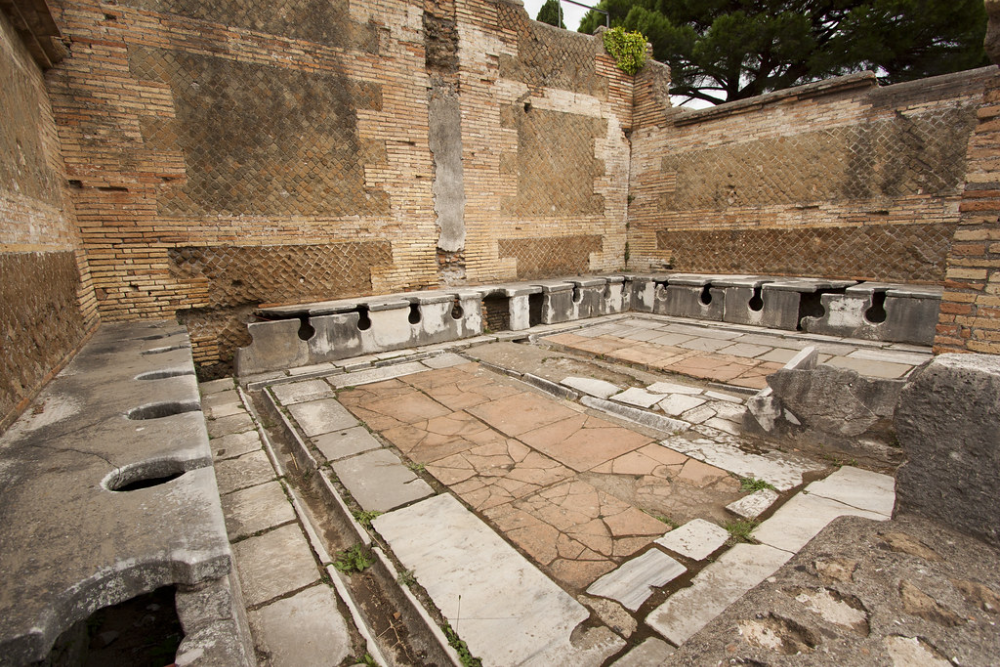
Medieval England had a serious waste problem, and the gong farmer was the unfortunate soul who dealt with it. These workers dug out and removed human excrement from privies and cesspits, working only between 9 p.m. and 5 a.m.
The name came from the old English word ‘gang’ meaning ‘to go,’ which became slang for using the toilet. The job was so dangerous that in 1325, a gong farmer named Richard the Raker fell into a cesspit and drowned in his own work.
Despite the obvious drawbacks, these night workers were actually well-paid for their essential service, earning around sixpence a day when most laborers made that in a week.
Royal Food Taster

Being a food taster sounds like a dream job until you realize the whole point was to die before your employer did. Kings hired tasters to test each dish before it reached the royal mouth, though poisons don’t necessarily work instantly.
The most famous food taster was Halotus, who worked for Roman Emperor Claudius. Ironically, Halotus became a prime suspect when Claudius died from poisoned mushrooms in 54 A.D.
Medieval food tasting involved elaborate rituals where servants had to eat from every dish, test the water used for hand-washing, and even kiss napkins to ensure safety. Talk about taking your work seriously.
Sin Eater
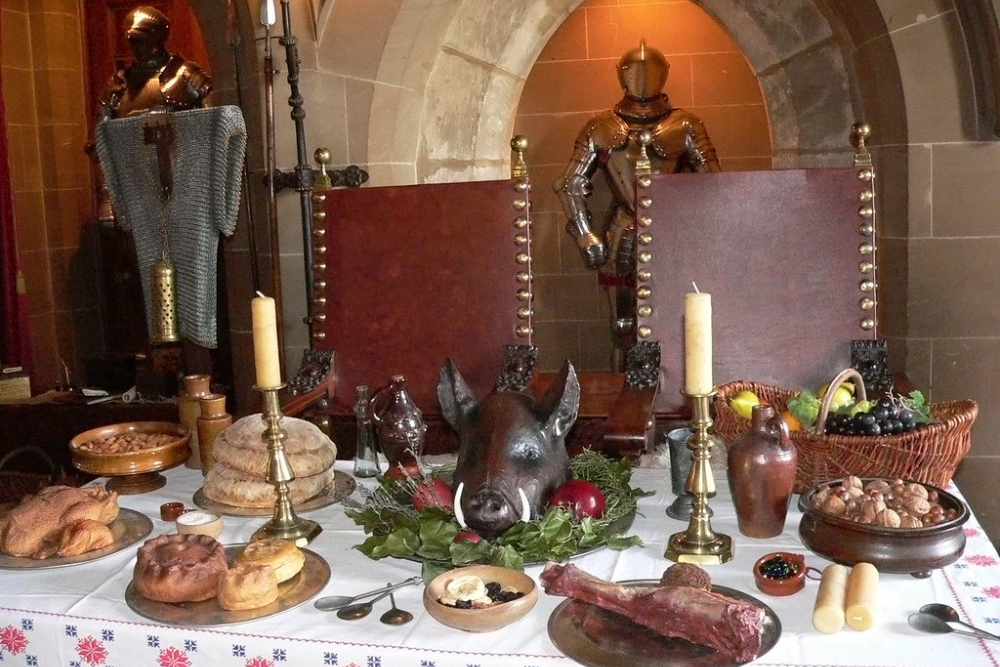
The sin eater performed one of the most spiritually heavy jobs in medieval society. Hired to take upon themselves the sins of the deceased, they would consume bread and beer with a suitable ceremony before the corpse.
This ritual supposedly freed the dead person from punishment in the afterlife while transferring all their wrongdoings to the sin eater. These unfortunate individuals lived as social outcasts, avoided like lepers by their communities.
They typically worked alone, called only when death occurred, and afterward, people would burn the wooden bowl and platter from which they had eaten. It was believed they were associated with evil spirits and practiced witchcraft.
Whipping Boy
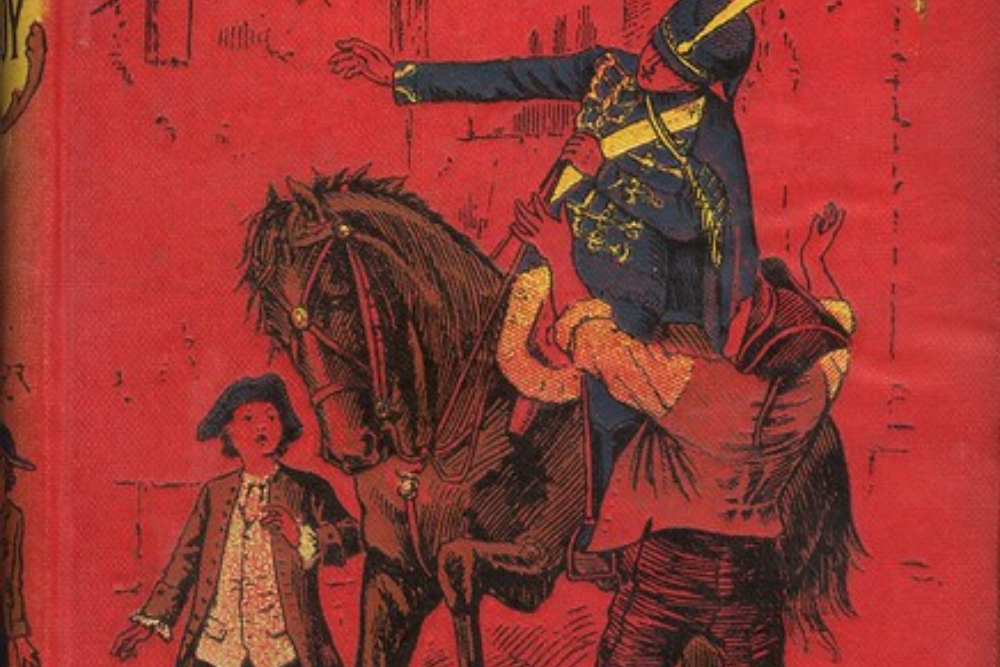
Royal children couldn’t be punished by their tutors because their status was too high, so someone else had to take the beating. A whipping boy was educated alongside a prince and received corporal punishment for the prince’s transgressions in his presence.
The idea was that seeing a friend punished would motivate the prince to behave better. These boys were usually raised with the prince from birth, and a bond of friendship was encouraged between them.
Famous examples include Barnaby Fitzpatrick, who served as Edward VI’s whipping boy, though some historians debate whether this practice was as common as once believed.
Treadwheel Operator
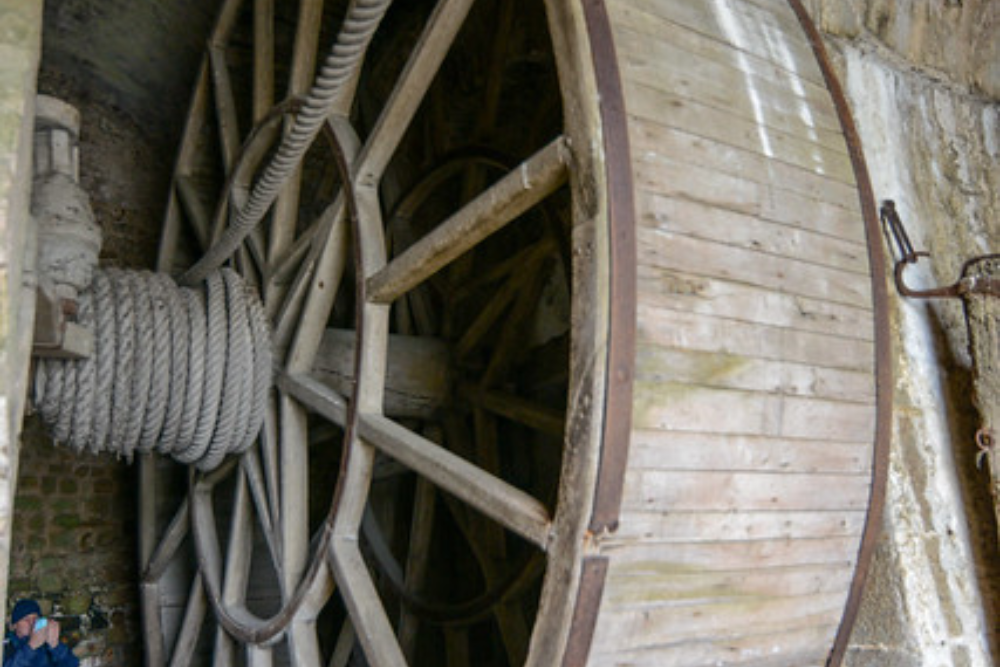
Medieval construction required serious manpower, and treadwheel operators provided it in the most exhausting way possible. These workers walked inside giant wooden wheels, like human hamsters, to power cranes that lifted massive stones during cathedral construction.
The job was terrifying because operators worked hundreds of feet in the air with only creaking wooden planks beneath their feet. If they lost their balance or if their hands got caught in the gaps, they could be seriously injured or killed.
Blind people often performed this work since they couldn’t see the terrifying heights. The wheels had no braking system, so if operators couldn’t control the momentum, they’d be taken for a deadly spin.
Rat Catcher
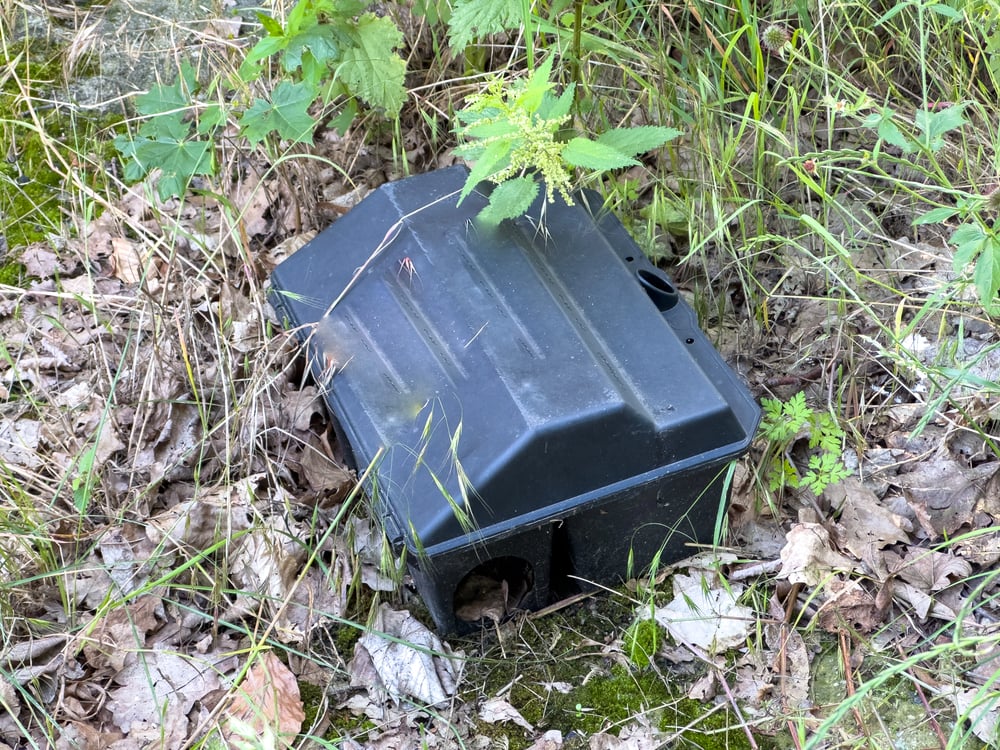
Before we understood disease transmission, rats were still recognized as serious pests that needed controlling. Rat catchers were employed to control rat populations using various methods including traps, dogs, and poison.
Although the widespread belief that rats were the main carriers of the bubonic plague has been largely debunked, these critters nevertheless spread disease. Rat catchers faced constant danger from bites, disease, and the poisons they used.
They played a crucial role in keeping medieval cities from being completely overrun by rodents that damaged food supplies and spread illness throughout densely packed urban areas.
Barber-Surgeon
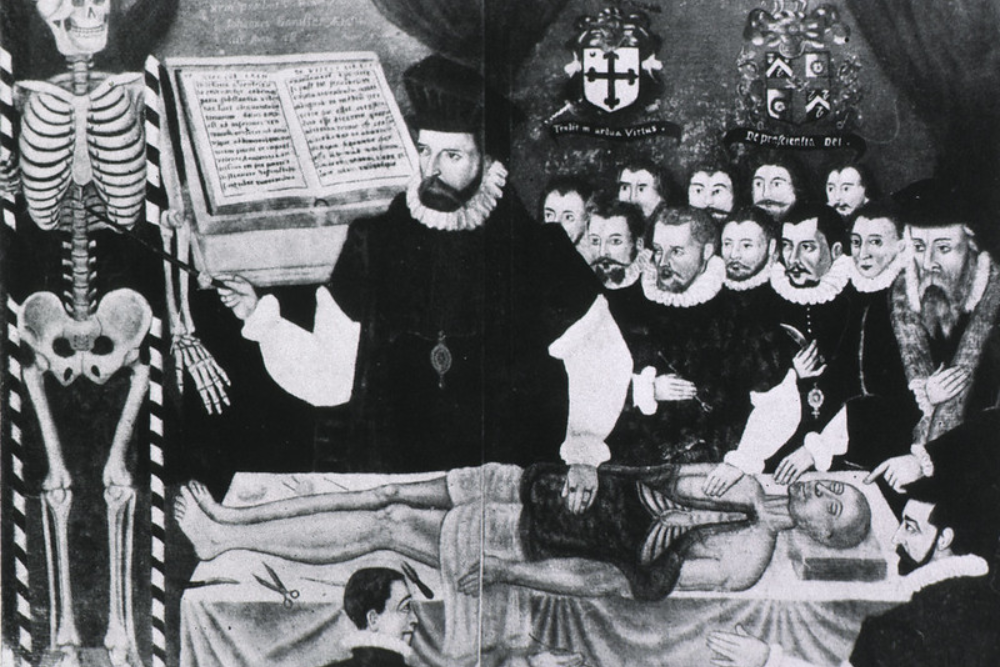
The medieval barber-surgeon was the ultimate multitasker, combining grooming services with medical procedures. After clerics were forbidden from drawing blood by the Fourth Lateran Council of 1215, barbers picked up the slack due to their experience with razors.
These professionals cut hair, shaved beards, pulled teeth, performed amputations, and conducted bloodletting procedures. They were recognizable by their iconic red and white barber poles, representing blood and bandages.
If you needed a haircut and surgery, one stop was all it took, though the quality of medical care was questionable at best.
Knocker-Upper

Before alarm clocks, someone had to make sure people woke up for work, and that job belonged to the knocker-upper. These individuals went around towns early in the morning, using long sticks or pea shooters to tap on windows and wake people up.
They had to be incredibly reliable and punctual, since entire communities depended on them to start their day. The job required knowing exactly which windows to target and what time each person needed to wake up.
In industrial areas, knocker-uppers were essential for getting factory workers to their shifts on time, making them the human alarm system of medieval and early modern society.
Like Go2Tutors’s content? Follow us on MSN.
Alchemist

Medieval alchemists were part scientist, part magician, and entirely obsessed with impossible goals. These practitioners believed in transforming base metals like lead into gold, creating the Philosopher’s Stone, and discovering the Elixir of Life.
While many alchemists operated in secrecy fearing accusations of sorcery, their pursuit of knowledge contributed significantly to scientific advancement. They spent years mixing chemicals, studying ancient texts, and conducting experiments that often resulted in explosions, poisoning, or financial ruin.
Though they never achieved their magical goals, alchemists laid important groundwork for modern chemistry and medicine.
Fuller
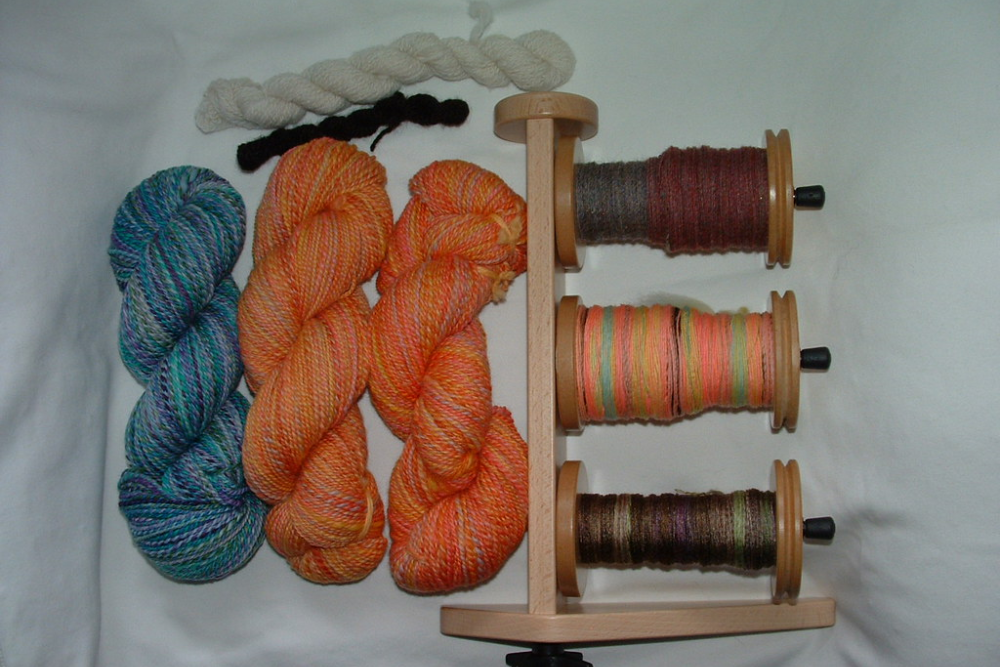
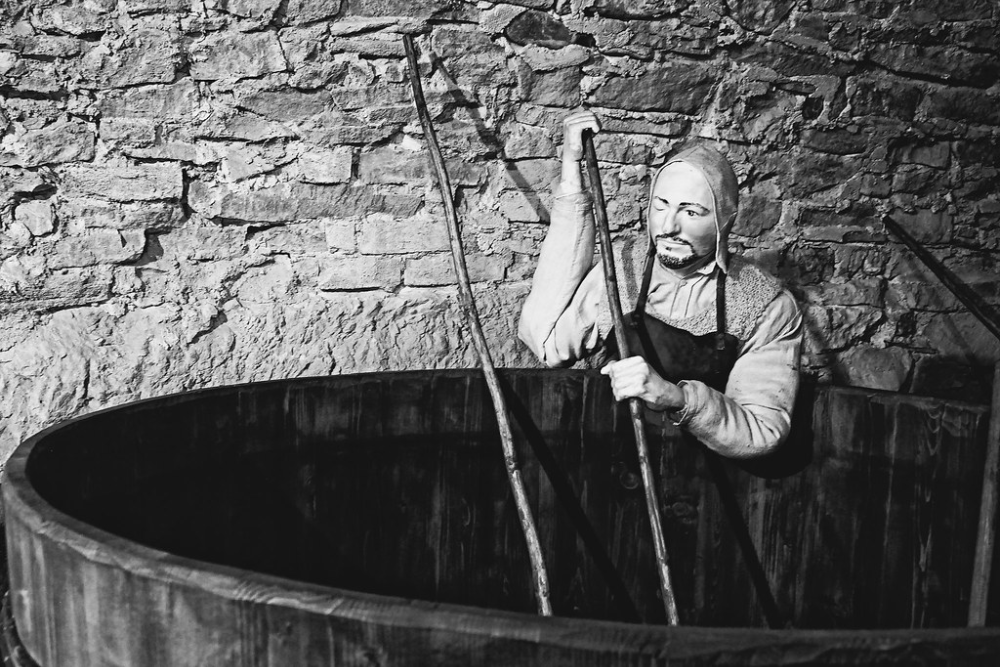
The fuller had one of the most physically demanding and unpleasant jobs in textile production. These workers were responsible for cleaning and thickening woolen cloth by trampling fabric in water, urine, or fermented substances.
The trampling process, called fulling, removed oils and impurities while compacting fibers to create denser, more durable fabric. Fullers often worked in fulling mills where the rhythmic pounding of cloth was a familiar sound.
They spent their days stomping around in vats of smelly liquid, essentially doing a disgusting dance to make better cloth. The job was essential for the textile industry but left workers reeking of ammonia and worse.
Ale Conner
Quality control was serious business in medieval brewing, and ale conners were the official taste testers who made sure beer was up to standard. These individuals were tasked with ensuring the quality and flavor of beer and ale, safeguarding the public from subpar or adulterated beverages.
They had the authority to fine brewers who watered down their products or used inferior ingredients. Brewers would hang a green branch over their door to signify that their brew was ready for testing.
While it might sound like the perfect job, ale conners had serious responsibilities and could face legal consequences if they failed to catch bad brewing practices.
Water Carrier

In medieval cities, clean water wasn’t something you could get from a tap, making water carriers essential service providers. These workers hauled buckets of water from central sources like wells or public conduits and delivered them to households and businesses.
The job required tremendous physical strength and endurance, as carriers often had to transport water over long distances multiple times per day. In London, elaborate conduit systems carried fresh water from springs outside the city, but the final delivery step fell to water carriers known as ‘cobs.’
They were the lifeline for urban residents who couldn’t access water sources directly.
Leech Collector

Medical bloodletting was a common practice for over 2,000 years, and someone had to gather the leeches used for the procedure. The most common way to collect leeches was to wade into marshes using either animals or one’s own legs as bait for the leeches to attach to.
Collectors would walk through swampy areas and let the blood-sucking creatures latch onto their skin before carefully removing them for medical use. This seasonal work was both disgusting and dangerous, as collectors risked infections, diseases, and encounters with other swamp creatures.
The job required a strong stomach and an even stronger need for money.
Pardoner
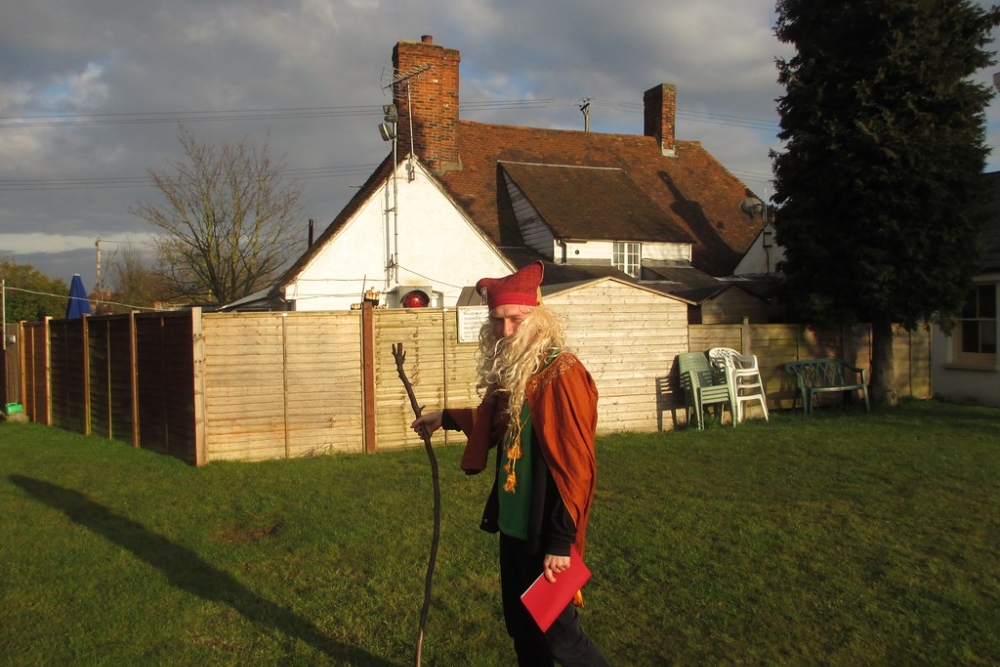
The pardoner was essentially a traveling salesman for the medieval Catholic Church, peddling spiritual forgiveness door-to-door. Leveraging the concept of indulgences, pardoners served as salesmen of spiritual boosters, offering lesser punishment for sins in exchange for monetary donations.
The infamy of this profession prompted Geoffrey Chaucer to write about its contradictions in The Canterbury Tales. Pardoners traveled from town to town with official papers and religious relics (often fake), promising salvation for the right price.
The practice became so corrupt that it helped fuel the Protestant Reformation, and Pope Pius V finally abolished the sale of indulgences in 1567.
Ostiary
Churches needed someone to control who could enter during religious ceremonies, and that job fell to the ostiary. The ostiary was literally the doorkeeper who ensured that no unbaptized people entered the church during the Eucharist.
This position was usually held by men hoping to progress through the church hierarchy. They were sometimes in charge of other doors like those of the baptistry and sacristy where religious articles were kept.
Ostiaries had to know the religious status of everyone in their community and had the authority to turn people away from religious services. They also served as information sources, seeing everyone who entered and exited the church.
Bear Ward

Medieval entertainment took many forms, and bear wards provided one of the more dangerous varieties. This unusual profession involved literally leading bears from village to village for entertainment.
Bear wards trained these massive animals to perform tricks, dance, and fight for crowds who paid to watch the spectacle. The job required incredible bravery and animal-handling skills, as one wrong move could result in a mauling.
Bears were often kept muzzled and chained, but they remained wild animals capable of turning on their handlers. Bear-baiting and bear-dancing were popular forms of medieval entertainment, making bear wards essential figures in the traveling entertainment industry.
Spit Boy
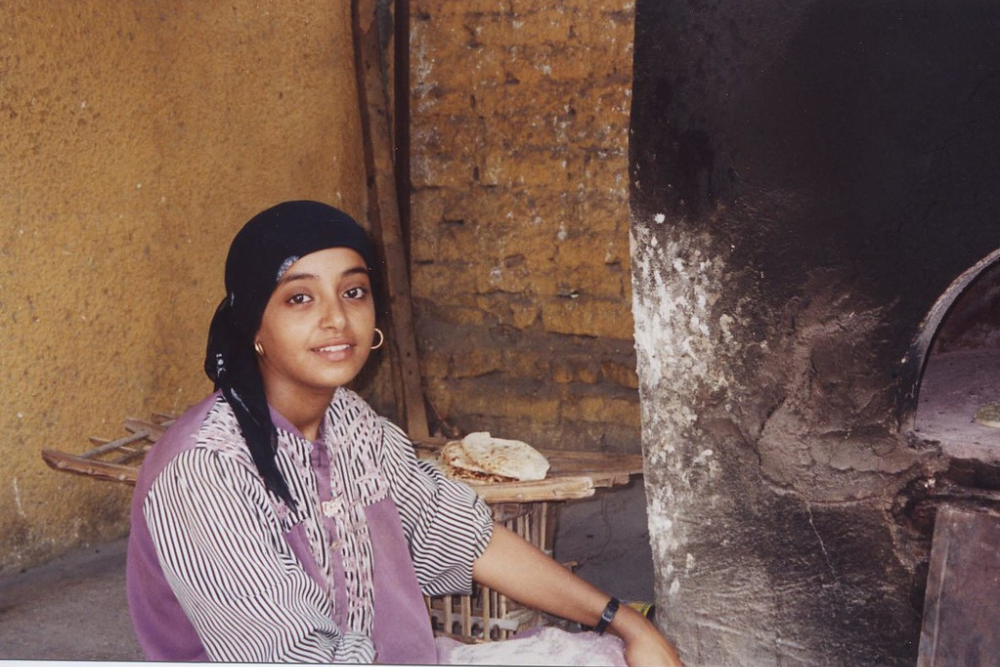
Medieval feasts required enormous amounts of roasted meat, and someone had to keep it turning over the fire for hours on end. The spit boy’s job was to sit by the oven constantly turning a spit holding hundreds of pounds of roasting meat.
They worked in unbearably hot kitchens with cavernous ovens in constant use, positioned practically inside the oven itself. These young workers, often children, had to maintain constant motion to ensure even cooking while enduring extreme heat and smoke.
It was backbreaking, monotonous work that required stamina and heat tolerance that would challenge even modern workers. The position was considered the bottom rung of the kitchen hierarchy.
From Drudgery to Progress
These peculiar medieval professions remind us how far society has evolved and how human ingenuity finds solutions to every problem, no matter how unpleasant. While we might complain about modern work stress, at least most of us don’t risk drowning in waste pits or getting mauled by bears on the job.
These jobs disappeared as technology advanced and social structures changed, but they played crucial roles in keeping medieval society functioning. The next time you’re having a rough day at the office, just remember the gong farmer working his night shift or the food taster wondering if lunch might be his last meal.
More from Go2Tutors!

- The Romanov Crown Jewels and Their Tragic Fate
- 13 Historical Mysteries That Science Still Can’t Solve
- Famous Hoaxes That Fooled the World for Years
- 15 Child Stars with Tragic Adult Lives
- 16 Famous Jewelry Pieces in History
Like Go2Tutors’s content? Follow us on MSN.



