Things That Used to Be Free But Not Anymore
There’s a particular frustration that comes with paying for something you distinctly remember getting at no cost. It’s not just about the money — it’s the feeling that the deal quietly changed while you weren’t looking.
Over the past few decades, a long list of things that were once simply part of life have been repackaged, paywalled, or quietly attached to a monthly fee. Some of it makes sense.
A lot of it doesn’t.
Checking Your Bags on a Flight

For most of commercial aviation’s history, checking luggage was included in the price of a ticket. That changed in 2008 when American Airlines introduced a fee for the first checked bag, and most other carriers followed within months.
The airline industry was facing rising fuel costs and needed new revenue streams, and bag fees turned out to be enormously profitable. Today, checked baggage fees generate billions of dollars in revenue annually across the airline industry.
What was once standard is now an add-on, and the base ticket price looks cheaper than it is precisely because of it.
Streaming Services
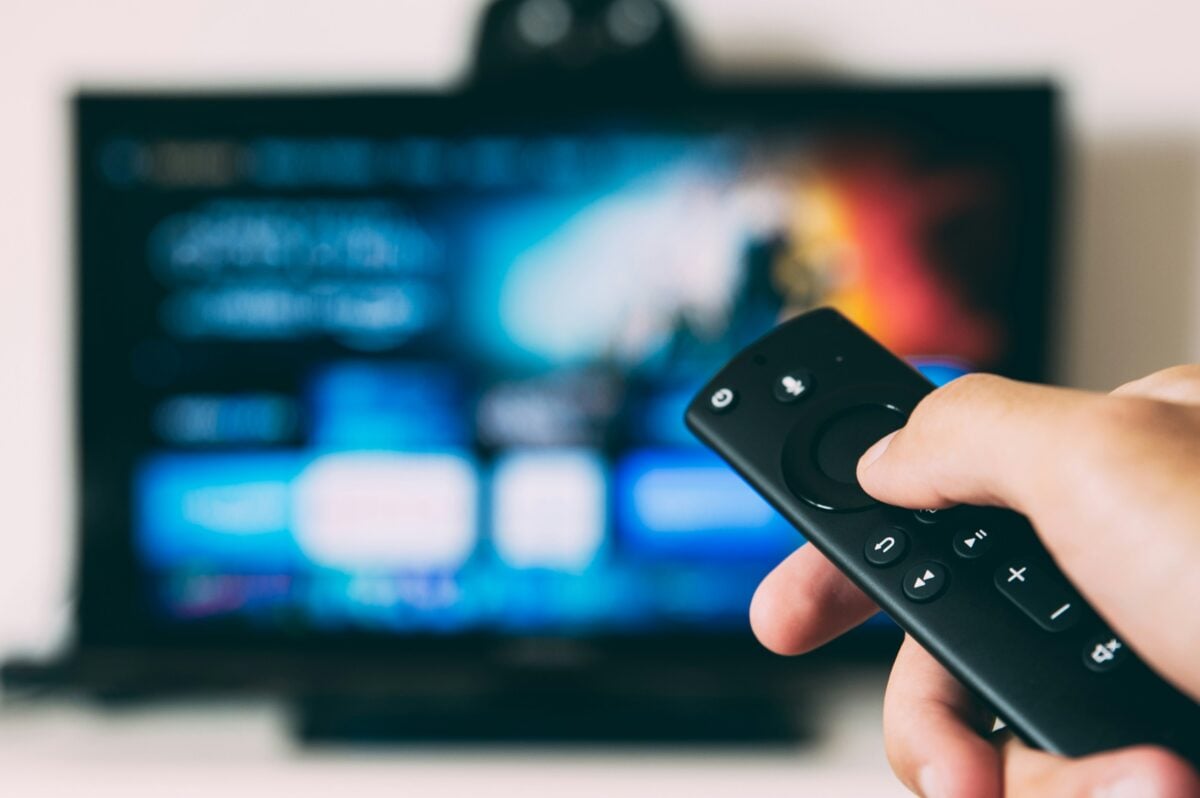
Netflix launched its streaming service in 2007 and spent years growing its subscriber base by offering one affordable, ad-free plan. The pitch was simple: pay a reasonable monthly fee and watch whatever you want.
Then came Disney+, HBO Max, Paramount+, Apple TV+, Peacock, and a dozen others. Now, to access the content that used to exist across just one or two platforms, you need multiple subscriptions simultaneously — and several of those services have introduced cheaper, ad-supported tiers alongside their premium ones, recreating the very model streaming was supposed to replace.
Bank ATM Withdrawals
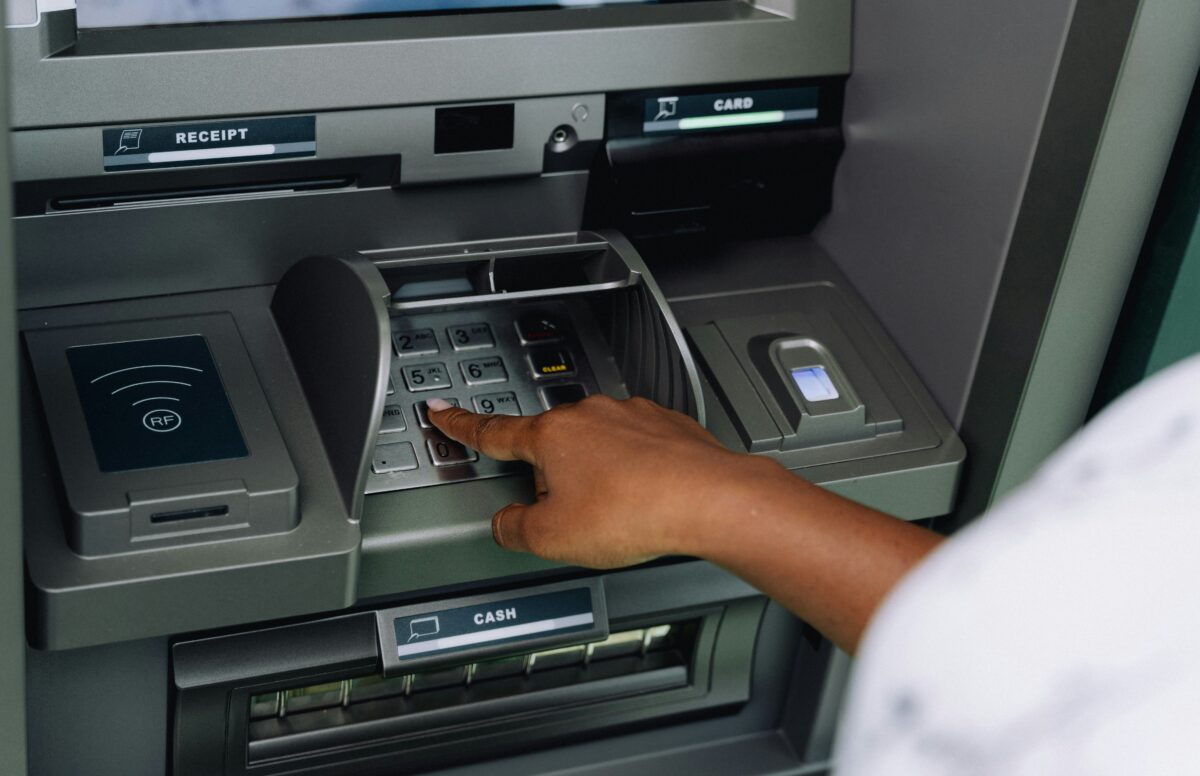
Withdrawing your own money once costs nothing. Banks installed ATMs to reduce the cost of in-branch transactions, and for a while using them was free. Then out-of-network fees appeared, followed by fees from the ATM’s own bank on top of that.
Today, a single cash withdrawal from the wrong machine can cost several dollars in combined charges. Technically the money in the account is yours, but getting it out in certain situations comes with a price attached.
Reading the News Online
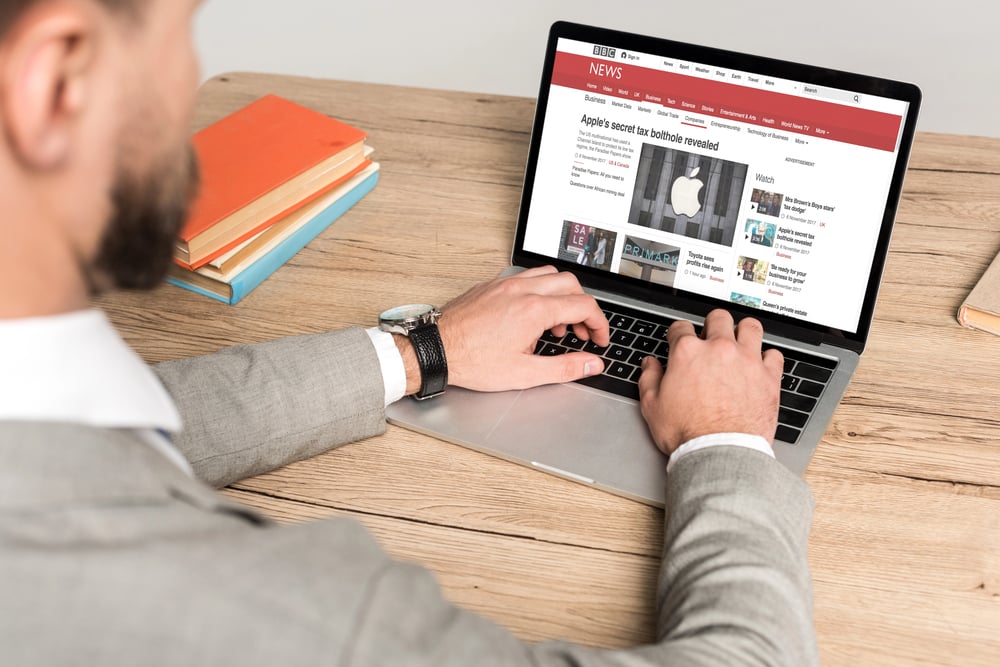
When newspapers first put their content online in the 1990s and early 2000s, most of it was free. The logic at the time was that advertising revenue would cover the cost, just as it did for print.
That model collapsed as advertising dollars shifted to Google and social media platforms. Today, most major newspapers sit behind paywalls — The New York Times, The Washington Post, The Times, and hundreds of others charge monthly fees for access.
Some offer a limited number of free articles, and then a subscription prompt appears.
Reclining Your Seat on a Plane
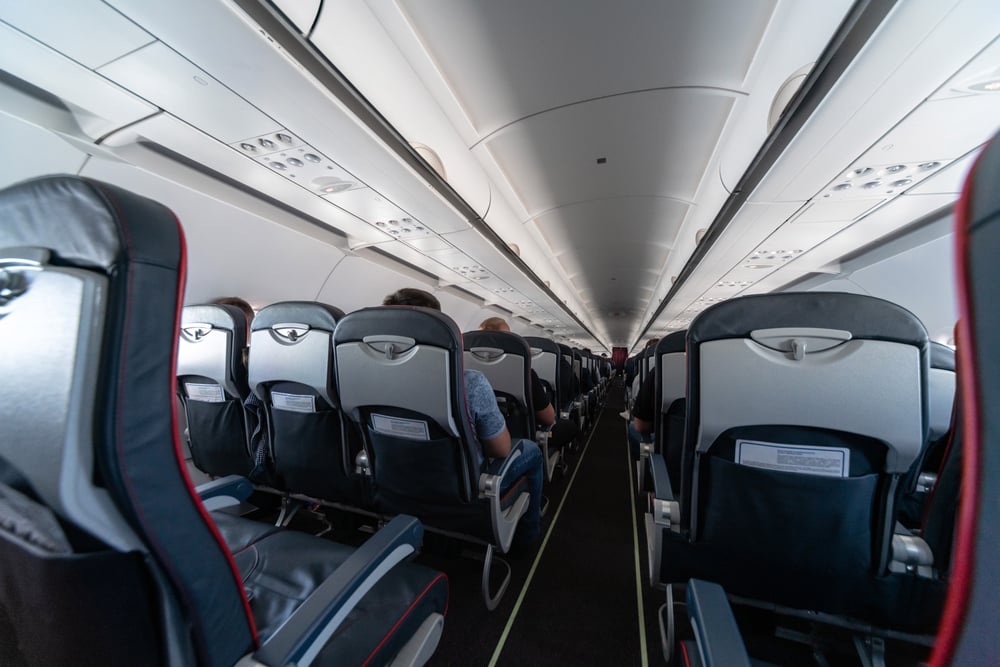
Budget airlines have introduced “basic economy” fare classes that come with a list of restrictions that would have seemed absurd on any airline 20 years ago. Depending on the carrier and fare, you may now pay extra to recline your seat, choose where you sit, or board the plane at a reasonable time.
The seat itself is included. Everything that used to come with the seat may not be.
Software You Own
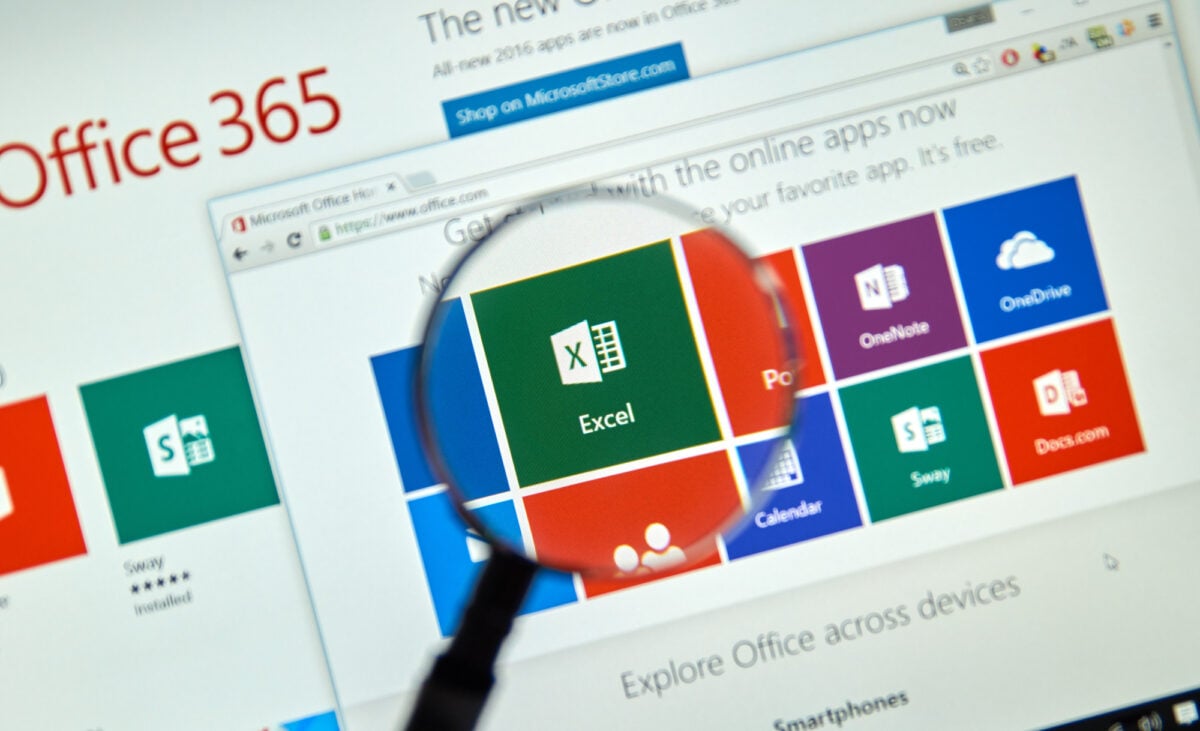
There was a time when you bought software once. You paid for a disc, installed it, and used it for years. Microsoft Office, Adobe Photoshop, and similar programs worked exactly that way.
Starting in the early 2010s, the industry shifted toward subscription models. Adobe Creative Cloud launched in 2013, and Microsoft 365 followed.
You no longer buy the software — you rent it. Stop paying, and access stops.
The shift has been enormously profitable for software companies and quietly expensive for the people who use their products.
Calling Customer Service

Many companies have introduced premium-rate customer service lines or long wait queues for standard support, with faster access reserved for customers on higher-tier plans. Some businesses charge a per-call support fee for products outside of warranty.
Others have removed phone support entirely, replacing it with chatbots and help articles. Getting a human on the line — which was once simply how customer service worked — has become a feature some companies charge for.
Public Toilets

In many city centres, particularly across Europe and parts of the United Kingdom, using a public toilet now costs money. Coin-operated stalls, attendant-managed facilities with a small fee, and the gradual closure of free municipal toilets have made something quite basic into a paid transaction.
Budget travelers who remember navigating European cities a decade or two ago know the change well.
Hotel Wi-Fi

For a stretch of time in the 2000s and early 2010s, many hotels charged a daily fee for in-room internet access — sometimes up to $20 per night. That practice largely faded as free Wi-Fi became a competitive expectation.
But it has crept back in a different form. Some hotel chains now offer tiered Wi-Fi, with basic connectivity included but faster speeds available for an additional charge.
The internet comes with the room, but the good internet costs extra.
Plastic Bags at the Supermarket

Carrier bags were free at virtually every supermarket for decades. Gradually, governments in various countries introduced levies on single-use plastic bags as an environmental measure, and retailers began charging for them.
The UK introduced a 5p charge in 2015, which later increased to 10p. Similar schemes operate across Europe, parts of the United States, Australia, and elsewhere.
The fee is small, but it represents something that was genuinely free for a very long time.
Credit Card Rewards
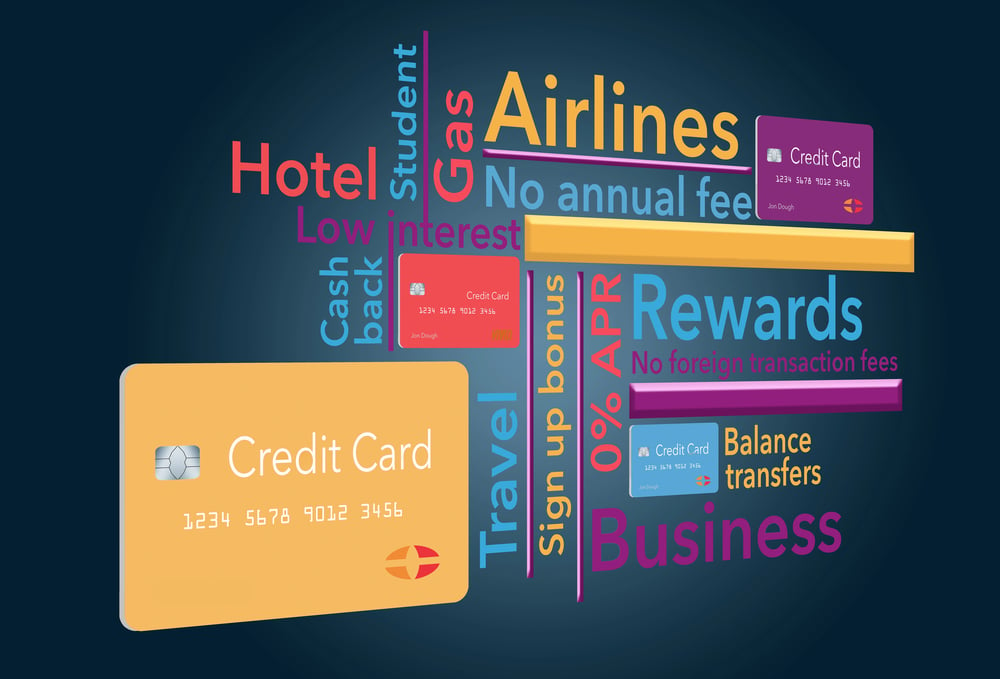
Credit card rewards programs still exist, but the economics have shifted considerably. Airlines and hotel chains have devalued their points and miles over the years, quietly increasing the number of points needed to redeem flights and stays while making it harder to earn them at the same rate.
What once represented genuine value — a free flight for spending on a card — now often requires significantly more effort and spending to achieve the same outcome. The programs still market themselves on the same terms, but the underlying value has been compressed.
Receiving a Paper Bill
Utility companies, phone providers, banks, and insurers used to send paper statements and bills as a matter of course. Many now charge a fee — typically between one and three dollars per month — for paper billing, framing the digital alternative as the default and the physical copy as an extra service.
For older customers or anyone who prefers paper records, this is an additional cost attached to something that was simply standard practice for most of the 20th century.
Printing Your Boarding Pass

Several airlines now charge passengers who print a boarding pass at the airport rather than using a digital version on their phone. Budget carrier Ryanair charges a fee for airport-printed boarding passes in certain fare categories.
The assumption has shifted entirely — you’re now expected to manage your own boarding document digitally, and the physical fallback comes with a cost.
Using a Debit Card Abroad
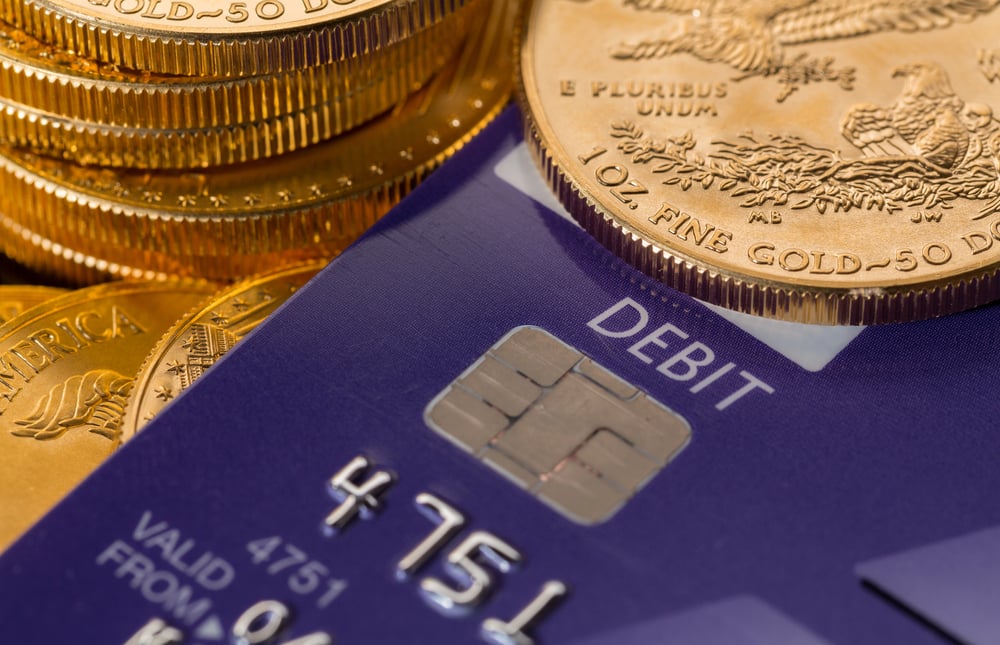
International debit card transactions once attracted minimal fees or none at all. Today, most banks charge a foreign transaction fee — typically between 1% and 3% of the purchase amount — plus a flat fee for ATM withdrawals overseas.
A week’s holiday abroad can generate significant card charges simply from ordinary spending. Specialist travel cards exist to avoid this, but the standard account, which used to handle foreign transactions without drama, has become a more expensive option.
Public Parking in Residential Areas

Residents’ parking permits and pay-and-display systems have expanded steadily across towns and cities over the past two decades. Streets that were once freely accessible now require a permit, an app payment, or a timed ticket.
City councils have expanded controlled parking zones partly to manage congestion and partly as a revenue stream. The result is that parking on a public road — something that carried no cost for most of the 20th century in most places — now comes with a fee in a growing number of locations.
The Price of the Default
One thing stands out when you look at this collection. Not because of one particular entry.
The real story unfolds slowly, piece by piece. Think about bag fees first, then add streaming plans piling up.
Toss in rented software tools too. News sites are blocking access unless paid.
Even getting a physical bill now costs extra. Each feels minor if taken alone.
Yet pile them high enough and something shifts. What once came without question now needs another payment.
Firms noticed a pattern here. Small hits go mostly unchallenged.
Ask for more all at once? That sparks pushback. What makes the approach effective is how small every single charge feels – hardly worth arguing over.
Yet when combined, they form a sum that’s far heavier than it first appears.
More from Go2Tutors!

- The Romanov Crown Jewels and Their Tragic Fate
- 13 Historical Mysteries That Science Still Can’t Solve
- Famous Hoaxes That Fooled the World for Years
- 15 Child Stars with Tragic Adult Lives
- 16 Famous Jewelry Pieces in History
Like Go2Tutors’s content? Follow us on MSN.