16 Sports Trades That Shook Entire Franchises
In professional sports, a single trade can transform a franchise overnight. Some deals create championship dynasties while others become cautionary tales that haunt organizations for decades. These transactions go beyond simple player swaps — they reshape team cultures, alter fan loyalties, and sometimes change the entire trajectory of a sport.
The most impactful trades often catch everyone by surprise, leaving fans stunned and front offices scrambling to justify their decisions. Here is a list of 16 sports trades that fundamentally changed the franchises involved.
Babe Ruth to the Yankees
The 1919 sale of Babe Ruth from the Boston Red Sox to the New York Yankees remains the most infamous transaction in sports history. Red Sox owner Harry Frazee needed money to finance his Broadway productions, so he sold Ruth for $100,000 plus a $300,000 loan.
This deal didn’t just transfer a player — it shifted the balance of power in baseball forever. The Yankees transformed from also-rans into the sport’s most successful franchise, while the Red Sox entered an 86-year championship drought that fans called the ‘Curse of the Bambino.’
Wayne Gretzky to the Kings
When the Edmonton Oilers traded Wayne Gretzky to the Los Angeles Kings in 1988, it shocked the hockey world and an entire nation. The Great One had led Edmonton to four Stanley Cup championships and was considered untouchable in Canada.
The trade involved multiple players and cash, but losing Gretzky felt like a betrayal to Canadian hockey fans. This move revolutionized hockey in America, bringing the sport to new audiences in California and paving the way for NHL expansion into non-traditional markets.
Like Go2Tutors’s content? Follow us on MSN.
Kareem Abdul-Jabbar to the Lakers
The Milwaukee Bucks’ 1975 trade of Kareem Abdul-Jabbar to the Los Angeles Lakers changed both franchises dramatically. Abdul-Jabbar wanted to play in a larger market and closer to his interests in Los Angeles, forcing Milwaukee’s hand.
The Bucks received four players in return, but none matched Kareem’s impact. This trade helped establish the Lakers as a championship destination and left Milwaukee struggling to rebuild around lesser talent for years to come.
Wilt Chamberlain to the Lakers
The Philadelphia 76ers’ decision to trade Wilt Chamberlain to the Los Angeles Lakers in 1968 stunned the basketball world. Chamberlain had just led Philadelphia to the NBA championship the previous year, making the trade seem inexplicable.
The 76ers received three players and cash, but none could fill the void left by the dominant center. This move helped the Lakers become a powerhouse in the West while Philadelphia struggled to maintain their championship-level success.
Shaquille O’Neal to the Heat
The Lakers’ 2004 trade of Shaquille O’Neal to the Miami Heat marked the end of one of basketball’s most dominant eras. O’Neal and Kobe Bryant’s relationship had deteriorated beyond repair, forcing the Lakers to choose between their two superstars.
They kept Bryant and sent Shaq to Miami for Lamar Odom, Caron Butler, and Brian Grant. This trade helped Miami win their first championship in 2006 while the Lakers entered a brief rebuilding phase before returning to prominence.
Like Go2Tutors’s content? Follow us on MSN.
Herschel Walker to the Vikings
The Dallas Cowboys’ 1989 trade of Herschel Walker to the Minnesota Vikings became the blueprint for building a dynasty through shrewd dealing. The Cowboys received five players and eight draft picks, including conditional picks that turned into valuable assets.
Dallas used these picks to draft key players who formed the core of their 1990s championship teams. Meanwhile, the Vikings got a star running back but gave up the future depth needed to sustain success, making this one of the most lopsided trades in NFL history.
Randy Johnson to the Astros (and Diamondbacks)
The Seattle Mariners’ 1998 trade of Randy Johnson to the Houston Astros, followed by his quick move to the Arizona Diamondbacks, reshaped the National League West. Johnson was entering his prime as one of baseball’s most dominant pitchers, and Seattle couldn’t afford to re-sign him.
The Mariners received prospects who never panned out significantly. Johnson went on to win four consecutive Cy Young Awards and helped Arizona win the 2001 World Series, while Seattle continued their championship drought.
Kobe Bryant Draft Day Trade
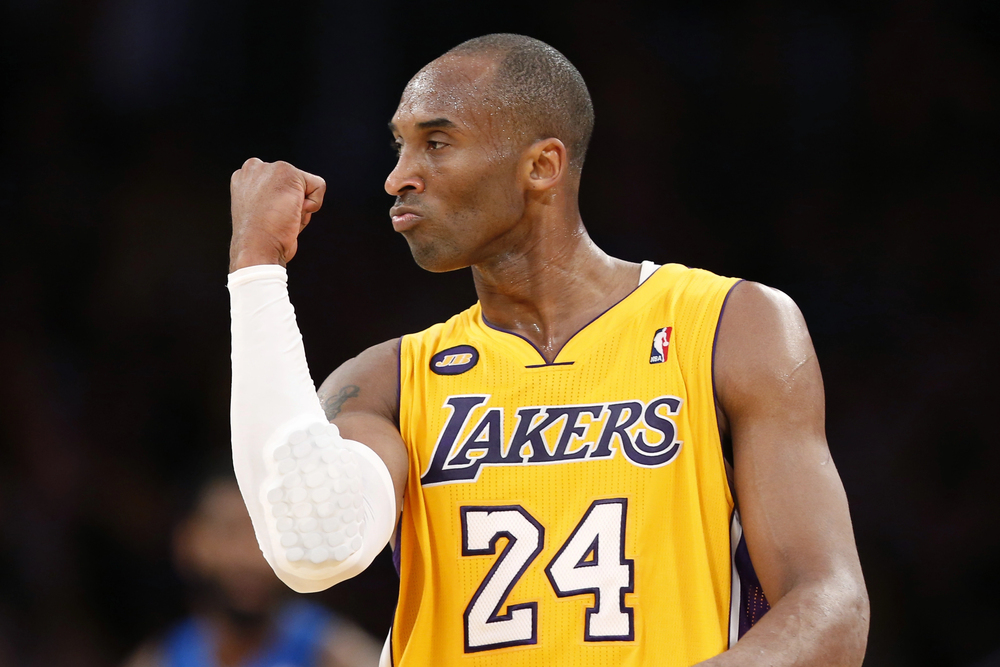
The 1996 draft-day trade that sent Kobe Bryant from the Charlotte Hornets to the Los Angeles Lakers changed basketball history. Charlotte drafted Bryant with the 13th pick but immediately traded him to the Lakers for Vlade Divac.
The Hornets needed a veteran center, while the Lakers took a chance on an 18-year-old straight from high school. This move gave the Lakers a future Hall of Famer who would win five championships, while Charlotte got a solid but aging player who provided only modest contributions.
Like Go2Tutors’s content? Follow us on MSN.
Steve Young to the 49ers
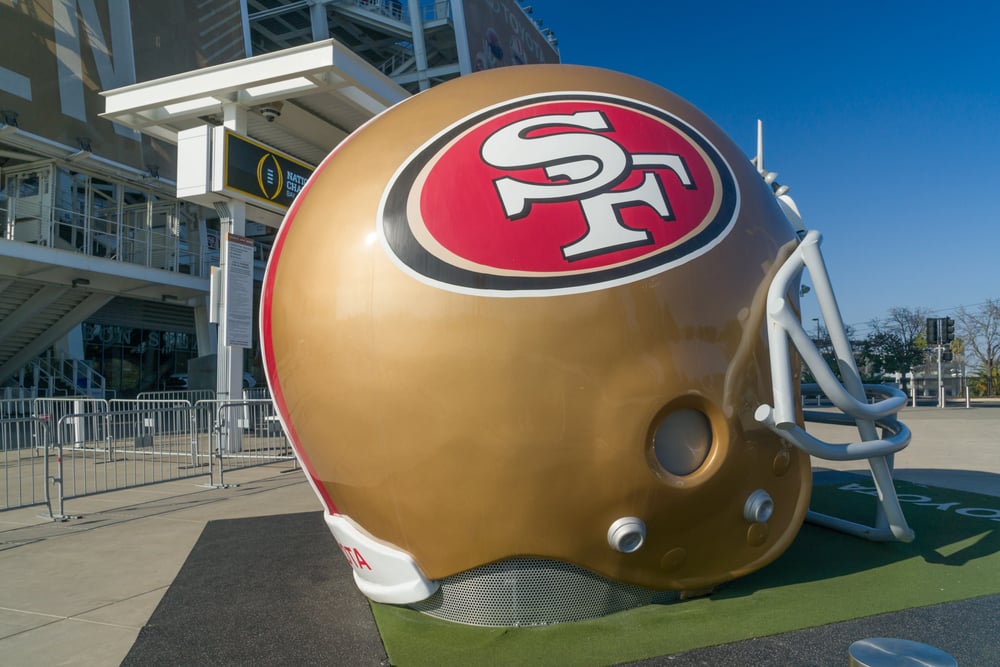
The Tampa Bay Buccaneers’ trade of Steve Young to the San Francisco 49ers in 1987 perfectly illustrates how a change of scenery can transform a career. Young had struggled in Tampa Bay’s dysfunctional system, leading many to question his NFL future.
The 49ers acquired him for second and fourth-round picks, seeing potential that others missed. Under San Francisco’s innovative offense, Young flourished and eventually replaced Joe Montana, winning a Super Bowl and MVP award while Tampa Bay continued searching for quarterback stability.
Brett Favre to the Packers
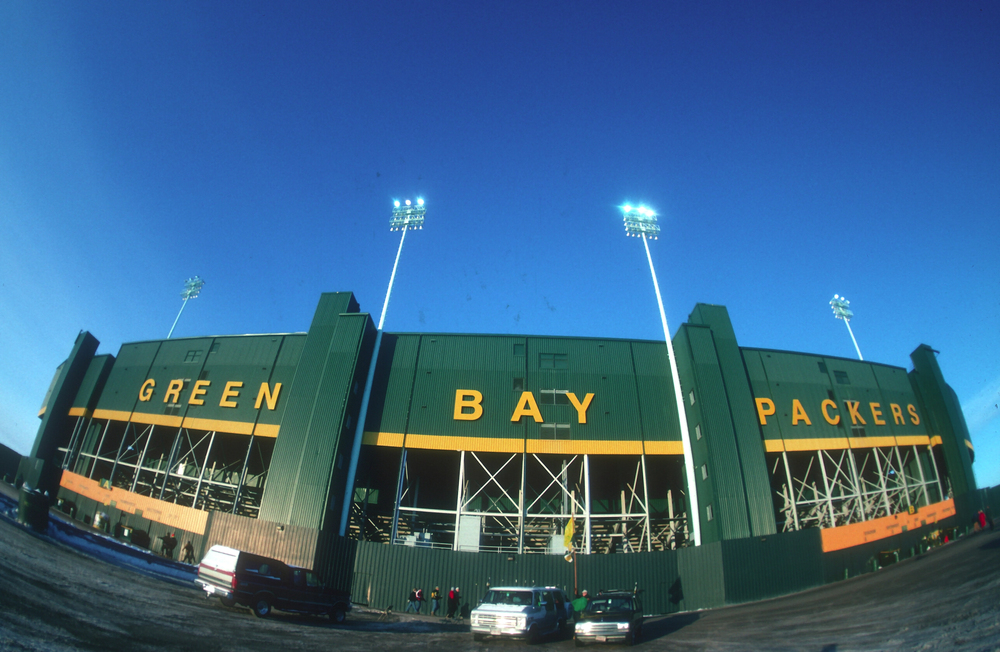
The Atlanta Falcons’ 1992 trade of Brett Favre to the Green Bay Packers became one of the most impactful quarterback moves in NFL history. Favre had shown flashes of brilliance but was inconsistent and dealing with personal issues in Atlanta.
The Packers traded a first-round pick for the young quarterback, betting on his potential. This move revitalized Green Bay’s franchise, leading to a Super Bowl championship and decades of competitive football, while Atlanta missed out on having one of the greatest quarterbacks ever.
Kevin Garnett to the Celtics
The Minnesota Timberwolves’ 2007 trade of Kevin Garnett to the Boston Celtics immediately shifted the balance of power in the Eastern Conference. Garnett had spent 12 loyal years in Minnesota but never reached the Finals due to poor supporting casts.
The Celtics gave up Al Jefferson, Ryan Gomes, and other assets to acquire the intense forward. This trade completed Boston’s Big Three with Paul Pierce and Ray Allen, leading to the 2008 NBA championship and returning the Celtics to championship contention.
Like Go2Tutors’s content? Follow us on MSN.
Marshawn Lynch to the Seahawks
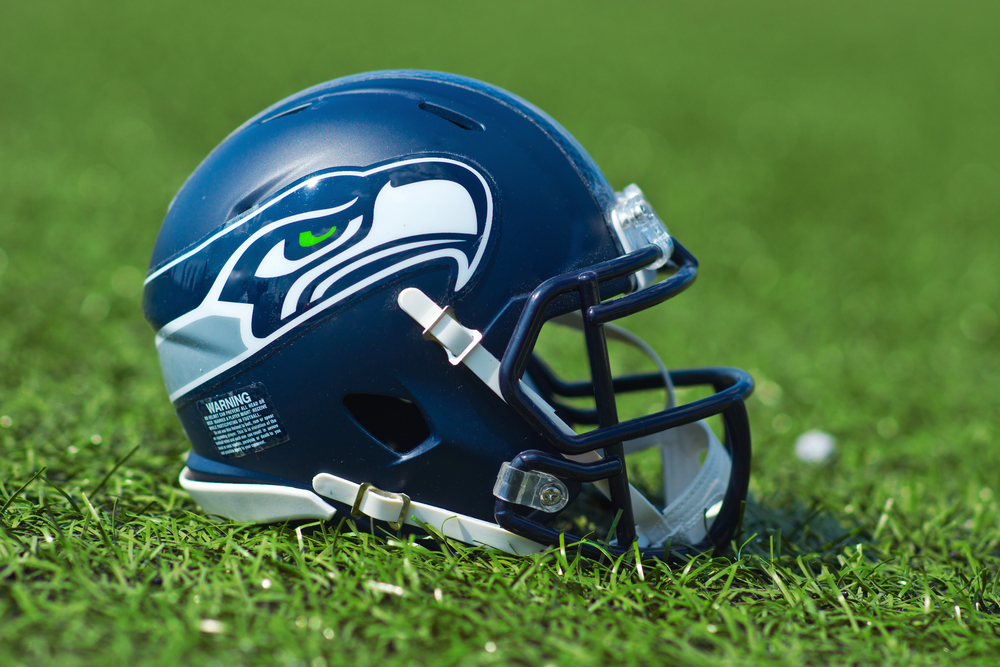
The Buffalo Bills’ 2010 trade of Marshawn Lynch to the Seattle Seahawks for a fourth-round pick seemed insignificant at the time. Lynch had been productive in Buffalo but faced some off-field issues and didn’t fit the team’s new direction.
The Seahawks took a low-risk gamble on the powerful running back. This move became crucial to Seattle’s championship success, as Lynch’s bruising style perfectly complemented their defense and helped them win Super Bowl XLVIII while Buffalo continued struggling to find consistent offensive identity.
Scottie Pippen to the Blazers
The Chicago Bulls’ 1998 trade of Scottie Pippen to the Portland Trail Blazers marked the end of the Jordan-era dynasty. The Bulls were dismantling their championship core, and Pippen wanted a fresh start after years of being overshadowed.
Portland traded multiple players to acquire the Hall of Fame forward, hoping to capitalize on his remaining prime years. While Pippen helped Portland reach the Western Conference Finals, the trade symbolized the end of basketball’s greatest dynasty and the beginning of both franchises’ struggles to recapture that magic.
Carlos Boozer to the Jazz
The Cleveland Cavaliers’ loss of Carlos Boozer to the Utah Jazz in 2004 wasn’t technically a trade but a devastating free agency departure that reshaped both franchises. Cleveland had Boozer’s rights as a second-round pick and agreed to release him from his contract so he could earn more money, with a handshake agreement that he’d re-sign with the Cavaliers.
Instead, Boozer signed with Utah, leaving Cleveland without compensation. This move helped Utah become a consistent playoff contender while Cleveland struggled to build around a young LeBron James.
Like Go2Tutors’s content? Follow us on MSN.
Pau Gasol to the Lakers
The Memphis Grizzlies’ 2008 trade of Pau Gasol to the Los Angeles Lakers for Kwame Brown and draft picks was widely criticized as one of the most lopsided deals in NBA history. Gasol was an All-Star caliber player who gave the Lakers the second scoring option they desperately needed alongside Kobe Bryant.
Memphis received little value in return, essentially giving away a franchise cornerstone. This trade helped the Lakers win back-to-back championships in 2009 and 2010, while Memphis continued rebuilding for several more years.
Khalil Mack to the Bears
The Oakland Raiders’ 2018 trade of Khalil Mack to the Chicago Bears shocked the NFL world and demonstrated how salary cap constraints can force difficult decisions. Mack was arguably the league’s best defensive player but was holding out for a massive contract extension.
The Raiders traded him for two first-round picks, while the Bears immediately signed him to a record-breaking deal. This move transformed Chicago’s defense into a championship-caliber unit and helped them win the NFC North, while Oakland received valuable draft capital but lost their best player.
Trading Away Tomorrow

These trades remind us that in professional sports, today’s hero can become tomorrow’s memory with a single phone call. The best deals often look questionable at first, while the worst ones usually make sense until hindsight reveals their true cost.
Successful franchises understand that sometimes you have to give up something good to get something great, but the wrong move can haunt an organization for generations. The most impactful trades aren’t just about talent — they’re about timing, chemistry, and the courage to make bold decisions when championships hang in the balance.
More from Go2Tutors!

- 16 Historical Figures Who Were Nothing Like You Think
- 12 Things Sold in the 80s That Are Now Illegal
- 15 VHS Tapes That Could Be Worth Thousands
- 17 Historical “What Ifs” That Would Have Changed Everything
- 18 TV Shows That Vanished Without a Finale
Like Go2Tutors’s content? Follow us on MSN.



