Worst Food Items To Order At A Restaurant
Sure, dining out can hit the mark. A place gets chosen, you take a seat, hope what arrives matches effort and cost.
Yet certain things listed won’t deliver – quite a few are snares hiding behind big words and flair. Picture this: you’re about to tap the screen, finger hovering over something that looks good but isn’t.
Here’s what slips under the radar – better left untouched.
Well-Done Steak
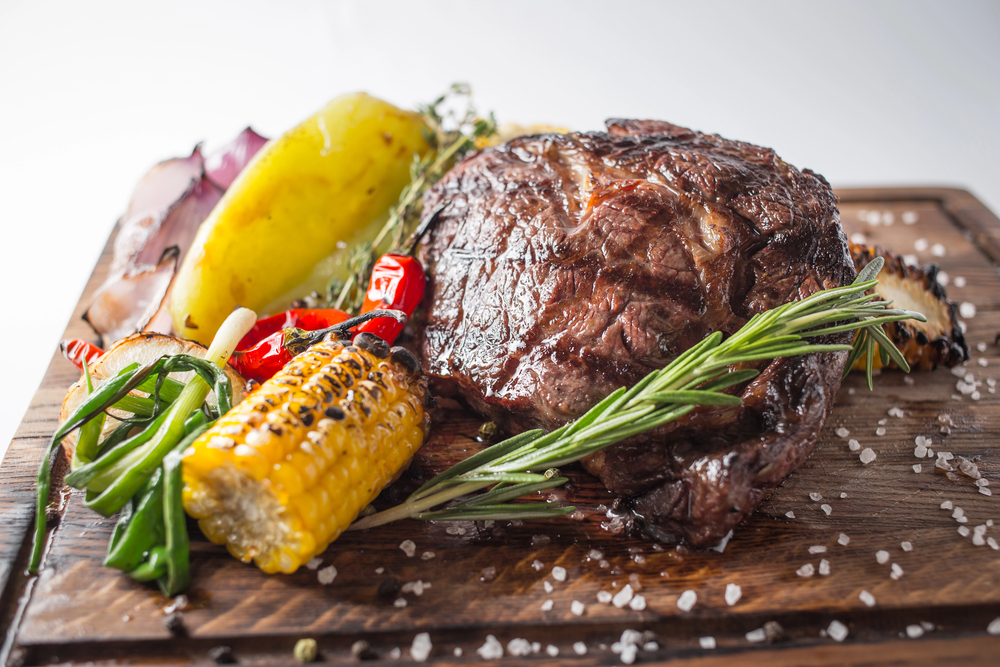
Steak charred through tends to lose its best parts when heated too long. Fat melts away entirely, juices vanish into steam, leaving behind something firm and parched.
Cooks usually dislike preparing these meals, quietly wishing for different requests. A few places assign lower-grade meat here because searing hides flaws without question.
Lobster On A Monday
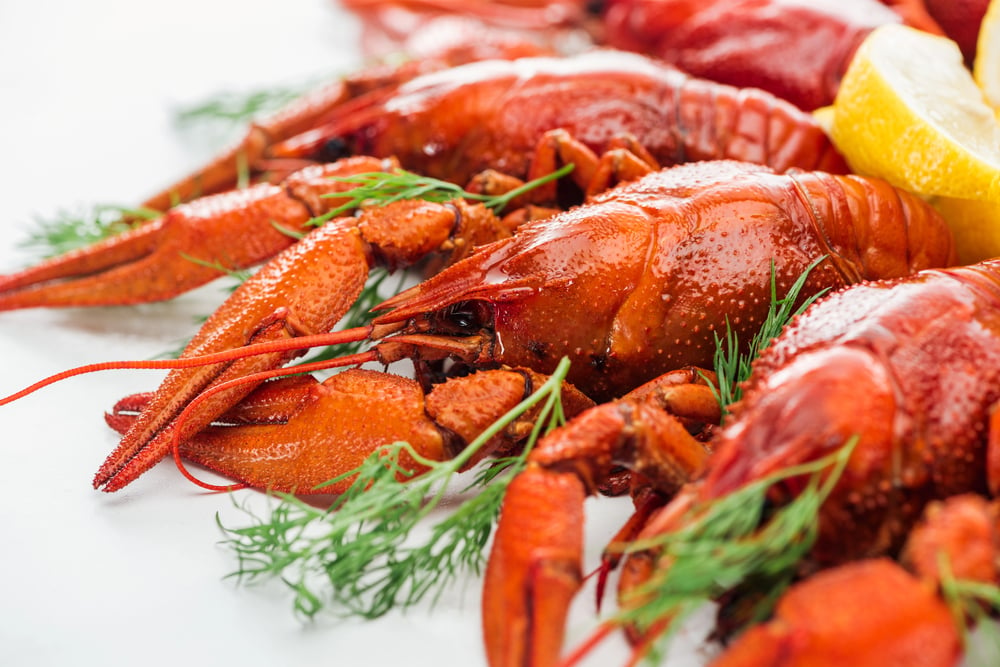
Fish shows up at most places come Thursday or Friday, just ahead of busy weekend nights. Monday sits outside that rhythm entirely – no new stock, no fresh haul.
That crab breathing in the display? Alive, sure. But what’s behind the scenes lost its edge days ago. Aim for midweek instead, when last week’s leftovers are gone and the next batch hasn’t yet arrived.
Timing shifts everything, especially here.
A Fish That Nobody Can Name. Maybe Fresh, Maybe Not.
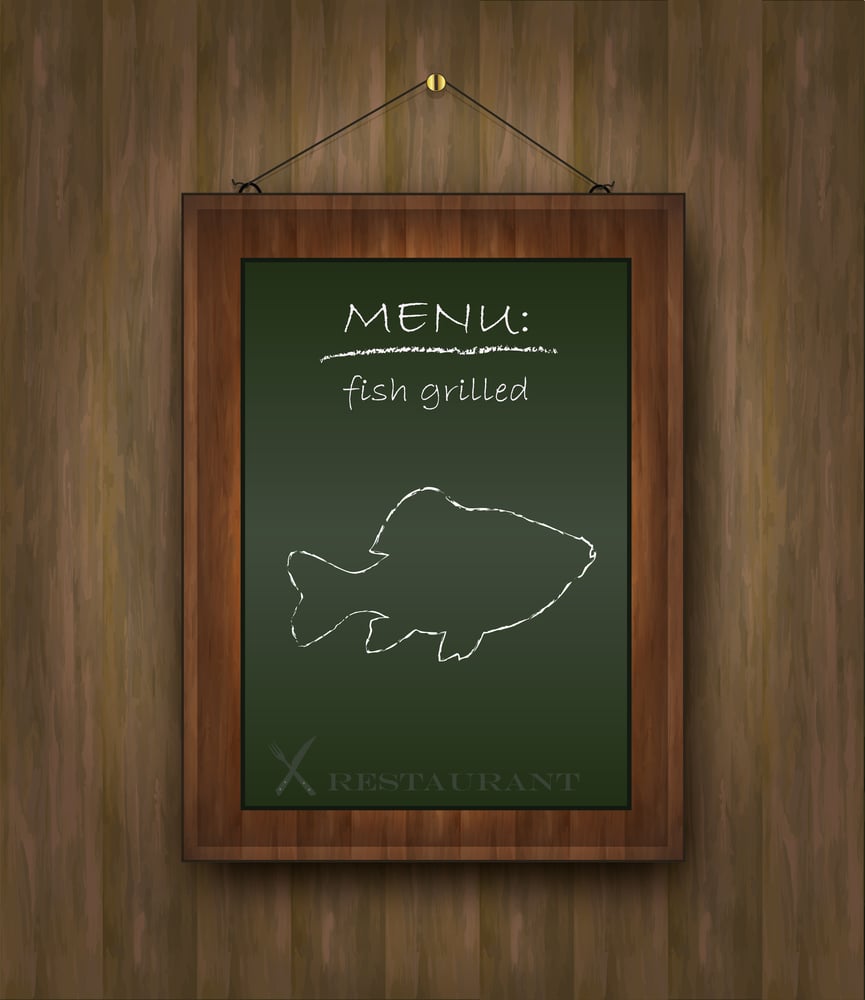
The menu gives no clues. Could be whatever arrived first this morning.
Words meant to distract from missing details. A label without meaning.
Sounds friendly but says little. Something called “catch of the day” ought to come with a clear name – what kind of fish, plus where it was pulled from the water.
Hesitation from staff hints at vagueness on purpose. Often, that tag disguises older stock needing quick sale, hidden under heavy seasoning.
Clarity comes only when you press for details ahead of choosing.
Pasta With Cream Sauce At A Busy Restaurant
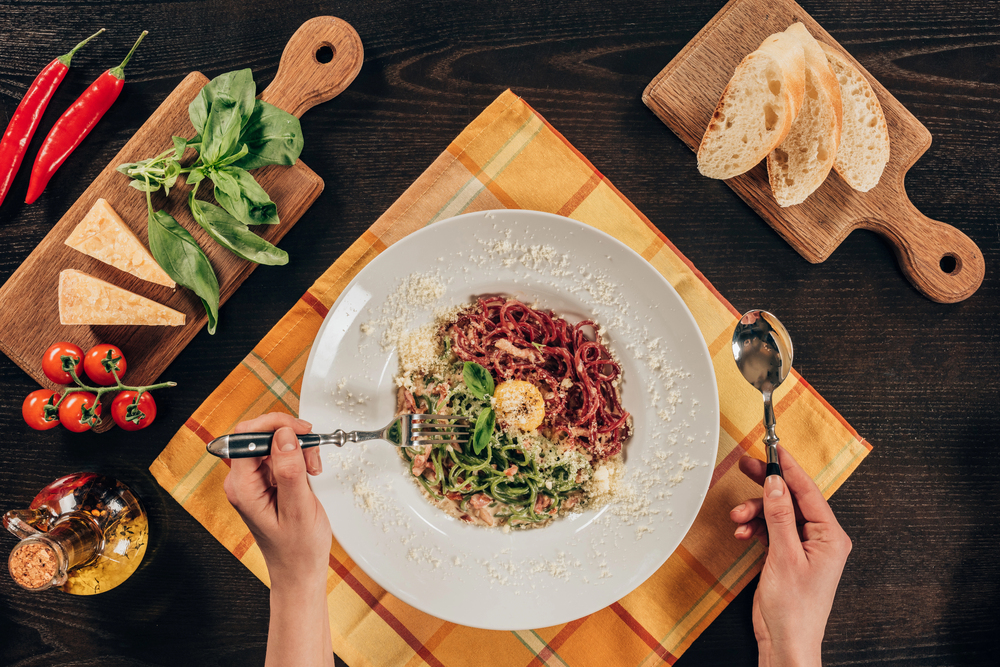
Most busy restaurants skip creamy pasta sauces because they’re hard to nail down fast. When the place is full, cooks tend to prepare them early, warming later – this splits the dairy, leaving a rough feel on the tongue.
Dishes built around tomatoes survive the rush without changing taste or look. They just handle heat and time in a way that keeps every bite the same.
Hollandaise Sauce
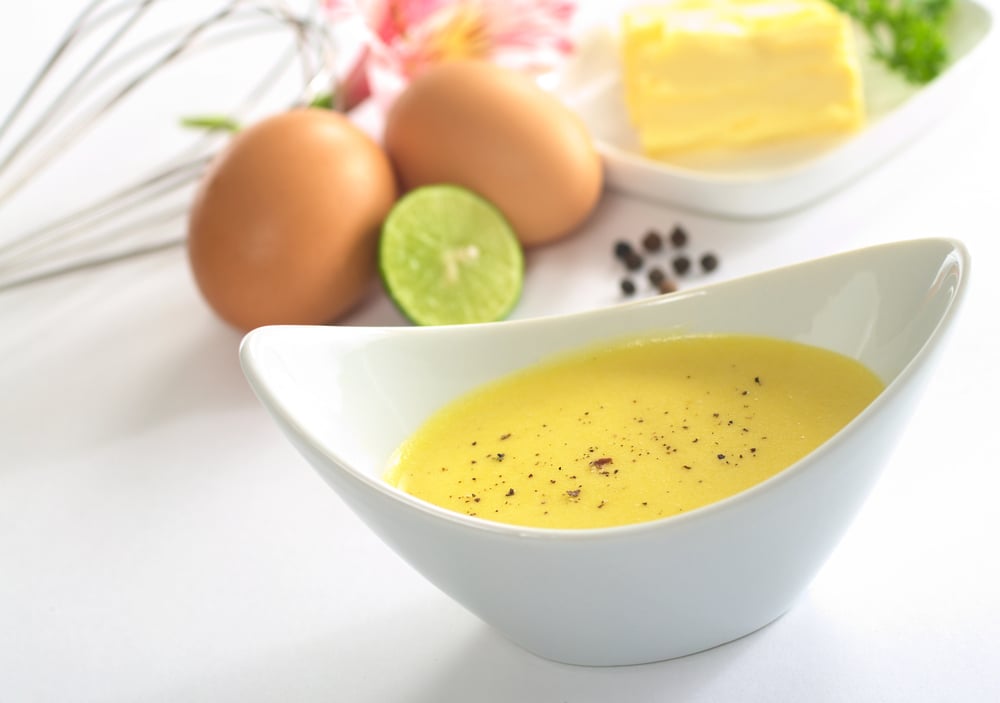
Warmth holds the sauce together, yet too much heat ruins its balance. Egg yolks mix with butter slowly, forming a soft blend that depends on careful handling.
Many kitchens prepare hollandaise early, leaving it out as the dining room fills. Hours pass while customers come and go, plates moving in steady waves.
That gentle warmth meant to preserve texture instead feeds unseen growth. Left undisturbed, the very conditions keeping it fluid also invite risk.
Some Dishes Come Listed As Chef’s Favorite But Show No Cost Beside Them
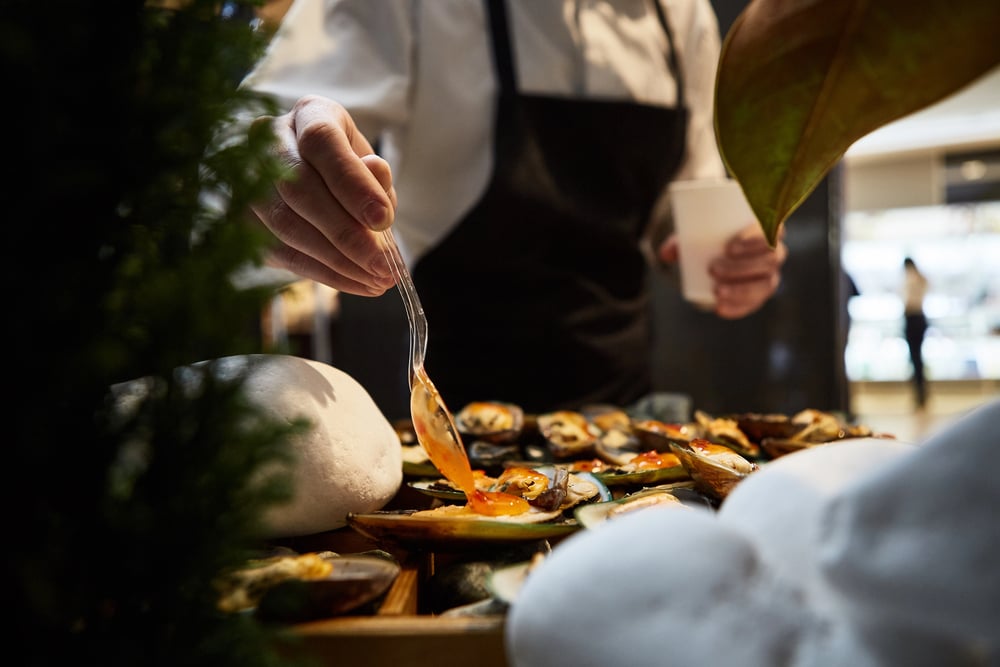
Watch out when a menu shows a chef’s favorite without showing how much it costs. Hidden pricing often means paying way above what most meals cost, though you won’t know until later.
That plate could taste excellent – yet still leave a sour feeling once the check arrives. Before agreeing to order it, find out the number attached to it first.
Chicken At A Steakhouse
Most steakhouses focus on meat, so poultry usually takes a back seat. When the spotlight stays on beef, chicken ends up sidelined, cooked without much thought.
Seasoning tends to be plain, execution flat, attention minimal. A meal meant as filler shows through every bite.
Places built for chicken treat it like the star, not a backup plan.
Guacamole When Avocados Are Not In Season
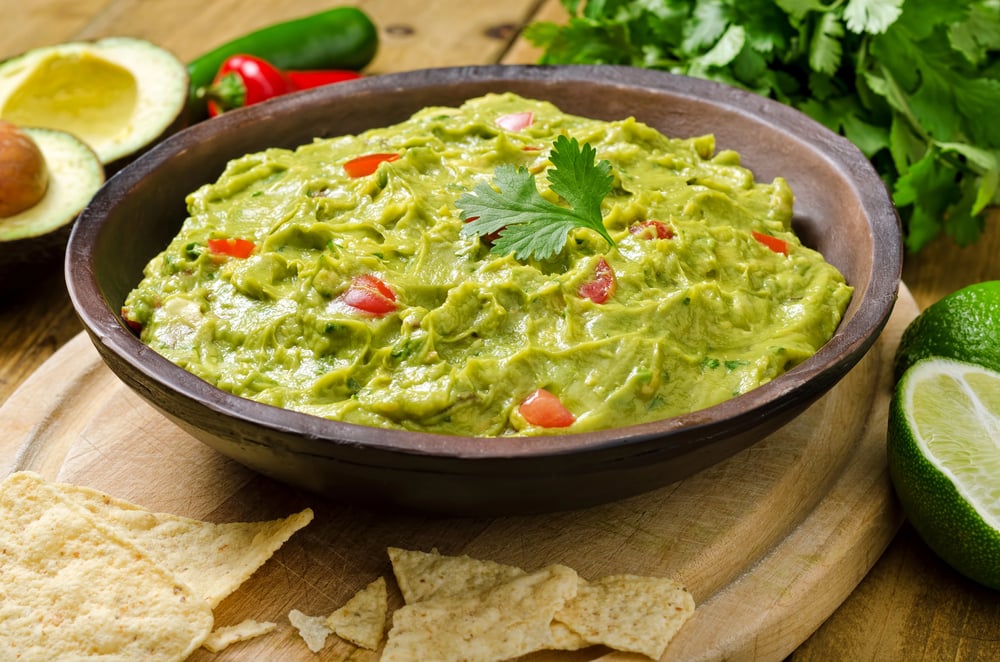
Freshness matters when it comes to avocados, yet many places serve them long after their peak. Instead of rich and creamy, they turn out chalky with a sharp edge.
Watch the color closely – vibrant green hints at care, while a lifeless hue whispers neglect. Timing slips by unnoticed until the first bite gives it away.
The House Burger At An Upscale Restaurant
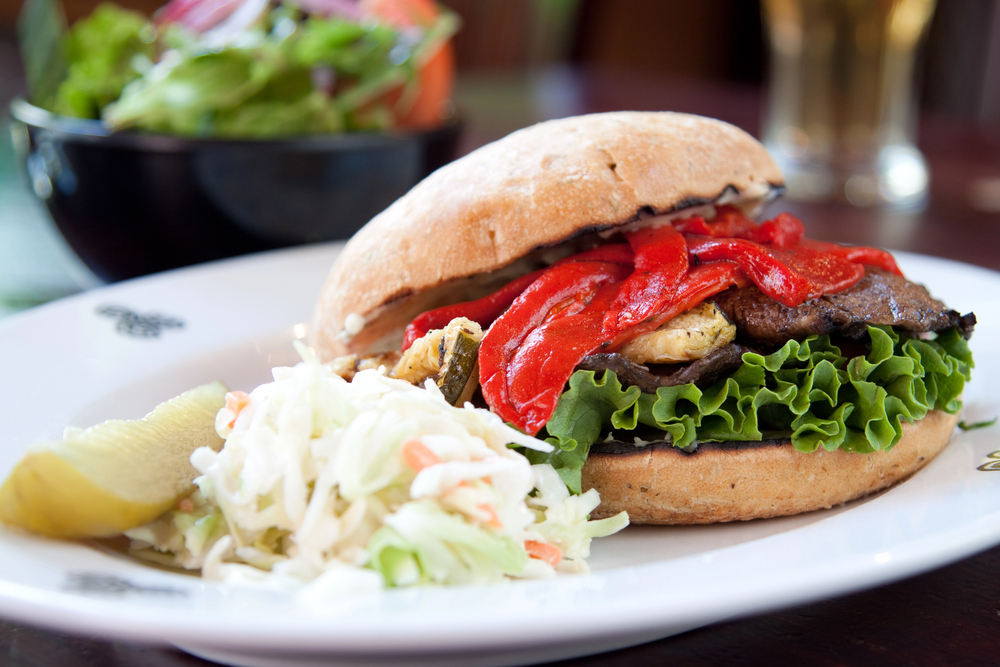
Burgers show up on fancy menus because they draw in more people, yet that does not mean they shine there. Energy goes where the spotlight hits – signature plates get top care, while the burger slips by with lesser meat or pre-frozen rounds.
A place built around one thing – the grind, the sear, the perfect bite – beats a high-end room stretching wide every single time.
Bottomless Fries Or Bread As A Main
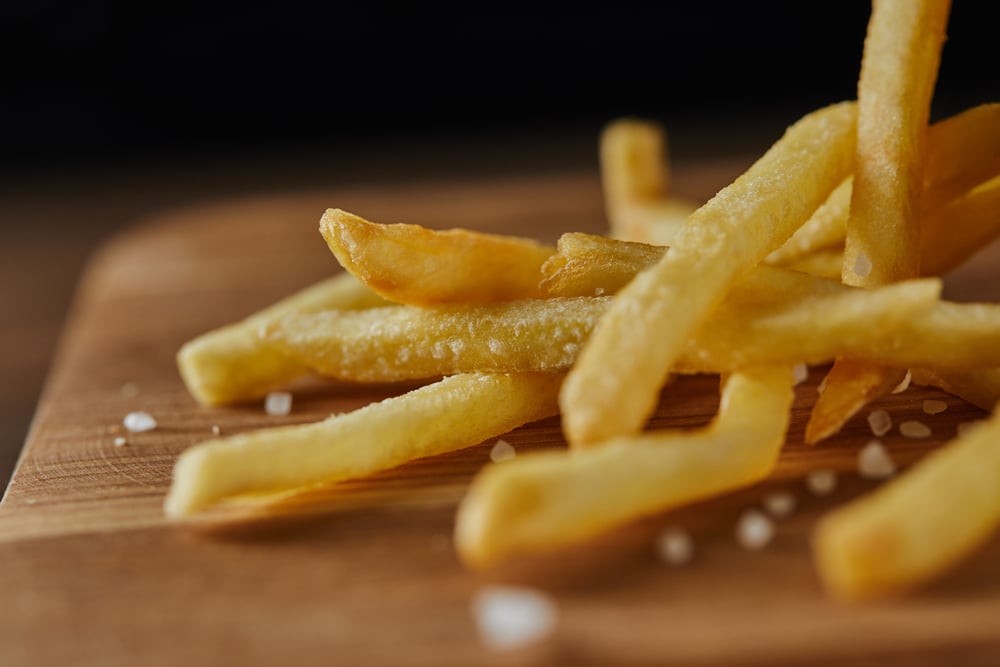
Free refills on fries or bread seem like a great deal, but they are designed to fill you up fast so you spend less on the rest of the meal. Eating too much of the cheap, starchy stuff upfront means the actual dishes you ordered feel less satisfying.
It is a clever strategy on the restaurant’s part, and the only one losing in that arrangement is the customer.
Off-Menu ‘Secret’ Drinks
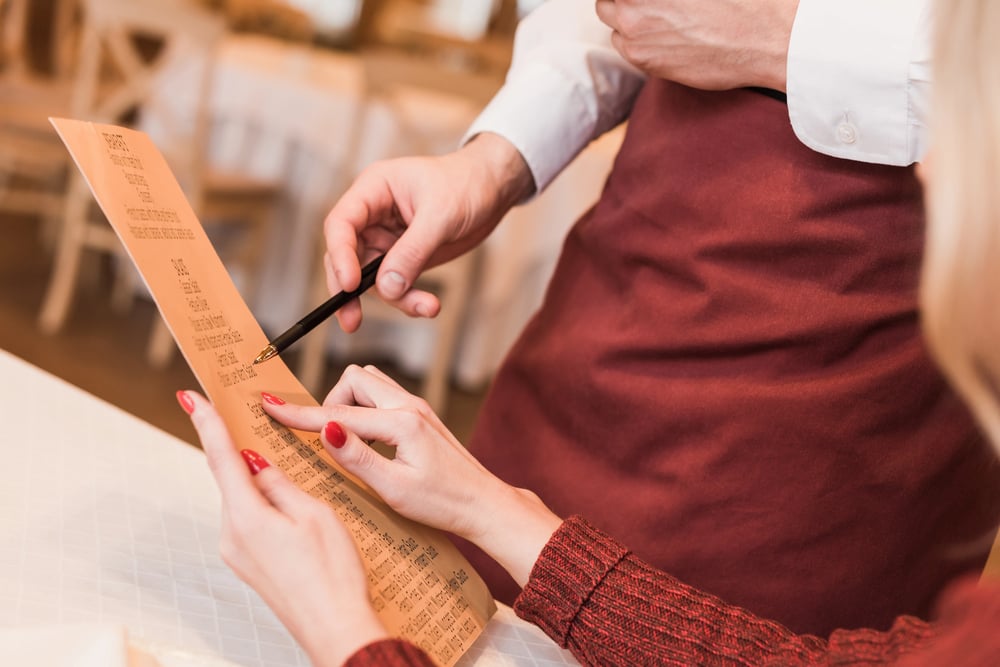
Some restaurants carry trendy off-menu drinks that circulate on social media. In reality, the bar staff has to improvise the recipe each time, and the results are inconsistent.
One visit it tastes great, the next it is either too sweet or watered down. Sticking with actual menu drinks that the bar team makes regularly is almost always the better call.
Anything Deep-Fried At A High-End Restaurant
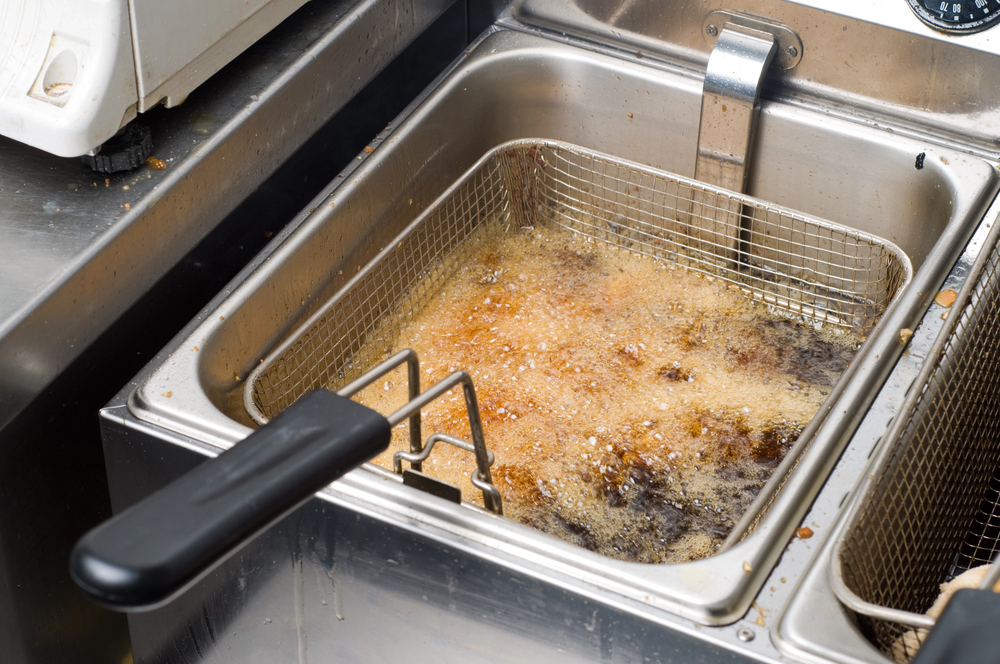
High-end restaurants charge premium prices, and deep-frying is a budget cooking method. When a fancy place offers fried food, they are usually marking it up far beyond what it is worth.
A neighborhood spot that specializes in fried chicken or fried fish will give a better product at a fraction of the price, with no pretense attached.
Sushi At A Non-Japanese Restaurant
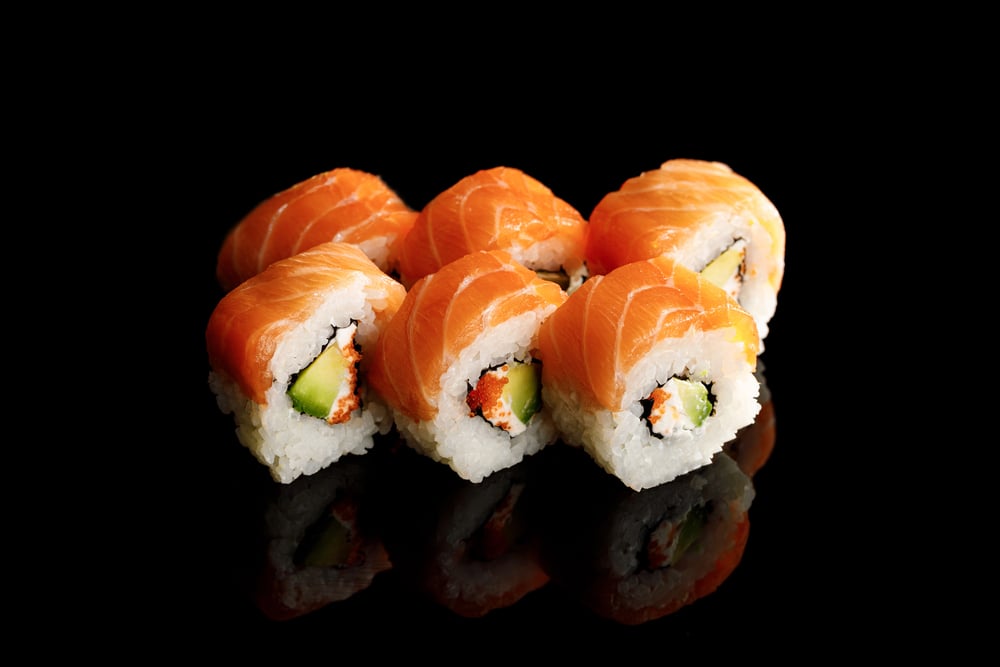
Sushi is a craft that takes years to learn properly. When a general American diner or Italian restaurant adds a sushi section to the menu, it is almost never made with the same care or fresh fish that a dedicated Japanese restaurant uses.
The rice is often the first giveaway. If it is too soft, too hard, or too sweet, the rest of the roll will not save it.
Soup Of The Day Late In The Evening
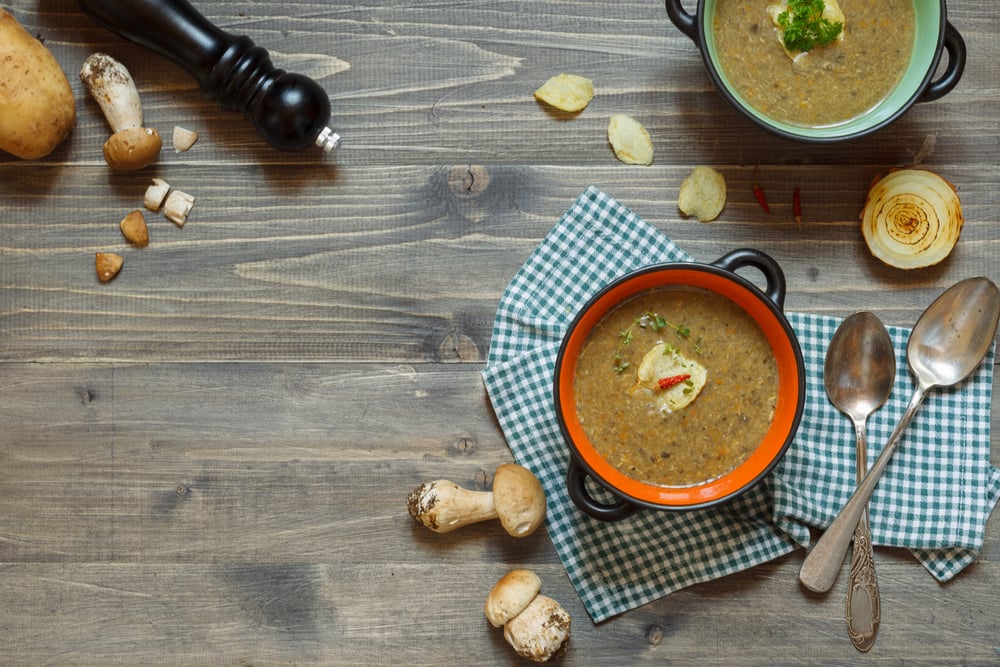
Soup of the day is usually made in the morning from whatever ingredients need to be used up. By dinner, the same pot has been sitting on low heat all day, and the flavor concentrates in ways that do not always taste good.
Late-night diners often get the version that has been reduced down and reheated multiple times. If soup is a must, ordering it at lunch gives a much fresher result.
Caesar Salad With Pre-Made Dressing
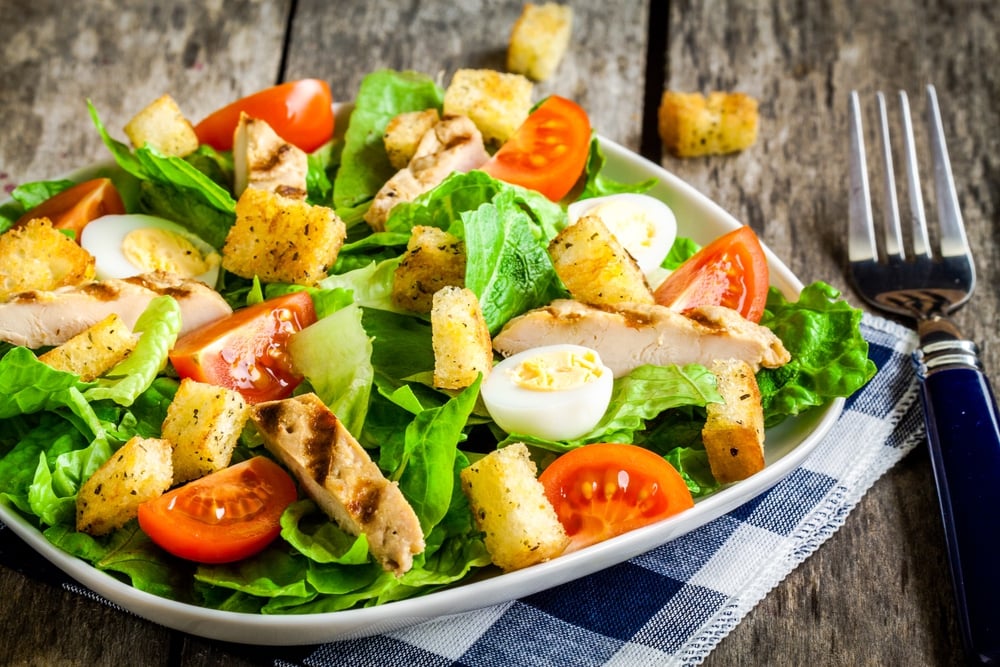
A real Caesar salad gets its dressing made fresh, with anchovies, raw egg, lemon juice, and garlic mixed together just before serving. Most restaurants skip this entirely and use a bottled dressing poured from the back of a fridge.
The result is a salad that tastes fine but does not come close to what it should be. If the server cannot confirm it is made in-house, it is worth ordering something else.
Dessert From A Display Case That Has Been There All Day
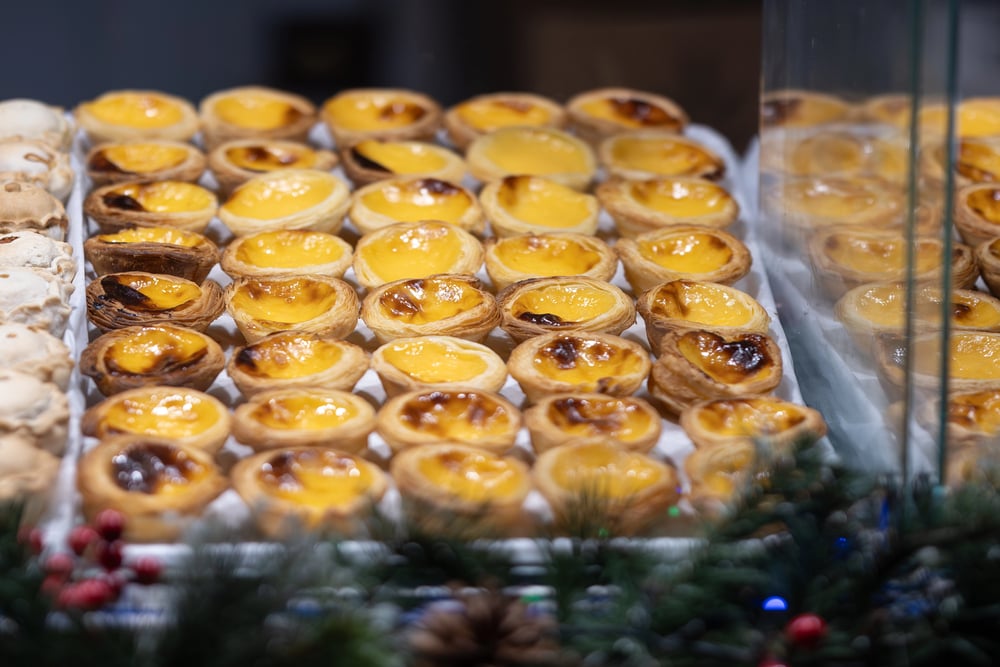
That chocolate cake rotating slowly in the glass case near the entrance might look tempting, but it has likely been there since the morning. Display desserts sit at inconsistent temperatures, dry out around the edges, and lose their texture over hours.
A smarter move is to ask what desserts were made fresh that day. Restaurants that take dessert seriously usually have options that never make it to the display case.
Worth Knowing Before You Order
Menus are designed to look inviting, but every restaurant has items that exist more out of obligation than genuine skill. Knowing which ones to skip is not about being picky; it is about getting real value for the money spent.
The best approach is to ask questions, notice what the restaurant actually specializes in, and order from that strength. A little awareness goes a long way between a forgettable meal and one worth going back for.
More from Go2Tutors!

- The Romanov Crown Jewels and Their Tragic Fate
- 13 Historical Mysteries That Science Still Can’t Solve
- Famous Hoaxes That Fooled the World for Years
- 15 Child Stars with Tragic Adult Lives
- 16 Famous Jewelry Pieces in History
Like Go2Tutors’s content? Follow us on MSN.