Legendary Jet-Set Resorts
The term ‘jet set’ emerged in the late 1950s when commercial jet travel made the world suddenly smaller for the wealthy and glamorous. Before jets, getting to exotic destinations meant long boat trips or bumpy propeller plane rides, but the arrival of the Boeing 707 changed everything.
Suddenly, socialites, Hollywood stars, and European royalty could hop from continent to continent like most people took the bus downtown, creating a new breed of globetrotting elite who needed equally glamorous places to land. These weren’t just vacation spots.
They were stages where the world’s most famous people performed their carefully choreographed lives, captured by photographers like Slim Aarons who made a career documenting ‘attractive people doing attractive things in attractive places.’ Here is a list of resorts that defined what it meant to be part of the jet set.
Paradise Island

Huntington Hartford, heir to the A&P grocery fortune, had grand ambitions when he purchased what was then called Hog Island in the Bahamas for $11 million in 1958. He envisioned a tropical Monte Carlo and launched Paradise Island with enormous fanfare in 1962, making it arguably the first major resort designed specifically for the jet age.
Two thousand guests arrived by private jet for the opening, where they encountered a new golf course, the Ocean Club hotel designed by Palm Beach architect John Volk, and the relocated Cloisters from a medieval French monastery that William Randolph Hearst had disassembled decades earlier. The resort even featured the famous Café Martinique with its gold-plated bathroom fixtures, because apparently regular fixtures weren’t quite special enough for people arriving by private plane.
Round Hill
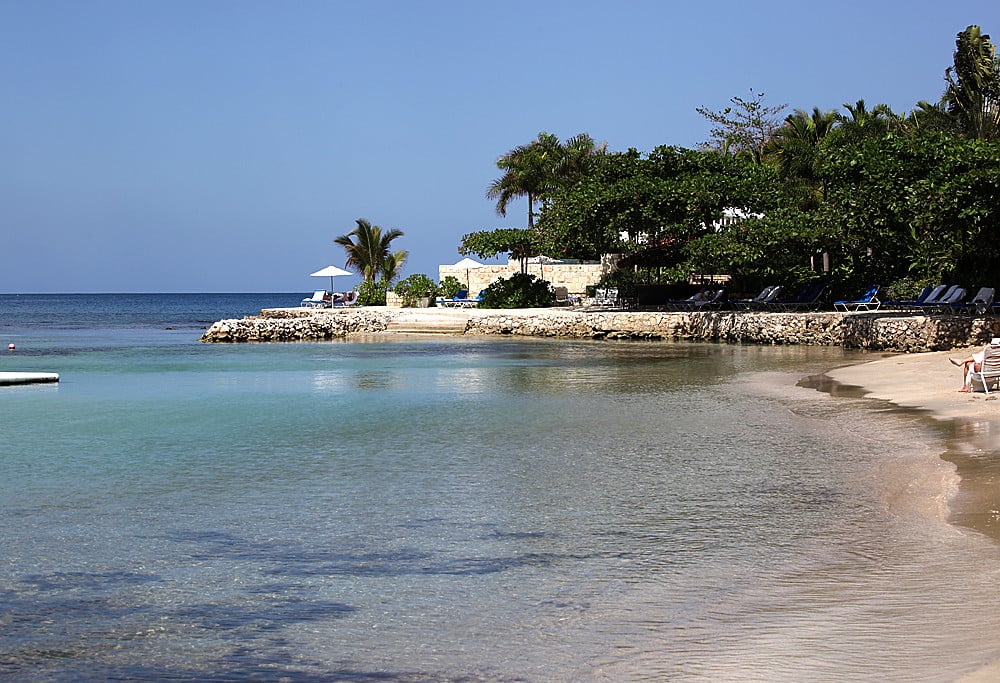
When John Pringle found himself seated next to Noël Coward on a flight to New York in the early 1950s, he seized the moment to pitch his vision for a new kind of resort on a 100-acre peninsula near Montego Bay. The young entrepreneur described his plan for a colony of cottages with an exclusive hotel on a former sugar plantation along the Caribbean, but Coward had other ideas about how to end the conversation.
According to Pringle, Coward put his hand on the younger man’s knee and said, ‘Dear boy, if you’ll just shut up I’ll buy one of your damned cottages.’ That awkward encounter in 1953 launched what became Round Hill, which soon attracted style icons including Fred Astaire’s sister Adele, Oscar Hammerstein, and eventually John and Jackie Kennedy who honeymooned there.
Ralph Lauren later redesigned parts of the property and hosted the Sugar Cane Gala there every winter, helping the resort regain the glamour it enjoyed during its heyday.
Acapulco
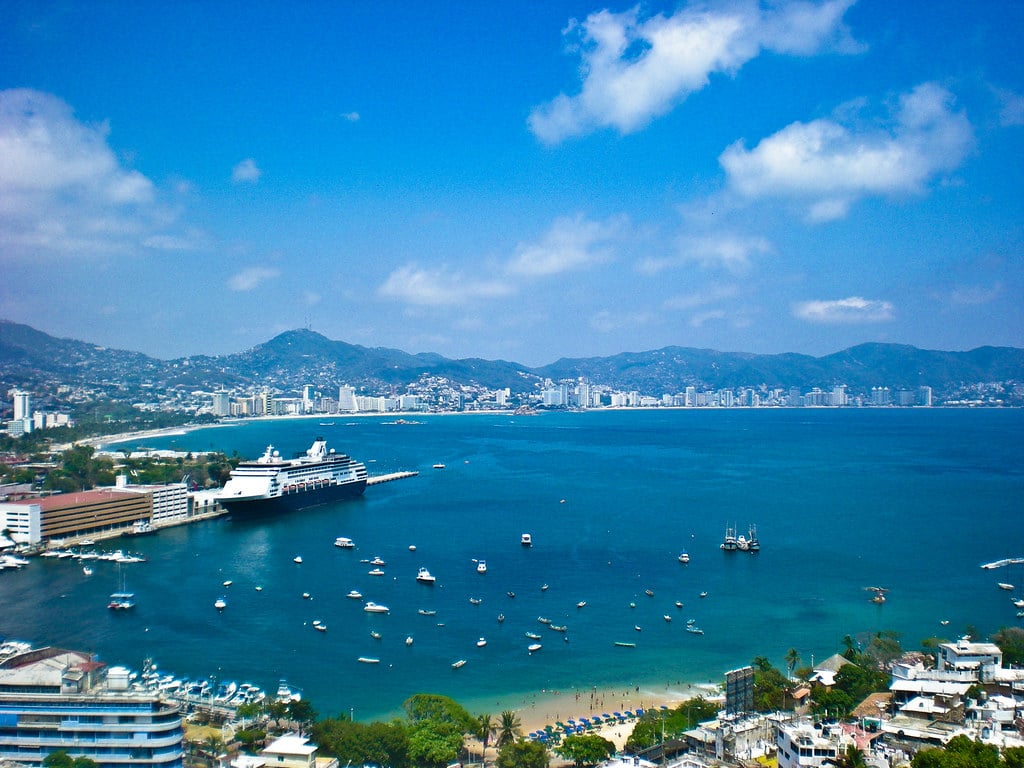
By the 1950s, Acapulco had become Hollywood’s tropical playground and the world’s first major resort to rely mainly on tourists arriving by air. J. Paul Getty, Gloria Guinness, Howard Hughes, Elizabeth Taylor, Errol Flynn, Rita Hayworth, Orson Welles, and Brigitte Bardot all made the pilgrimage to what some called ‘the St. Tropez of Mexico.’ The cliff-top villas overlooking Acapulco Bay became as famous as the celebrities who stayed in them, and the spectacular setting made it easy to understand why everyone from movie stars to shipping magnates chose to spend their weekends there.
Unfortunately, the resort’s magical allure faded when mass tourism arrived in the 1980s, and the city has struggled since then despite recent attempts to reinvent itself as a luxury destination.
St. Tropez
A sleepy fishing village on the French Riviera got an unexpected makeover when Brigitte Bardot showed up to film ‘And God Created Woman’ in 1956. What followed was a complete transformation as the international jet set discovered the town’s charm and made it their summer headquarters throughout the 1960s.
Designer boutiques popped up along Rue Sibille, Les Caves du Roy became the place to dance until dawn beneath the Byblos Hotel, and Le Club 55 evolved from a humble beach canteen into a sanctuary where the beautiful people ate grilled sea bass under reed canopies. The village managed to keep its Provençal soul intact even as yachts filled the harbor and celebrities descended each summer, creating a balance between authenticity and glamour that still defines St. Tropez today.
Capri
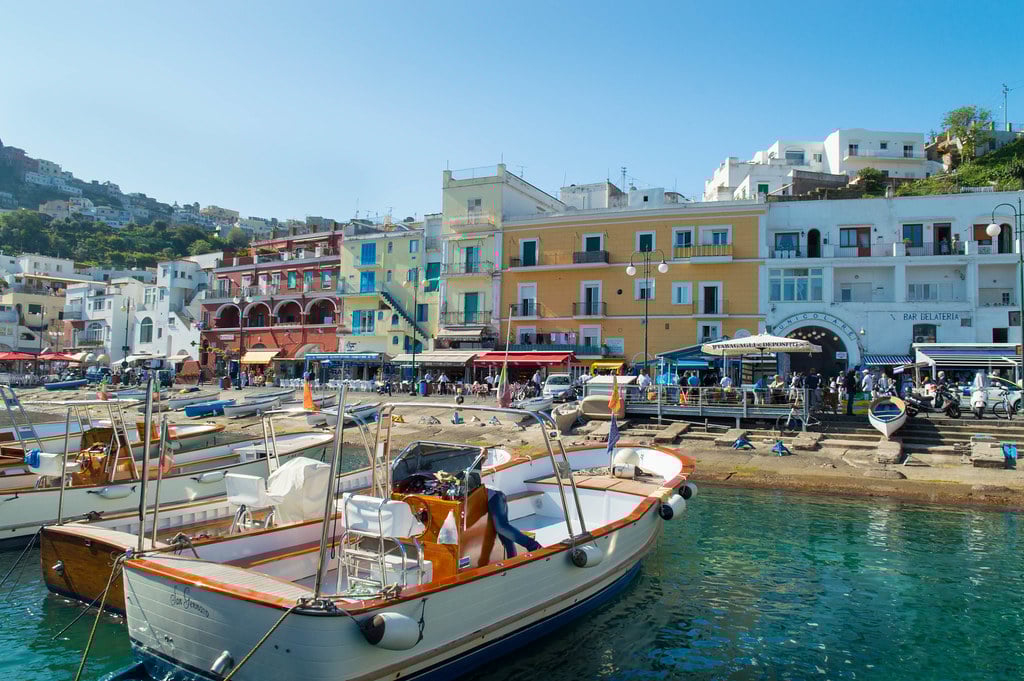
The Italian island of Capri had attracted artists and writers for decades, but it found a whole new audience when the jet set discovered its dramatic cliffs and azure waters in the 1950s and 1960s. The island’s naturally protected setting and stunning beauty made it a favorite spot for Europeans looking for Mediterranean perfection without traveling too far from home.
Photographer Slim Aarons captured countless images of poolside lounging and seaside soirées on Capri, turning the island’s private indulgences into aspirational icons that fueled the lifestyle’s appeal worldwide. The combination of ancient Roman ruins, vertical geography, and exclusive hotels created an atmosphere that felt both timeless and utterly contemporary.
Lyford Cay
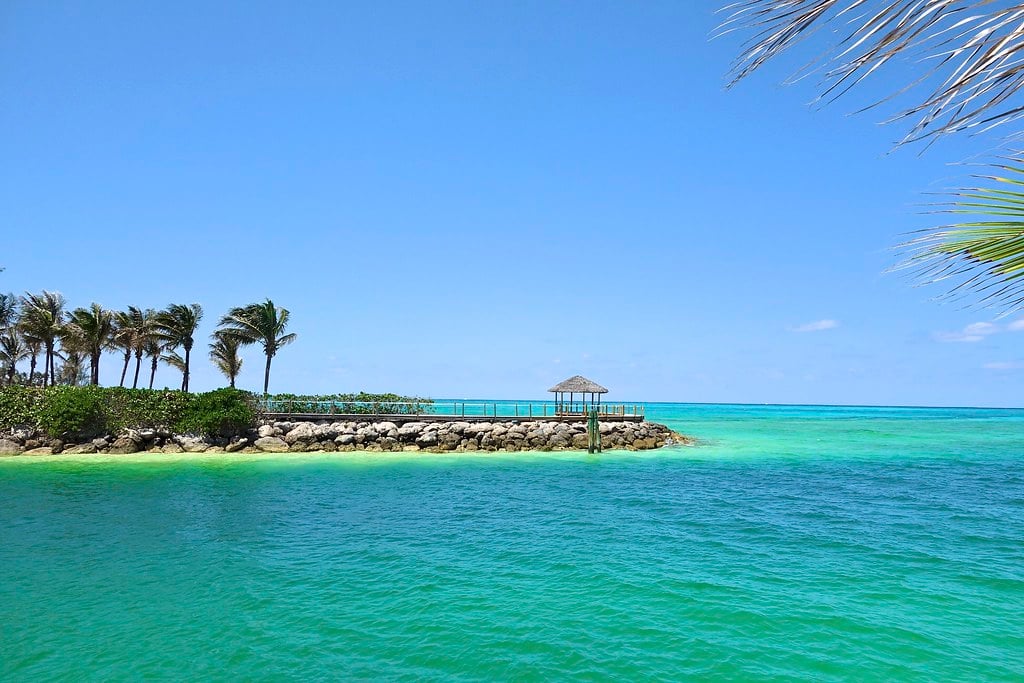
Canadian industrialist E.P. Taylor had a vision when he purchased 2,800 acres of marshland and mangrove swamps on the western tip of New Providence Island in 1955. He assembled a world-class team to transform the land through modern engineering, moving thousands of truckloads of fill and creating water-diverting canals to bring his dream to life.
The Lyford Cay Club opened in 1959 and immediately became a sensation with royals, celebrities, and world leaders who jetted into Nassau for top-notch golf, world-class diving, and an internationally vibrant social scene. Frank Sinatra performed there, Sean Connery first came to film ‘Thunderball’ in 1964 and eventually became a member, and the likes of Prince Rainier and Princess Grace of Monaco made regular appearances.
In December 1962, President John F. Kennedy even stayed at Taylor’s home to hold talks with British Prime Minister Harold Macmillan, cementing Lyford Cay’s status as more than just another exclusive resort.
Marbella

Prince Alfonso von Hohenlohe’s Rolls Royce breaking down near Marbella in the 1940s turned out to be the best automotive failure in Spanish history. Enchanted by the mountainous scenery and unique microclimate, he bought a finca just west of town and built what became the legendary Marbella Club Hotel, which opened in 1954.
With an address book containing European royalty and Hollywood stars, the prince quickly attracted Grace Kelly, Audrey Hepburn, and the Rothschilds to abandon the Côte d’Azur for the more exotic Spanish Riviera. By the 1960s and 1970s, Brigitte Bardot, Sean Connery, James Hunt, and Saudi royals had joined the party, building luxury villas along what became known as the Golden Mile.
The opening of Puerto Banús in 1970, with its yacht-filled marina designed to rival Monte Carlo and St. Tropez, marked Marbella’s arrival as the world’s ultimate resort destination.
Mykonos
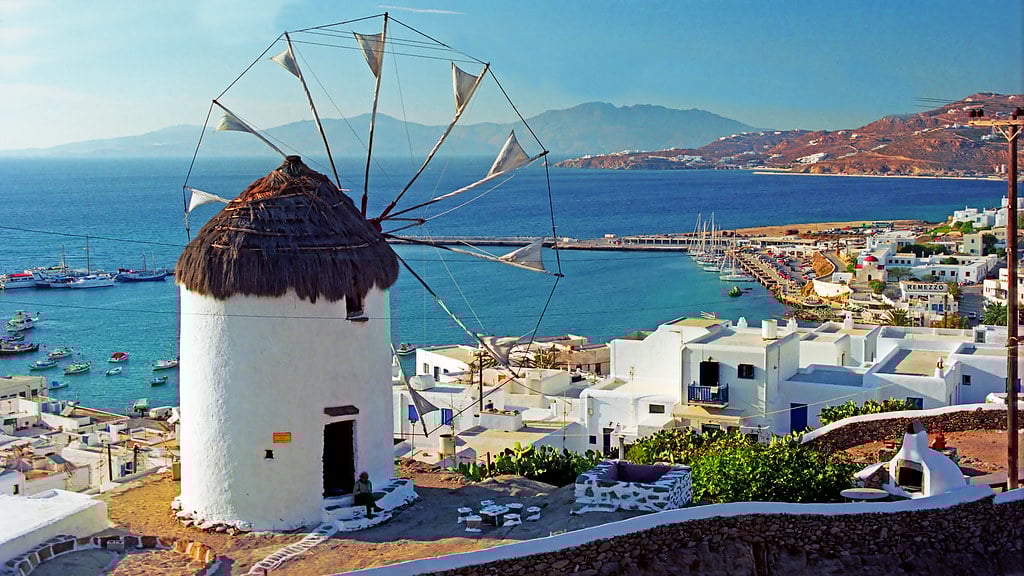
The Greek island first attracted occasional archaeologists in the 1920s who were mainly interested in nearby Delos, but Mykonos itself remained relatively undiscovered until the swinging sixties arrived. Aristotle Onassis showed up on his yacht with Maria Callas and later with Jackie Kennedy, while Grace Kelly, Brigitte Bardot, and Sophia Loren followed to grace the island’s shores.
By the late 1960s, Mykonos had become a full-blown international destination where artists, entrepreneurs, and bohemian types created their own paradise under the Mediterranean sun. The opening of Pierro’s, the island’s first gay bar, in 1973 established Mykonos as an international haven that competed with New York’s Studio 54 for sheer extravagance, attracting blue-blooded heirs, Hollywood celebrities, and fashion designers who swarmed in nightly for the risqué drag shows and farfetched parties.
Portofino

British and Northern European aristocratic tourists began visiting this tiny Italian fishing village in the late 19th century, reaching it by horse and cart from nearby Santa Margherita Ligure. By 1950, tourism had completely replaced fishing as the town’s chief industry, and the waterfront had become a continuous ring of restaurants and cafés serving the international elite.
Elizabeth von Arnim’s 1922 novel ‘The Enchanted April’ is credited with making Portofino truly fashionable, while later visitors like Elizabeth Taylor, Richard Burton, and Humphrey Bogart cemented its reputation as the perfect hideaway. The naturally cramped harbor and dramatic setting created an intimate atmosphere that made everyone from shipping magnates to movie stars feel like they’d discovered a secret the rest of the world had somehow missed.
St. Moritz
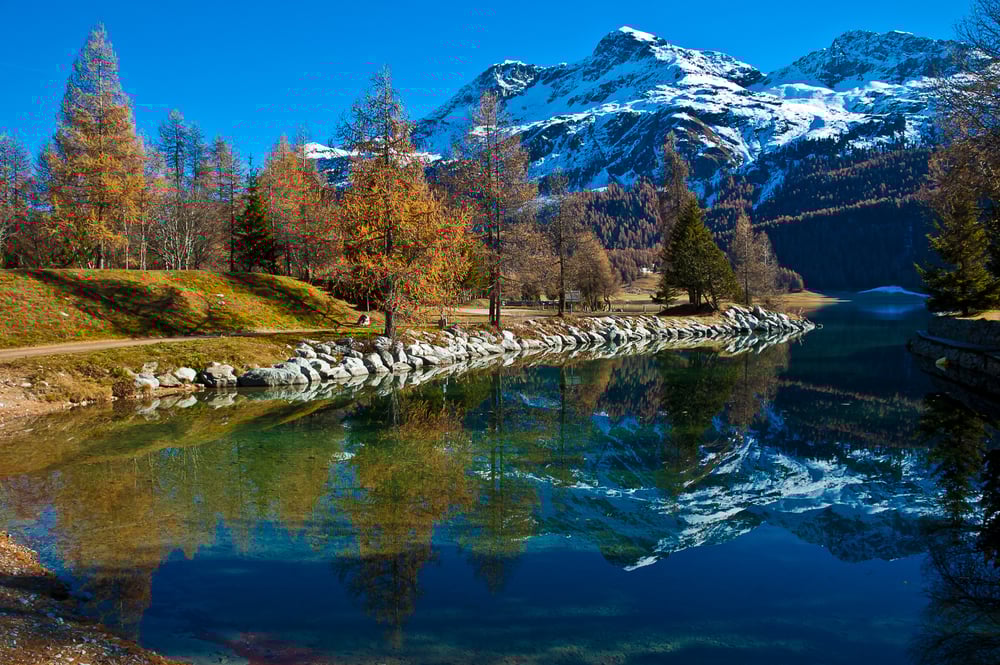
Johannes Badrutt launched the Swiss town as a winter destination back in 1864, but St. Moritz really hit its stride during the 1960s and 1970s when it became the hedonistic winter escape of the international jet set. Badrutt’s Palace Hotel, affectionately known as ‘The Palace,’ served as headquarters for Charlie Chaplin, Marlene Dietrich, Noël Coward, Brigitte Bardot, and shipping magnates like Aristotle Onassis and Stavros Niarchos.
The resort attracted people who understood that being part of the jet set meant more than just having money—it required athletic prowess in sports like skiing, polo, and the terrifying Cresta Run. Italian industrialist Gianni Agnelli would sometimes fly in from Turin just for the day, pioneering what would later become known as heli-skiing by using his helicopter instead of wasting time on chairlifts.
Porto Cervo
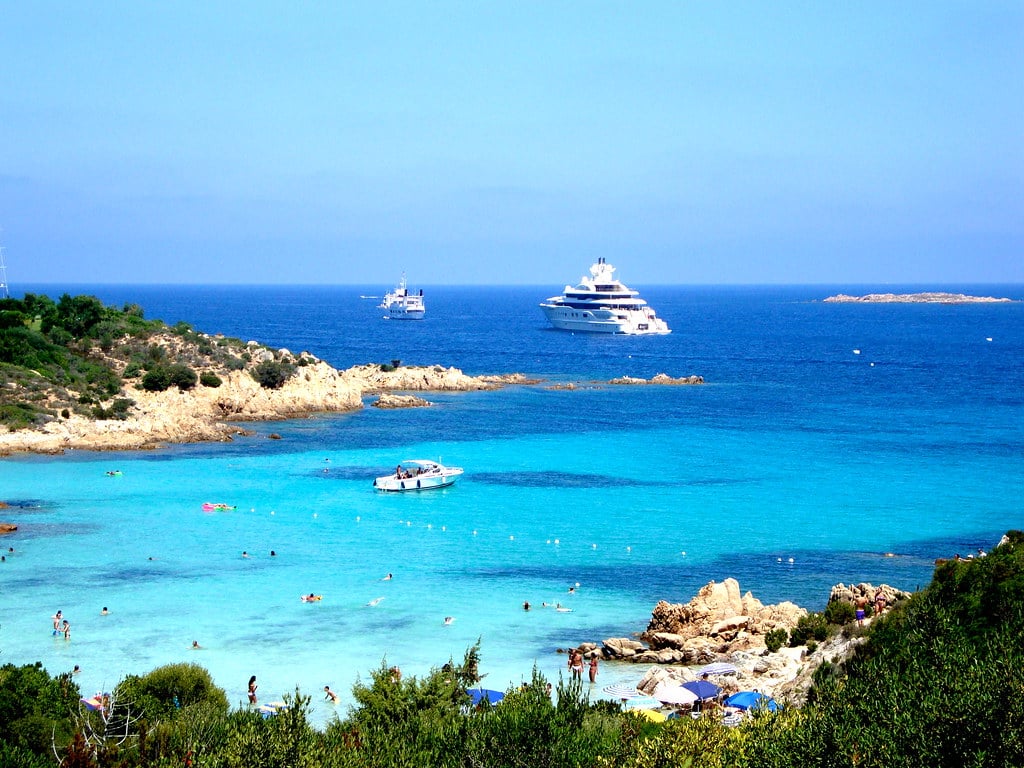
When John Duncan Miller went sailing off the coast of northwestern Sardinia in the early 1960s, he returned to London with tales of extraordinary unspoiled territories that caught the attention of the Aga Khan IV. The Harvard-educated prince, who had recently inherited god-like status as the Imam of Ismaili Muslims, had a vision of transforming this portion of Sardinia into a private paradise for himself and select members of the international jet set.
On March 14, 1962, the Consorzio Costa Smeralda was born, and Porto Cervo began taking shape with a unique pan-Mediterranean architectural style created by Luigi Vietti that projected what the region’s building styles could have been if different economic conditions had allowed. The international jet set forged its own aesthetic here that echoed from the Côte d’Azur to the Greece of Onassis, with the Agnellis and other founding families creating a destination that remains one of Europe’s most exclusive residential and tourist settlements.
Cannes
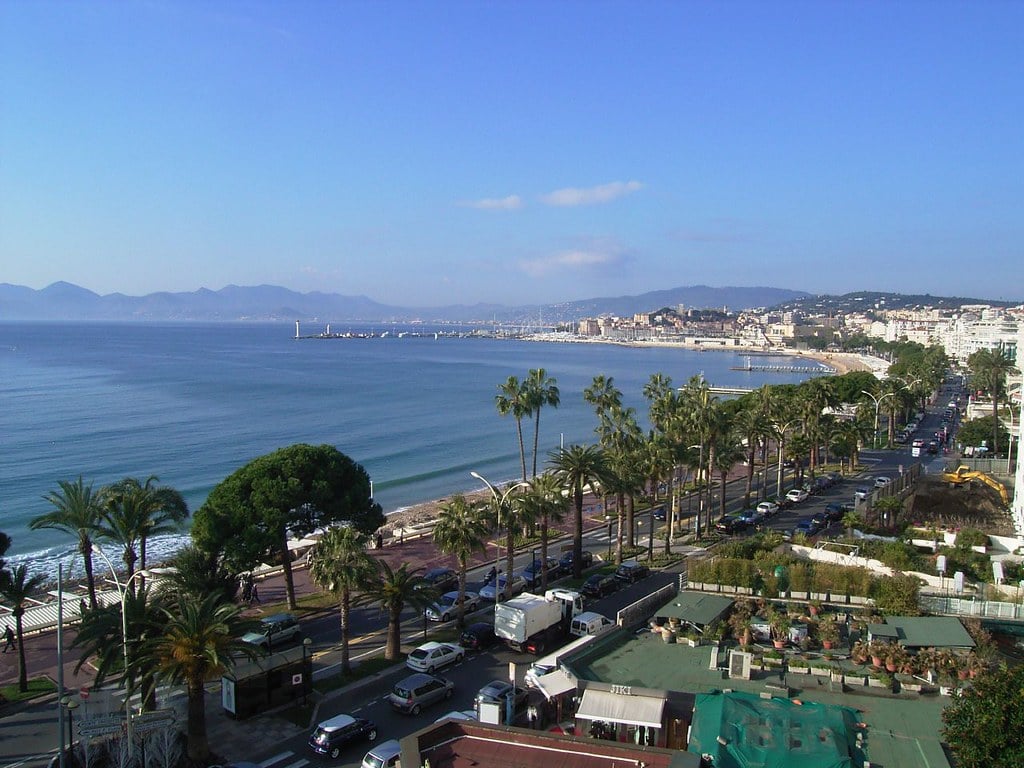
The French Riviera town had been attracting visitors since the 19th century, but Cannes found its jet-set identity in the 1950s and 1960s when it became a regular stop on the circuit of Mediterranean hot spots. The town’s famous film festival, which began in 1946, gave celebrities a reason to show up every May, but many discovered they enjoyed Cannes so much they started returning throughout the summer.
The beachfront hotels along La Croisette provided the perfect stage for seeing and being seen, while the nearby islands offered privacy for those who wanted to escape the cameras. Cannes became the place where Hollywood glamour met European sophistication, creating a unique blend that felt both accessible and utterly exclusive.
Positano

This vertical village on Italy’s Amalfi Coast clings to the cliffs like it’s defying gravity, and that dramatic setting is exactly what attracted the jet set in the 1960s. The colorful houses stacked up the hillside, the pebble beaches, and the impossibly blue water created a backdrop that felt like a movie set come to life.
John Steinbeck wrote about Positano in 1953, declaring it a ‘dream place that isn’t quite real when you are there and becomes beckoningly real after you have gone,’ and that description captured why people kept returning. The town’s verticality meant getting around required serious effort—lots of stairs and narrow paths—but that very inaccessibility helped maintain its charm by keeping away anyone not willing to work for their slice of paradise.
Punta del Este
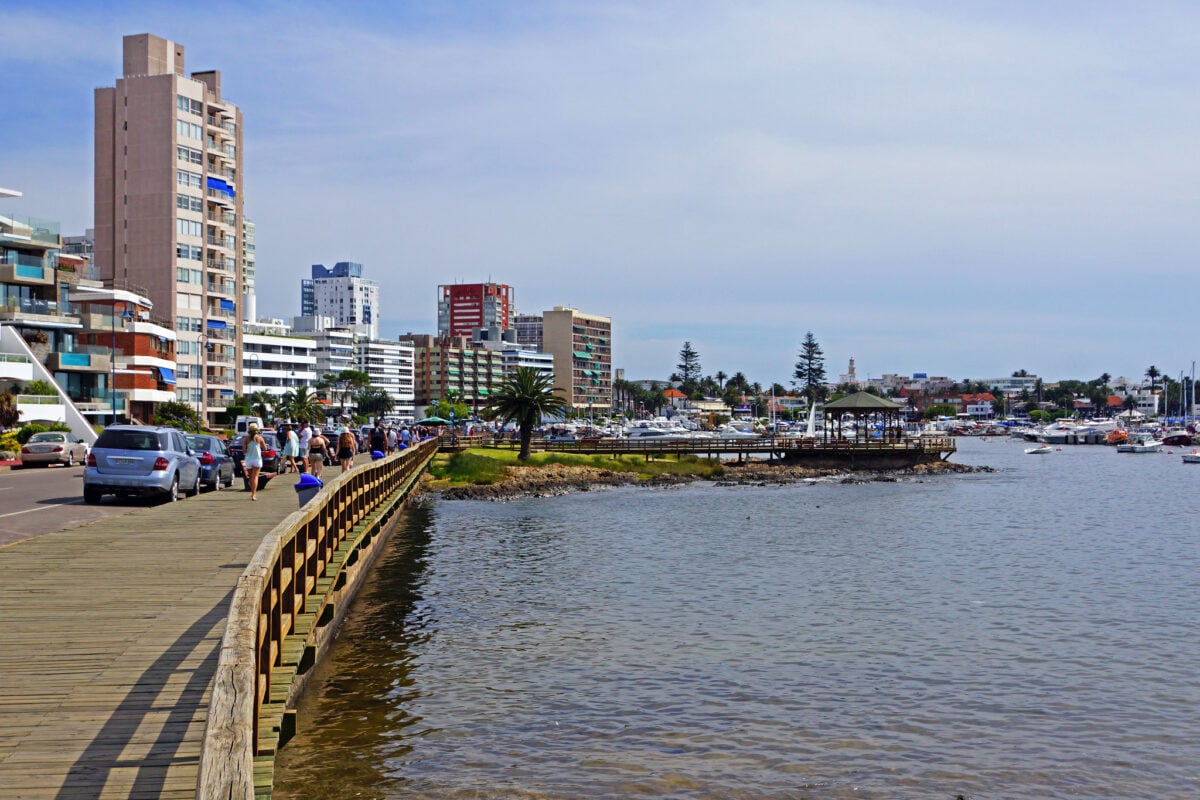
While the Northern Hemisphere had its Mediterranean playgrounds, South America’s elite created their own jet-set haven on Uruguay’s Atlantic coast. Starting in the 1930s, Punta del Este attracted wealthy Argentinians and Uruguayans who built an aristocratic culture that still shows in the way people dress in ascots and crested Navy jackets.
Every year between Christmas and New Year’s, the population swells from under 10,000 to around 400,000 as Porteños from Buenos Aires flock to the glittering beaches, waterfront restaurants, and the art scene that includes Carlos Páez-Vilaró’s stunning white Casapueblo, built in the 1960s. The marina fills with yachts, high-rollers come for the casino, and the entire scene has earned the resort nicknames like ‘The Monaco of the South’ and ‘The St. Tropez of South America.’
Monte Carlo
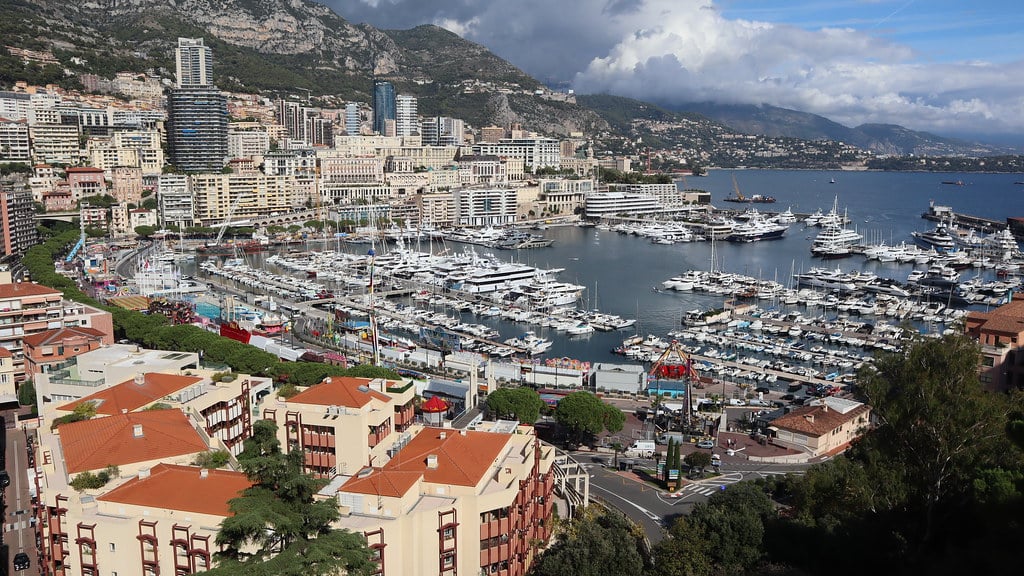
Monaco’s tiny principality had been attracting European aristocracy since the 19th century, but the jet age gave Monte Carlo a whole new kind of visitor. The famous casino remained the centerpiece, but the real appeal was the concentration of wealth and glamour packed into less than a square mile of Mediterranean coastline.
Grace Kelly’s transformation from Hollywood actress to Princess Grace in 1956 added real fairy-tale glamour to Monte Carlo’s existing mystique. The annual Grand Prix, which threads Formula 1 cars through the principality’s streets, became the must-attend event for anyone serious about the jet-set lifestyle, combining speed, danger, and champagne-soaked excess in a way that perfectly captured the era’s spirit.
Las Vegas
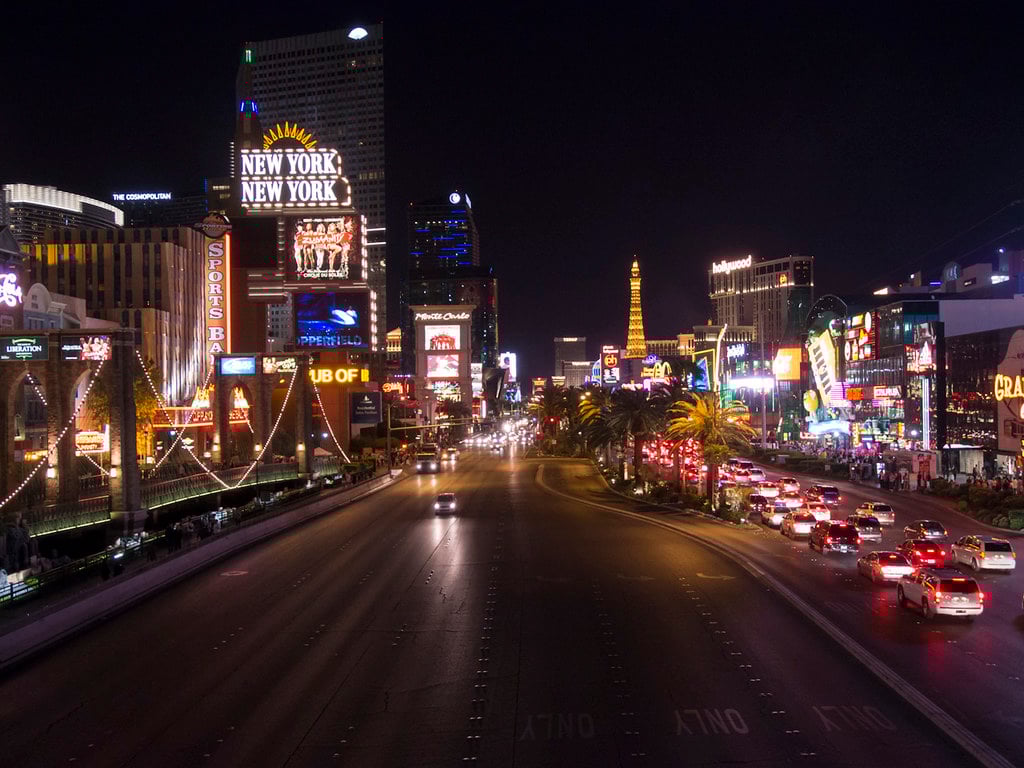
While Europe had Monte Carlo, America built Las Vegas in the Nevada desert and filled it with enough neon, showgirls, and slot machines to make the Old World look positively understated. Frank Sinatra and the Rat Pack made the Sands Hotel their headquarters in the 1960s, infusing the city with swagger and glamour that attracted the international elite.
What made Vegas different from the European resorts was its democratic excess—anyone with money could play, and the city didn’t care about your pedigree or family connections. The ease of divorce in Nevada also made Las Vegas a practical destination for the jet set, who appreciated a place where you could gamble all night, catch a show, and potentially end or start a marriage before flying home the next morning.
Where the Glamour Landed

The jet-set resorts of the 1950s through 1970s created a template that luxury destinations still follow today, though the exclusivity that defined those golden years has become harder to maintain. Many of these places have evolved beyond recognition, with Paradise Island becoming a massive casino resort and Acapulco struggling to reclaim its former glory, while others like St. Tropez and Marbella have managed to preserve their essential character despite decades of change.
The jet set itself may have dissolved into the broader category of ‘glitterati’ as air travel became accessible to everyone, but the resorts they favored remain symbols of an era when glamour required a passport, a private plane, and the right connections. What made these places legendary wasn’t just their beauty or amenities—it was the way they allowed the world’s elite to create their own reality, however temporary, in settings that felt impossibly perfect.
More from Go2Tutors!

- The Romanov Crown Jewels and Their Tragic Fate
- 13 Historical Mysteries That Science Still Can’t Solve
- Famous Hoaxes That Fooled the World for Years
- 15 Child Stars with Tragic Adult Lives
- 16 Famous Jewelry Pieces in History
Like Go2Tutors’s content? Follow us on MSN.