17 Banned Video Games That Went Viral
Video game censorship has a funny way of backfiring. The moment authorities ban a game, it often becomes the most talked-about title on the internet. Sometimes it’s the graphic violence, other times it’s controversial themes, but the result is always the same—instant notoriety and massive underground popularity.
From government crackdowns to rating board rejections, these games found themselves in the spotlight for all the wrong reasons. Here are 17 banned video games that became internet sensations precisely because they were forbidden.
Manhunt 2

F. M. da Costa/ Flickrr
Rockstar’s ultraviolent stealth game pushed boundaries so far that it earned an ‘Adults Only’ rating in the United States. The game featured brutal execution scenes that were deemed too graphic for mainstream release.
Several countries banned it outright, while others demanded heavy censorship before allowing sales.
Carmageddon
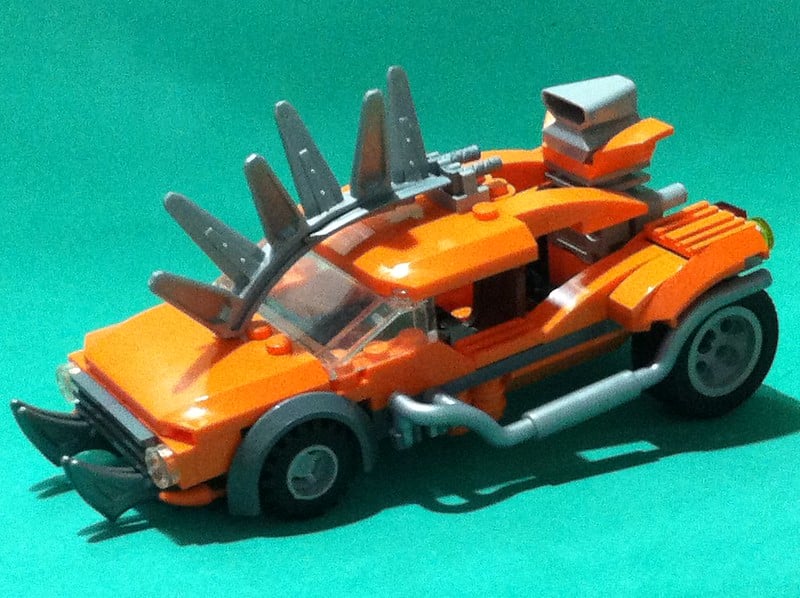
This racing game turned heads by rewarding players for running over pedestrians and causing mayhem on the streets. The British government initially banned it, forcing developers to replace humans with zombies and green blood.
The controversy only made players more curious about the original uncensored version.
Like Go2Tutors’s content? Follow us on MSN.
Postal 2

Running With Scissors created a game so deliberately offensive that it was banned in multiple countries including Germany, Australia, and New Zealand. Players could engage in extremely violent acts against civilians in everyday settings.
The bans turned it into a cult classic among gamers seeking forbidden content.
RapeLay

This Japanese game sparked international outrage when its content became widely known online. Several countries banned its import and sale, while online retailers removed it from their platforms.
The global controversy brought unwanted attention to Japan’s adult gaming industry.
The Guy Game
Featuring real footage of young women at spring break events, this game was pulled from shelves when it was discovered that one participant was underage. The legal issues and ban made it a notorious piece of gaming history.
Copies became rare collector’s items due to the controversy.
Like Go2Tutors’s content? Follow us on MSN.
Bully
Despite its name, Rockstar’s school-based game faced bans and restrictions in several countries over concerns about school violence. Critics worried it would glorify bullying and aggressive behavior among students.
The controversy generated massive media attention and boosted sales where it wasn’t banned.
Call of Duty: Modern Warfare 2

The ‘No Russian’ airport level caused several countries to ban or heavily censor the game. Players were placed in a terrorist scenario that many found too realistic and disturbing.
The level became one of the most discussed gaming moments in history.
Mortal Kombat

The original fighting game sparked the creation of the ESRB rating system due to its graphic ‘Fatalities.’ Several countries banned it for excessive violence, while others required significant censorship.
The controversy helped establish it as one of gaming’s most recognizable franchises.
Like Go2Tutors’s content? Follow us on MSN.
Grand Theft Auto Series

Multiple entries in this series have faced bans worldwide for their depiction of crime, violence, and mature themes. Countries like Australia and Germany have repeatedly restricted or banned various GTA titles.
Each ban only increased public interest and underground circulation.
Thrill Kill

This fighting game was completed but never officially released after Sony deemed it too violent for their platform. The cancellation made it legendary among collectors who sought out leaked copies.
Its reputation as the ‘game too violent to release’ made it incredibly sought after.
Soldier of Fortune

The realistic damage system and graphic violence led to bans in several countries including Germany and Australia. Players could cause detailed injuries to enemies using various weapons.
The medical accuracy of the violence made it particularly controversial.
Like Go2Tutors’s content? Follow us on MSN.
Counter-Strike
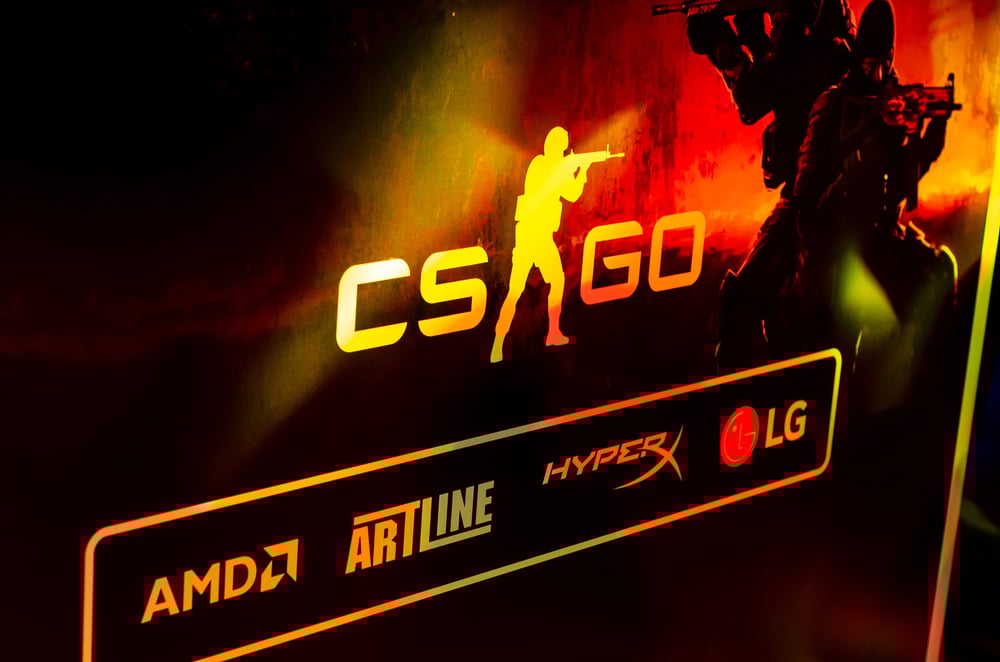
Several Middle Eastern countries banned this tactical shooter over concerns about its terrorist themes. The realistic weapon mechanics and team-based gameplay worried authorities about potential real-world applications.
The bans only increased its popularity in gaming communities.
Dead Rising

Capcom’s zombie survival game faced restrictions in Germany and other countries due to its graphic violence against human-like enemies. The game’s shopping mall setting and creative weapon usage made the violence feel more realistic.
Censored versions often removed the most controversial elements.
Fahrenheit (Indigo Prophecy)

This interactive drama faced censorship for its mature themes and intimate scenes between characters. Several countries edited or banned portions of the game before allowing release.
The controversy brought attention to the game’s innovative storytelling approach.
Like Go2Tutors’s content? Follow us on MSN.
Spec Ops: The Line
This military shooter’s dark commentary on war and its psychological effects led to bans in several countries. The game deliberately challenged players’ expectations about heroic warfare narratives.
Its controversial message made it a critical darling despite commercial struggles.
Hatred
This isometric shooter centered entirely around mass violence against civilians sparked immediate controversy before its release. Multiple digital platforms initially refused to sell it, while several countries banned it outright.
The extreme negative reaction paradoxically increased public awareness and demand.
Night Trap

This full-motion video game became a focal point of congressional hearings about video game violence in the 1990s. Several retailers pulled it from shelves amid the controversy, despite its relatively mild content by today’s standards.
The political attention transformed it into a cultural phenomenon.
Like Go2Tutors’s content? Follow us on MSN.
The Ripple Effect Continues
These controversial games demonstrate how censorship often amplifies rather than diminishes public interest. What starts as a regulatory decision frequently becomes a cultural talking point that spreads across social media and gaming communities.
The forbidden nature of these titles created a mystique that traditional marketing could never achieve, proving that sometimes the best way to make something popular is to try banning it first.
Today’s digital distribution makes complete censorship nearly impossible, but the pattern remains the same—controversy drives curiosity, and curiosity drives demand.
More from Go2Tutors!

- 16 Historical Figures Who Were Nothing Like You Think
- 12 Things Sold in the 80s That Are Now Illegal
- 15 VHS Tapes That Could Be Worth Thousands
- 17 Historical “What Ifs” That Would Have Changed Everything
- 18 TV Shows That Vanished Without a Finale
Like Go2Tutors’s content? Follow us on MSN.



