17 Sporting Events That Sparked National Debates
Sports have always been more than just games—they’re mirrors reflecting society’s values, tensions, and aspirations. Throughout history, certain athletic moments have transcended the playing field to become catalysts for nationwide conversations about race, politics, fairness, and identity. These events remind us that when athletes step into the spotlight, they often carry the weight of issues far greater than any championship.
From Olympic protests to championship controversies, these moments forced entire nations to confront uncomfortable truths and examine deeply held beliefs. Here is a list of 17 sporting events that sparked national debates and changed the conversation forever.
1968 Olympics Black Power Salute

Tommie Smith and John Carlos raised their fists during the medal ceremony in Mexico City, transforming a moment of athletic triumph into a powerful statement about racial inequality in America. The image of their silent protest became one of the most iconic photographs in sports history—dividing the nation between those who saw it as patriotic courage and those who viewed it as unpatriotic defiance. Their demonstration cost both athletes their careers, yet it sparked a national conversation about civil rights that continues today.
Jackie Robinson Breaking the Color Barrier

Robinson’s debut with the Brooklyn Dodgers in 1947 wasn’t just about baseball; it was about challenging the entire foundation of American segregation. His presence on the field forced the nation to confront the absurdity of racial separation in sports and society. The debates raged in newspapers, barbershops, and family dinner tables across America—with some celebrating progress while others fiercely defended the old order.
Colin Kaepernick’s Kneeling Protest
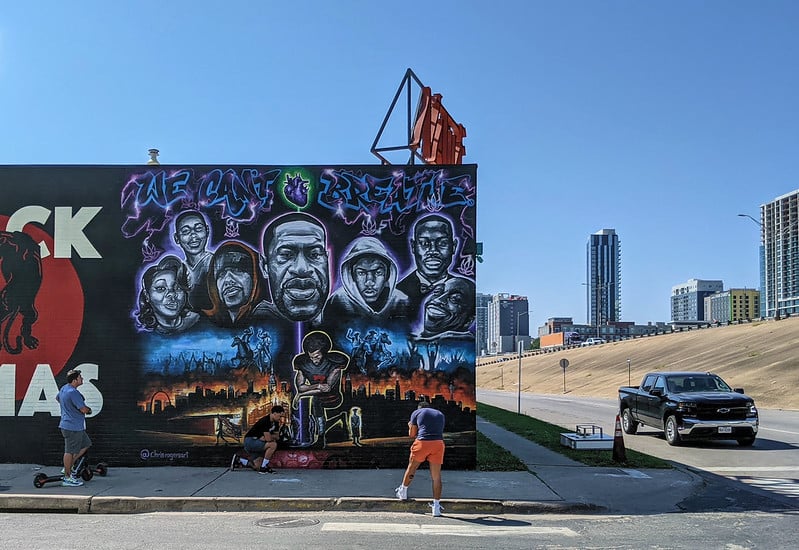
When Kaepernick first took a knee during the national anthem in 2016, he ignited a firestorm that reached from NFL stadiums to the White House. The gesture divided Americans along political and racial lines, with heated debates about patriotism, police brutality, and the role of athletes in social activism. His protest ultimately cost him his career—though it inspired a movement that spread across professional sports and into everyday American life.
Muhammad Ali’s Vietnam War Stance
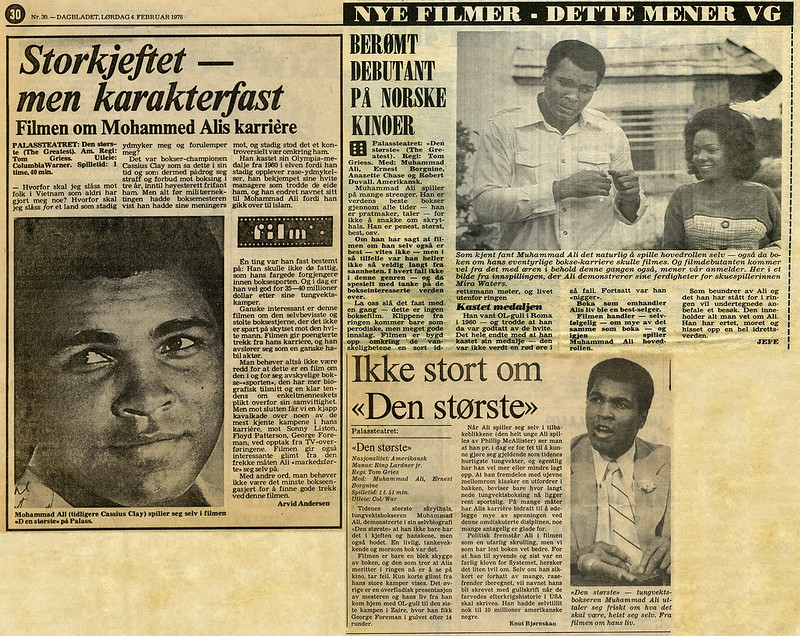
Ali’s refusal to be drafted for the Vietnam War in 1967 created a national crisis that extended far beyond boxing. His famous declaration that he had ‘no quarrel with the Vietcong’ made him a hero to antiwar activists, while simultaneously making him a villain to supporters of the conflict. The debate over his stance reflected America’s own internal struggle with the war—forcing citizens to choose between supporting their government and respecting individual conscience.
Billie Jean King vs. Bobby Riggs

The 1973 ‘Battle of the Sexes’ tennis match attracted 90 million viewers and sparked nationwide discussions about gender equality and women’s capabilities. Riggs had claimed that men were naturally superior athletes, while King represented the growing women’s liberation movement. Her decisive victory became a symbol of female empowerment—helping fuel the fight for equal rights in sports and society.
Jesse Owens at the 1936 Berlin Olympics

Owens’ four gold medals in Hitler’s Germany created an international incident that reverberated through American society. His success directly challenged Nazi theories of racial superiority, though it also highlighted the hypocrisy of celebrating Black athletic achievement abroad while maintaining segregation at home. The contradiction forced Americans to examine their own prejudices—and the disconnect between their ideals and reality.
1980 U.S. Olympic Hockey Team
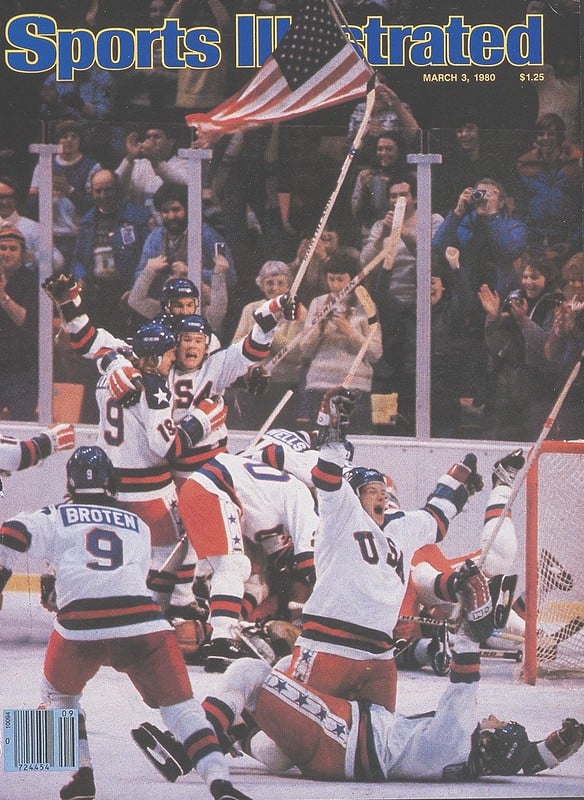
The ‘Miracle on Ice’ victory over the Soviet Union became more than a hockey game; it was a Cold War battleground played out on ice. The match occurred during a period of heightened tensions between the superpowers—and the young American team’s victory was seen as a symbolic triumph of democracy over communism. The game unified Americans during a difficult period, sparking debates about national identity and American exceptionalism.
1919 World Series Black Sox Scandal

The revelation that eight Chicago White Sox players had conspired to lose the World Series shattered America’s faith in professional sports. The scandal sparked nationwide debates about corruption, gambling, and the integrity of athletic competition. It forced the nation to confront the reality that their beloved games could be manipulated by outside forces—leading to major reforms in professional sports governance.
1994 FIFA World Cup Final
When Brazil lost to Italy in a penalty shootout, the defeat sparked a national crisis that led to soul-searching about Brazilian identity and the role of soccer in the country’s culture. The loss was seen as a reflection of broader national failures—triggering debates about coaching, player development, and the pressure placed on athletes to carry national hopes. The aftermath showed how deeply sports results can penetrate a nation’s psyche.
2005 French Open Tennis Controversy

When several top players withdrew from the tournament citing health concerns, it sparked a heated debate about the physical demands of professional tennis and athlete welfare. The controversy divided the tennis world between those who supported player safety and those who accused the athletes of lacking commitment—the debate extending beyond sports to broader discussions about workplace conditions and employee rights.
2012 London Olympics Opening Ceremony

The ceremony’s celebration of Britain’s National Health Service and multicultural history sparked intense political debates about national identity and values. Conservative critics argued the display was too political, whereas supporters praised it as an honest portrayal of modern Britain. The controversy reflected deeper divisions in British society about immigration, social services, and what it means to be British in the 21st century.
2016 Rio Olympics Doping Scandal
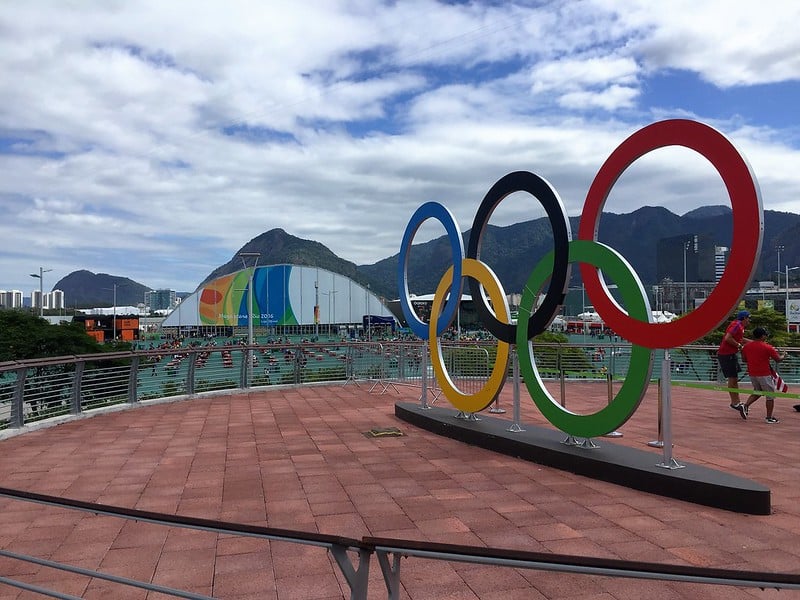
The revelation of systematic doping by Russian athletes led to their partial ban from the Games and sparked global debates about fairness in international competition. The scandal raised questions about the effectiveness of anti-doping measures, along with whether entire nations should be punished for government-sponsored cheating. The controversy highlighted the intersection of sports, politics, and national pride in the modern Olympic movement.
2018 World Cup Final Controversy

The use of Video Assistant Referee technology during France’s victory over Croatia sparked widespread debate about the role of technology in sports officiating. Fans and pundits argued about whether the technology enhanced fairness or removed the human element that made sports compelling. The controversy reflected broader societal tensions about automation and the changing nature of traditional institutions.
2020 NBA Bubble Playoffs

The league’s decision to continue playing while displaying social justice messages during nationwide protests created intense political debates. Some fans supported the players’ activism, though others argued that sports should remain separate from politics. The controversy highlighted the impossibility of keeping athletics separate from social issues, sparking discussions about the responsibilities of athletes and leagues.
2021 Tokyo Olympics Transgender Participation

The inclusion of transgender athletes in various competitions sparked global debates about fairness, inclusion, and the future of women’s sports. The discussions revealed deep divisions in public opinion about gender identity and competitive equity. The controversy forced societies worldwide to grapple with evolving concepts of gender while trying to maintain fair competition.
2022 Qatar World Cup Human Rights Concerns

The tournament’s location in Qatar sparked international debates about sports washing and the ethics of hosting major events in countries with poor human rights records. Critics argued that FIFA prioritized profits over principles, whereas supporters claimed sports could be a force for positive change. The controversy reflected broader questions about the relationship between sports, politics, and moral responsibility.
2023 Tennis Anti-Doping Violations

High-profile doping cases in professional tennis reignited debates about the prevalence of performance-enhancing drugs in individual sports. The revelations sparked discussions about testing procedures, punishment consistency, and the pressure on athletes to compete at superhuman levels. The controversy highlighted ongoing questions about the integrity of professional sports and the lengths athletes will go to achieve success.
The Arena of Ideas

These sporting moments prove that athletic fields often become battlegrounds for the most important debates of their time. Each controversy forced societies to examine their values, confront their prejudices, and decide what kind of future they wanted to build. The next time you watch a major sporting event, remember that you’re not just witnessing athletic competition; you’re observing a potential flashpoint for the social and political issues that define our era. Sports will always be more than games because the people who play them carry the hopes, fears, and dreams of entire nations on their shoulders.
More from Go2Tutors!

- The Romanov Crown Jewels and Their Tragic Fate
- 13 Historical Mysteries That Science Still Can’t Solve
- Famous Hoaxes That Fooled the World for Years
- 15 Child Stars with Tragic Adult Lives
- 16 Famous Jewelry Pieces in History
Like Go2Tutors’s content? Follow us on MSN.



