20 Most Popular Cars of the 50s–70s
Starting in the 1950s and stretching through the late ’70s, automobiles took on new meaning. Not merely tools for travel, they began to speak of who people were, what they wanted, how times were changing.
While American models flashed bold chrome, small European cars offered simplicity, yet Japan quietly introduced practical machines that hinted at the future. Design shifted fast, then faster – each year brought shapes never seen before, engines tuned differently, ideas tested without hesitation.
A handful of vehicles stood out – not by accident, but through raw presence. Some roared into view with unmatched force.
Others slipped quietly into legend over time. Each found its place without trying too hard.
Power played a role, yet so did design choices few expected. Roads changed because of them.
Drivers adapted, shifted habits, passed stories down. These twenty models didn’t just move people – they shaped how we see motion.
Their mark lingers long after production ended.
Ford Model 1950 Custom Deluxe
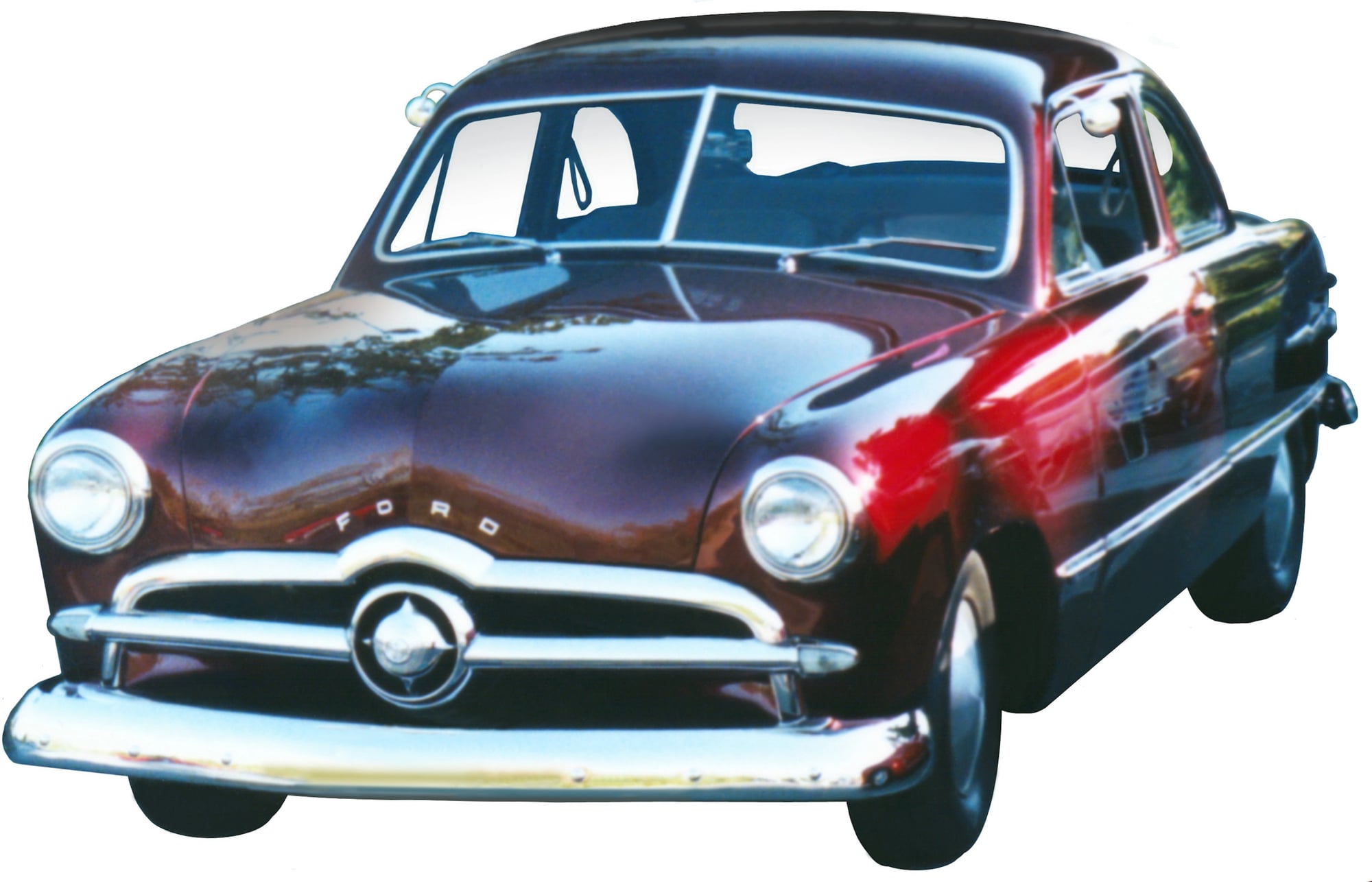
In the early 1950s, Ford’s Custom Deluxe represented a fresh start for a brand coming out of the war years. Its clean lines and more modern styling made it stand out from pre-war carryovers still lingering on the roads.
It offered affordability without feeling stripped down, which helped it appeal to a wide audience. More importantly, it marked the beginning of a shift toward sleeker, more streamlined American cars.
Families gravitated toward it because it felt dependable yet forward-looking, a combination that defined much of the decade’s automotive appeal.
Chevrolet Bel Air
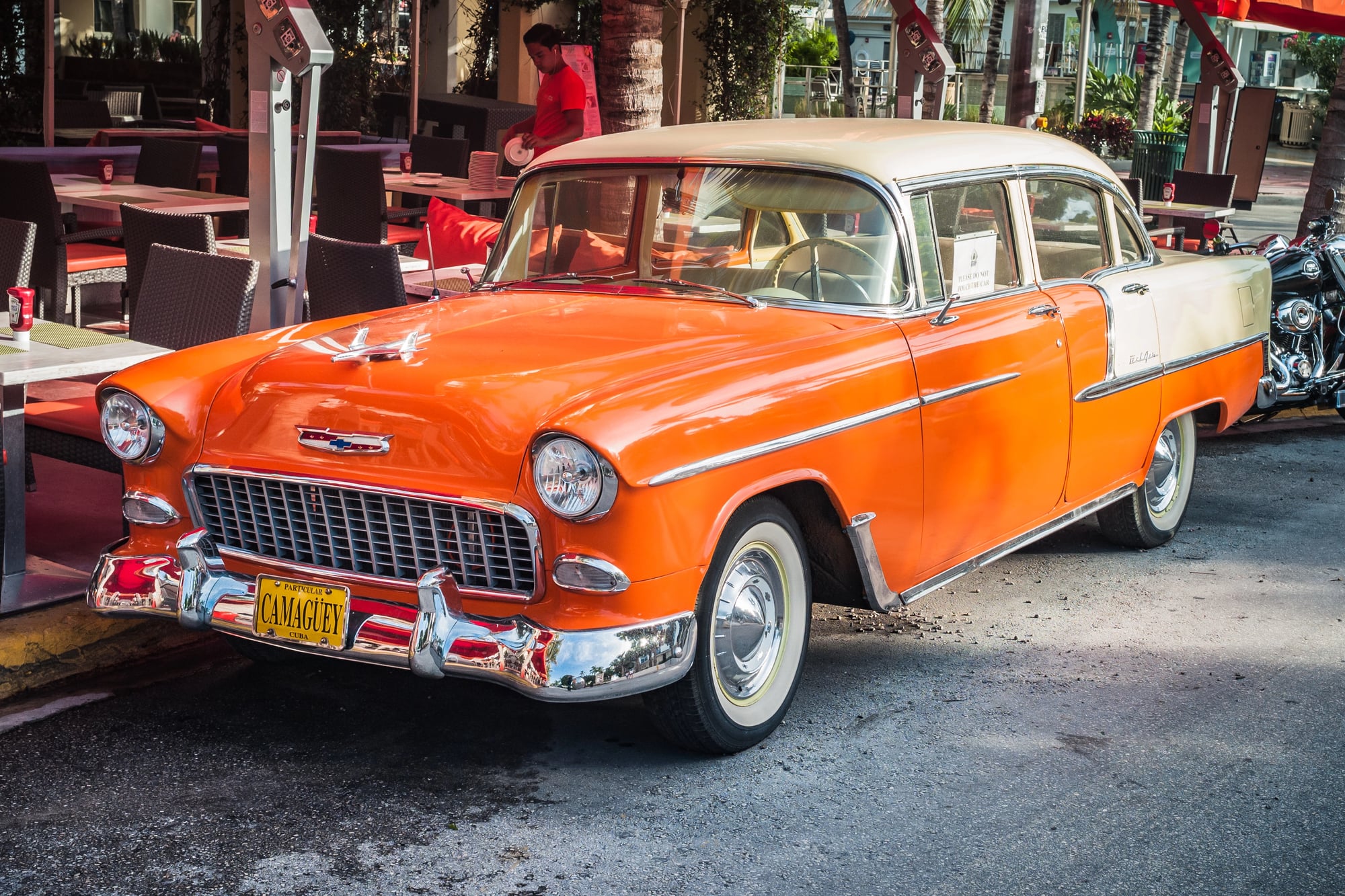
Few cars capture the spirit of the 1950s quite like the Chevrolet Bel Air. With its signature tailfins, chrome accents, and bold color combinations, it quickly became a symbol of post-war optimism.
It wasn’t just about looks, though — it was also relatively affordable, which helped it achieve strong sales. The Bel Air balanced style and practicality in a way that resonated with everyday drivers.
Even today, it remains one of the most recognizable classic cars, often representing the entire decade in a single silhouette.
Volkswagen Beetle
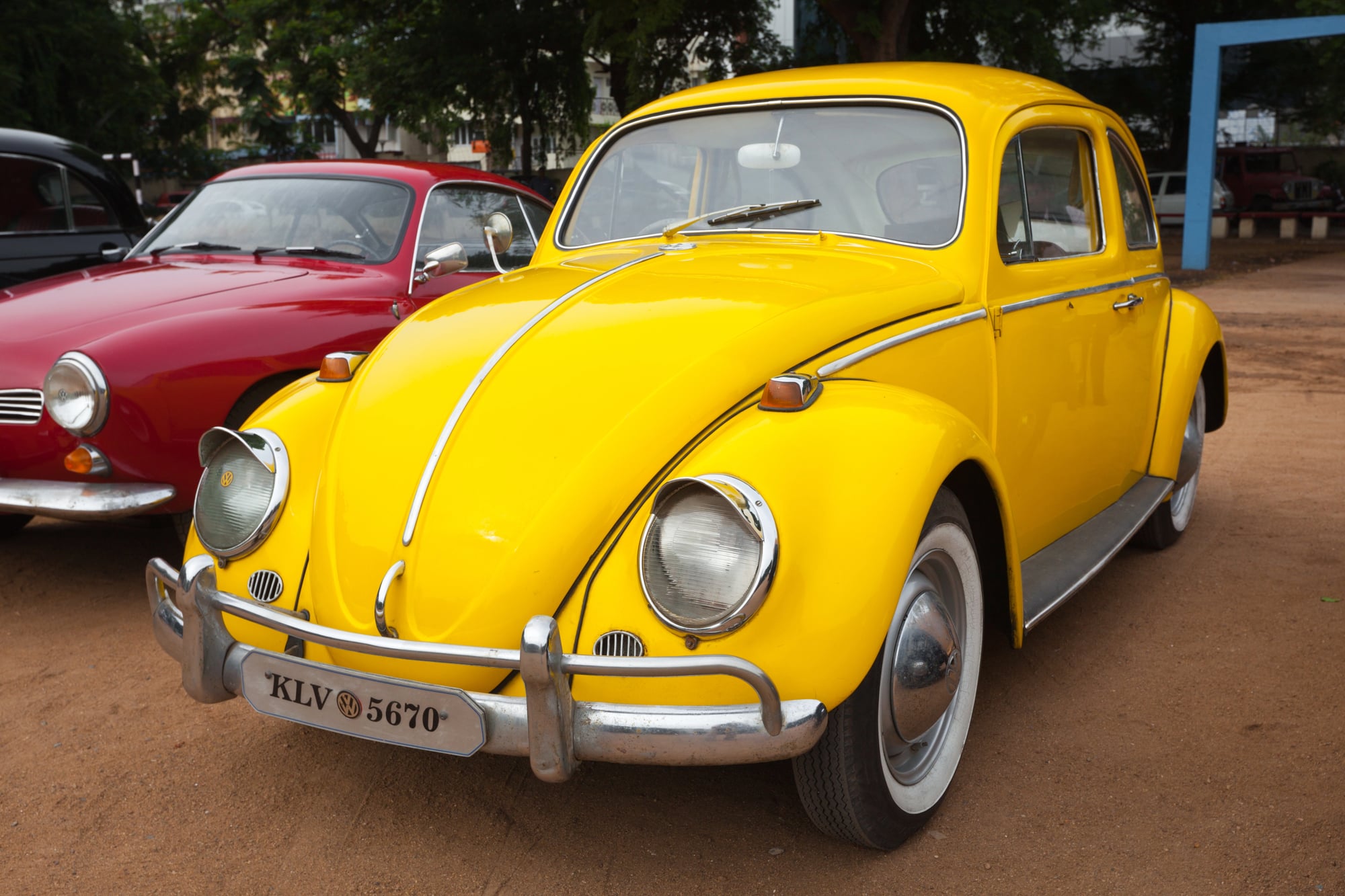
The Volkswagen Beetle offered something entirely different at a time when bigger often meant better. Its compact shape, rounded design, and simple engineering made it approachable and easy to maintain.
While American cars leaned toward excess, the Beetle embraced minimalism. Its popularity grew steadily, especially among younger drivers and those looking for reliability over flash.
Over time, it became a global icon, proving that personality and practicality could coexist without compromise.
Cadillac Eldorado
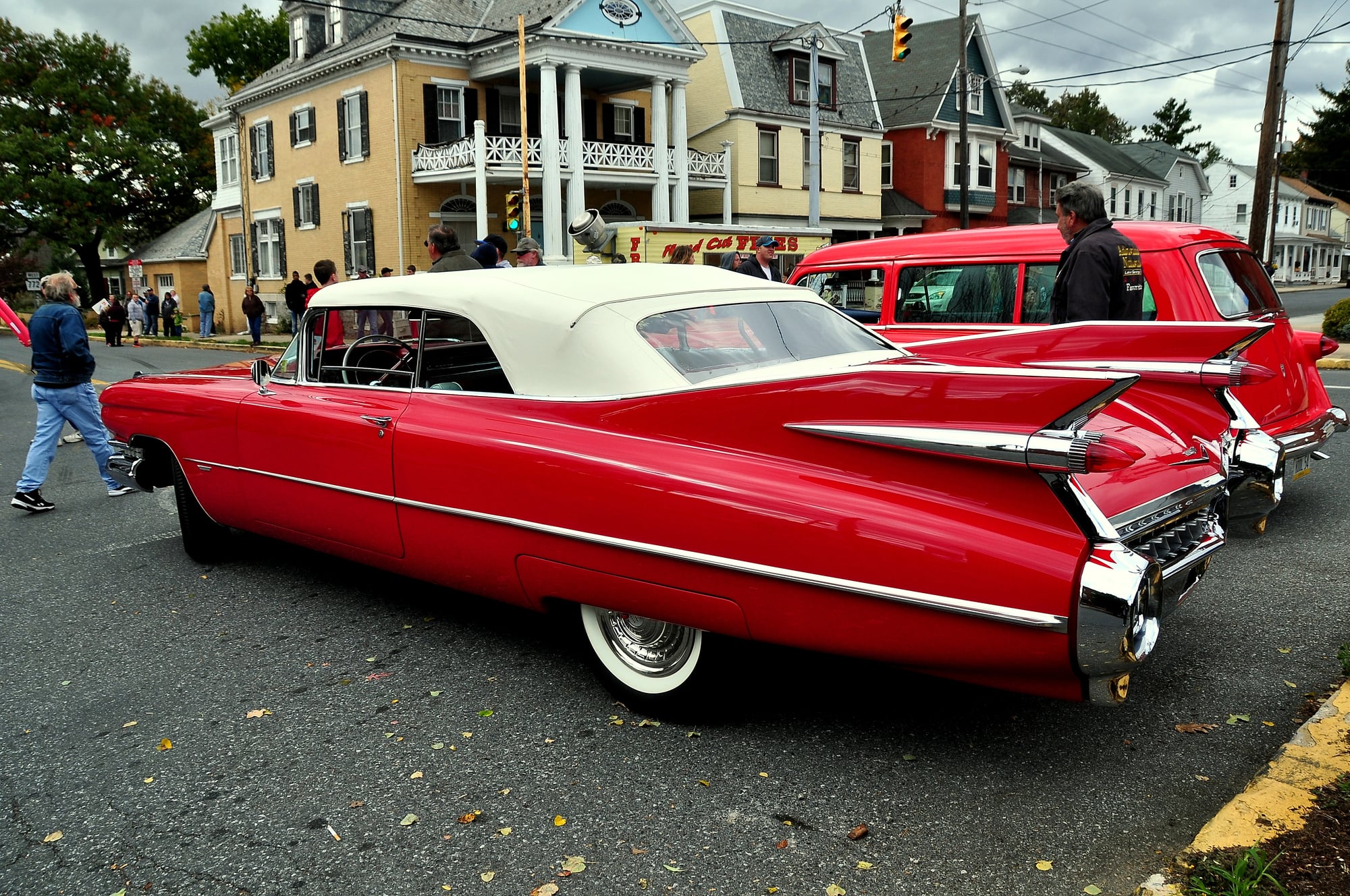
The Cadillac Eldorado stood at the opposite end of the spectrum from the Beetle. It was large, bold, and unmistakably luxurious, designed for those who wanted to make a statement.
With its dramatic fins and expansive body, it embodied the height of 1950s American extravagance. Owning an Eldorado was about more than transportation — it signaled success.
It captured the era’s fascination with space-age design and set the tone for what luxury looked like at the time.
Ford Thunderbird
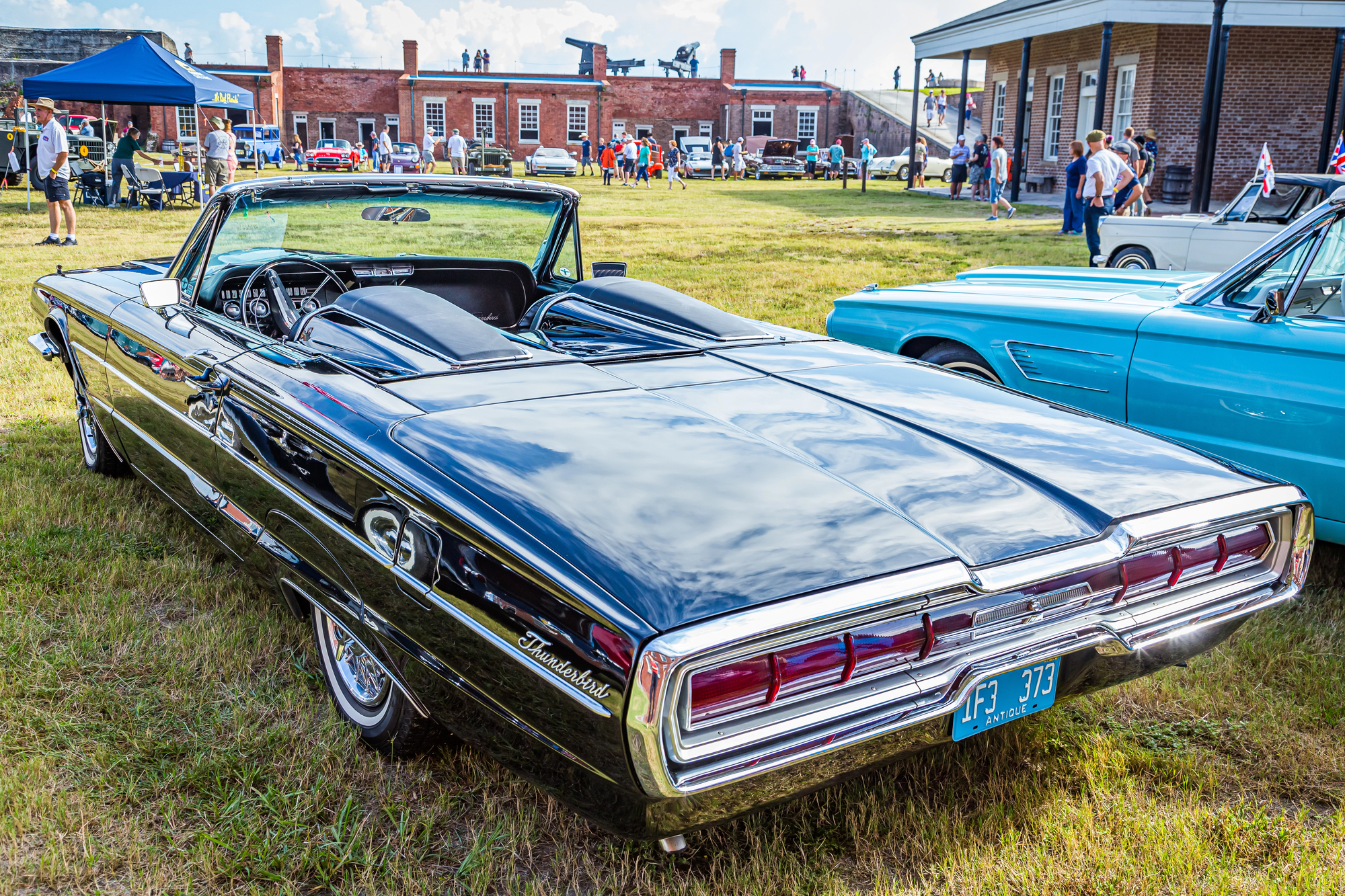
Introduced as a response to the growing interest in sporty cars, the Ford Thunderbird carved out a unique space in the market. It wasn’t a pure sports car, but it offered a blend of performance and comfort that appealed to a broad audience.
Its sleek design and personal luxury feel helped it stand out. Over time, the Thunderbird evolved, but its early models remain especially admired for striking that balance between everyday usability and a sense of occasion.
Chevrolet Corvette (C1)
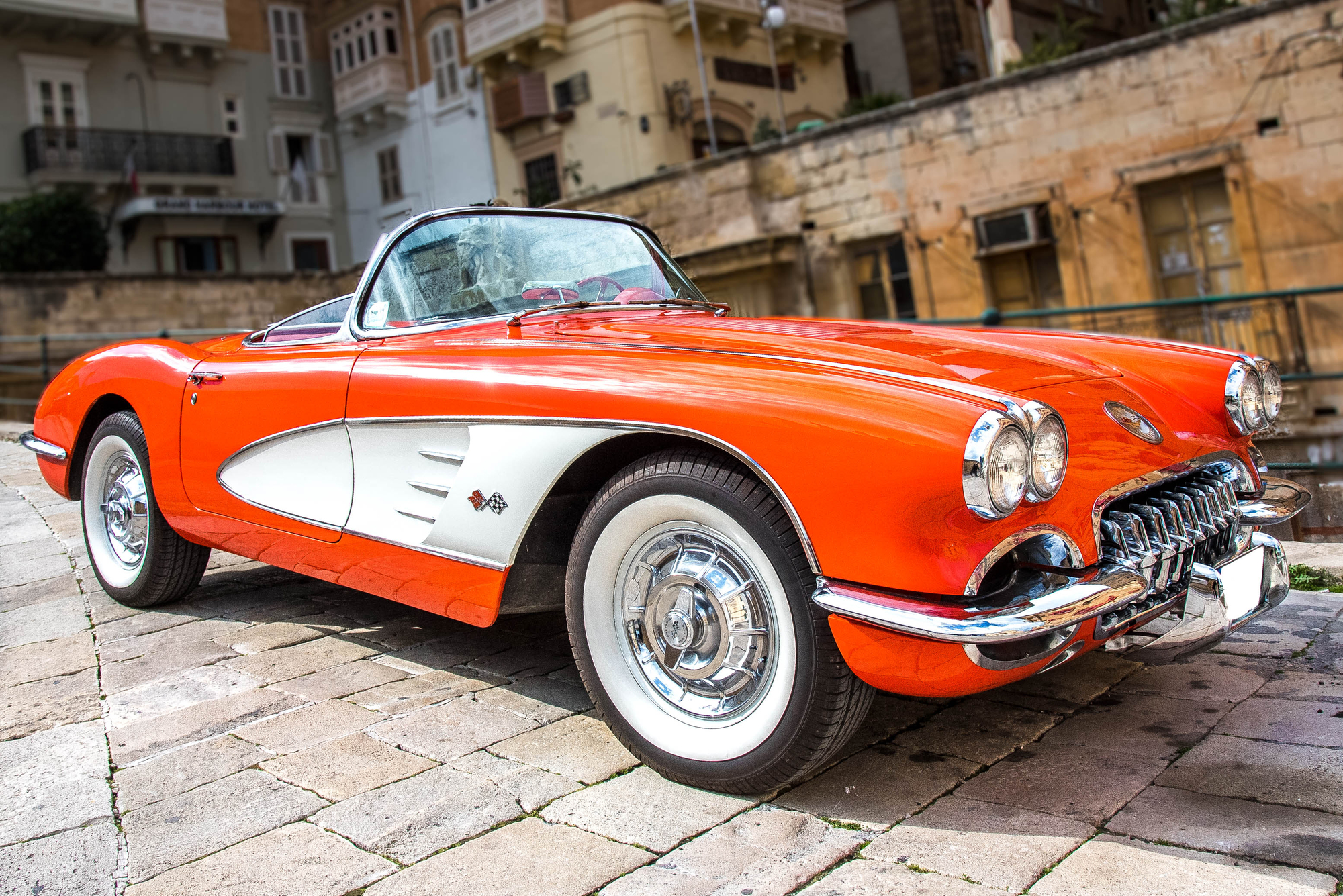
The first-generation Chevrolet Corvette marked America’s serious entry into the sports car world. With its fiberglass body and low-slung profile, it looked unlike anything else on American roads at the time.
Early versions were more about style than performance, but that quickly changed. As improvements were made, the Corvette gained credibility and popularity.
It became a symbol of American engineering ambition, setting the stage for decades of performance-focused models to follow.
Plymouth Fury
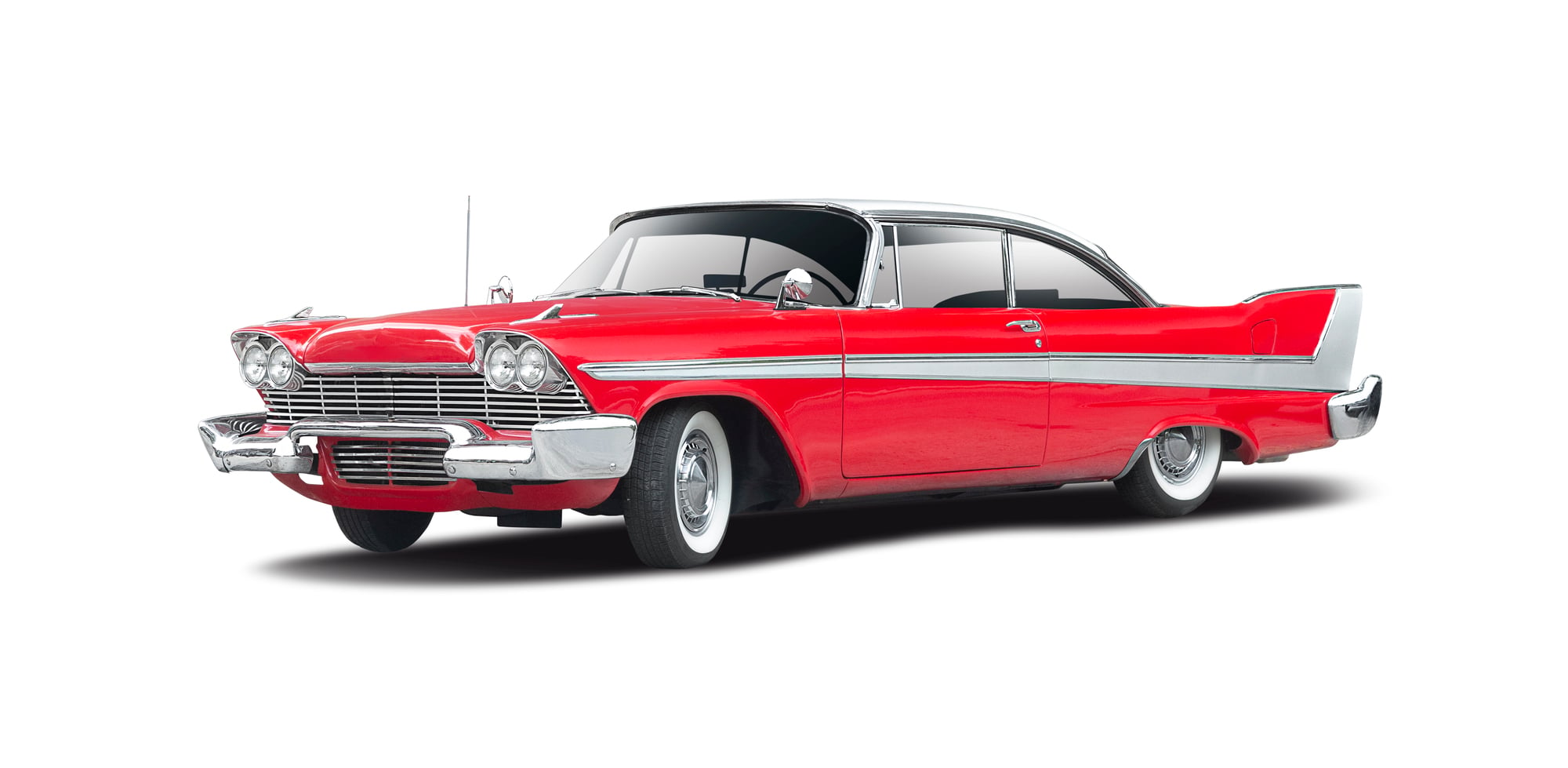
The Plymouth Fury gained widespread attention thanks to its bold styling and strong presence on the road. Its dramatic fins and wide stance made it instantly recognizable, especially in the late 1950s.
It wasn’t just about looks — it offered solid performance and comfort, which made it appealing to families as well. The Fury showed how design and practicality could work together without sacrificing personality.
Mini Cooper
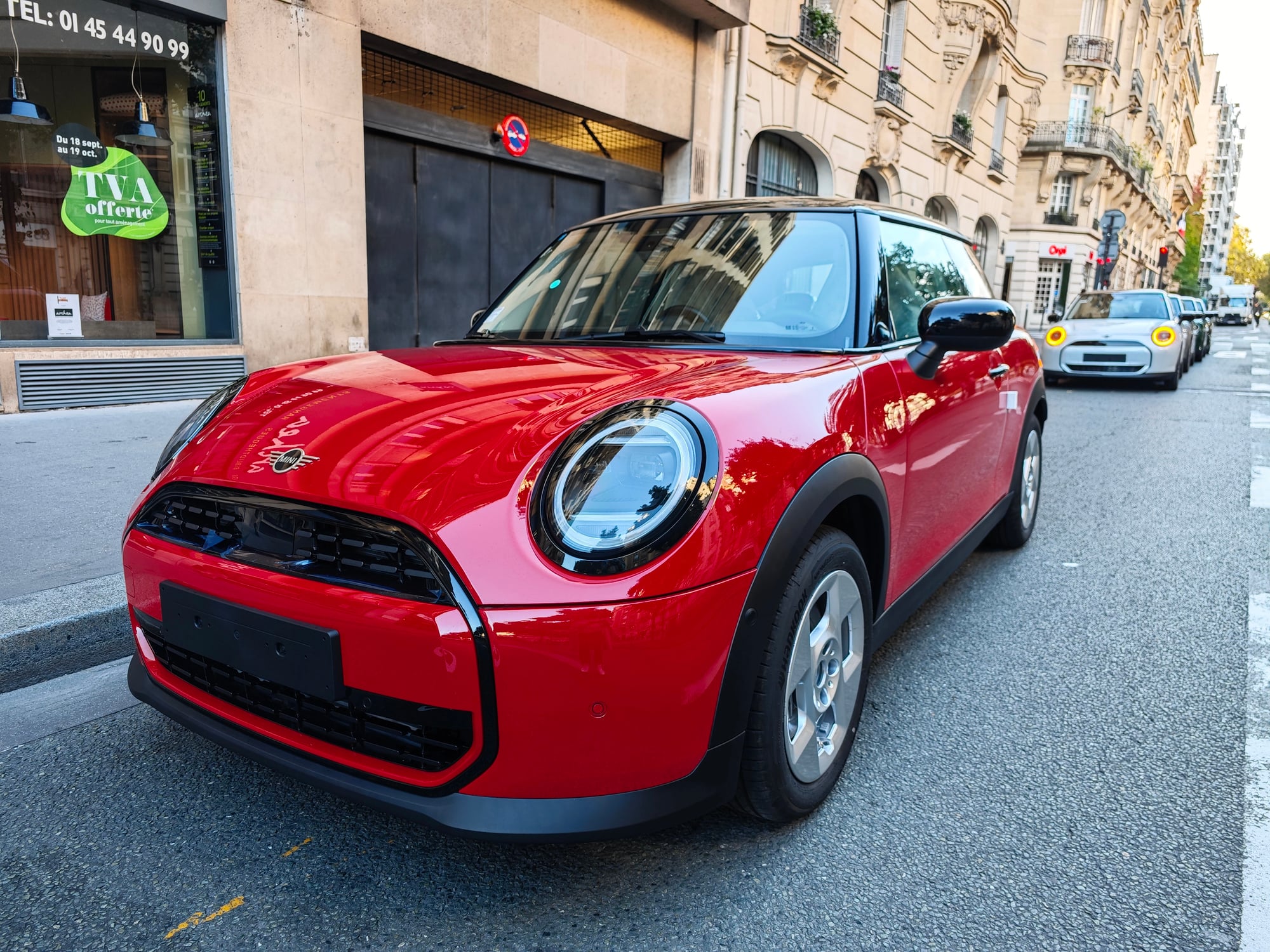
The Mini Cooper redefined what a small car could be. Designed with efficiency in mind, it made clever use of space, allowing it to feel surprisingly roomy despite its compact size.
It quickly became popular in urban environments where maneuverability mattered. Its charm and driving dynamics helped it stand out, and its success in motorsport added to its reputation.
The Mini proved that smaller cars could still deliver a memorable driving experience.
Ford Mustang
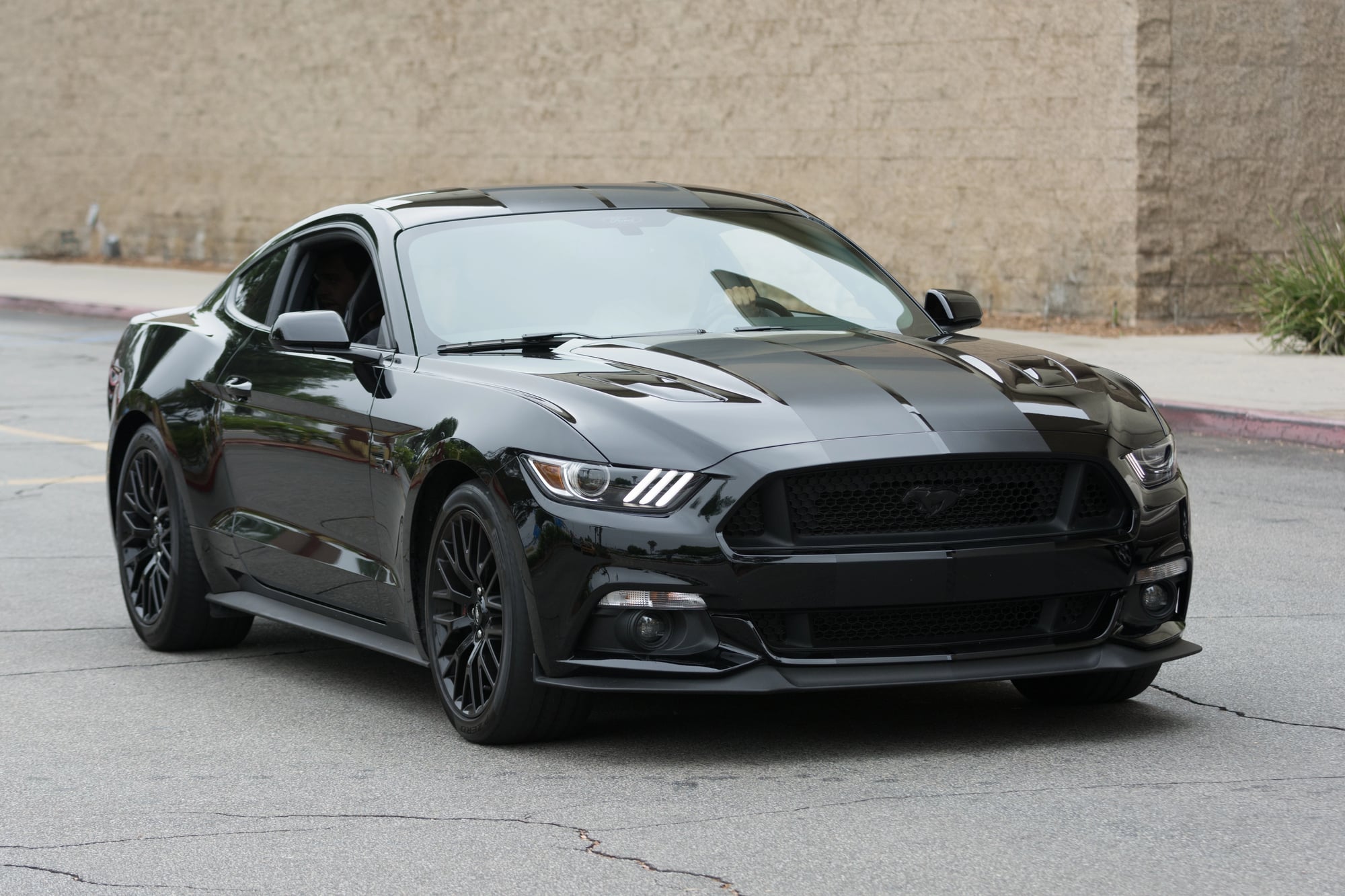
When the Ford Mustang arrived in the mid-1960s, it created an entirely new category of car. Affordable, stylish, and customizable, it appealed especially to younger buyers who wanted something more exciting than a standard sedan.
The Mustang’s success was immediate and overwhelming. It captured the spirit of freedom and individuality, becoming one of the most influential cars ever produced.
Chevrolet Camaro
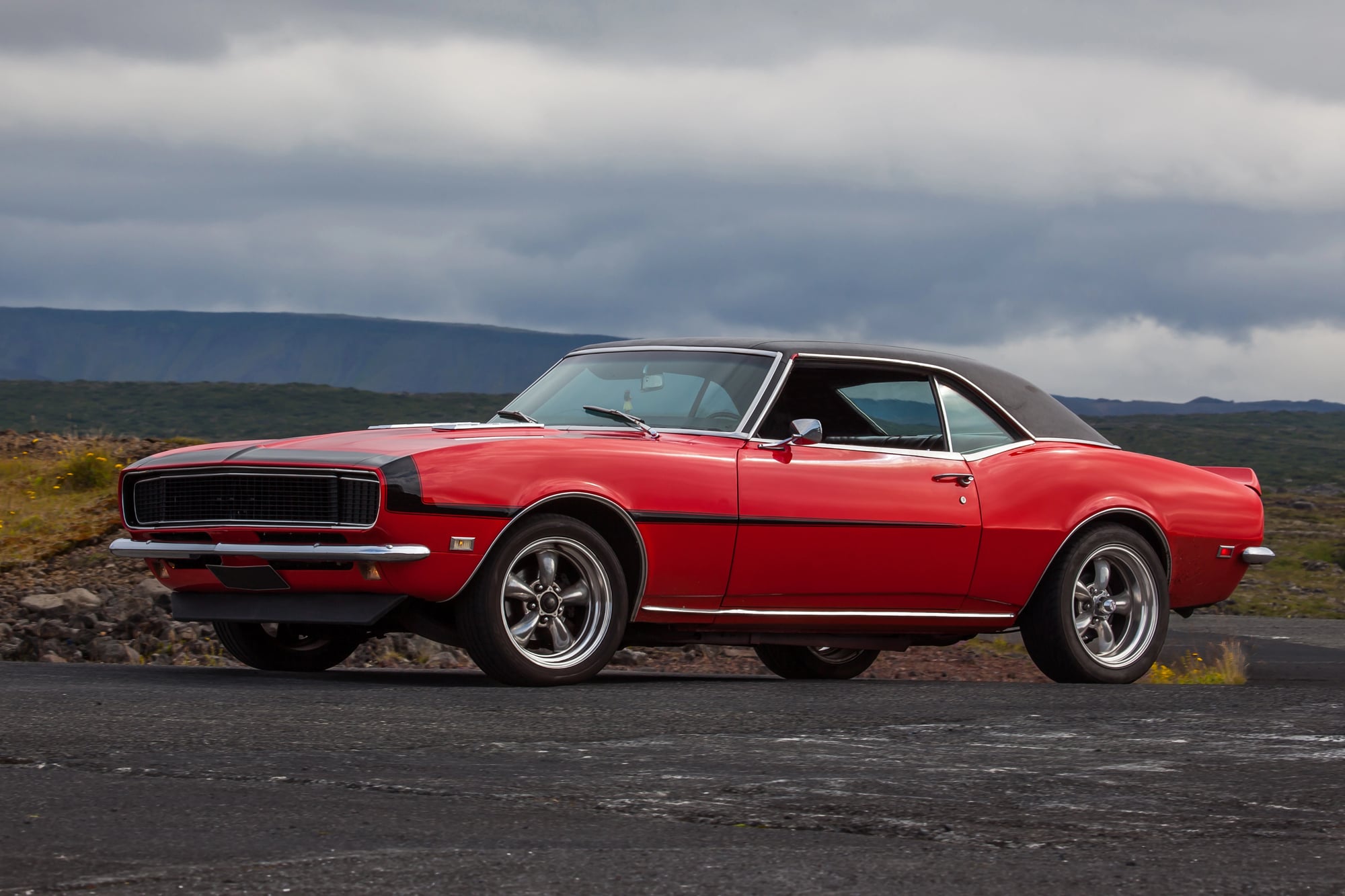
The Chevrolet Camaro entered the scene as a direct competitor to the Mustang, and it quickly established its own identity. With a slightly more aggressive design and strong performance options, it appealed to those looking for something bold.
It became a central figure in the muscle car movement, representing power and attitude. The rivalry between Camaro and Mustang helped define an entire era of automotive culture.
Dodge Charger
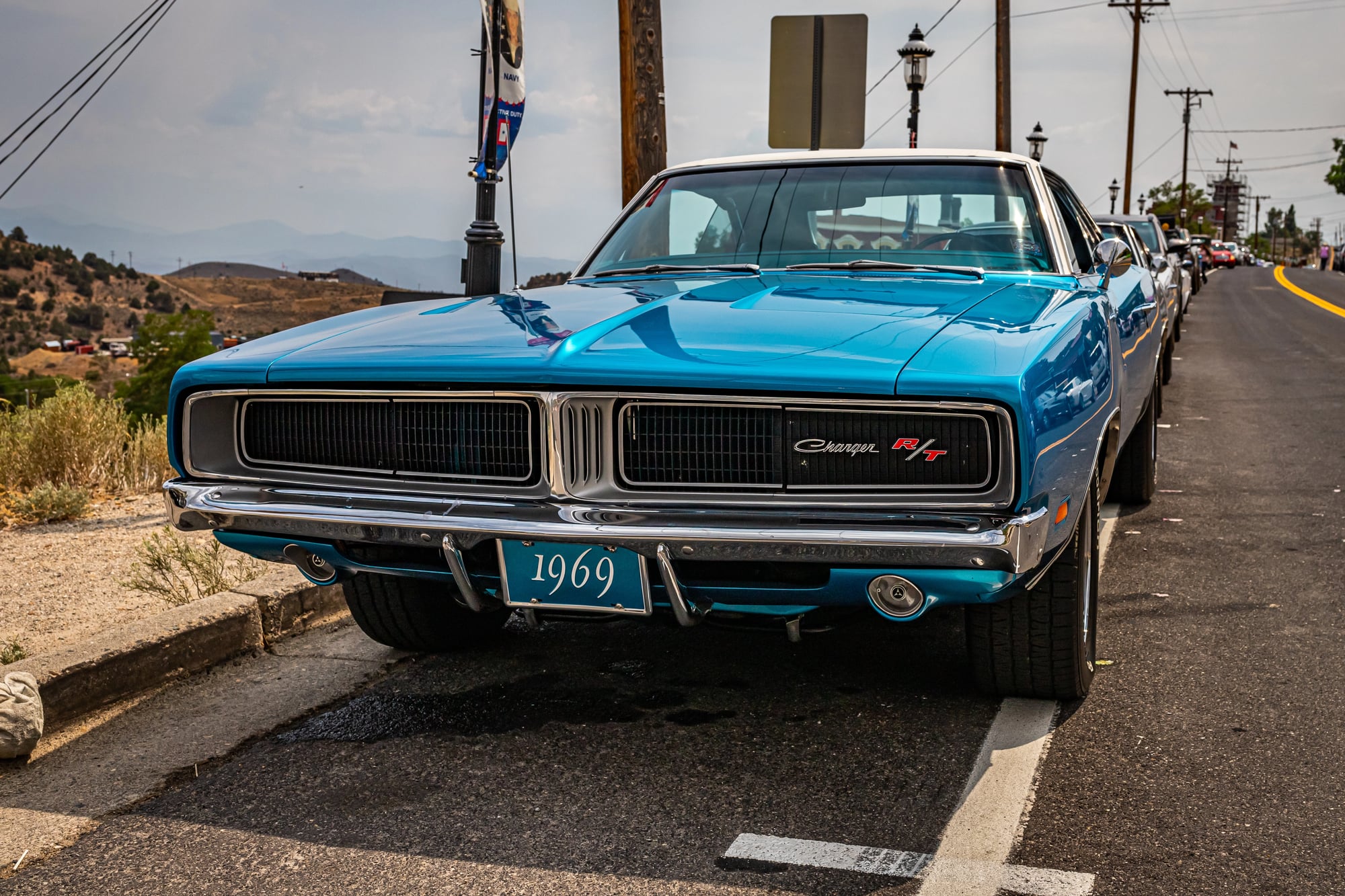
The Dodge Charger took the muscle car formula and added a sense of drama. Its fastback design and powerful engine options gave it a distinctive presence that set it apart from competitors.
It gained further popularity through appearances in film and television, cementing its status as a cultural icon. The Charger combined performance with a design that felt both sleek and imposing.
Pontiac GTO
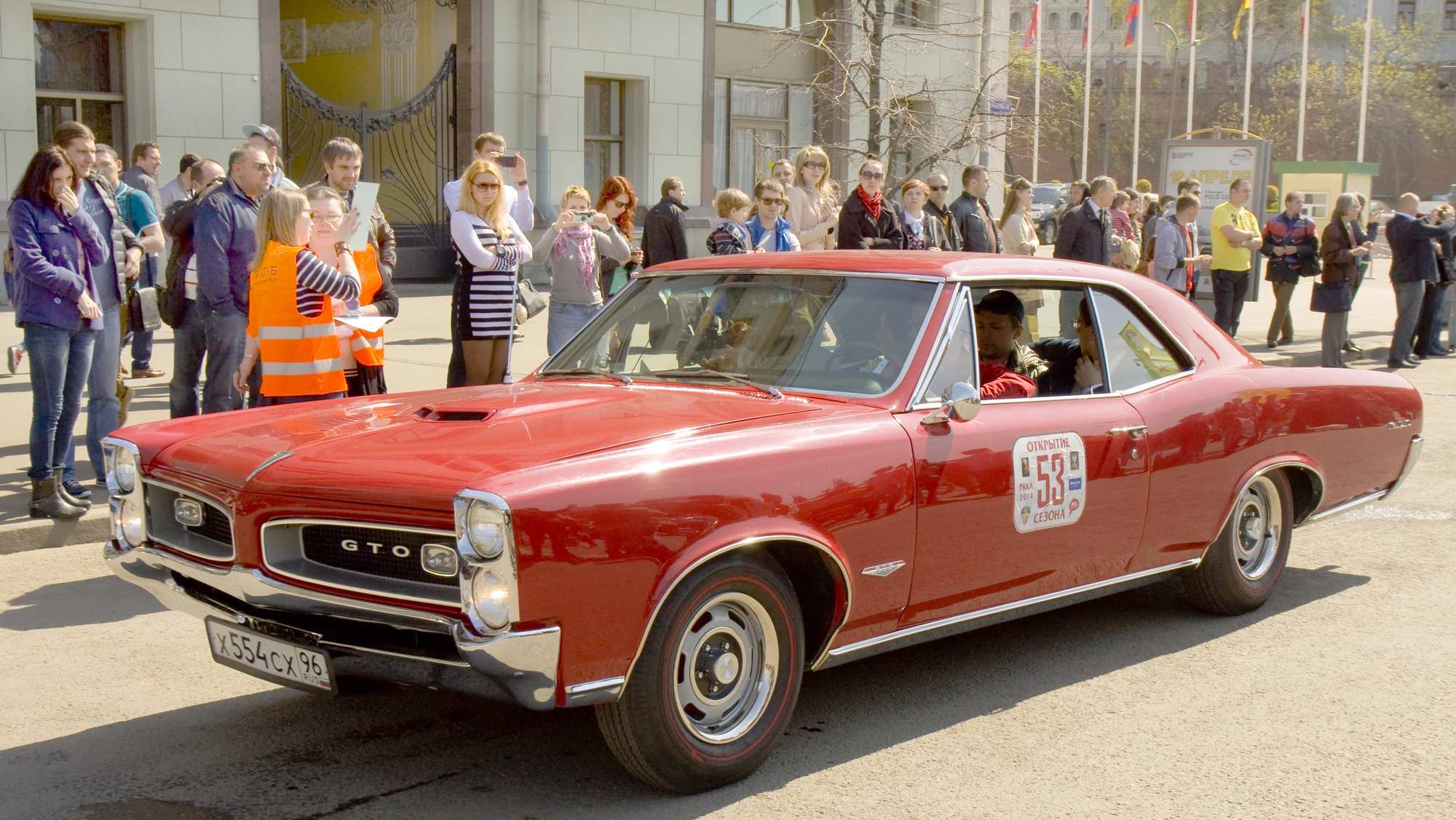
Often credited with kicking off the muscle car craze, the Pontiac GTO brought high-performance engines into a more accessible price range. It challenged the idea that speed had to come with a luxury price tag.
Its success inspired a wave of similar models, and it remains one of the most influential cars of the 1960s. The GTO helped reshape expectations around performance and accessibility.
Chevrolet Impala
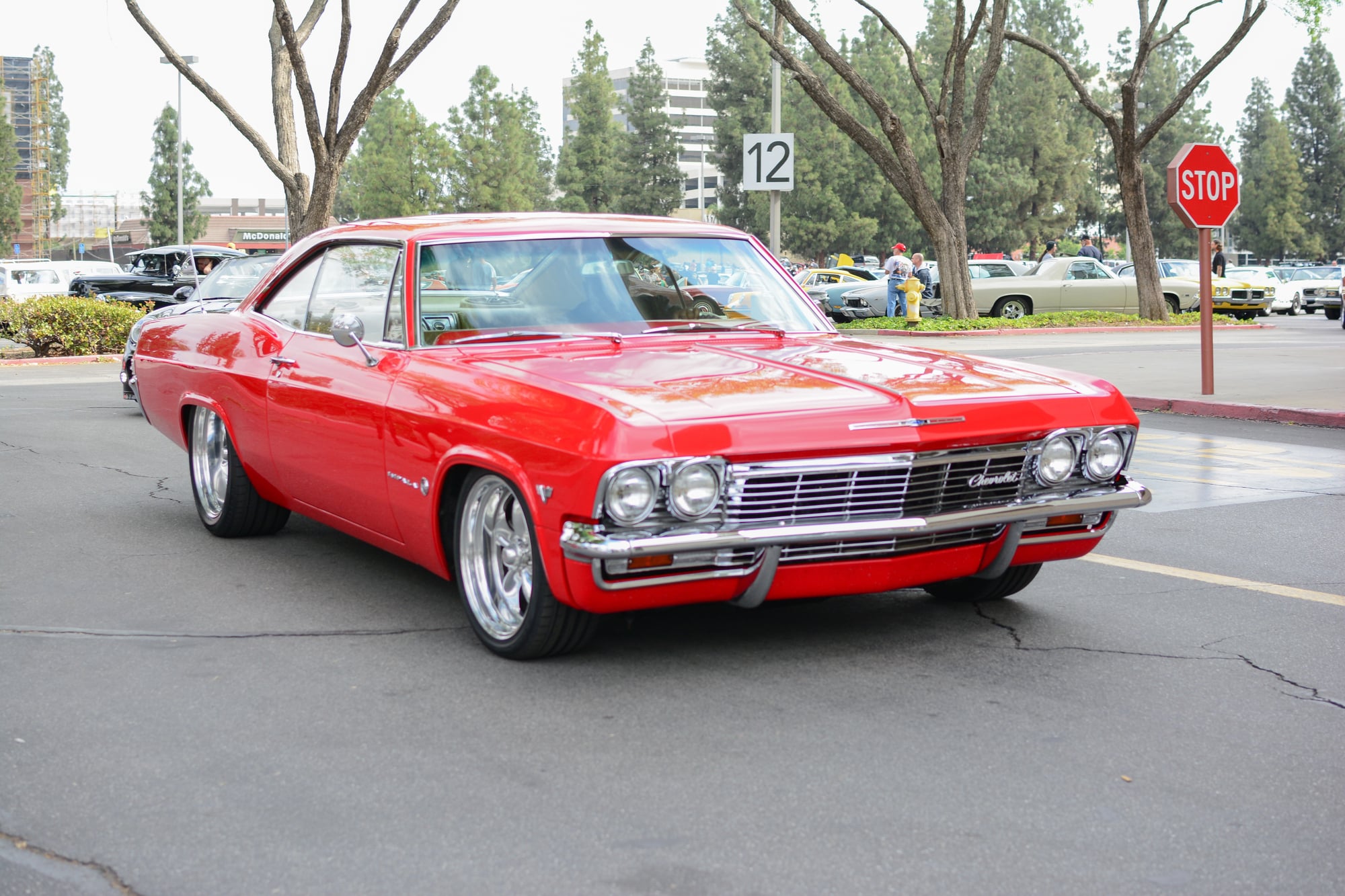
The Chevrolet Impala became one of the best-selling cars of its time, thanks to its combination of size, comfort, and affordability. It offered something for nearly everyone, from families to drivers looking for a bit of style.
Its long production run and widespread popularity made it a familiar sight on roads across the country. The Impala represented reliability without sacrificing visual appeal.
Toyota Corolla
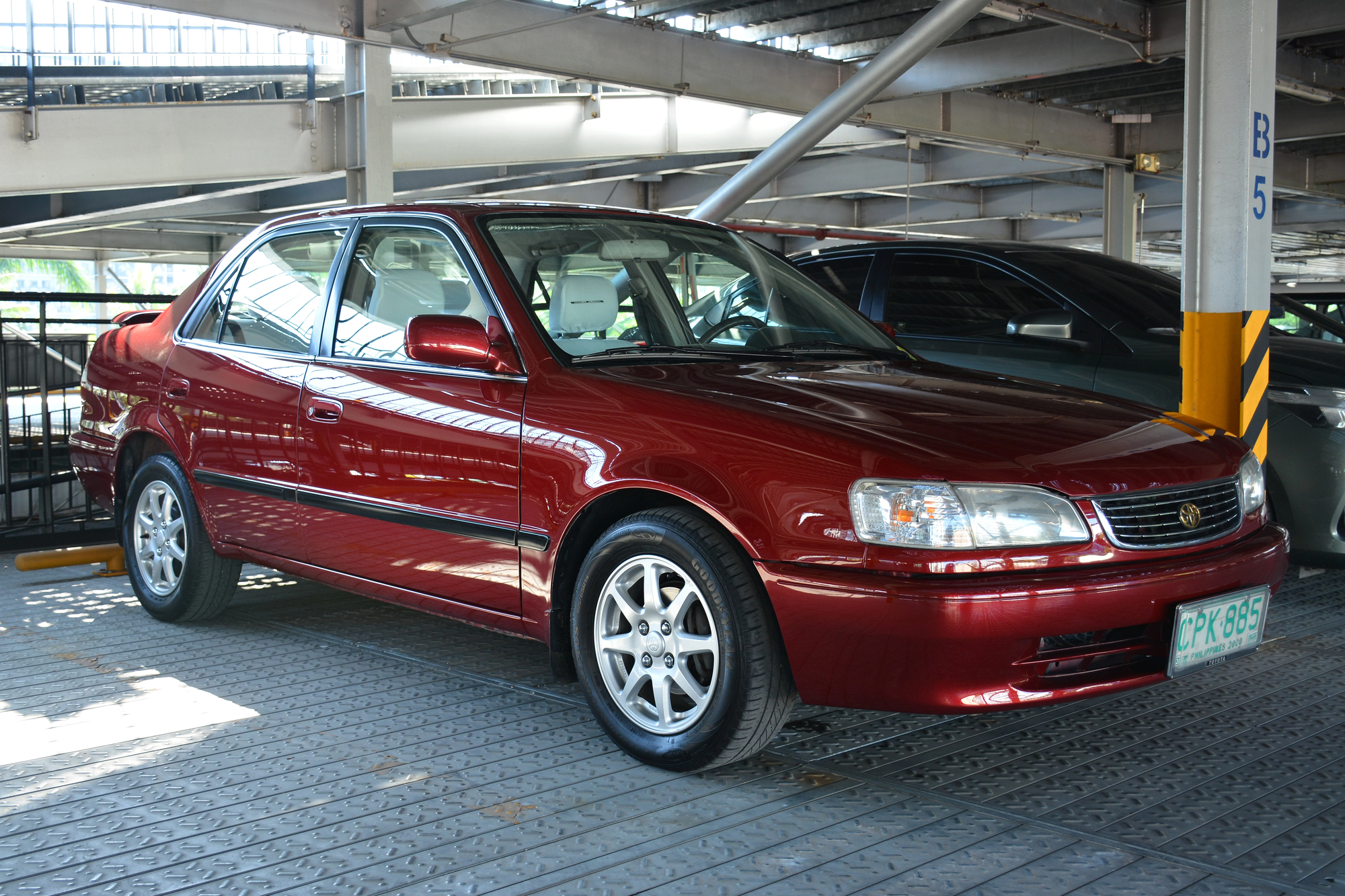
The Toyota Corolla marked a turning point in global automotive trends. As fuel efficiency and reliability became more important, especially toward the 1970s, the Corolla offered a practical alternative to larger cars.
Its straightforward design and low running costs made it a favorite among everyday drivers. Over time, it became one of the best-selling cars in history, a testament to its enduring appeal.
Datsun 240Z
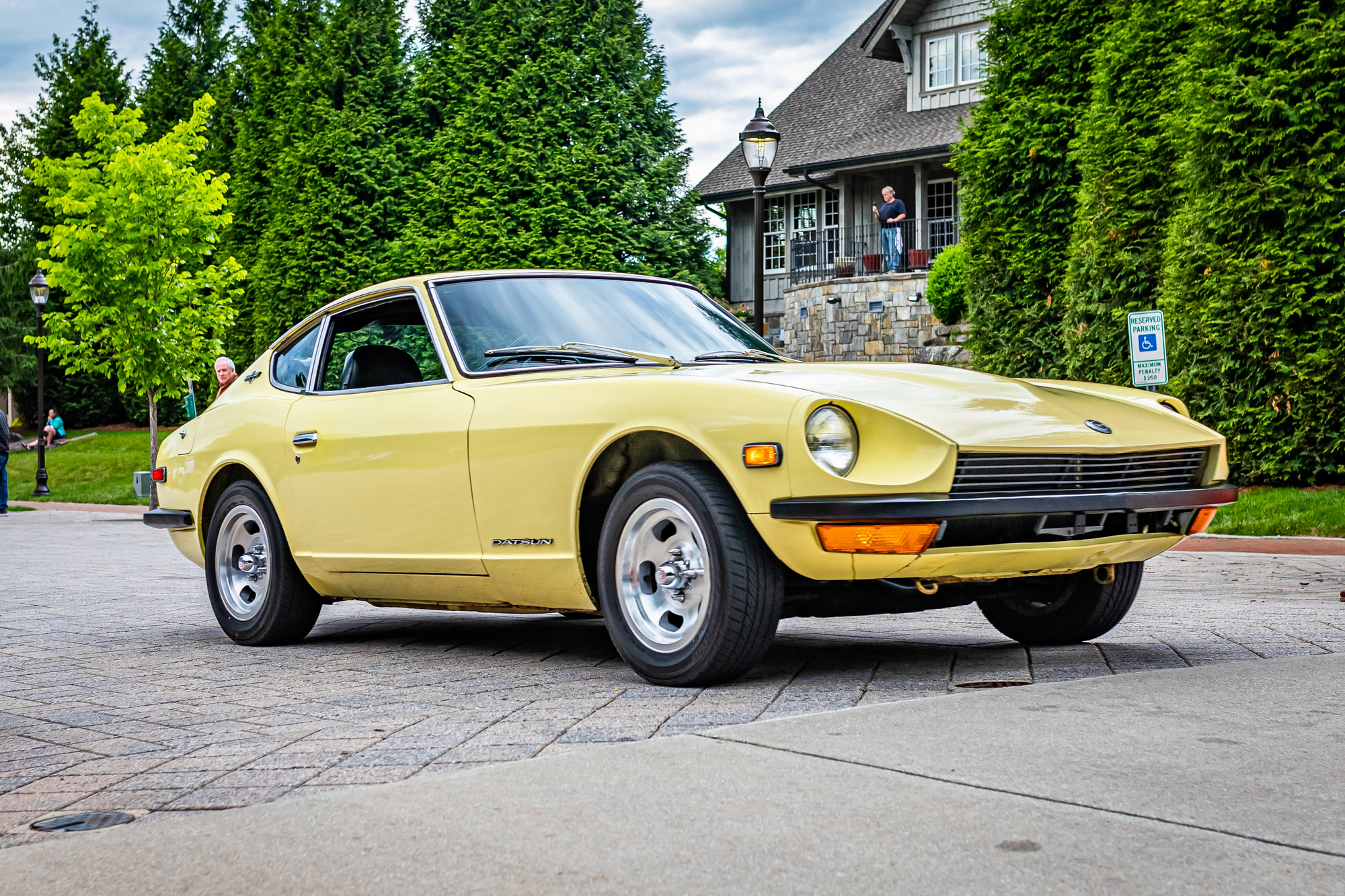
The Datsun 240Z introduced a new kind of sports car — one that combined performance, style, and affordability. It offered a driving experience that rivaled more expensive European models, but at a much lower cost.
Its sleek design and strong performance helped it gain rapid popularity. The 240Z played a key role in establishing Japanese brands as serious competitors in the global market.
Ford Pinto
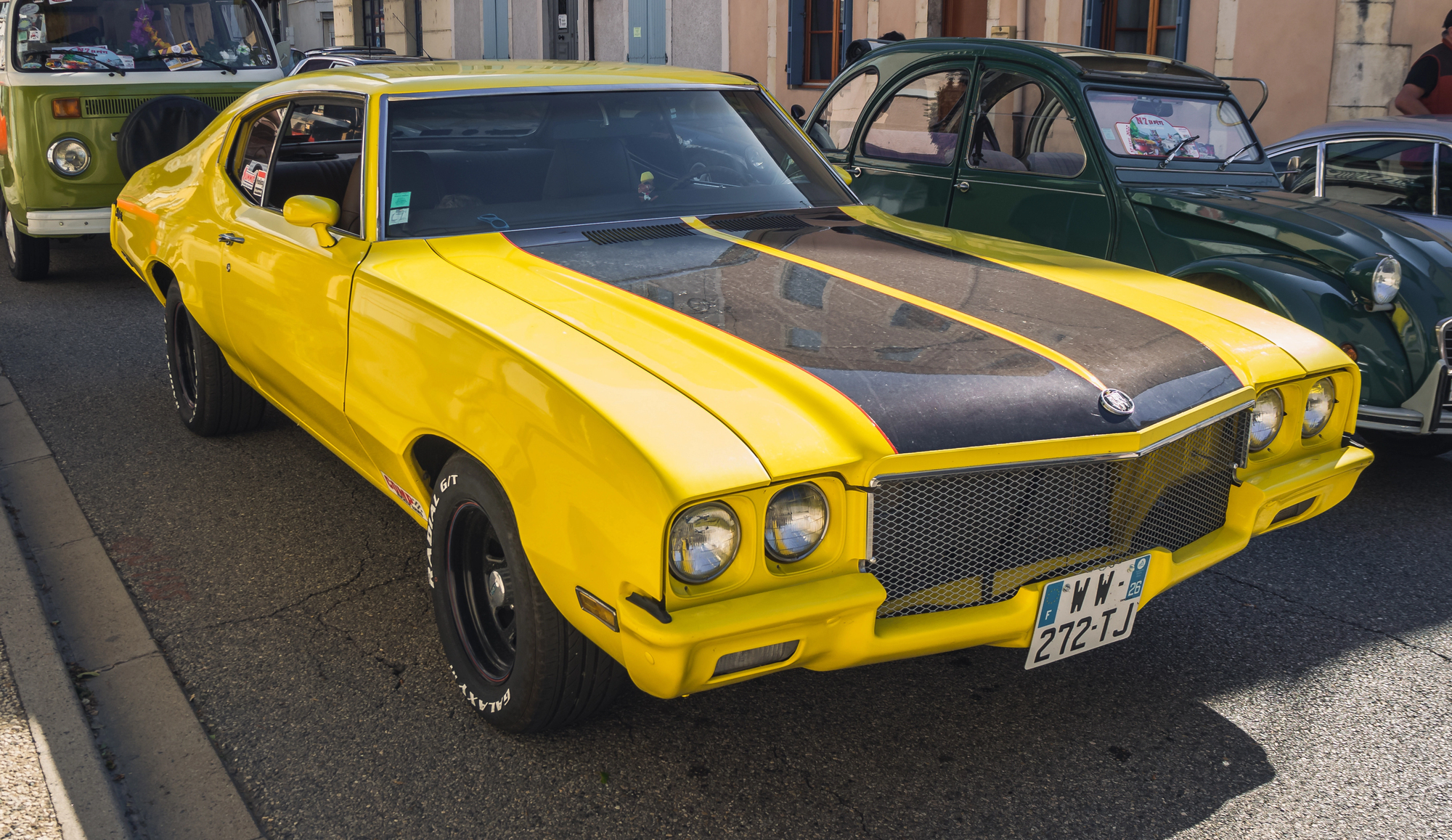
The Ford Pinto was designed to meet growing demand for smaller, more economical cars. Its compact size and affordability made it appealing during a time when fuel efficiency was becoming increasingly important.
Despite controversy later on, it initially saw strong sales and widespread use. The Pinto reflects the shifting priorities of the 1970s automotive landscape.
Chevrolet Chevelle
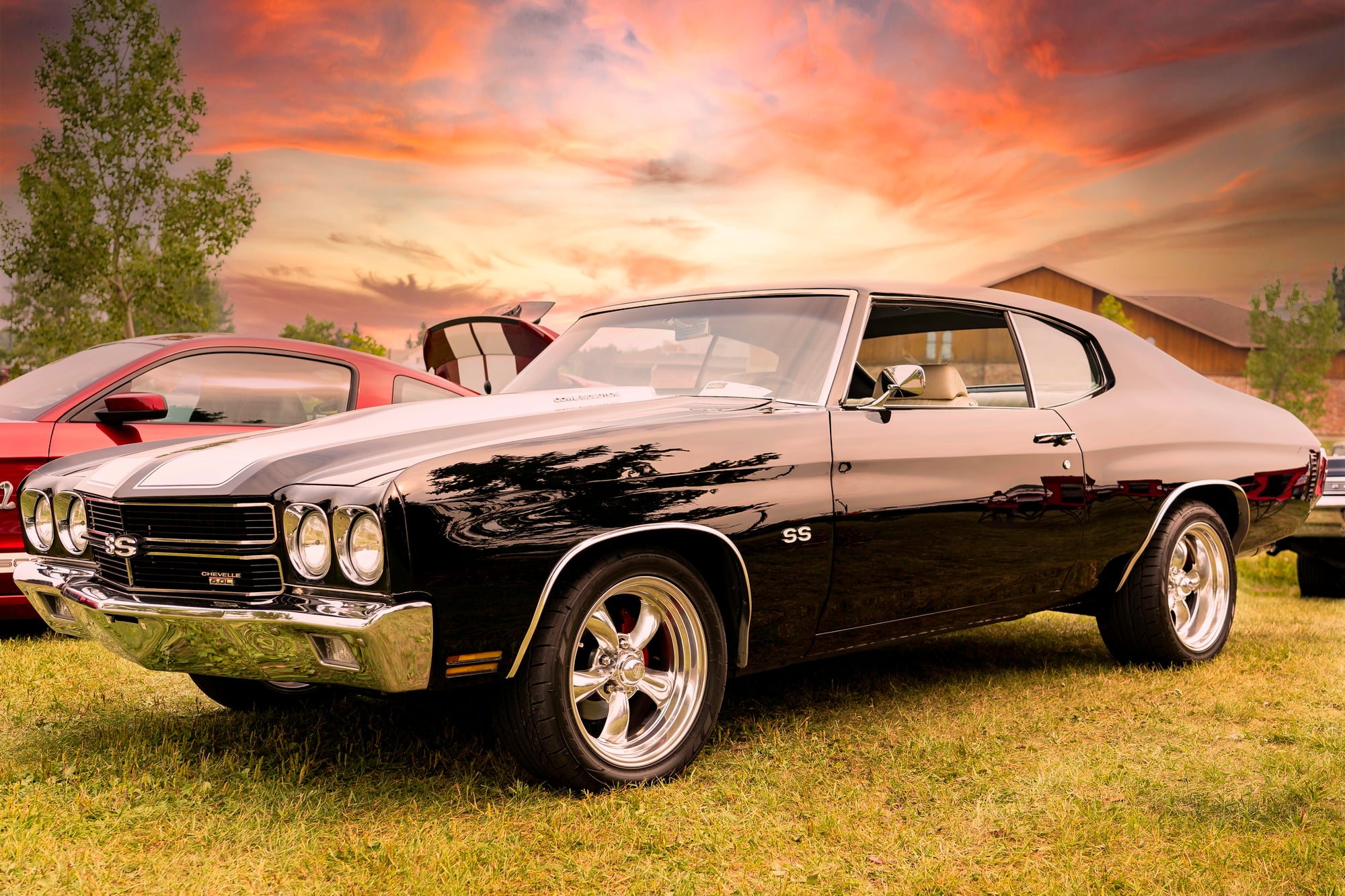
The Chevrolet Chevelle offered versatility, with options ranging from practical family cars to high-performance variants. This flexibility helped it appeal to a broad audience.
Performance versions, especially those equipped with powerful engines, became particularly popular. The Chevelle demonstrated how a single model could serve multiple roles effectively.
Mercedes-Benz 280SL
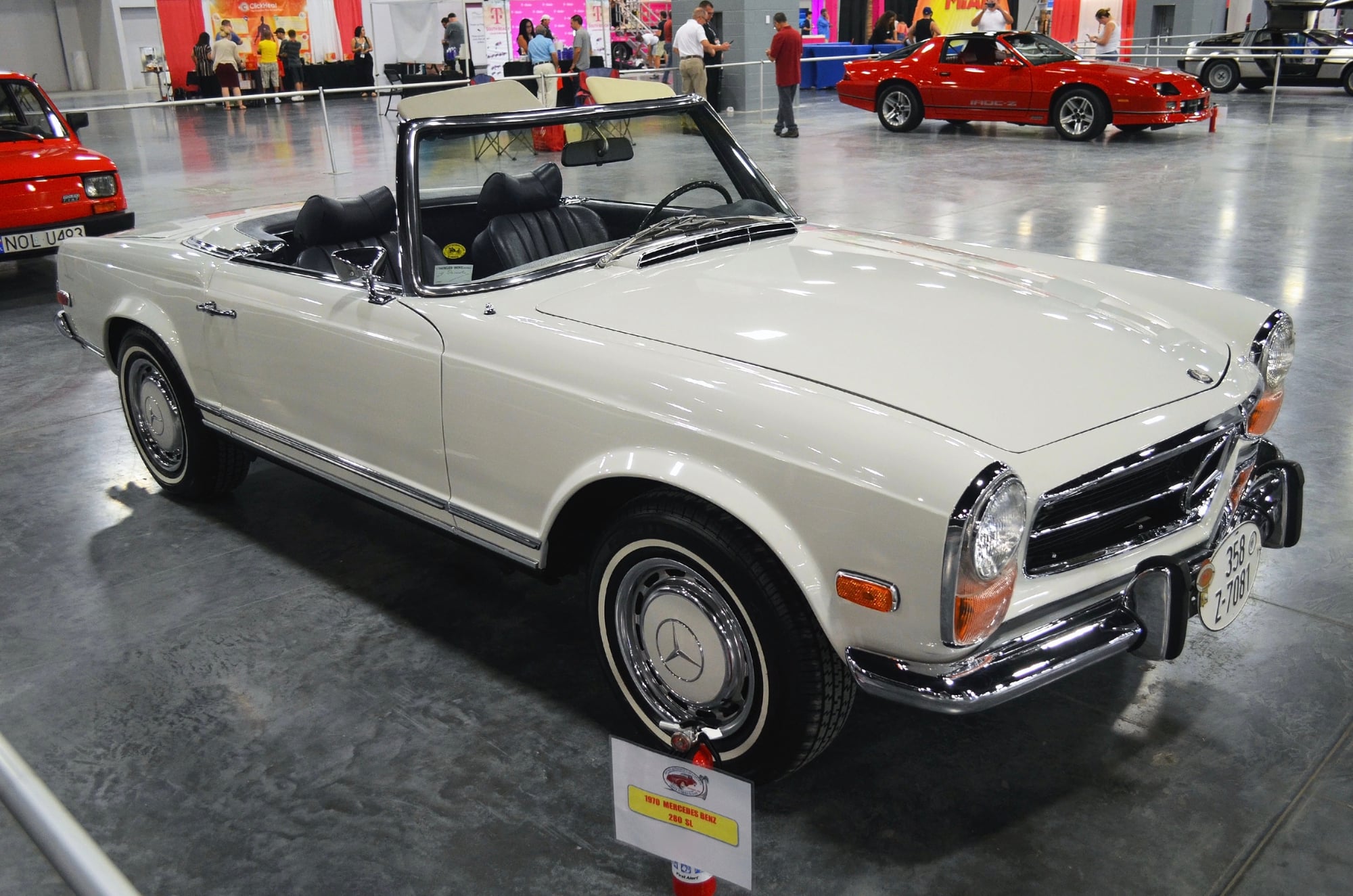
The Mercedes-Benz 280SL brought a refined, European approach to the era’s automotive trends. Known for its distinctive ‘Pagoda’ roof design, it combined elegance with solid engineering.
It appealed to drivers looking for sophistication rather than outright performance. The 280SL remains admired for its timeless design and build quality.
BMW 2002
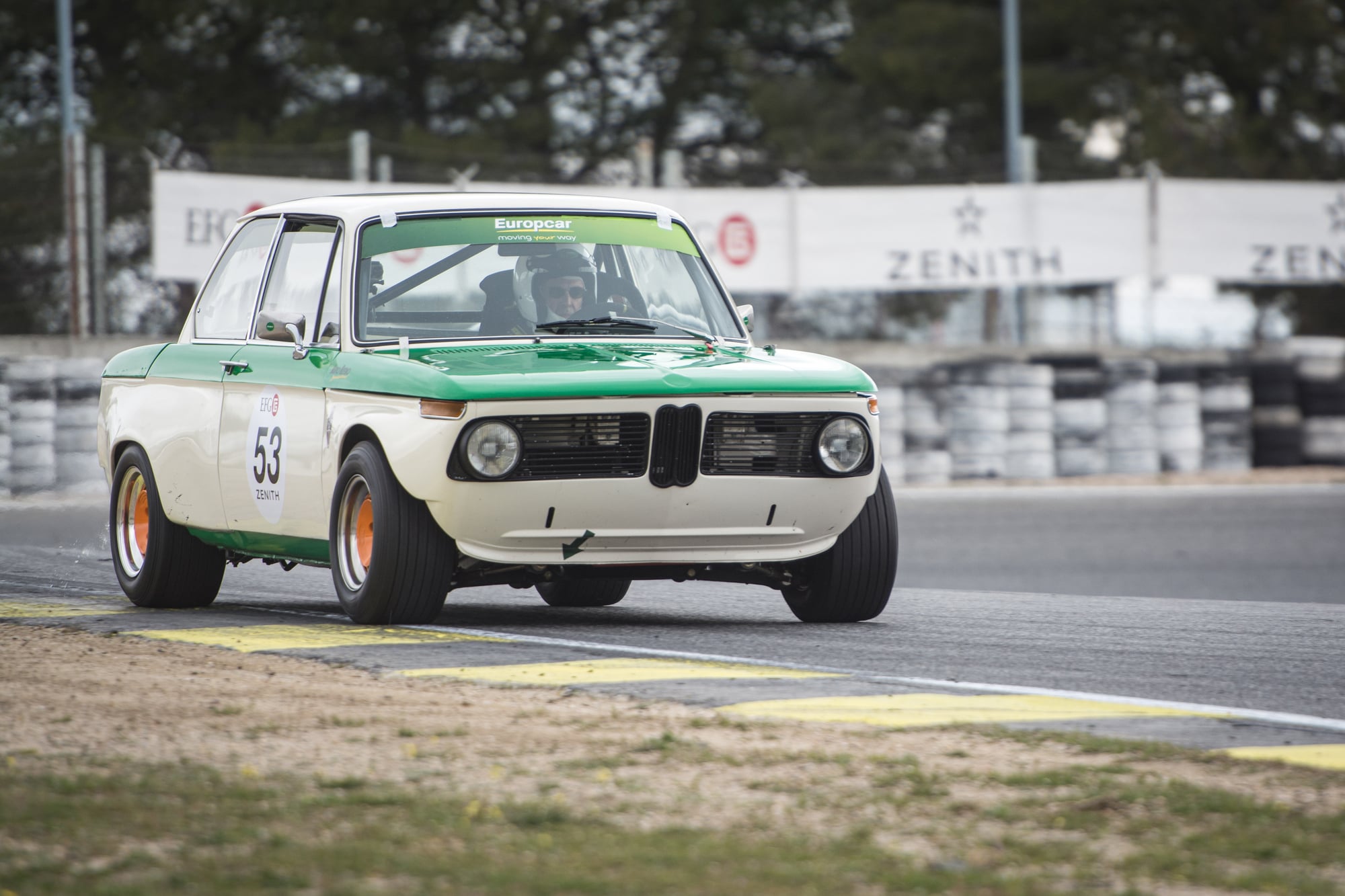
The BMW 2002 helped define what a modern sports sedan could be. It combined practicality with engaging driving dynamics, offering something that felt both functional and fun.
Its influence can still be seen in today’s performance-oriented sedans. The 2002 showed that everyday cars could still deliver a rewarding experience behind the wheel.
AMC Gremlin
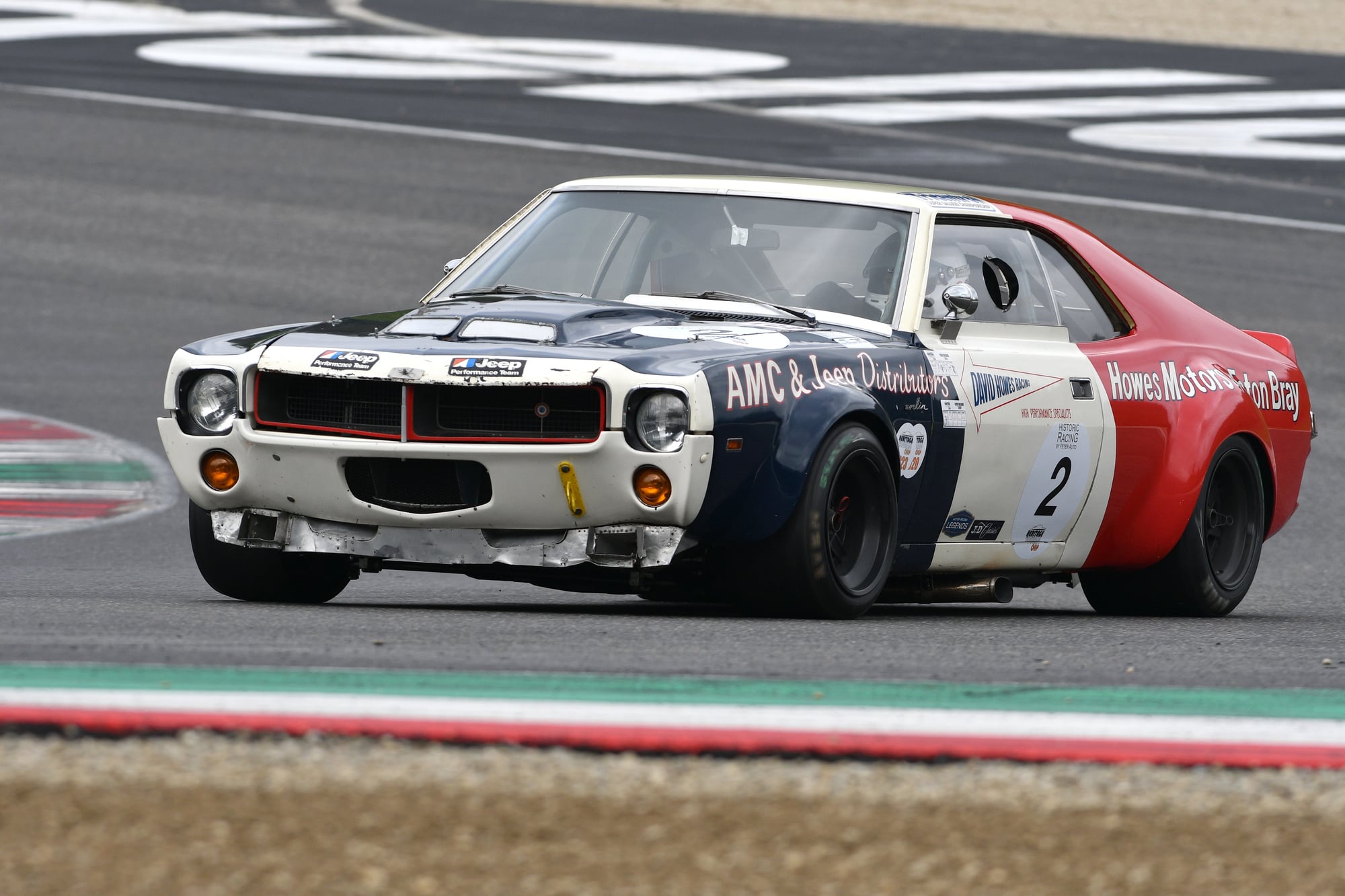
The AMC Gremlin stood out for its unconventional design and approach. It was compact, affordable, and designed to meet the needs of a changing market.
While it divided opinions visually, it gained a following for its practicality and uniqueness. The Gremlin captured the experimental spirit of the 1970s, when manufacturers were willing to take risks.
Why These Cars Still Matter
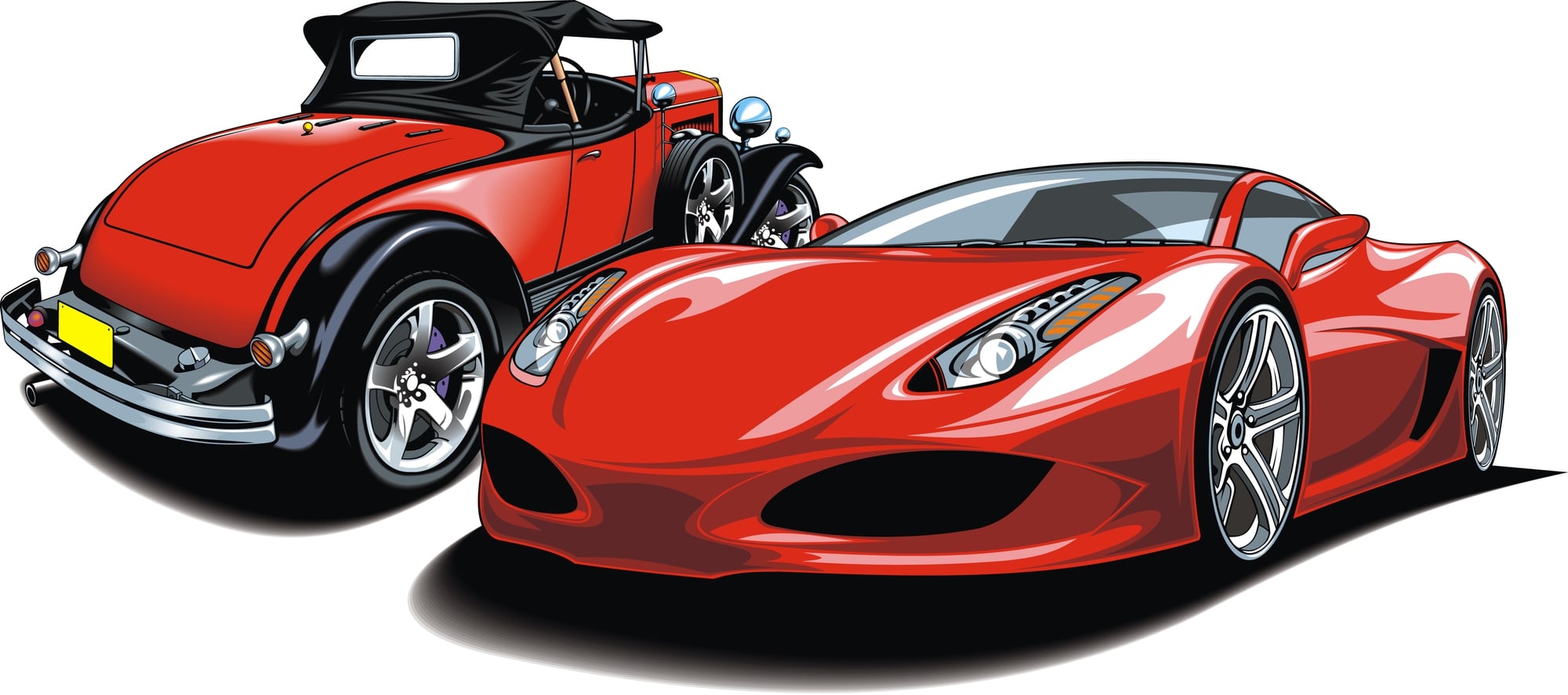
Still echoing in showrooms, the cars built between the 1950s and 1970s quietly steer modern vehicle styles, sales approaches, and cultural memory. Ideas born back then – like using car shapes to reflect personality or bringing speed within reach of regular buyers – still hold strong now.
Though engines and electronics have moved forward fast, feelings tied to those old models stay just as vivid. Still seen today through fresh takes, passionate collectors, yet a steady respect for how they were built and who they became.
Built back then, sure, though each one shaped the era more than followed it. What sticks around isn’t nostalgia – it’s why they still matter, years past their debut.
Their mark didn’t fade, simply settled into place.
More from Go2Tutors!

- The Romanov Crown Jewels and Their Tragic Fate
- 13 Historical Mysteries That Science Still Can’t Solve
- Famous Hoaxes That Fooled the World for Years
- 15 Child Stars with Tragic Adult Lives
- 16 Famous Jewelry Pieces in History
Like Go2Tutors’s content? Follow us on MSN.