Unexpected Foods Linked to Explorers
6+
History classes teach you about famous voyages and discoveries, but they rarely mention what people actually ate during those journeys. The food carried on ships and across continents shaped exploration as much as maps and compasses did.
Some of these provisions sound bizarre today, yet they kept explorers alive in conditions that would have killed them otherwise.
Hardtack: The Rock That Sailed the World
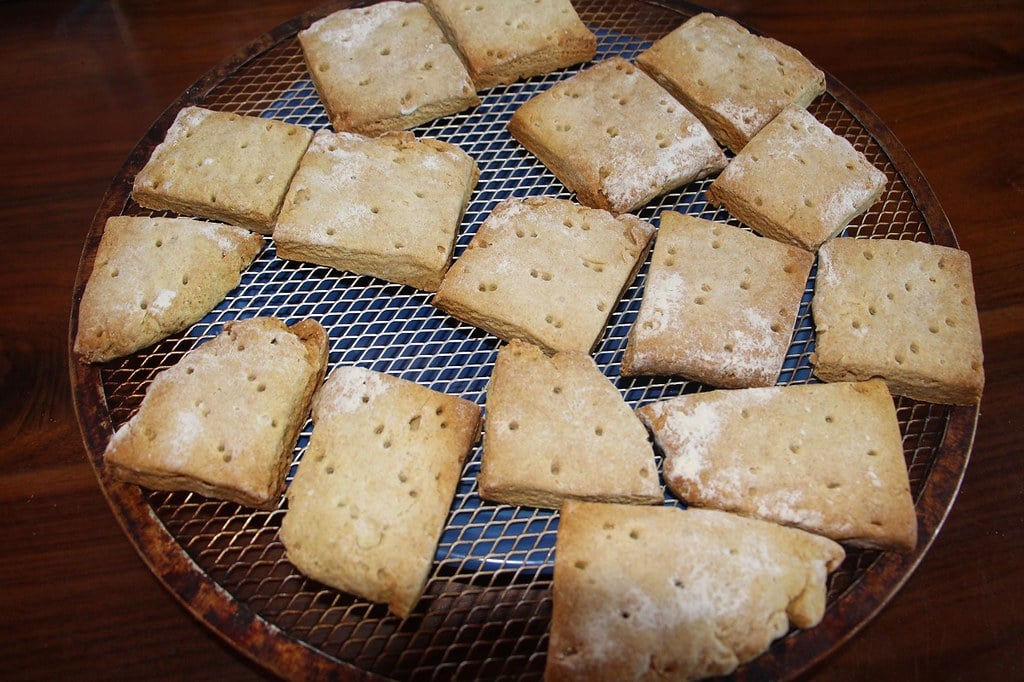
Sailors called it “molar breakers” for good reason. These dense biscuits could last for years without spoiling, which made them perfect for long voyages.
You could drop one on the deck and it wouldn’t shatter—in fact, sailors sometimes carved them into keepsakes because they were harder than wood. The recipe was simple: flour, water, and salt baked until every bit of moisture evaporated.
Ships stocked thousands of these things, and sailors would soak them in coffee or soup just to make them chewable. Sometimes weevils got into the hardtack stores, but hungry sailors learned to tap the biscuits on the table to knock out the bugs before eating.
Protein is protein, after all.
Pemmican: The Arctic Survival Food
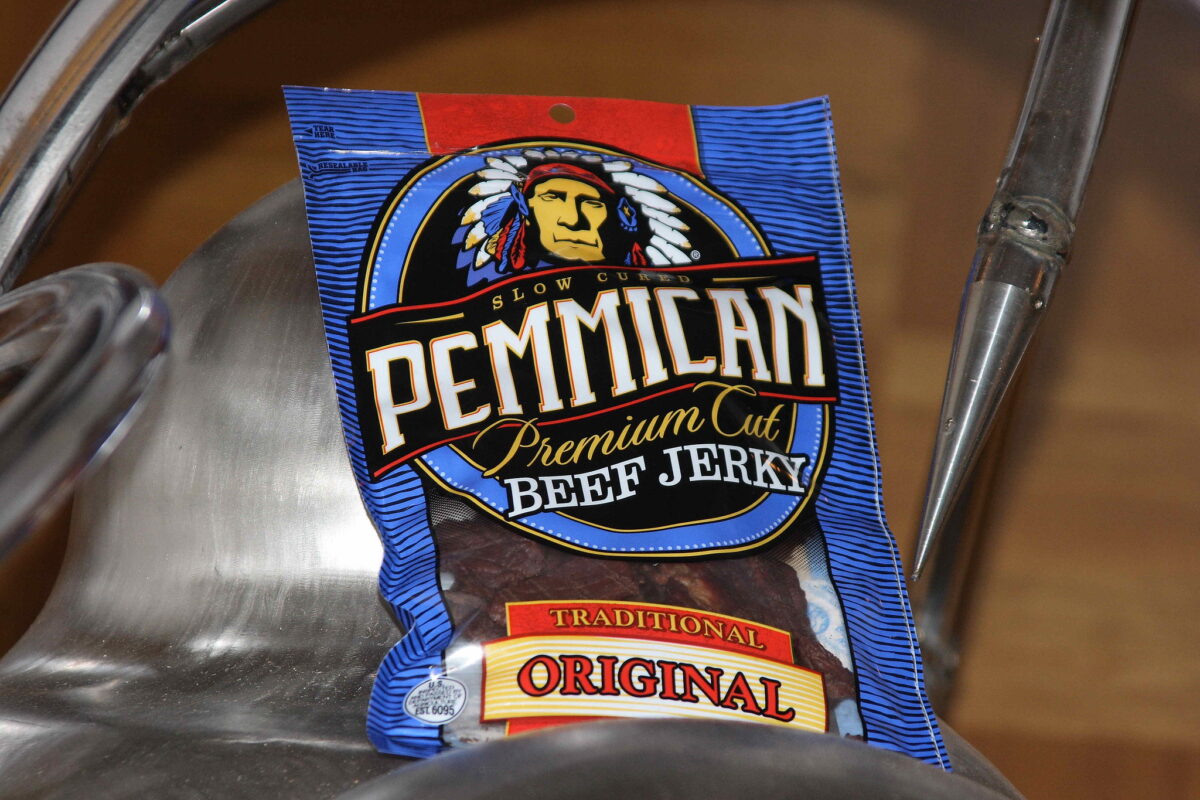
Indigenous peoples of North America created this concentrated food long before Europeans arrived. When polar explorers ventured north, they quickly realized pemmican was the only food that made sense in those conditions.
It combined dried meat, rendered fat, and sometimes berries into a dense, calorie-packed mixture that wouldn’t freeze solid or spoil. One pound of pemmican provided the energy of five pounds of fresh meat.
Roald Amundsen credited it for his successful trip to the South Pole in 1911. His team ate it daily and never suffered from malnutrition.
Meanwhile, Robert Scott’s expedition, which relied more on British rations, ended in tragedy. The difference in survival often came down to what was in the food bag.
Portable Soup: The Original Bouillon Cube
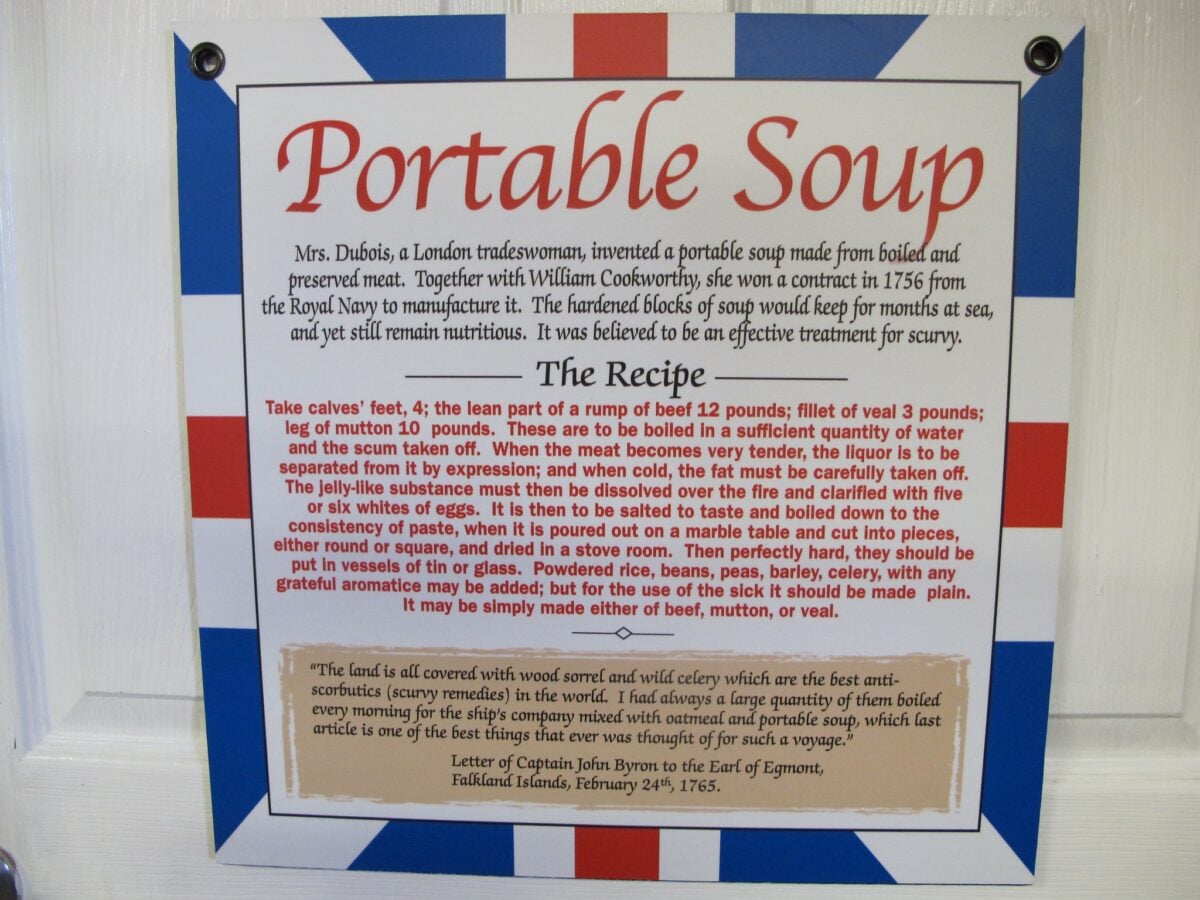
Eighteenth-century explorers carried blocks of concentrated broth that looked like dark brown glue. Cooks would boil meat for hours until it reduced to a thick gel, then dry it into hard cakes.
When you needed soup, you just broke off a piece and added hot water. Captain James Cook brought tons of this stuff on his Pacific voyages.
It wasn’t fancy, but it gave his crew something warm to eat and provided nutrients that kept scurvy at bay. The Royal Navy considered it essential equipment.
Today’s freeze-dried camping meals owe their existence to this strange, gelatinous invention.
Lime Juice: The Citrus That Changed Naval Warfare

British sailors became known as “limeys” because their ships carried barrels of lime juice. Scurvy had killed more sailors than storms and battles combined. The disease made your teeth fall out, reopened old wounds, and eventually killed you through internal hemorrhage.
When the Royal Navy finally figured out that citrus prevented scurvy, they started rationing lime juice to every sailor. Other nations mocked the practice until they saw British crews staying healthy on voyages that would have devastated their own fleets.
The vitamin C in citrus literally gave Britain a military advantage. Navigation skills meant nothing if your crew was too sick to work the sails.
Dried Cod: The Viking Staple
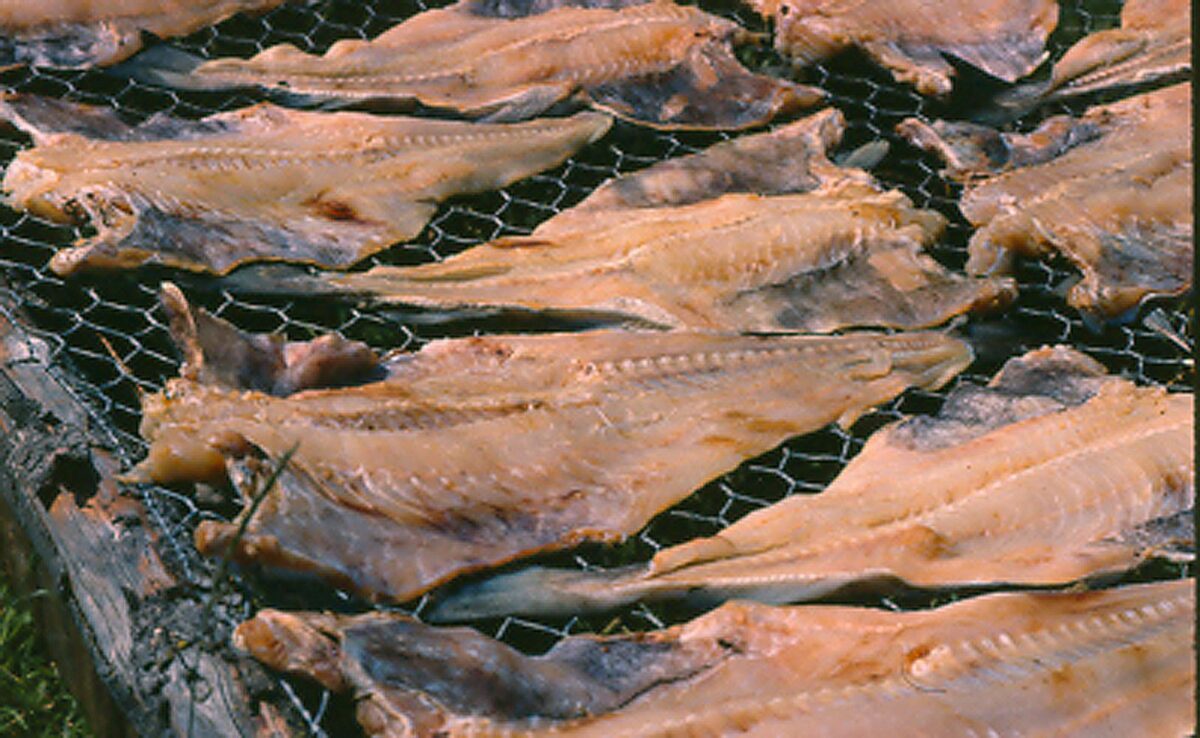
Norse explorers crossed the Atlantic centuries before Columbus, and they did it eating fish so dried and hard it barely resembled food. They called it “stockfish” because you could stack it like lumber.
The cold Norwegian air dried cod until it became shelf-stable for years. Vikings would rehydrate the fish by leaving it in water overnight, or they’d just chew on the dried pieces.
It provided protein without taking up space in already-cramped longships. This fish fed the crews that reached Iceland, Greenland, and North America.
Without it, Norse expansion across the North Atlantic wouldn’t have happened.
Scurvy Grass: The Forgotten Arctic Plant

Long before anyone understood vitamins, Arctic explorers noticed a small green plant that seemed to help sick sailors. Scurvy grass grew in northern regions and tasted terrible—bitter and sharp like horseradish mixed with mustard.
But crews desperate to avoid scurvy would eat it raw or brew it into tea. The plant actually contains high levels of vitamin C, though nobody knew that at the time.
Sailors just knew it worked. Expeditions would stop at known patches of scurvy grass to harvest as much as they could carry.
The plant saved lives through pure trial and error, long before anyone could explain why.
Biltong: The South African Trail Food
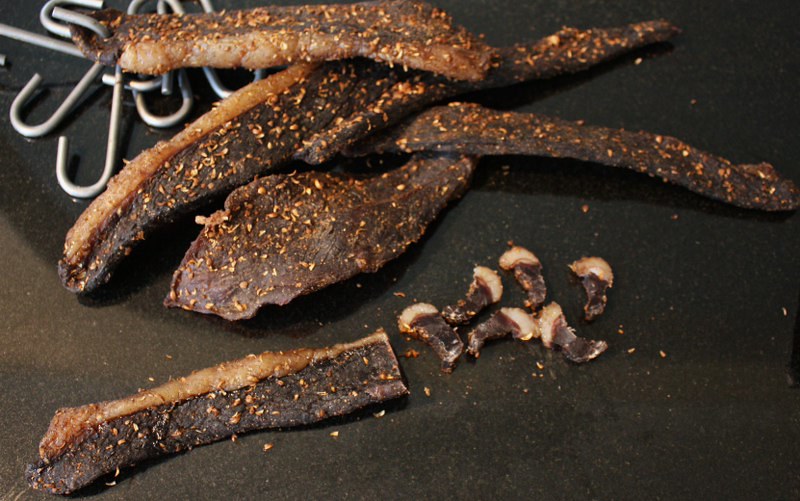
Dutch settlers in South Africa needed a way to preserve meat in hot climates. They cut beef or game meat into strips, seasoned it heavily with salt and spices, and hung it to dry in the African wind.
The result was biltong—chewy, flavorful, and nearly indestructible. Explorers crossing southern Africa relied on it because it wouldn’t spoil even in intense heat.
David Livingstone carried biltong on his expeditions through the interior. Unlike pemmican, which was purely functional, biltong actually tasted good.
That made a difference when you were months into a journey with no end in sight.
Tea Bricks: Currency and Calories on the Silk Road
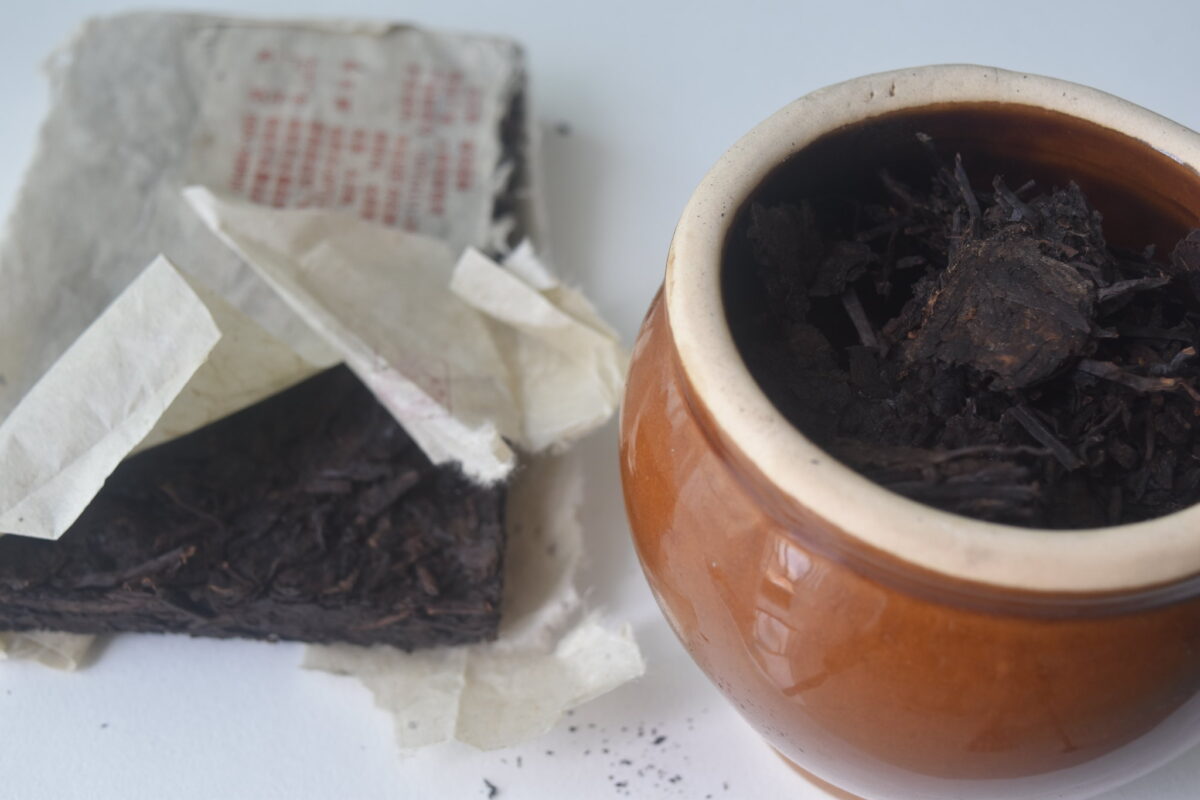
Chinese traders compressed tea leaves into hard blocks that served multiple purposes on long journeys. You could break off pieces to brew tea, but these bricks were also used as currency.
Some contained so much pressed tea that they weighed several pounds and looked like dark green stones. Marco Polo and other Silk Road travelers saw tea bricks everywhere.
In Tibet and Mongolia, people would simmer pieces of tea brick with butter and salt to make a high-calorie drink that helped them survive harsh winters. The bricks were valuable enough that bandits would raid caravans just to steal them.
Food, drink, and money—all in one compressed package.
Seaweed: The Pacific Explorer’s Secret
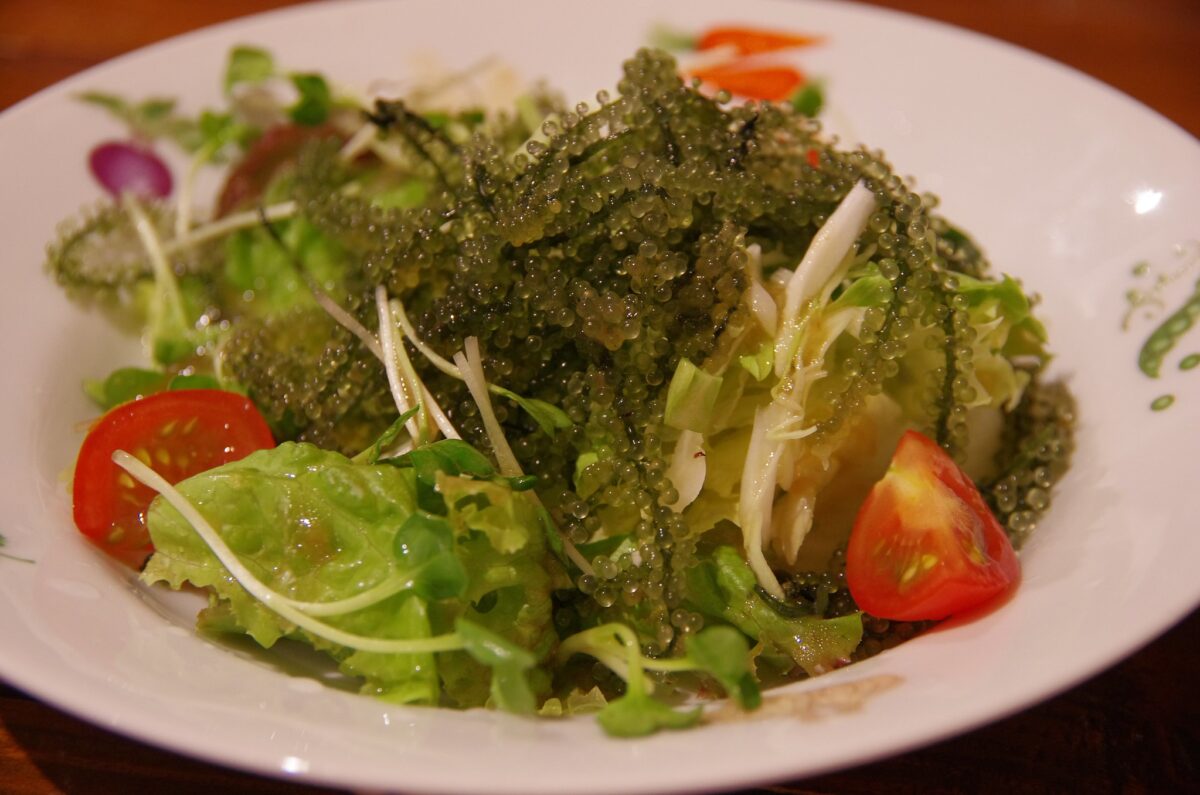
Polynesian navigators crossed thousands of miles of open ocean using knowledge passed down for generations. Part of that knowledge involved which seaweeds to eat when fresh food ran out.
Different varieties provided different nutrients, and experienced sailors knew exactly which ones to harvest at each island. Captain Cook learned from Polynesian guides about eating kelp and other seaweeds to prevent malnutrition.
Western sailors initially refused to touch the stuff, but those who did stayed healthier. The iodine in seaweed helped prevent thyroid problems, and the fiber kept sailors’ digestion working when they had nothing but preserved meat to eat.
Coca Leaves: Altitude Medicine in the Andes
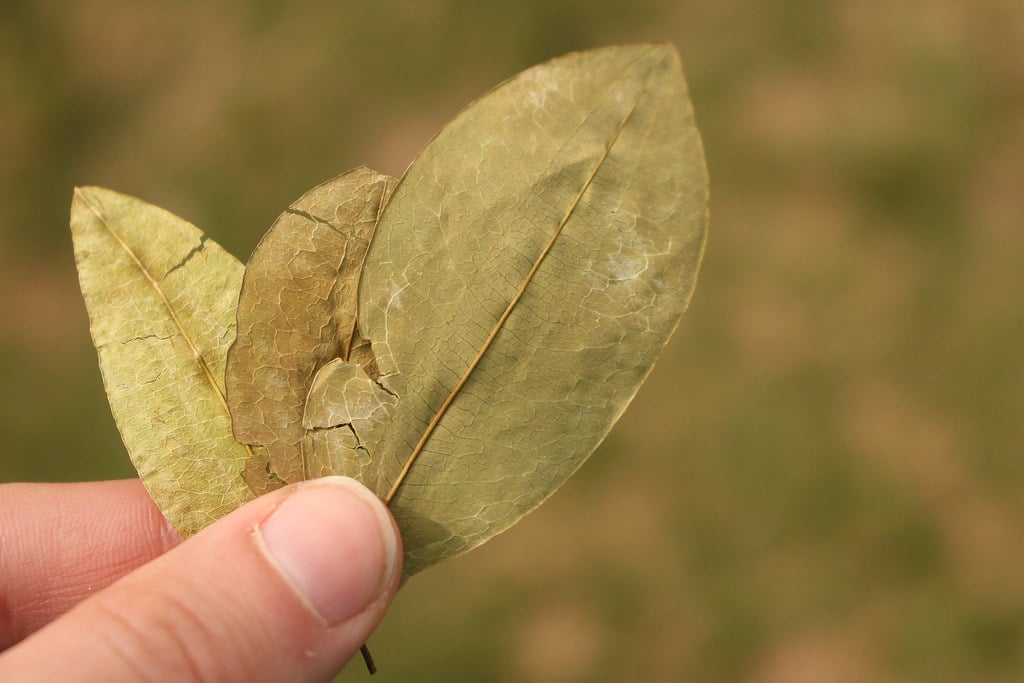
Spanish conquistadors couldn’t understand how Incan messengers could run for days at high altitudes without collapsing. The secret was coca leaves, which indigenous people had chewed for thousands of years.
The leaves contain compounds that help your body handle thin mountain air while providing a mild stimulant effect. When Europeans tried to explore the Andes, they suffered terribly from altitude sickness until they learned to chew coca leaves like the locals did.
The practice kept explorers functional at heights where the air held half as much oxygen as sea level. Modern mountaineers have better options now, but for centuries, coca leaves were the only thing that worked.
Peanut Butter: The Unexpected Explorer Fuel
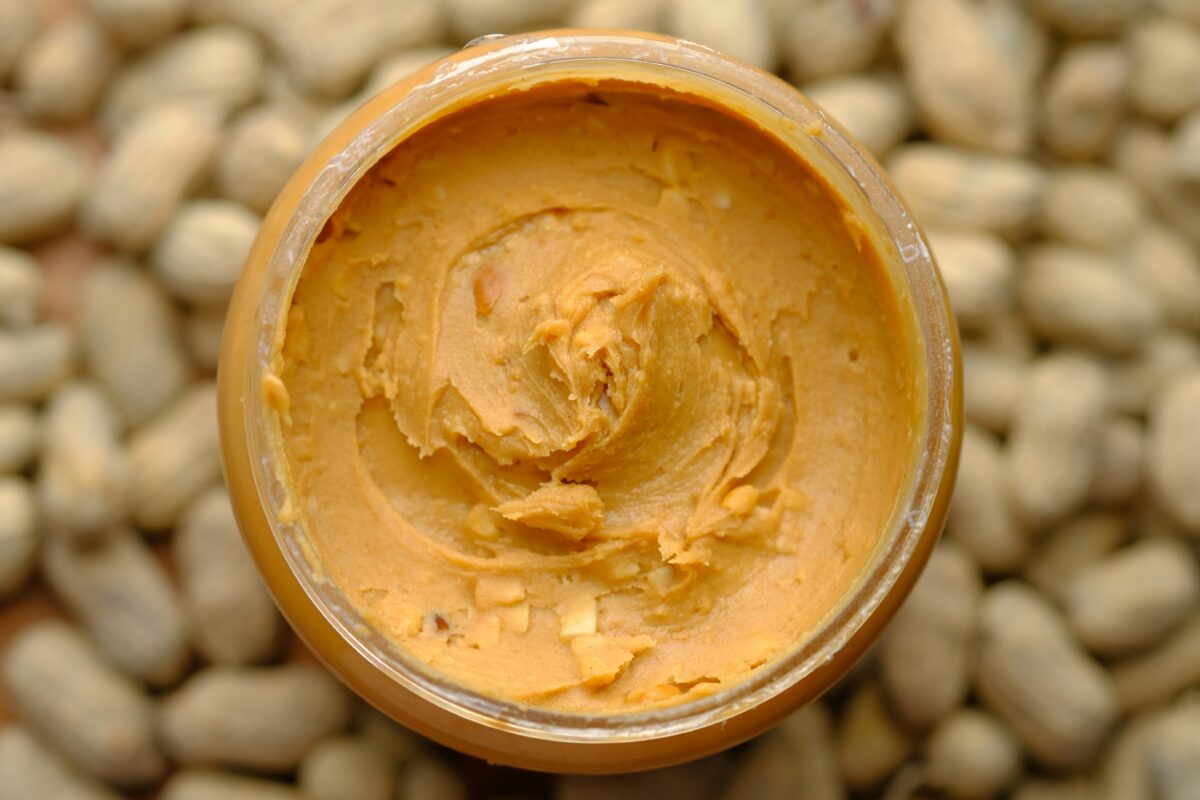
You don’t usually think of peanut butter as expedition food, but Robert Peary brought it to the Arctic in the early 1900s. It was new at the time—commercially produced peanut butter had only been invented a decade earlier.
Peary realized it provided huge amounts of calories, protein, and fat in a form that wouldn’t freeze solid or spoil. His team ate peanut butter straight from the jar when temperatures dropped too low to cook.
It gave them the energy they needed to haul sleds across ice. Other explorers started copying the idea.
Today, every backpacker and mountaineer packs some version of nut butter, but Peary figured out its value in extreme conditions when most people still thought of it as a novelty sandwich spread.
Salt Pork: The Meat That Built Empires
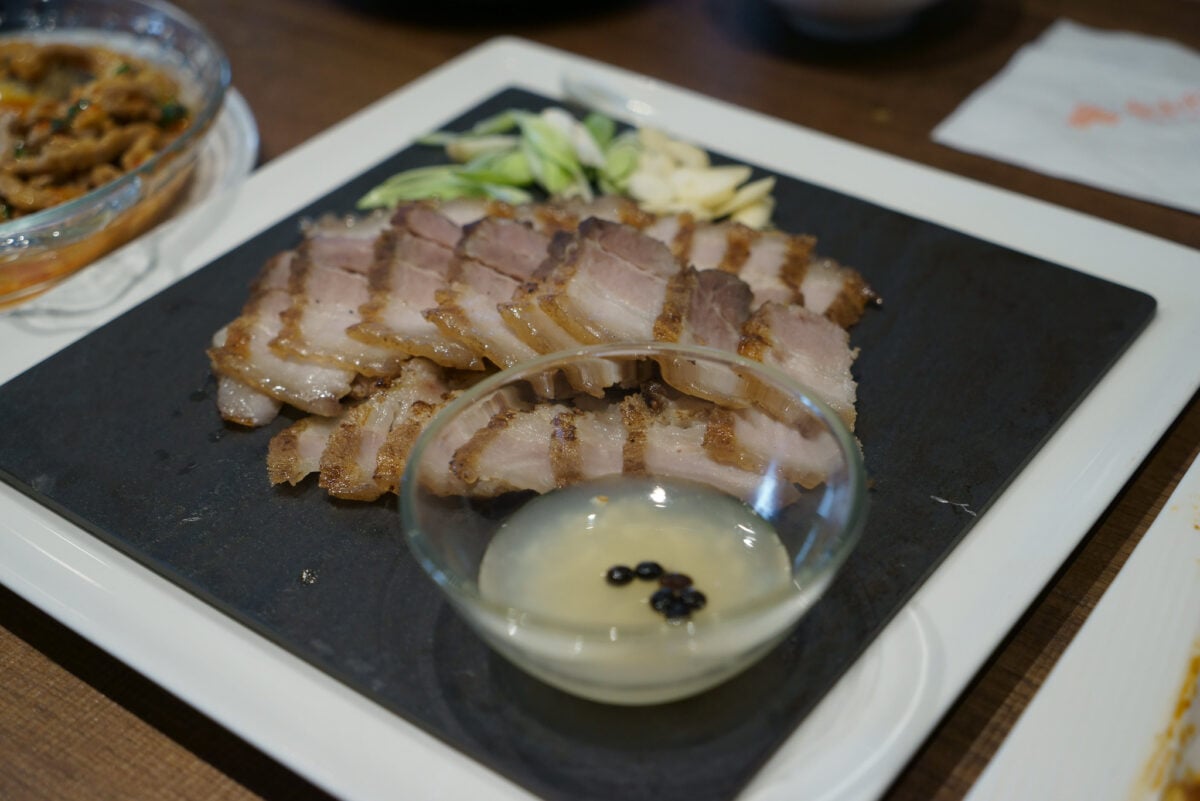
This fatty preserved meat looks unappetizing in barrels, but it fueled more exploration than any other protein source. Pork packed in brine could last for years without refrigeration.
Every ship from the Age of Exploration onward carried barrels of it stacked in the hold. You’d soak the meat in fresh water to remove excess salt, then cook it however you could.
It tasted better than hardtack but worse than anything fresh. Sailors grumbled about eating it day after day, but it kept them alive.
The ability to store meat for long voyages meant ships could venture farther from land. Columbus, Magellan, Drake—all of them ate salt pork more often than they’d care to admit.
Fermented Fish: The Scandinavian Solution
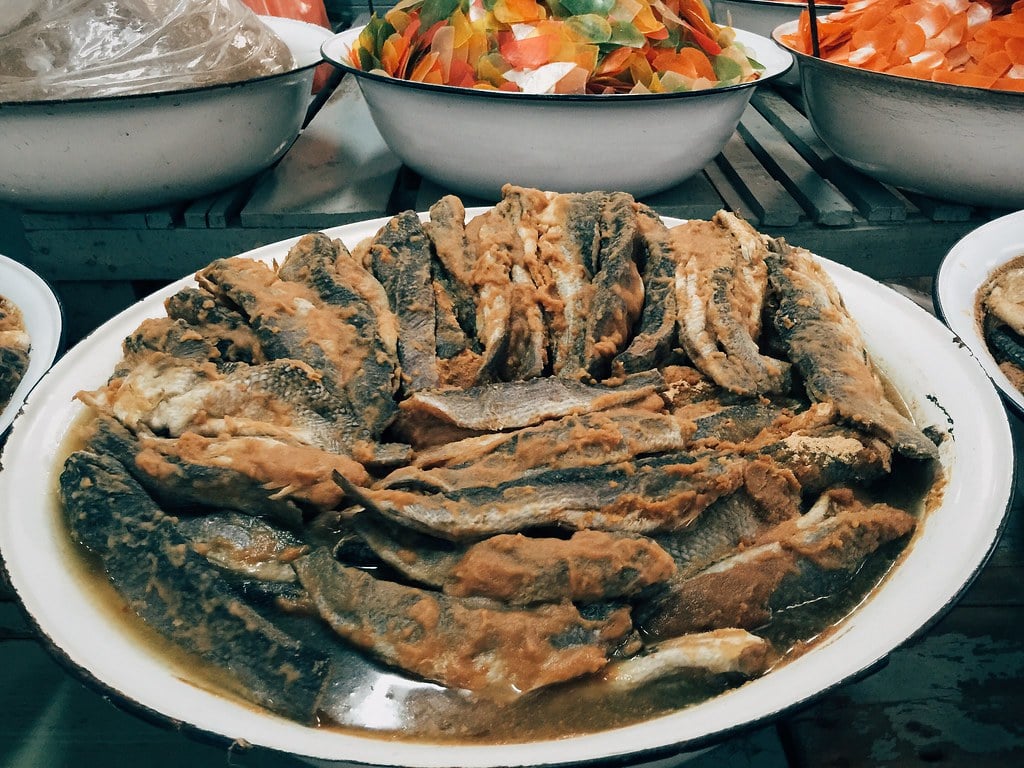
Fish stored in barrels arrived with Nordic travelers long ago. The smell hits strong now – like something spoiled. Texture turns mushy. That sharp stench? It pushes some to retch. Still, rot isn’t the truth here.
Frozen meals ruled the menu for Arctic travelers, leaving little room for anything fresh. The smell of the fermenting fish forced some teams to take their plates outdoors, no matter how cold it got.
Still, those sour bites did something useful – kept digestion steady during endless tins and dried goods. When produce vanished for weeks, this odd staple stayed reliable.
Gut balance turned out to be crucial, and that pungent jar often made the difference.
When Food Becomes History

Stories hide in odd dishes – ones history books often ignore. Not every adventure began with flags or compasses; some started with hunger on distant seas.
Far from land, with no markets or farms nearby, survival meant rethinking meals. Those who cracked the code didn’t just feed crews – they shifted how nations move, live, think.
Finding a few of these foods isn’t impossible now, often tucked away in niche shops or ethnic markets. Pretty much all of them fall flat flavor-wise compared to what we’re used to.
Yet back then, when options vanished, they stepped in – just enough to matter.
More from Go2Tutors!

- The Romanov Crown Jewels and Their Tragic Fate
- 13 Historical Mysteries That Science Still Can’t Solve
- Famous Hoaxes That Fooled the World for Years
- 15 Child Stars with Tragic Adult Lives
- 16 Famous Jewelry Pieces in History
Like Go2Tutors’s content? Follow us on MSN.