16 Memorable Moments from 90s Daytime Talk Shows
The 1990s were the golden age of daytime television drama, when talk shows ruled the airwaves with outrageous guests, shocking revelations, and moments that made viewers gasp from their living room couches. These weren’t your typical celebrity interviews or cooking segments—they were raw, unfiltered human drama that played out on national television.
From flying chairs to broken noses, these shows delivered entertainment that was part circus, part therapy session, and completely addictive. The decade gave us legendary hosts who became household names and created moments that are still talked about today.
Geraldo’s Broken Nose
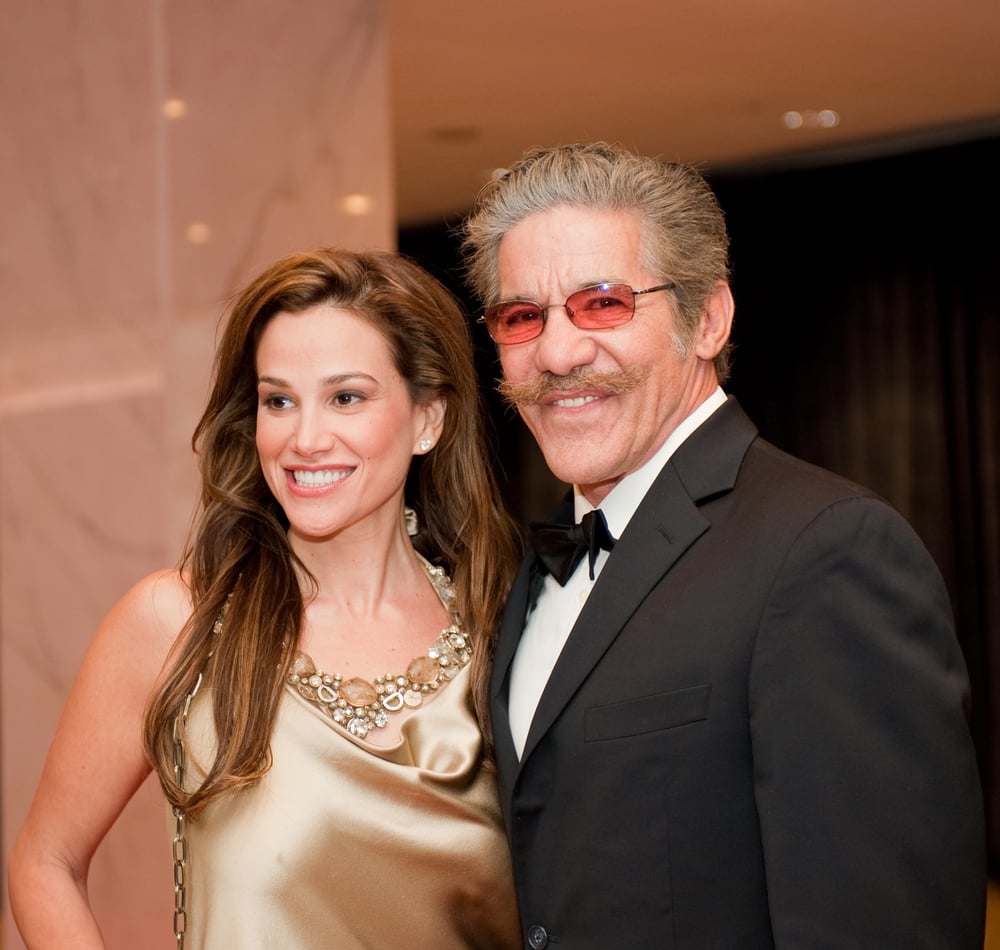
On November 3, 1988, Geraldo Rivera’s face met a flying chair during one of the most violent brawls in talk show history. The episode, titled ‘Teen Hatemongers,’ featured white supremacists, black activists, and Jewish activists all sharing the same stage.
The chaos erupted when John Metzger, representing the White Aryan Resistance Youth, hurled racial slurs at the audience and called civil rights activist Roy Innis an ‘Uncle Tom.’ Rivera, trying to restore order, got caught in the crossfire when chairs started flying.
The Jenny Jones Murder Case
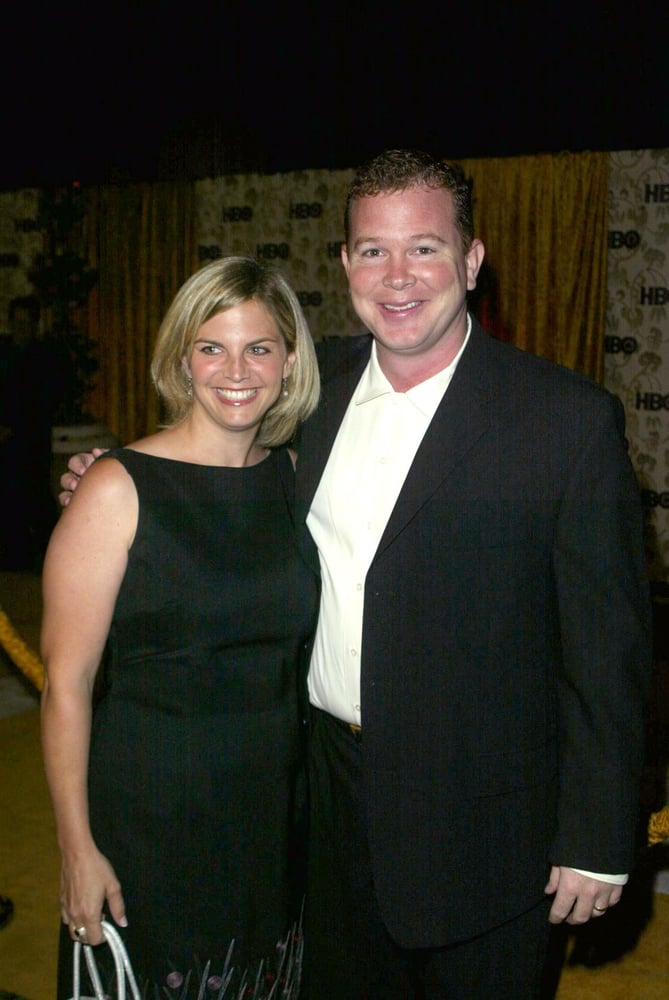
The most tragic moment in 90s talk show history occurred after a March 6, 1995 taping of The Jenny Jones Show. Scott Amedure revealed his secret crush on Jonathan Schmitz during an episode.
Three days later, Amedure was dead. Schmitz purchased a shotgun and fired two shots into Amedure’s chest at his mobile home in Lake Orion, Michigan.
J. Springer’s Chair-Throwing Mayhem

The J. Springer Show became synonymous with flying furniture and security guards for good reason. What started as a serious political talk show in 1991 transformed into the king of ‘trash TV’ after a producer was hired in 1994 to attract younger viewers.
Episodes featuring topics like family feuds, cheating partners, and bizarre relationships regularly devolved into all-out brawls. The show’s security team, led by Steve Wilkos, became as famous as Springer himself for breaking up the constant fights that erupted between guests.
Sally Jessy Raphael’s Red Glasses

Sally Jessy Raphael’s signature red glasses weren’t a planned fashion statement—they were an accident that became iconic. For the show’s debut, Raphael needed reading glasses and ran to a nearby pharmacy, where red frames were the only option available.
The producers initially disliked them, but audiences loved the bold look, so the red glasses stayed for nearly two decades. The Sally Jessy Raphael Show ran from 1982 to 2002, making Raphael the only woman at the time to host both TV and radio shows simultaneously, logging nearly 18 hours of broadcasting per week.
Phil Donahue’s Audience Fainting Incident

During a 1985 episode of Donahue, several audience members began fainting in what turned into complete chaos. The twist was that these audience members had been paid to fake their reactions, creating one of the more bizarre moments in the show’s history.
Phil Donahue was considered the pioneer of modern daytime talk shows, focusing on serious topics and intelligent discussion rather than sensationalism. His show was even listed among the 50 Greatest TV Shows of All Time by TV Guide, with his first guest being a famous atheist discussing her beliefs.
Maury’s DNA Test Revelations

Maury Povich became the undisputed king of paternity reveals, with his ‘You are not the father’ moments becoming internet sensations years before social media existed. The best moment occurred in a 2005 episode when a man named Andrew began an elaborate dance celebration after hearing those famous words.
The Maury Show perfected the art of dramatic pauses, envelope opening, and emotional reveals that kept viewers glued to their screens. Maury’s baby-daddy DNA test reveals, along with episodes about morbidly obese children, helped establish him as one of the most outrageous hosts of the era.
Ricki Lake’s Teen Audience Connection
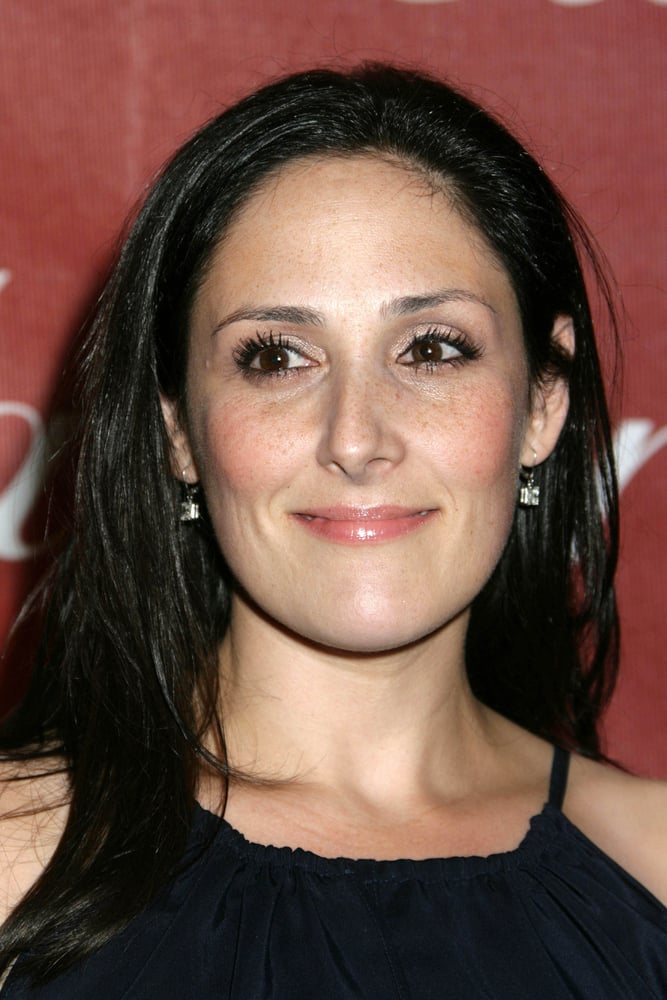
Ricki Lake brought a youthful energy to daytime television that connected with teenage audiences in a way other hosts couldn’t match. Her show, which ran from 1993 to 2004, focused on issues relevant to young people.
Lake was considered very sensible as a host while still making things fun, and many felt she never got enough credit for her hosting abilities. One memorable episode featured someone professing their love for their cousin, which was something even by 90s talk show standards.
Montel Williams and Sylvia Browne

Montel Williams’ show seemed to revolve around the appearances of bleached-blonde psychic Sylvia Browne, who became a controversial regular fixture. The Montel Williams Show ran for an impressive 17 seasons and 4,325 episodes, making Williams the first Black man to have a daytime talk show.
Browne’s predictions and readings provided some of the most memorable moments, though many were later proven wrong. The dynamic between the serious former Marine host and the flamboyant psychic created television gold that kept viewers coming back for more bizarre predictions.
Jenny Jones’ Makeover Madness

Beyond the tragic murder case, The Jenny Jones Show was known for its dramatic makeover episodes. The show regularly featured segments where goth kids and others with alternative styles were given mainstream makeovers, often against their will.
The show was produced by Quincy Jones and saw the biggest syndicated launch in talk show history when it premiered in 1991. While it started fairly tame, the series got progressively weirder as it went on, running for an impressive 12 seasons until 2003.
Oprah’s Book Club Confrontation
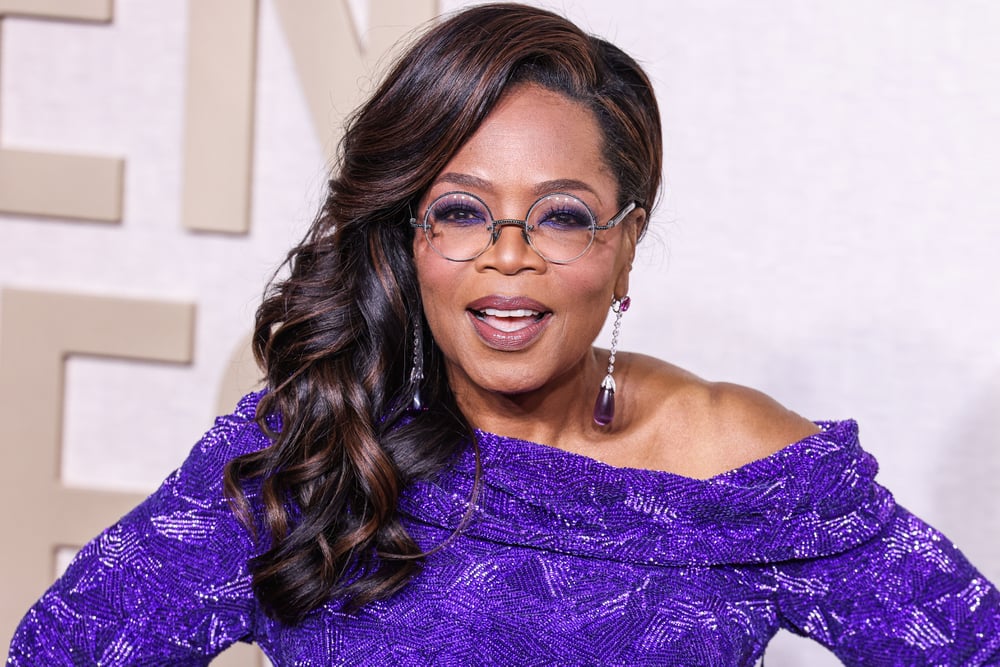
Oprah Winfrey had to confront author James Frey on her show after adding his ‘memoir’ A Million Little Pieces to her official book club, only to discover later that much of it was fabricated. The uncomfortable interview showed Oprah at her most stern, holding Frey accountable for misleading her and her audience.
This moment demonstrated the power and responsibility that came with Oprah’s endorsement, as her book club selections could make or break literary careers. The confrontation became a watershed moment about truth in publishing.
Donahue’s Cross-Dressing Episode

Phil Donahue shocked audiences when he appeared in a dress during a 1988 episode about cross-dressing. The veteran host wore a full outfit, complete with makeup and wig, to better understand his guests’ experiences.
This type of immersive journalism was typical of Donahue’s approach to tackling controversial subjects. The episode generated enormous buzz and demonstrated Donahue’s commitment to exploring every angle of the topics he covered, even if it meant putting himself in uncomfortable situations.
The Morton Downey Jr. Brawls

Before J. Springer perfected the formula, Morton Downey Jr. was stirring up controversy with his confrontational style. Roy Innis, who would later be involved in the Geraldo brawl, had an earlier physical altercation with Al Sharpton on The Morton Downey Jr. Show.
Downey’s show was a precursor to the more extreme talk shows that would dominate the 90s. His in-your-face approach to hosting created an aggressive atmosphere that often boiled over into physical confrontations between guests.
Joan Rivers’ Comedy Chaos
The Joan Rivers Show ran as a syndicated series from 1989 to 1993, bringing Rivers’ sharp wit and comedy background to daytime television. Rivers had already made her name as a comedian and won Emmy, Grammy, and Tony Award nominations before taking on daytime hosting duties.
Her show featured outrageous celebrity interviews and comedy segments that pushed boundaries. She won the Emmy Award for Outstanding Talk Show Host in 1990, and even after the show ended, repeats continued to air on E! and remained successful.
Leeza Gibbons’ Celebrity Focus

Leeza Gibbons’ show initially started as a partnership with John Tesh called ‘John & Leeza From Hollywood,’ but became simply ‘Leeza’ after Tesh left less than a year later. The show originally focused on celebrity news and interviews, playing off Gibbons’ six-year experience on Entertainment Tonight.
After becoming a solo effort, Leeza turned into more of a traditional talk show focusing on crime and celebrity stories, lasting seven years and producing 1,270 episodes while earning 29 Daytime Emmy nominations and winning three.
Geraldo’s Devil Worship Special
Two weeks before his nose-breaking incident, Geraldo Rivera hosted a primetime special called ‘Devil Worship: Exposing Satan’s Underground,’ a program fueled more by the ‘satanic panic’ hysteria of the time than actual facts. The special exemplified the sensationalistic approach that defined much of 90s talk television.
Television critics jeered Rivera for ushering in a kind of trash-talk genre that appealed to the lowest common denominator, though Rivera countered that controversial guests shed light on their alarming beliefs.
Rolonda Watts’ Alternative Approach

Rolonda arrived as a 90s talk show in January 1994 with Rolonda Watts as host and her own production company behind the show. Watts attempted to provide a more thoughtful alternative to the increasingly sensational landscape of daytime television.
Her show focused on real issues affecting everyday people without resorting to the extreme tactics employed by her competitors. Despite offering quality content, the show struggled to compete with the ratings-grabbing antics of other programs and represented the challenge of maintaining dignity in an increasingly outrageous market.
The Legacy Lives On

The wild world of 90s daytime talk shows didn’t just entertain millions—it fundamentally changed television forever. These programs proved that audiences craved authentic human drama, paving the way for today’s reality TV empire.
What made most of these shows so entertaining was that they were very much a product of their time, presenting content that was highly offensive and completely out of left field by today’s standards. While some moments were tragic and others simply bizarre, they all contributed to a unique era when daytime television was must-see TV.
More from Go2Tutors!

- The Romanov Crown Jewels and Their Tragic Fate
- 13 Historical Mysteries That Science Still Can’t Solve
- Famous Hoaxes That Fooled the World for Years
- 15 Child Stars with Tragic Adult Lives
- 16 Famous Jewelry Pieces in History
Like Go2Tutors’s content? Follow us on MSN.



