Hidden Meanings Behind The Colors Of World Flags
Flags are easy to overlook. They hang on poles, get printed on passport covers, and wave at sporting events.
But the colors on those flags were never chosen randomly. Each one carries a story — sometimes a painful one, sometimes a hopeful one, and occasionally one that gets rewritten when governments change.
Here’s what those colors are actually saying.
Red: The Color That Shows Up Everywhere
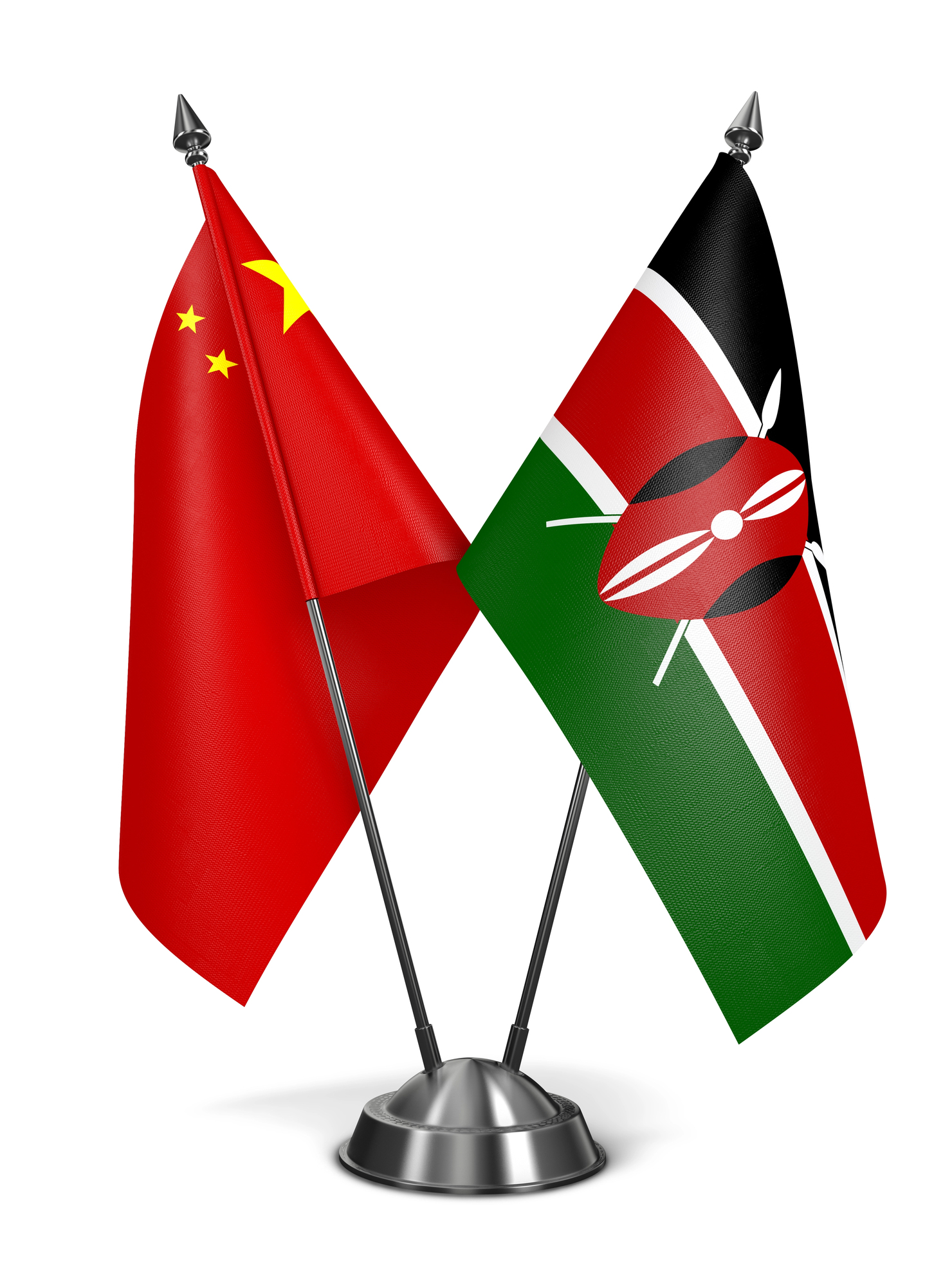
More than two-thirds of the world’s flags include red. That alone tells you something — red is hard to ignore, which is exactly why so many nations reach for it.
In most contexts, red on a flag represents blood. Not in a grim way necessarily, but as a symbol of sacrifice — the lives lost to win independence, fight off invaders, or survive a revolution.
France’s tricolor carries this meaning. So does the American flag.
So does Kenya’s, where the red specifically honors those who died during the fight for independence from British colonial rule.
But red doesn’t always mean struggle. In China, red stands for communism and the revolution that brought the current government to power.
In some Southeast Asian and Middle Eastern contexts, it signals courage and valor, with no reference to conflict at all. Japan’s red circle — the rising sun — represents the country itself, not sacrifice or politics.
White: More Than Just A Blank Space
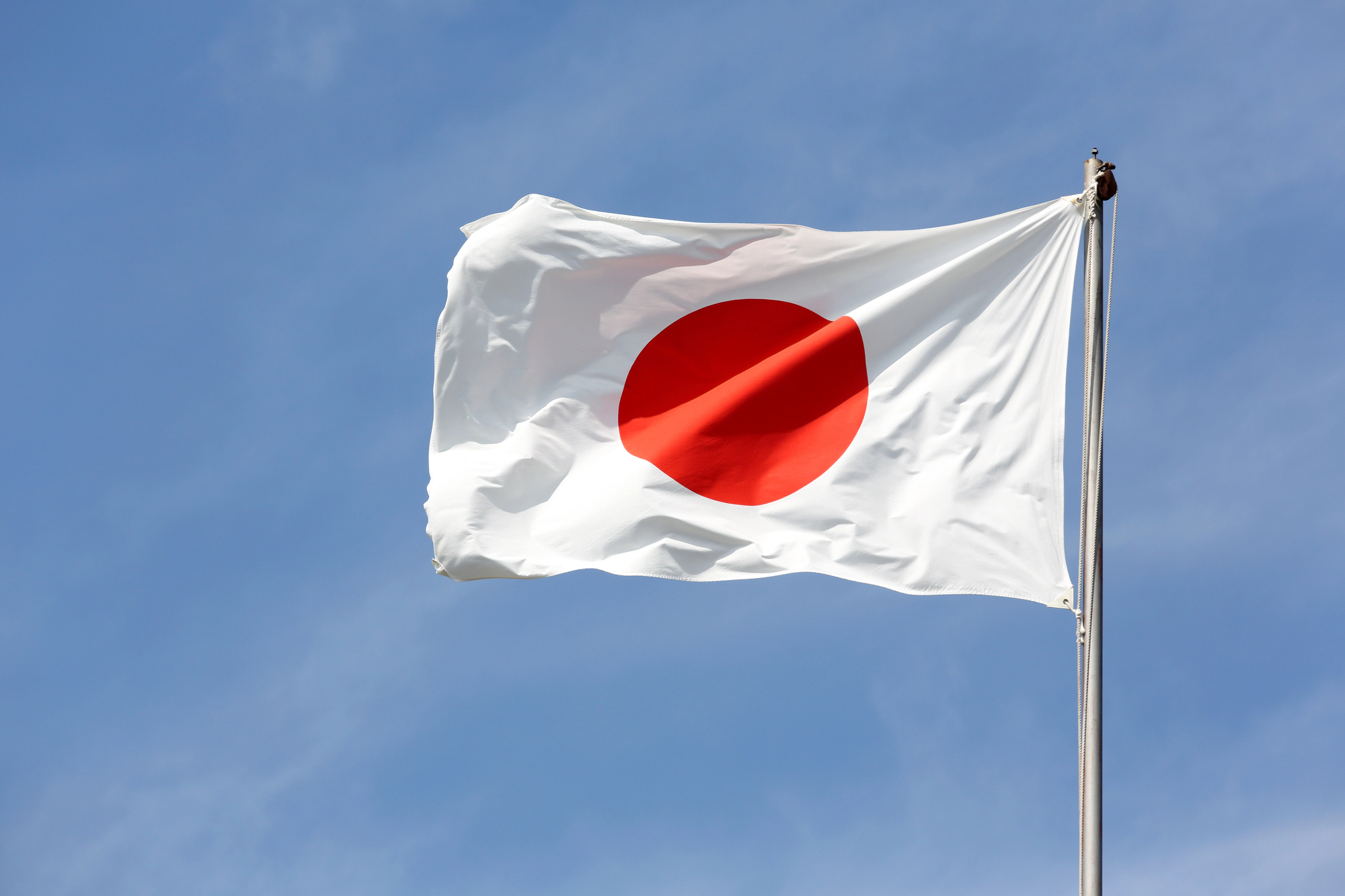
White often gets treated as filler, the negative space between more dramatic colors. That’s a mistake.
On most flags, white signals peace or purity. Switzerland’s white cross on red is one of the clearest examples — it’s a direct symbol of neutrality, which Switzerland has maintained for centuries.
Japan uses white as a background not just for simplicity but to represent honesty. On the flag of Georgia, the country in the Caucasus, white stands for peace and wisdom.
In some Islamic traditions, white also represents light and the divine. Several flags in the Arab world use it for that reason, often paired with green or black.
Blue: Water, Sky, And Something Bigger
Blue carries one of the widest ranges of meanings in vexillology — the study of flags. On island nations and coastal countries, blue often represents the surrounding sea.
Fiji, Tuvalu, and the Bahamas all use blue with that in mind.
But blue also takes on more abstract meanings. The United Nations flag is blue to signal calm and peace.
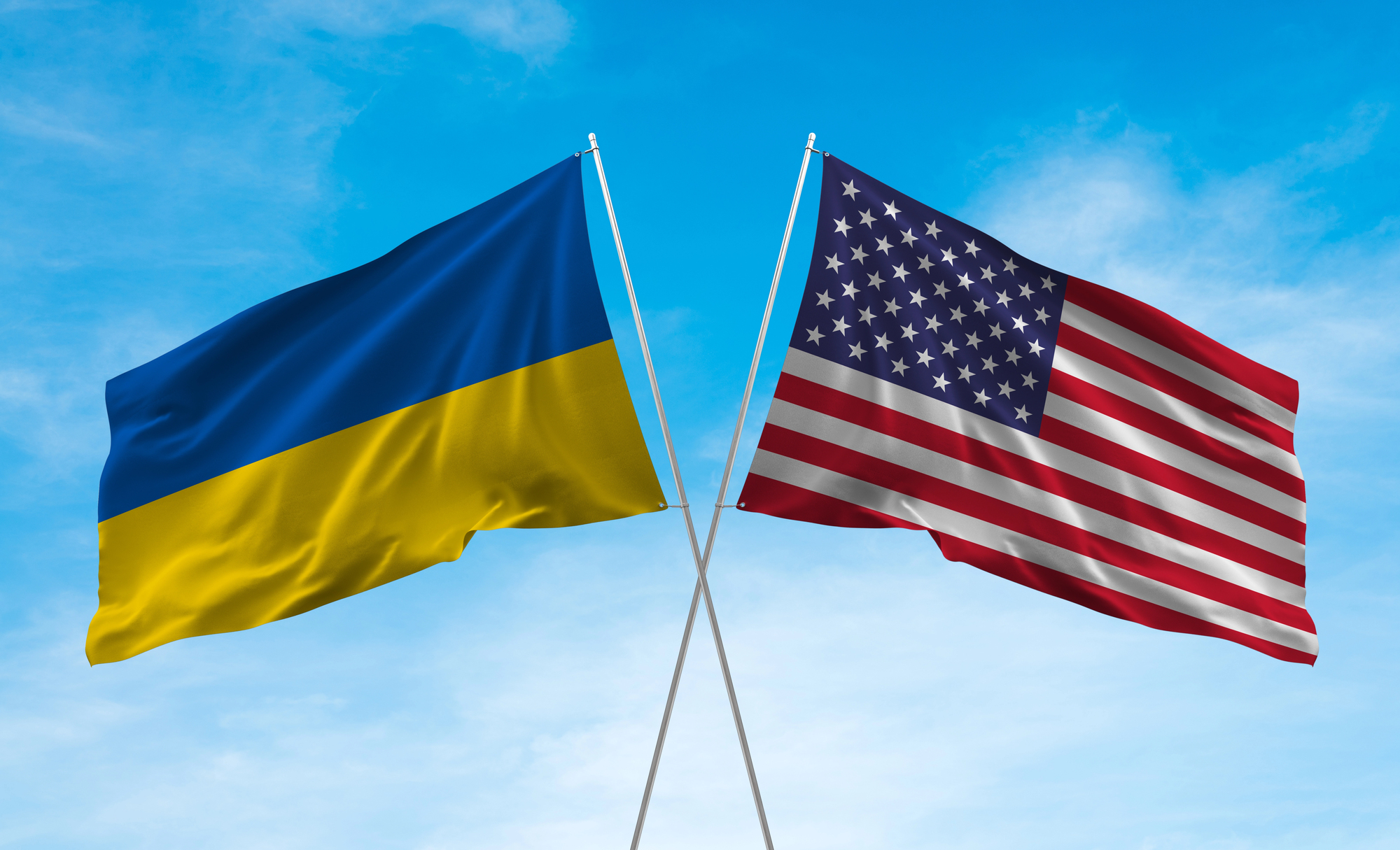
The European Union chose blue partly for the same reason. In the United States, blue on the flag is officially said to represent vigilance, perseverance, and justice — though those associations were added long after the design was created.
For Ukraine, blue represents the sky — and paired with yellow, it paints a picture of golden fields beneath a clear horizon.
Green: The Color Of Land, Life, And Faith
Green is particularly significant in parts of Africa and the Muslim world. In Islam, green is considered sacred.
It’s associated with paradise, with the Prophet Muhammad, and with spiritual life in general. Saudi Arabia’s flag is almost entirely green for this reason.
Pakistan and Iran both feature prominent green. Across Africa, green tends to represent the land itself — the forests, the agriculture, the natural resources that define the continent’s wealth.
Nigeria’s green stripes are explicitly about the country’s fertile land. Jamaica’s green triangle carries the same meaning.
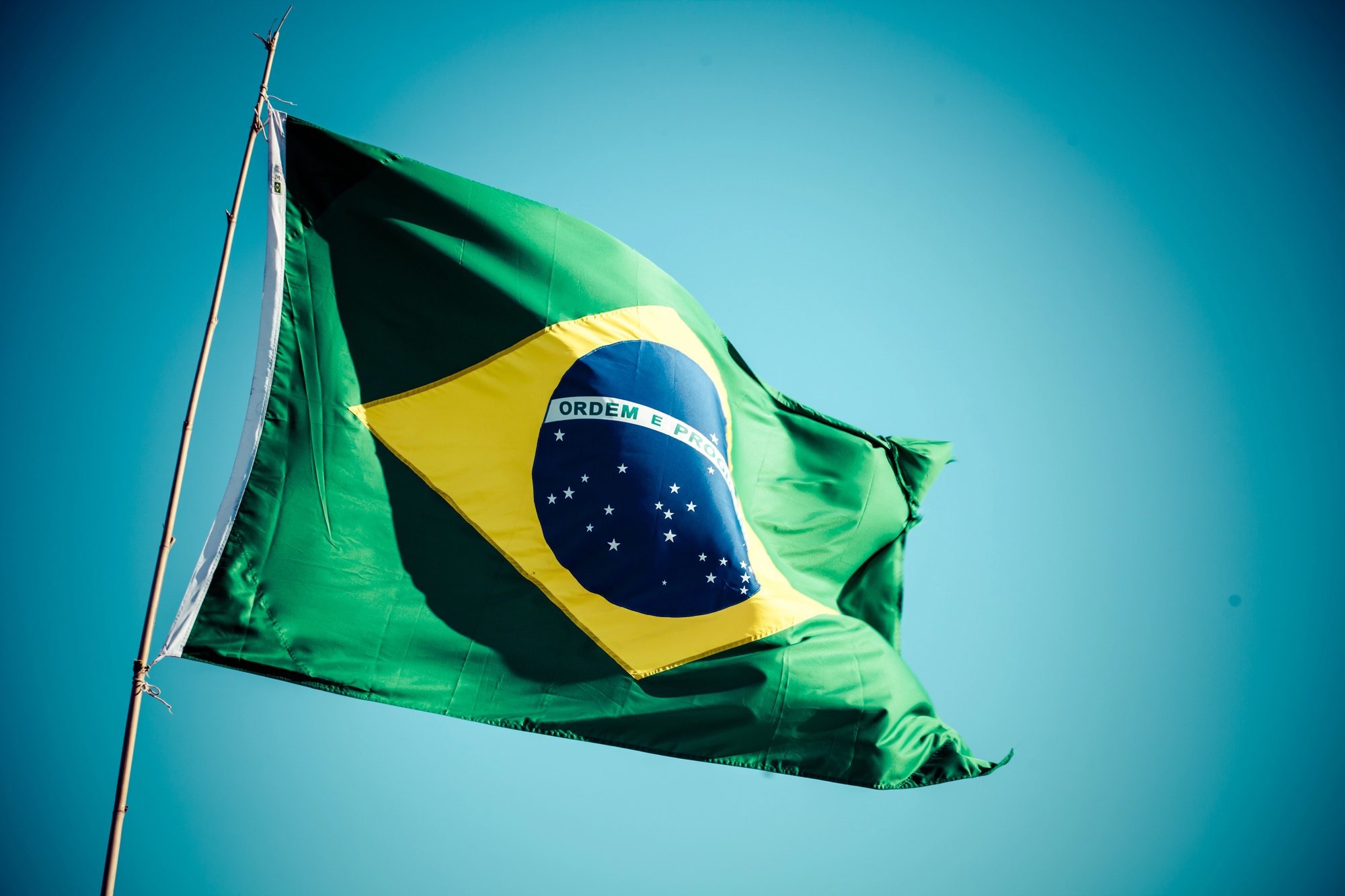
Brazil combines green with yellow in a way that’s meant to represent the rainforest and the gold that defined the colonial economy. Whether that interpretation fully holds up historically is another question, but that’s the official story.
Yellow And Gold: The Weight Of Wealth
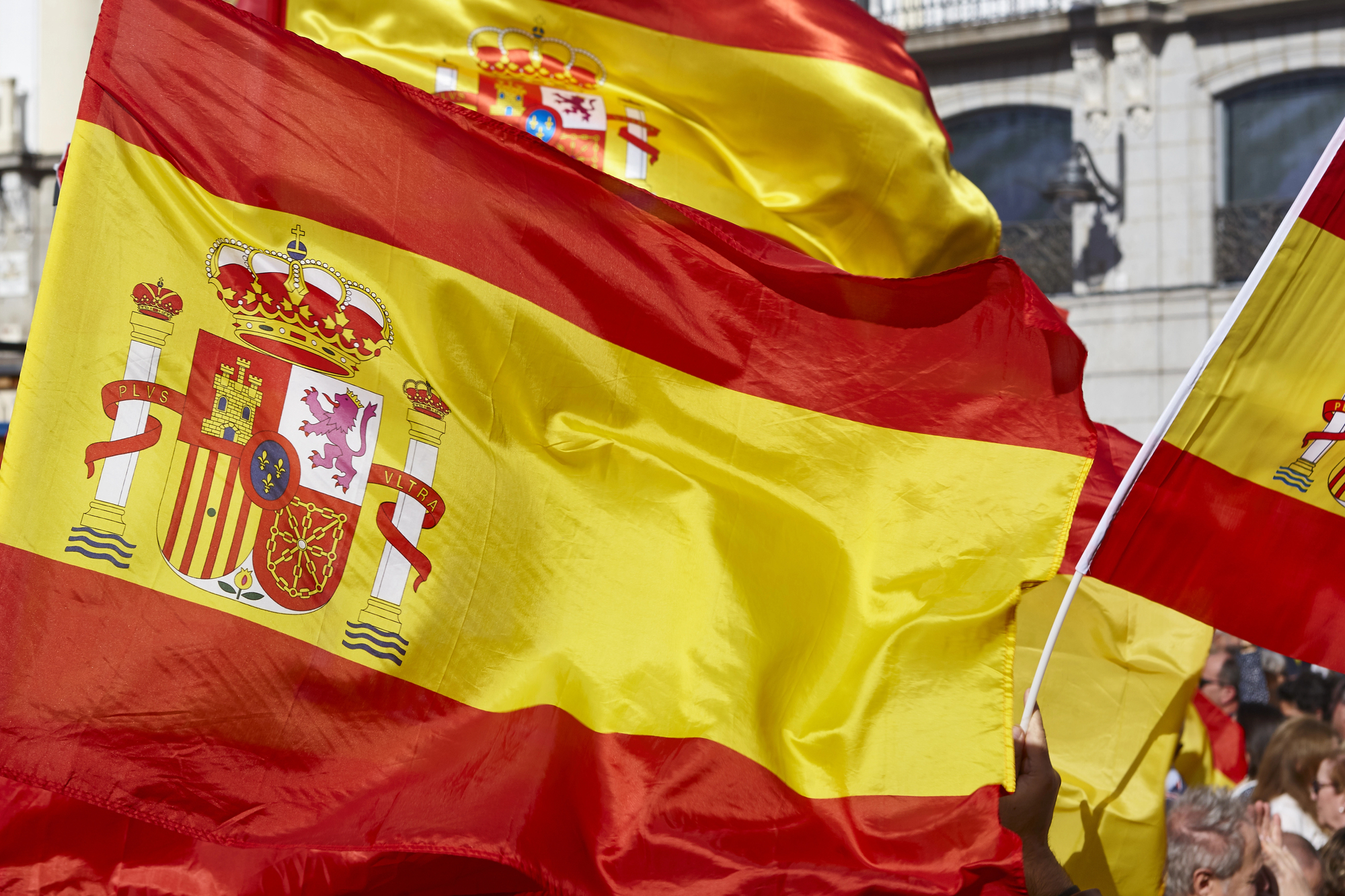
Yellow and gold are often linked to the sun, to mineral wealth, or to royalty. Ghana was one of the first African nations to use gold on its flag after independence, deliberately choosing a color that represented African prosperity — partly in contrast to the image of poverty that colonial powers had projected onto the continent.
Spain’s golden yellow traces back centuries to the royal coat of arms. In Germany, the black, red, and gold combination has roots in the uniforms of soldiers who fought Napoleon in the early 19th century, though the exact origin is debated.
In Ethiopia, yellow represents peace and harmony between the country’s many ethnic and religious groups. It sits between green and red, and the three colors together have gone on to influence dozens of other nations.
Black: Strength, Mourning, And Defiance
Black is striking on a flag. It draws the eye and communicates something serious.
In Germany, black represents determination. In Kenya, it represents the Kenyan people themselves.
On the flag of Papua New Guinea, black is one of the traditional colors of many of the country’s indigenous communities.
But in some historical contexts, black has carried grief. The flag of Afghanistan under various governments has used black to represent the dark periods in the country’s history.
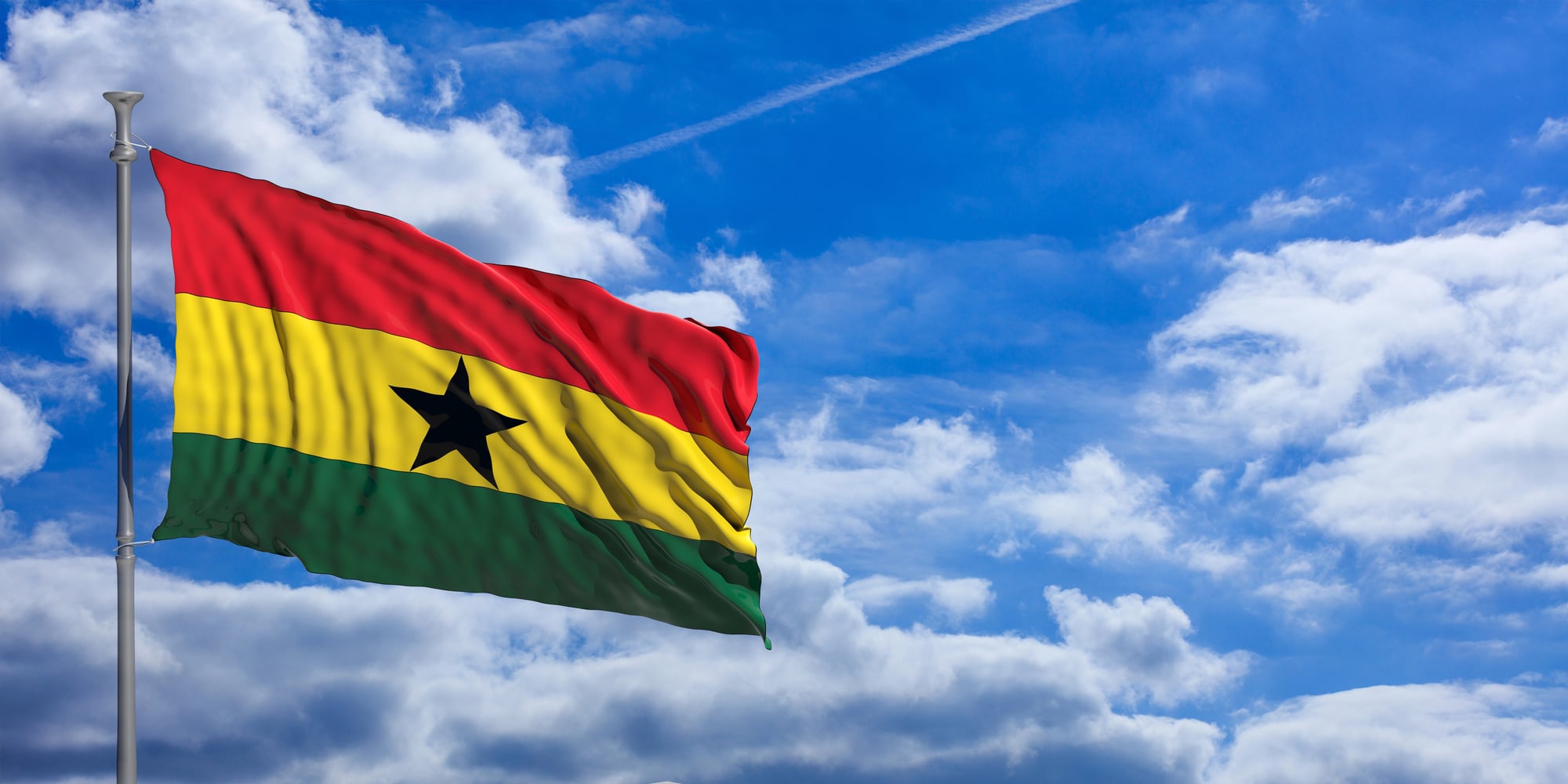
The Black Star on Ghana’s flag is a direct symbol of African unity and resistance to colonialism — a powerful gesture from a nation that gained independence in 1957 and became a model for others across the continent.
Orange: The Color That Refuses To Be Neutral
Orange is rarer than red or blue, but when it appears, it makes a statement.
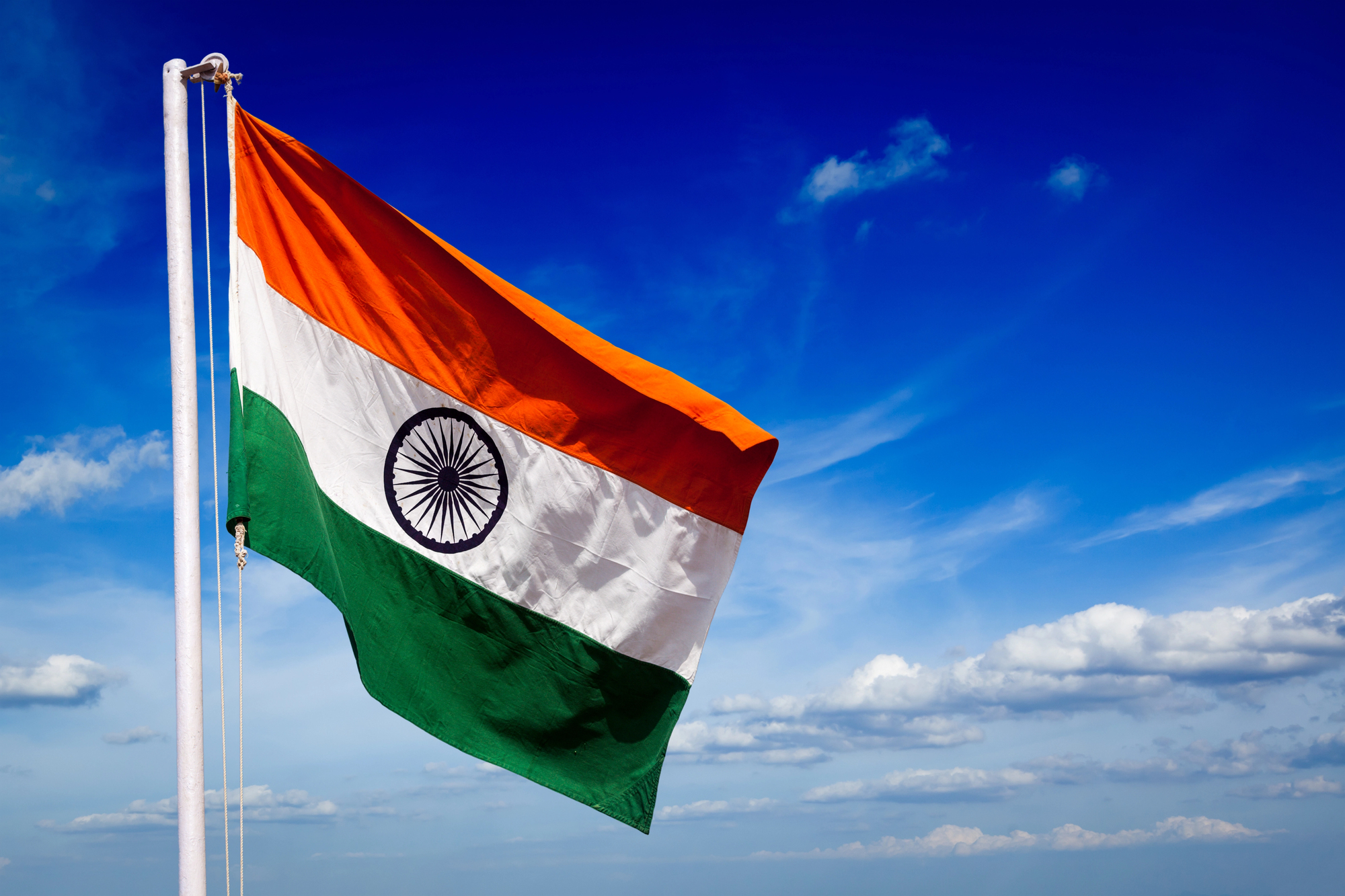
India’s flag uses saffron — a deep orange — to represent courage and sacrifice. The color holds significance in Hinduism and Buddhism and was deliberately chosen to be inclusive of India’s diverse religious landscape.
It wasn’t about one religion — it was about bravery across all of them. Ireland’s orange stripe has a very different story.
It represents the Protestant community in Ireland, specifically the followers of William of Orange who settled in the north. The orange and green sit on either side of white, which is meant to represent the hope for peace between those two communities.
So the same color tells two completely different stories depending on where you are.
Purple: The Rarest Color On Flags
Purple is almost absent from world flags. The reason is practical: for most of human history, purple dye was extraordinarily expensive to produce.
It came from sea snails, thousands of which were needed to produce even a small amount of dye. Only royalty could afford it.
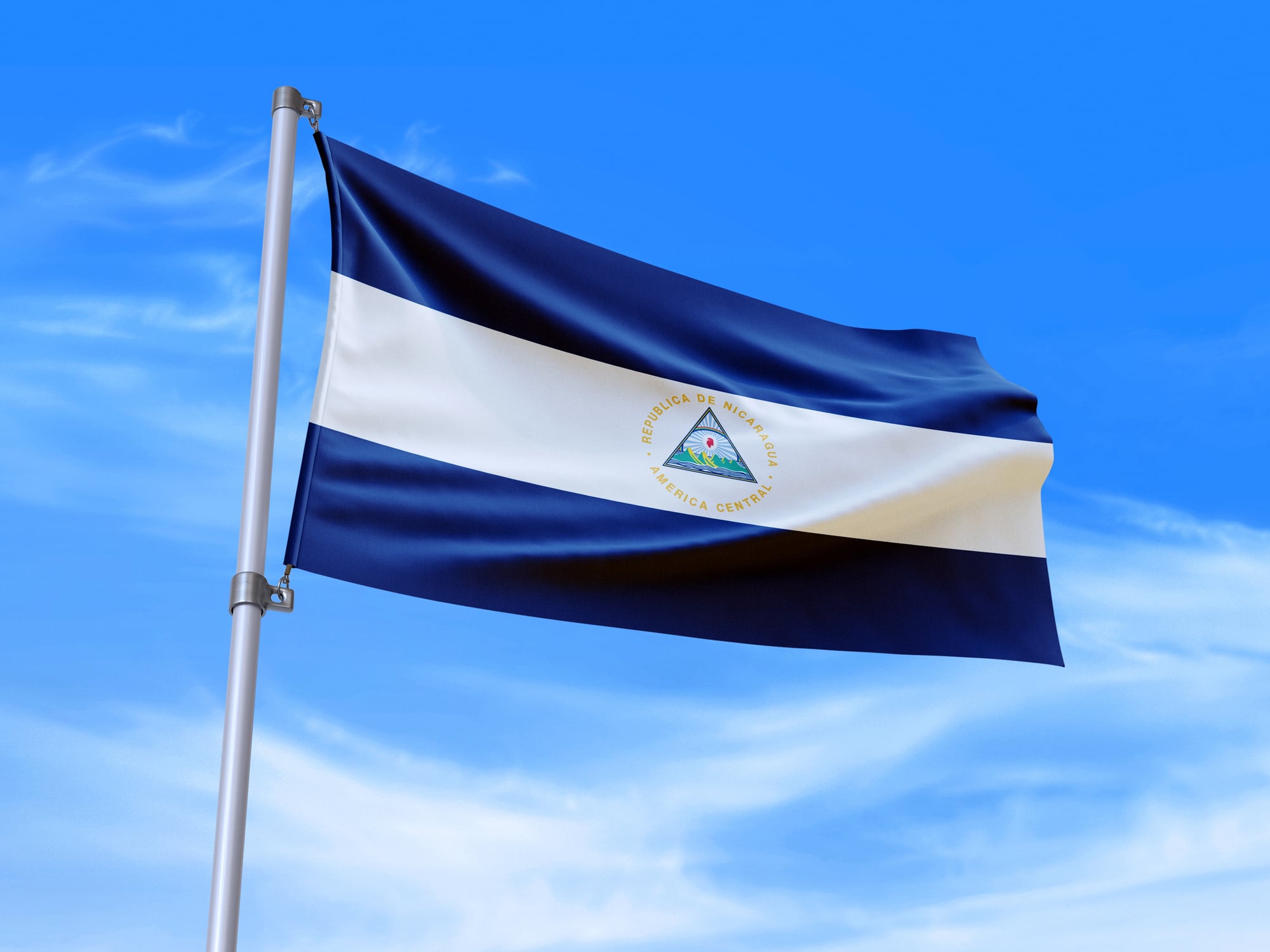
By the time countries started designing modern flags in the 18th and 19th centuries, purple was still associated with enormous cost. Nicaragua is one of the very few countries that includes purple — in a rainbow within its coat of arms.
Nicaragua managed it because they were designing a coat of arms, not dyeing fabric at scale. As synthetic dyes became available in the late 1800s, the cost barrier disappeared, but by then most flag traditions were already established.
Purple never really got a second chance.
The Pan-African Palette
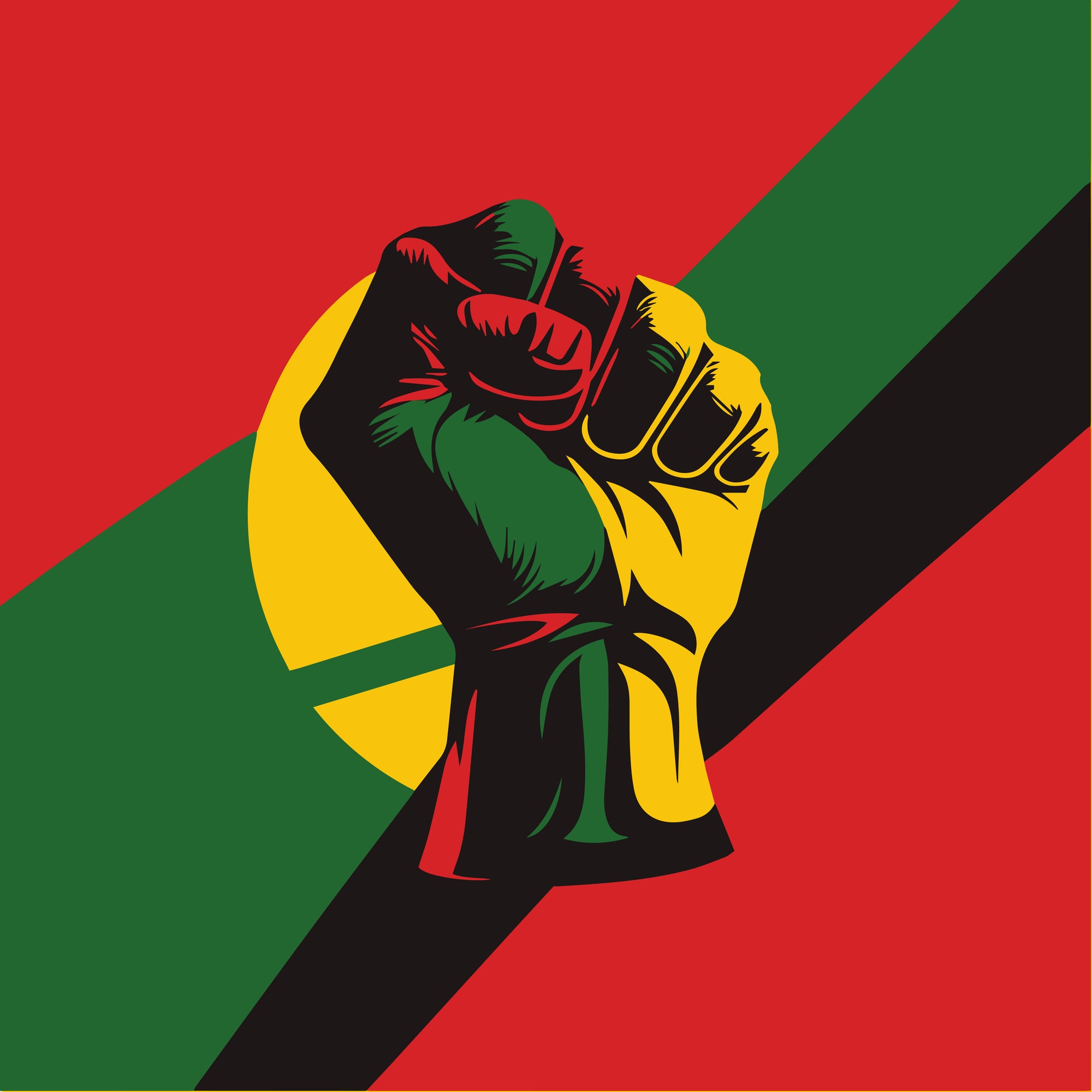
In 1958, a conference of African leaders in Ghana produced what became known as the Pan-African colors: red, gold, and green. These three colors — borrowed from the Ethiopian flag, which had never been colonized — became a symbol of African independence and solidarity.
Since then, dozens of African nations have incorporated these three colors. Guinea, Senegal, Mali, Cameroon, and many others all use some version of this combination.
It’s not coincidence. It’s a conscious political statement — a shared visual language saying that these countries belong to a particular tradition of independence and resistance.
Ethiopia gets special recognition for this. It’s one of the oldest independent nations in Africa and the only one that successfully resisted European colonization during the Scramble for Africa.
That history gave its colors enormous symbolic weight.
The Pan-Arab Colors
The Arab world has its own shared palette: red, white, black, and green. These colors trace back to the Arab Revolt of 1916, when Arab tribes rose against the Ottoman Empire with British support.
The flag used during that revolt combined these four colors, each associated with a different Arab dynasty in history. Syria, Jordan, Iraq, and several other nations have used variations of this combination ever since.
The United Arab Emirates, Egypt, and Yemen all feature red, white, and black. It’s a visual marker of shared history and, in some cases, shared political aspirations.
When you see those four colors together, you’re looking at a flag that’s likely from the Arab world — even before you read the name.
The Color Of Faith
Religion leaves a clear mark on many flags. Green for Islam, as mentioned, appears across the Muslim world.
But the cross — whether the Nordic cross that runs across Scandinavian flags or the Greek cross on Switzerland’s flag — signals Christian heritage just as clearly.
England’s flag is literally a cross: the red cross of Saint George on white. Greece’s blue and white flag incorporates a cross.
The flags of Norway, Sweden, Denmark, Finland, and Iceland all share the same basic cross design, offset to the left, a style called the Nordic cross.
In each case, the religious symbol isn’t necessarily a statement about state religion today — it’s more often a nod to history, to the role the church played in shaping national identity over centuries.
When Colors Get Revised
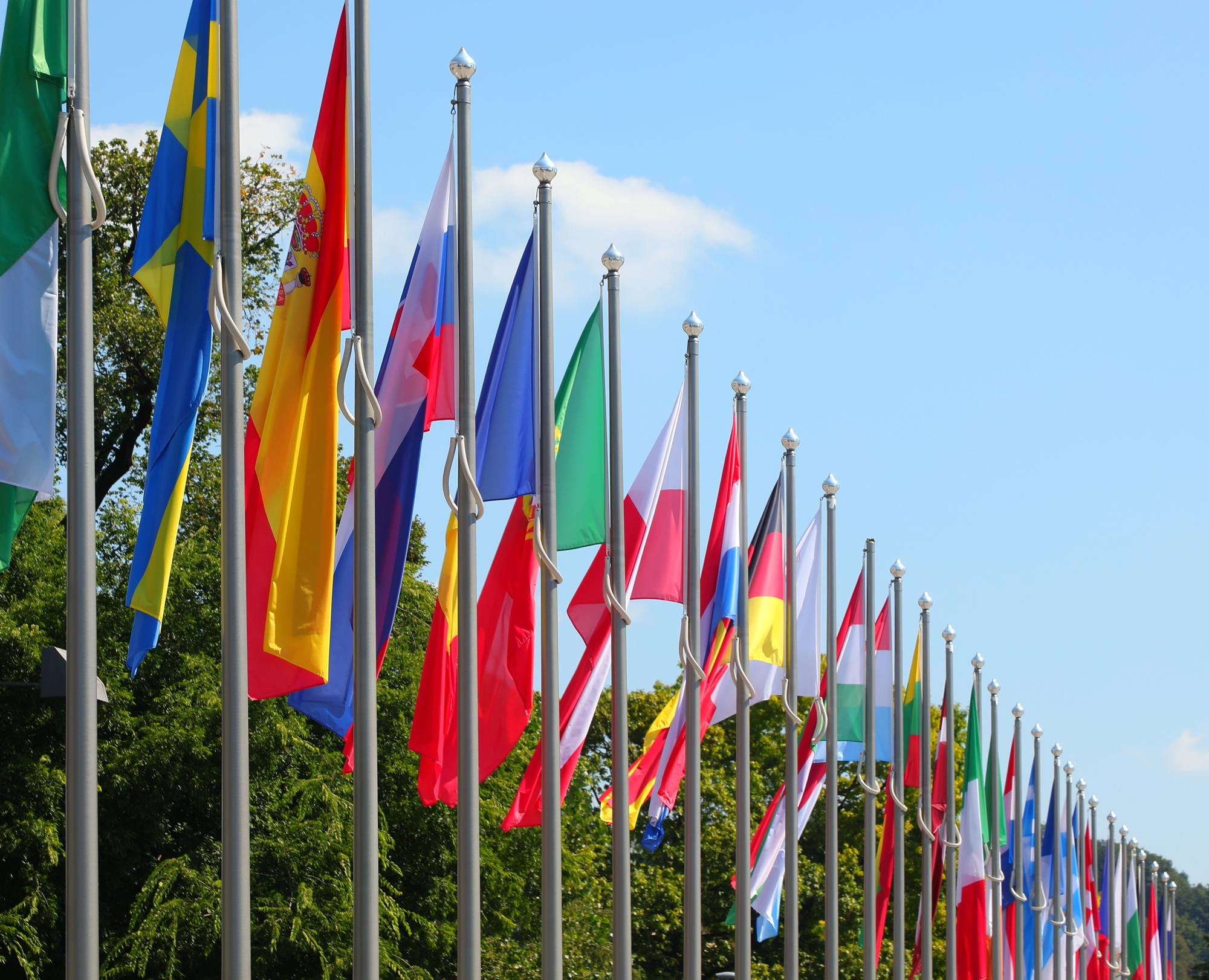
Flags change more often than you’d think, and when they do, the colors often change with them. After colonialism ended across Africa, many nations redesigned their flags entirely, removing symbols associated with European rule and adding colors that reflected their own traditions and aspirations.
After the fall of the Soviet Union, former Soviet republics stripped out the red that had dominated their flags and replaced it with colors connected to their pre-Soviet identities. The Baltic states — Estonia, Latvia, and Lithuania — revived flags that had been suppressed for decades.
South Africa is a more recent example. After apartheid ended in 1994, the country adopted a new flag that combined colors from both the African National Congress and the old apartheid-era flag.
The result is one of the most visually complex national flags in the world — and entirely intentional.
When Two Countries Look Almost Identical
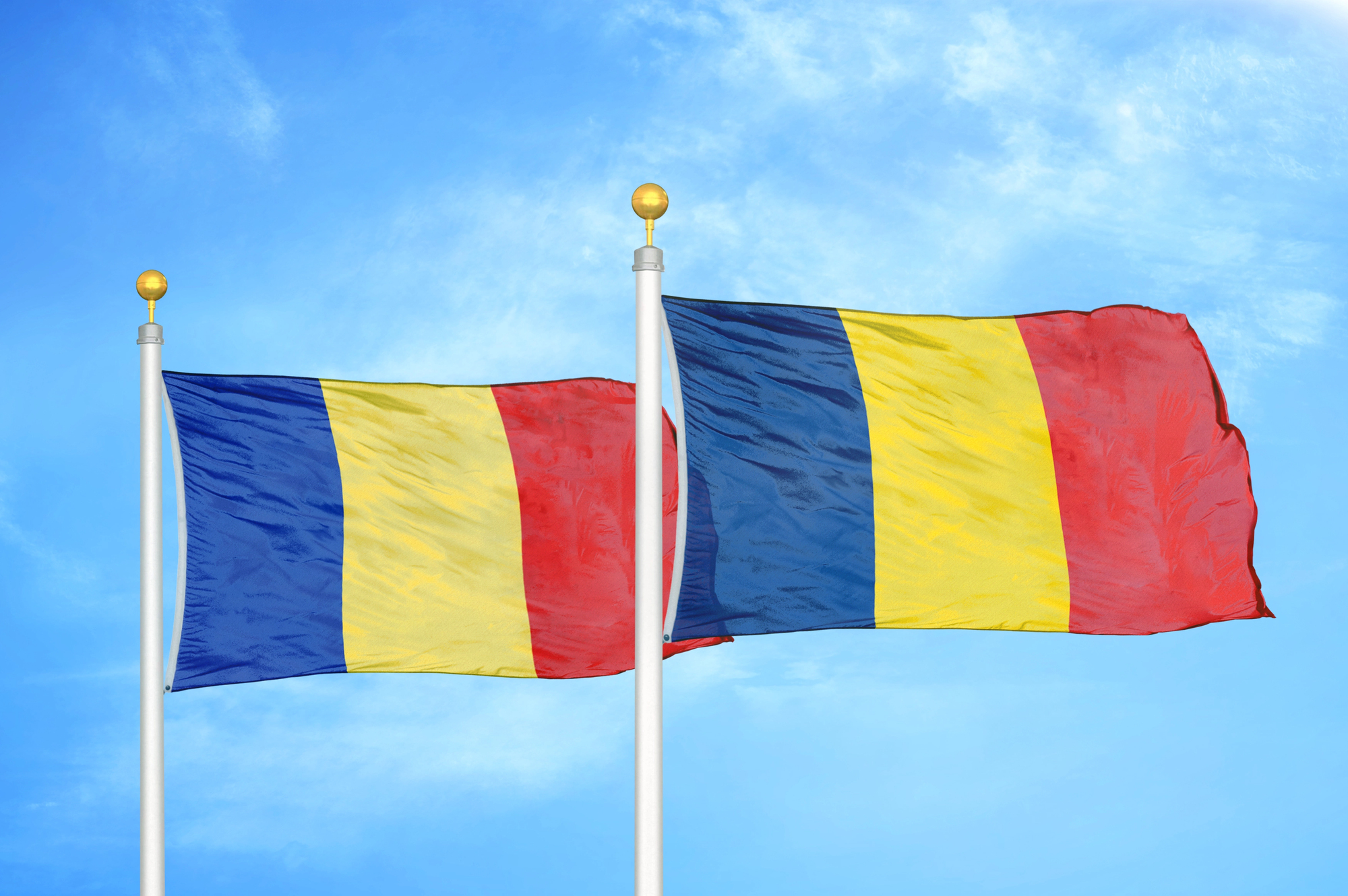
Blue, yellow, red – lined up vertically – look almost the same on both Chad’s and Romania’s flags. A tiny shift in blue tone separates them.
Confusion pops up now and then because of it. Not everyone sees that small color change at first glance.
Tension has bubbled under the surface between the nations more than once. Colors meant to stand out sometimes blur instead.
Mirroring each other closely, Monaco’s banner carries red above, white beneath – just like Indonesia’s. Though their dimensions aren’t identical, spot them far away and telling apart becomes near impossible.
What looks like coincidence often has roots in shared history. Take how nations reached into similar wells of meaning – ideas sparked by France’s revolution, symbols tied to Arab unity, or colors standing for African oneness.
Out of those choices came flags that echo one another, not by chance but by purposeful connection.
Colors Hold The Full Story

Wrapped in fabric smaller than your desk lies weight heavier than stone. South Africa waves six colors speaking peace after fire.
Not one stripe red, nor white, nor blue – Jamaica chose gold like sun, green like leaf, black like soil, turning its back on old empires without saying so.
A rifle crosses Mozambique’s banner – not hidden, not forgotten – an assault gun planted there to mark war won by force. Cloth carries memory when words fall short.
A flag shows more than colors. It holds pieces of a country’s dreams, its past echoes, then quiet struggles hidden inside folds.
What appears simple carries weight. Seen clearly, it reflects hopes shaped by time, memories stitched deep, also battles not yet finished.
The Stories Flags Still Carry
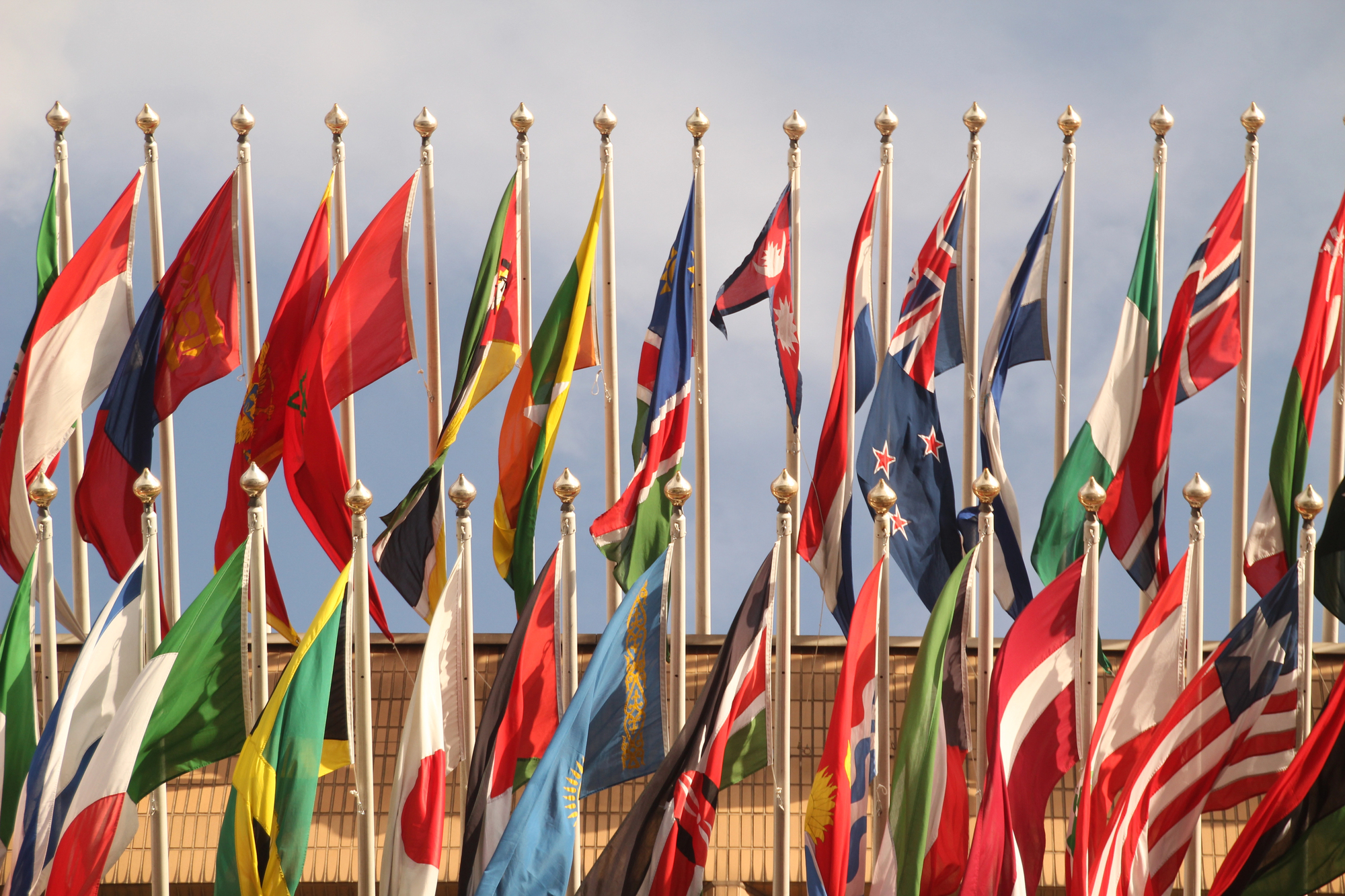
Start anywhere – colors never explain what they mean. Context does the talking.
Take red. On some flags it stands for loss, on others it shouts rebellion, while elsewhere it’s merely paint picked ages back by people long gone who left no reason behind.
Still, that’s one reason flags catch attention. A single set of colors might carry clashing messages, painful pasts, yet real optimism – all together.
When a banner flaps overhead later today, let your eyes linger just briefly. Chances are, there’s deeper weight behind it than first seems.
More from Go2Tutors!

- The Romanov Crown Jewels and Their Tragic Fate
- 13 Historical Mysteries That Science Still Can’t Solve
- Famous Hoaxes That Fooled the World for Years
- 15 Child Stars with Tragic Adult Lives
- 16 Famous Jewelry Pieces in History
Like Go2Tutors’s content? Follow us on MSN.