Most Influential Women in US Sports
Beyond just winning games, American women athletes have had to overcome many obstacles. They have pushed open doors that had been closed for generations, fought for equal pay, and fought for recognition.
In addition to setting records, these athletes broke down barriers, opening doors for those who followed. While some established themselves through their athletic prowess, others used their positions to call for reform in both boardrooms and locker rooms.
They are all united by a refusal to accept limitations, whether they were imposed by rivals on the field or antiquated viewpoints off it. Beyond their sport, they have shaped American culture and redefined what women can accomplish if given the opportunity to compete.
Here is a list of 13 women who had a lasting impact on American sports.
Billie Jean King
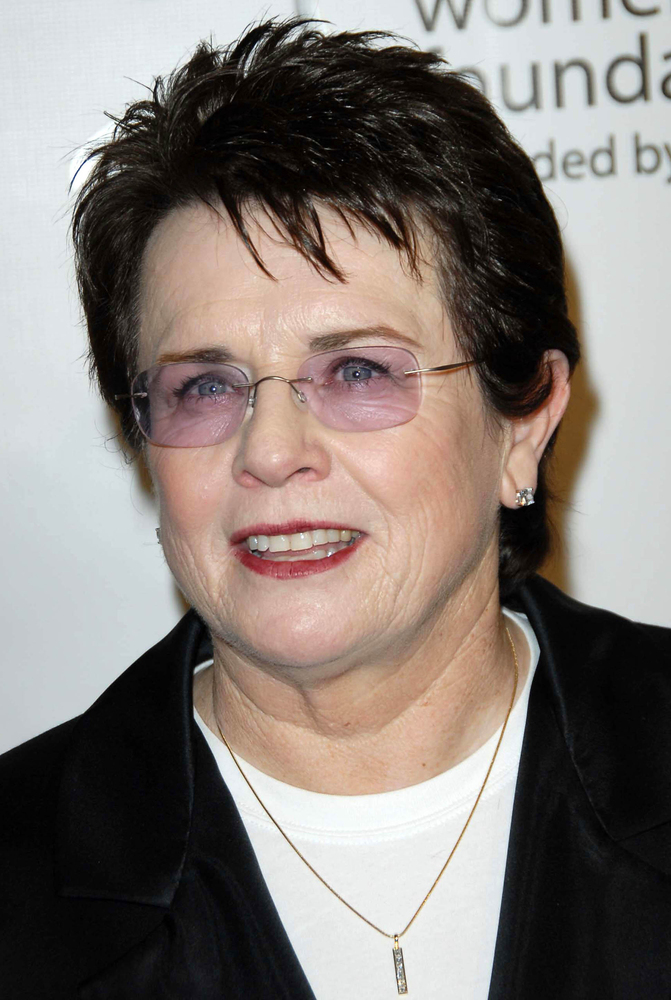
Billie Jean King didn’t just dominate tennis—she revolutionized it. With 39 Grand Slam titles across singles, doubles, and mixed doubles, her on-court achievements speak for themselves.
But King’s real legacy came from what she accomplished beyond the baseline. In 1973, she defeated Bobby Riggs in the ‘Battle of the Sexes,’ a match watched by tens of millions worldwide that proved women athletes deserved respect.
That same year, she threatened to boycott the US Open unless women received equal prize money, and the tournament caved. King founded the Women’s Tennis Association, established the Women’s Sports Foundation, and spent decades fighting for LGBTQ+ rights and gender equality in sports.
Serena Williams
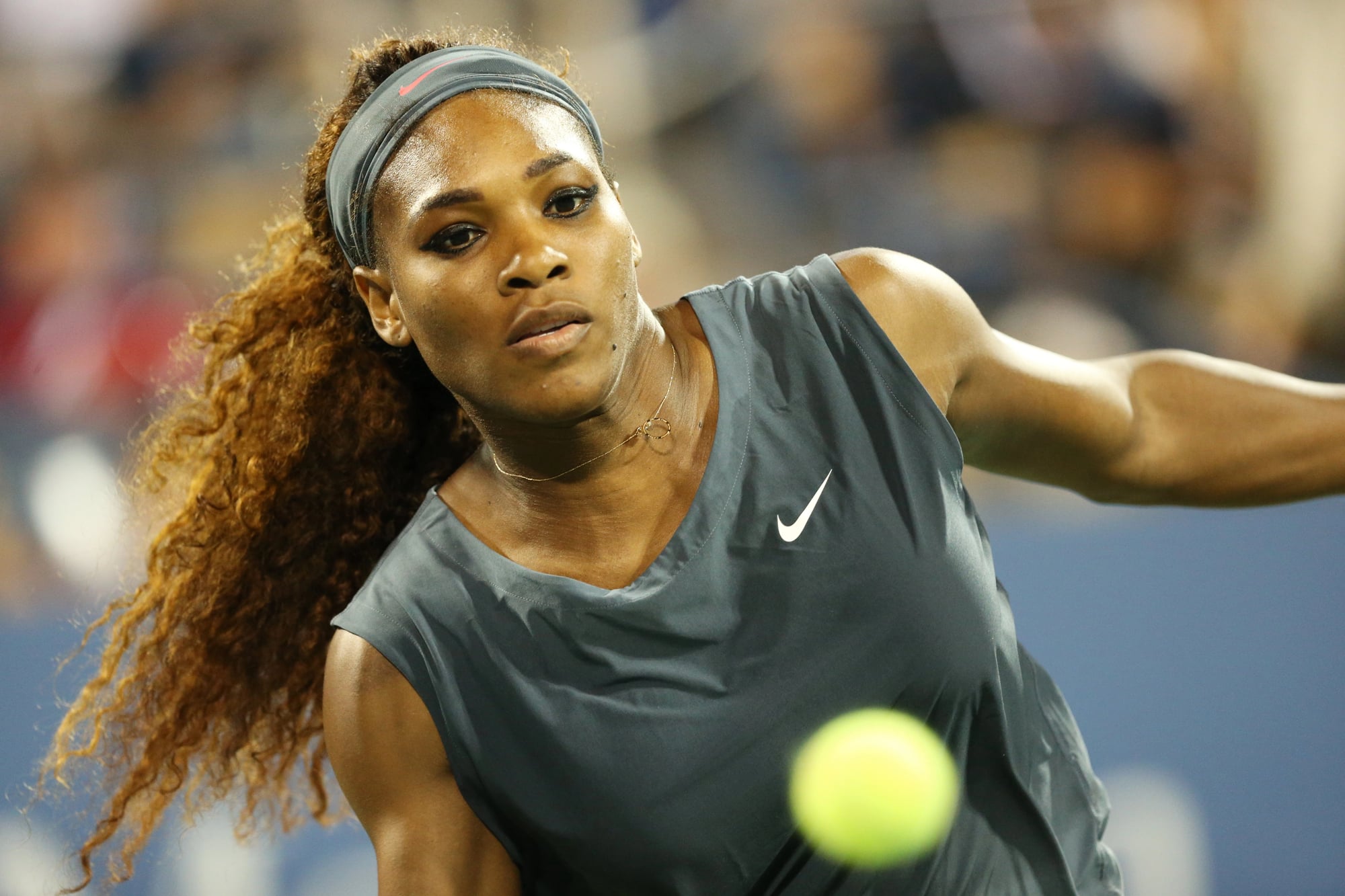
Serena Williams rewrote the record books and transformed how the world views women’s tennis. Her 23 Grand Slam singles titles place her just one behind the all-time record, and she also won 14 Grand Slam doubles titles alongside her sister Venus.
Williams’ dominance stretched across two decades, and she changed the sport with her powerful, athletic style that initially drew criticism but eventually became the new standard. Beyond tennis, she built a business empire through Serena Ventures, investing in over 70 startups with most led by women or people of color.
She’s owned stakes in multiple sports teams and used her platform to speak out about maternal health disparities affecting Black women, racial equality, and fair pay for female athletes.
Mia Hamm

Before Mia Hamm, women’s soccer in America was practically invisible. After her, it became impossible to ignore.
Hamm’s 158 international goals stood as a world record for years, and she led the US Women’s National Team to two World Cup championships and two Olympic gold medals. Her face became synonymous with American soccer during the 1990s and early 2000s, making her one of the first female athletes to achieve mainstream celebrity status.
Hamm co-founded the Women’s United Soccer Association, the first professional women’s soccer league in the US, and through the Mia Hamm Foundation, she supported bone marrow transplant patients and women’s sports development programs.
Pat Summitt

Pat Summitt built a dynasty at the University of Tennessee that changed college basketball forever. Her 1,098 career wins made her the winningest coach in NCAA Division I basketball history at the time of her retirement—a record that applied to both men’s and women’s basketball.
Summitt won eight NCAA championships and never missed an NCAA tournament in 38 seasons. She coached the 1984 Olympic team to gold and mentored players who became WNBA stars and coaches themselves.
Summitt’s intense coaching style and high standards elevated expectations for women’s basketball programs nationwide, proving that women’s college sports could draw crowds and generate serious revenue.
Simone Biles

Simone Biles is the most decorated gymnast in history with 32 World Championship and Olympic medals combined. She’s performed skills so difficult that five different moves are named after her—maneuvers so complex that many male gymnasts can’t do them.
But Biles made her biggest impact in 2021 when she withdrew from Olympic competition to protect her mental health, sparking a global conversation about athlete wellbeing. That decision showed more courage than any routine she’s ever performed.
Biles has used her platform to advocate for survivors of the USA Gymnastics scandal and to show young athletes that speaking up about mental health isn’t weakness—it’s strength.
Jackie Joyner-Kersee

Sports Illustrated called Jackie Joyner-Kersee the greatest female athlete of the 20th century, and her resume backs that up. She won three gold, one silver, and two bronze Olympic medals across four Games, dominating both the heptathlon and long jump.
Her heptathlon world record of 7,291 points, set in 1988, still stands today. Joyner-Kersee competed at the highest level despite battling asthma, showing young athletes that physical challenges don’t have to limit dreams.
Off the track, she’s devoted herself to helping underprivileged communities through the Jackie Joyner-Kersee Foundation, focusing on youth empowerment and community development in her hometown of East St. Louis, including building the $12 million Jackie Joyner-Kersee Center.
Lisa Leslie

Lisa Leslie became the WNBA’s first superstar, helping transform women’s professional basketball from a startup league into a sustainable institution. The three-time MVP led the Los Angeles Sparks to back-to-back championships and became the first woman to dunk in a WNBA game in 2002.
Leslie’s combination of skill, grace, and marketability brought mainstream attention to women’s pro basketball, landing her endorsement deals and media appearances that opened doors for future players. Her four Olympic gold medals and enshrinement in both the Naismith and Women’s Basketball Halls of Fame cemented her status as one of basketball’s all-time greats, regardless of gender.
Venus Williams

Venus Williams has seven Grand Slam singles titles and numerous doubles championships, but her most important victory came off the court. In 2005, she stood before the Grand Slam Committee and demanded that Wimbledon pay women the same as men.
When they ignored her, she wrote a powerful op-ed in The Times of London in June 2006 calling out the inequality. Finally, in 2007, Wimbledon agreed to equal prize money, and Venus became the first woman to receive an equal paycheck when she won that year.
The French Open followed suit a month later. Her fight for equality required persistence and courage, standing up to tradition-bound institutions that didn’t want to change.
Wilma Rudolph

Wilma Rudolph overcame childhood illnesses that left her partially paralyzed to become the first American woman to win three gold medals at a single Olympics in 1960. Born in Tennessee during segregation, Rudolph faced racism alongside her health challenges, yet she dominated the 100 meters, 200 meters, and 4×100 meter relay in Rome.
Her grace and speed earned her the nickname ‘The Black Gazelle,’ and she became an international sensation. Rudolph’s success opened doors for Black women in track and field, and after retiring, she worked as a teacher and coach, dedicating herself to helping young athletes.
The Wilma Rudolph Courage Award continues honoring groundbreaking athletes in her memory.
Babe Didrikson Zaharias

Babe Didrikson Zaharias dominated whatever sport she tried during the 1930s and 1940s. She won two gold medals and one silver in track and field at the 1932 Olympics, then turned to professional golf where she won 10 LPGA major championships.
In 1950, she co-founded the LPGA, helping establish women’s professional golf in America. Zaharias also excelled at basketball, baseball, and tennis, showing versatility no athlete had demonstrated before.
Her athletic success during an era when women were expected to avoid competitive sports challenged social norms and proved women could be serious athletes. Zaharias’s confidence and skill forced America to rethink assumptions about what women’s bodies could do and what women athletes deserved.
Florence Griffith Joyner

Florence Griffith Joyner, known as Flo-Jo, dazzled the 1988 Olympics with both her speed and style. She won three gold medals and set world records in the 100 meters and 200 meters that still officially stand today—over three decades later, though her 100-meter time of 10.49 seconds has been debated due to possible wind measurement issues.
Griffith Joyner combined athletic excellence with fashion-forward flair, wearing one-legged bodysuits and sporting long, decorated fingernails that challenged stereotypes about how female athletes should look. She showed that women could be fierce competitors and express their femininity however they chose, breaking down narrow definitions of what a champion looks like.
Kathrine Switzer

Kathrine Switzer became the first woman to officially run the Boston Marathon in 1967 when she registered using her initials. During the race, an official tried to physically remove her, but Switzer’s boyfriend and other runners helped her finish.
That moment captured on camera became iconic, symbolizing the barriers women faced in athletics. Switzer continued running marathons and fighting for women’s inclusion in distance running.
Her activism helped convince the International Olympic Committee to add the women’s marathon to the 1984 Los Angeles Olympics. Switzer proved that women had the endurance for long-distance events, directly challenging medical claims that running marathons would harm women’s bodies.
Martina Navratilova
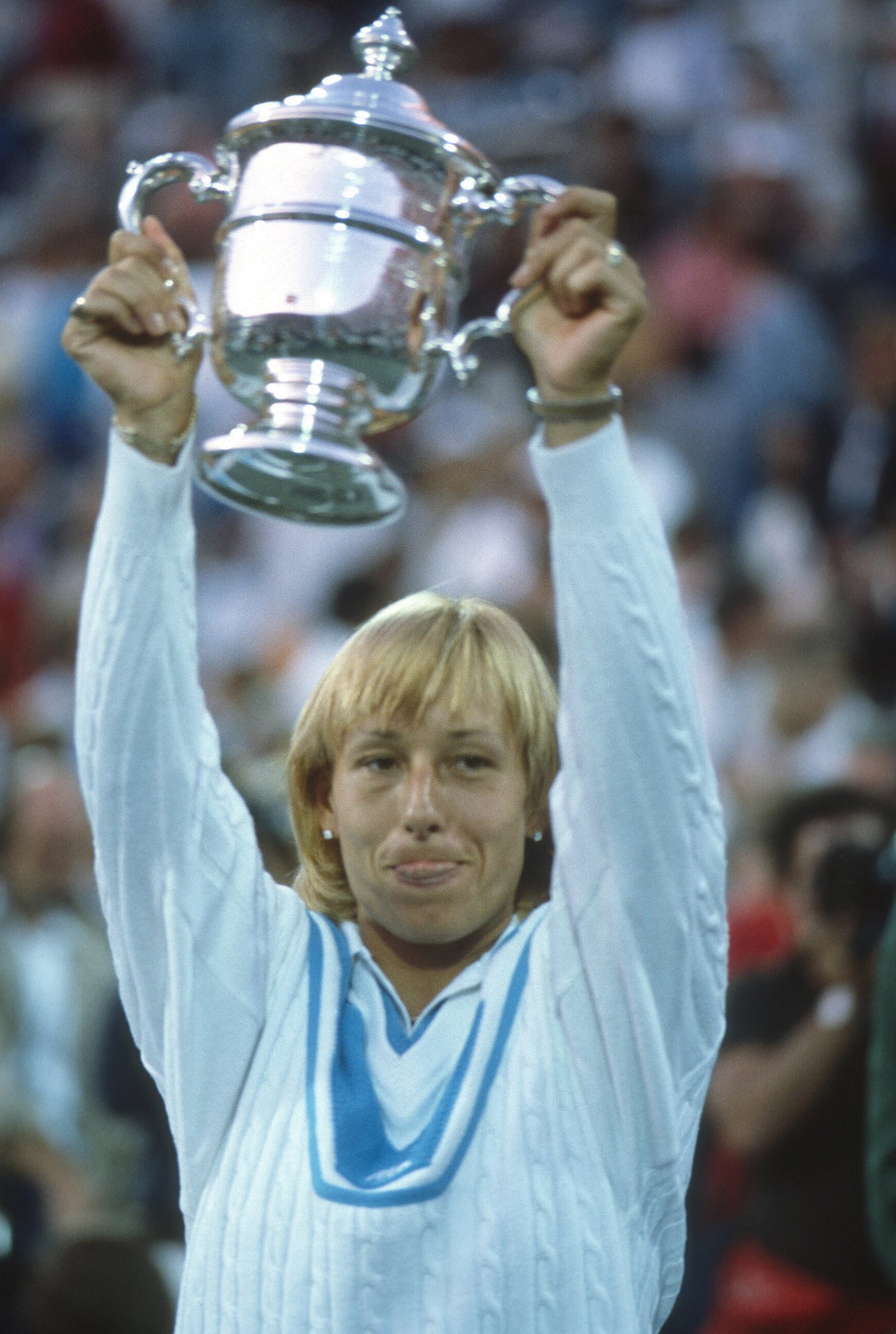
Martina Navratilova won 18 Grand Slam singles titles and 31 Grand Slam doubles titles during a career that stretched from the 1970s through the early 1990s. Her powerful, athletic style of play dominated women’s tennis and set new standards for conditioning and training.
After defecting from Czechoslovakia, Navratilova publicly came out as gay in 1981, becoming one of the first major athletes to do so. She faced backlash and lost endorsements but refused to hide who she was.
Her courage paved the way for future LGBTQ+ athletes and showed that being authentic wouldn’t necessarily end a career. After retiring, Navratilova became a vocal advocate for LGBTQ+ rights and women’s equality in sports.
Champions Who Changed Everything

In addition to being exceptional athletes, these 13 women radically altered the landscape of what was feasible for American female athletes. Some, like Venus Williams and Billie Jean King, battled for equal treatment in institutions and the courts.
Others, such as Simone Biles and Serena Williams, used their platforms to promote social change while redefining excellence in their respective sports. Whether it was by demanding equal pay, dispelling stereotypes, or just demonstrating that women could compete at the highest levels, their refusal to accept second-class status is what ties them together.
Because of their triumphs, which went well beyond scoreboards and record books, young girls can now dream as big as their brothers in sports without fear of having their dreams crushed.
More from Go2Tutors!

- The Romanov Crown Jewels and Their Tragic Fate
- 13 Historical Mysteries That Science Still Can’t Solve
- Famous Hoaxes That Fooled the World for Years
- 15 Child Stars with Tragic Adult Lives
- 16 Famous Jewelry Pieces in History
Like Go2Tutors’s content? Follow us on MSN.