Unusual Reasons Why Some Products Were Invented
Most products feel like they were designed with a clear purpose in mind. Someone saw a problem, sat down, and worked out a solution.
But the real story behind many everyday items is far messier — and far more interesting. A lot of what you use daily only exists because of a mistake, an accident, or a completely unrelated goal that went sideways in the best possible way.
The Sticky Note That Wasn’t Supposed To Stick (At Least Not That Way)

In the late 1960s, a scientist at 3M named Spencer Silver was trying to develop a super-strong adhesive. He failed.
What he got instead was a weak, pressure-sensitive glue that could be peeled off surfaces without leaving a mark. Nobody knew what to do with it.
For years, Silver pitched the adhesive internally and got politely ignored. Then a colleague named Arthur Fry, frustrated by bookmarks that kept falling out of his hymnal, remembered Silver’s strange glue.
That frustration gave the world Post-it Notes.
A Walk Through The Woods Changed Fastening Forever
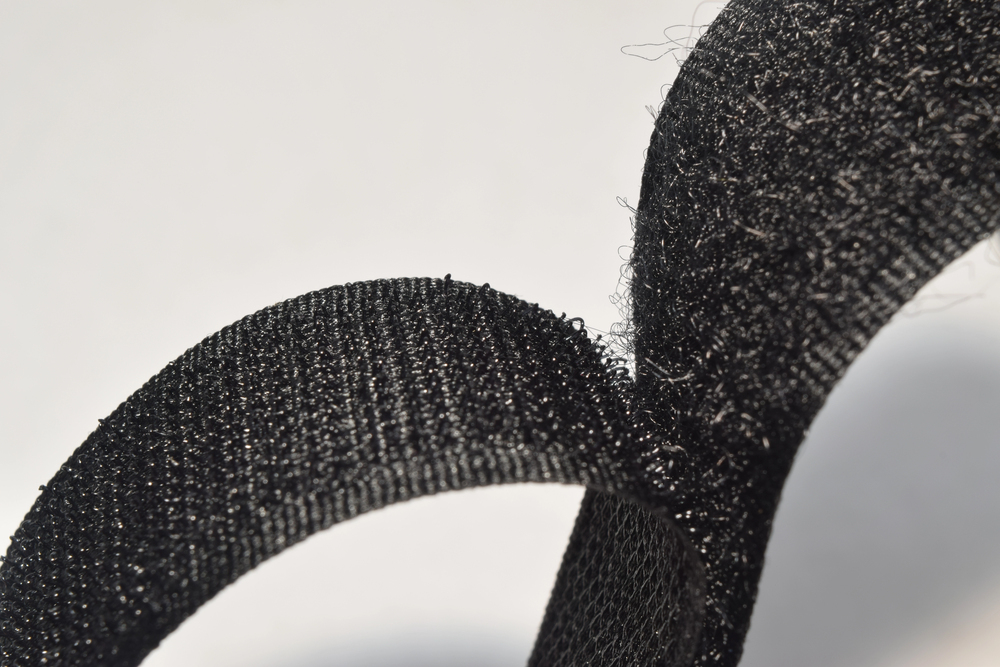
In 1941, a Swiss engineer named George de Mestral came home from a hike and spent time picking burrs off his dog’s fur and his own trousers. Most people would have grumbled and moved on.
De Mestral looked at the burrs under a microscope instead. He saw tiny hooks catching on tiny loops — a natural mechanical grip.
It took him years to figure out how to replicate it synthetically, but eventually he did. That walk produced Velcro.
The Radar Engineer Who Stood Too Close

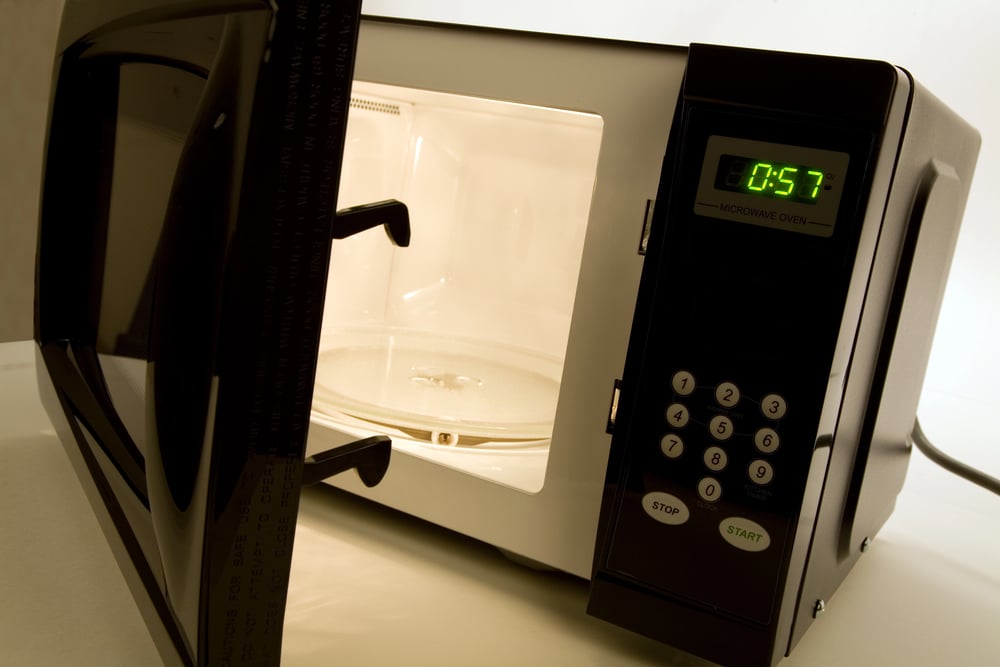
Percy Spencer was working with radar technology for the Raytheon Corporation in 1945 when he noticed that a candy bar in his pocket had melted. He wasn’t standing near a heat source.
He was standing near a magnetron — a device that emits microwave radiation. Spencer didn’t panic.
He started experimenting, first with popcorn kernels, then with an egg (which exploded). Within a year, Raytheon had filed a patent for the microwave oven.
An 11-Year-Old Left A Drink Outside
Frank Epperson was 11 years old in 1905 when he accidentally left a mixture of powdered soda and water on his porch overnight with the stirring stick still in it. The temperature dropped below freezing.
He found a frozen treat on a stick the next morning. He called it an “Epsicle.”
Eighteen years later, he patented it and eventually renamed it the Popsicle.
Wallpaper That Didn’t Work Out
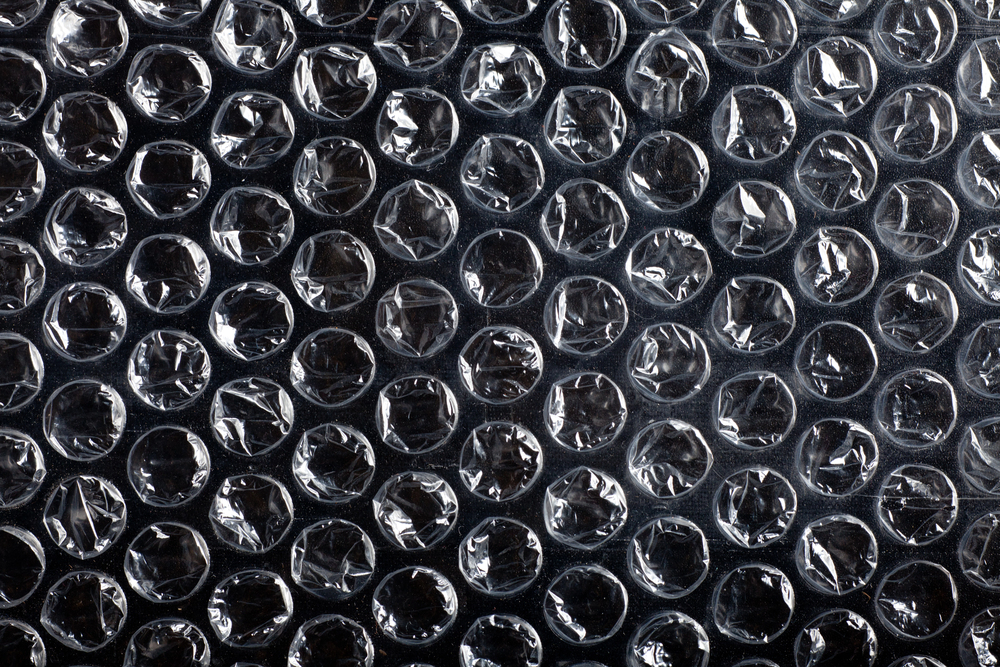
Two engineers named Marc Chavannes and Al Fielding set out in 1957 to create a type of textured wallpaper. They sealed two shower curtains together, trapping air bubbles in between.
The result looked unusual and had no obvious market as a wall covering. They tried marketing it as greenhouse insulation.
That didn’t work either. Eventually, IBM started using it to protect computer components during shipping, and Bubble Wrap found its purpose — not on walls, but wrapped around fragile things.
A Chemist Who Didn’t Wash His Hands

In 1879, a chemist named Constantin Fahlberg was working at Johns Hopkins on coal tar derivatives. He sat down to dinner without washing his hands and noticed that his bread tasted unusually sweet.
He went back to the lab and tasted everything on the bench until he found the source — a compound he had been working with that day. That compound became saccharin, the first artificial sweetener, born from a moment of poor laboratory hygiene.
Play-Doh Was Supposed To Clean Your Walls
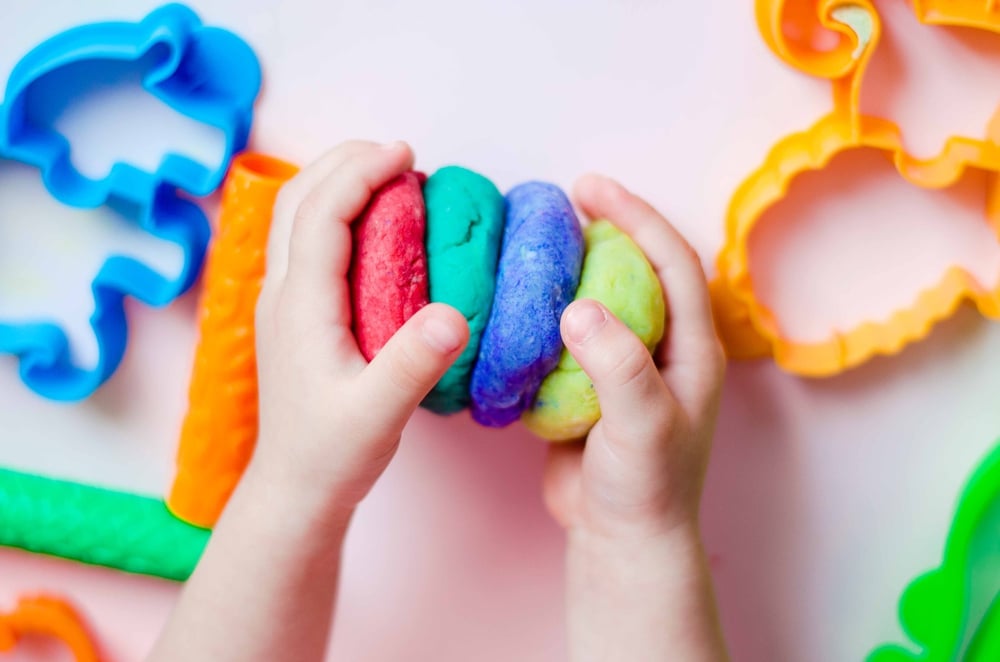
In the 1950s, a Cincinnati company made a product called Kutol Wall Cleaner — a pliable compound used to remove soot from wallpaper. As homes shifted to vinyl wallpaper and central heating, the product became less necessary.
The company’s sister-in-law, a nursery school teacher, heard that the compound was being discontinued and suggested it could be used as a modelling material for children. She was right.
The company rebranded it, removed the cleaning agent, added colour, and called it Play-Doh.
The Glue That Ruined A War Project
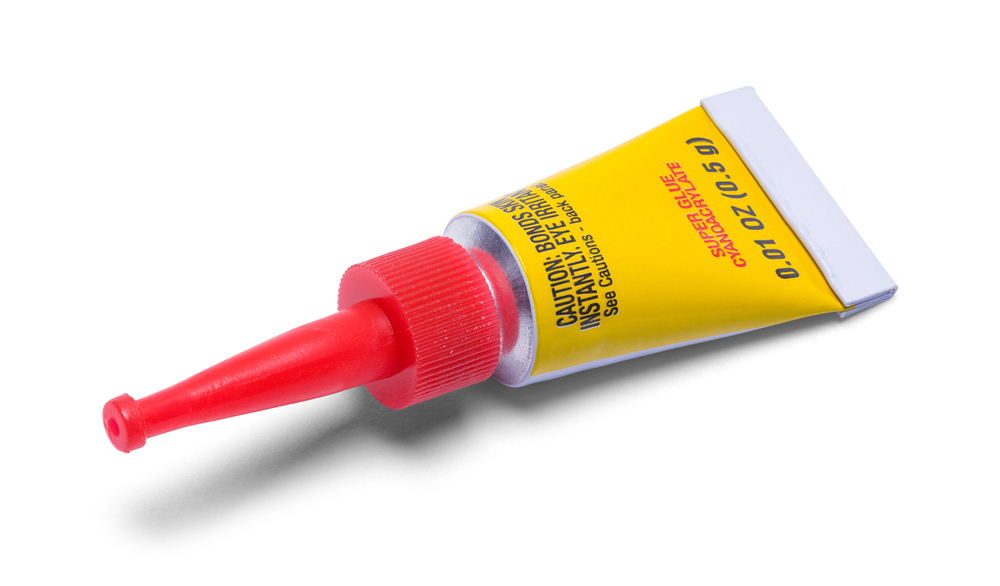
During World War II, a chemist named Harry Coover was trying to develop clear plastic sights for guns. He stumbled onto a compound called cyanoacrylate and promptly rejected it — it stuck to everything and was impossible to work with.
Years later, while working on heat-resistant polymers for jet canopies, Coover came across cyanoacrylate again. This time he recognised its sticking power as the point, not the problem.
Super glue reached the market in 1958.
A Failed Attempt At Synthetic Rubber
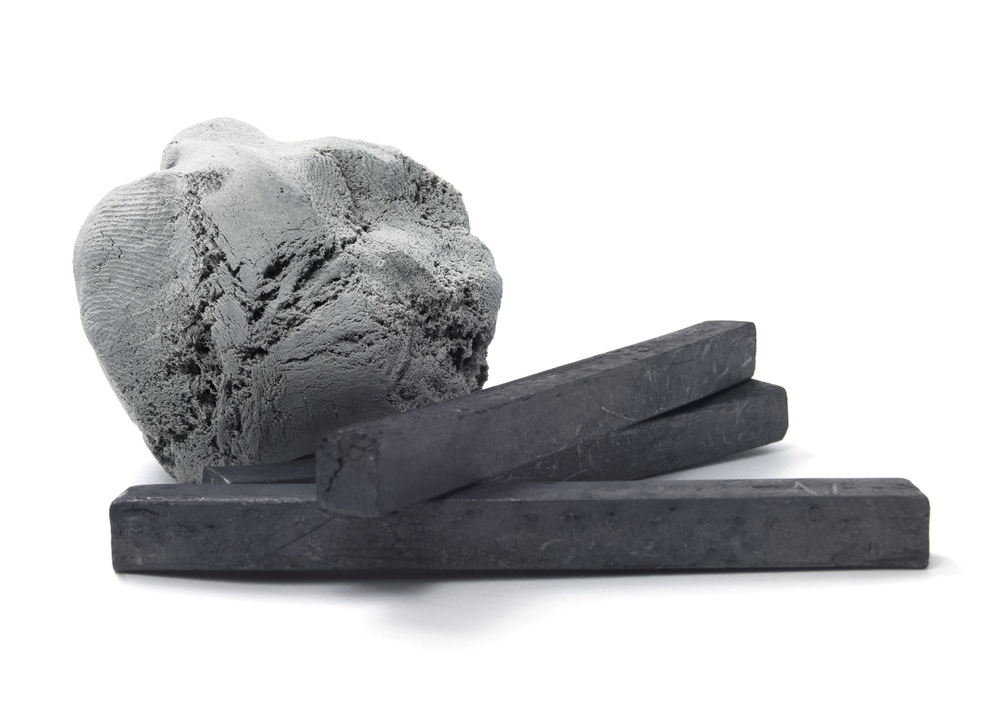
During World War II, with natural rubber in short supply, General Electric engineer James Wright was trying to find a synthetic alternative. He combined silicone oil with boric acid and created something that bounced, stretched, and broke apart — but had none of the structural properties rubber needed.
For years it sat around as a novelty. A toy store owner finally saw potential and began selling it as Silly Putty.
The Chef Who Made Chips To Spite A Customer
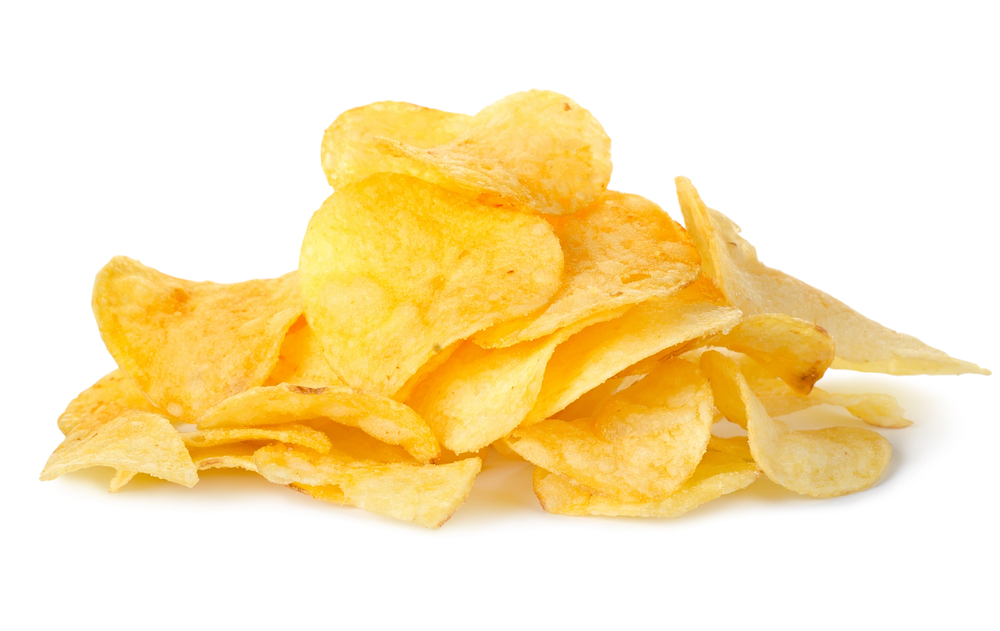
In 1853, a chef named George Crum was working at a restaurant in Saratoga Springs, New York. A diner kept sending his fried potatoes back to the kitchen, complaining they were too thick and not crispy enough.
Crum, irritated, sliced the potatoes paper-thin, fried them until they were crispy, and salted them heavily — expecting the customer to complain again. The diner loved them.
So did everyone else. Potato chips had arrived, born from spite.
Teflon Arrived Uninvited
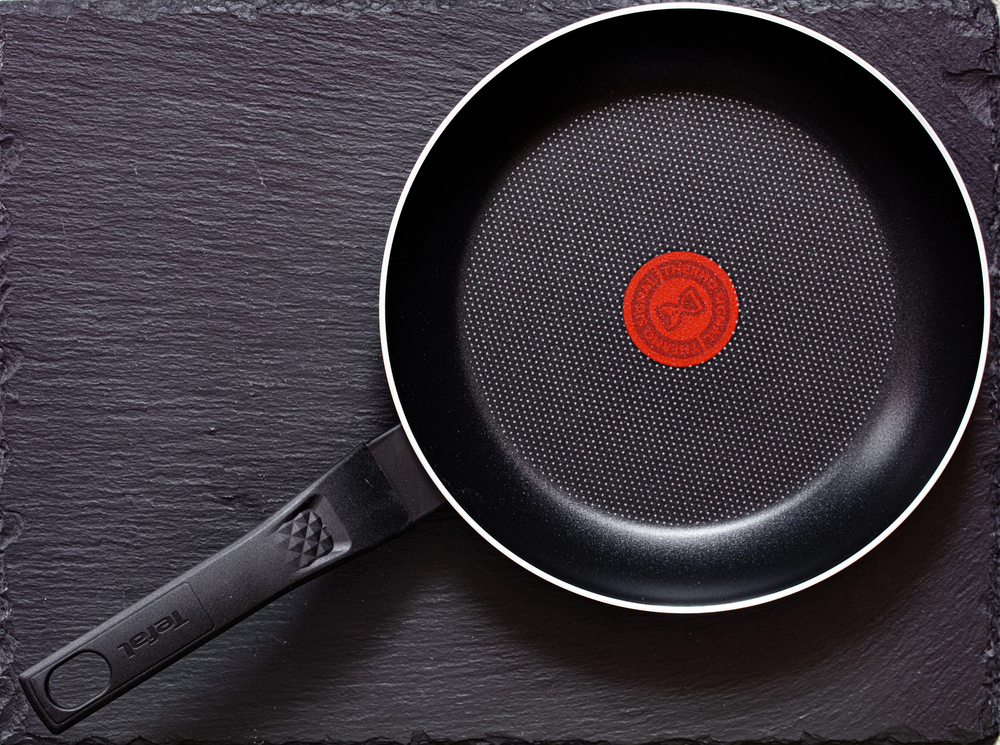
In 1938, a DuPont chemist named Roy Plunkett was experimenting with refrigerants when he opened a container of tetrafluoroethylene gas and found it had polymerized overnight into a white, waxy solid. It was slippery, heat-resistant, and didn’t react with almost anything.
Plunkett had no idea what to do with it. The military eventually found uses for it during the Manhattan Project, and years later it ended up coating your frying pan.
Matches Were An Accident At A Dinner Party
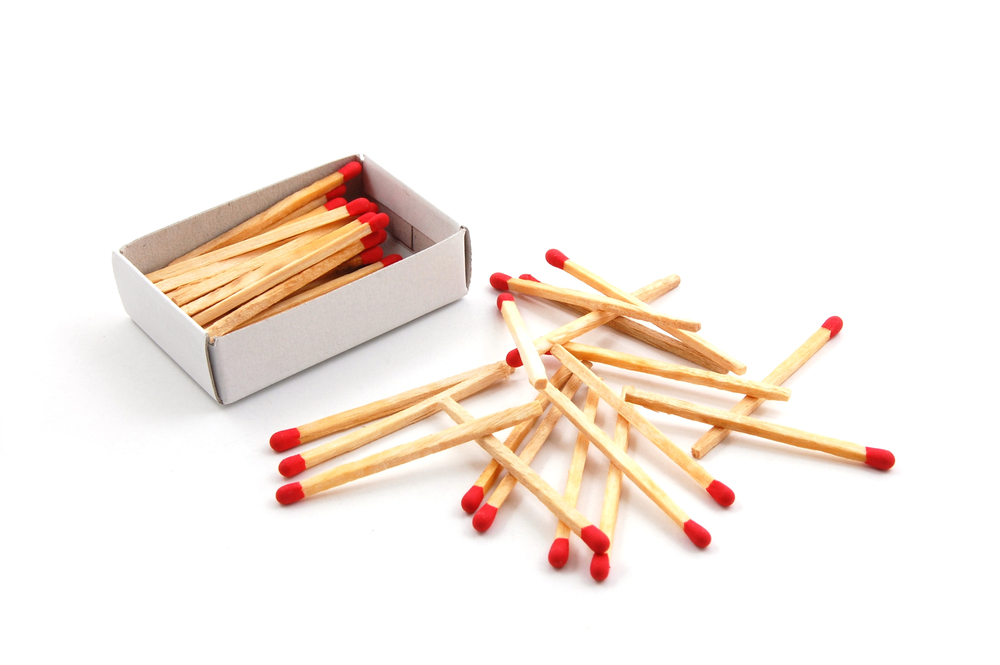
John Walker, an English chemist, was stirring a mixture of chemicals in 1826 when a dried lump formed on the end of his stick. He tried to scrape it off on the stone floor, and it caught fire.
Walker didn’t seem particularly interested in making money from the discovery. He demonstrated friction matches at dinner parties and sold small quantities locally.
He never patented the invention, and others eventually commercialised it widely.
Cornflakes Came From A Strange Philosophy
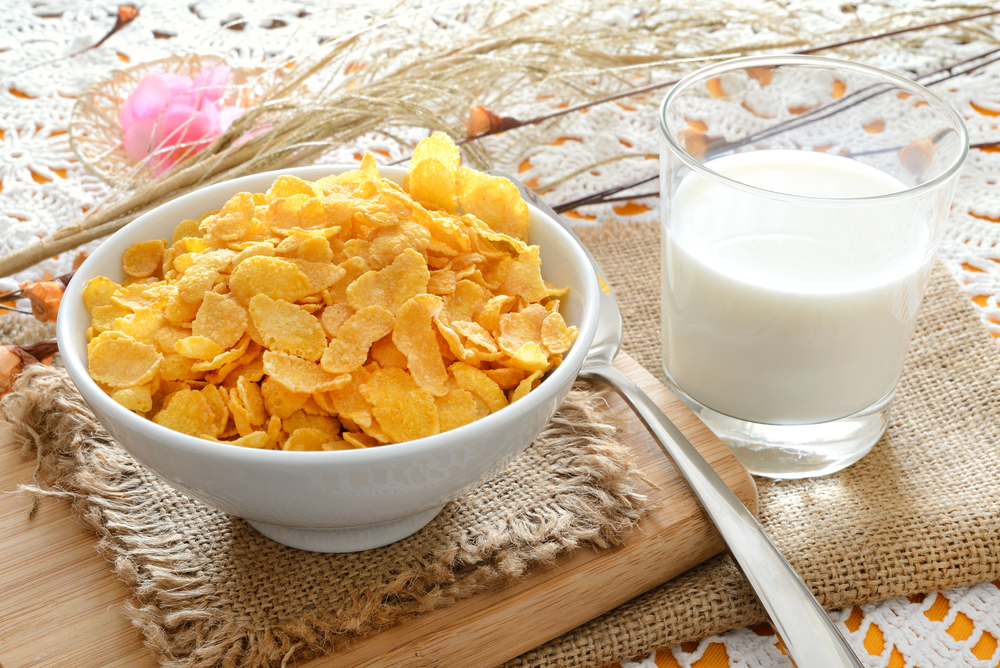
John Harvey Kellogg ran a health sanatorium in Michigan in the late 1800s and was deeply convinced that bland food would reduce patients’ interest in physical pleasures. He believed a dull diet would make people calmer and more focused.
He and his brother Will were experimenting with wheat when they accidentally left some boiled wheat sitting out. It went stale, but when they rolled it anyway, it came out in flakes.
They baked the flakes, liked the result, and eventually adapted the process to corn. The cereal was designed to suppress excitement.
It ended up on breakfast tables everywhere.
Listerine’s Long Way To The Bathroom Cabinet
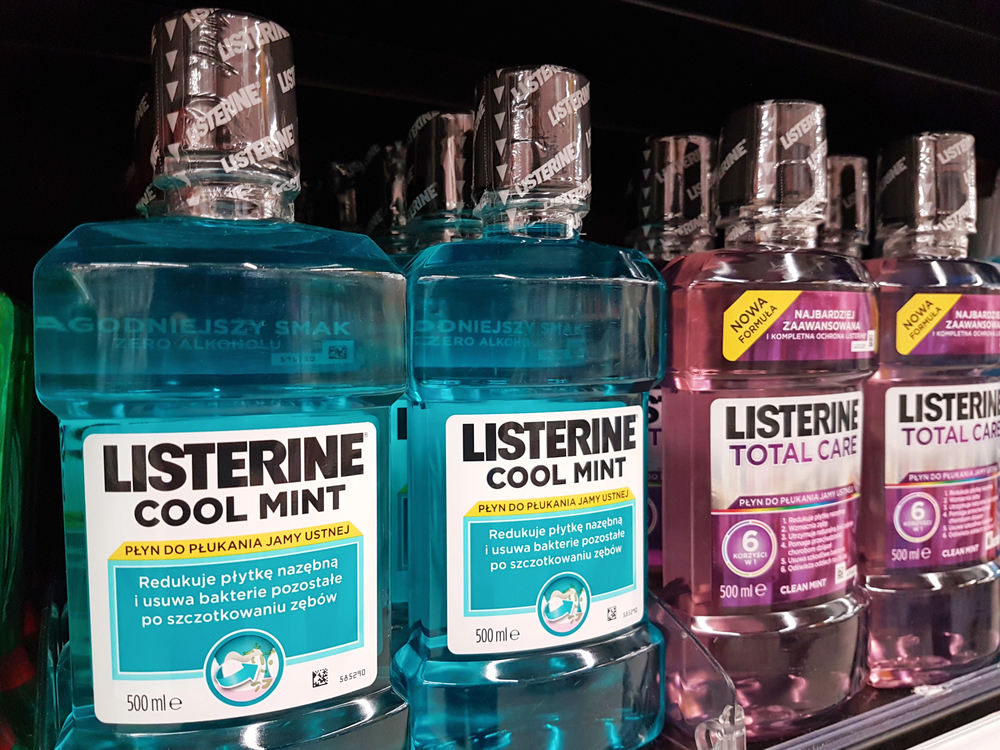
Listerine was formulated in 1879 by Dr. Joseph Lawrence as a surgical antiseptic. For a while it was marketed to dentists.
Then the company tried selling it as a floor cleaner and a cure for gonorrhoea. None of those markets took off.
In the 1920s, the Lambert Pharmacal Company started marketing it as a treatment for “halitosis” — a medical term for bad breath that the company essentially popularised to create demand. Sales exploded.
The surgical antiseptic had found its permanent home as mouthwash.
When Things Go Wrong In Exactly The Right Way

There’s a pattern running through all of these stories. The inventor who wasn’t looking for what they found.
The product pitched for one purpose that succeeded at another. The accident that got examined instead of discarded.
None of these products followed a clean line from idea to shelf. They wandered, failed, sat in drawers, offended customers, or melted in pockets.
What made the difference wasn’t genius — it was the moment someone stopped and asked why something had gone wrong instead of just moving on. The things you use most casually often have the strangest starts.
More from Go2Tutors!

- The Romanov Crown Jewels and Their Tragic Fate
- 13 Historical Mysteries That Science Still Can’t Solve
- Famous Hoaxes That Fooled the World for Years
- 15 Child Stars with Tragic Adult Lives
- 16 Famous Jewelry Pieces in History
Like Go2Tutors’s content? Follow us on MSN.