17 Places Where Nature Glows in the Dark
Nature’s got some seriously impressive lighting tricks, and electricity isn’t required for any of them. Beaches that sparkle like scattered diamonds, caves filled with what looks like living fairy lights, forests where mushrooms glow green in the darkness – our planet creates light shows that’d make any theme park designer weep with envy. These natural phenomena happen through bioluminescence, phosphorescence, and other fascinating processes that transform ordinary landscapes into otherworldly spectacles.
What makes these glowing wonders even more incredible? They’re happening right now across the globe. No CGI, no artificial lighting – just nature showing off with its own built-in illumination system that’s been perfecting itself for millions of years.
Here is a list of 17 places where you can witness nature’s own light show, each more magical than the last.
Mosquito Bay, Puerto Rico

This bioluminescent bay on Vieques holds the Guinness World Record as the brightest bio bay on Earth – and once you see it, you’ll understand why. Millions of tiny dinoflagellates called Pyrodinium bahamense illuminate the water whenever it’s disturbed, creating trails of blue-green light behind swimmers and kayakers.
The glow’s so intense that people have actually read books by the light produced when moving their hands through the water.
Waitomo Glowworm Caves, New Zealand
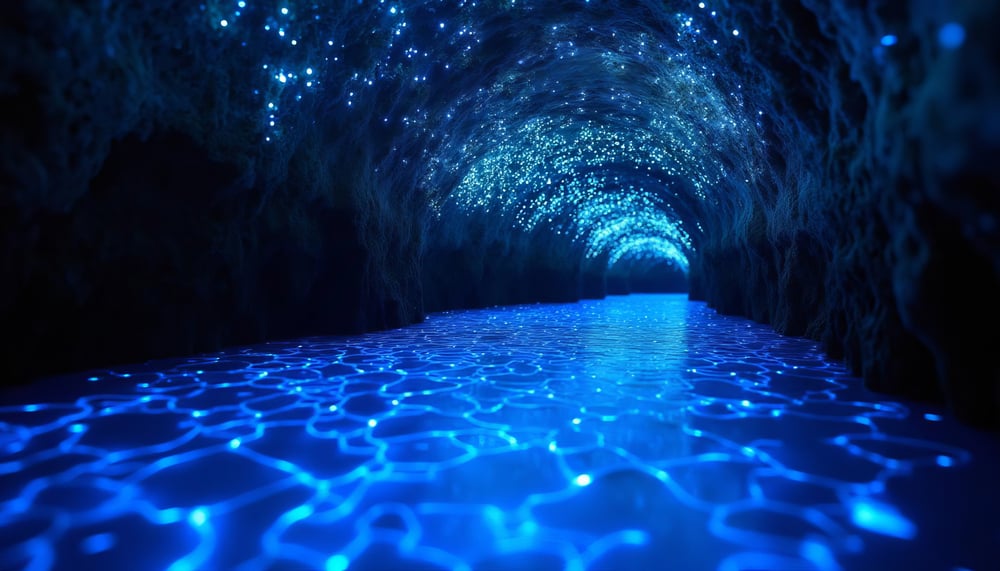
These limestone caves resemble an underground planetarium, thanks to thousands of glowworms dangling from the ceiling like living chandeliers. The larvae of Arachnocampa luminosa create tiny blue-green lights to lure prey into their sticky threads – nature’s version of a deadly disco sphere.
Boat rides through the silent caves reveal what appears to be a galaxy of stars reflected in dark water below, creating one of the most enchanting optical illusions you’ll ever witness.
Like Go2Tutors’s content? Follow us on MSN.
Luminous Lagoon, Jamaica
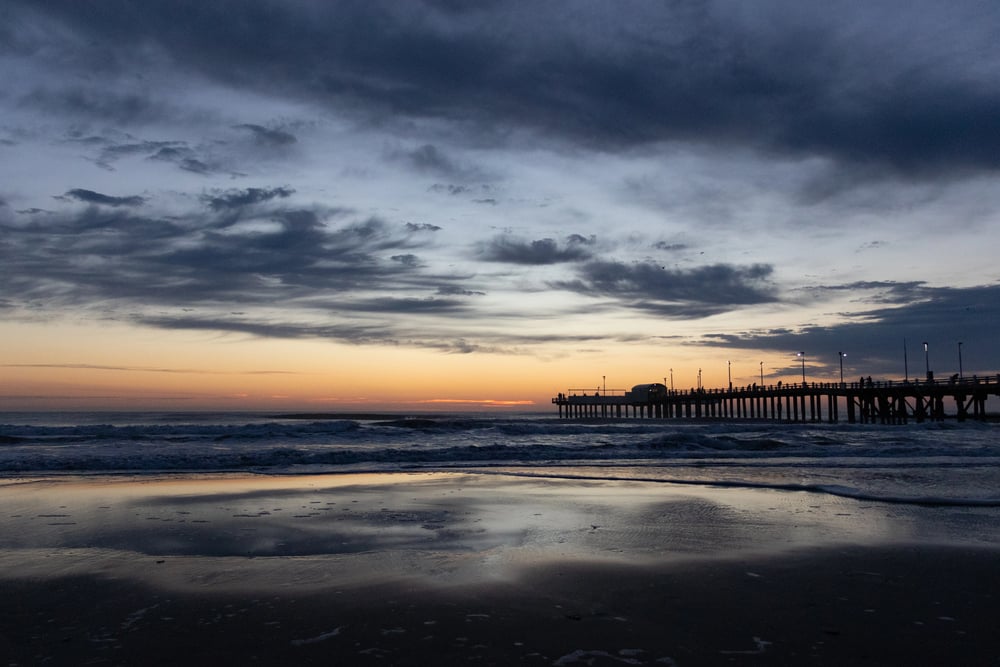
This phosphorescent bay near Falmouth has been glowing for centuries – amazed everyone from Christopher Columbus to modern-day tourists. Microorganisms here respond to movement by emitting bright blue light, so swimming at night feels like floating through liquid starlight.
Local legends once claimed the lagoon was enchanted, though honestly, it’s hard to argue with that assessment when you’re literally glowing in the water.
Toyama Bay, Japan
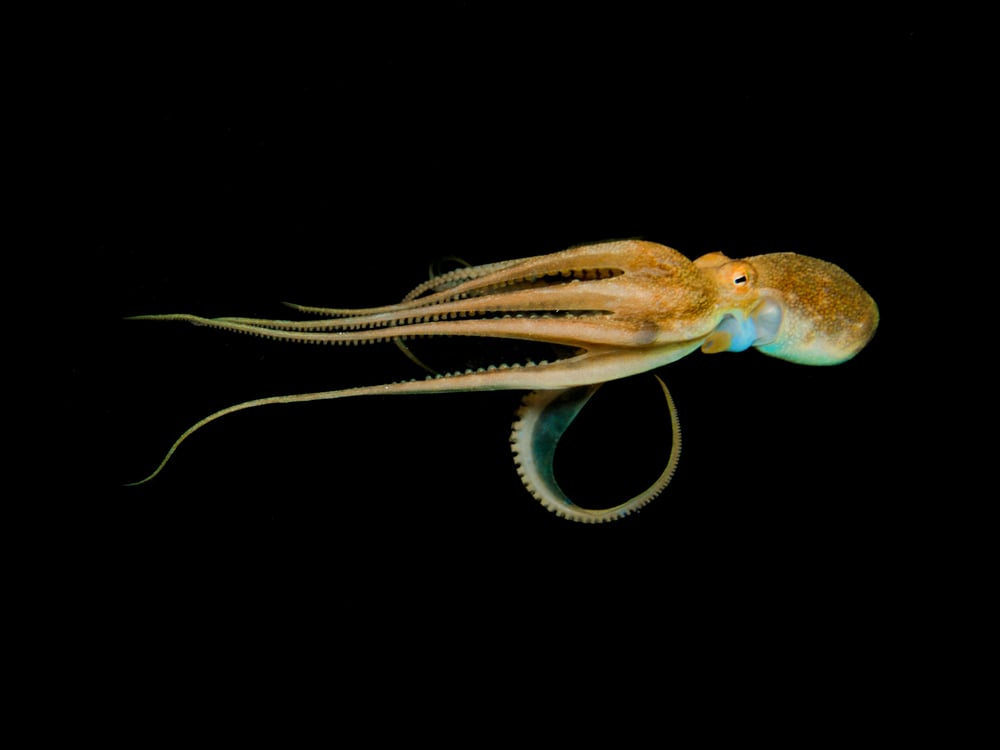
Every spring brings an extraordinary phenomenon – millions of firefly squid rise from deep waters to spawn near the surface, bathing the entire bay in ethereal blue light. These tiny creatures, roughly three inches long, use bioluminescence for communication and predator avoidance.
The spectacle’s so remarkable that Japan designated it a Special Natural Monument.
Torrey Pines State Beach, California

San Diego’s coastline occasionally transforms into a glowing wonderland when red tide algae blooms create bioluminescent waves that crash like neon masterpieces. The dinoflagellates produce bright blue light when agitated by surf – while red tides can be harmful during daylight hours, they create some of North America’s most photographed natural light shows after dark.
Like Go2Tutors’s content? Follow us on MSN.
Blue Grotto, Capri

This sea cave off Italy’s coast glows with otherworldly blue light that’s enchanted visitors since Roman times through pure physics rather than biology. Sunlight passes through an underwater cavity and refracts through the water, illuminating the cavern from below – creating electric blue radiance through light refraction rather than any living organisms.
The optical effect’s so striking that ancient Romans believed sea nymphs and water spirits inhabited the grotto.
Aurora Australis, Antarctica

The southern lights put on spectacular displays over Antarctica, painting polar skies in curtains of green, pink, and purple that dance across the horizon. These aurora occur when solar particles interact with Earth’s magnetic field and atmosphere – creating some of the planet’s most intense light shows.
Unlike their northern cousins, the southern lights dance over pristine wilderness where few humans ever witness their beauty.
Reethi Beach, Maldives
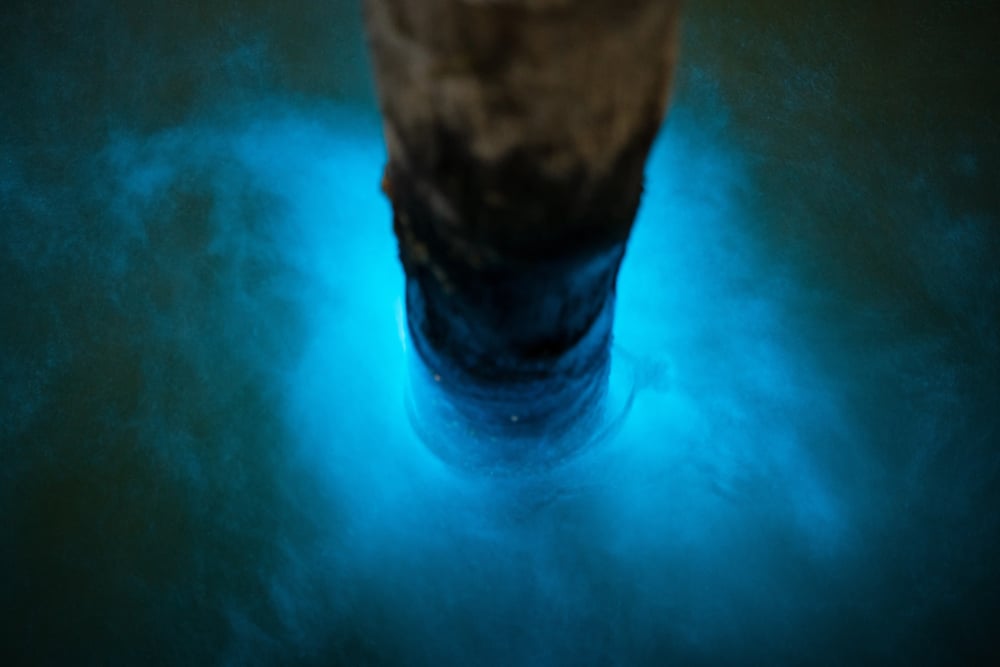
The shores of this tropical paradise light up nightly with bioluminescent plankton washing up with each wave. Walking along the beach feels like strolling through fallen stars – each footstep triggers tiny bursts of blue light in wet sand.
The phenomenon occurs most dramatically during warm summer months when plankton populations peak in Indian Ocean waters.
Like Go2Tutors’s content? Follow us on MSN.
Fox Fire Fungi, Various Forests

Several mushroom species worldwide glow green in darkness, including the famous foxfire fungi found in forests across North America and Asia. These bioluminescent mushrooms use their eerie glow to attract insects that help spread spores – nature’s own advertising system.
Finding a patch of glowing mushrooms in a dark forest feels like discovering a secret nightlight installation.
Halong Bay, Vietnam
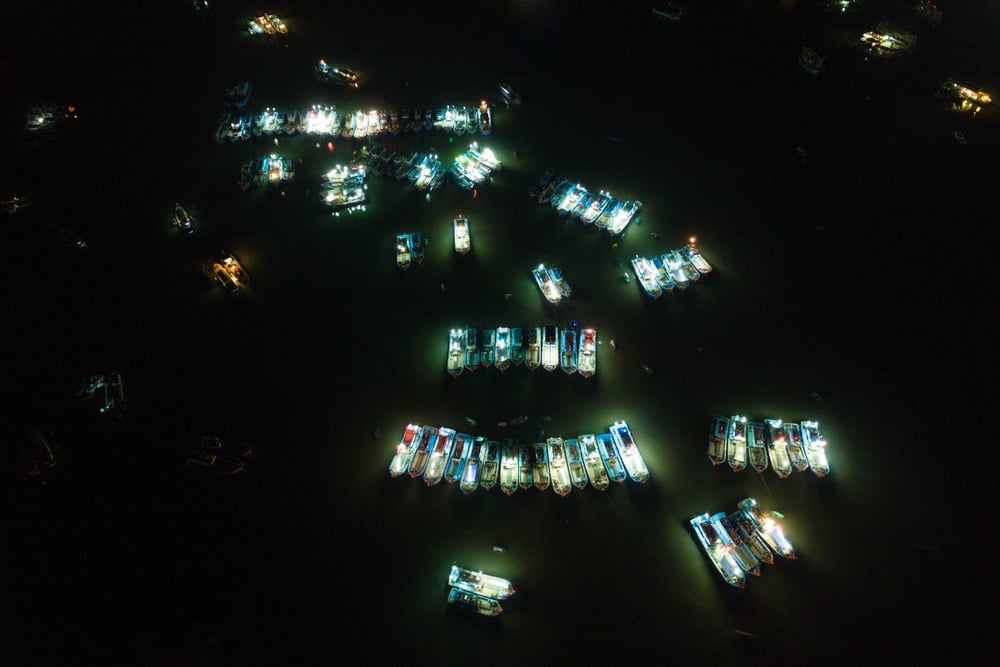
The emerald waters of this UNESCO World Heritage site occasionally sparkle with bioluminescent plankton, especially during summer when water temperatures rise. Kayaking through the bay’s limestone karsts at night reveals trails of blue light following paddle strokes – the combination of towering rock formations and glowing water creates scenes straight from fantasy films.
Leuchtende Pilze, Black Forest, Germany
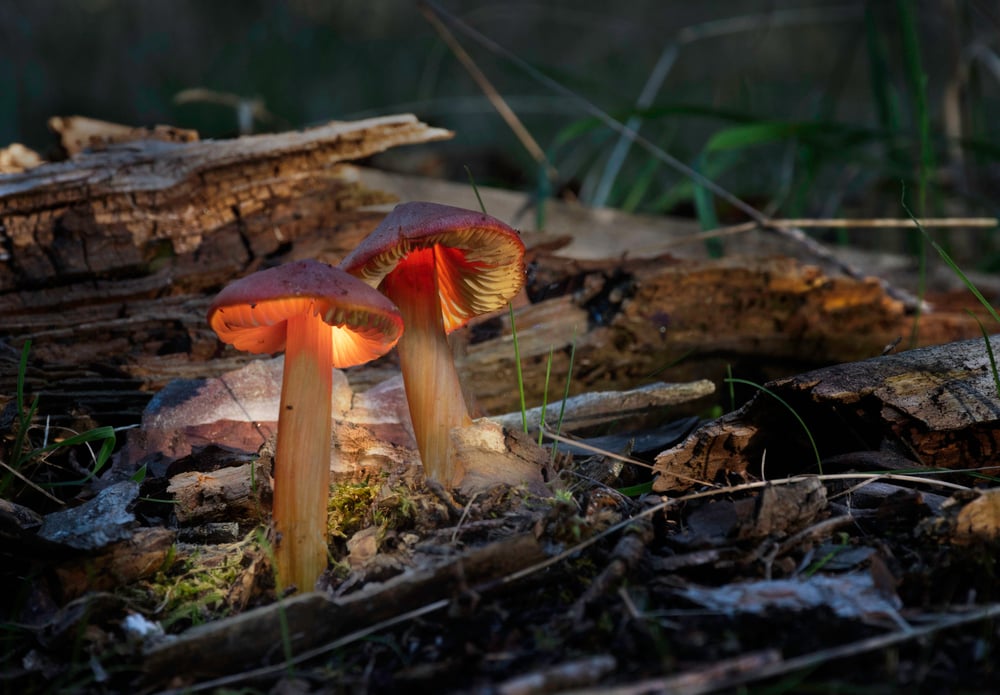
Honey mushrooms in Germany’s Black Forest produce a soft green glow that’s been documented since medieval times. Local folklore attributed the ghostly light to forest spirits, yet science reveals it’s actually a chemical reaction helping fungi break down dead wood.
The phenomenon becomes most visible on warm, humid nights when mushrooms are actively growing.
Like Go2Tutors’s content? Follow us on MSN.
Jervis Bay, Australia
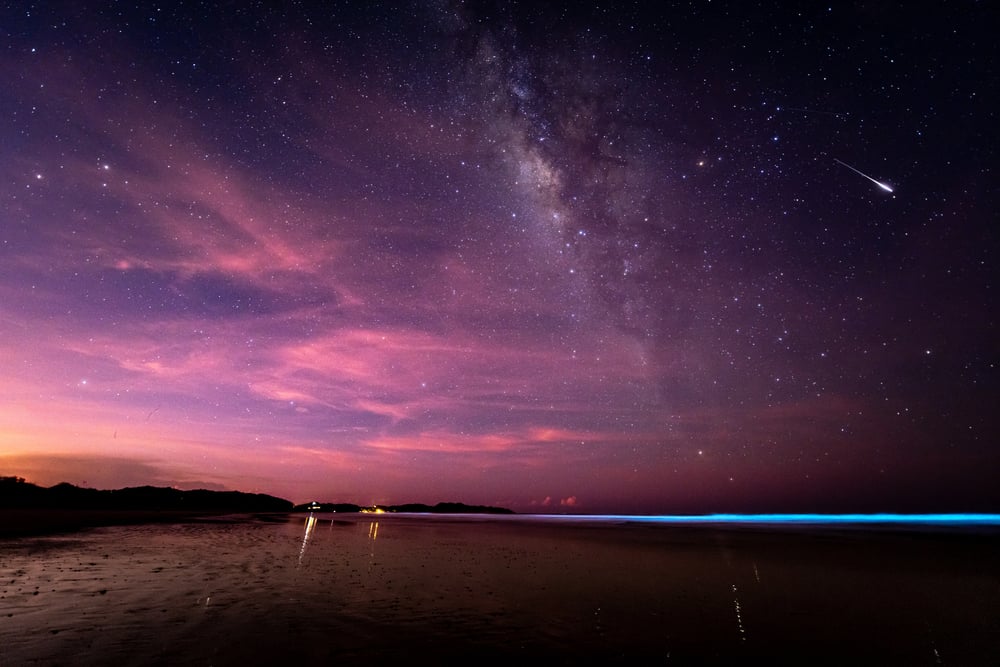
This pristine bay south of Sydney occasionally erupts in bioluminescent displays when conditions align perfectly. Water glows electric blue wherever it’s disturbed – whether by swimming dolphins, breaking waves, or human activity.
Aboriginal stories from the region speak of water spirits lighting up the bay to guide lost travelers safely to shore.
Springbrook National Park, Australia

The Natural Bridge section of this Queensland park features a glowworm display in a cave behind a waterfall. Larvae create a living constellation on the cave ceiling, their blue-green lights reflected in the pool below.
The combination of falling water and glowing creatures creates an almost supernatural atmosphere that feels like stepping into another dimension.
Okayama Prefecture, Japan
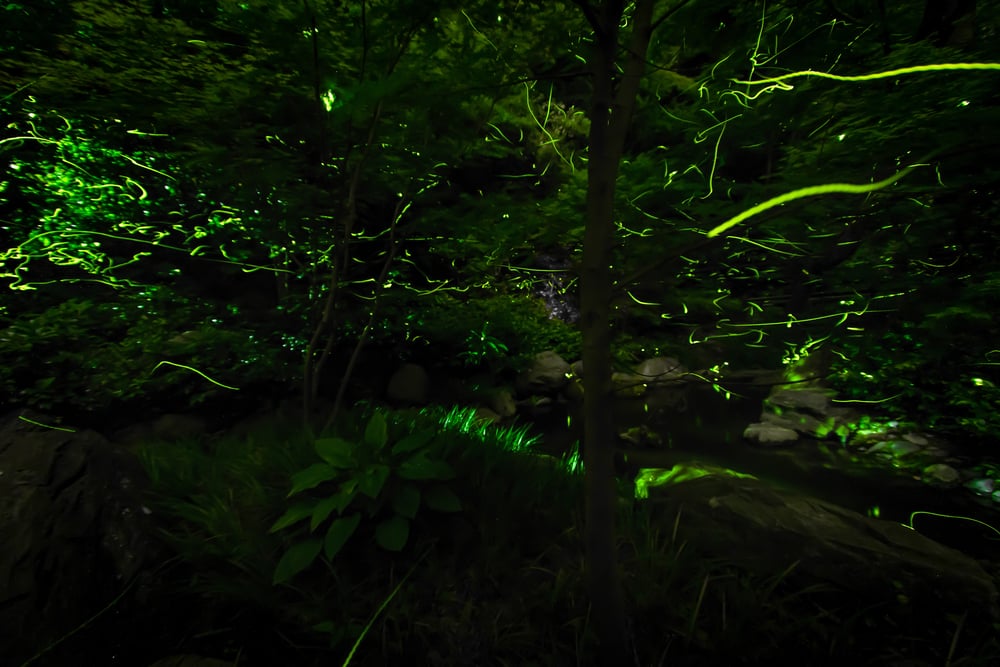
Rural areas around Okayama come alive each summer with thousands of fireflies creating natural light festivals in rice paddies and along streams. Multiple firefly species flash in synchronized patterns, transforming quiet countryside into living light shows.
Japanese culture has celebrated these displays for over a thousand years, with many festivals timing celebrations to coincide with peak firefly season.
Like Go2Tutors’s content? Follow us on MSN.
Dalhousie Lake, Canada

This remote New Brunswick lake occasionally glows with bioluminescent algae that respond to disturbance by emitting bright light flashes. Canoeing across dark water at night creates luminescent trails that can persist for several seconds.
The phenomenon occurs most often during late summer when warm temperatures and specific nutrient conditions favor light-producing microorganism growth.
Gippsland Lakes, Australia

These coastal Victorian lakes produce some of the Southern Hemisphere’s most intense bioluminescent displays when conditions are right. The entire lake surface can glow blue-white with each wave and ripple, creating an effect so bright it’s visible from space.
Scientists study these blooms to better understand how marine ecosystems respond to changing environmental conditions.
Athuruga Island, Maldives

Beaches surrounding this coral island regularly display bioluminescent phenomena that local guides call the ‘sea of stars.’ The effect comes from ostracod crustaceans emitting blue light when disturbed, creating the illusion that pieces of sky have fallen into the ocean.
Swimming through glowing water feels like floating through a galaxy of living stars.
Like Go2Tutors’s content? Follow us on MSN.
When Science Meets Wonder

These naturally illuminated places prove our planet still holds plenty of magic for those willing to venture out after dark. From microscopic plankton to glowing fungi, nature has evolved countless ways to create light without fire or electricity.
Each glowing location represents millions of years of evolution fine-tuning these remarkable biological and chemical processes. While we can explain the science behind these phenomena today, they remain just as awe-inspiring as they were to our ancestors who first witnessed nat
More from Go2Tutors!

- 16 Historical Figures Who Were Nothing Like You Think
- 12 Things Sold in the 80s That Are Now Illegal
- 15 VHS Tapes That Could Be Worth Thousands
- 17 Historical “What Ifs” That Would Have Changed Everything
- 18 TV Shows That Vanished Without a Finale
Like Go2Tutors’s content? Follow us on MSN.