Famous Explorers and Their Journeys
Throughout history, brave souls have ventured into the unknown, driven by curiosity and the promise of discovery. These adventurers faced stormy seas, harsh climates, and uncharted territories to expand our understanding of the world. Their courage changed how we see our planet and opened doors to new cultures, trade routes, and knowledge that still benefit us today.
The stories of these explorers read like the greatest adventure books ever written. Let’s dive into the remarkable journeys that shaped our world barked on one of history’s most famous journeys in 1271. Marco Polo traveled the Silk Road to reach China, spending 24 years in the court of Kublai Khan.
His detailed accounts of Asian customs, spices, and inventions amazed Europeans who had never imagined such wonders existed. When he returned to Venice, many people thought his stories were too incredible to believe.
His book “The Travels of Marco Polo” became a bestseller and inspired countless future explorers to seek their own adventures in distant lands.
Christopher Columbus

The determined Italian navigator convinced Queen Isabella of Spain to fund his westward voyage in 1492. Columbus believed he could reach Asia by sailing west across the Atlantic Ocean.
Instead, he stumbled upon the Americas, changing the course of history forever. His four voyages opened up the New World to European exploration and colonization.
Though he never realized he had found a new continent, his accidental discovery connected two worlds that had been separate for thousands of years.
Ferdinand Magellan
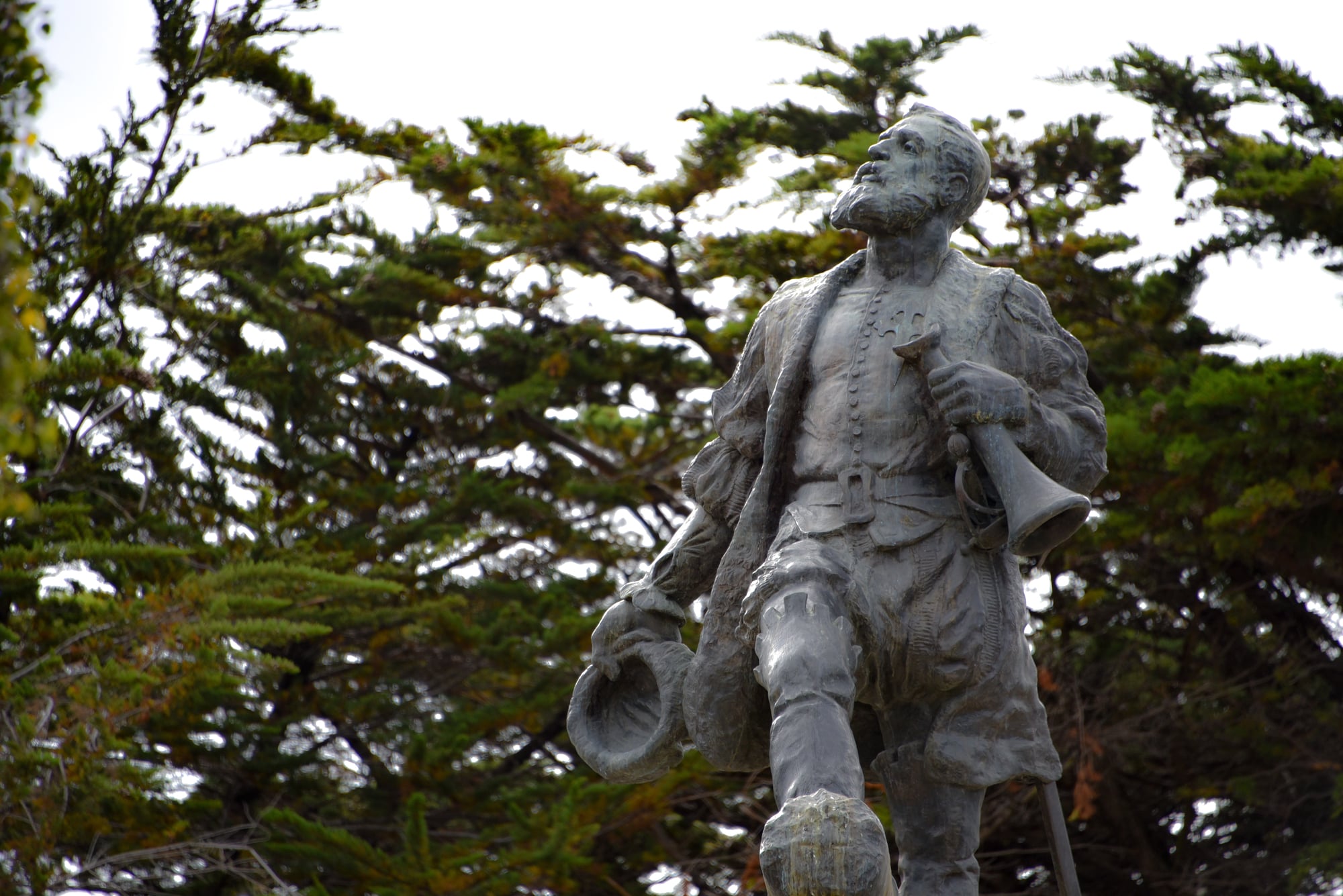
The Portuguese navigator planned the first expedition to sail around the entire world, though he didn’t live to complete it. Magellan set out in 1519 with five ships and 270 men to find a western route to the Spice Islands.
He discovered the strait at the southern tip of South America that now bears his name. Sadly, Magellan was killed in the Philippines, but his crew continued the journey.
Only 18 men and one ship made it back to Spain, proving once and for all that the Earth was round.
Francisco Pizarro
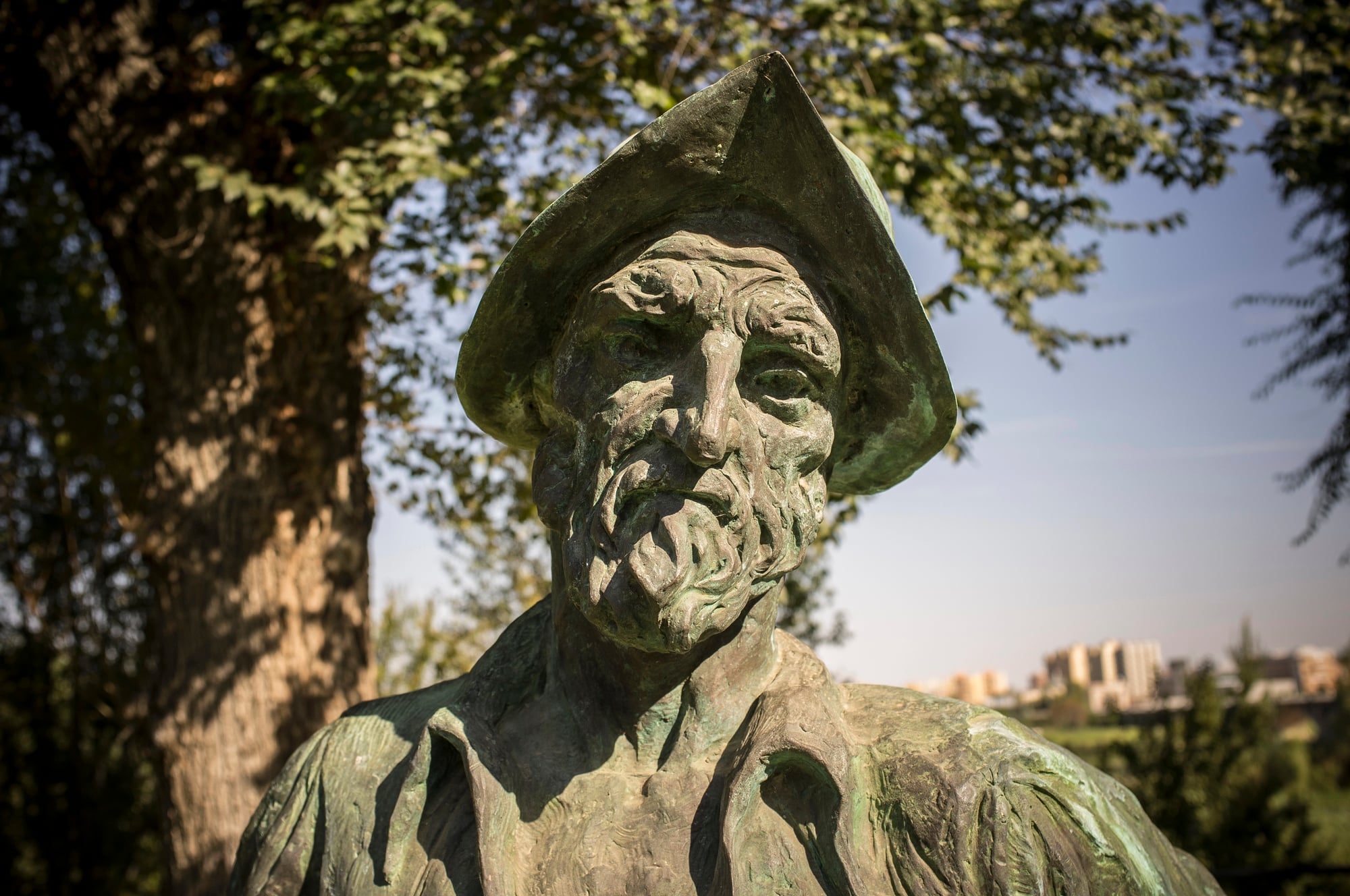
Another Spanish conquistador, Pizarro set his sights on the Inca Empire in South America. With only 180 men, he traveled through the treacherous Andes Mountains to reach Peru.
Pizarro captured the Inca emperor Atahualpa in 1532 and held him for ransom. Despite receiving rooms full of gold and silver, Pizarro executed the emperor anyway.
This bold but ruthless move led to the complete conquest of the Inca Empire and brought enormous wealth to the Spanish crown.
Captain James Cook
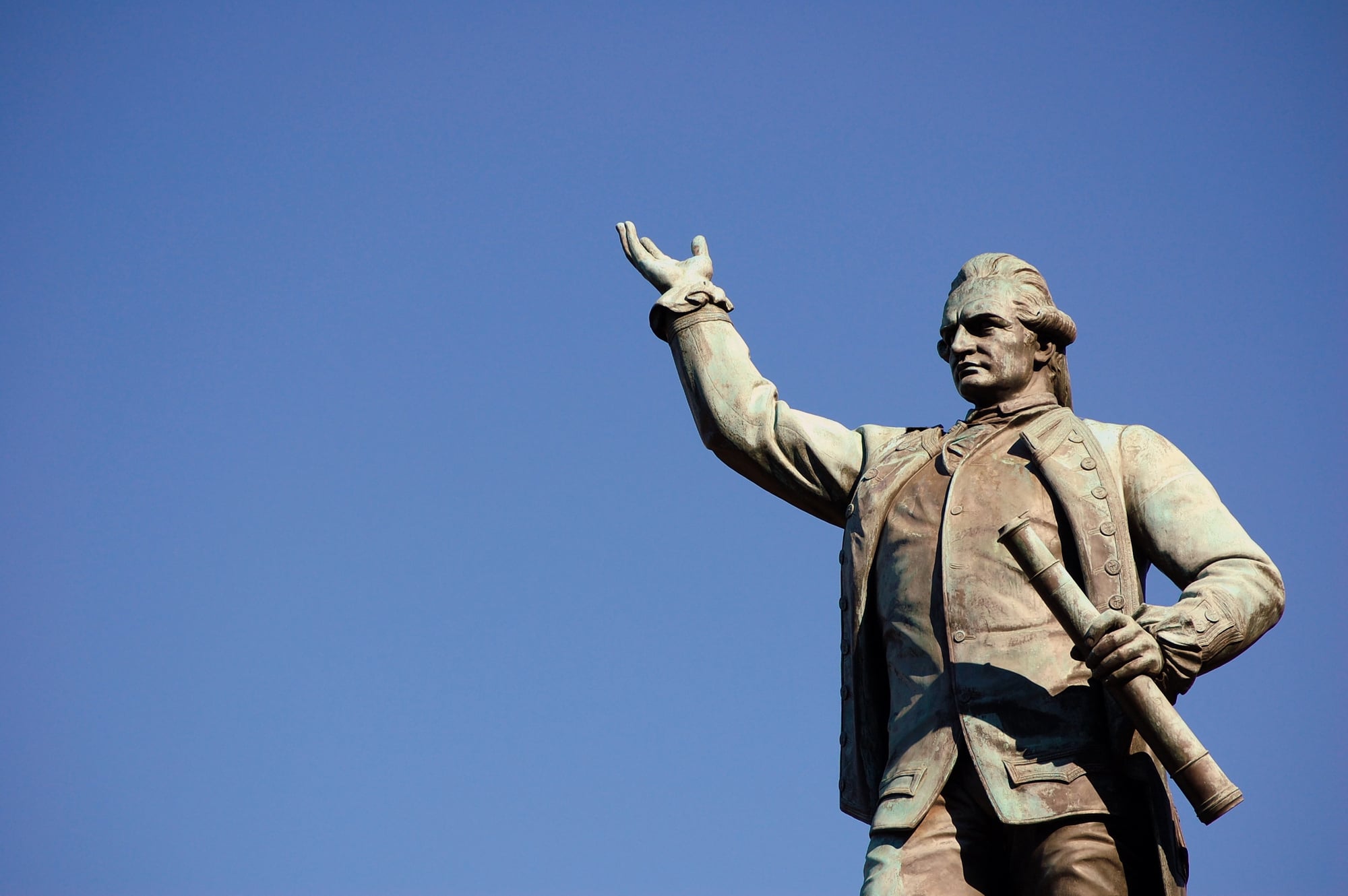
The British naval officer led three groundbreaking voyages to the Pacific Ocean between 1768 and 1779. Cook mapped countless islands and became the first European to reach Hawaii, Australia, and New Zealand.
His detailed charts and scientific observations greatly improved navigation and geography. Cook’s expeditions also advanced astronomy, botany, and anthropology through careful study of new lands and peoples.
Unfortunately, he was killed during a conflict with Hawaiian natives on his third voyage, but his legacy of scientific exploration lived on.
Henry Hudson

The English explorer spent years searching for the elusive Northwest Passage to Asia. Hudson made four dangerous voyages through icy Arctic waters, hoping to find a shorter route to the Orient.
During his travels, he explored the river that now bears his name and sailed into Hudson Bay. His final expedition in 1610 ended tragically when his crew mutinied and set him adrift in the frozen bay.
Though Hudson never found his passage, his explorations helped map the northeastern coast of North America.
Sir Francis Drake

This English sea captain became the second person to sail around the world, completing his journey in 1580. Drake started as a privateer, essentially a legal pirate who attacked Spanish ships with Queen Elizabeth’s permission.
His round-the-world voyage brought him fame and fortune, plus a knighthood from the grateful queen. Drake also played a crucial role in defeating the Spanish Armada in 1588.
His adventures on the high seas made him a hero in England and a feared enemy in Spain.
Amerigo Vespucci

The Italian explorer and cartographer realized that the lands Columbus had found were not part of Asia but an entirely new continent. Vespucci made several voyages to South America between 1499 and 1502.
His letters describing these new lands were widely read across Europe. Unlike Columbus, Vespucci understood that this was a separate continent, which led to it being named “America” in his honor.
His careful observations and maps helped other explorers navigate these new waters.
John Cabot

The Venetian navigator sailed under the English flag to explore the North American coast in 1497. Cabot was searching for a northern route to Asia and the riches of the Orient.
He landed somewhere along the coast of present-day Canada, becoming the first European since the Vikings to reach North America. His voyage gave England its claim to North American territories.
Though his second expedition in 1498 disappeared without a trace, his initial success encouraged further English exploration of the New World.
Vasco Núñez de Balboa

The Spanish explorer became the first European to see the Pacific Ocean from the Americas in 1513. Balboa crossed the narrow Isthmus of Panama on foot through dense jungle and hostile territory.
When he reached the other side and saw the vast ocean, he claimed it for Spain. This discovery proved that America was indeed a separate continent with another ocean beyond it.
Balboa’s finding opened up new possibilities for trade and exploration in the Pacific region.
Samuel de Champlain

Known as the “Father of New France,” Champlain explored and mapped much of northeastern North America. He established Quebec City in 1608, creating the first permanent French settlement in Canada.
Champlain made numerous voyages up the St. Lawrence River and into the Great Lakes region. He built strong relationships with Native American tribes and learned their languages and customs.
His detailed maps and writings provided Europeans with their first accurate picture of this vast wilderness.
Robert Peary
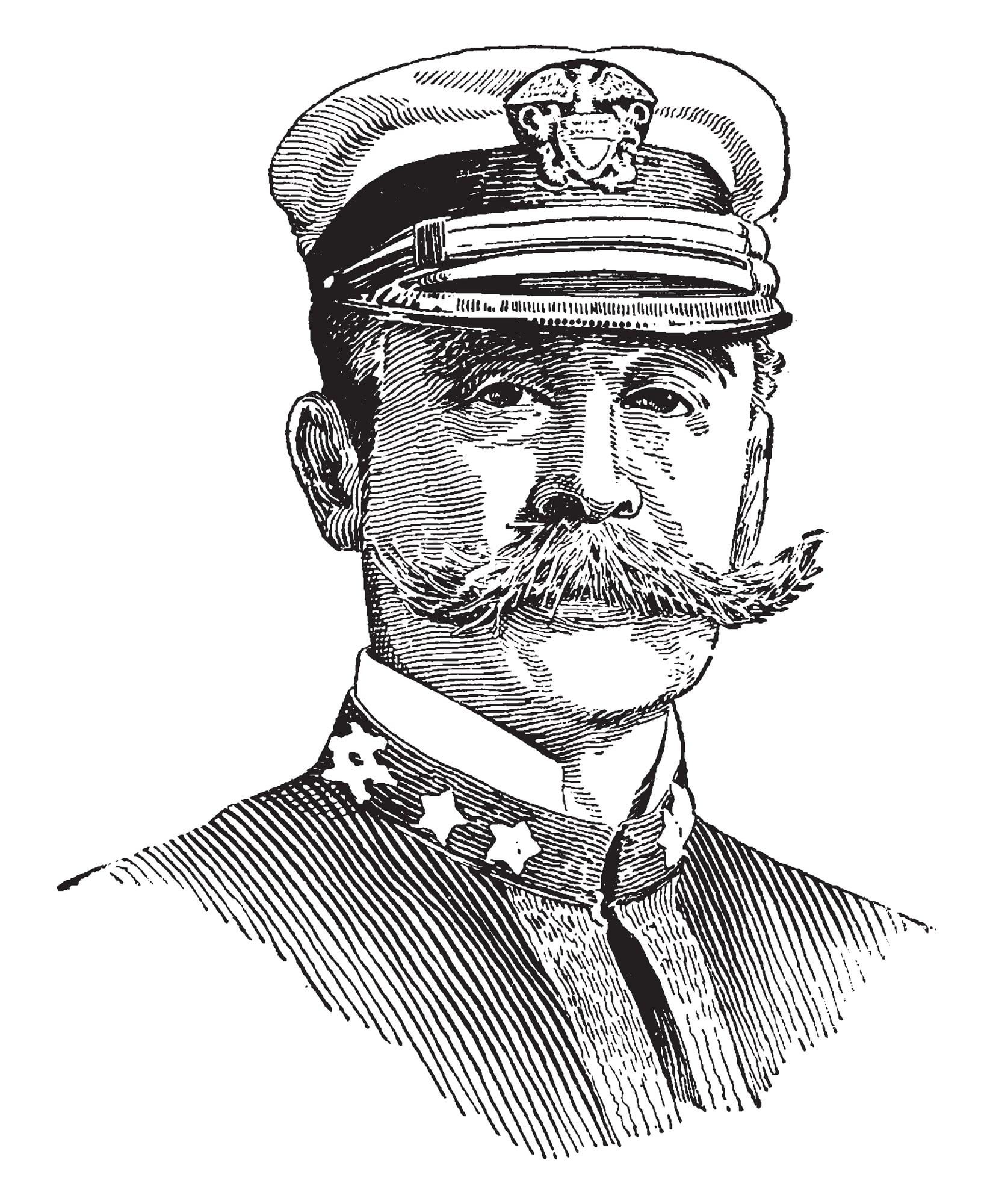
The American explorer claimed to be the first person to reach the North Pole in 1909. Peary made several attempts to reach this ultimate goal, facing brutal cold and dangerous ice conditions.
His final expedition used dog sleds and Inuit guides to cross the frozen Arctic Ocean. While some historians question whether he actually reached the exact pole, Peary’s polar expeditions advanced our knowledge of the Arctic.
His determination and survival skills in one of Earth’s most hostile environments were truly remarkable.
Ernest Shackleton
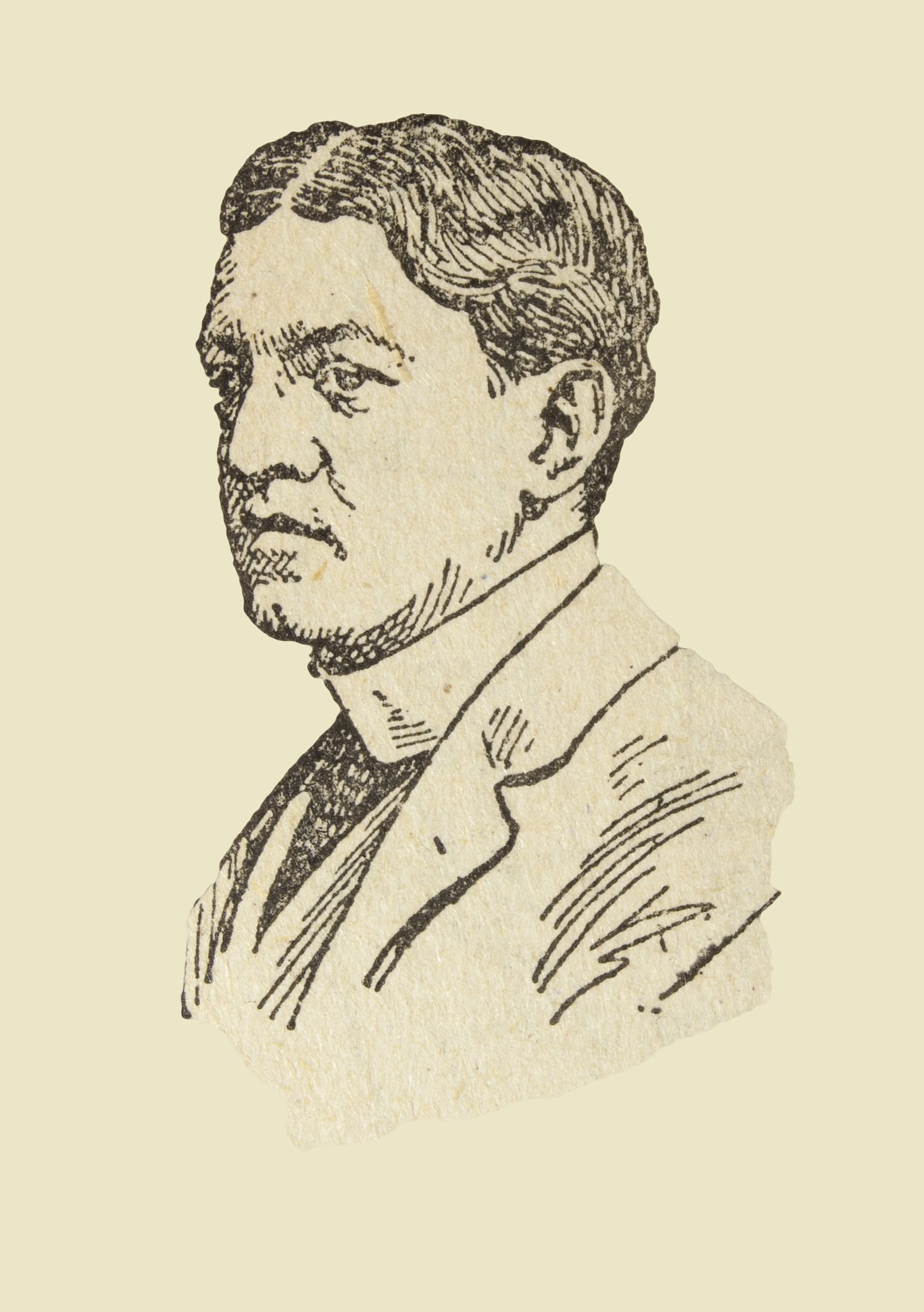
The British explorer led one of the most incredible survival stories in exploration history. Shackleton’s ship Endurance became trapped in Antarctic ice in 1914 and was eventually crushed.
For over a year, he and his crew survived on the ice floes before making a desperate journey to find rescue. Shackleton then crossed the treacherous Southern Ocean in a small boat to reach help.
His leadership and courage saved every member of his crew, making him a legend of polar exploration.
From compass to GPS

These brave explorers changed our world using nothing more than wooden ships, basic compasses, and incredible courage. Today, we can trace their routes on our phones and travel to their destinations in hours rather than years.
More from Go2Tutors!

- The Romanov Crown Jewels and Their Tragic Fate
- 13 Historical Mysteries That Science Still Can’t Solve
- Famous Hoaxes That Fooled the World for Years
- 15 Child Stars with Tragic Adult Lives
- 16 Famous Jewelry Pieces in History
Like Go2Tutors’s content? Follow us on MSN.