The Most Expensive Cities to Live in
Cost of living is one of those things that sounds abstract until you’re actually living it. Then it becomes very specific, very fast — in the price of a one-bedroom apartment, a bag of groceries, a monthly transit pass, a round of drinks on a Friday night.
Some cities make these numbers feel manageable. Others make you do the math twice and wonder how anyone affords it.
The cities on this list fall firmly into the second category.
Hong Kong
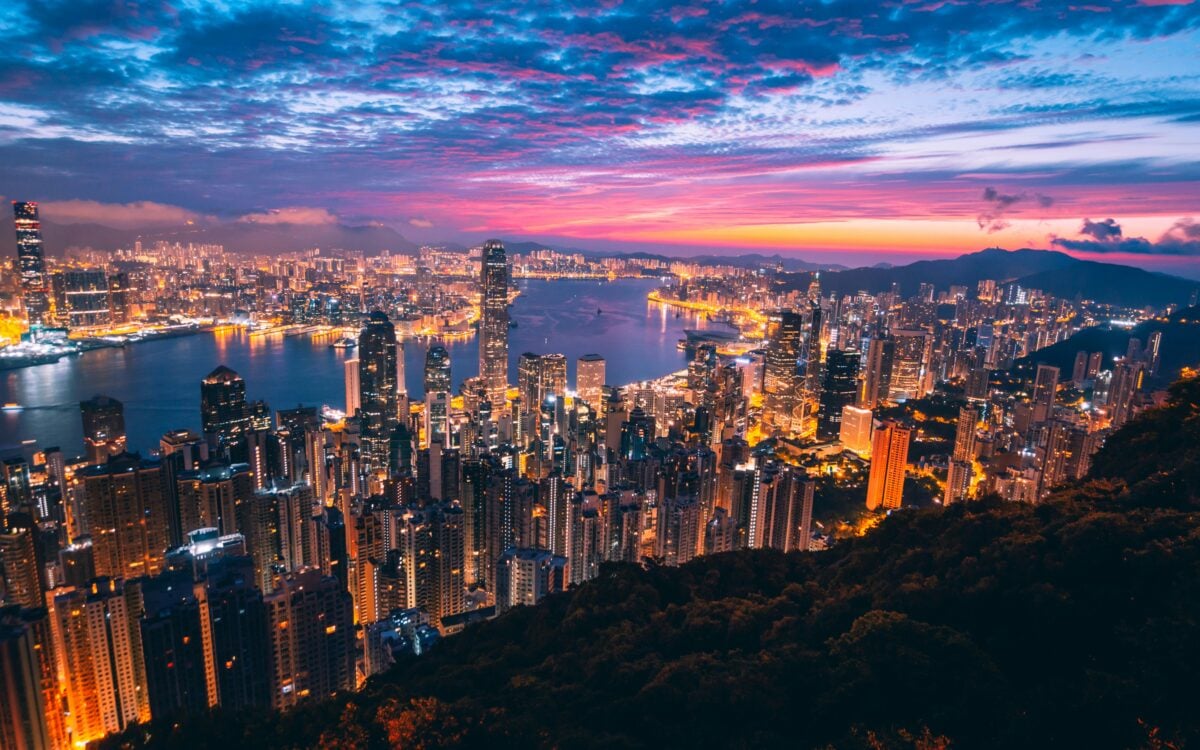
For years, Hong Kong sat at or near the top of every cost-of-living index, and it remains one of the most expensive places on earth to rent or buy property. The city’s geography is the core problem — surrounded by water, with steep hills limiting development, there simply isn’t much land. What exists gets fought over intensely.
A modest apartment in a central district can cost more per square metre than almost anywhere else in the world. Many residents live in spaces that people in other cities would consider impossibly small — subdivided flats, units without windows, rooms partitioned from larger apartments to keep rent technically affordable.
The financial sector and the city’s role as a gateway to mainland China have kept wages high for some, but the gap between top earners and everyone else is stark.
Singapore
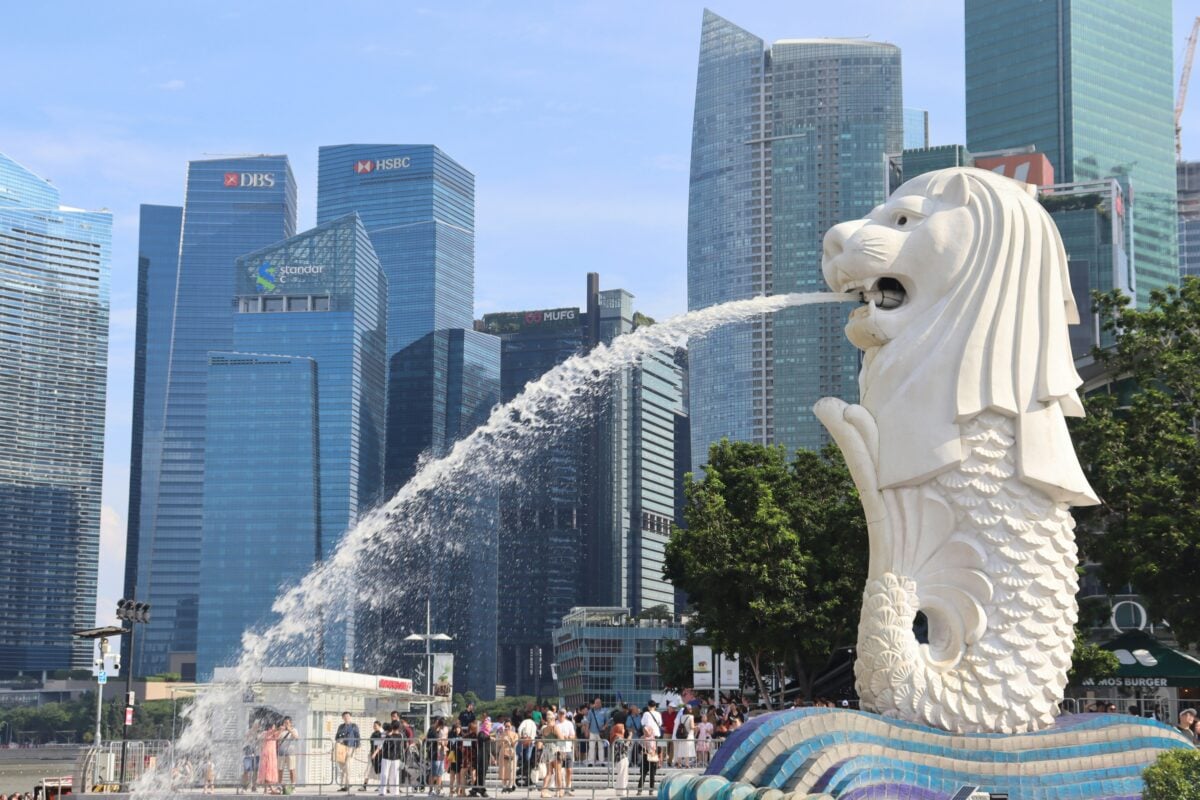
Singapore is a city-state built on efficiency, and that efficiency comes at a price. It consistently ranks as one of the most expensive cities for expatriates, and the cost of owning a car is perhaps the most extreme example — the government controls vehicle numbers through a quota system, meaning a Certificate of Entitlement to own a car can cost more than the car itself.
Housing varies significantly depending on whether you’re renting on the open market or living in public housing, which the majority of Singaporeans do. The public housing system — HDB flats — is genuinely functional and relatively affordable by the city’s standards.
But for those outside the system, or for expatriates on the private market, rental costs are punishing. Food and transport, by contrast, are more reasonable — the hawker centre culture keeps eating out accessible at most income levels.
Zurich
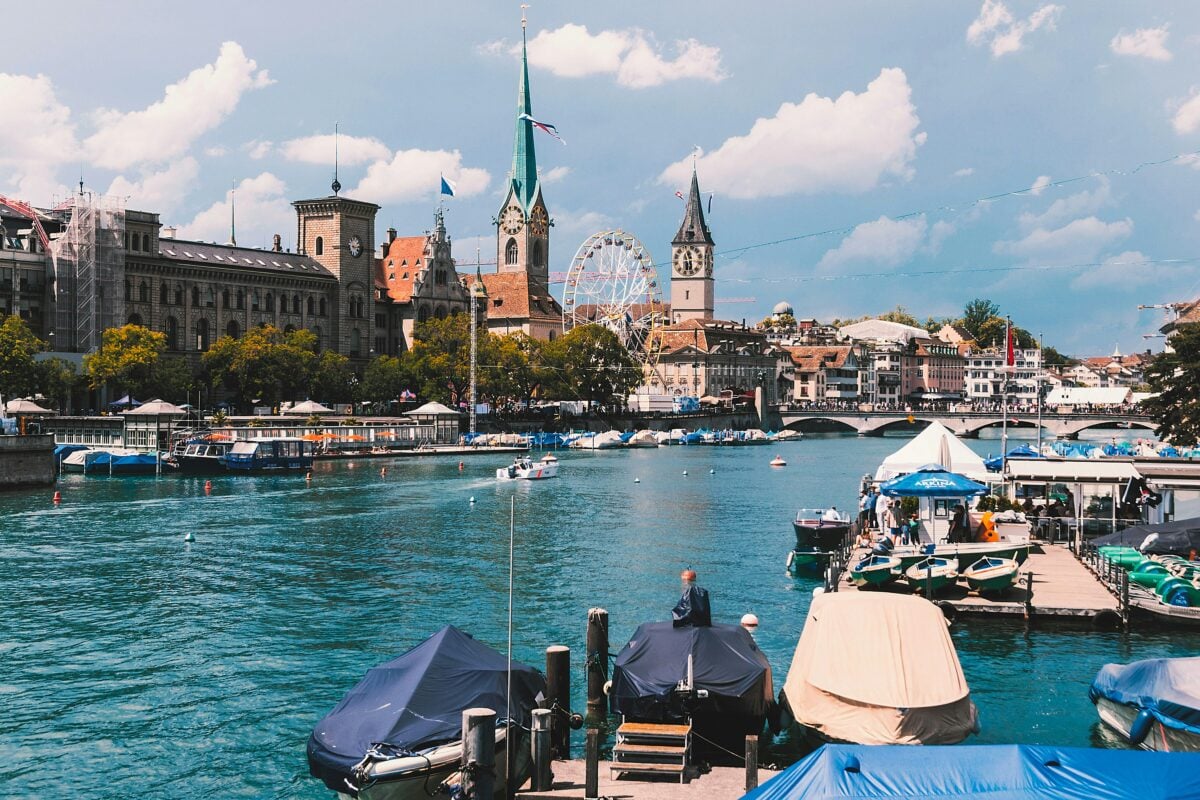
Zurich operates in a different register to most cities. Salaries are high, public services are exceptional, and the city functions with a reliability that can feel almost theatrical to visitors from less organised places.
But everything costs more, too — a coffee, a beer, a haircut, a gym membership. The baseline for ordinary expenses sits well above what most Europeans consider normal.
The Swiss franc’s consistent strength against other currencies compounds the effect for anyone earning in another currency. Rents in central Zurich are among the highest in Europe, and even outer districts carry price tags that would be premium in most other countries.
The trade-off, residents argue, is a city that works — public transport that runs on time, clean streets, excellent healthcare, and a quality of life that justifies the outlay. Whether it does depends on whether you’re earning Swiss wages.
Geneva
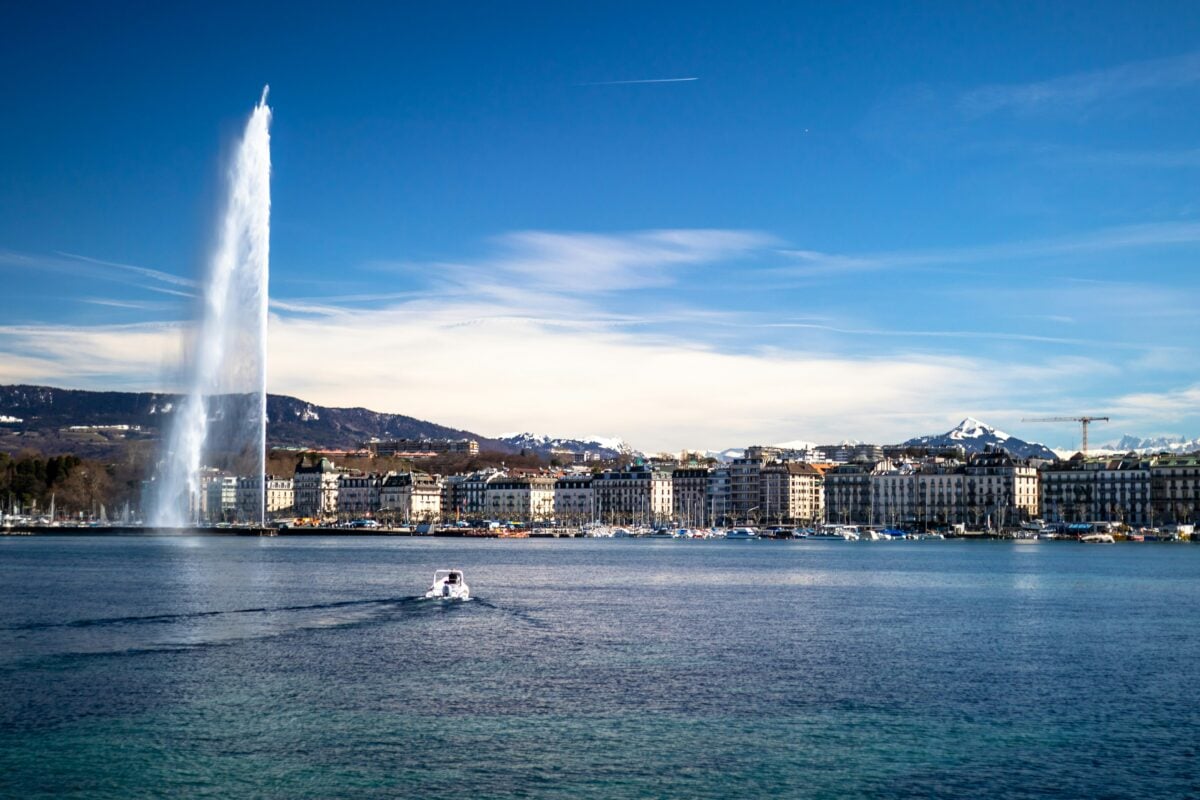
Geneva shares Switzerland’s cost structure but adds layers of its own. The city is home to a concentration of international organisations — the United Nations, the Red Cross, the World Health Organisation, and dozens of others — which creates a resident population with internationally competitive salaries and a rental market priced accordingly.
Lake Geneva and the Alps backdrop make the city one of the more scenic in Europe, but scenery doesn’t reduce the grocery bill. Dining out regularly in Geneva requires a specific kind of financial commitment, and even supermarket shopping can come as a shock to arrivals from neighbouring France or Germany, where prices are noticeably lower just across the border.
New York City
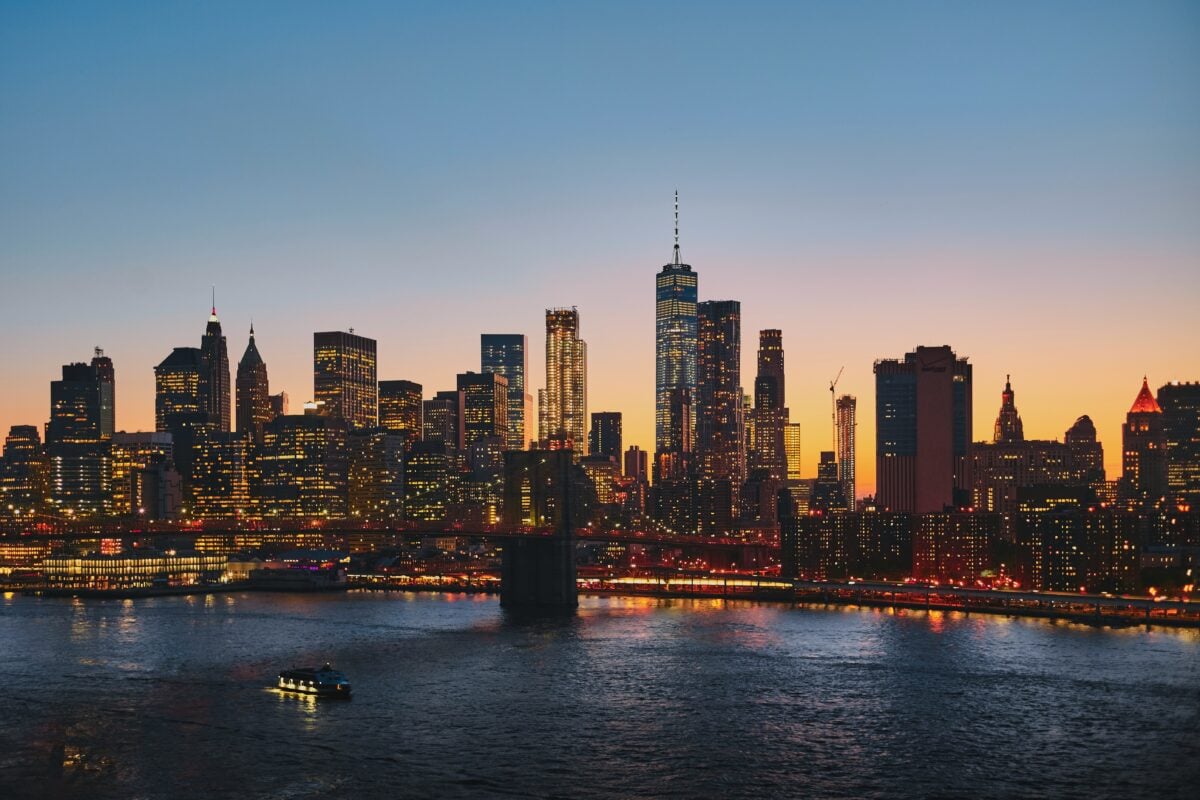
New York has been expensive for so long that its cost has become part of its identity — the implicit contract the city offers is that it will take a significant portion of your money in exchange for being New York. Manhattan leads the way, but Brooklyn, Queens, and the outer boroughs have followed the same trajectory in recent decades as proximity to the centre has become its own premium.
Rent is the dominant expense for most New Yorkers. Stories of people paying $3,000 a month for a studio apartment aren’t outliers — they’re representative of broad swaths of the city.
The median rent for a one-bedroom in Manhattan has consistently exceeded $4,000 in recent years. People manage through roommates, long commutes, or simply earning more than the national average, which New York also tends to require.
London
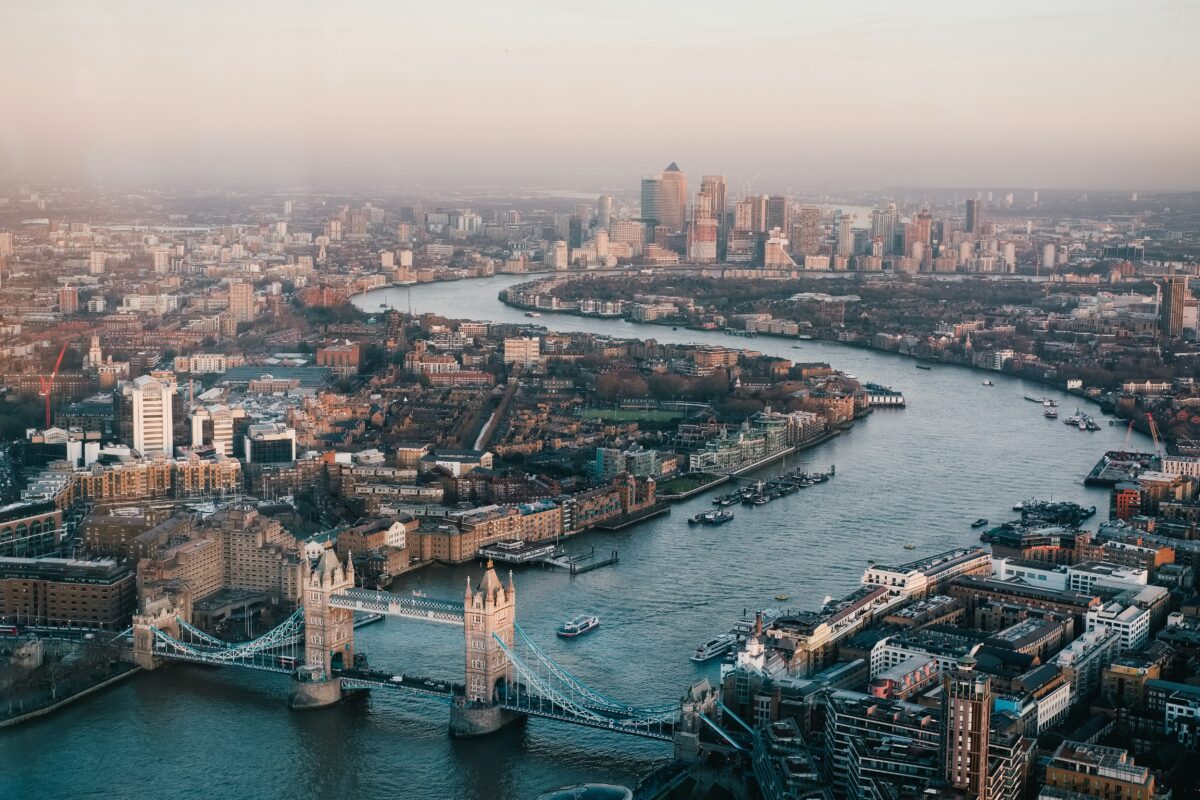
London’s cost burden is distributed differently to cities like Singapore or Zurich. Transport is expensive by European standards.
Eating out in central London has become noticeably pricier over the past decade. But the most significant number is rent, which in inner London has reached a point where young professionals routinely spend half their income on housing — a figure most financial planners would consider alarming.
The city’s size creates some relief — zones further from the centre offer relatively lower rents, though the cost of a monthly travel card to compensate partially offsets the savings. The strength of the financial, legal, and tech sectors keeps demand high, and the city’s international appeal draws a steady flow of high earners who set the ceiling for what landlords can charge.
San Francisco
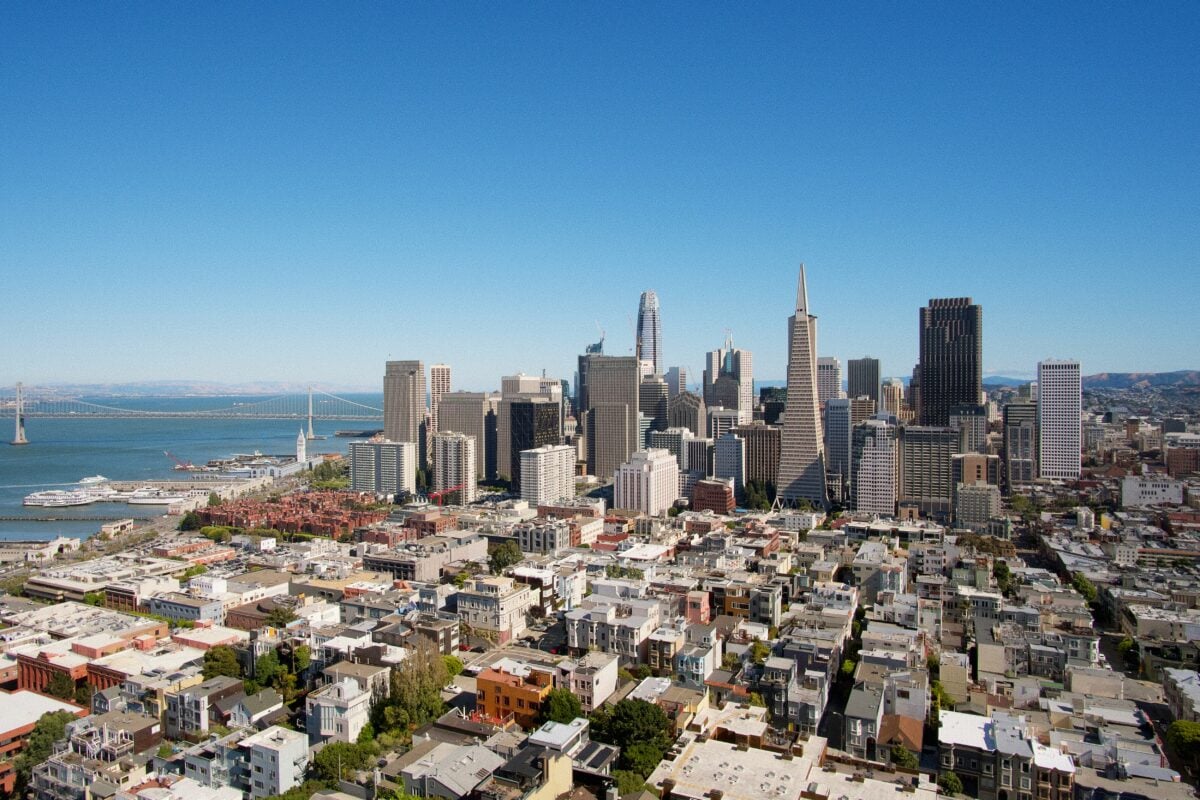
San Francisco and the wider Bay Area represent the most dramatic example of what happens to a city when an industry decides to concentrate there. The tech boom reshaped the city’s economy and its housing market simultaneously.
Median rents in San Francisco have at times been the highest of any city in the United States, with one-bedroom apartments in desirable neighbourhoods regularly exceeding $3,500 per month. The consequences have been visible and widely discussed — long-term residents priced out of neighbourhoods their families occupied for generations, a homelessness crisis that sits in uncomfortable contrast to the wealth generated nearby, and a commuter culture built around long drives or expensive transit to headquarters in the peninsula south of the city.
The pandemic created some relief as remote work reduced demand, but much of that pressure has returned.
Sydney
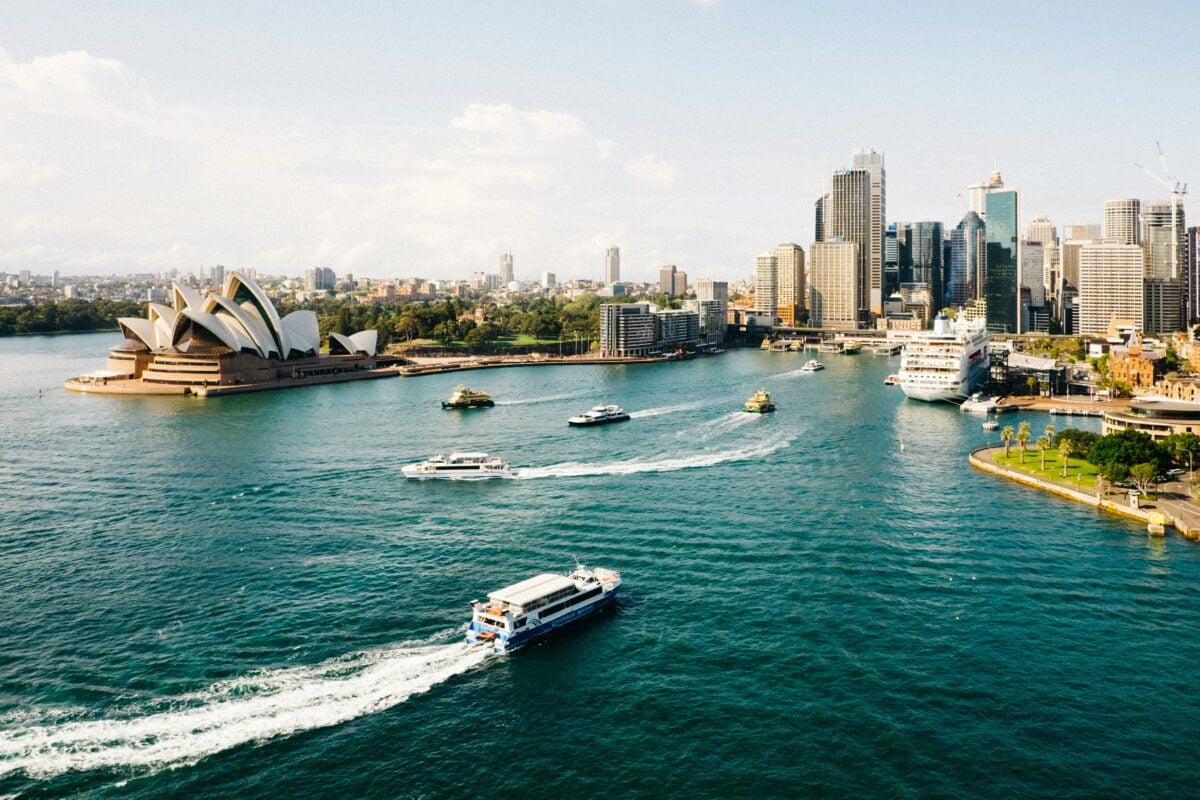
Sydney’s property market is among the most stretched in the world relative to local incomes. The median house price has at various points exceeded ten times the median annual household income — a ratio that makes home ownership a multi-generational project for most residents rather than a realistic near-term goal.
The city’s appeal is easy to understand: a harbour that genuinely competes with any in the world, a climate that draws people from colder countries, and a cultural scene with genuine depth. But the lifestyle premium gets factored into prices across the board.
Eating out, childcare, and utilities all sit above comparable costs in most other developed-world cities. The phrase “Sydney tax” — the premium you pay simply for being there — circulates widely among residents.
Tokyo
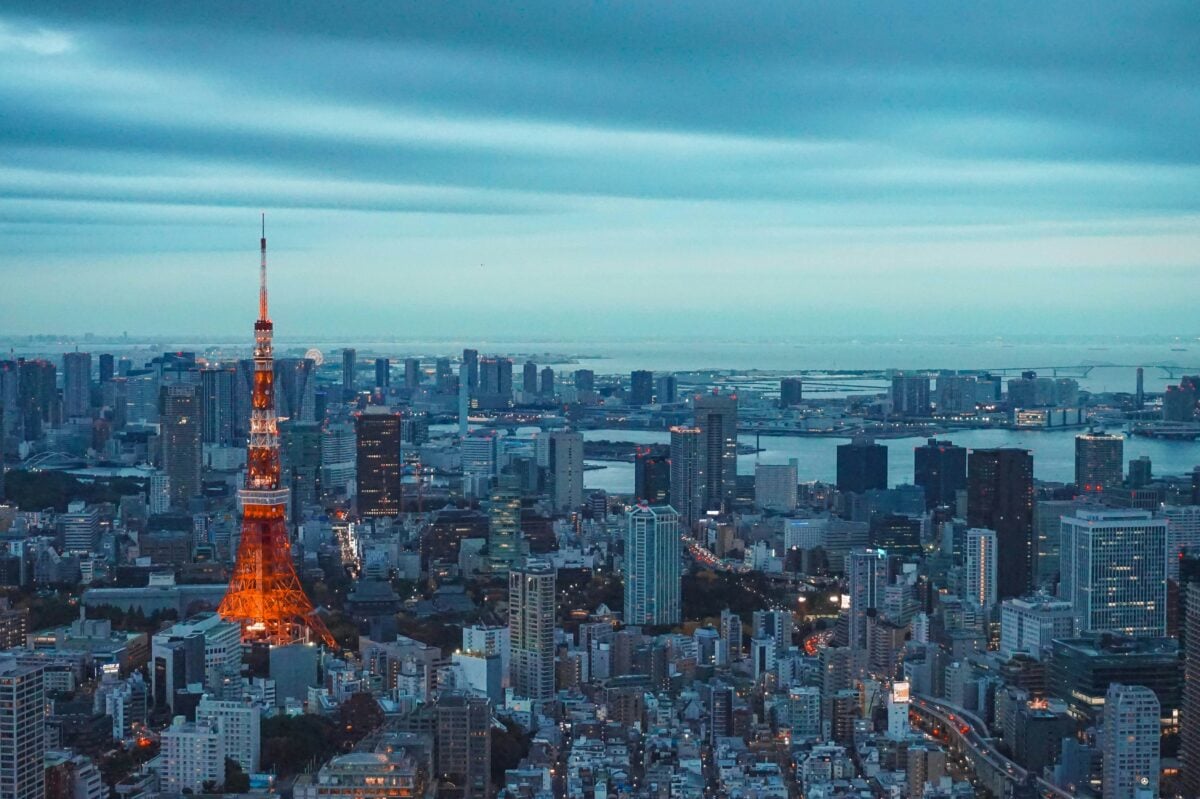
Tokyo surprises people. For a city of its size and global significance, it doesn’t feel expensive in the same visceral way that Hong Kong or New York does day-to-day.
Food is often remarkably affordable. Public transport is efficient and reasonably priced.
Dining out at a quality level that would be expensive elsewhere is accessible at most income levels. Where Tokyo shifts into expensive territory is housing, particularly in central wards, and the costs associated with raising a family — childcare, schooling, and the general expectation of a certain standard of living.
For foreign residents, the yen’s relative weakness in recent years has provided some relief, but for those earning in yen, the rising cost of imported goods and energy has compressed household budgets noticeably.
Paris
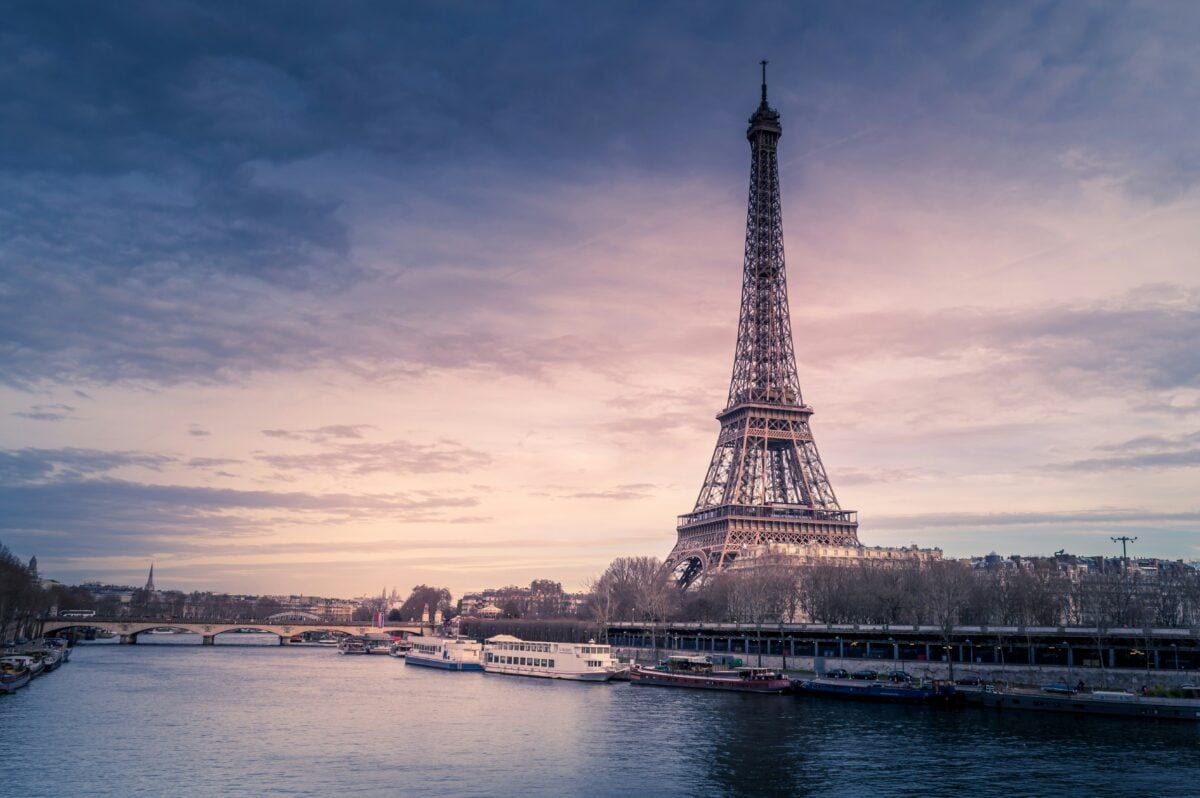
Paris has never been cheap, but the past decade has pushed it into a different bracket. Central arrondissements carry rents and purchase prices that rival London’s most expensive postcodes.
The city’s rent control measures offer some protection for long-term residents, but new arrivals — particularly those seeking housing in the first through eighth arrondissements — encounter a market with limited supply and intense competition. The French capital has a particular version of the expensive city problem: it maintains the cultural infrastructure of a world-class city — museums, public spaces, transport links, healthcare — while the housing market behaves as if those amenities are a luxury good.
The result is that many people who work in Paris live outside it, commuting from the suburbs and satellite towns where costs are significantly lower.
Dubai
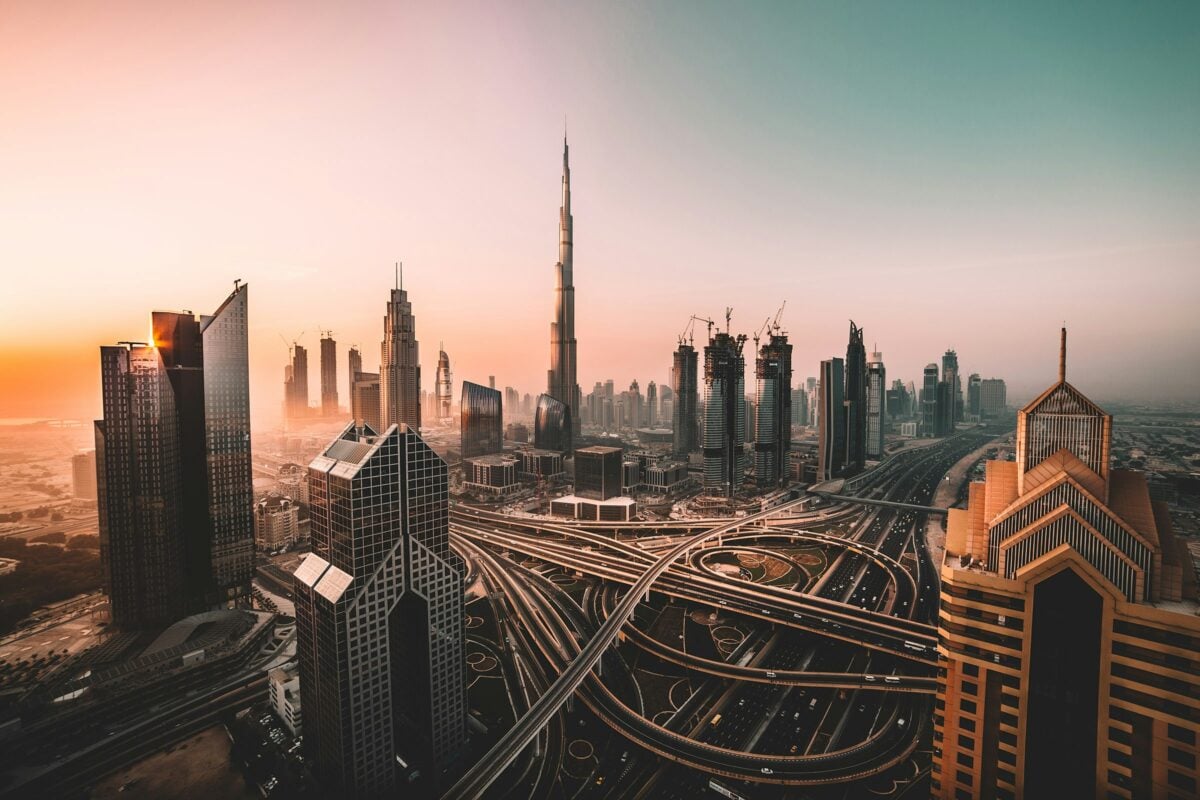
Dubai operates on a different logic from most expensive cities. There is no income tax, which changes the calculation for high earners dramatically. Salaries in the financial and professional services sectors are structured with that in mind, and the absence of a tax burden can make the headline cost of living more manageable than it first appears.
But rent in desirable areas has surged sharply, particularly since 2020, as the city attracted a wave of international residents — remote workers, entrepreneurs, and professionals seeking a combination of low taxes, sun, and connectivity. A city that was once considered affordable relative to London or Singapore has repositioned itself at the top end of the global market, with villa rentals and premium apartment costs that now rival those of the world’s most established expensive cities.
Auckland
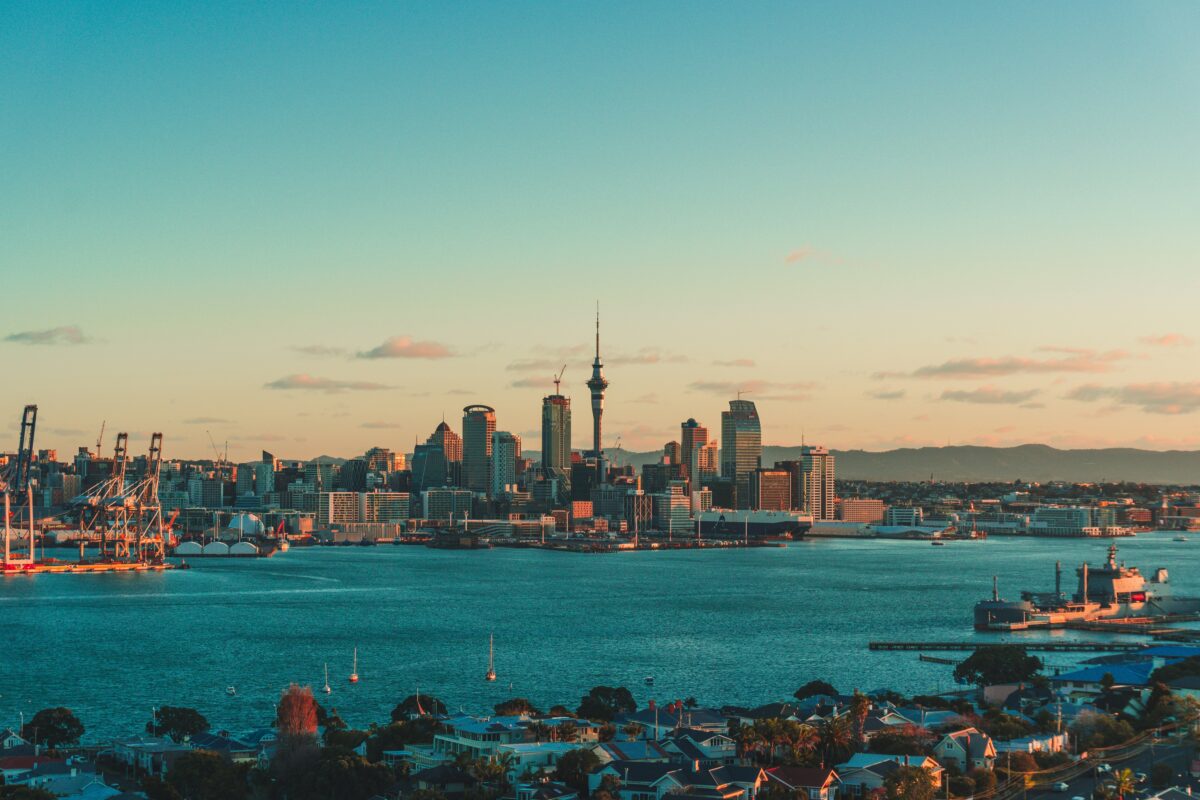
Auckland holds the unfortunate distinction of having one of the most unaffordable housing markets in the world relative to local incomes. A long period of under-building, high immigration, and speculation pushed prices to levels that made international headlines.
While the market has corrected somewhat from its 2021 peak, the underlying affordability problem — too few homes for the number of people who want to live in a city with genuine liveability appeal — has not been resolved. For renters, the market is competitive and expensive.
For buyers, the deposit required to enter the market takes years to accumulate on typical New Zealand salaries. The debate about housing supply, density, and planning rules has consumed New Zealand political discourse for the better part of a decade without producing a resolution.
Copenhagen
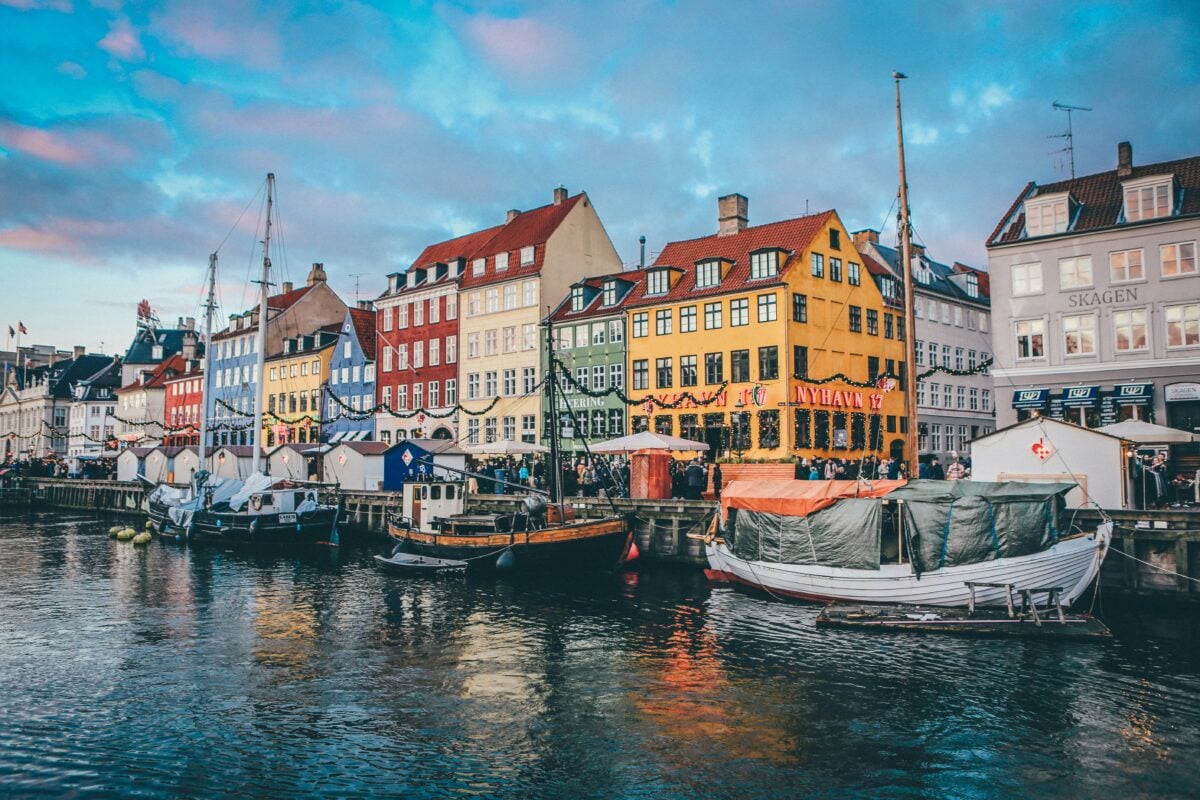
Copenhagen is expensive in a way that feels somewhat different to other cities on this list. The tax burden is high — income tax rates that would shock residents of low-tax jurisdictions — but those taxes fund a welfare state that covers healthcare, education, and a substantial social safety net.
The gross cost of living is high. The net cost, depending on your circumstances, can feel more reasonable.
Rents have risen significantly in central Copenhagen, and the city has struggled with the same housing supply constraints as other desirable European capitals. Dining out regularly is a significant expense.
But the city consistently ranks at the top of quality-of-life and happiness indices, and residents tend to frame the cost not as extraction but as investment in the environment they live in. Whether that framing holds depends on what you value and what you earn.
The Price of Being There

The thing all these cities have in common isn’t just their steep prices, it’s also the fact that people keep moving there anyway. The prices reflect the demand, and the demand is there because these cities can provide something: job opportunities, cultural diversity, good transport, a feeling of togetherness, nice weather, or simply being somewhere that matters.
Whether any city is worth what it costs really depends on each person’s situation and can change over time. The one that seems way too costly at 25 could seem quite doable at 35 when you have a better salary, or it could appear too expensive again at 45 if a family has been added.
Living costs are actually not a fixed figure at all – it’s a kind of bargaining between what a place expects and what you can and want to give in return.
More from Go2Tutors!

- The Romanov Crown Jewels and Their Tragic Fate
- 13 Historical Mysteries That Science Still Can’t Solve
- Famous Hoaxes That Fooled the World for Years
- 15 Child Stars with Tragic Adult Lives
- 16 Famous Jewelry Pieces in History
Like Go2Tutors’s content? Follow us on MSN.



