15 Forgotten Heroes Of The American Revolution
When most people think of the American Revolution, the same handful of names come to mind. Washington crossing the Delaware.
Paul Revere’s midnight ride. Benjamin Franklin in Paris.
These stories have earned their place in history, but they’ve also cast long shadows over hundreds of other remarkable people who risked everything for independence. The revolution wasn’t won by a few famous generals and founding fathers alone.
It was shaped by spies who walked into enemy camps, immigrants who brought military expertise from distant wars, women who turned their homes into intelligence networks, and ordinary people who made extraordinary sacrifices. Some died in obscurity.
Others lived long enough to watch a grateful nation forget their contributions. These fifteen individuals helped secure American independence in ways both dramatic and subtle.
Their stories deserve to be remembered — not as footnotes to more famous tales, but as essential chapters in the larger story of how a collection of colonies became a nation.
Crispus Attucks
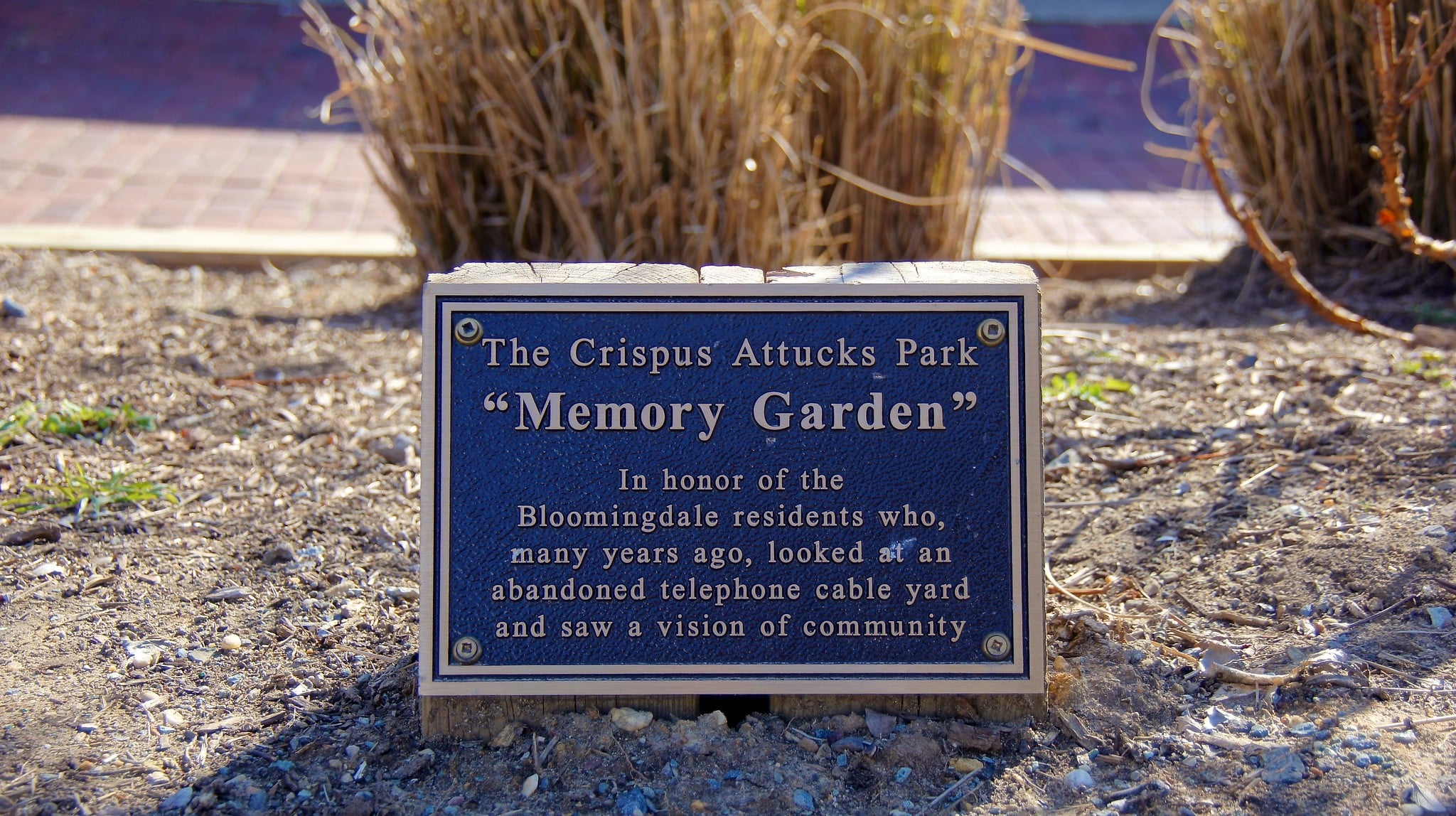
The Boston Massacre wasn’t supposed to make anyone a hero. British soldiers fired into a crowd on March 5, 1770, killing five colonists in what was meant to be a show of force to quiet growing unrest.
Crispus Attucks fell first. A sailor of mixed African and Native American heritage, he’d been leading the crowd that confronted the soldiers outside the Custom House.
The moment turned him into something the British hadn’t expected: the revolution’s first martyr. His death gave the colonial resistance movement exactly what it needed — proof that British rule had become tyranny.
Samuel Adams and other organizers used Attucks’ story to rally support for independence. The man who died in the snow became the symbol of why the fight mattered.
Francis Marion
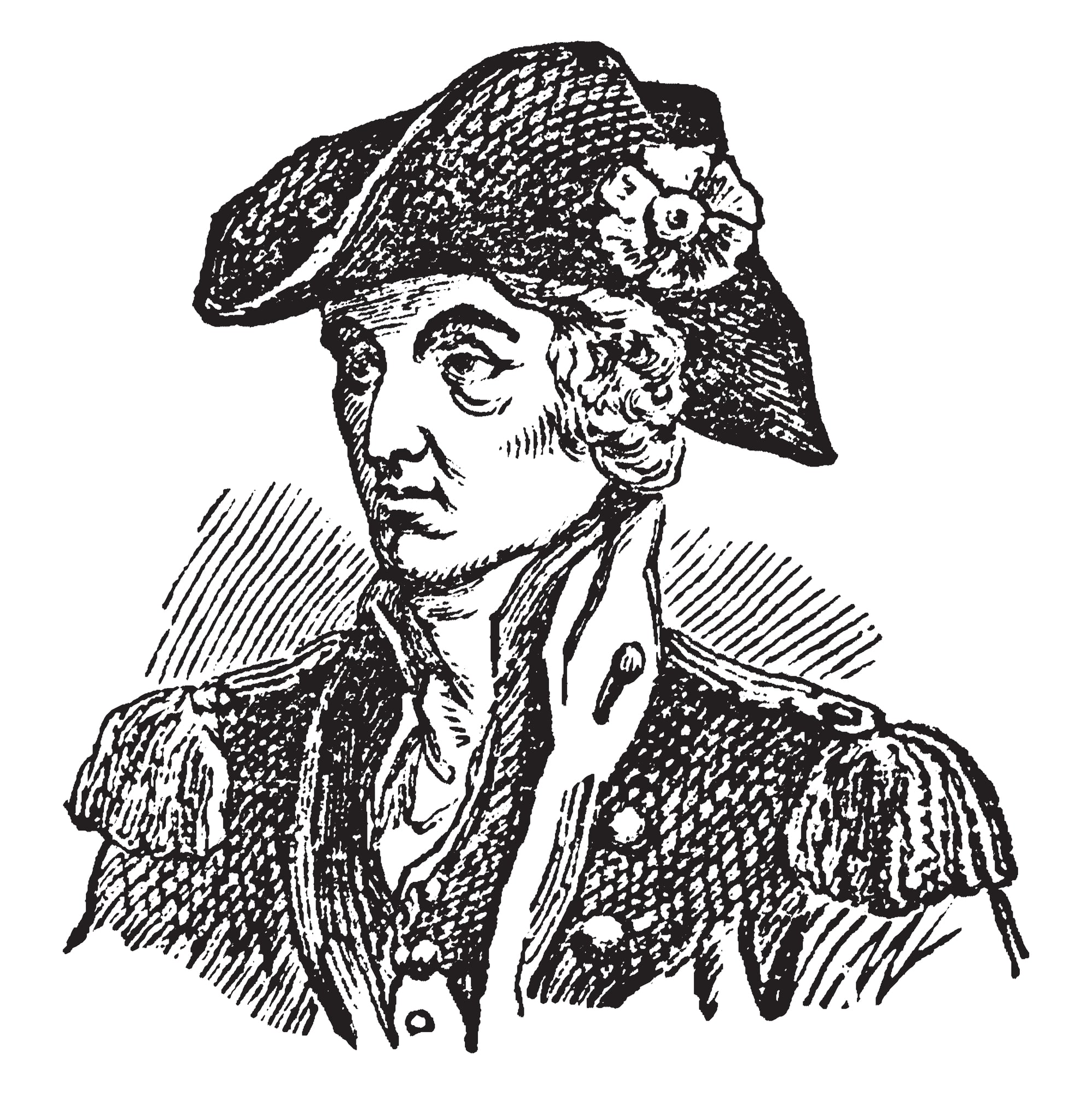
Picture a guerrilla fighter who appears from nowhere, strikes hard, and vanishes before the enemy can react (because that’s exactly what conventional armies fear most — an opponent who refuses to fight conventionally). Francis Marion turned the swamps of South Carolina into a military advantage that British forces never quite figured out how to counter, and his approach to warfare was so effective that it basically wrote the handbook for irregular combat.
The man earned his nickname “the Swamp Fox” by doing what larger, more traditional forces couldn’t: he kept fighting when the situation looked hopeless, adapting his tactics to the terrain and circumstances instead of trying to force the terrain to accommodate his tactics. After the fall of Charleston in 1780, when most organized colonial resistance in the South collapsed, Marion gathered a small band of fighters and disappeared into the marshlands.
And from there, he launched raids that were perfectly calculated to disrupt British supply lines and communications — never staying long enough to get caught, always moving to strike where the enemy was weakest. But the brilliance wasn’t just in the tactics; it was in understanding that the revolution would be won by making British occupation too costly to sustain, rather than by winning large battles.
So the British found themselves fighting an enemy they couldn’t pin down, in terrain they didn’t understand, against a leader who treated every engagement as part of a larger strategy of exhaustion. Marion’s war was small-scale and personal, but it kept the revolutionary cause alive in the South when it might have died completely.
Sybil Ludington
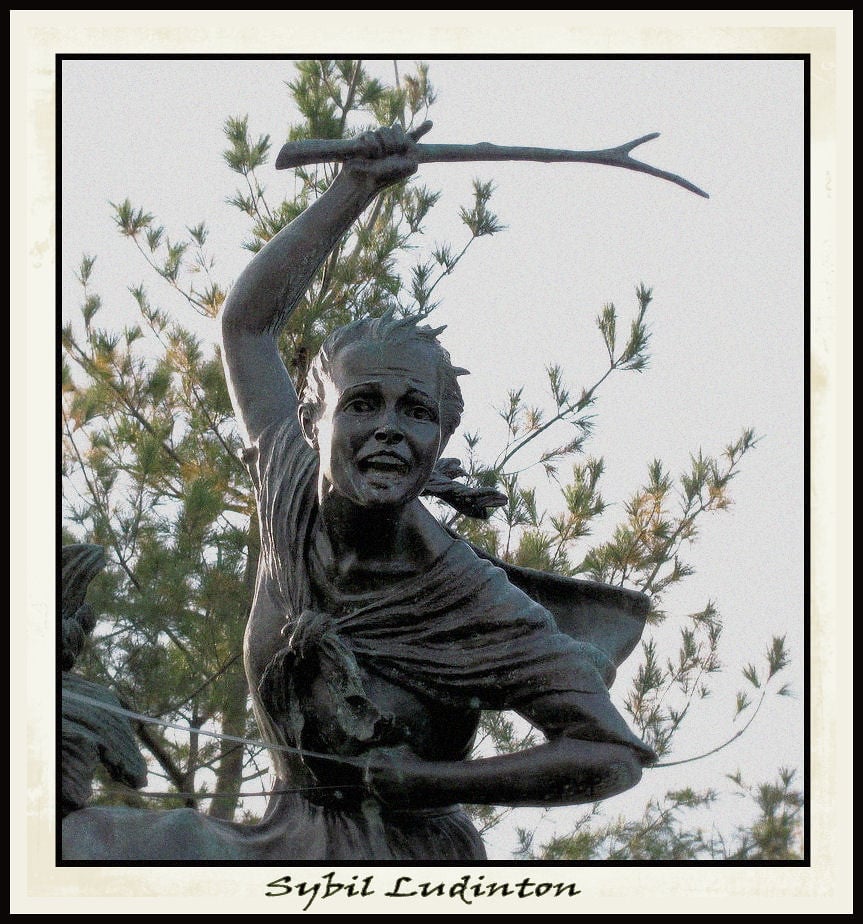
There’s something almost unfair about how Paul Revere’s ride became the stuff of legend while Sybil Ludington’s journey remained largely forgotten. She was sixteen when British forces attacked Danbury, Connecticut, and someone needed to alert the scattered militia companies throughout Putnam County, New York.
The task fell to her because her father, Colonel Henry Ludington, was needed to organize the response once the men arrived. So she rode through the night — not the neat, well-documented route of Revere’s famous journey, but a complicated path through back roads and farm tracks, covering twice the distance in territory she knew by heart.
She knocked on doors, shouted warnings, and gathered nearly four hundred men by dawn. The militia arrived in time to harass the British retreat from Danbury, turning what could have been a devastating raid into a costly operation that the British would think twice about repeating.
Her ride helped save a town and proved that the revolution’s success often depended on the courage of people whose names never made it into the songs.
Marquis De Lafayette
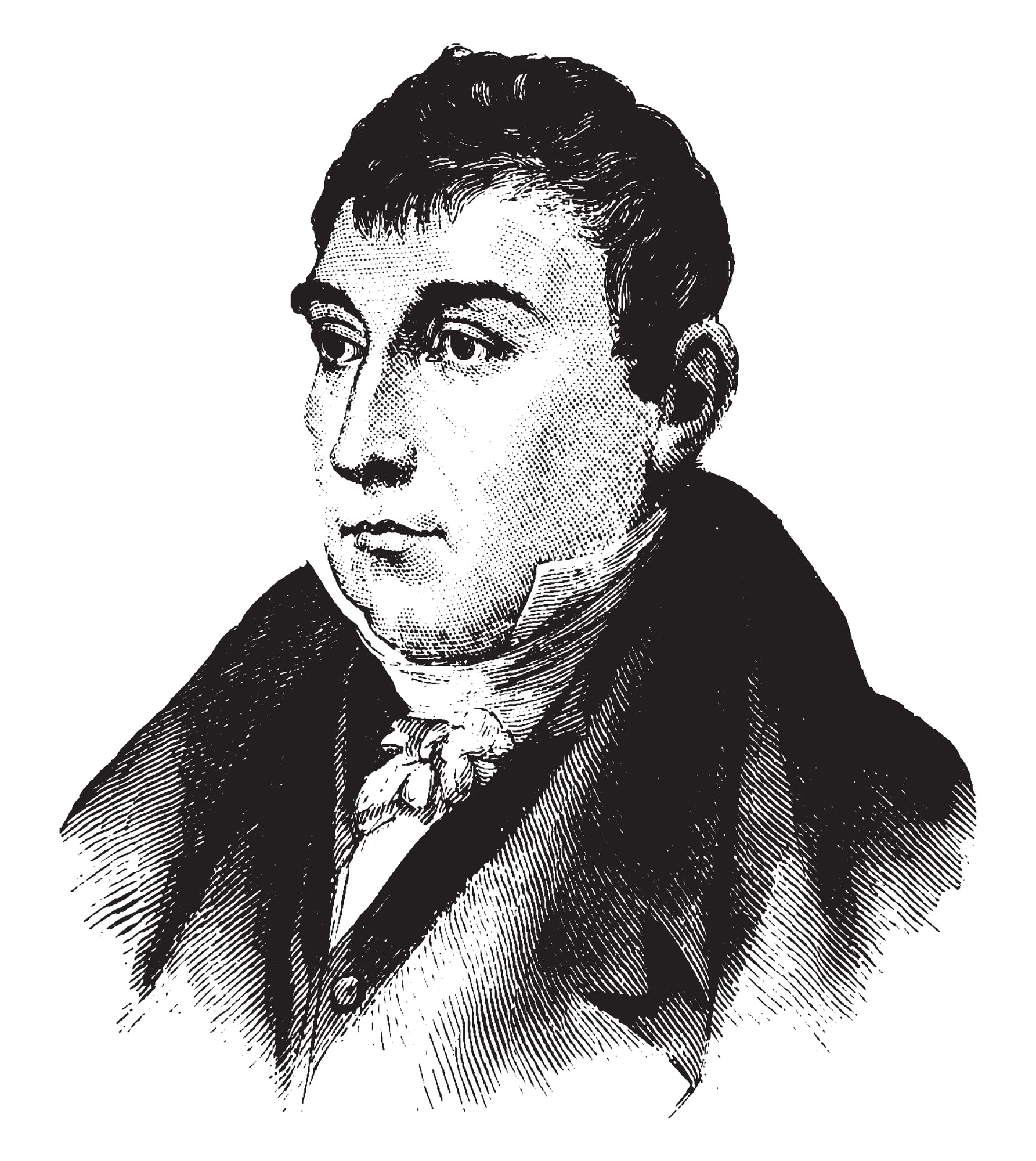
Most nineteen-year-olds don’t abandon wealth and comfort to fight in foreign wars, but Lafayette wasn’t interested in being most nineteen-year-olds. The young French aristocrat crossed the Atlantic in 1777 with a ship full of supplies and a head full of revolutionary ideals.
George Washington took one look at this eager volunteer and saw exactly what the Continental Army needed: someone with connections to the French court and enough military training to be useful in the field. Lafayette had both, plus a willingness to learn that made up for his lack of experience.
He was wounded at Brandywine, spent the brutal winter at Valley Forge, and earned Washington’s trust through competence rather than charm. When he returned to France, he helped secure the alliance that brought French naval support to the revolution.
The war’s outcome might have been very different without that alliance, and the alliance might not have happened without Lafayette’s personal advocacy.
Nancy Hart
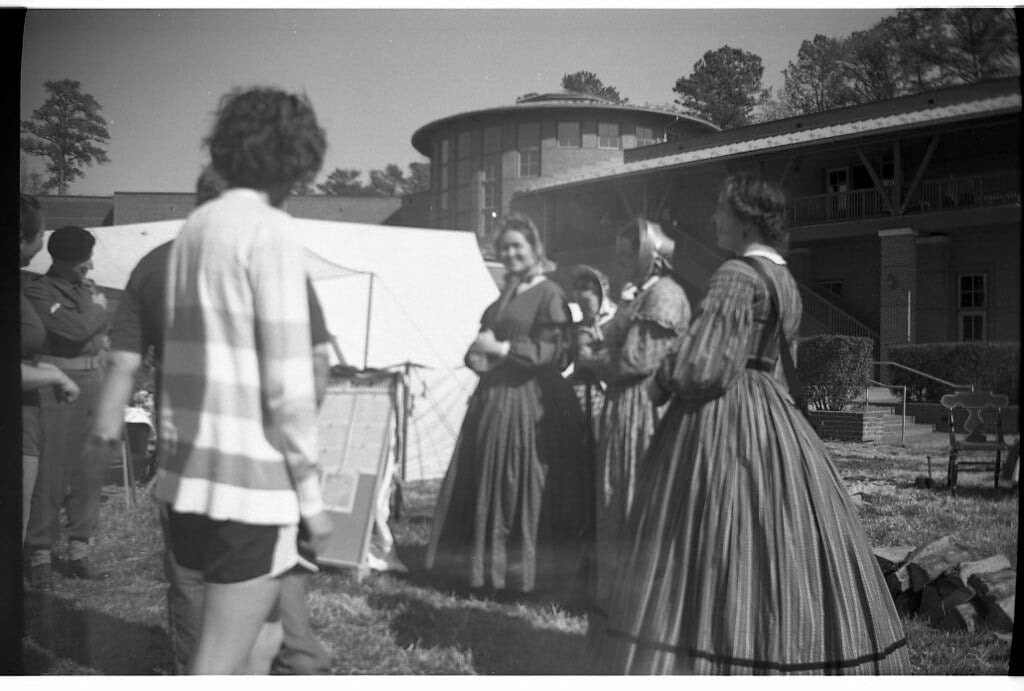
Georgia’s backcountry produced some fierce fighters during the revolution, but few were as formidable as Nancy Hart. She lived in what was essentially a war zone, where Loyalist raiders and British-allied Creek warriors made life dangerous for anyone supporting the colonial cause.
Hart turned her remote cabin into an informal intelligence center, gathering information on enemy movements and passing it along to Patriot forces. She also wasn’t shy about taking direct action when the situation called for it.
Legend has her single-handedly capturing a group of Loyalist soldiers who made the mistake of stopping at her cabin for a meal. Whether all the stories about her are literally true matters less than what they represent: the revolution succeeded partly because people like Hart made it impossible for the British to control territory they claimed to occupy.
She was fighting a different kind of war than the generals, but it was just as important to the final outcome.
Benedict Arnold

This gets complicated quickly, because Arnold’s name became synonymous with treason, but his early contributions to the revolution were genuinely significant — which makes his later betrayal both more devastating and more puzzling than it would have been if he’d been mediocre from the start. Before West Point, before the secret negotiations with the British, Arnold was one of the most effective military commanders the Continental Army had, someone who understood both tactics and strategy well enough to win battles that other leaders might have lost.
His capture of Fort Ticonderoga with Ethan Allen secured desperately needed artillery for the siege of Boston. His wilderness march to Quebec, though ultimately unsuccessful, demonstrated the kind of bold thinking that the revolution needed to succeed against a more powerful enemy.
And his naval delaying action on Lake Champlain bought crucial time for American forces to prepare for British advances from Canada. But the man had a talent for making enemies among his fellow officers and always seemed to feel that his contributions weren’t being properly recognized or rewarded.
So when he finally switched sides in 1780, he didn’t just become a traitor — he became the traitor, the one whose story overshadowed everything he’d accomplished before. Fair enough; betraying your cause and your men deserves that kind of lasting condemnation.
Even so, the full story requires acknowledging that the early Arnold was exactly the kind of aggressive, innovative commander that the revolution needed, which makes his eventual betrayal all the more bitter.
Molly Pitcher
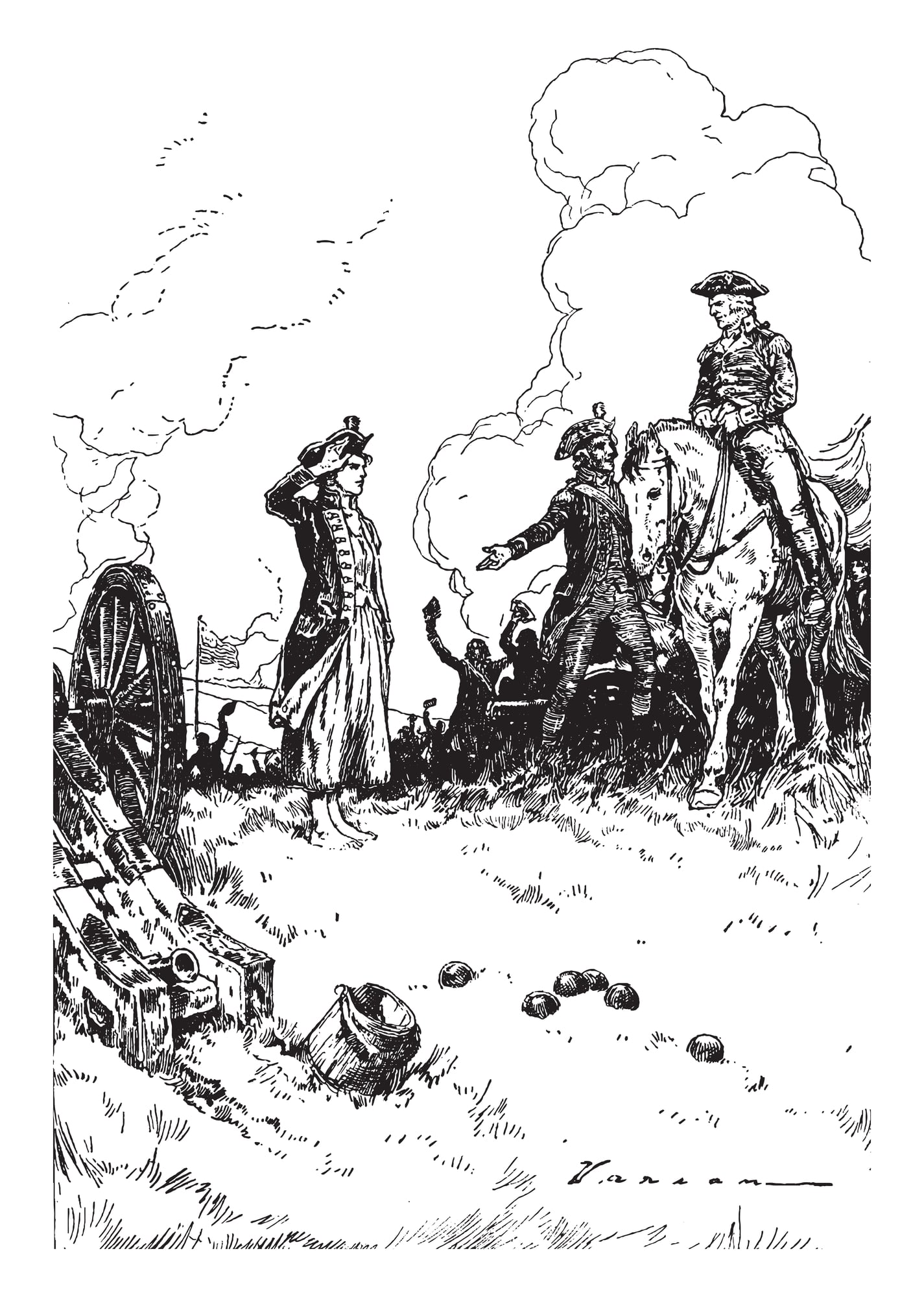
The woman history remembers as Molly Pitcher represents something larger than any single person: the countless women who kept the Continental Army functioning when it might have collapsed from neglect and exhaustion. The name itself is probably a composite, drawn from multiple women who carried water to soldiers during battles, but that doesn’t make the story less important.
Mary Ludwig Hays, one of the women who inspired the Molly Pitcher legend, followed her husband’s artillery unit throughout the war. She carried water during the brutal heat of the Battle of Monmouth, helped tend to the wounded, and according to some accounts, took over her husband’s cannon when he was injured.
This kind of support — practical, dangerous, unglamorous — kept the army fighting when it had every reason to give up. The revolution couldn’t have been won without the women who traveled with the army, maintained the camps, nursed the wounded, and occasionally picked up weapons when the situation demanded it.
Molly Pitcher stands for all of them — the ones whose names we know and the many more whose contributions were essential but unrecorded.
Friedrich Von Steuben

Valley Forge is remembered as a place of suffering, but it was also where the Continental Army learned to fight like professional soldiers instead of enthusiastic amateurs. The Prussian officer who made that transformation possible was Friedrich von Steuben, a veteran of European wars who understood that good intentions weren’t enough to win battles.
Washington’s army was brave but disorganized. Soldiers from different colonies followed different procedures.
Basic maneuvers that European armies took for granted were unknown to most American units. Steuben changed that through months of intensive drill and training that turned a collection of colonial militias into something resembling a unified fighting force.
He wrote the army’s first standardized training manual, established consistent procedures for everything from camp sanitation to battlefield tactics, and somehow managed to impose European military discipline on troops who had joined the revolution partly to escape that kind of authority. The transformation worked: the army that emerged from Valley Forge could stand toe-to-toe with British regulars and win.
James Armistead
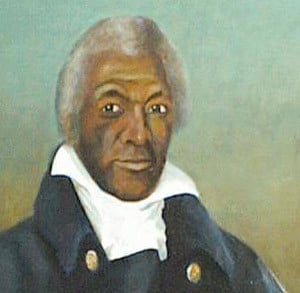
The best spies are the ones nobody suspects, which made James Armistead nearly perfect for intelligence work during the revolution’s final phase in Virginia. As an enslaved person, he could move through British camps without attracting attention — enemy soldiers saw him as part of the landscape, not as a potential threat.
Working under the direction of Marquis de Lafayette, Armistead posed as a runaway seeking freedom with the British forces. General Cornwallis trusted him enough to use him as a guide and courier, never suspecting that information about British troop movements and plans was being passed directly to the Continental Army.
The intelligence Armistead provided helped American forces track British movements leading up to the siege of Yorktown. His work contributed directly to the strategic decisions that trapped Cornwallis and ended major fighting in the revolution.
After the war, Lafayette helped Armistead gain his freedom, but recognition of his service took much longer to arrive.
Ethan Allen
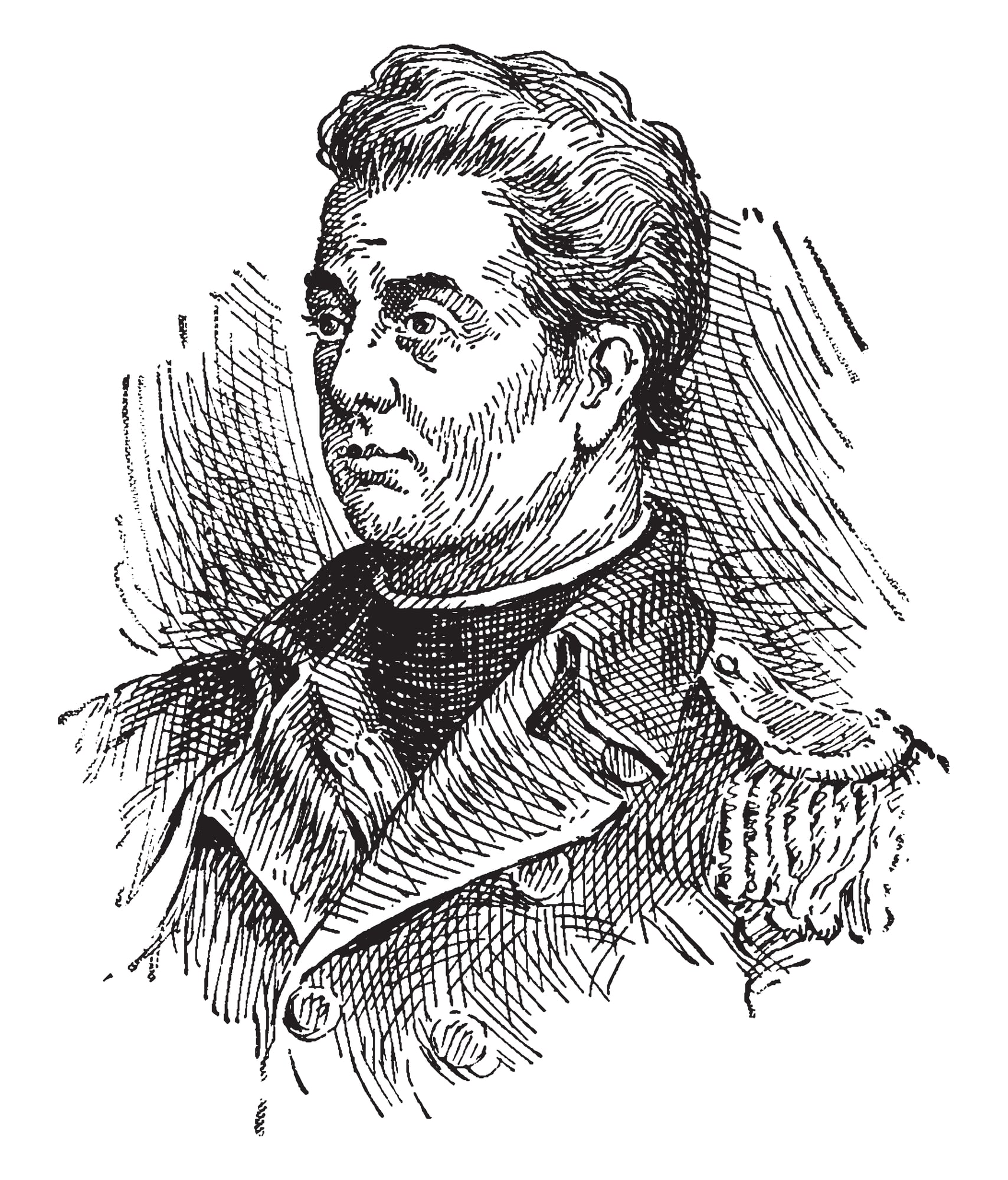
Vermont wasn’t even a recognized state when Ethan Allen formed the Green Mountain Boys, but that didn’t stop him from fighting like he had a country to defend. His irregular force spent years battling New York authorities over land claims in what would become Vermont, and when the revolution began, they simply redirected their fighting energy toward the British.
Allen’s most famous contribution was the capture of Fort Ticonderoga in May 1775, taken in a surprise dawn attack that secured crucial artillery for the Continental Army. The fort was lightly defended, but taking it required the kind of bold action that Allen specialized in — moving fast, hitting hard, and dealing with consequences later.
He was captured during a failed attack on Montreal and spent years in British captivity, but his reputation for fierce independence lived on. The Green Mountain Boys continued fighting throughout the war, and Allen’s example of grassroots resistance inspired similar efforts in other regions where formal military authority was weak or absent.
Deborah Sampson
The Continental Army officially barred women from combat roles, so Deborah Sampson enlisted as Robert Shurtliff and hoped nobody would notice the deception (which worked better than it had any right to, considering that she spent over a year serving in a Massachusetts regiment without being discovered). Her disguise held through training, through multiple engagements with British and Loyalist forces, and even through a leg wound that she treated herself rather than risk exposure by visiting the camp surgeon.
She was finally discovered when a doctor treated a bullet wound she had sustained in battle, revealing her identity. She had concealed her wound rather than risk exposure by visiting the camp surgeon.
But by that point, she’d proven that women could handle combat duty as well as men — a point that wouldn’t officially be acknowledged by the U.S. military for more than two centuries. And her service record was impressive enough that she received an honorable discharge and, eventually, a military pension.
The revolution created space for all kinds of people to reinvent themselves, to step outside the roles society had assigned them and prove what they were capable of doing. Sampson took that opportunity further than most, but her story represents something larger: the way extraordinary circumstances can reveal extraordinary capabilities in ordinary people.
John Paul Jones
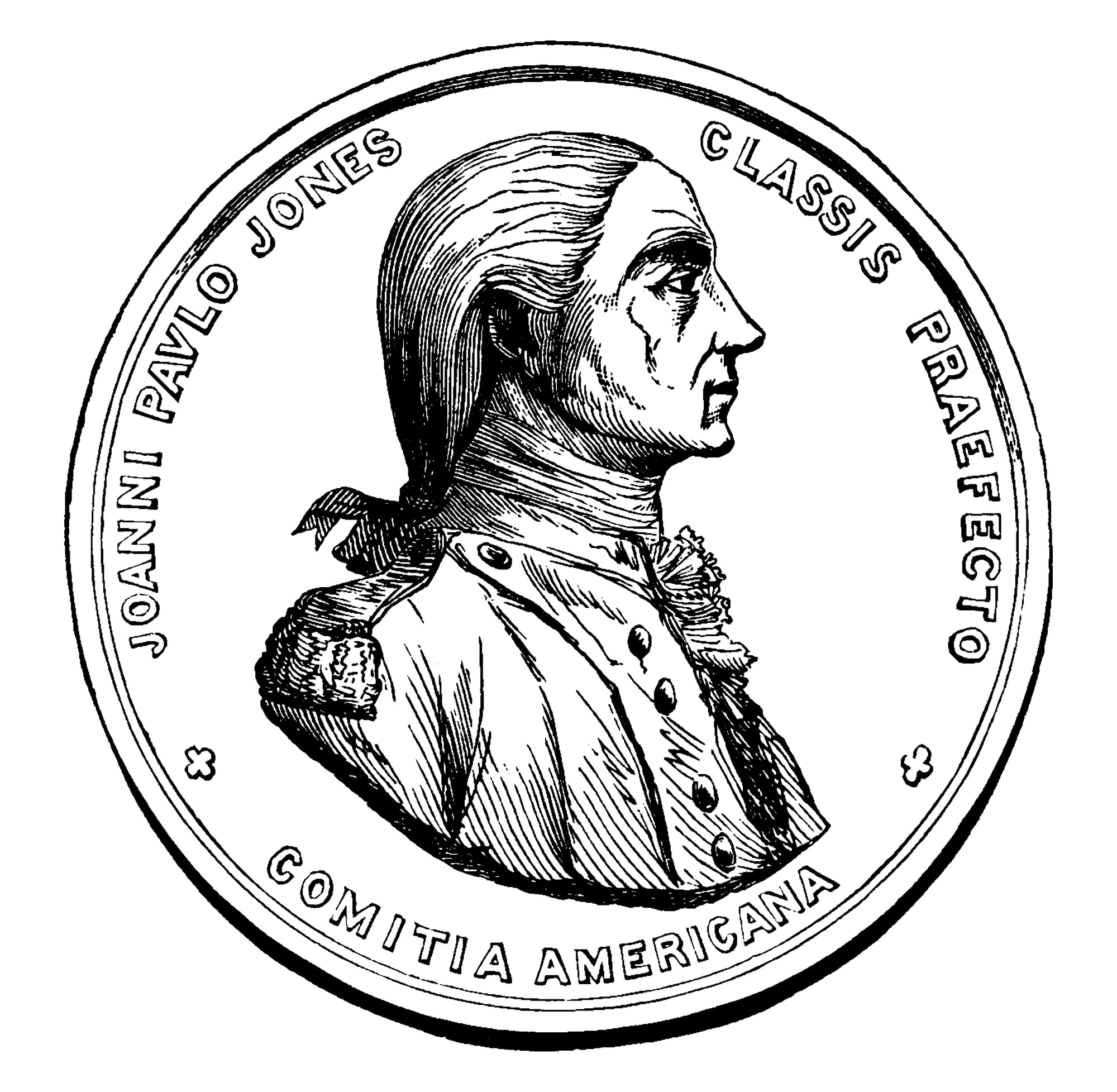
Naval warfare during the revolution was mostly a matter of harassment rather than decisive battles, but John Paul Jones turned harassment into an art form. The Scottish-born captain spent the war raiding British shipping and coastal towns, proving that American forces could strike back even when they couldn’t match British naval power ship-for-ship.
His most famous engagement came in 1779, when his ship Bonhomme Richard fought the British frigate HMS Serapis in a brutal close-quarters battle off the English coast. When the British captain asked if he was ready to surrender, Jones reportedly replied, “I have not yet begun to fight.”
His ship was sinking, but he kept fighting until the British vessel surrendered. That single battle didn’t change the course of the war, but it demonstrated that American forces could defeat British regulars even in Britain’s traditional area of dominance.
Jones understood that the revolution was as much about morale and perception as about military victory — every successful raid, every captured ship, every British defeat helped convince both Americans and Europeans that independence was achievable.
Haym Salomon
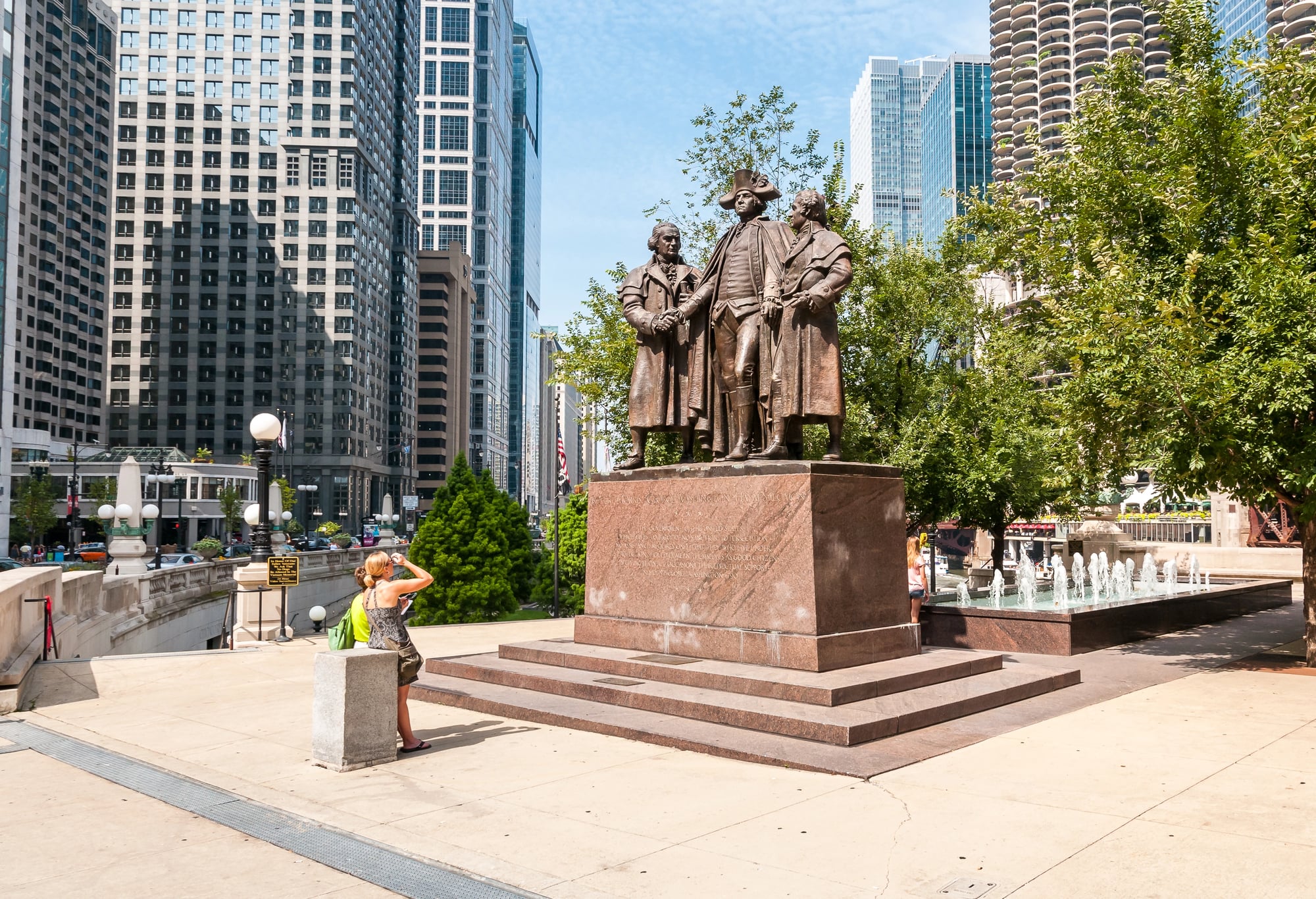
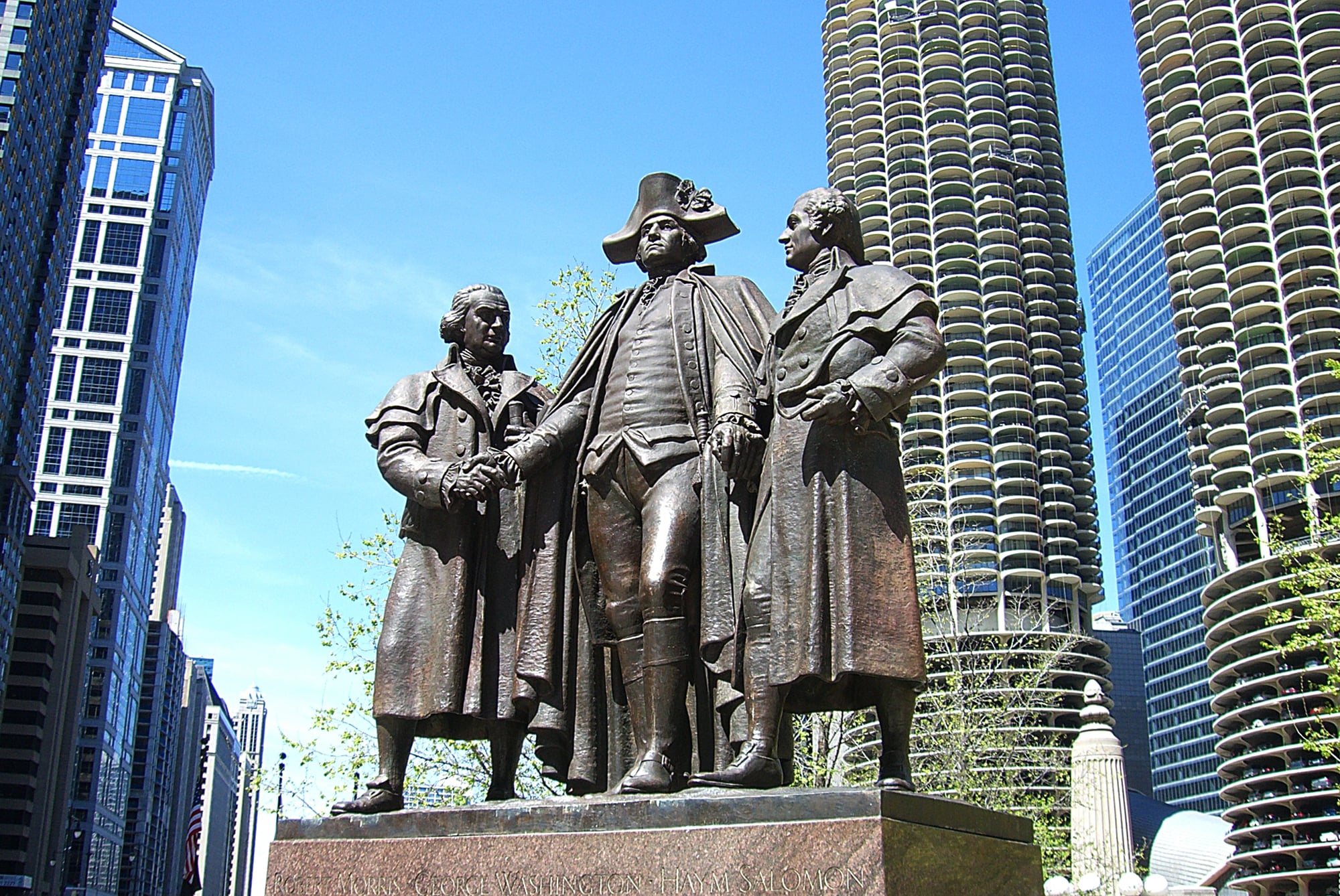
Wars are expensive, and the Continental Congress spent most of the revolution scrambling to find money for supplies, wages, and equipment. When traditional funding sources dried up, Haym Salomon stepped in with the kind of financial network that kept the cause alive during its darkest periods.
A Jewish immigrant from Poland, Salomon had established himself as a successful broker in Philadelphia when the revolution began. He used his connections with European merchants and financiers to arrange loans and currency exchanges that the financially strapped Congress couldn’t secure through official channels.
His work was complicated, often risky, and absolutely essential. Salomon also helped finance the individual expenses of delegates to the Continental Congress, including James Madison, who wrote to Edmund Randolph that “The kindness of our little friend in Front Street near the coffee house is a fund which will preserve me from extremities.”
That “little friend” was Salomon, whose financial support helped keep the government functioning when it might have collapsed from lack of funds.
Peter Salem

The Battle of Bunker Hill proved that colonial forces could stand up to British regulars, but the fighting was close enough that individual actions could determine the outcome. Peter Salem, a formerly enslaved man who had gained his freedom to serve in the Massachusetts militia, was one of several African American soldiers whose marksmanship helped hold the colonial lines.
Salem is traditionally credited with shooting Major John Pitcairn at Bunker Hill, though this claim is not definitively confirmed by historical records. Pitcairn was killed during the battle, but the identity of the shooter remains uncertain.
Salem did serve with distinction in the Continental Army, including at Bunker Hill and Saratoga. The intervention helped ensure that the colonial retreat from Bunker Hill was orderly rather than a rout.
His service continued throughout the war, including engagements at Saratoga and other major battles. Like many African Americans who fought for independence, Salem found that military service didn’t automatically translate into full citizenship, but his contributions helped establish the precedent that freedom was something to be earned through service rather than granted as a privilege.
Henry Knox

Moving fifty-nine cannons from Fort Ticonderoga to Boston in the middle of winter sounds like the kind of logistical nightmare that sensible people would avoid attempting. Henry Knox looked at the problem and decided it was exactly the kind of challenge the Continental Army needed to solve if it wanted to win the war.
The cannons were essential for the siege of Boston, but getting them there meant hauling artillery pieces weighing thousands of pounds across three hundred miles of frozen wilderness. Knox organized teams of oxen, sleds, and men to drag the guns across rivers, mountains, and forests in what became known as the “noble train of artillery.”
The operation took two months and succeeded despite weather, terrain, and equipment problems that should have made it impossible. When the cannons finally arrived in Boston, they gave Continental forces the firepower needed to force British evacuation of the city.
Knox’s achievement demonstrated that American logistics could match American fighting spirit — a combination that would prove crucial throughout the war.
Remembering The Forgotten
These fifteen individuals represent hundreds more whose contributions shaped the revolution in ways both dramatic and subtle. They came from different backgrounds, fought different kinds of battles, and made different sacrifices, but they shared a willingness to risk everything for the possibility of independence.
Some died in obscurity. Others lived to see their service forgotten by a nation that had moved on to new challenges.
But their stories remind us that the revolution succeeded not because a few great leaders made brilliant decisions, but because ordinary people made extraordinary choices when history demanded them. The familiar names and famous battles deserve their place in our memory, but they tell only part of the story.
The complete history includes the spies and the financiers, the women who followed armies and the immigrants who brought expertise from foreign wars, the free and the enslaved who fought side by side for a freedom that meant different things to different people. These forgotten heroes helped create something that had never existed before: a nation founded on the idea that independence was worth any sacrifice required to secure it.
More from Go2Tutors!

- The Romanov Crown Jewels and Their Tragic Fate
- 13 Historical Mysteries That Science Still Can’t Solve
- Famous Hoaxes That Fooled the World for Years
- 15 Child Stars with Tragic Adult Lives
- 16 Famous Jewelry Pieces in History
Like Go2Tutors’s content? Follow us on MSN.



