Jobs That No Longer Make Sense
Take a moment to consider your current position.
Now picture attempting to explain it to a 1925 person.
They would most likely stare at you as if you were insane.
The problem is that the opposite is also true.
In addition to the fact that the work was different, many of the occupations that our ancestors held would seem completely strange in today’s world.
Some were destroyed by technology, others by common sense, and some simply vanished because, to be honest, no one wants to do them anymore.
The labor market has always been a dynamic entity that evolves with the times.
A career path that seemed reasonable one decade turns into a complete waste the next.
These 15 occupations are no longer relevant in the modern world.
Knocker-Upper

Before alarm clocks became cheap and reliable, people in industrial England had a peculiar problem: how do you wake up for your early factory shift when you don’t own a timepiece?
Enter the knocker-upper, someone who’d walk through neighborhoods in the pre-dawn darkness, tapping on windows with a long stick or shooting dried peas at upper-story windows until clients stumbled out of bed.
These human alarm clocks were paid a few pence per week to make sure workers got to their jobs on time.
The practice stuck around longer than you might think—some UK towns still had knocker-uppers working into the 1940s and 1950s, with Mary Smith of East London becoming one of the last known professionals when she retired around 1973.
Ice Cutter

Your refrigerator hums quietly in the corner, keeping your food fresh without you giving it a second thought.
A century ago, keeping things cold required an army of workers who’d venture onto frozen lakes in the dead of winter, armed with saws and hooks to carve out massive blocks of ice.
These ice cutters worked in brutal conditions, standing on precarious surfaces above freezing water, hoping their measurements were right and the ice wouldn’t crack beneath them.
Mechanical refrigeration started replacing ice harvesting in the 1910s and 1920s, but the industry held on in rural parts of America until the early 1940s, when reliable home refrigerators finally became affordable for most families.
Bowling Pin Setter

Automated pin-setting machines at bowling alleys seem pretty basic now, but they put an entire workforce of young people out of business.
Pin boys, usually teenagers looking for some extra cash, would sit at the end of bowling lanes and manually reset the pins after each throw.
It was tedious, loud, and genuinely dangerous—those heavy bowling pins came flying at them regularly, and quick reflexes were the only thing between a normal shift and a trip to the hospital.
Gottfried Schmidt patented the AMF automatic pinsetter in 1941, though the machines didn’t become widespread until after World War II in the late 1940s, when bowling alleys across America finally upgraded.
Switchboard Operator

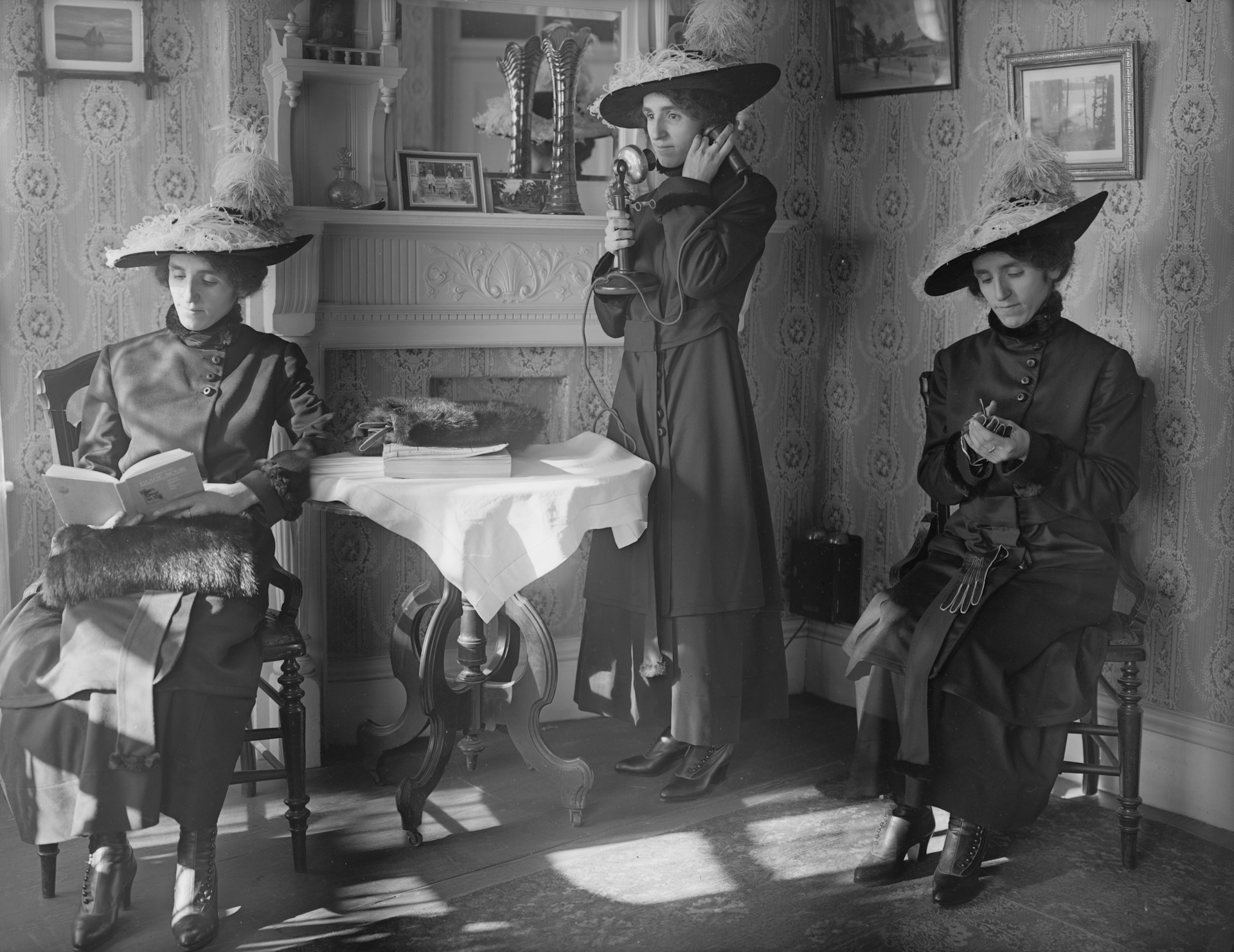
Making a phone call used to require a middleman, or more accurately, a middle-woman.
Switchboard operators sat at massive boards filled with cables and plugs, physically connecting calls by inserting the right cords into the right jacks.
‘Number please’ became one of the most recognized phrases in early telephone culture, as operators manually routed every single call.
Most major telephone networks were automated by the 1960s and 1970s, though manual switchboards hung on in small towns and hotels into the 1980s.
The job required workers to memorize vast networks of numbers, maintain perfect politeness even with difficult callers, and work with speed and accuracy that would make modern customer service reps exhausted just thinking about it.
Lamplighter
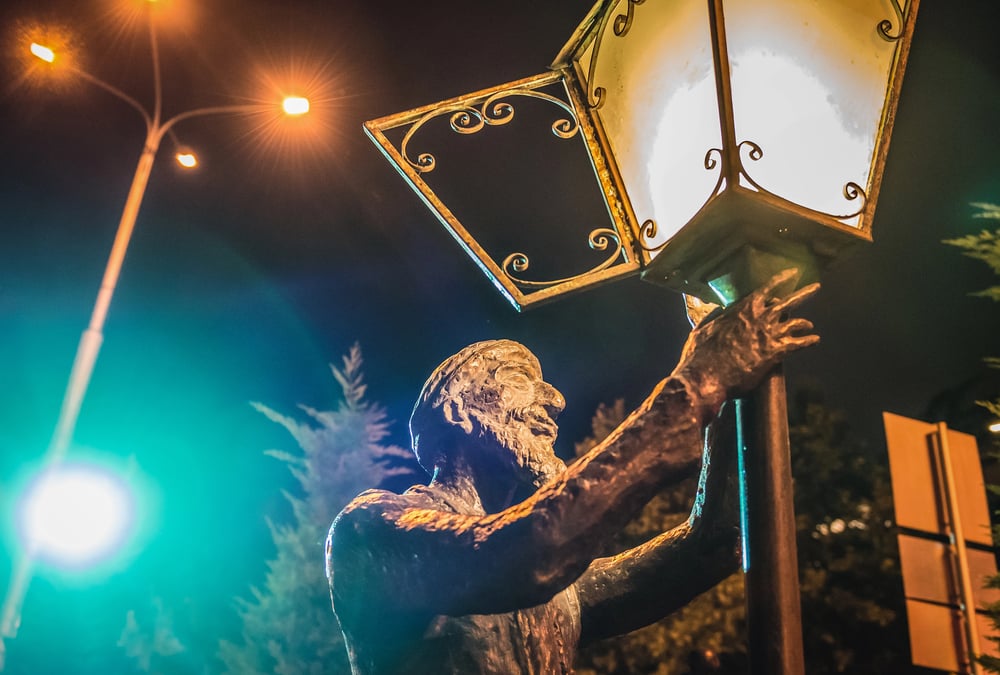
Street lighting wasn’t always as simple as flipping a switch at city hall.
Lamplighters made their rounds at dusk with long poles, lighting gas lamps one by one throughout the city.
At dawn, they’d return to extinguish them all.
Electric street lighting gradually replaced gas systems between 1880 and 1930, making the profession largely obsolete within a generation.
The job required punctuality, physical stamina for walking miles each day, and a good sense of timing to catch that perfect moment between daylight and darkness.
A handful of ceremonial lamplighters still work in cities like London and Zagreb, kept around for historical charm rather than actual necessity.
Lector

Factory work has always been mind-numbing, but in the late 1800s and early 1900s, some workers had it slightly better—they got entertainment.
Factories, especially in the garment and rolling industries, hired lectors to read aloud to workers during their shifts.
The tradition was particularly strong in Cuban factories, where lectors would read newspapers like El Diario de la Marina and classic novels such as Don Quixote to rooms full of workers hand-rolling leaves.
Workers often pooled their money to pay the lector’s salary because the alternative was hours of silence or deafening machinery noise.
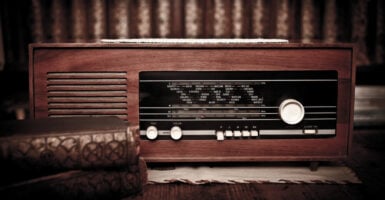
Radios became affordable and widespread by the 1930s, providing the same entertainment without needing a human paycheck.
Daguerreotypist
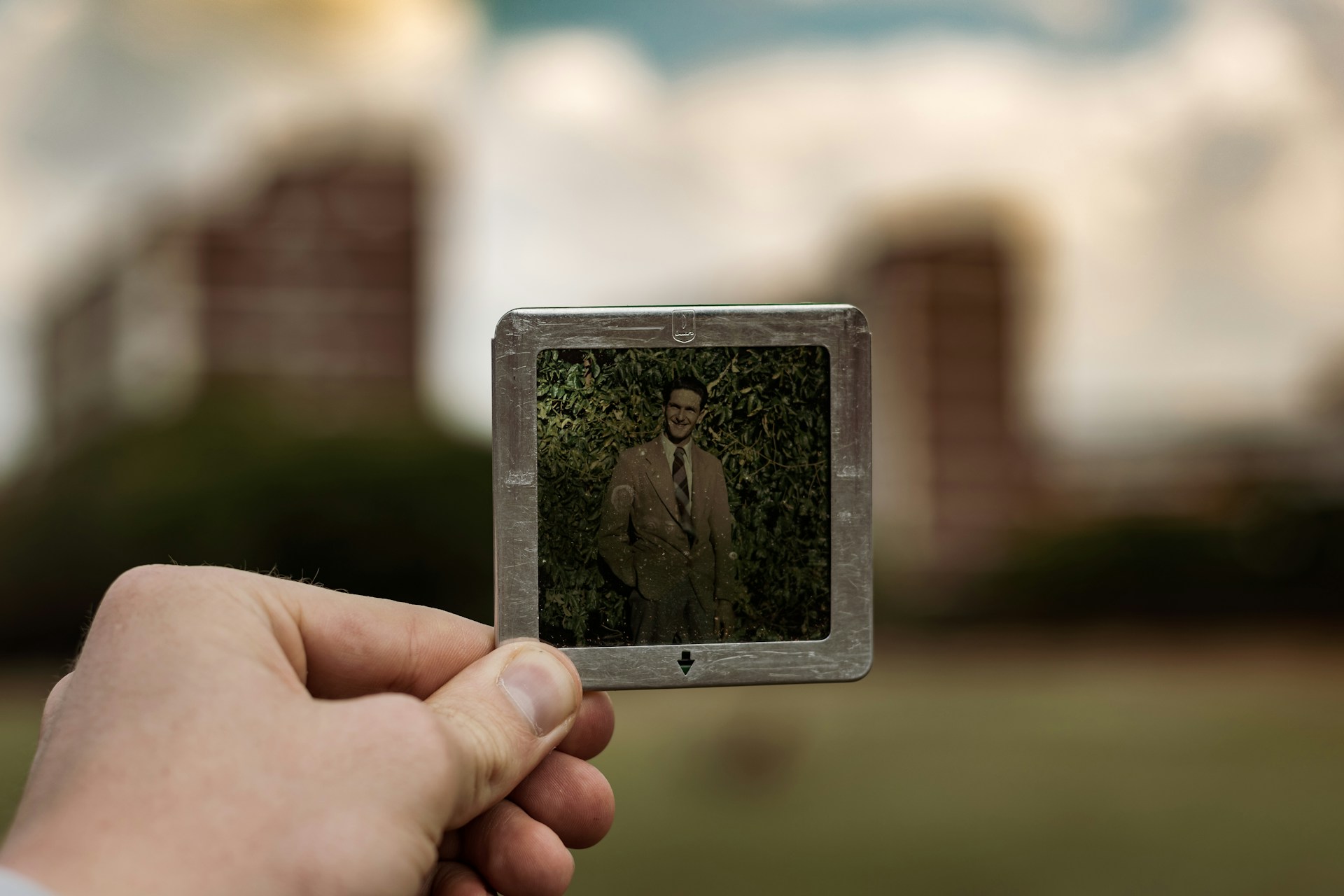
Photography had to start somewhere, and that somewhere was with daguerreotypists who operated the first cameras available to regular people.
The daguerreotype process debuted in 1839 and peaked during the 1840s and 1850s, using silver-plated copper sheets and mercury vapor to create stunningly detailed images.
Subjects had to sit perfectly still for minutes during exposure, which is why nobody’s smiling in those old portraits—try holding a grin for five minutes straight.
The process captured everyone from Abraham Lincoln to everyday families, but it declined after 1851 when the wet-plate collodion process made photography faster and significantly cheaper.
Rat Catcher

Cities have always had rat problems, but Victorian-era London took rat catching to a professional level.
Rat catchers wandered the streets with cages and dogs, hunting down rats for pest control and sometimes for sport.
Jack Black, who worked in the 1850s as Queen Victoria’s official rat-catcher, became the most famous practitioner of the trade.
Some of these professionals supplied rats to public entertainment venues where dogs would be set loose to kill as many rats as possible while spectators bet on the outcome.
Modern pest control companies handle rodent problems now with traps, poison, and considerably less direct contact with the actual rats.
Leech Collector

Medical practices change, and thank goodness for that.
When bloodletting was considered legitimate treatment for basically every ailment, somebody had to supply the leeches.
Leech collectors waded into rivers and ponds, using their own legs or animal legs as bait to attract the blood-sucking creatures.
The profession thrived during Europe’s ‘leech craze’ from the 1820s through the 1850s, when France alone imported tens of millions of leeches per year to meet medical demand.
Once enough leeches latched on, collectors would gather them and sell them to doctors and apothecaries.
Modern medicine abandoned bloodletting as we learned it doesn’t actually cure diseases, and leech collectors found themselves without customers.
Milk Delivery Person

The classic image of the milkman dropping off glass bottles at your doorstep at dawn was reality for millions of American families.
Before home refrigeration became standard, milk spoiled quickly, so daily or every-other-day delivery made sense.
Home delivery peaked in the 1940s and 1950s, when milkmen knew their routes like the backs of their hands and often delivered eggs, butter, and other perishables alongside the milk.
The service declined by the 1970s once every household had a reliable refrigerator and supermarkets became convenient one-stop shops.
Interestingly, the concept has partially re-emerged through modern grocery subscription services, though without the personal touch of the old neighborhood milkman.
Elevator Operator
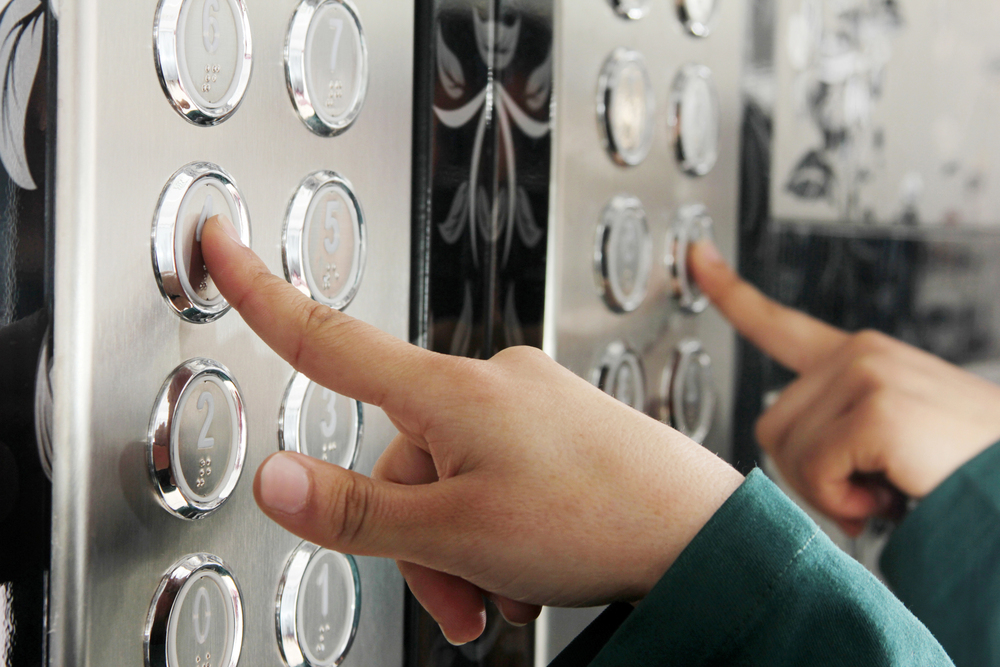
Riding an elevator alone feels normal now, but elevators used to require a trained operator to function.
These workers stood in the elevator car all day, manually controlling the speed, stopping precisely at each floor, and announcing destinations.
Automatic push-button elevators first appeared in 1924 thanks to Otis, but operators remained common until the 1970s for safety and etiquette reasons.
It took genuine skill to operate early elevators smoothly—stop too fast and passengers stumbled, stop too slow and you’d overshoot the floor.
Operators also served as building guides and added a personal touch to what could have been an impersonal vertical commute.
Town Crier

Before newspapers were widespread and literacy was universal, how did you spread important news?
You hired someone with a loud voice and sent them into the streets.
Town criers would ring a handheld bell, shout ‘Oyez!’ to gather attention, and then announce court orders, local news, or important proclamations.
In England, they wore elaborate uniforms and tricorne hats, making them easy to spot and giving them an air of authority.
The tradition survives ceremonially in parts of the UK, Canada, and Australia, where annual competitions are still held to celebrate the practice.
The job required good lungs, clear diction, and the ability to memorize information accurately—basically a human news broadcast.
Human Computer
The word ‘computer’ used to refer to a person, not a machine.
Human computers, often women, spent their days performing mathematical calculations by hand for scientists, engineers, and businesses.
NASA’s Langley Research Center employed women like Katherine Johnson and Dorothy Vaughan as human computers well into the 1960s, handling complex calculations for space missions before full automation took over.
They’d work through pages of equations, double-checking their arithmetic and producing tables of results.
The work required intense concentration, mathematical skill, and the ability to sit for hours crunching numbers.
When electronic computers arrived and proved they could calculate faster and more accurately than humans, the job vanished almost immediately.
Resurrectionist

Here’s a job that makes no sense today both technologically and legally.
Medical schools needed cadavers for anatomy lessons, but legal sources were scarce and tightly controlled.
Resurrectionists, or body snatchers, filled the gap by digging up freshly buried corpses and selling them to universities.
They worked at night, often bribing cemetery workers or using tools to remove bodies without leaving obvious evidence.
The Anatomy Act of 1832 in the UK legalized body donation and effectively ended the trade overnight.
Changes in laws around body donation and the establishment of regulated morgue systems made grave robbing unnecessary, and probably prevented a lot of families from sleeping with shovels next to their beds.
Phrenologist

Pseudoscience gave us some truly bizarre professions, and phrenology ranks near the top.
Phrenologists claimed they could determine your personality, intelligence, and character by examining the bumps and shape of your skull.
People actually paid for these ‘readings,’ believing that a larger bump over a certain part of your head meant you had more musical talent or stronger moral fiber.
The practice was discredited scientifically by the mid-1800s, though traveling ‘cranial readers’ lingered at fairs and carnivals into the early 20th century, taking advantage of people who hadn’t gotten the memo.
Phrenology had zero scientific basis and unfortunately became a tool for racist ideology, with practitioners claiming skull shapes proved certain races were superior to others.
Where We Go From Here

These jobs were not only altered by technology, but they were entirely eliminated from the labor market.
The switchboard operator lost to digital networks, the ice cutter to the refrigerator, and the knocker-upper to the alarm clock.
It’s amazing how quickly we forgot these jobs ever existed in the first place, not that they vanished.
Although most people today only see lamplighters in historical fiction or historical dramas, your great-grandparents may have known one in person.
Positions that seem permanent today may become equally obsolete in fifty years due to technology we haven’t even yet envisioned, as the job market continues to change.
MoMore from Go2Tutors!

- The Romanov Crown Jewels and Their Tragic Fate
- 17 Halloween Costumes Once Considered Taboo
- Famous Hoaxes That Fooled the World for Years
- 15 Child Stars with Tragic Adult Lives
- 16 Famous Jewelry Pieces in History
Like Go2Tutors’s content? Follow us on MSN.