16 Historical Figures Whose Last Words Were Never Recorded
The final words of famous people have fascinated us for centuries. We memorize Oscar Wilde’s wit about the wallpaper being dreadful, quote Steve Jobs saying “Oh wow” three times, and debate whether Marie Antoinette really apologized to her executioner.
But what about those towering figures whose final moments slipped away unrecorded? Some died alone, others in chaos, and many simply lived before an age when every utterance was preserved for posterity. Their silence speaks just as loudly as any famous final quote.
William Shakespeare
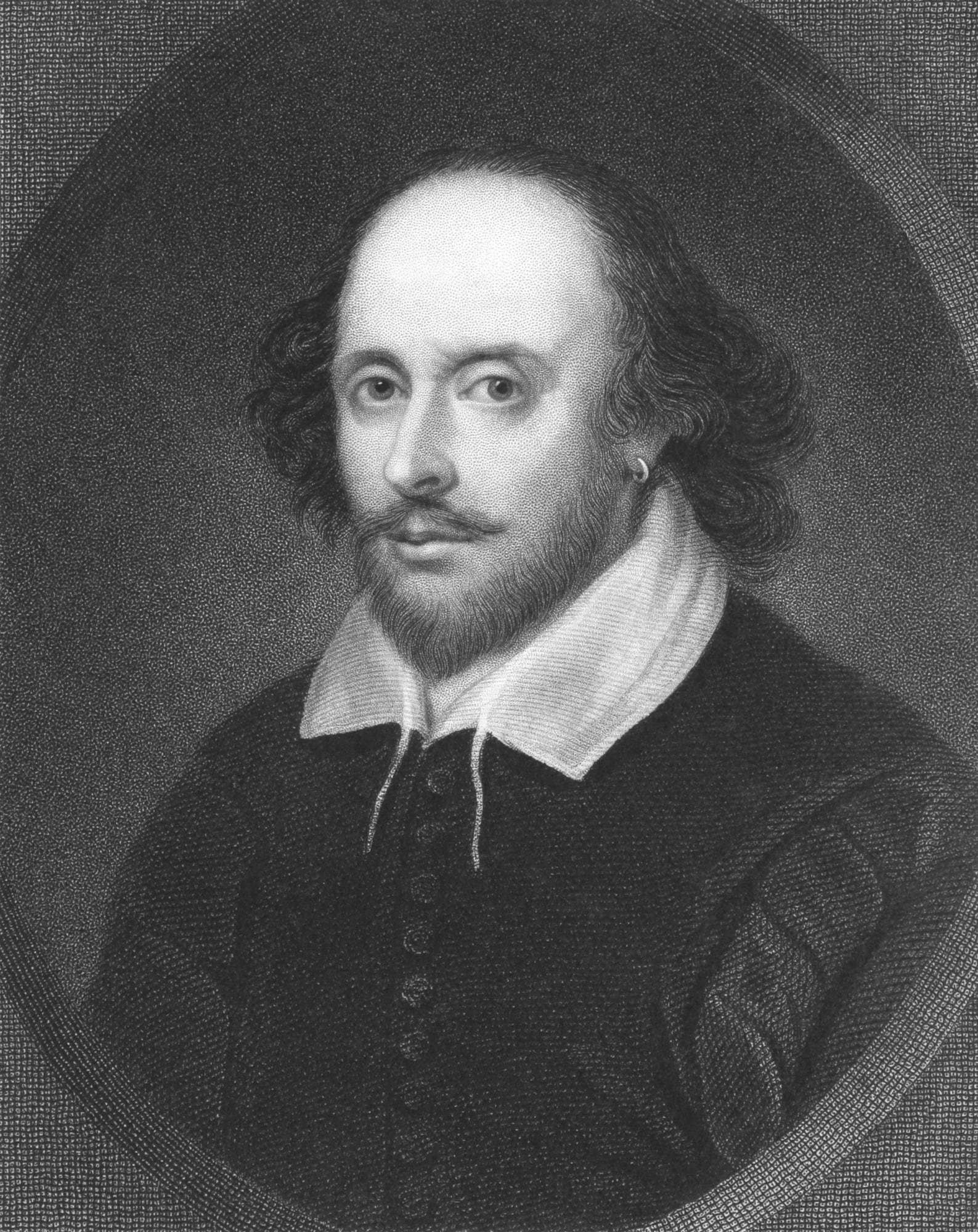
No one was taking notes when the world’s greatest playwright died in Stratford-upon-Avon in 1616. The man who gave us “To be or not to be” left this world without anyone recording what turned out to be his actual final question or observation.
We know he revised his will shortly before his death, carefully distributing his property and famously leaving his wife the “second-best bed.” His last spoken words vanished with whoever heard them.
Cleopatra VII
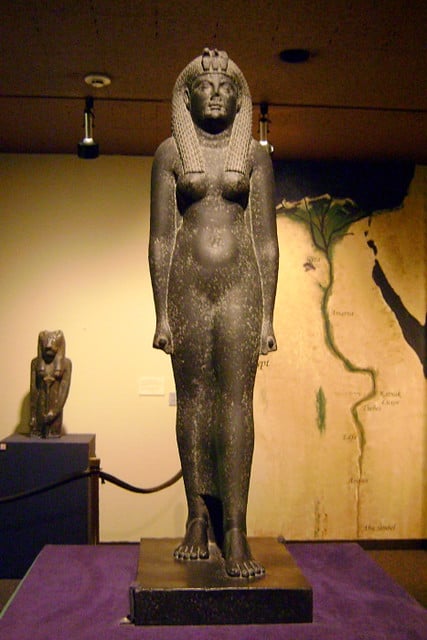
The queen who captivated Julius Caesar and Mark Antony took her secrets to the grave. History tells us she died by her own hand rather than face the humiliation of being paraded through Rome as Octavian’s prize.
The actual moment of her death, the words she may have spoken to her servants Iras and Charmion, or any final defiant statement directed toward her Roman captors, remains unrecorded. That silence feels fitting for someone who understood that true power sometimes lies in what you don’t reveal rather than what you do.
Leonardo da Vinci
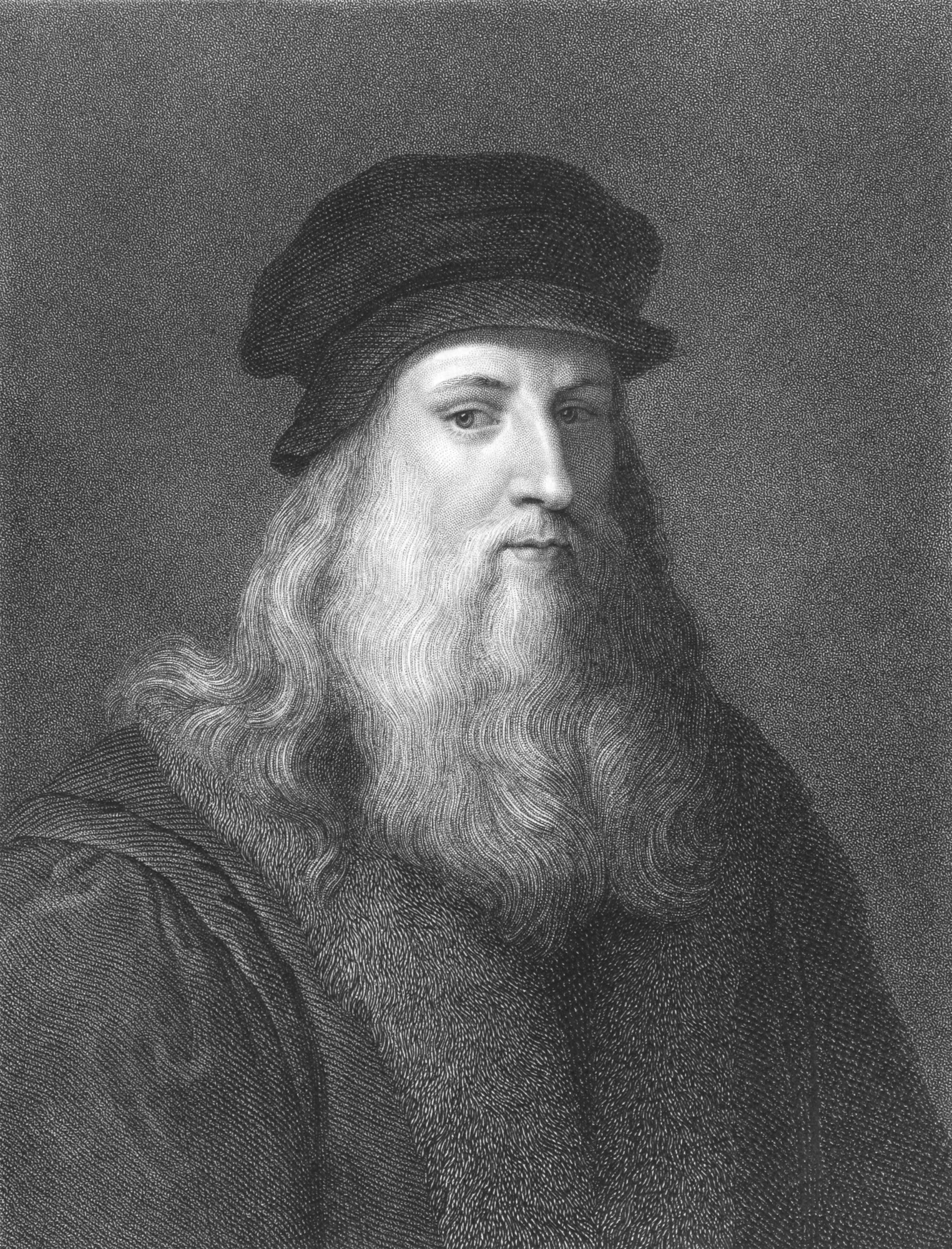
There’s something quietly fitting about the Renaissance master’s final words being lost to time. Like an unfinished sketch in one of his notebooks, the moment simply trails off into white space.
Da Vinci died in France in 1519, likely in the presence of his devoted student Francesco Melzi, yet no record exists of any final thoughts from the mind that conceived flying machines, mapped human anatomy, and painted the Mona Lisa’s enigmatic smile.
Genghis Khan
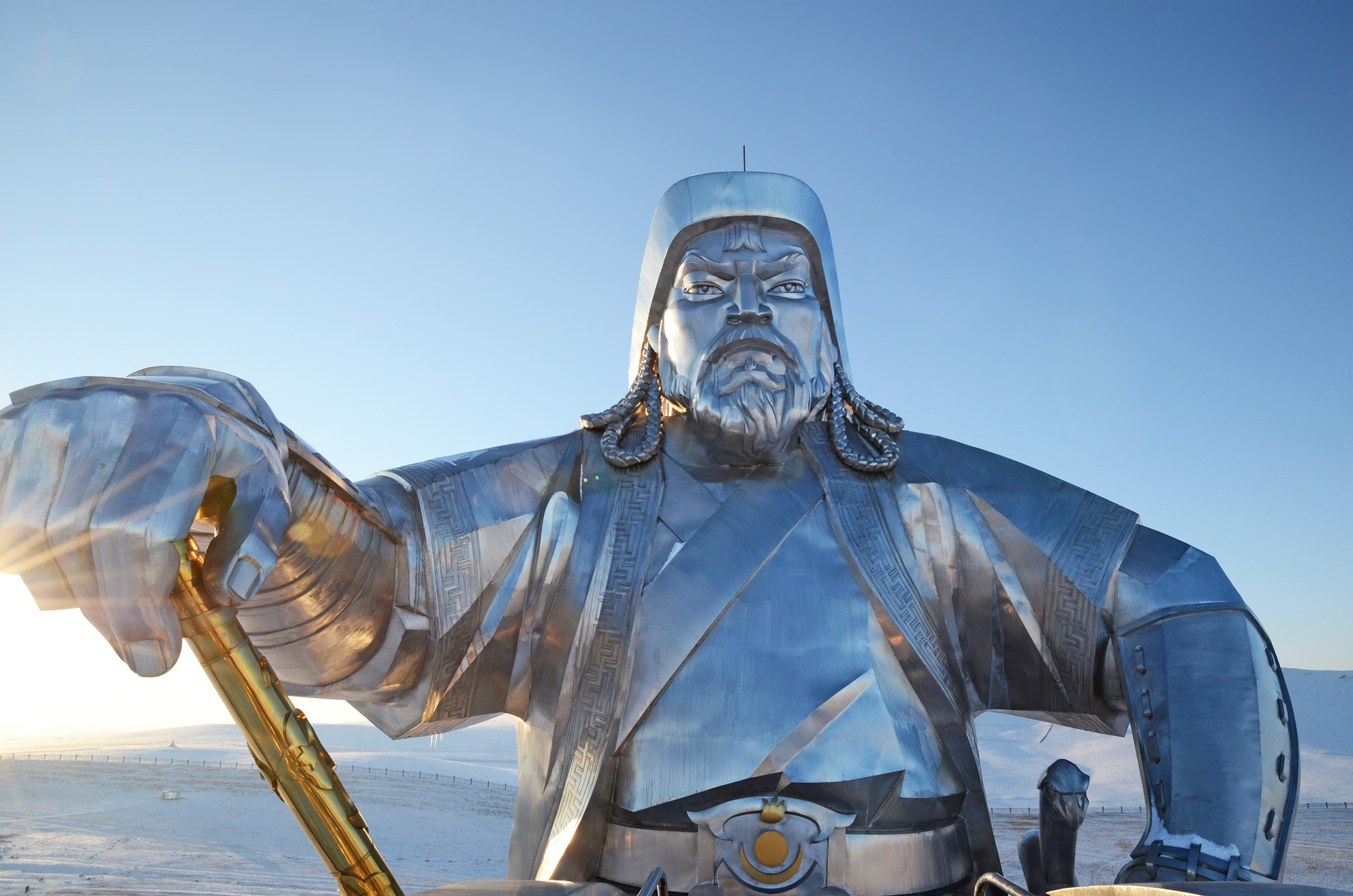
The conqueror who built the largest contiguous land empire in history made sure his death remained as mysterious as his life was public. His last words disappeared along with the location of his burial site.
Both secrets were taken seriously by his followers, who eliminated anyone who might have witnessed them. For someone who spent decades commanding armies across continents, the final silence was probably intentional.
Alexander the Great
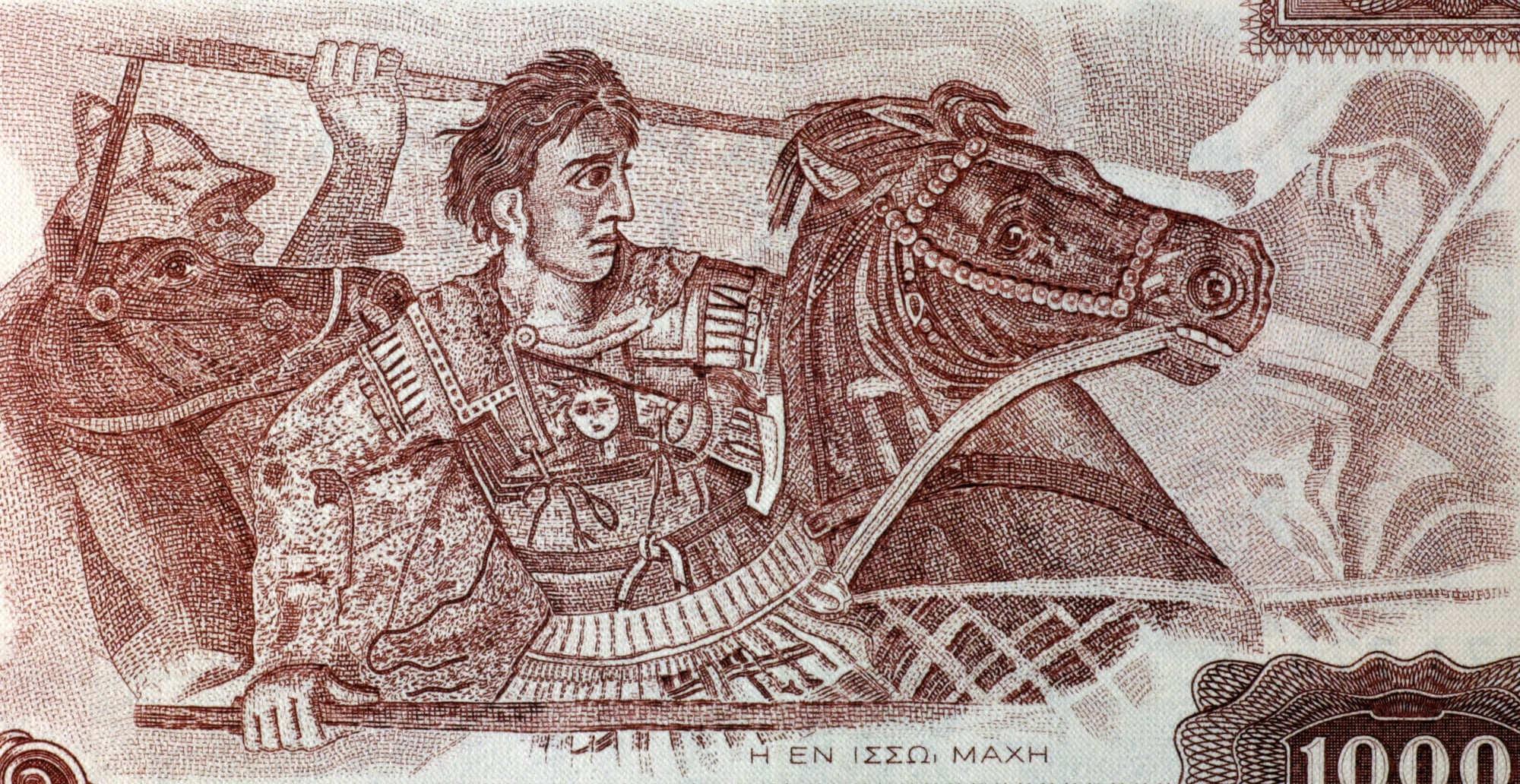
When Alexander died in Babylon at 32, the room was full of generals, bodyguards, and courtiers — yet somehow, nobody thought to write down his last words. The circumstances were chaotic, with rumors of poison, political maneuvering, and an empire about to fracture.
Ancient sources say he may have said “the strongest” when asked who should inherit his empire, but even that is disputed. His actual last words vanished into the power struggle that immediately consumed his successors.
Joan of Arc
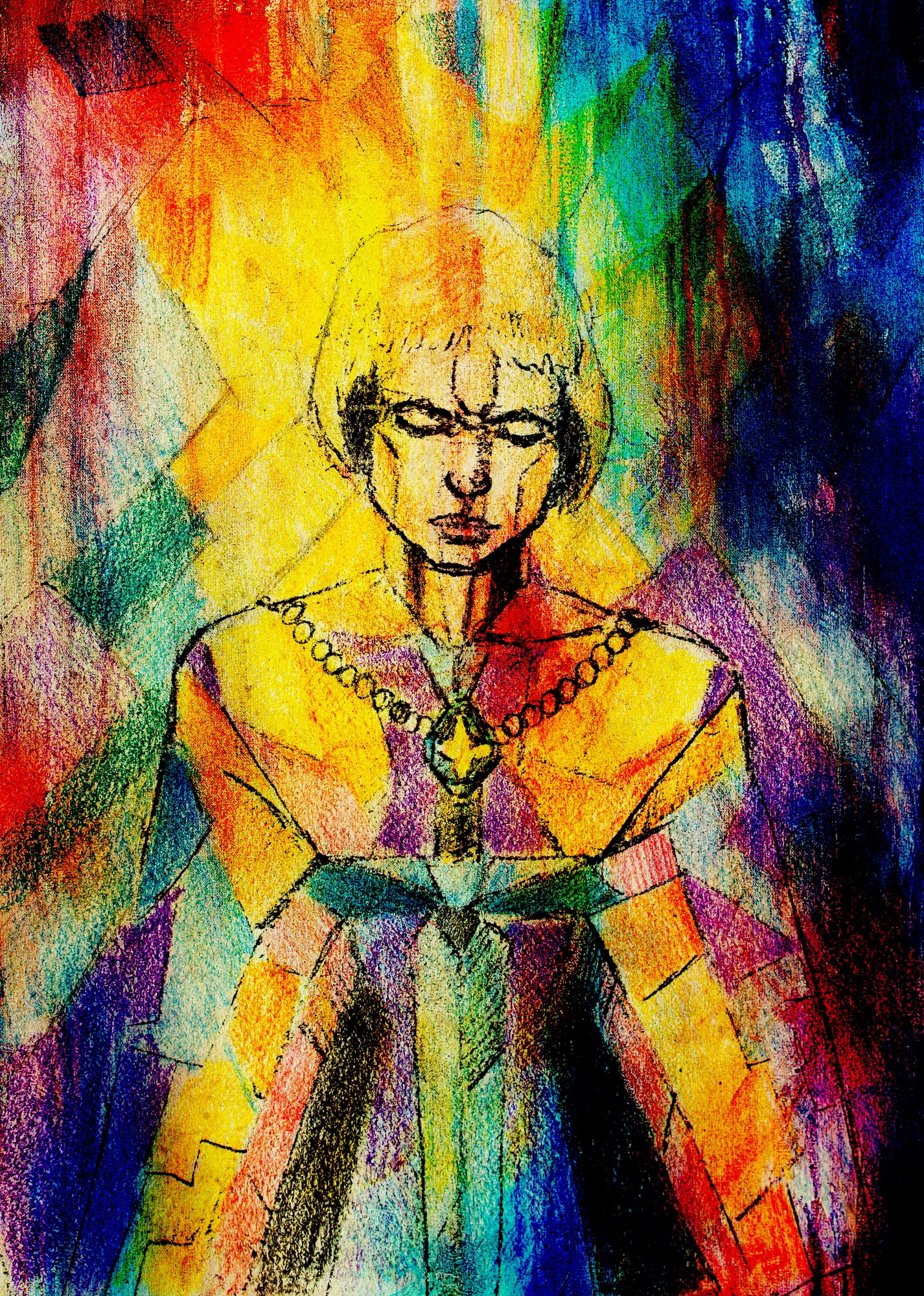
The voices that guided Joan to crown a king and drive the English from French soil spoke only to her. What she heard in her final moments at the stake in Rouen remains unknown.
Witnesses recorded her calling out “Jesus” repeatedly as the flames rose, but her last coherent words before that invocation were never preserved. The 19-year-old who commanded armies took her final thoughts with her.
Edgar Allan Poe
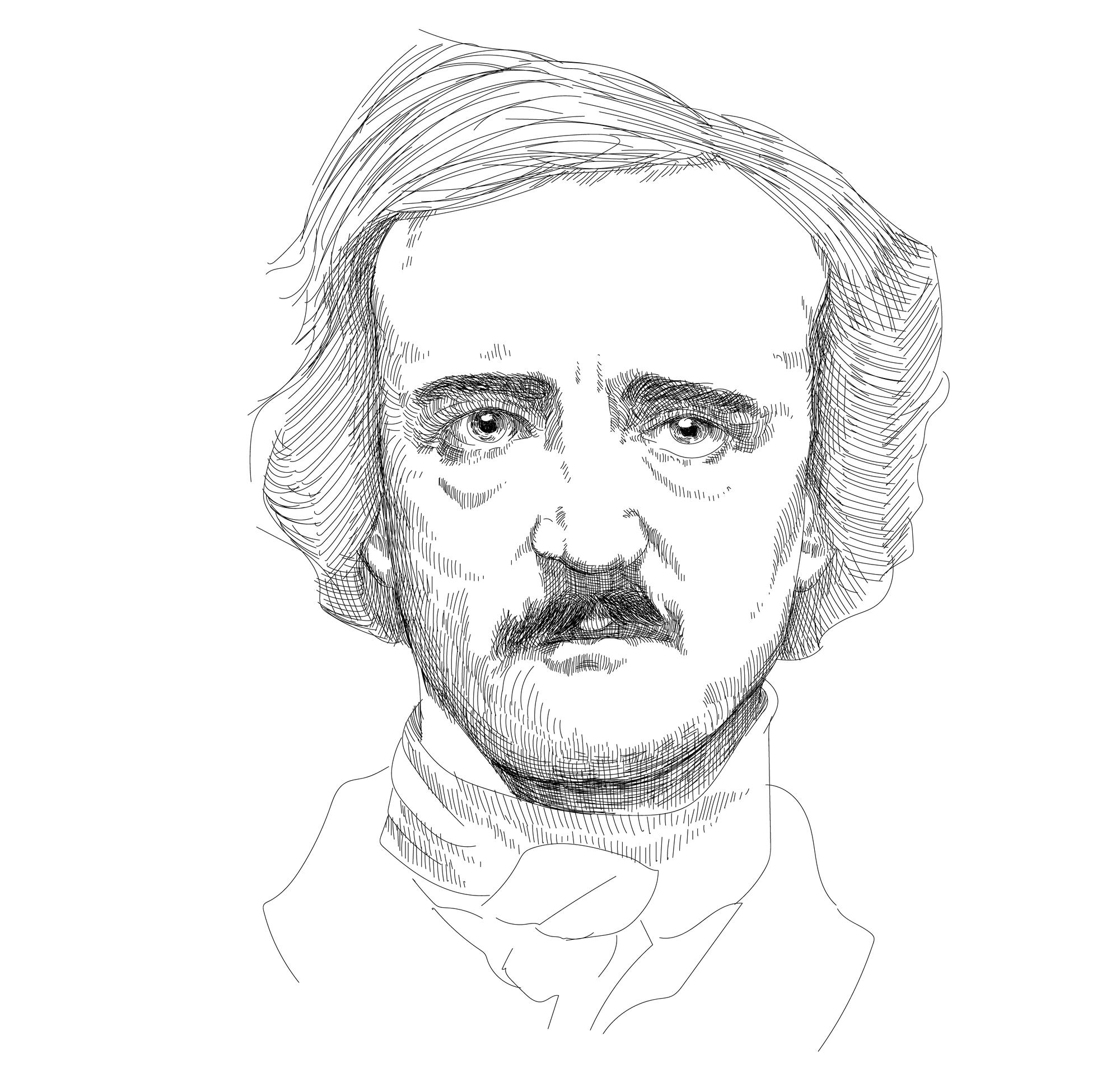
The master of mystery became one himself in his final days. Found delirious on a Baltimore street in clothes that weren’t his, Poe spent his last days drifting in and out of consciousness at Washington Medical College.
He reportedly called out “Reynolds” repeatedly, but nobody knew who Reynolds was. Poe never clarified, leaving his actual final words as enigmatic as one of his own tales.
Attila the Hun
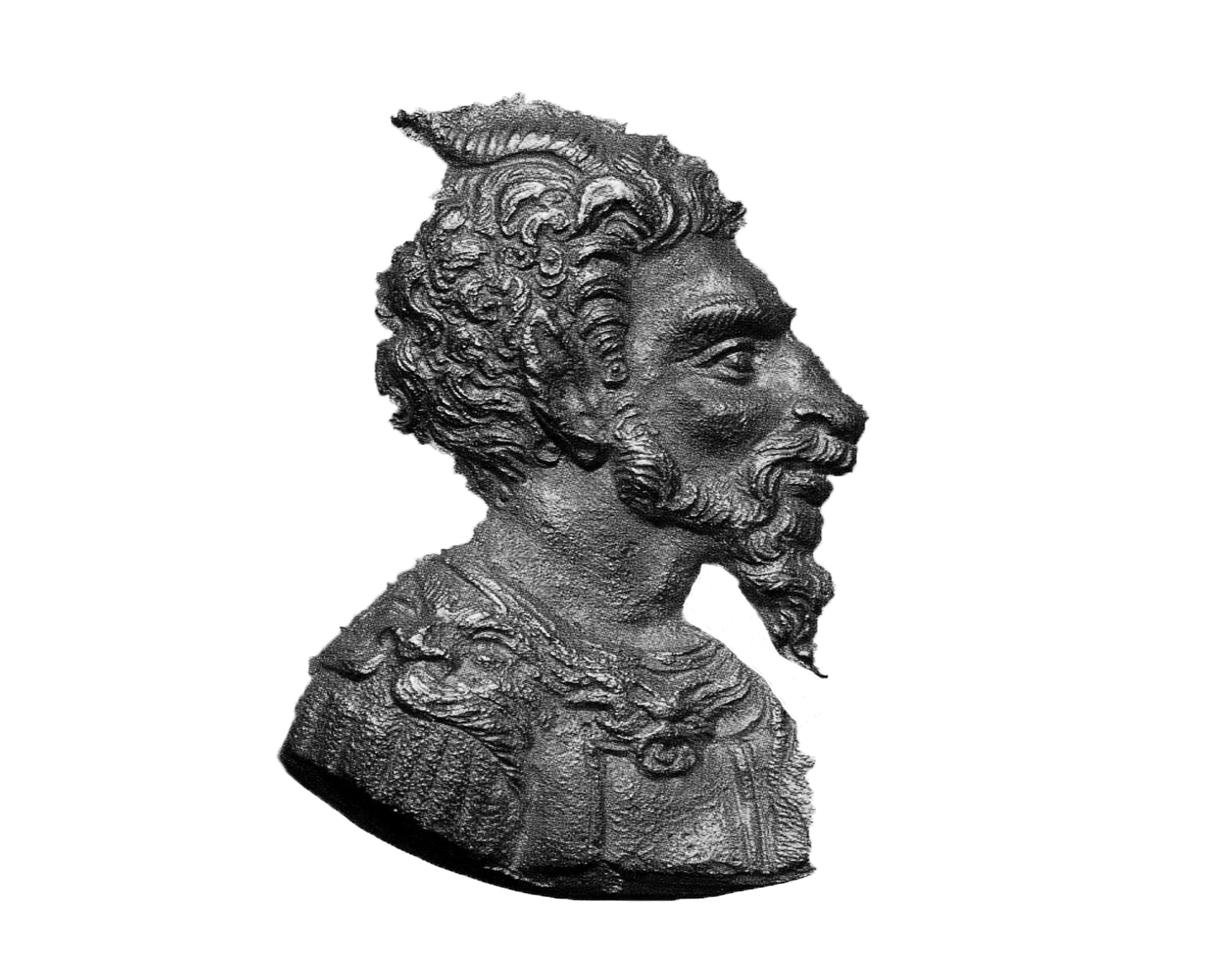
The scourge of Rome died on his wedding night in 453 AD, found dead in bed the morning after marrying a young woman named Ildico. Whether he died from a nosebleed, excessive drinking, or something more sinister, his final words went unrecorded.
Perhaps the only witness was his new bride, and her account, if it ever existed, didn’t survive the chaos that followed the sudden death of the man who terrorized the Roman Empire for decades.
Jesus of Nazareth

The Gospels record several possible final statements from the cross, but these accounts were written decades after the crucifixion by people who weren’t present. Even among the Gospel writers, there’s disagreement about which words were actually final.
The actual witnesses were likely too traumatized, too distant, or too focused on their own safety to carefully note every word. The uncertainty feels almost intentional: his final phrasing remains a matter of faith rather than historical certainty.
Hannibal
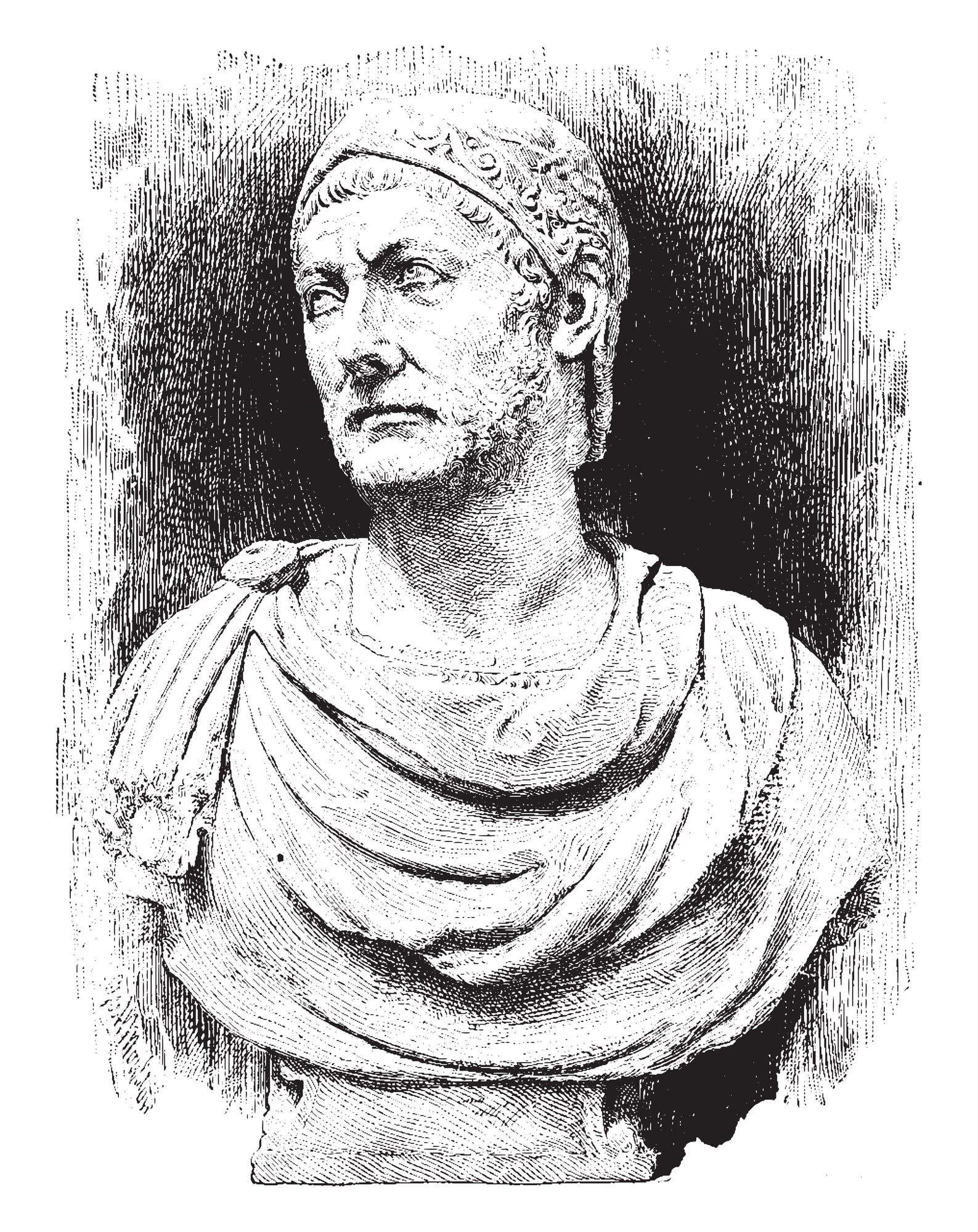
Rome’s greatest enemy chose the timing of his own death, taking poison in 183 BC rather than face capture. The Carthaginian general who had crossed the Alps with elephants and terrorized Italy for years died in exile in Bithynia.
His host King Prusias wasn’t about to memorialize the final words of someone whose presence had just brought Roman armies to his doorstep. Hannibal’s last statement died with him.
Spartacus

The gladiator who led the largest slave rebellion in Roman history died fighting in 71 BC, but his body was never found among the thousands crucified along the Appian Way. Whether he fell in the final battle against Crassus or escaped to die elsewhere, his last words were never recorded.
This is fitting for someone who spent his rebellion fighting against a system that treated people as property whose voices didn’t matter.
Confucius
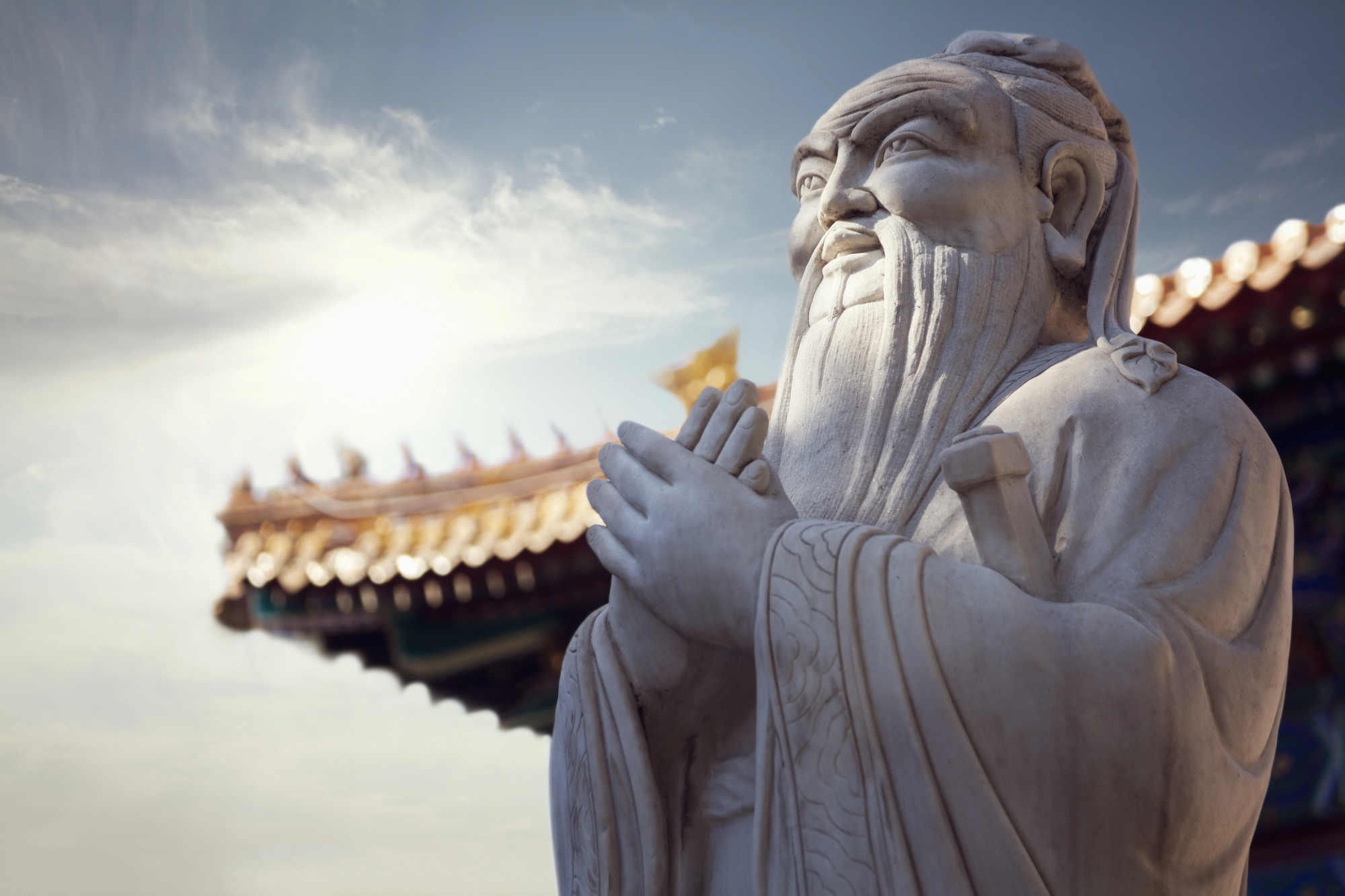
The philosopher whose teachings would shape Chinese culture for millennia died surrounded by students in 479 BC. Yet none of them preserved his final words, despite keeping meticulous records of his sayings.
The man who gave us countless aphorisms about wisdom, governance, and proper relationships left his final thought unrecorded. Perhaps there is wisdom in that omission: actions mattered more than words.
Christopher Columbus
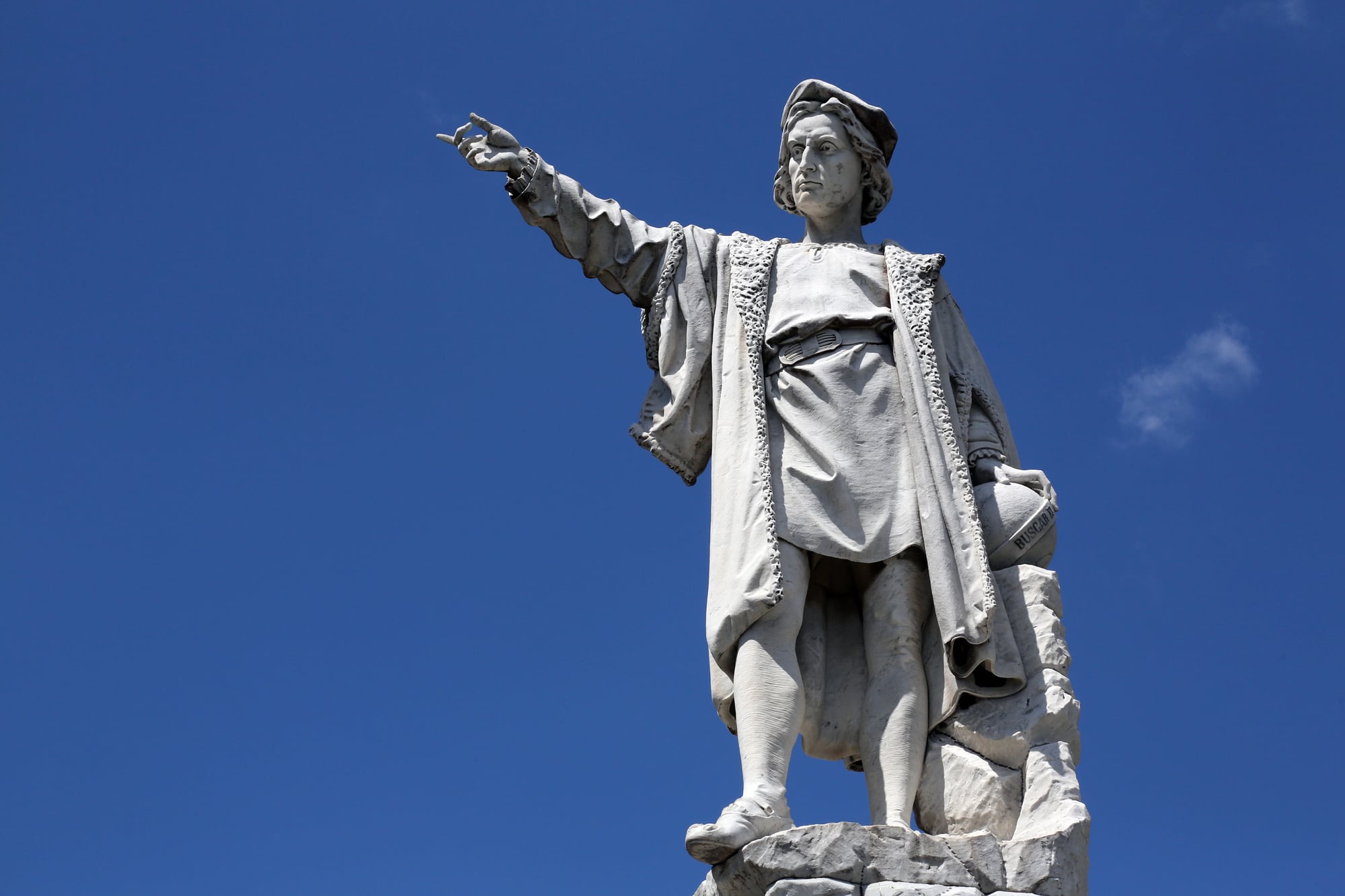
The explorer who changed two worlds died in Valladolid in 1506, still believing he had reached the Indies rather than discovered a new continent. Despite his fame and historical significance, his final words went unrecorded.
For someone who had spent years writing detailed logs of his journeys, the silence at the end feels oddly fitting. The man who misunderstood his greatest achievement took that confusion with him to the grave.
Archimedes
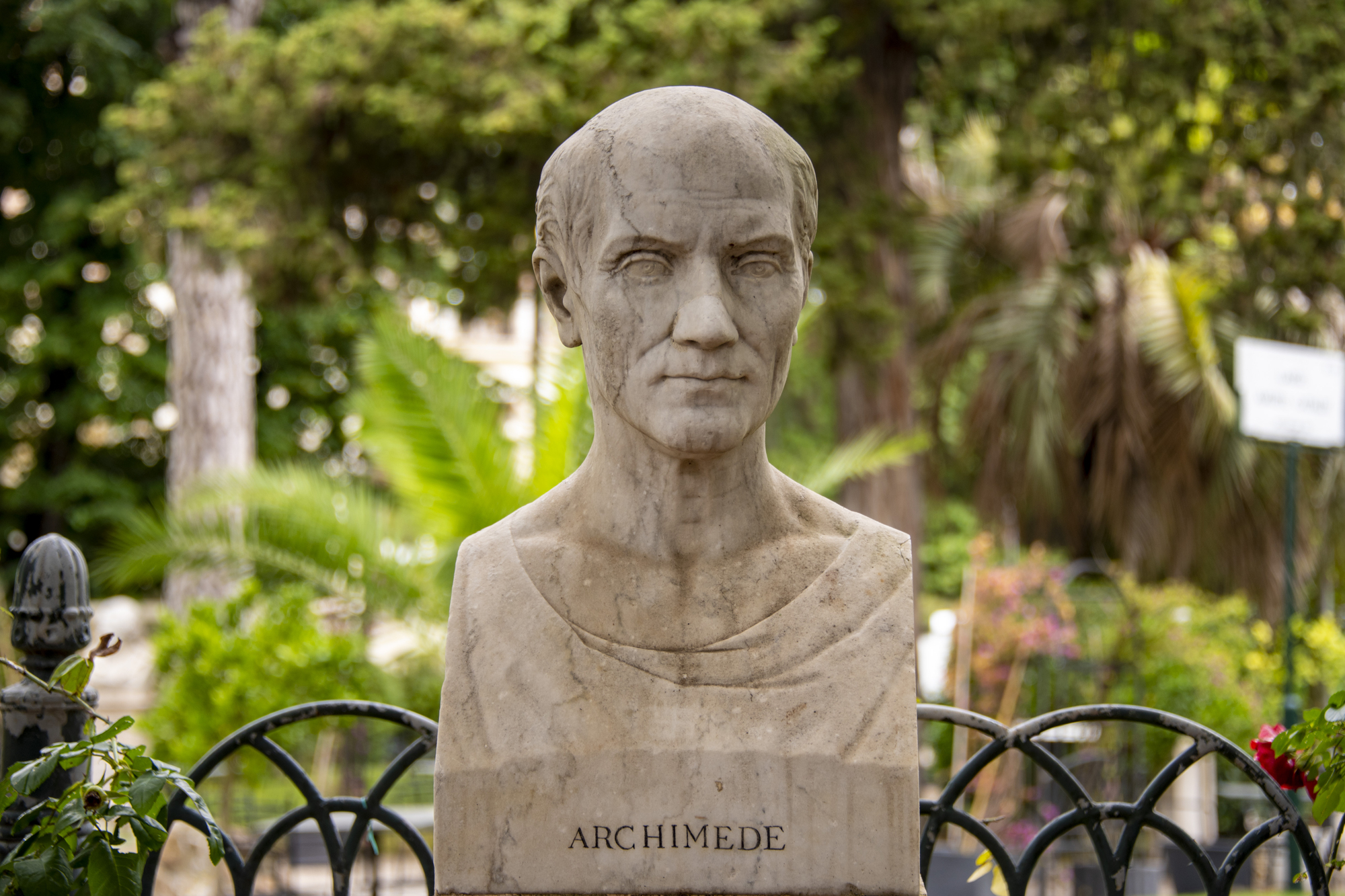
Legend has it that the great mathematician was killed by a Roman soldier during the siege of Syracuse in 212 BC. Some stories claim he said “Do not disturb my circles,” but these accounts were written centuries later.
The actual final words of the man who discovered principles of physics and mathematics still used today were never reliably recorded.
Buddha
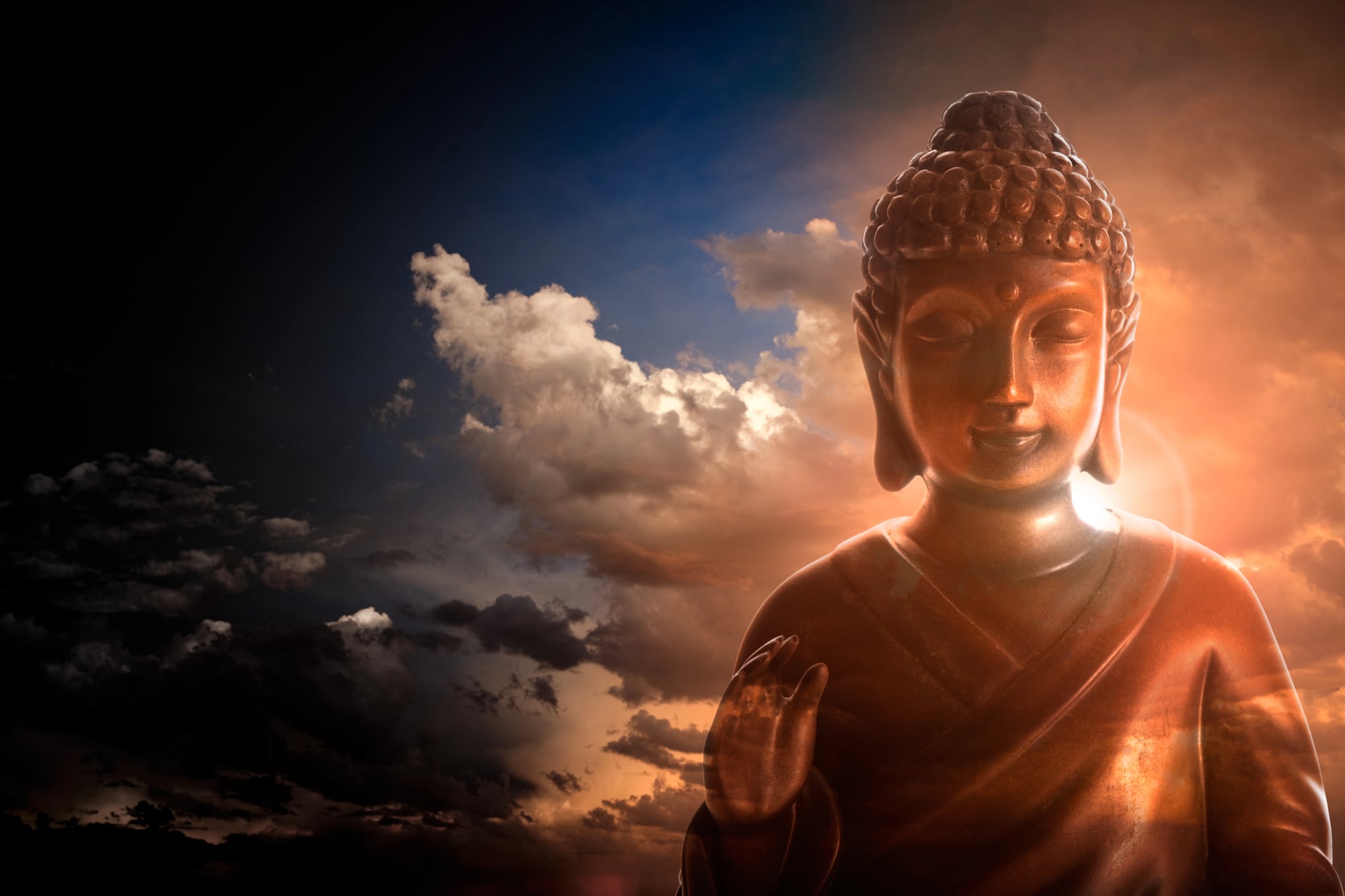
Siddhartha Gautama’s final words are recorded in various Buddhist texts, but these accounts differ significantly and were compiled long after his death around 483 BC. What the historical Buddha actually said in his final moments — if anything — remains unknown.
The founder of one of the world’s major religions left behind teachings that fill libraries, but his true last words are lost to time and the inevitable evolution of oral tradition into written scripture.
Marcus Aurelius
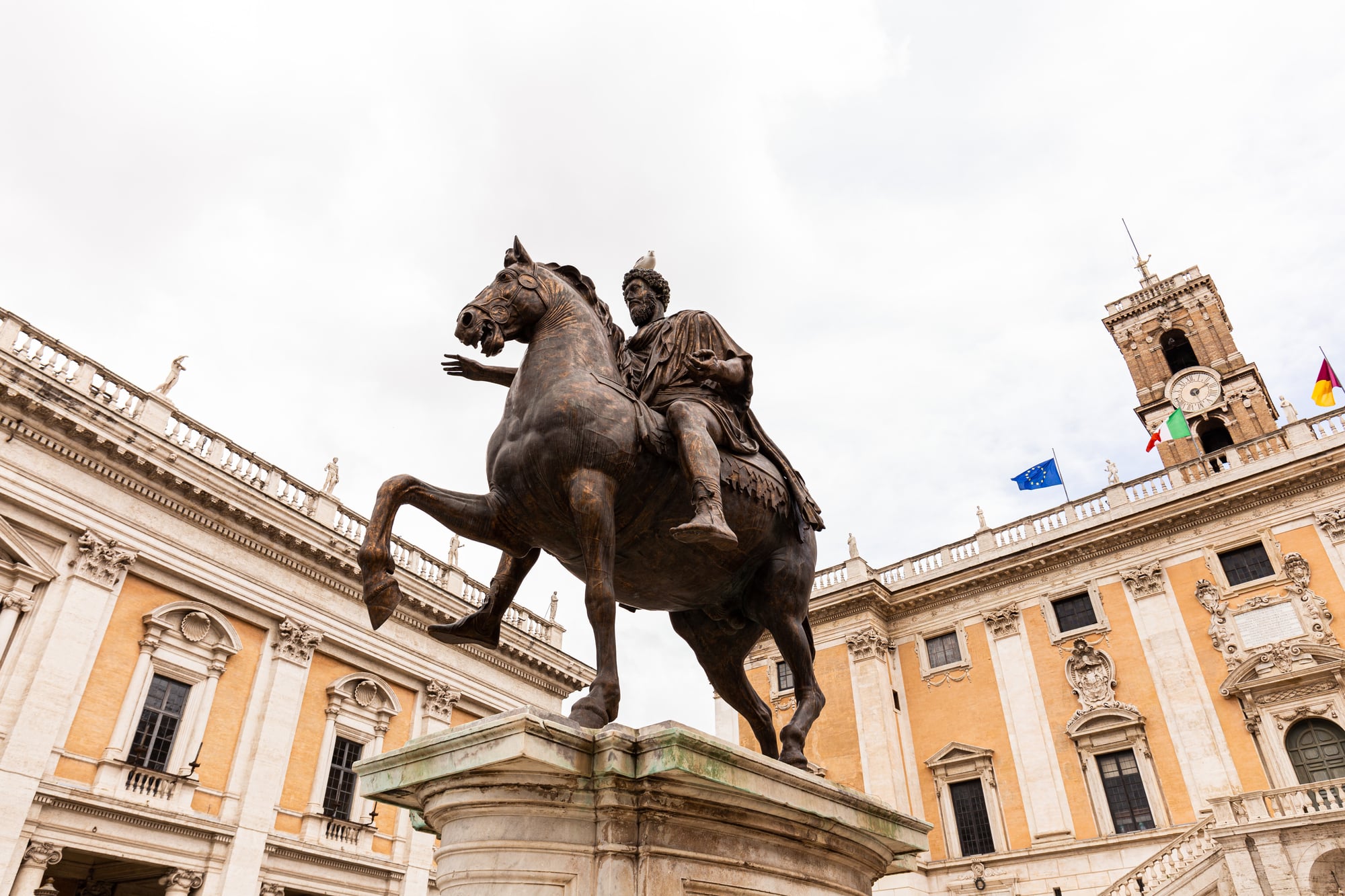
The philosopher emperor who wrote Meditations died in 180 AD while campaigning along the Danube. Despite being surrounded by courtiers, generals, and scribes, his final words weren’t preserved.
The man who spent years writing about accepting death with dignity faced his own end in privacy. His last thoughts remain as personal as the journal he never meant to share.
The Weight of Unrecorded Endings
These silences remind us that history is written by survivors, not by those who are dying. The most profound moments often happen in spaces too private, too chaotic, or too painful for careful documentation.
Perhaps that’s as it should be — some words are meant only for the people who hear them. Some exits don’t require an audience taking notes.
More from Go2Tutors!

- The Romanov Crown Jewels and Their Tragic Fate
- 13 Historical Mysteries That Science Still Can’t Solve
- Famous Hoaxes That Fooled the World for Years
- 15 Child Stars with Tragic Adult Lives
- 16 Famous Jewelry Pieces in History
Like Go2Tutors’s content? Follow us on MSN.