Most Dangerous Roads in the World
The majority of us take our daily commute for granted. Without giving it much thought, we get into the car, navigate some traffic, possibly run into a pothole or two, and reach our destination.
However, traveling from one place to another can be a life-or-death situation in some parts of the world. These roads wind through terrain so harsh that one mistake can be lethal, cutting through mountains and clinging to cliff faces.
What actually constitutes a dangerous road? Sometimes it’s the sheer, unguarded drop-offs. Other times, it’s the confluence of heavy traffic, erratic weather, and narrow lanes on one dangerous stretch.
Decades of collisions, fatalities, and near-misses have given these roads their terrifying reputations, making even the most assured driver reconsider. These are 13 of the world’s most hazardous roads, each with its own set of difficulties that push the boundaries of human bravery and skill.
North Yungas Road, Bolivia
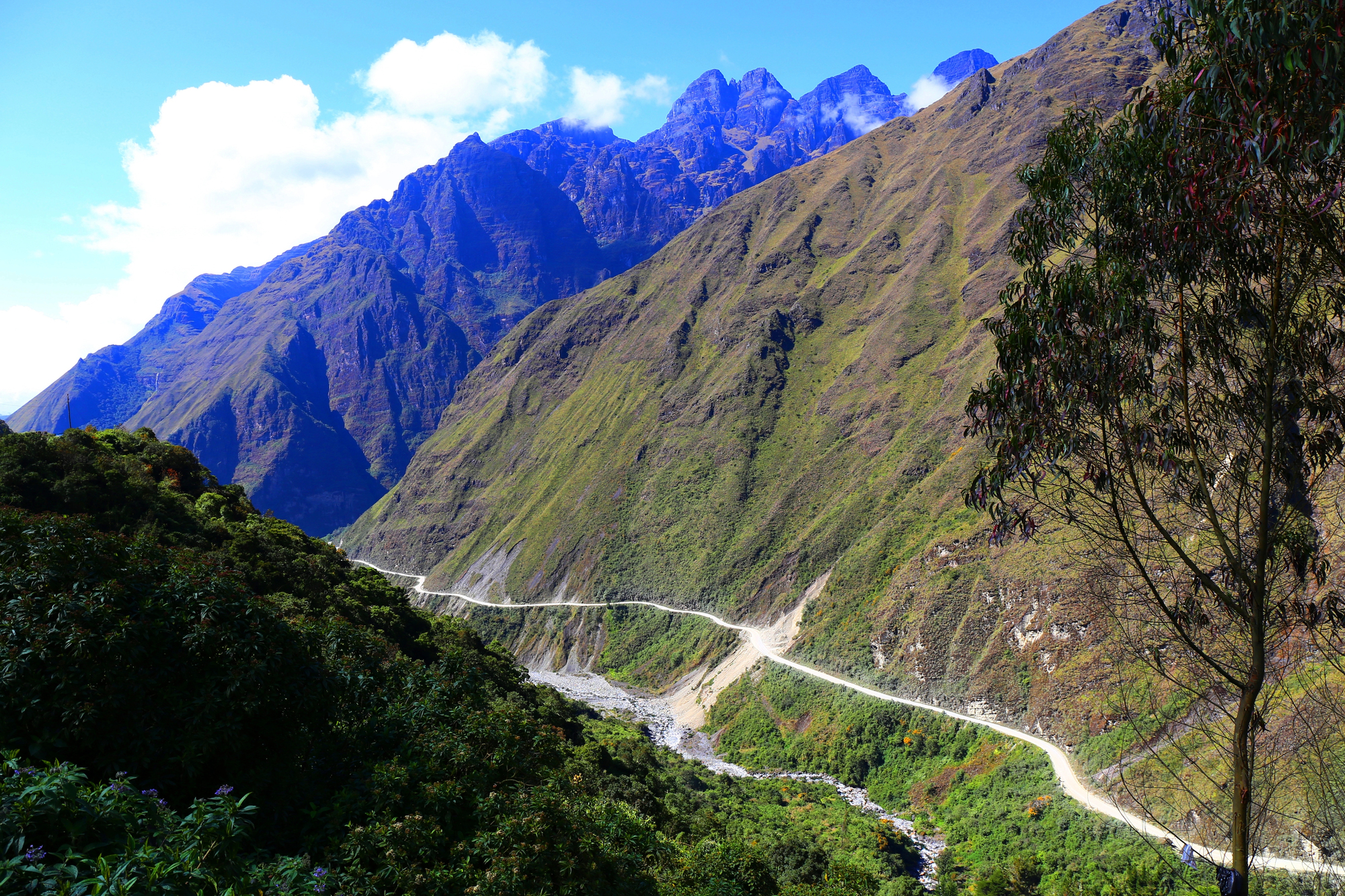
This 40-mile section that connects La Paz to the Yungas region is frequently referred to as “Death Road,” and it has good reason for its ominous moniker. Although experts question whether this frequently cited number was ever formally recorded, it was estimated that this road claimed between 200 and 300 lives per year until a safer bypass opened nearby.
Nearly 100 people were killed in a single bus accident, which continues to rank among Bolivia’s worst traffic accidents ever. Drivers must negotiate gravel roads through heavy fog and rain as they pass oncoming traffic on the brink of drops that rise to more than 15,000 feet.
This road is arguably the most notorious on Earth due to its more than 200 hairpin turns, lack of guardrails, and frequently crumbling edges.
Zoji La Pass, India
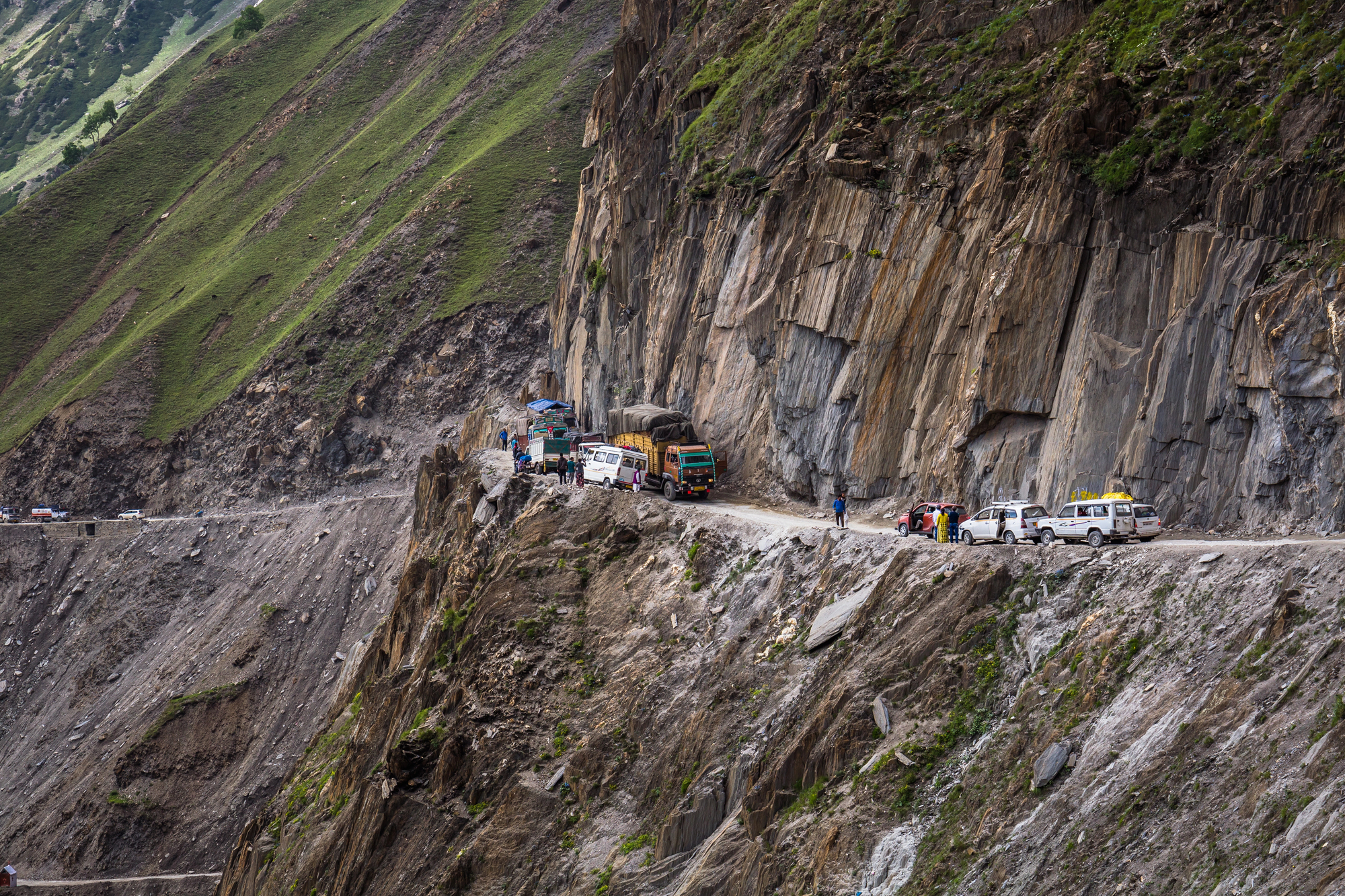
Sitting at nearly 11,500 feet in the Western Himalayas, this pass connects Ladakh to Kashmir Valley via a single-lane trail that hugs some of the tallest peaks on the planet. The road offers no guardrails to protect drivers from vertical drops that plunge thousands of feet into the valleys below.
Winter brings snowfall of 20 to 30 feet deep, with drifts sometimes exceeding that, which takes crews several weeks to clear each year. Even when accessible, the narrow path forces vehicles to reverse long distances when encountering oncoming traffic, making every journey a nerve-wracking experience.
Transfăgărășan Highway, Romania
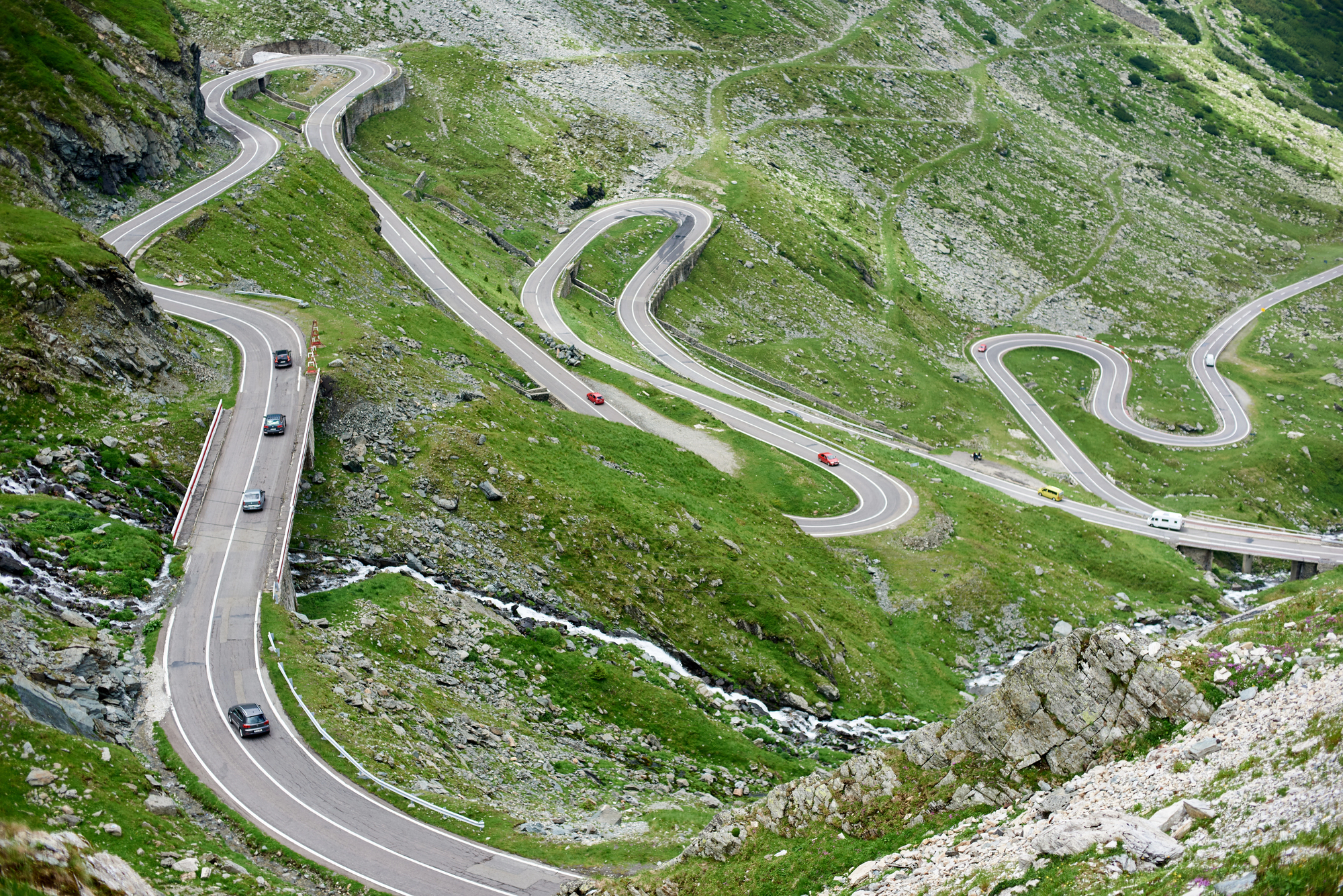
This winding mountain road reaches altitudes exceeding 6,500 feet and stretches nearly 100 miles through the Carpathian Mountains, offering some of Europe’s most spectacular scenery. The route features endless hairpin bends, tunnels, and dramatic elevation changes that challenge even experienced drivers.
Weather shifts rapidly at these heights, reducing visibility without warning. Massive flocks of sheep regularly block the road as shepherds move their animals between grazing lands, creating an unexpected hazard that can bring traffic to a complete standstill.
Fairy Meadows Road, Pakistan
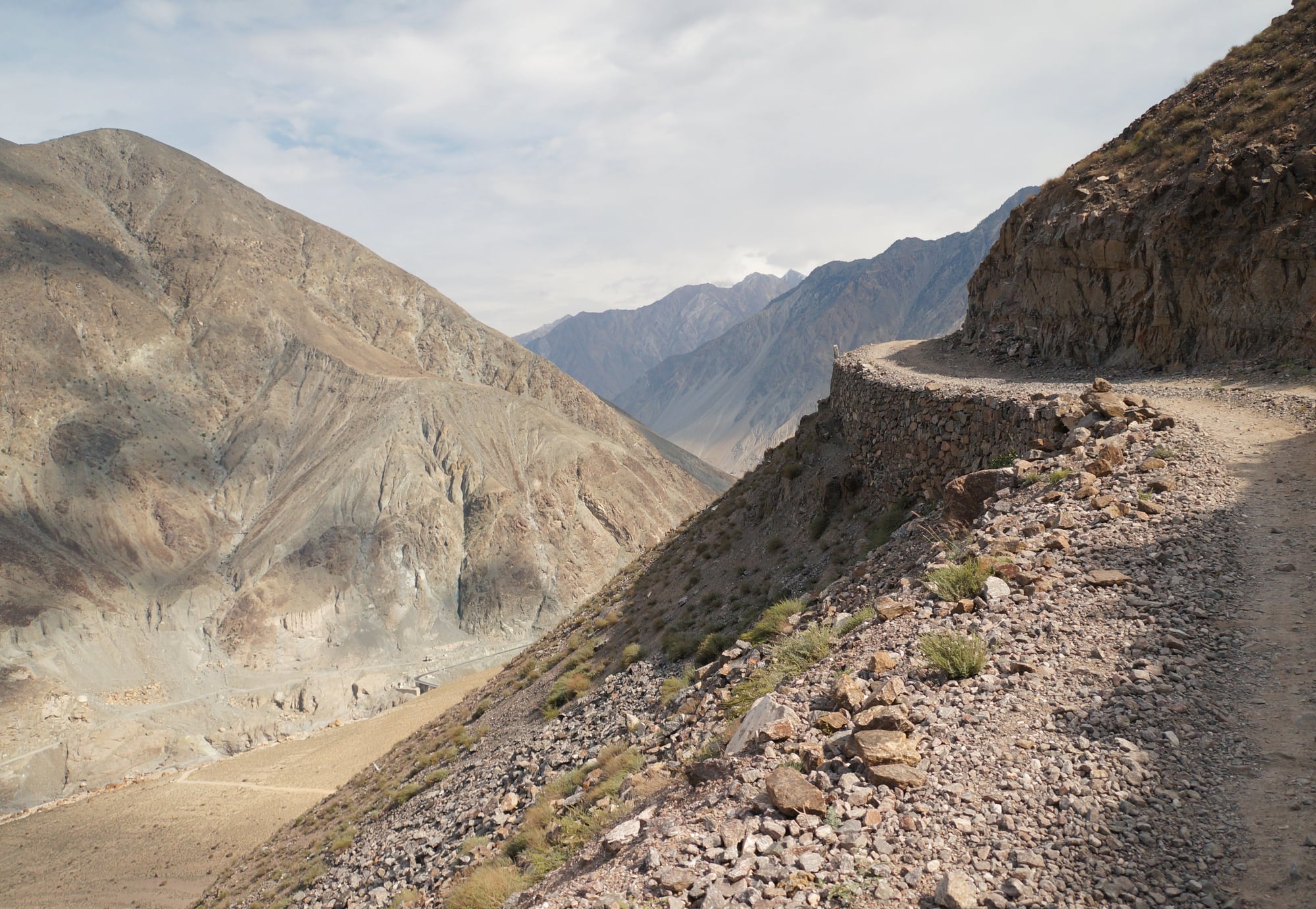
This 10-mile gravel track in the Gilgit-Baltistan region climbs to nearly 11,000 feet and has seen virtually no maintenance since locals built it in the 20th century. The road narrows so dramatically near its end that vehicles can’t continue, forcing travelers to complete the final stretch on foot.
There are absolutely no guardrails separating drivers from sheer cliffs, and the unpaved surface deteriorates further with each passing year. Despite its romantic name, this road has claimed the lives of both tourists and locals who underestimated its dangers.
D915, Turkey
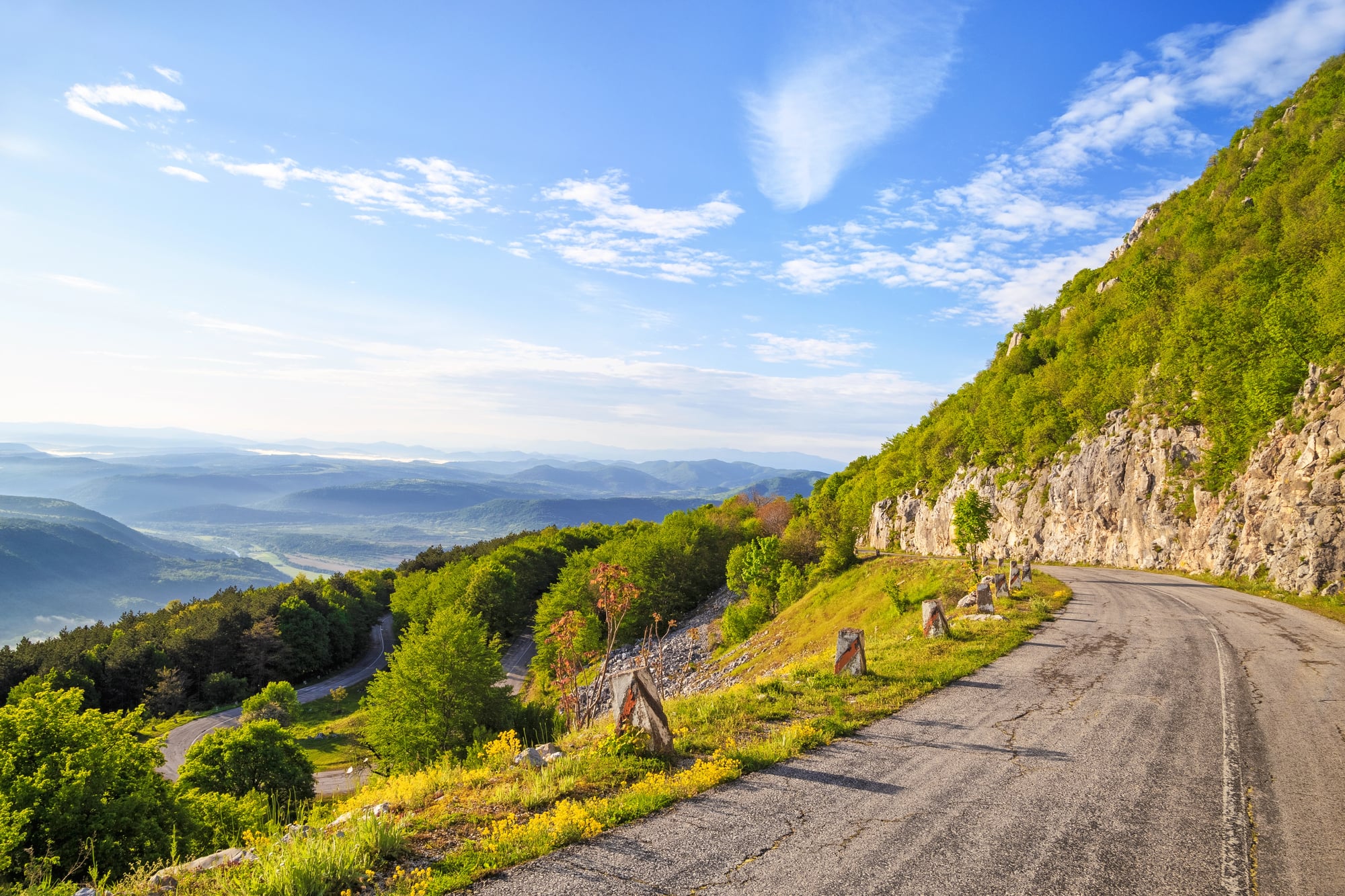
Located on the boundary of the Black Sea and Northeast Anatolia regions, this road features 29 steep hairpin turns that climb to nearly 7,600 feet. The route offers no guardrails whatsoever, leaving nothing between vehicles and massive drops into the valleys below.
Fog regularly rolls in from the Black Sea, reducing visibility to almost nothing on already treacherous curves. Only experienced drivers should attempt this route, as even small errors in judgment can have catastrophic consequences.
Guoliang Tunnel Road, China
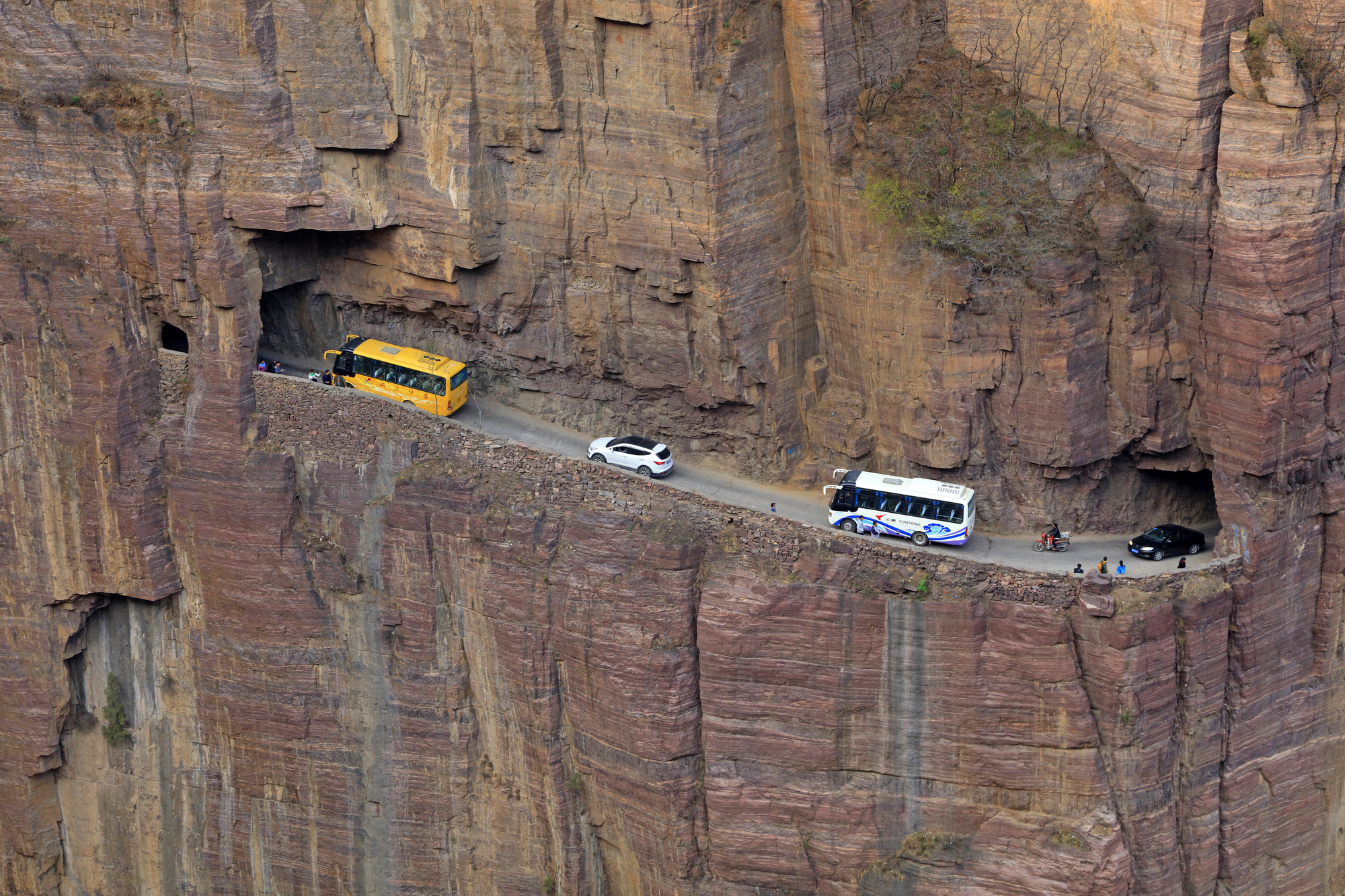
Local villagers spent five years between 1972 and 1977 carving this three-quarter-mile tunnel through a mountain using only hand tools, and the result is both an engineering marvel and a driving nightmare. The tunnel measures roughly 13 to 16 feet high and 12 to 16 feet wide depending on the section, barely enough room for vehicles to squeeze through.
Windows carved into the mountainside let in light but also reveal the dizzying drops outside. The combination of tight quarters, limited visibility, and unpredictable oncoming traffic makes every trip through this tunnel an exercise in precision driving.
James Dalton Highway, Alaska
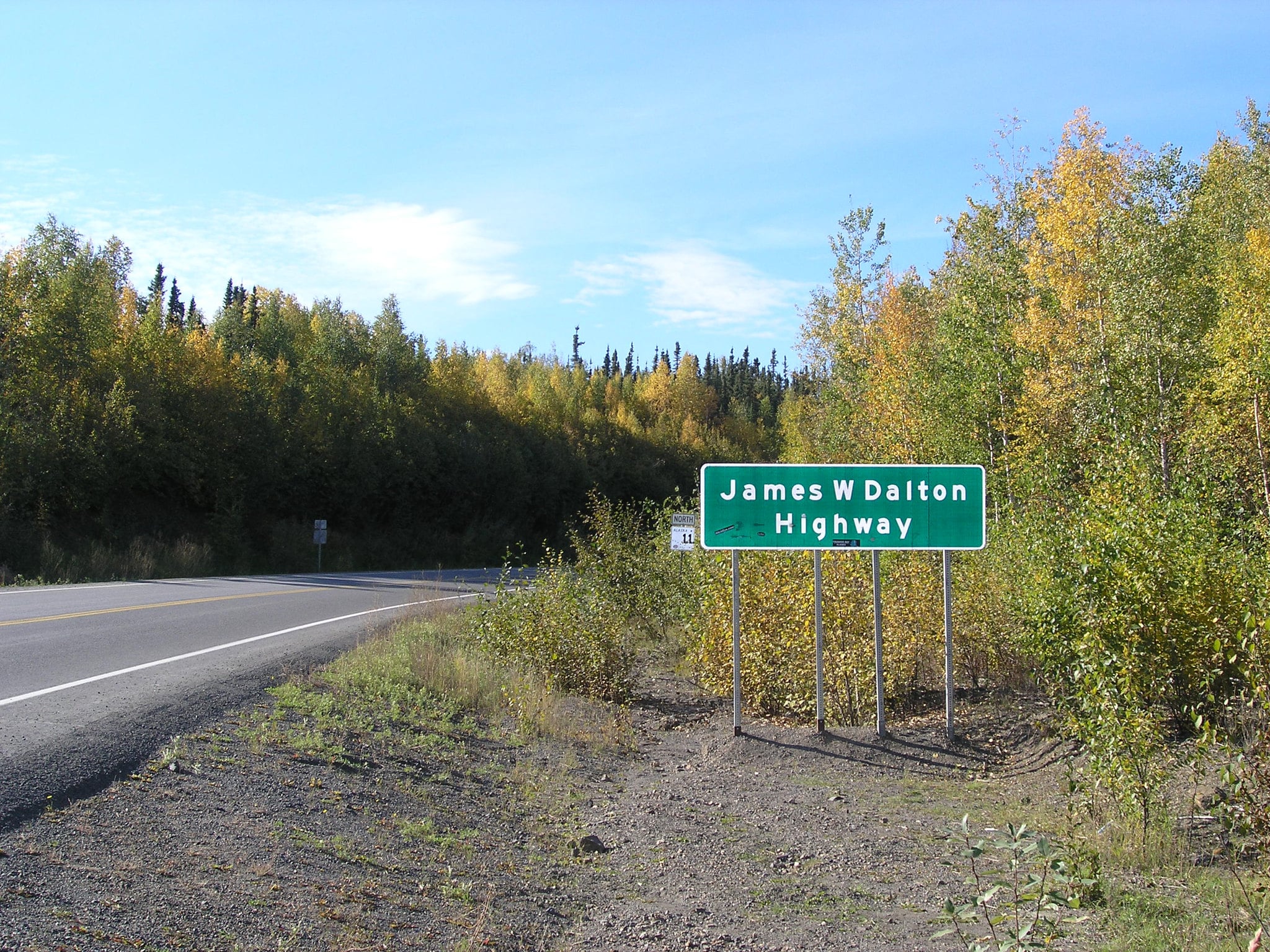
Stretching over 400 miles through Arctic tundra to some of the northernmost points in the United States, this isolated gravel road presents challenges found nowhere else. The surface is largely unpaved, and services are virtually nonexistent along the route, meaning breakdowns can become survival situations.
Extreme weather brings ice, snow, and temperatures that can disable vehicles, while the remote location means help may be hours or even days away. Truckers who regularly travel this highway consider it one of the most demanding routes in North America.
Trollstigen, Norway
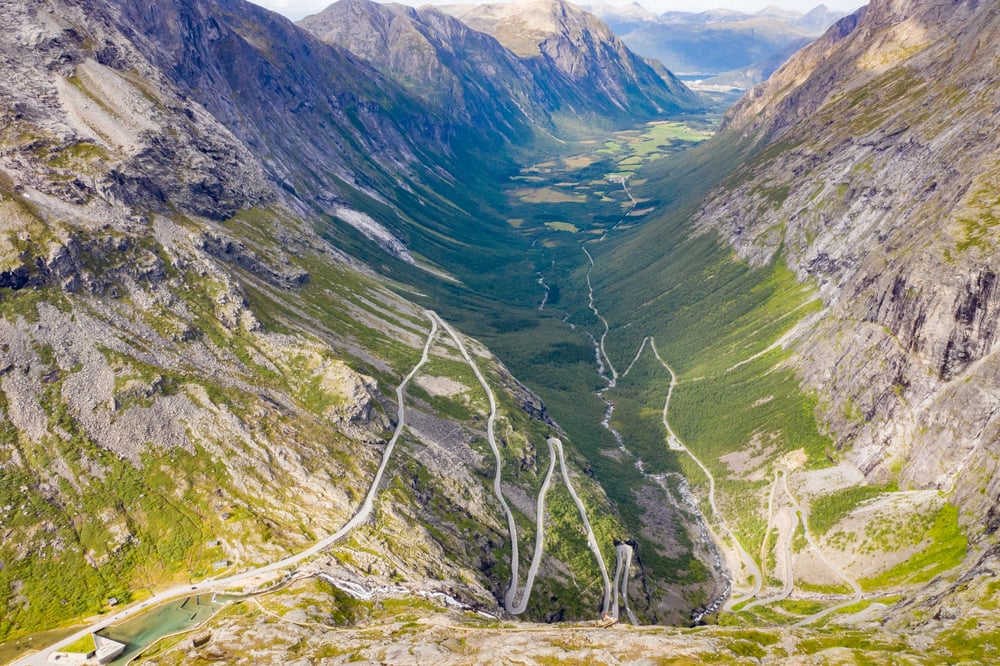
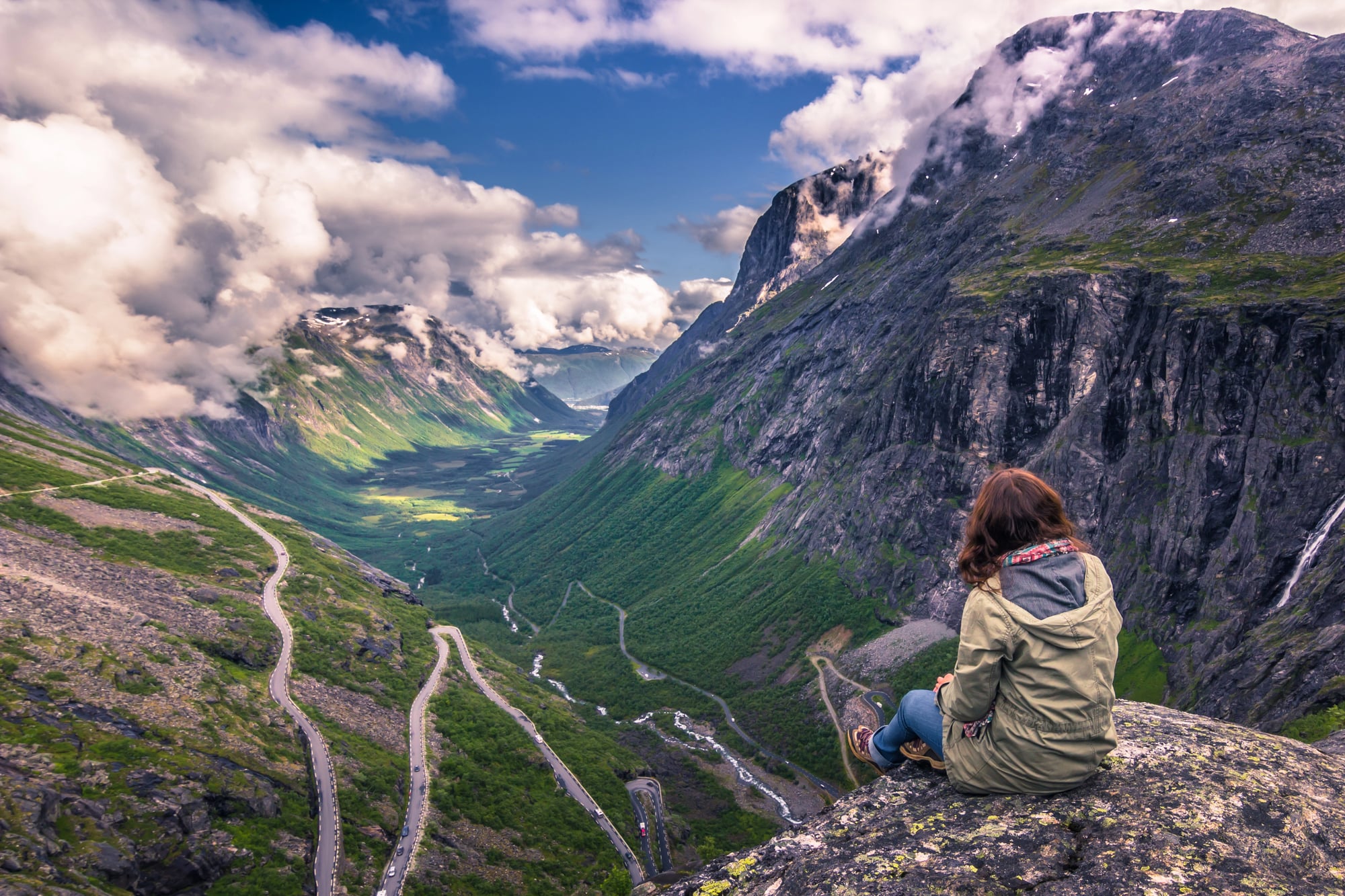
The name translates to ‘Troll Ladder,’ and one look at this mountain motorway explains why. The road climbs at steep grades through 11 sharp hairpin turns, with the narrow lanes carved into cliff faces high above the valley floor.
During tourist season, the spectacular views attract crowds that can create congestion on roads never designed for heavy traffic. The route typically closes from October to May when snow makes passage impossible, and even in good conditions, the steep inclines and tight curves demand constant attention.
Taroko Gorge Road, Taiwan
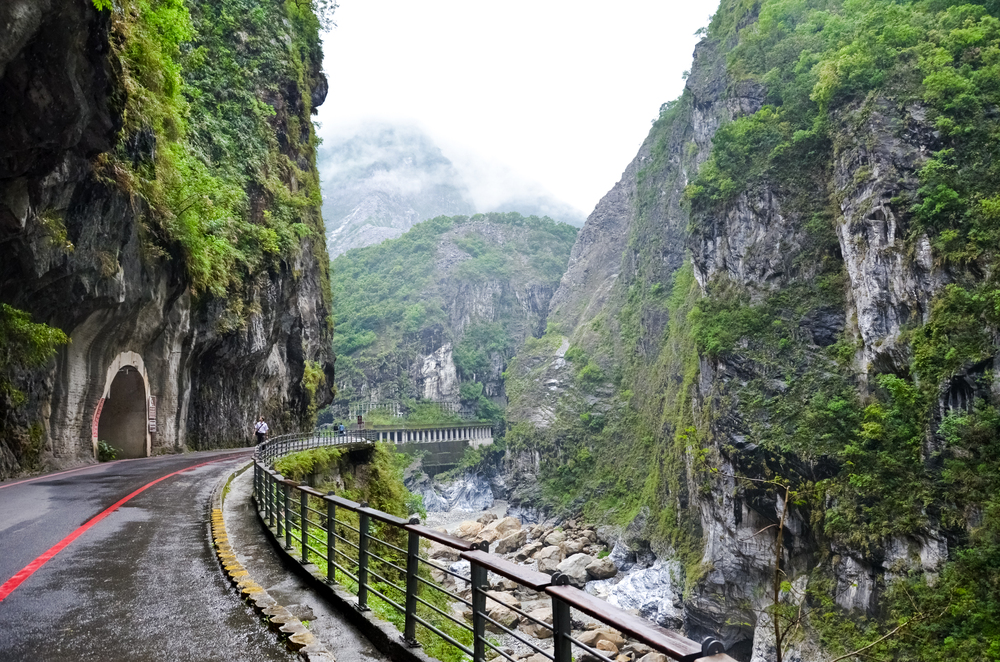
Carved directly through mountains and running nearly 12 miles through spectacular gorges, this road draws tour buses, cars, motorcycles, cyclists, and pedestrians all competing for space on narrow lanes. Blind corners and tight bends that seem too small to navigate create constant collision risks.
The region’s steep terrain and seismic activity make landslides, floods, and falling rocks common occurrences that can block sections without warning. When typhoons hit, conditions deteriorate so rapidly that the road often becomes completely impassable.
Skippers Canyon Road, New Zealand
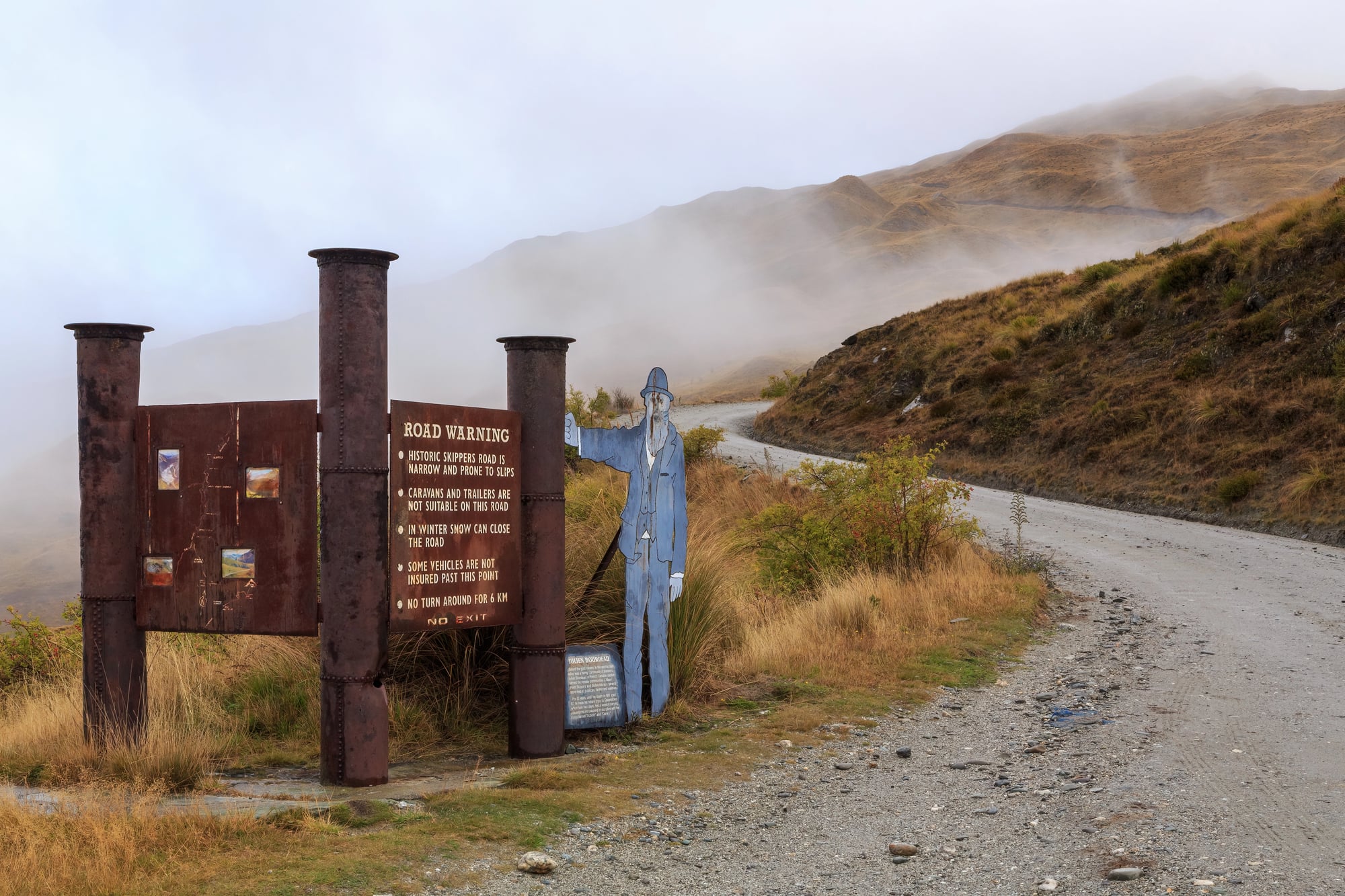
This narrow, winding route near Queenstown drops over 1,600 feet through rugged mountain terrain so challenging that most rental car companies void their insurance policies for anyone who attempts it. The road was originally built during the gold rush era and has seen minimal improvements since, leaving drivers to navigate crumbling edges and blind corners.
Looking over the edge or down into the valleys thousands of feet below can be disorienting, and the pass has claimed the lives of careless drivers over the years.
Col du Chaussy, France
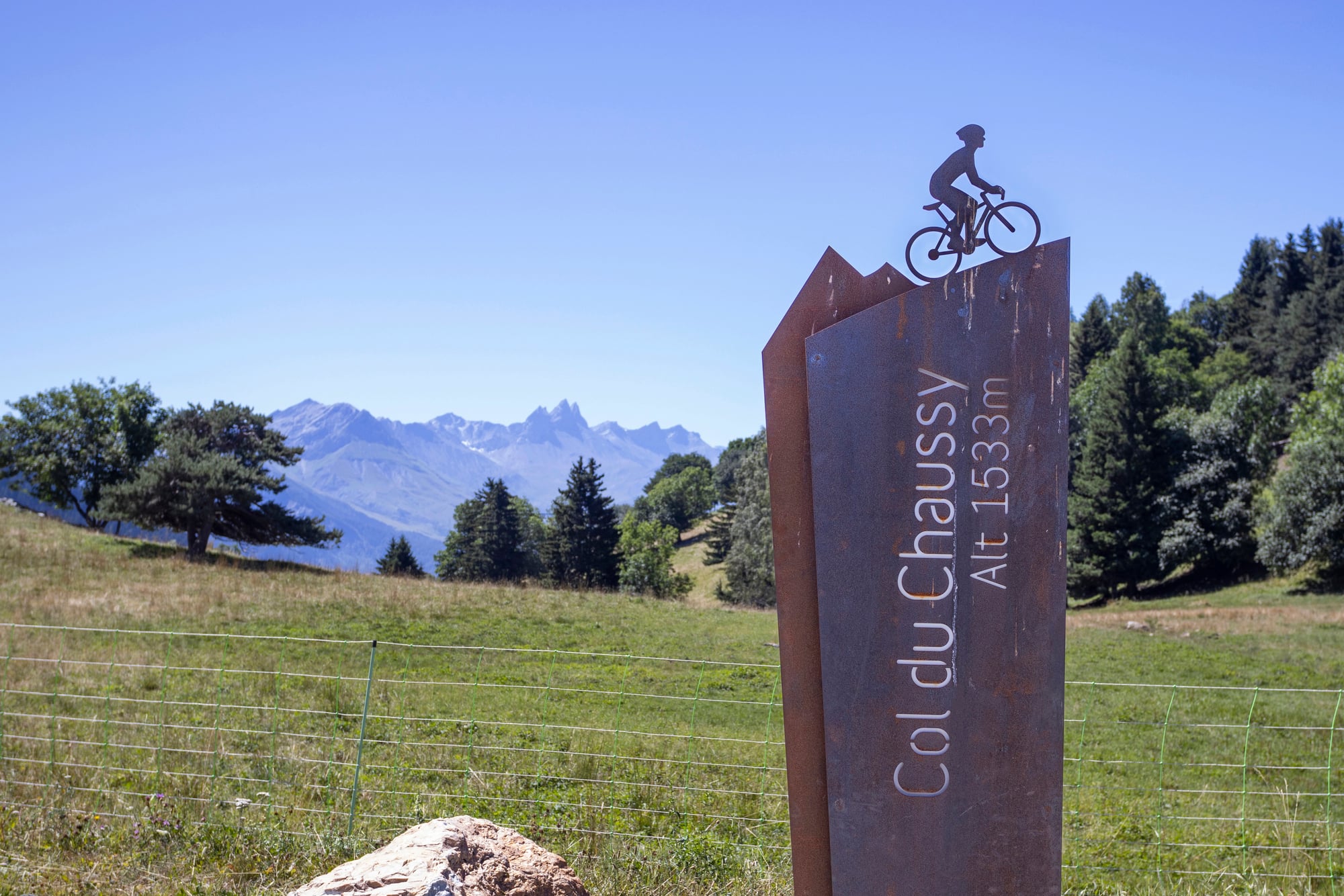
This high mountain pass in the Rhône-Alpes region begins with a special stretch called ‘Les Lacets de Montvernier,’ a 2-mile section featuring 17 hairpin turns as the road climbs up an actual cliff face. The route sits at over 5,000 feet above sea level and offers only small concrete barriers as you zigzag upward.
The pass appears regularly in the Tour de France, challenging even professional cyclists with its steep gradients. While impossibly picturesque, the combination of sharp turns, narrow passages, and lack of substantial guardrails makes this one of Europe’s most demanding drives.
Karnali Highway, Nepal
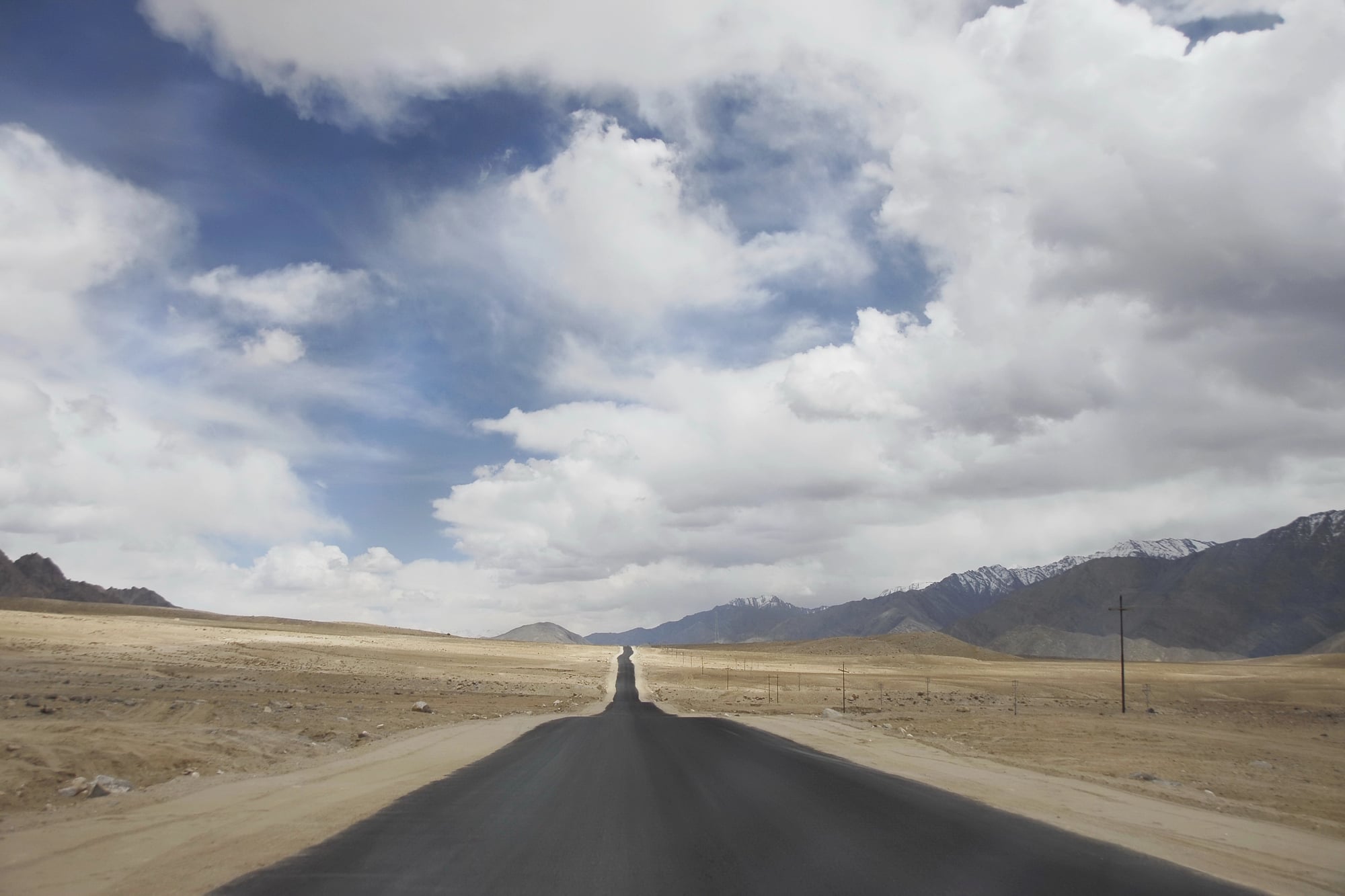
An estimated 50 people die on this 155-mile Himalayan road every year, though actual numbers vary and aren’t officially tracked, making travel here a genuine risk even outside monsoon season. The surface is extremely dusty, reducing visibility to dangerous levels even in good weather.
Drivers face narrow stretches, frequent landslides, falling rocks, flooded sections, massive potholes, and steep cliffs with drops that seem to go on forever. The combination of poor road conditions and challenging mountain terrain creates hazards at every turn.
Sichuan-Tibet Highway, China
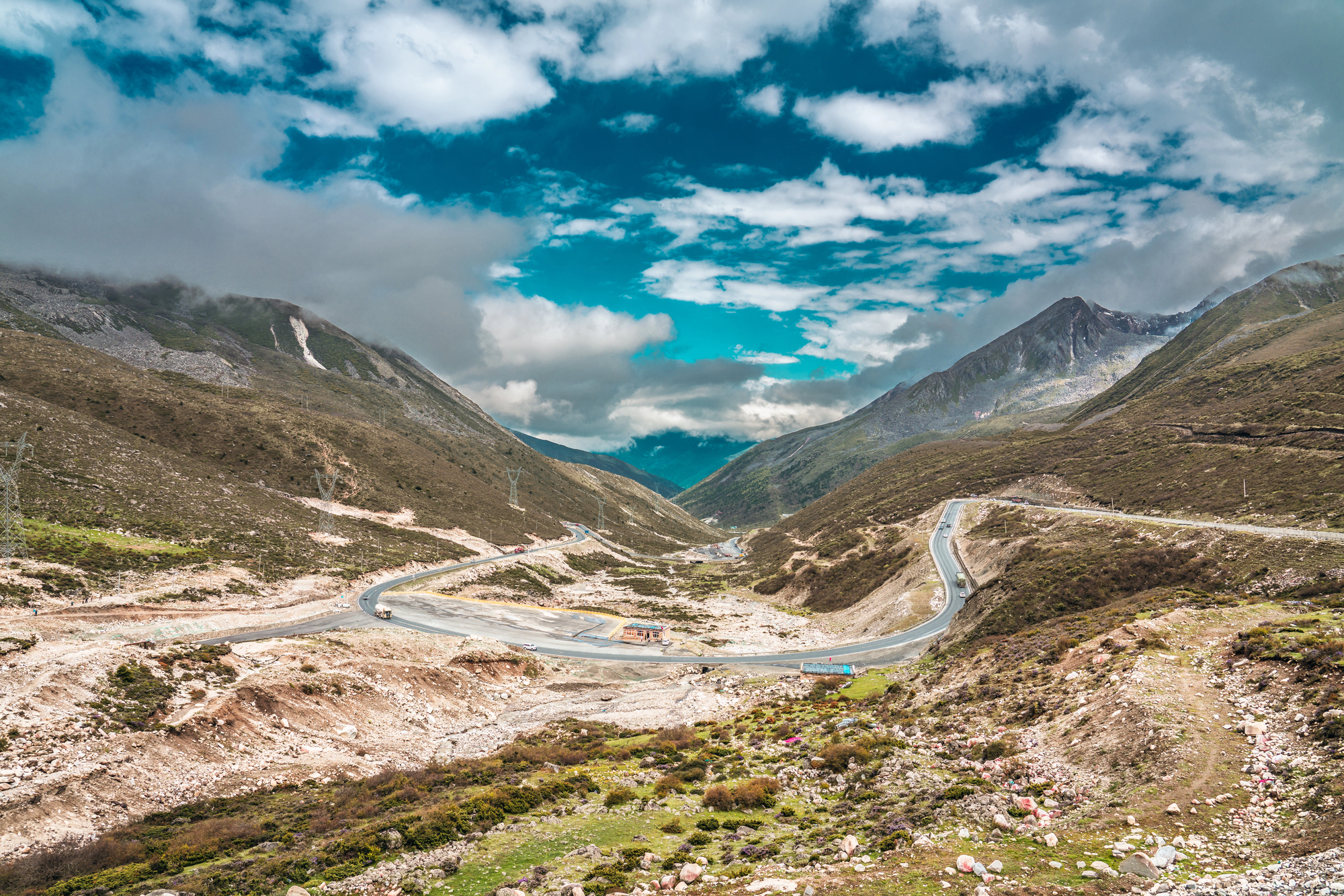
Drivers on this approximately 1,330-mile route experience frequently changing landscapes and abrupt elevation changes, which can cause physical symptoms in unprepared passengers. The highway goes over 14 mountains, putting cars at risk for landslides and rock avalanches, which kill many people every year.
At high elevations, the weather can change quickly, and because a large portion of the route is remote, accidents can happen far from help. This is one of the riskiest long-distance drives in Asia because of the breathtaking scenery.
Why These Roads Still Exist
Since they serve as the sole link between isolated communities and the outside world, many of these routes are still in use today. Creating safer substitutes frequently entails navigating some of the planet’s most difficult terrain, which calls for a great deal of engineering know-how and resources.
The daily risks are just part of life for those who reside along these roads. For access to markets, healthcare, and family, people are willing to take on risks that may seem unimaginable to outsiders.
These roads serve as a reminder that, in many locations, getting there is still just as difficult as getting there.
More from Go2Tutors!

- The Romanov Crown Jewels and Their Tragic Fate
- 13 Historical Mysteries That Science Still Can’t Solve
- Famous Hoaxes That Fooled the World for Years
- 15 Child Stars with Tragic Adult Lives
- 16 Famous Jewelry Pieces in History
Like Go2Tutors’s content? Follow us on MSN.



