Wild West Slang We Still Use
Funny how often we speak like folks on an old ranch, even now. That stretch of wild land shaped talk more than anyone guesses.
Saloon shouts, trail dust chatter, coach wheel rambles – they stuck around longer than expected. Say something quick like “I claim front seat” or snap at arrogance with “step down,” and suddenly it’s 1870 again.
Words outlasted boots and spurs by far.
Riding Shotgun
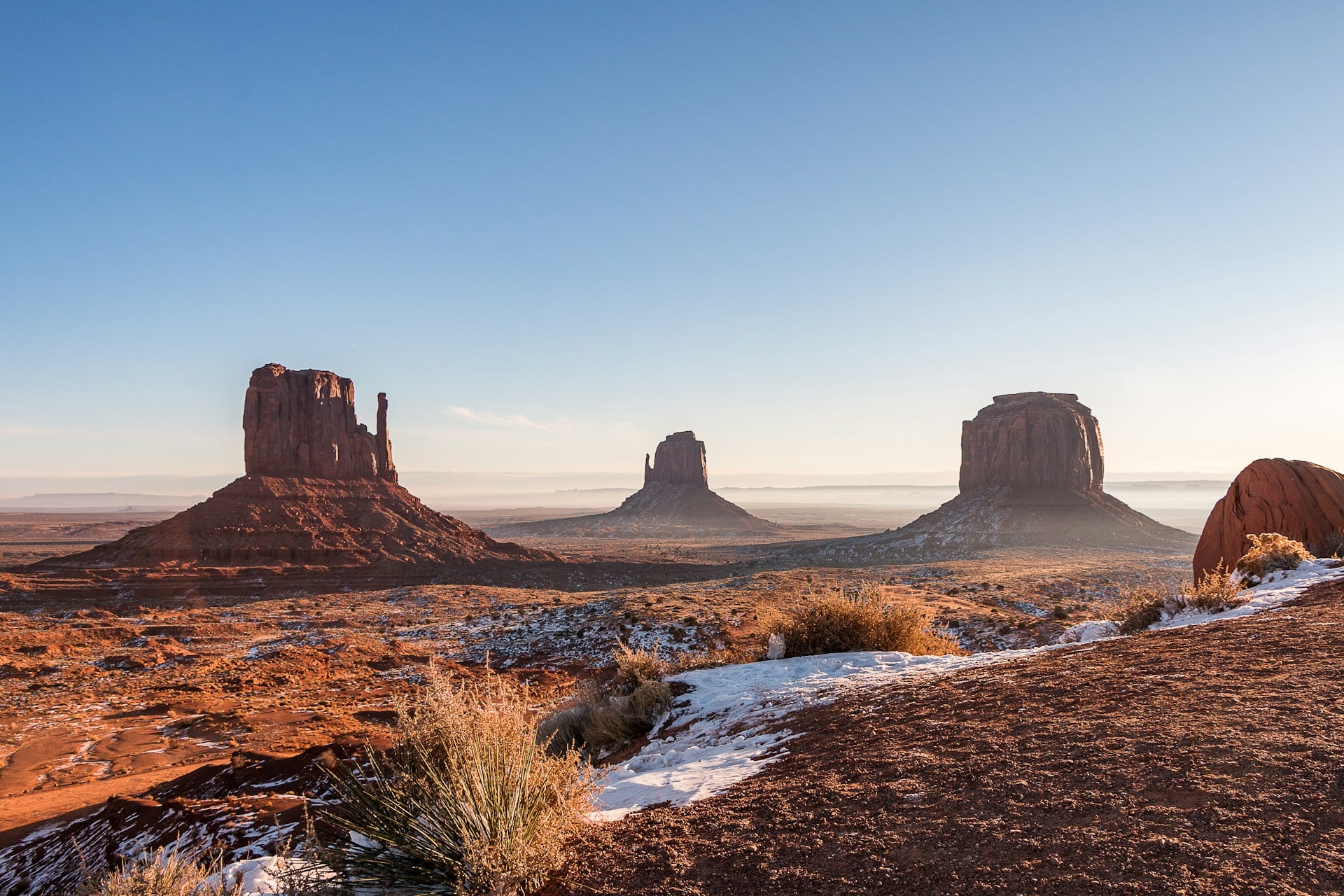
When you claim the front passenger seat of a car, you’re referencing one of the most dangerous jobs in the American West. Stagecoaches carrying valuable cargo—silver bullion, payroll, or bank deposits—needed protection from bandits.
Wells Fargo and other companies stationed armed guards next to drivers, and these guards typically carried short double-barreled shotguns. The weapon was ideal for close-range defense against pursuing outlaws.
If a stagecoach had no guard in that seat, it signaled to would-be robbers that the coach carried only passengers and no strongbox worth stealing. The Earp brothers—Wyatt and Morgan—both worked as shotgun messengers in Tombstone before their famous gunfight at the O.K. Corral.
The phrase first appeared in print in a 1905 novel, though the practice itself dated back decades earlier. Western movies in the 1930s and 40s popularized the term, and by the 1950s kids across America were shouting “shotgun!” to claim the prized front seat.
Bite the Dust
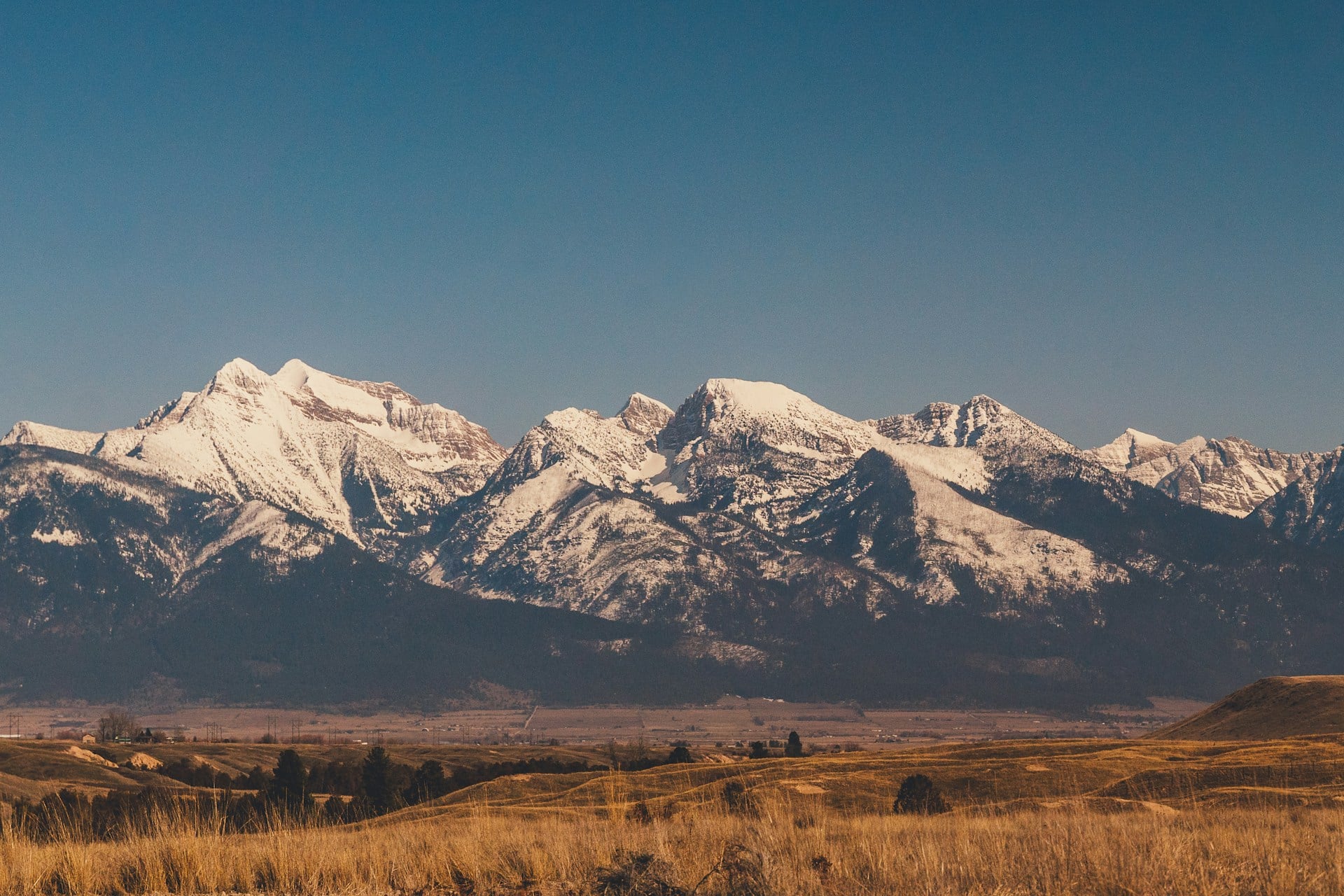
Western movies made this phrase famous, with countless outlaws falling face-first into the dirt after losing a gunfight. The image is vivid: a man shot dead, literally biting the dusty ground of a frontier town’s main street.
The expression actually predates the Wild West by millennia—versions appear in Homer’s Iliad and the King James Bible. But the American frontier gave it new life.
The 1930s Western film boom cemented the phrase in popular culture, turning an ancient saying into something that felt distinctly American. Today you hear it describing anything that fails or ends—a business venture, a relationship, or an old appliance that finally gives out.
Paint the Town Red
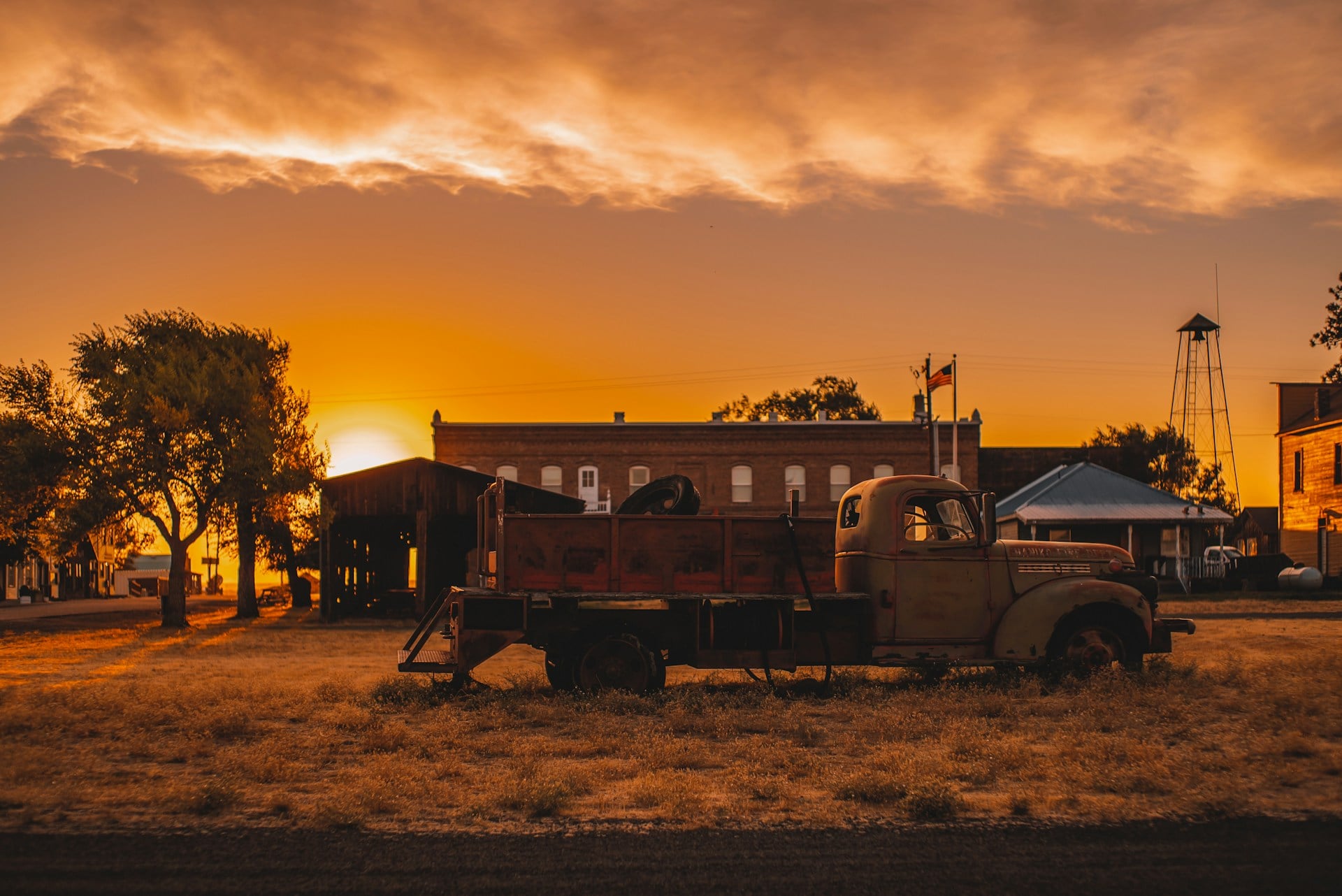
The phrase first appeared in American newspapers in the early 1880s, describing boisterous celebrations. A popular legend connects it to an 1837 incident in England when the Marquis of Waterford and his drunken friends allegedly painted buildings red during a rampage through Melton Mowbray.
The event is well-documented, but no printed use of the phrase appears until decades later—and in America, not England. More likely, the expression emerged from the rowdy culture of Western boomtowns.
Cowboys arriving after months on cattle drives had money to spend and energy to burn. Frontier towns knew what to expect when ranch hands rode in.
Saloons, dance halls, and gambling houses prepared for wild nights. Whatever its exact origin, “painting the town red” captured the spirit of frontier celebration—the kind that left your mark on every establishment in town.
Maverick
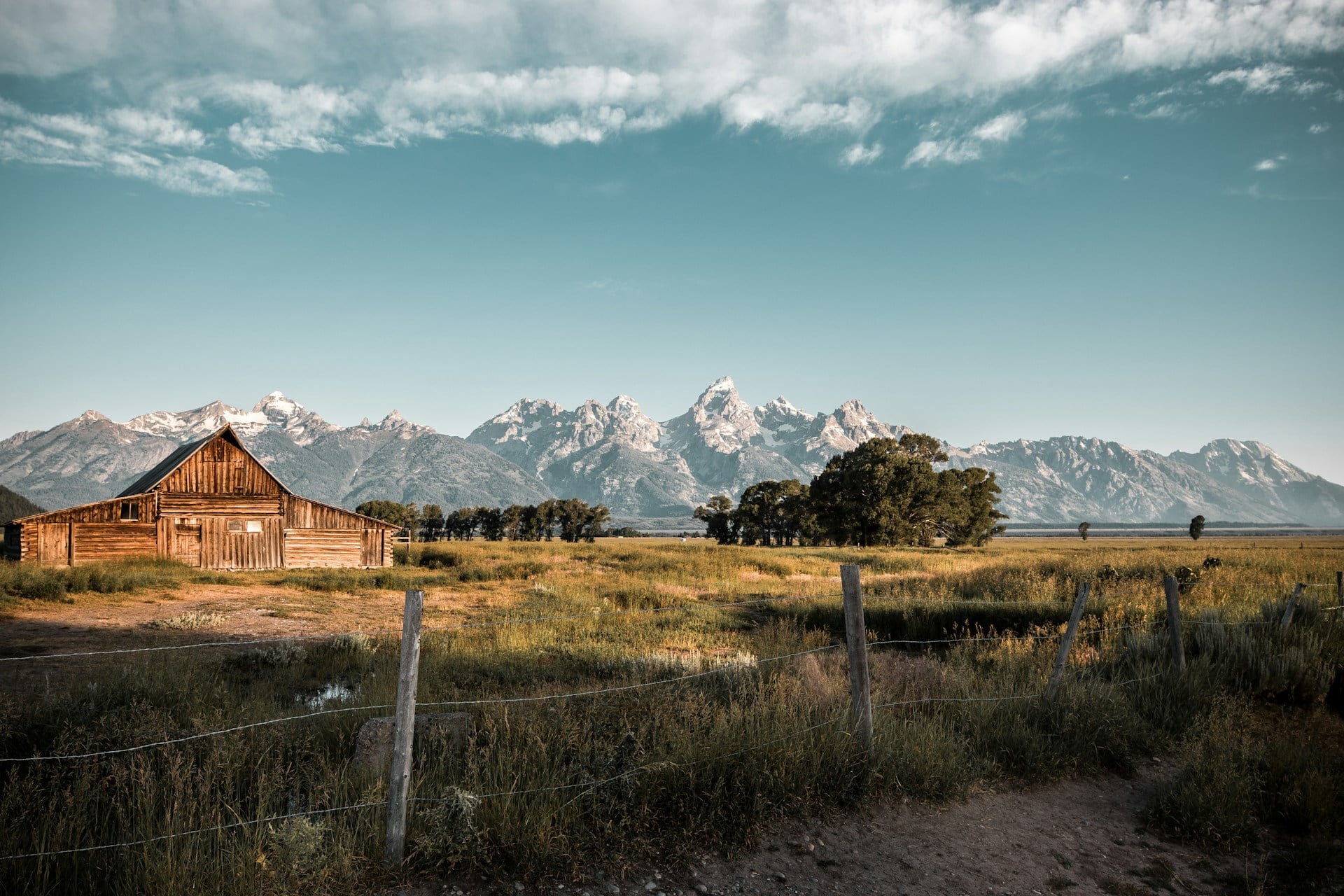
Samuel Maverick was a Texas land baron who acquired a herd of cattle in 1847 as payment for a debt. He had little interest in ranching—real estate was his passion—so he left the cattle in the care of an enslaved man named Jack, who had limited experience with livestock.
The cattle wandered unbranded across the range. Neighboring ranchers started calling any unbranded calf a “maverick,” and the term spread up cattle trails after the Civil War.
From there, the word evolved to describe any person who refuses to follow the herd. Politicians, artists, and entrepreneurs who buck convention get called mavericks today.
The word carries a romantic edge—suggesting independence and courage rather than mere stubbornness.
The Whole Nine Yards
This one comes with an asterisk. Nobody knows for certain where the phrase originated, despite decades of research and multiple competing theories.
Some claim it refers to the length of ammunition belts in World War II fighter planes. Others point to the amount of fabric needed for a fancy dress or a burial shroud.
One persistent theory ties it to the Old West: the full length of a hangman’s rope or the capacity of a cement mixer. None of these explanations hold up under scrutiny.
But the phrase became common in American English during the mid-20th century and carries a frontier-era feel that makes people assume a Western origin.
Get the Drop On
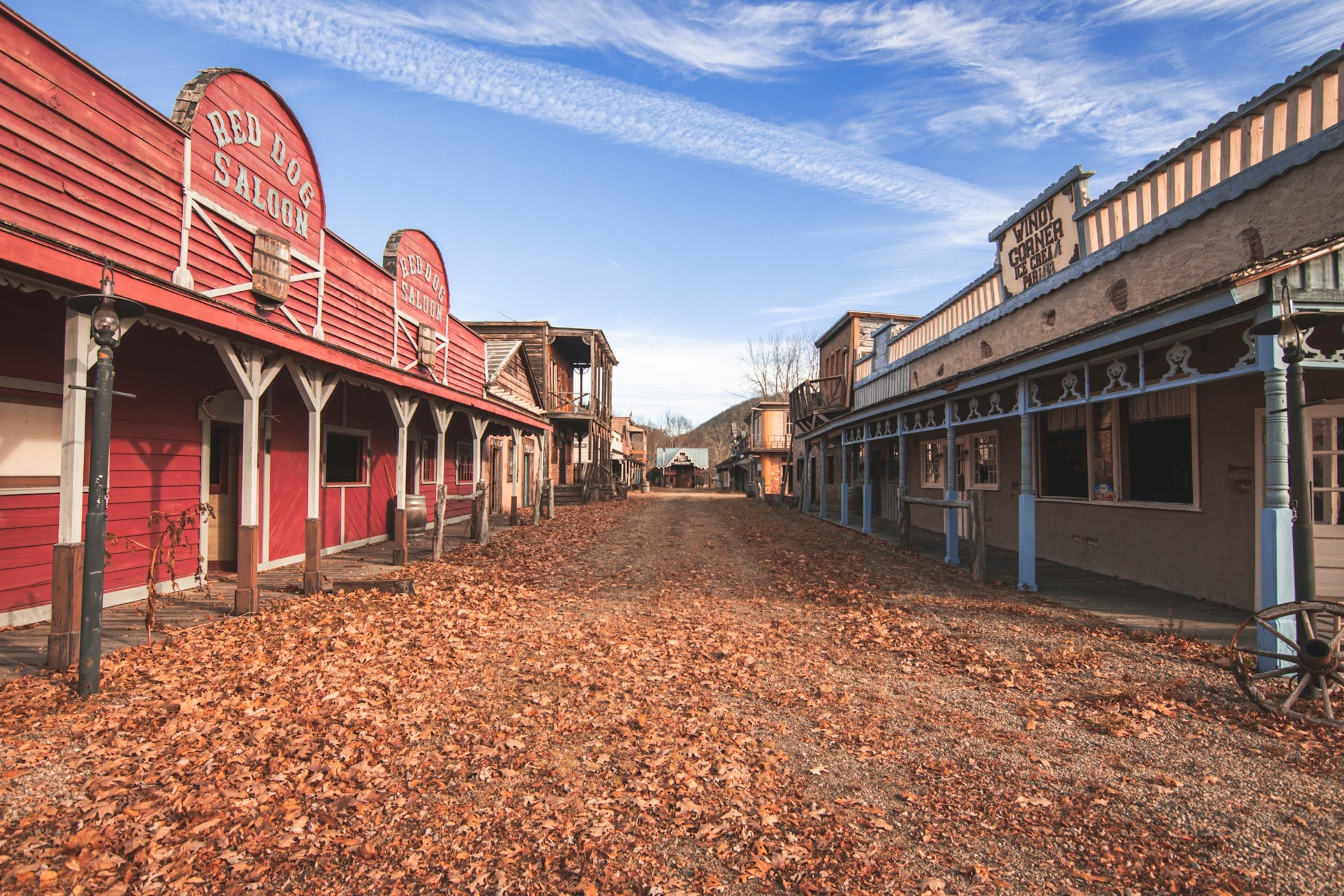
In a world where survival depended on drawing your pistol faster than the other guy, getting the drop on someone meant having your weapon ready before your opponent could react. The phrase appeared in print as early as the 1860s and captured the life-or-death stakes of frontier confrontations.
Today the expression has softened considerably. Getting the drop on a competitor means gaining an advantage through preparation or speed—in business negotiations, sports strategy, or any situation where timing matters.
The lethal origins have faded, but the sense of decisive advantage remains.
Belly Up
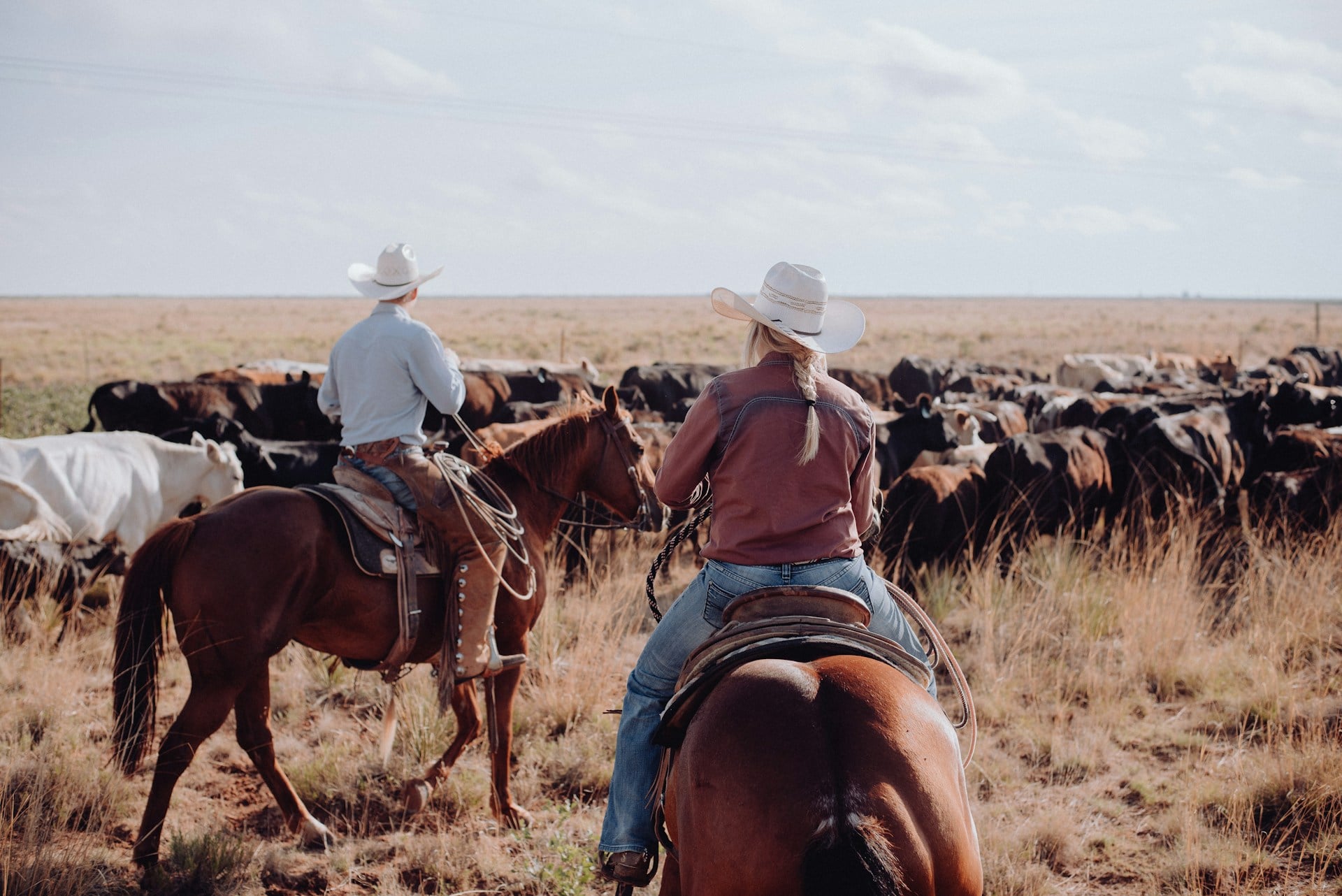
When a horse or cow died in the open range, it often ended up on its back with its belly pointing skyward. “Going belly up” became a cowboy shorthand for death, failure, or collapse.
The phrase migrated naturally to describe business failures. When a frontier saloon ran out of money and closed its doors, it went belly up.
The expression stuck around long after cattle drives ended, and today you hear it applied to startups, restaurants, and any enterprise that fails to survive.
Steer Clear
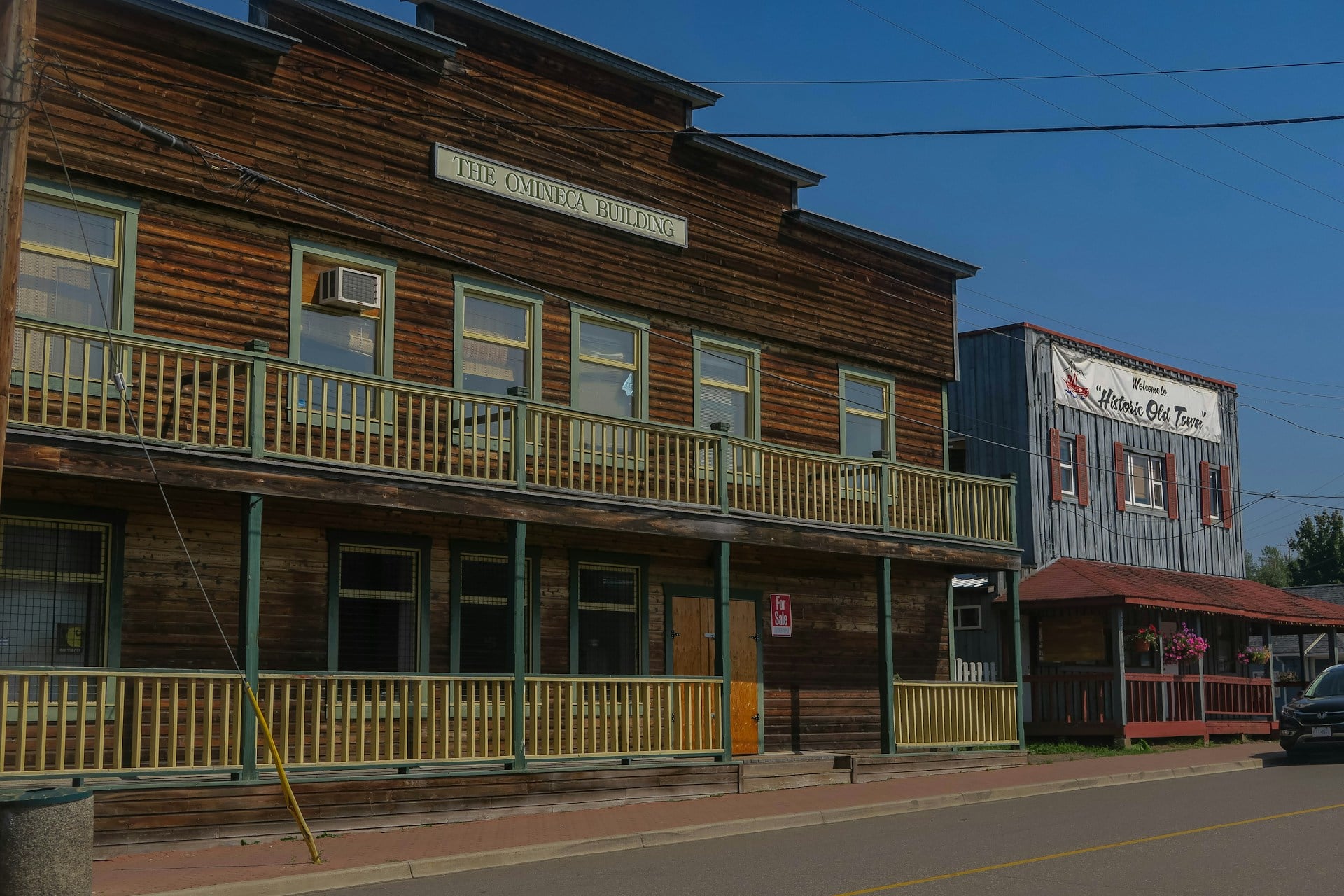
Working with cattle taught cowboys hard lessons about which animals to avoid. A steer—a castrated bull raised for beef—could still be dangerous, especially in large herds or confined spaces.
Experienced ranch hands knew to steer clear of agitated animals. The phrase broadened to mean avoiding any person, place, or situation that poses risk.
Your grandmother telling you to steer clear of trouble is passing down advice that originated in dusty corrals and open ranges.
High Tail It
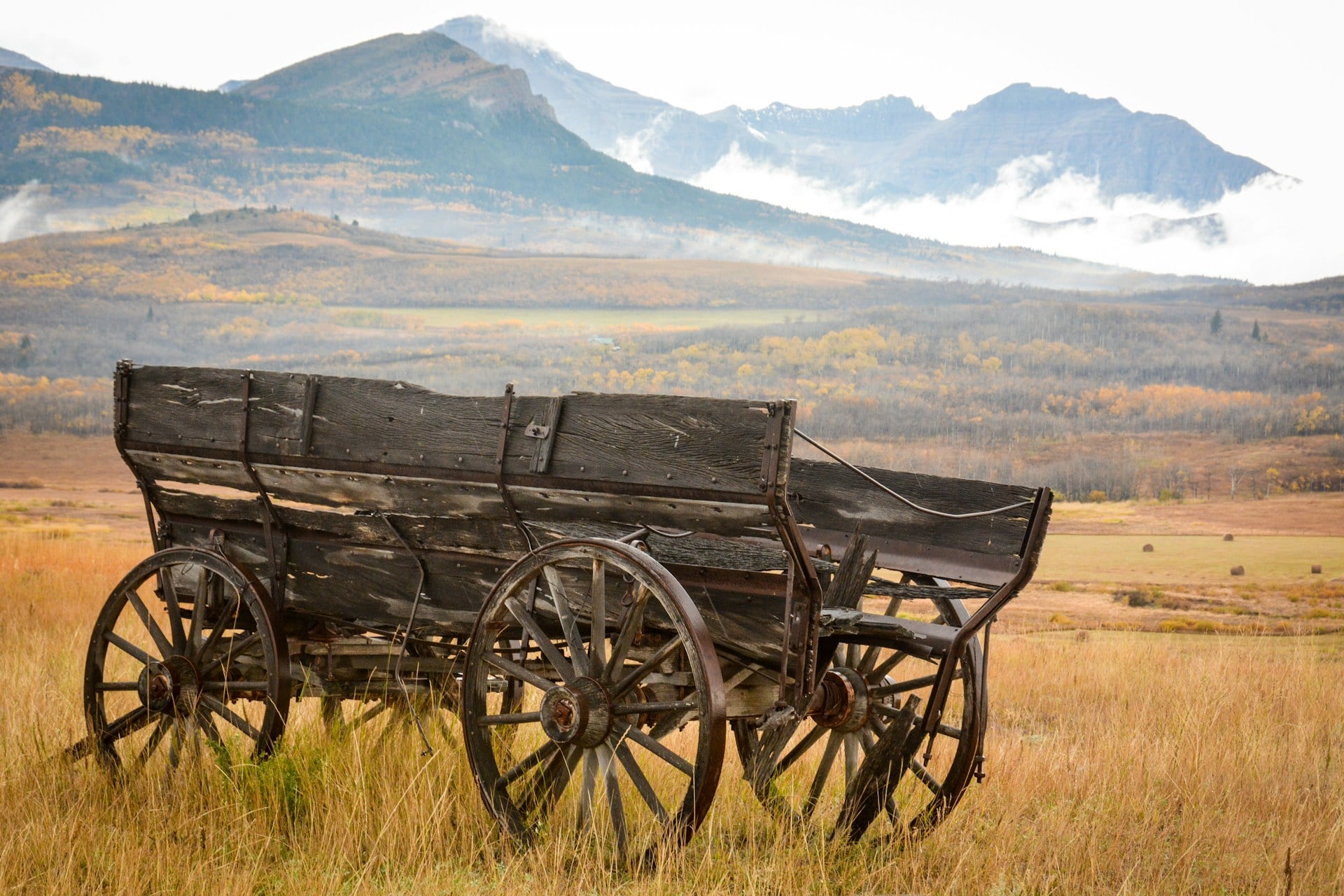
When horses and cattle get spooked, they raise their tails and run. Cowboys watching stampedes or fleeing animals noticed this distinctive posture and turned it into a verb.
To high tail it meant to leave quickly, usually because something dangerous was happening. The expression works equally well for escaping a bar fight, leaving a boring party, or getting out of town before the law arrives.
Modern usage keeps the sense of urgent departure without requiring any actual tails.
On the Level
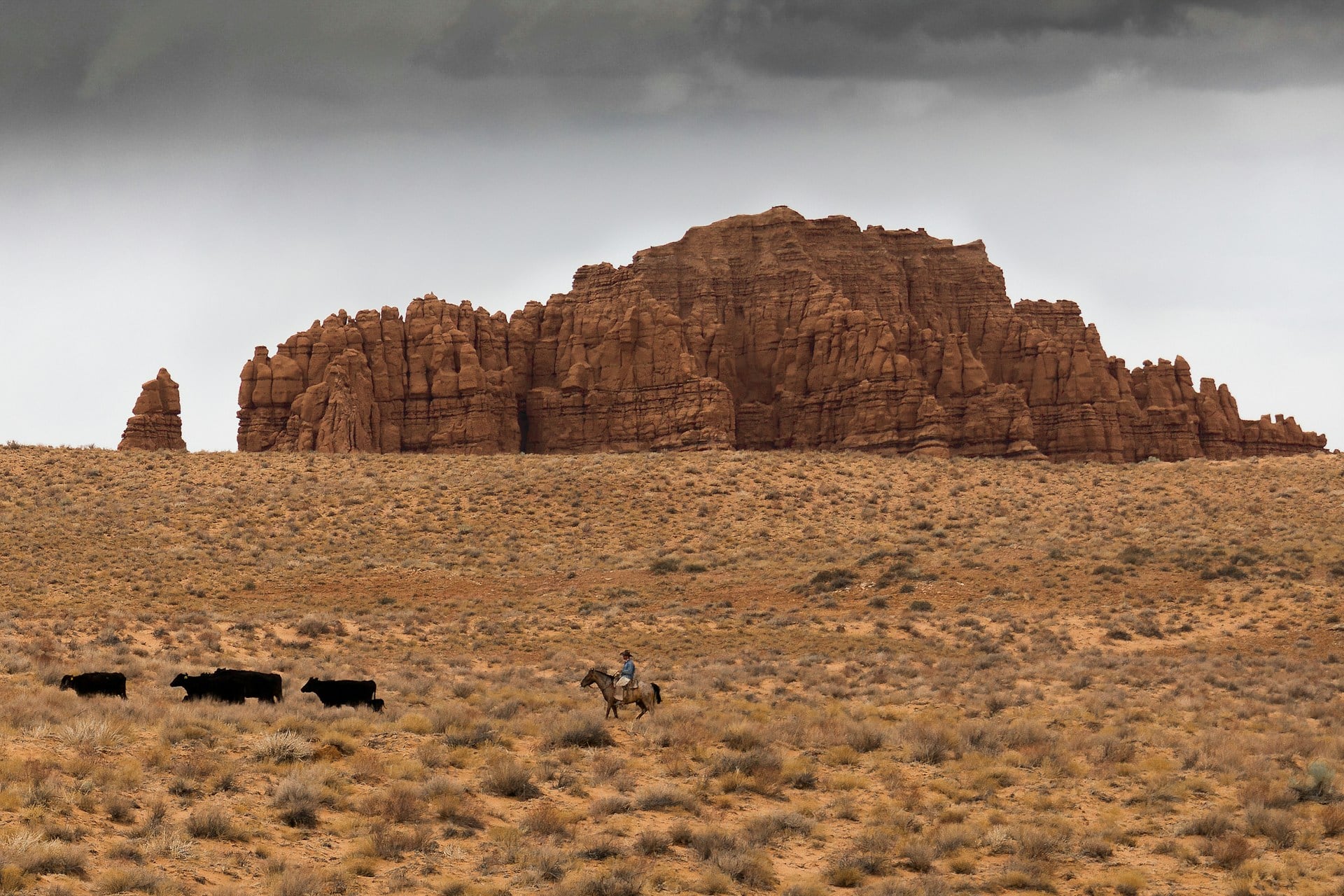
Carpenters and builders used levels to ensure their work was straight and true. In frontier towns thrown up quickly from rough lumber, quality construction required someone who worked on the level—honestly and accurately.
The phrase expanded to describe any honest dealing. A trustworthy poker player, a fair-dealing merchant, or a friend who told you the truth was on the level.
The construction metaphor translated perfectly to questions of character and integrity.
Tenderfoot
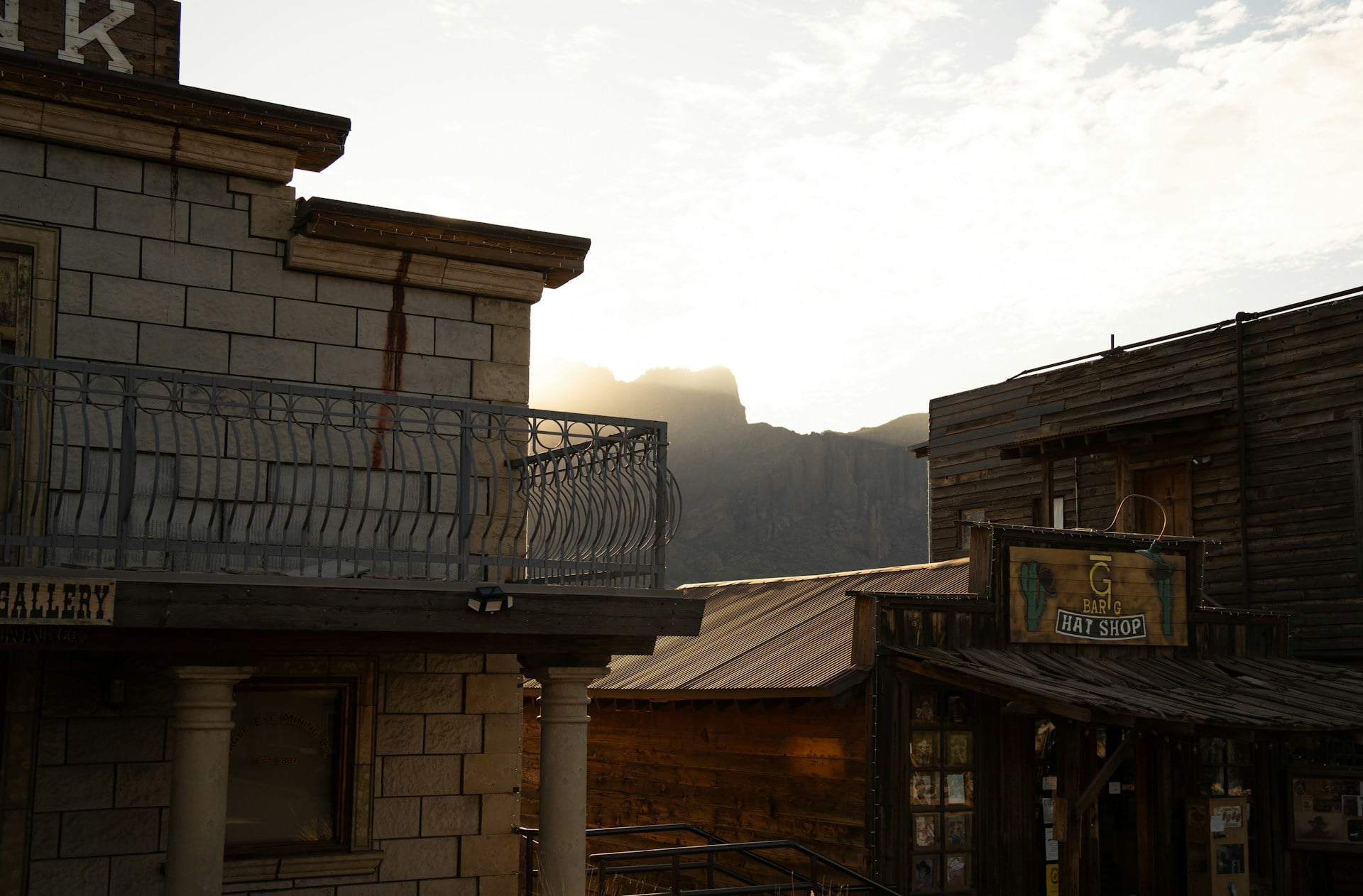
New arrivals to the frontier faced a steep learning curve. City dwellers who ventured West often struggled with basic outdoor skills—riding horses, making camp, surviving harsh weather.
Their soft, urban feet couldn’t handle rough terrain. Cowboys called these inexperienced newcomers “tenderfeet” or “tenderfoots.”
The term spread beyond ranching to describe anyone new to a skill or environment. A first-year employee learning the ropes at a company, a novice hiker attempting a difficult trail, or a beginner at any craft can expect to be called a tenderfoot until they prove themselves capable.
Pull in Your Horns
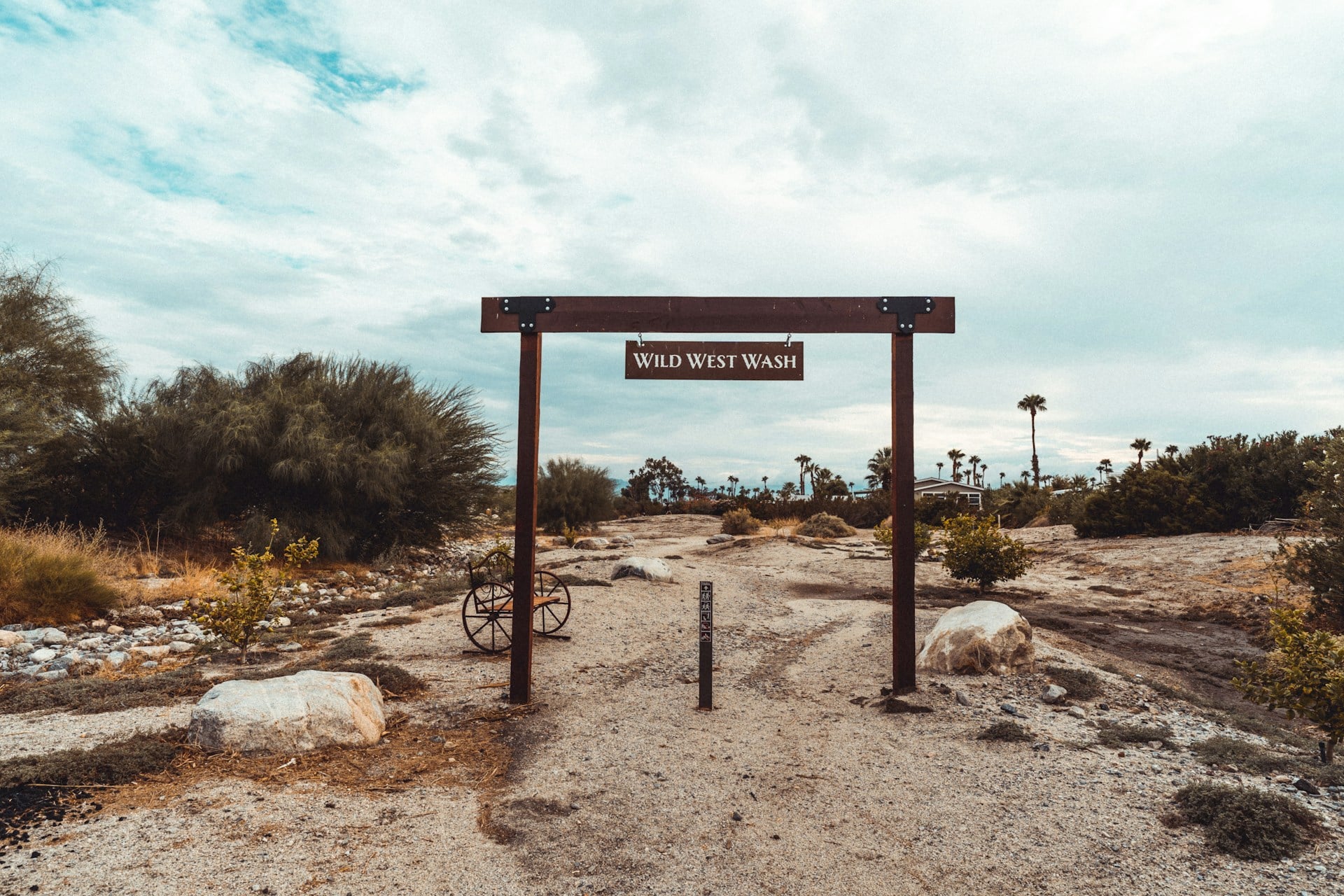
Cowboys noticed that cattle lower and pull back their horns when they sense danger or decide to back down from a confrontation. A bull preparing to charge does the opposite—it lowers its head and points its horns forward aggressively.
Telling someone to pull in their horns meant advising them to back off, calm down, or stop looking for trouble. The phrase survives today as a gentle suggestion to dial back aggressive behavior or retreat from an untenable position.
Highfalutin
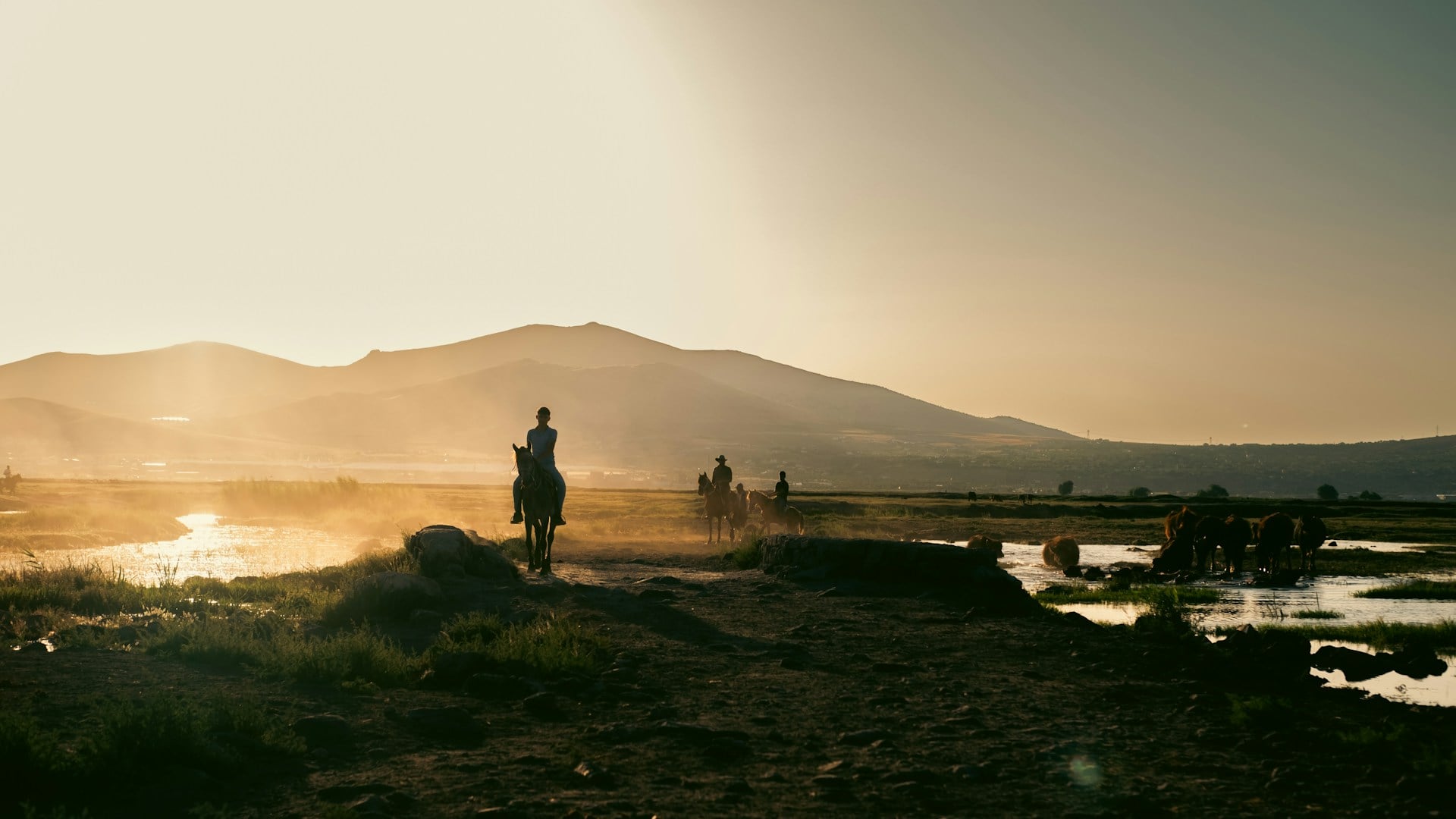
When cowboys encountered people who put on airs—speaking with pretentious vocabulary or acting superior—they needed a word to mock them. “Highfalutin” (sometimes spelled “hifalutin”) emerged in the 1830s and 40s to describe anything pompous, fancy, or unnecessarily elevated.
The word itself sounds slightly ridiculous, which is part of the point. Using “highfalutin” to describe someone’s highfalutin behavior carries built-in mockery.
It survives today as a playful way to puncture pretension.
Yellow-Bellied
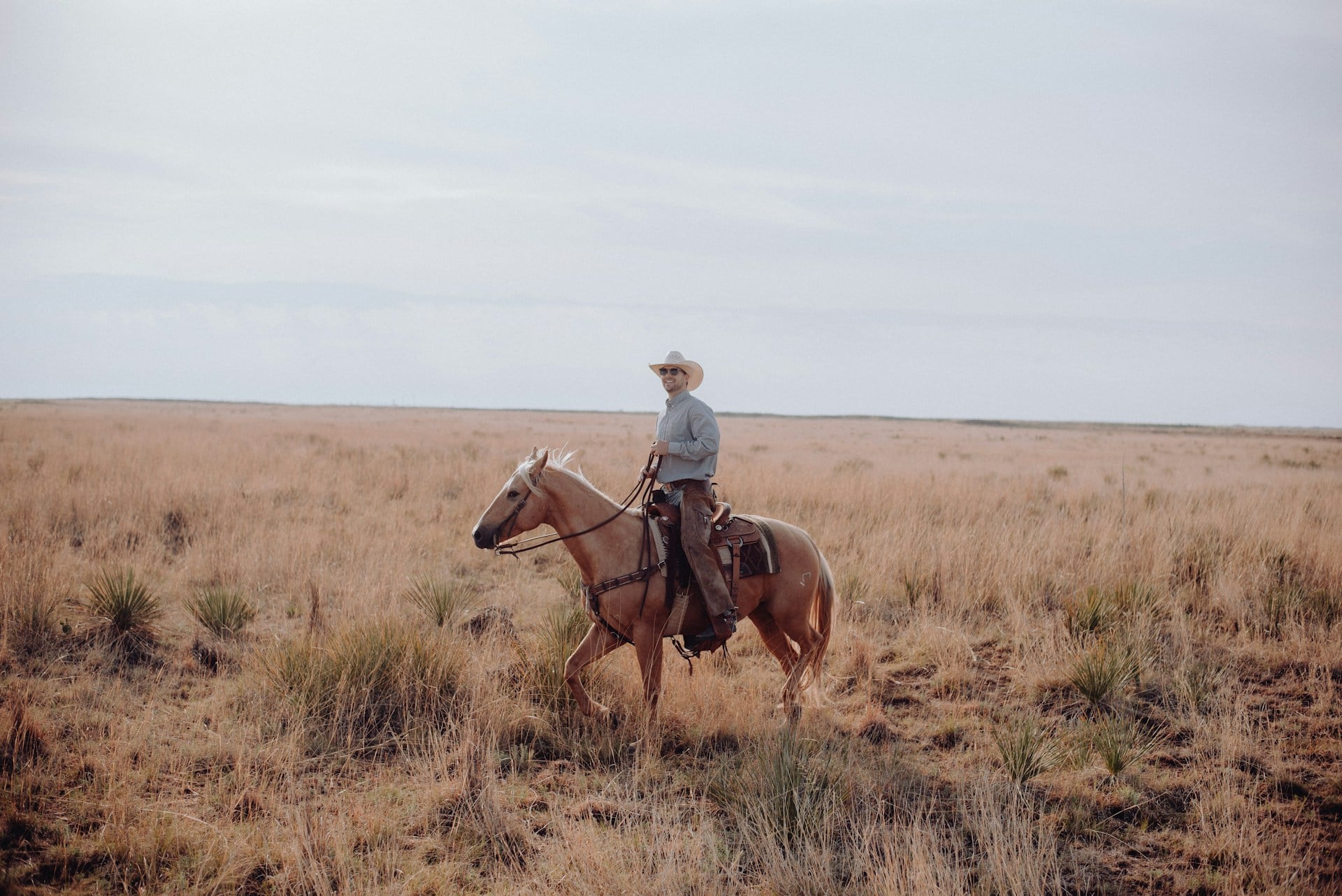
Cowardice needed colorful descriptions on the frontier, where courage was essential for survival. “Yellow” had been slang for cowardly since at least the 1850s, and by the 1920s “yellow-bellied” emerged as a more emphatic insult.
The exact origin remains unclear—some connect it to Mexican soldiers’ uniforms, others to the pale undersides of snakes or the way frightened animals expose their bellies when rolling over. Calling someone yellow-bellied in a saloon could start a fight—which, ironically, forced the accused to prove their courage.
Today the phrase has mellowed into a somewhat old-fashioned insult that children and grandparents both understand.
Mosey
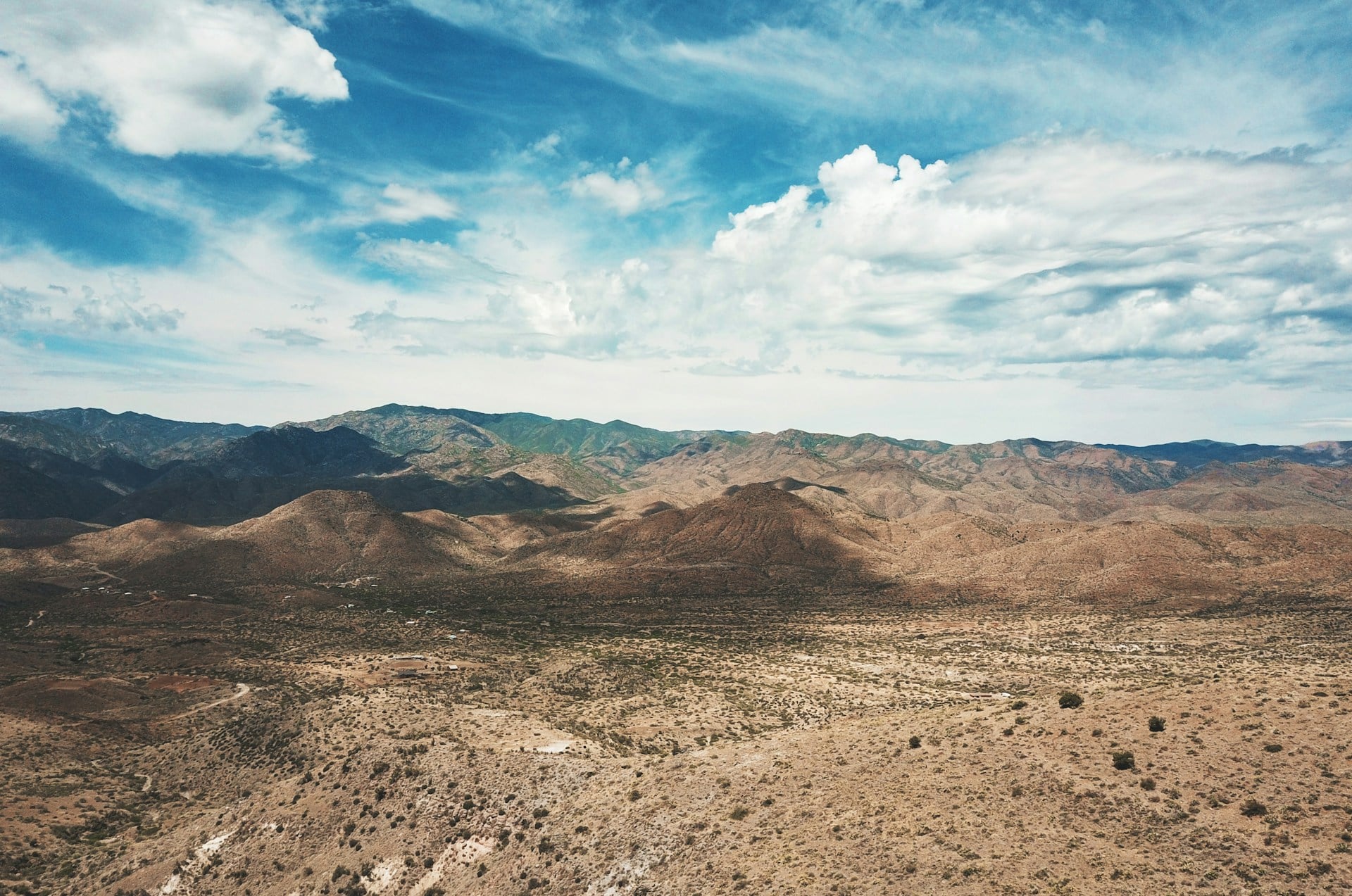
Every now and then, there’s no rush at all. Moving without speed can feel right, especially when getting somewhere isn’t the point.
The act of strolling takes over, where steps matter more than arrival. This is what wandering slowly looks like – just drifting through moments.
Around the 1820s, folks in America started saying “mosey” while living slow lives out west. Heading to the bunkhouse, cowboys took their time walking there.
Stores saw people strolling without rush. Days pass like this for retirees too.
Slowness wraps around the word, hinting at ease instead of hurry.
Lingo That Lasts
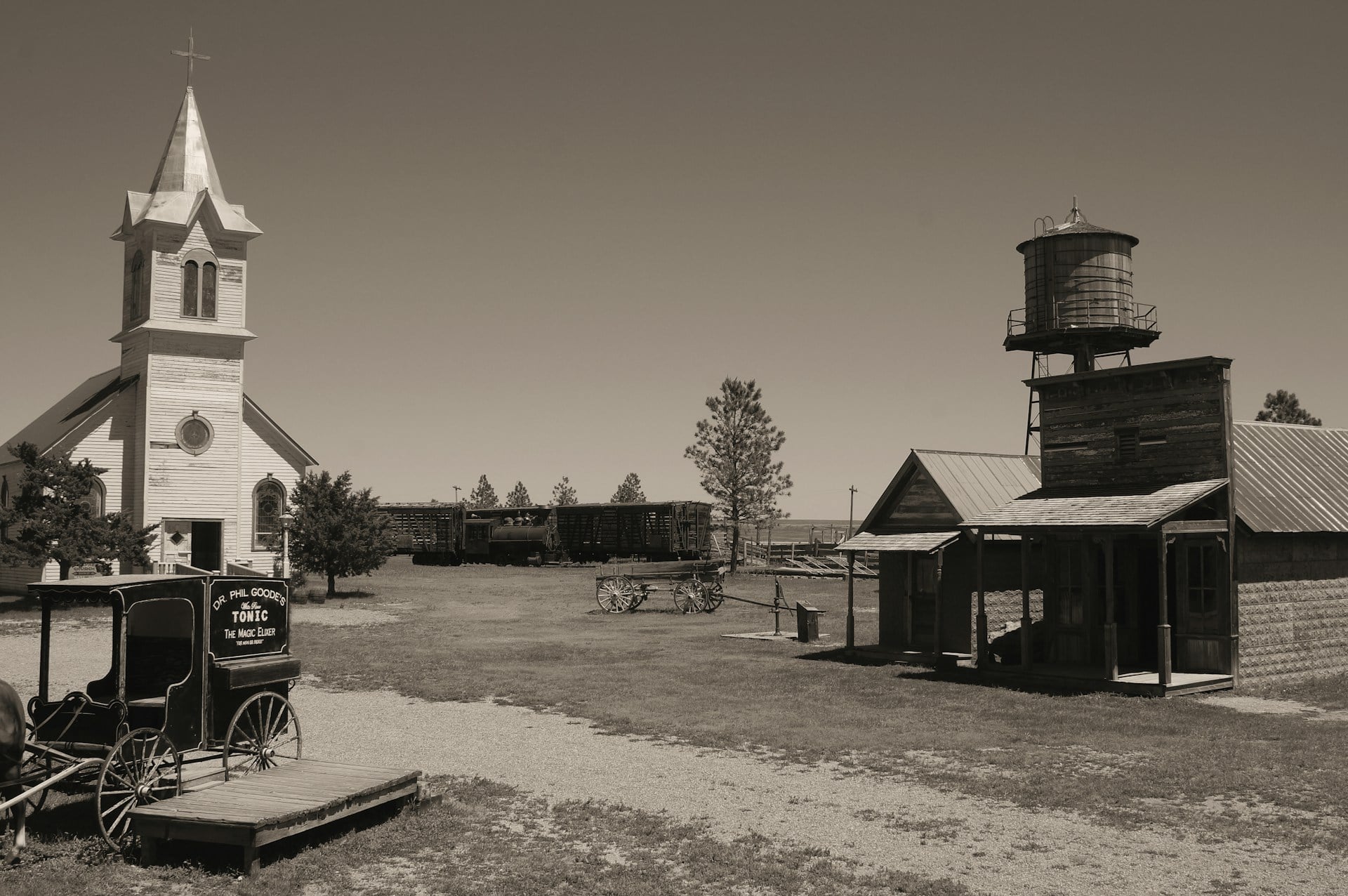
Half a century only – that stretch after the Civil War, before cars and rails stitched everything together – held the whole wild phase of the American West. Still, its words stick around, long past their time.
Out here, where talk moves fast, certain sayings stick around for good reason. They tap into real things people feel – urgency, shame, pride, joy.
Riders on the edge didn’t just live wide open – they spoke that way too. Their expressions galloped past fences and settled into everyday speech.
Say shotgun or warn someone to stay away, you’re echoing dust and distance. That old world still rides along, quiet, in how we speak now.
More from Go2Tutors!

- The Romanov Crown Jewels and Their Tragic Fate
- 13 Historical Mysteries That Science Still Can’t Solve
- Famous Hoaxes That Fooled the World for Years
- 15 Child Stars with Tragic Adult Lives
- 16 Famous Jewelry Pieces in History
Like Go2Tutors’s content? Follow us on MSN.



