14 Fastest Roller Coasters You Can Ride Anywhere in the World
There’s something primal about speed that cuts through all the careful reasoning adults use to navigate their days. Standing in line for a roller coaster, watching the track disappear into impossible curves ahead, the part of your brain that pays taxes and remembers appointments goes quiet.
What’s left is simpler: the promise that in two minutes, you’ll move faster than humans were ever meant to move, and somehow that feels exactly right.
The fastest roller coasters don’t just break speed records — they break the ordinary rhythm of being human. These machines represent the outer edge of what engineers can build and what bodies can handle, scattered across continents like monuments to controlled recklessness.
Formula Rossa
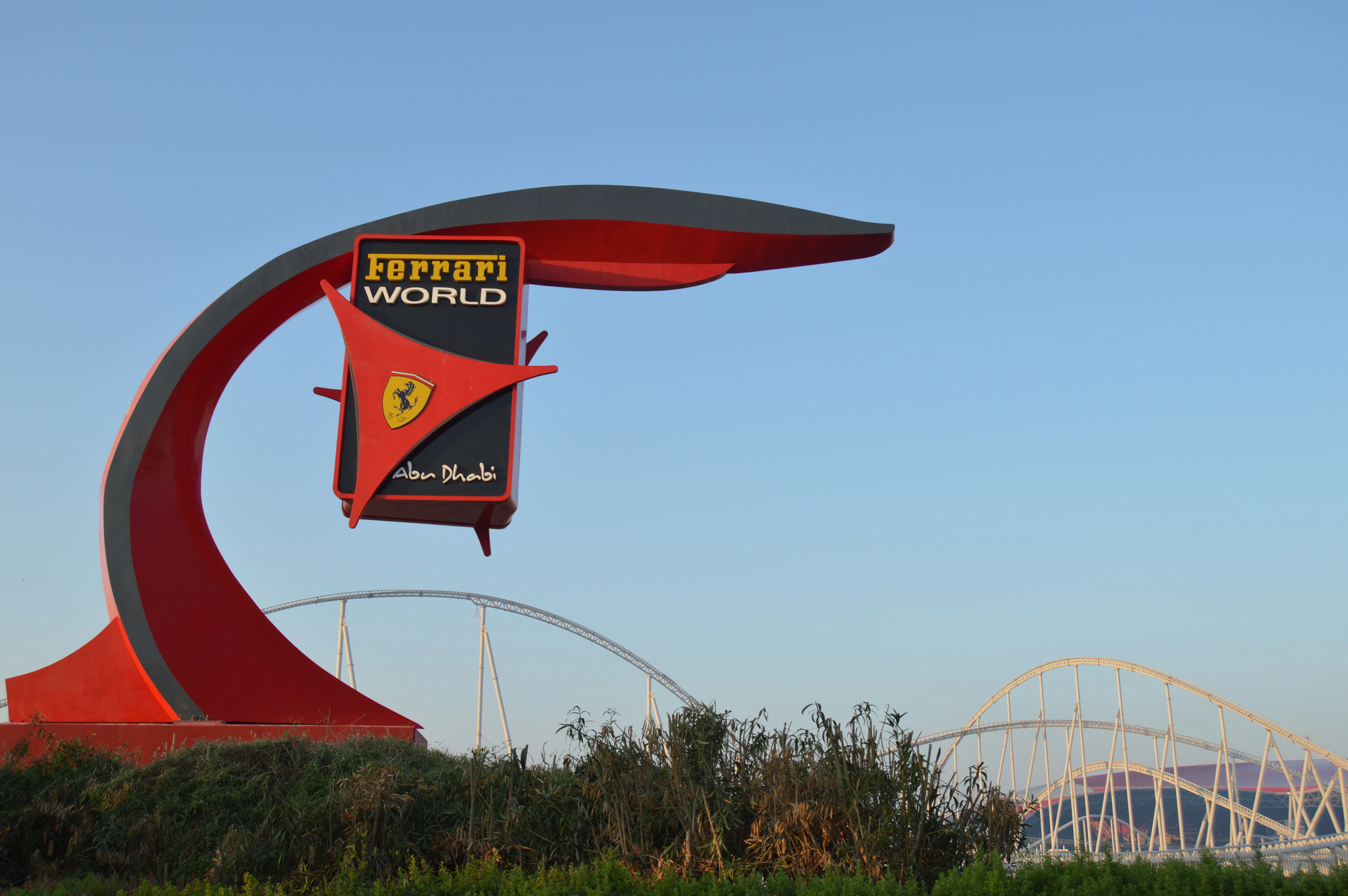
Ferrari built a theme park in Abu Dhabi, which should tell you everything about what to expect from Formula Rossa. This thing launches from zero to 149 mph in under five seconds.
Done. The track stretches over a mile through the desert.
You’ll need safety goggles because sand and insects become projectiles at these speeds.
Kingda Ka
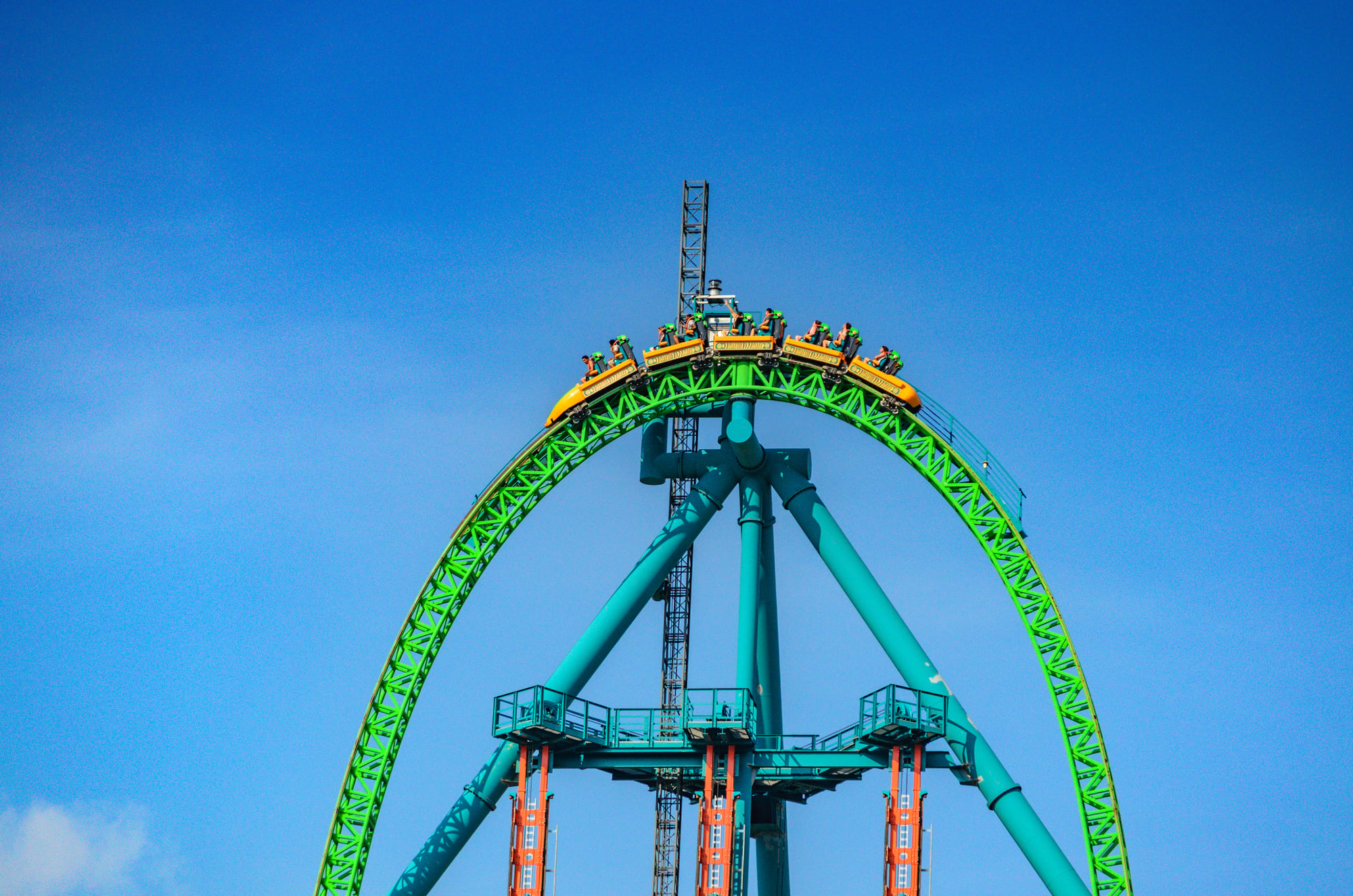
So here’s what happens when Six Flags decides to build the tallest roller coaster in the world and realizes they might as well make it the fastest too (well, it was until Formula Rossa came along): you get a 456-foot tower that shoots riders to 128 mph in 3.5 seconds, which is the kind of acceleration that makes your organs rearrange themselves — and yet, strangely, the launch isn’t even the most unsettling part because what really messes with your head is the climb up that vertical tower where the train slows to an almost-stop at the peak, leaving you suspended in a moment where physics feels negotiable.
But physics isn’t negotiable. Never was.
The descent happens so fast that your brain doesn’t process it as falling — more like the earth rushing up to meet you with unreasonable enthusiasm.
And the whole experience lasts 28 seconds, which seems impossible when you’re living through it, but that’s the thing about extreme speed: time behaves differently when you’re moving fast enough to outrun your own thoughts.
Top Thrill Dragster
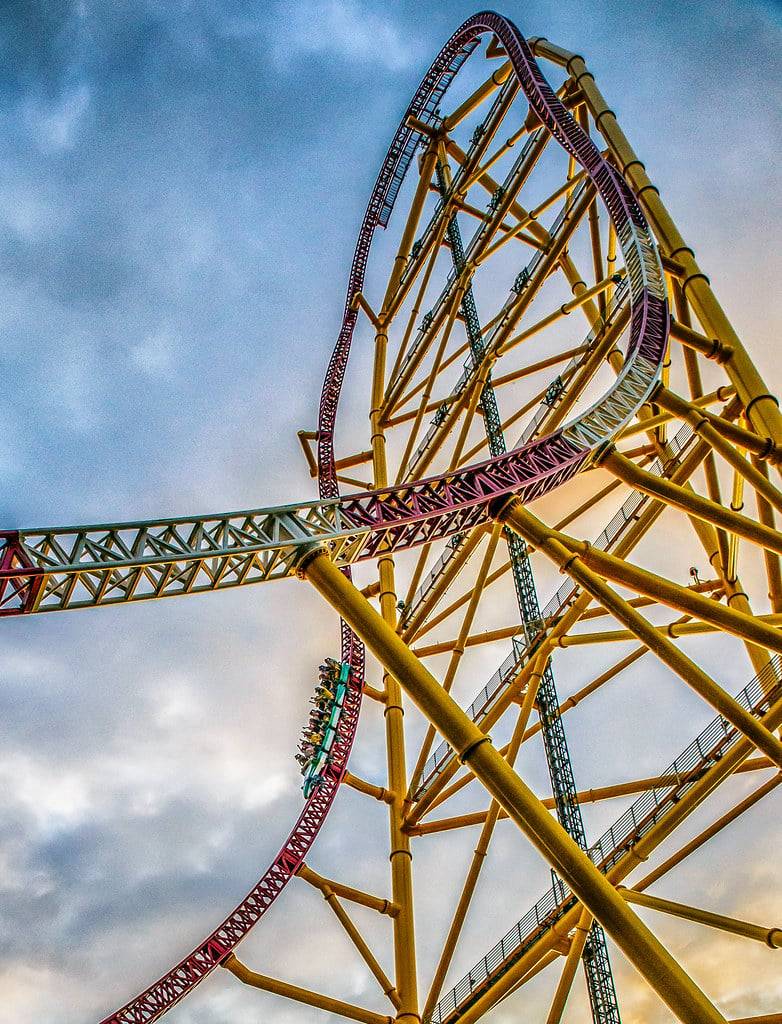
Think of Top Thrill Dragster as a conversation between engineers and gravity, except the engineers brought math and gravity brought physics, and somehow they agreed on 420 feet of vertical track and 120 mph in four seconds.
Cedar Point built this machine to prove a point, though what point exactly remains unclear — maybe that humans will line up for anything if you make it tall enough and fast enough.
The launch feels less like acceleration and more like being fired from a cannon that someone forgot to tell you about.
Your body registers the speed change as a fundamental shift in how the world works, which it is, temporarily.
The climb up the tower happens in slow motion, giving you time to consider your choices, and then the drop erases all that contemplation in a rush of wind and vertigo that feels surprisingly close to flying, if flying involved plummeting toward the ground at terminal velocity.
Red Force
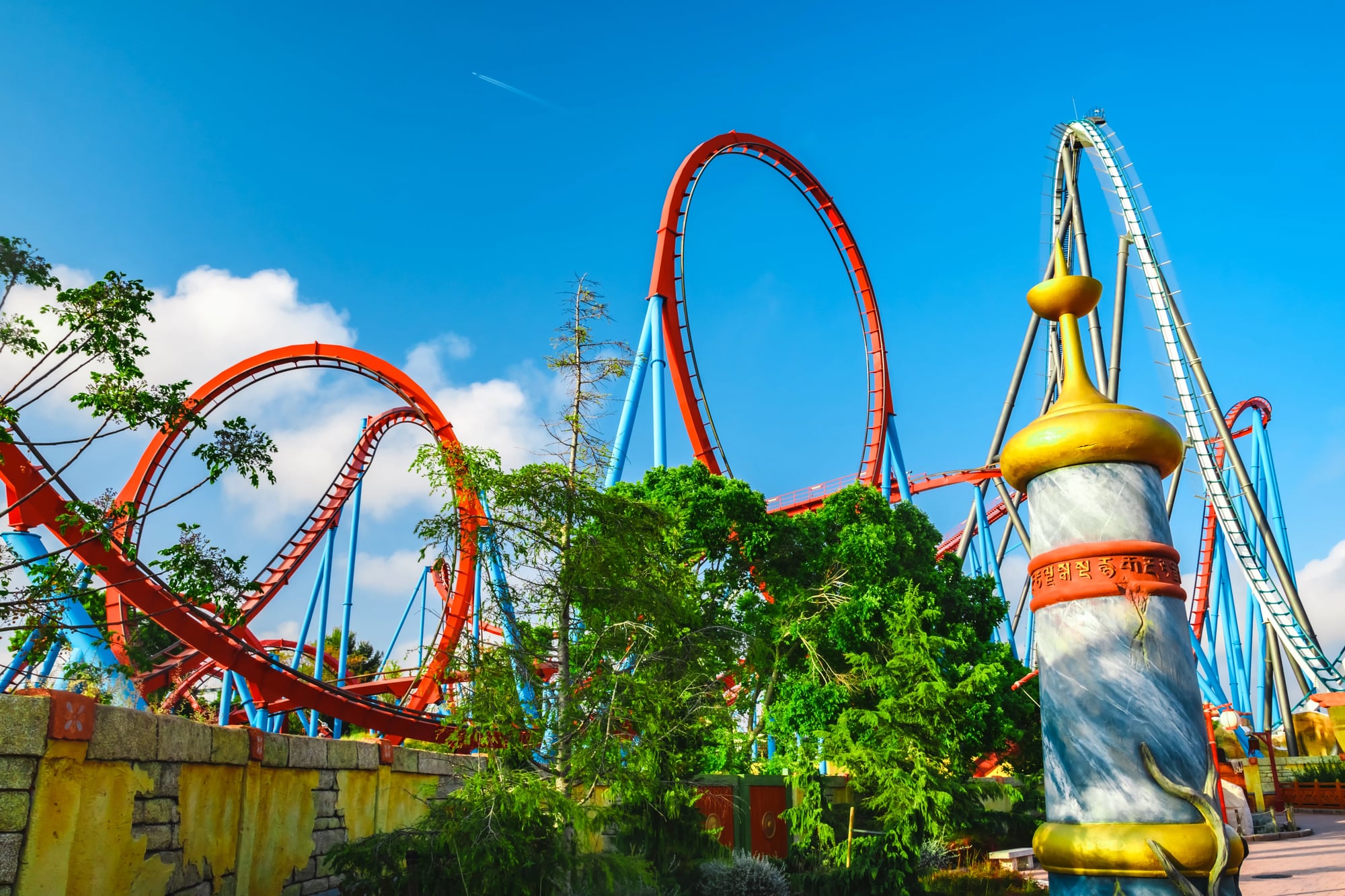
Spain built Red Force to be Europe’s fastest roller coaster, and the result is 112 mph of pure acceleration along the Mediterranean coast.
No tricks, no gimmicks — just speed.
European safety standards are notably different from American ones.
The restraints feel lighter, the experience sharper. Ferrari World isn’t the only place where car manufacturers have opinions about roller coasters.
Dodonpa
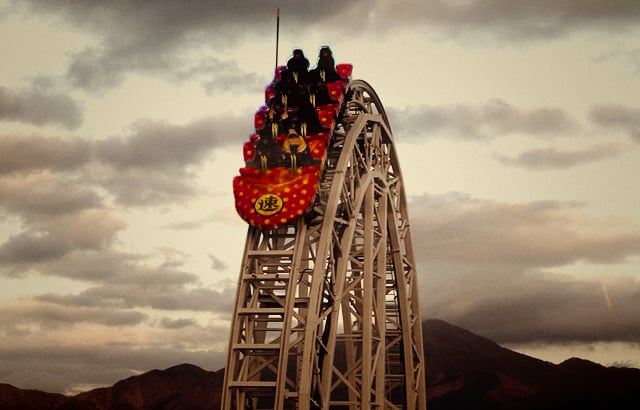
Japanese engineering approaches roller coasters the way it approaches everything else: with precision that borders on obsession and results that make other countries reconsider their methods.
Dodonpa launches riders from zero to 107 mph in 1.56 seconds, which is less time than it takes to read this sentence and approximately how long your rational mind stays intact once the launch begins.
The name comes from Japanese taiko drumming, where “dodonpa” represents the sound of accelerating beats.
Fair enough. The ride feels exactly like being inside a drum that someone is beating with increasing intensity, except the drum is moving at highway speeds through the foothills of Mount Fuji, and instead of drumsticks, physics is doing the beating.
The launch happens so abruptly that riders often report feeling like they left their bodies behind at the starting line — which, biologically speaking, isn’t that far from the truth.
Superman Escape from Krypton
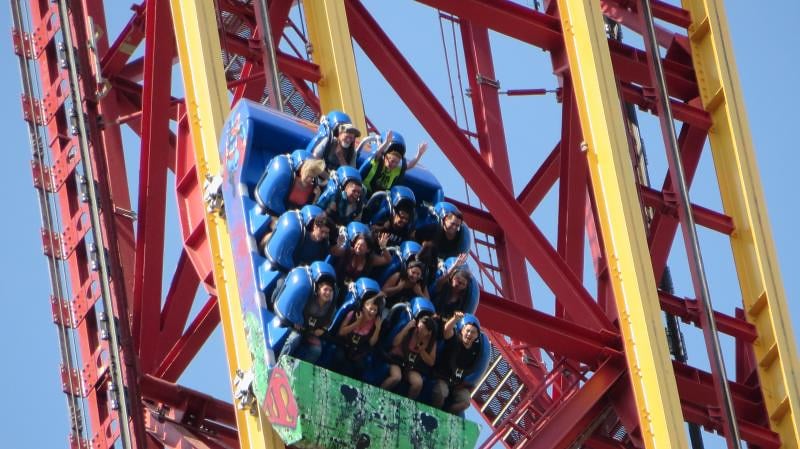
Six Flags built Superman Escape backwards, which turns out to be a stroke of accidental genius because watching the track approach feels manageable in a way that being launched blind into 100 mph does not.
The ride climbs a 415-foot tower at full speed, then drops you face-first toward the earth, which gives Superman’s whole “faster than a speeding bullet” thing some actual context.
The backwards launch means you can’t brace for what’s coming, can’t read the track ahead, can’t prepare your body for the climb or the drop.
It’s roller coaster design as psychological warfare, and it works.
The view from the top lasts exactly long enough for your brain to register how high up you are before gravity takes over with characteristic indifference to human comfort.
Tower of Terror II
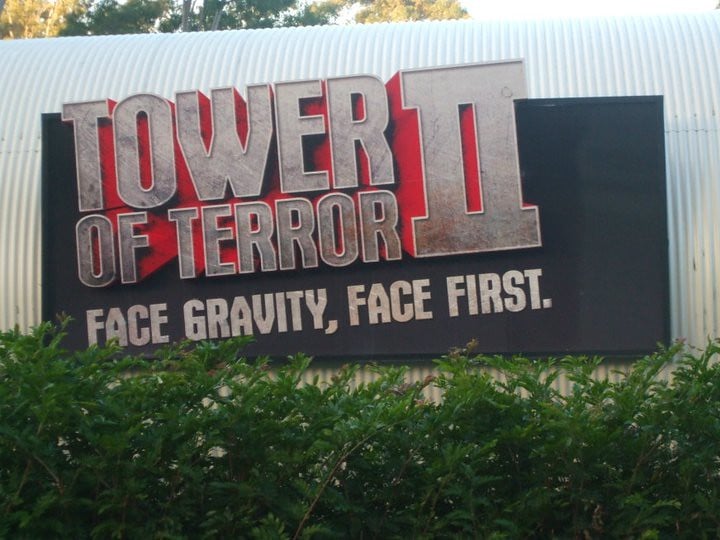
Australia built their version of extreme speed in the middle of Queensland, where Tower of Terror II launches riders backward to 100 mph before shooting them up a 377-foot tower.
The ride lasts 7 seconds, which raises questions about the relationship between intensity and duration that probably don’t have comfortable answers.
The Australian approach to safety feels notably relaxed compared to American standards, which adds an edge to the experience that’s hard to quantify but impossible to ignore.
Maybe it’s the heat, maybe it’s the isolation, or maybe it’s just that Australians have a different relationship with things that can hurt them.
Steel Dragon 2000
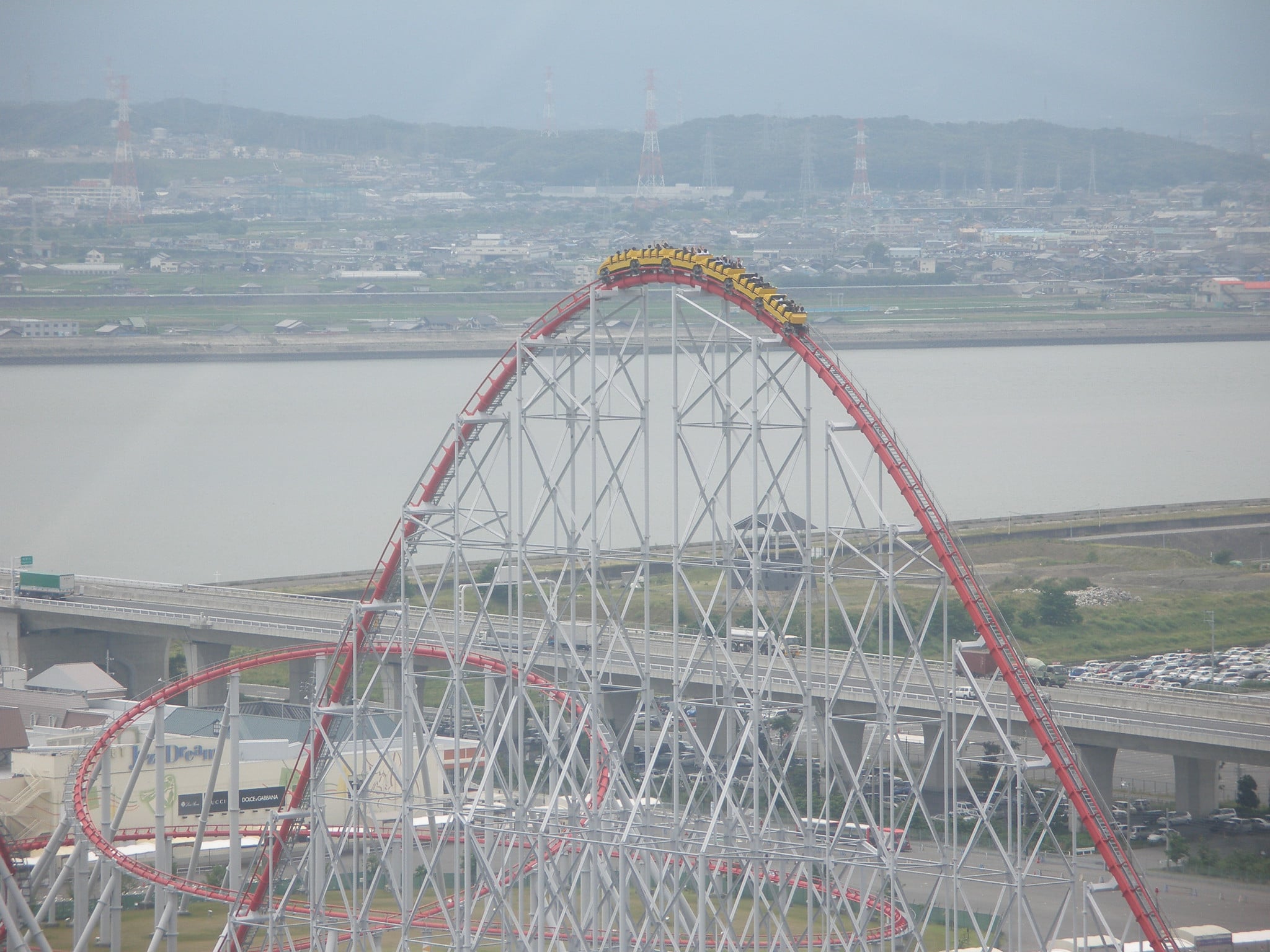
Steel Dragon stretches over 8,000 feet through the Japanese countryside, making it the longest roller coaster in the world, though calling it a single ride feels misleading — it’s more like a high-speed tour of what happens when engineers have unlimited space and a mandate to build something unprecedented.
The track reaches 95 mph somewhere in the middle of its four-minute journey, which is fast enough to feel dangerous but slow enough to appreciate the absurd scale of what you’re experiencing.
The ride cost over $50 million to build, which works out to roughly $6,250 per foot of track.
That’s the kind of money that buys precision engineering and safety systems that can handle forces most roller coasters never encounter.
And yet, sitting in the train as it climbs the first hill, none of that engineering feels reassuring — it just feels like you’re about to move very fast through space for reasons that seemed reasonable when you were standing on solid ground.
Millennium Force
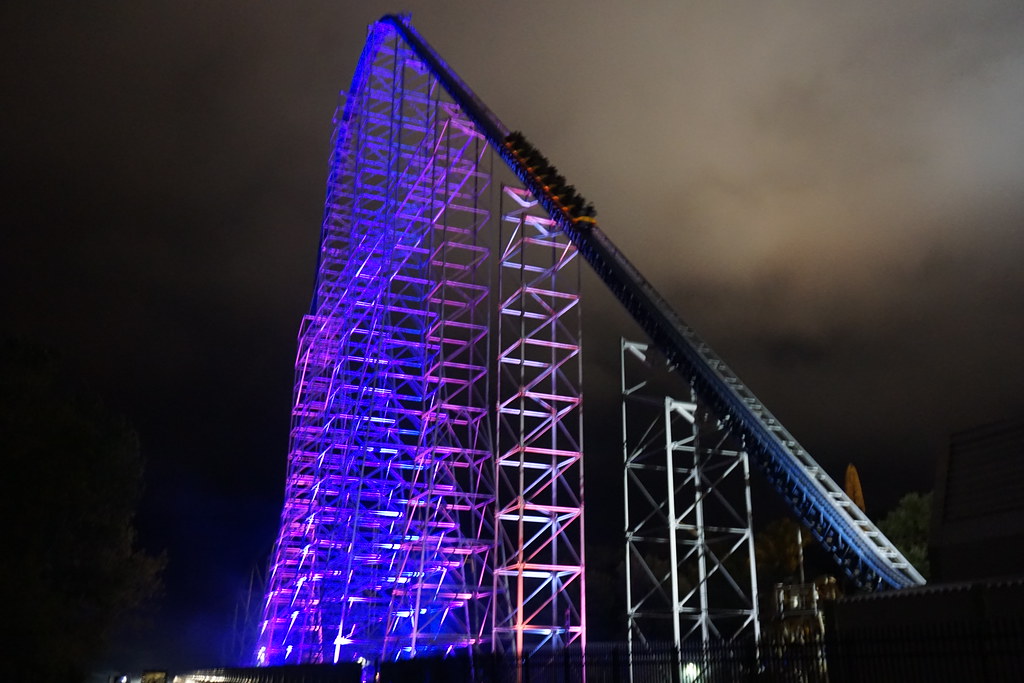
Millennium Force doesn’t launch — it earns its 93 mph through a 300-foot drop that feels less like falling and more like being pulled into the earth by something with serious gravitational opinions.
Cedar Point built this coaster to prove that traditional lift hills could compete with launch systems, and the result is two minutes of sustained speed that feels more natural than the instant acceleration of its competitors.
The ride follows Lake Erie’s shoreline, which means the track curves and dives with the landscape rather than fighting it.
There’s something almost meditative about Millennium Force once you accept the speed — the hills and turns flow together in a rhythm that feels deliberate rather than chaotic, like someone designed a very fast meditation on the relationship between human bodies and sustained motion.
Intimidator 305
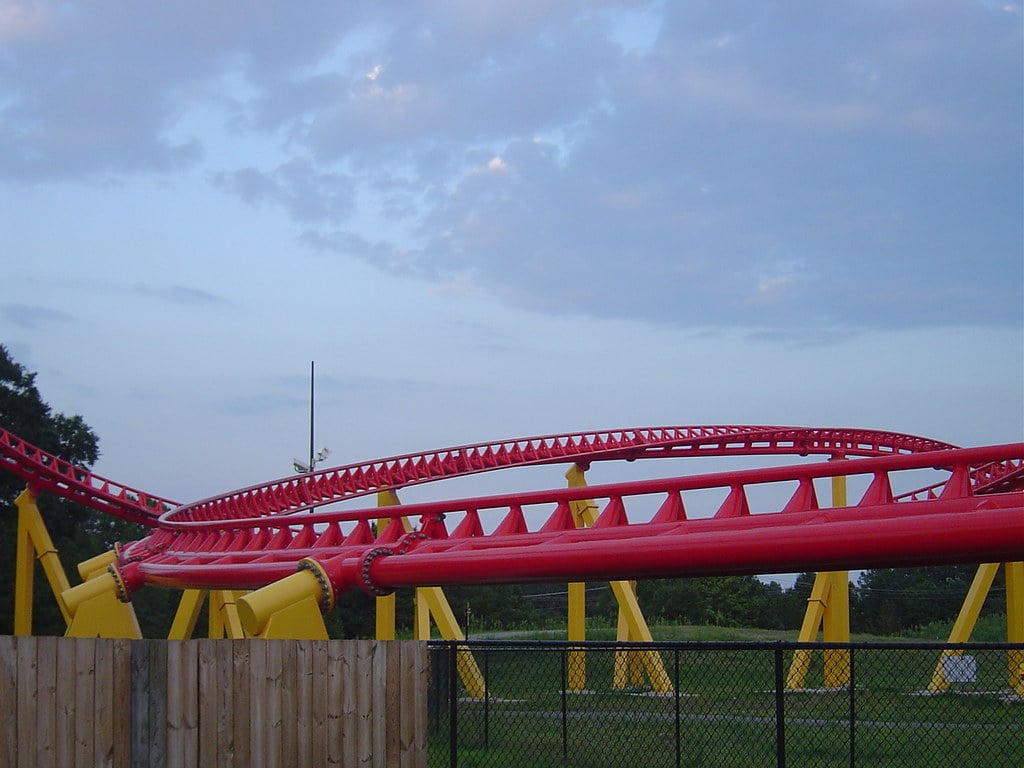
Kings Dominion named this ride after NASCAR driver Dale Earnhardt, and the comparison is more accurate than most theme park marketing would suggest because Intimidator 305 feels less like a roller coaster and more like being strapped to the outside of a race car that’s taking turns at 90 mph.
The first drop generates enough g-force to cause temporary grayout, which is the polite term for what happens when your brain stops receiving adequate blood flow.
The ride’s restraint system consists of a lap bar and the assumption that riders will remain conscious throughout the experience, which turns out to be optimistic.
The combination of speed and sustained positive g-forces creates a physical experience that most people’s bodies aren’t equipped to handle gracefully, and yet the line stays consistently long, which says something about human judgment that probably isn’t flattering.
Fury 325
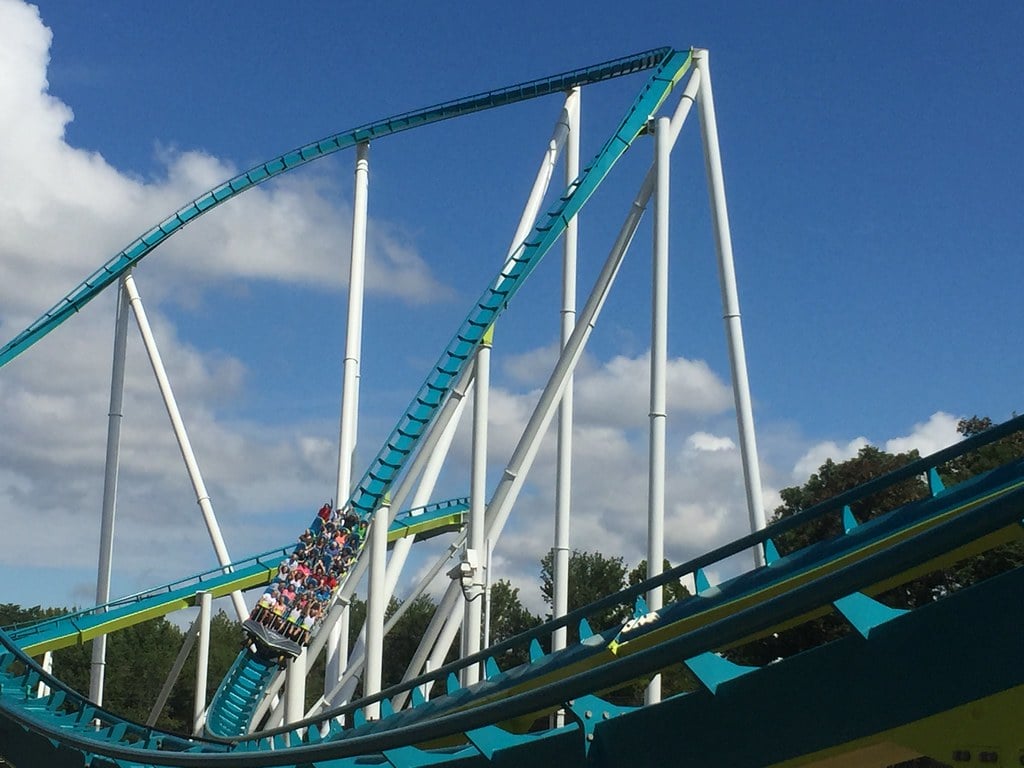
Charlotte’s Fury 325 reaches 95 mph through a series of hills and curves that feel designed by someone who understands that sustained speed is different from brief speed, and that the difference matters more than most people realize.
The ride lasts over three minutes, which is long enough for your body to adjust to the new relationship with velocity and then readjust again when it stops.
The track rises 325 feet above the North Carolina landscape before diving into a series of elements that maintain speed rather than bleeding it off through sharp turns or sudden stops.
It’s roller coaster design as endurance test, and it works precisely because it doesn’t try to shock riders with sudden changes — instead, it asks how long humans can maintain comfort while moving at highway speeds, and then extends that time just past the point where comfort turns into something else entirely.
Leviathan
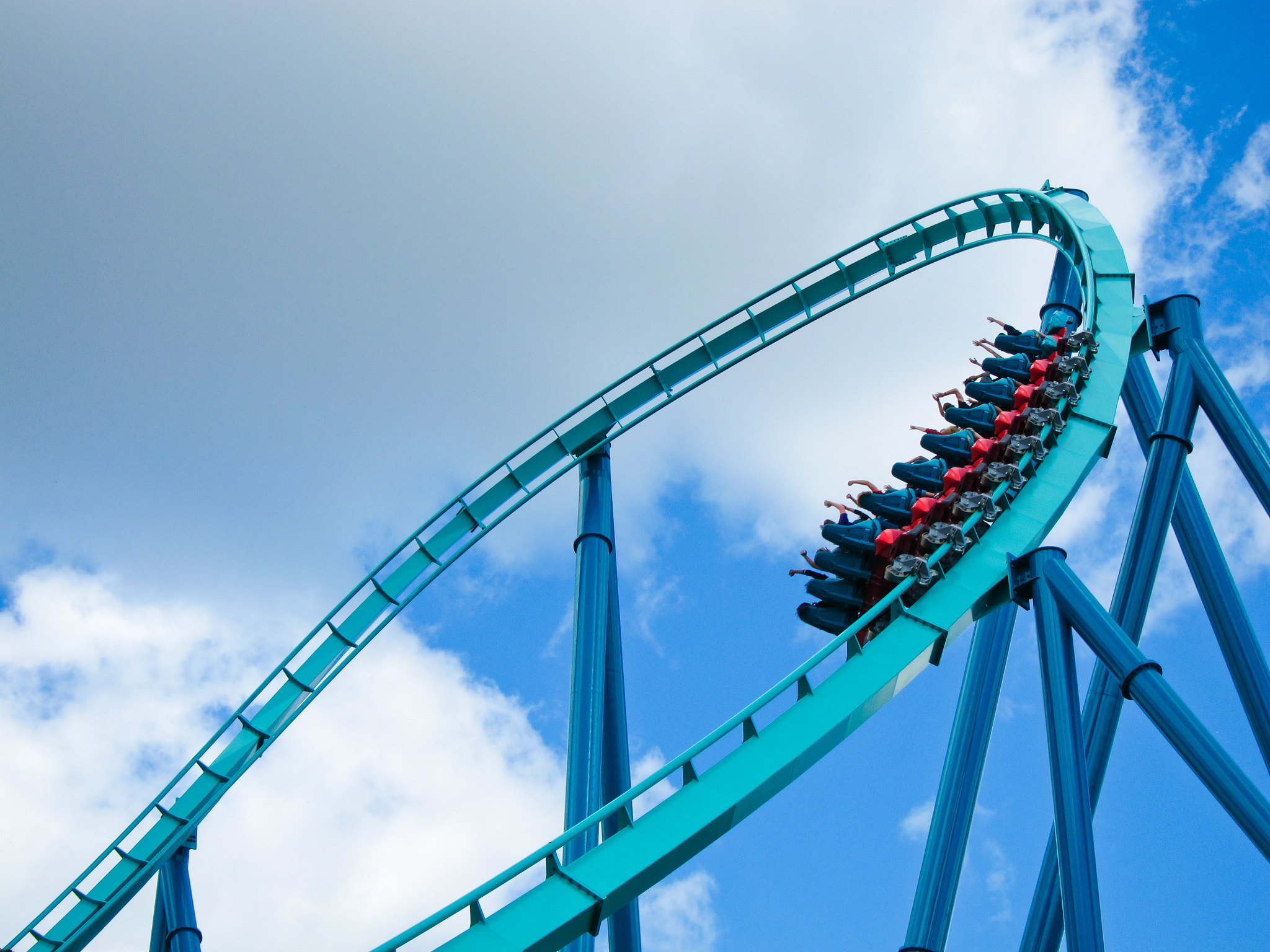
Canada’s approach to extreme roller coasters involves 92 mph of speed stretched across a track that feels designed to showcase the difference between American and Canadian sensibilities, though what that difference actually consists of is harder to pin down than you might expect.
Leviathan’s hills are taller and gentler than most American coasters, its turns wider and more forgiving, which creates an experience that feels fast without feeling punishing.
The ride follows the shore of Lake Ontario, and on clear days the view from the top includes Toronto’s skyline and enough water to remind riders that they’re moving at dangerous speeds above a landscape that continues in all directions beyond the park boundaries.
There’s something about that scale — the lake, the city, the endless track stretching ahead — that makes the speed feel less like a gimmick and more like a legitimate way to experience the world from an angle most people never access.
Skyrush
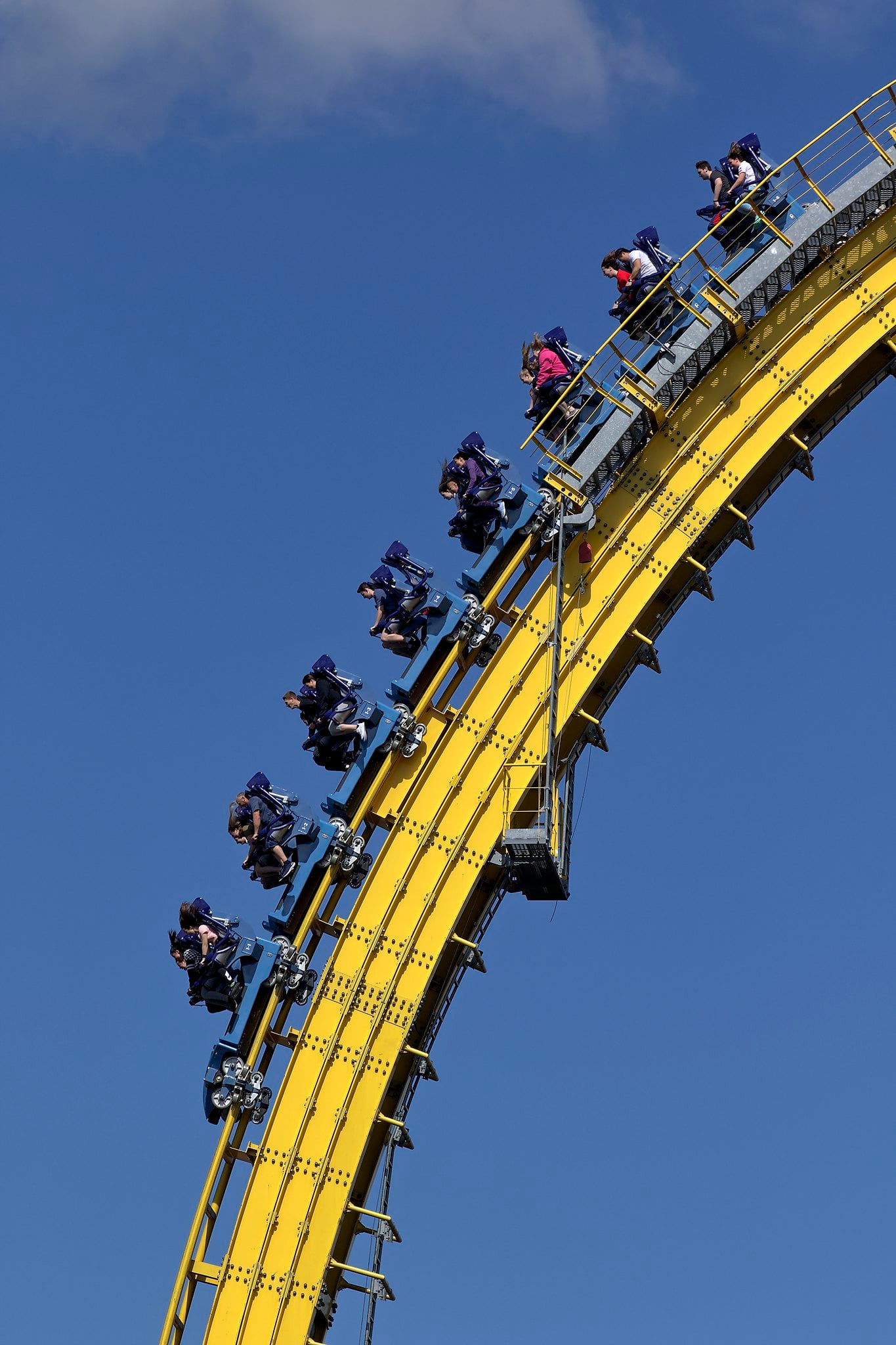
Hersheypark built Skyrush to generate airtime, which is the roller coaster term for moments when riders experience negative g-forces strong enough to lift them out of their seats, except Skyrush generates so much airtime that the restraint system becomes less of a safety feature and more of a reminder that physics has strong opinions about bodies in motion.
The ride reaches 75 mph, which sounds modest until you experience it while being thrown out of your seat over every hill.
The trains hang over the sides of the track rather than riding on top of it, which means riders on the outer seats spend the entire experience suspended over empty air with nothing but a lap bar between them and a 200-foot drop.
It’s the kind of design choice that makes sense on paper and feels utterly unreasonable in practice, which is probably the point.
Goliath
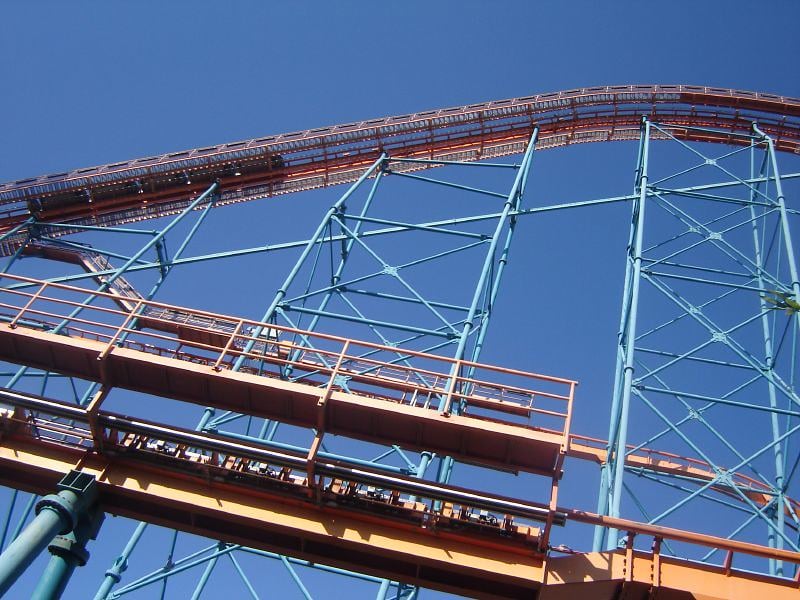
Six Flags Magic Mountain’s Goliath reaches 85 mph through a combination of hills and turns that feel designed by someone who wanted to explore the upper limits of what human bodies can handle without actually crossing into dangerous territory — though where exactly that territory begins remains a matter of some debate among riders who’ve experienced the helix section at full speed.
The ride’s signature element is a spiral that generates sustained positive g-forces strong enough to cause tunnel vision in most riders and complete loss of consciousness in some, which raises questions about the relationship between entertainment and physical stress that don’t have comfortable answers.
The fact that people line up for this experience anyway suggests something about human nature that’s probably worth examining, though not necessarily from the front seat of a roller coaster moving at 85 mph.
When Speed Becomes Something Else Entirely
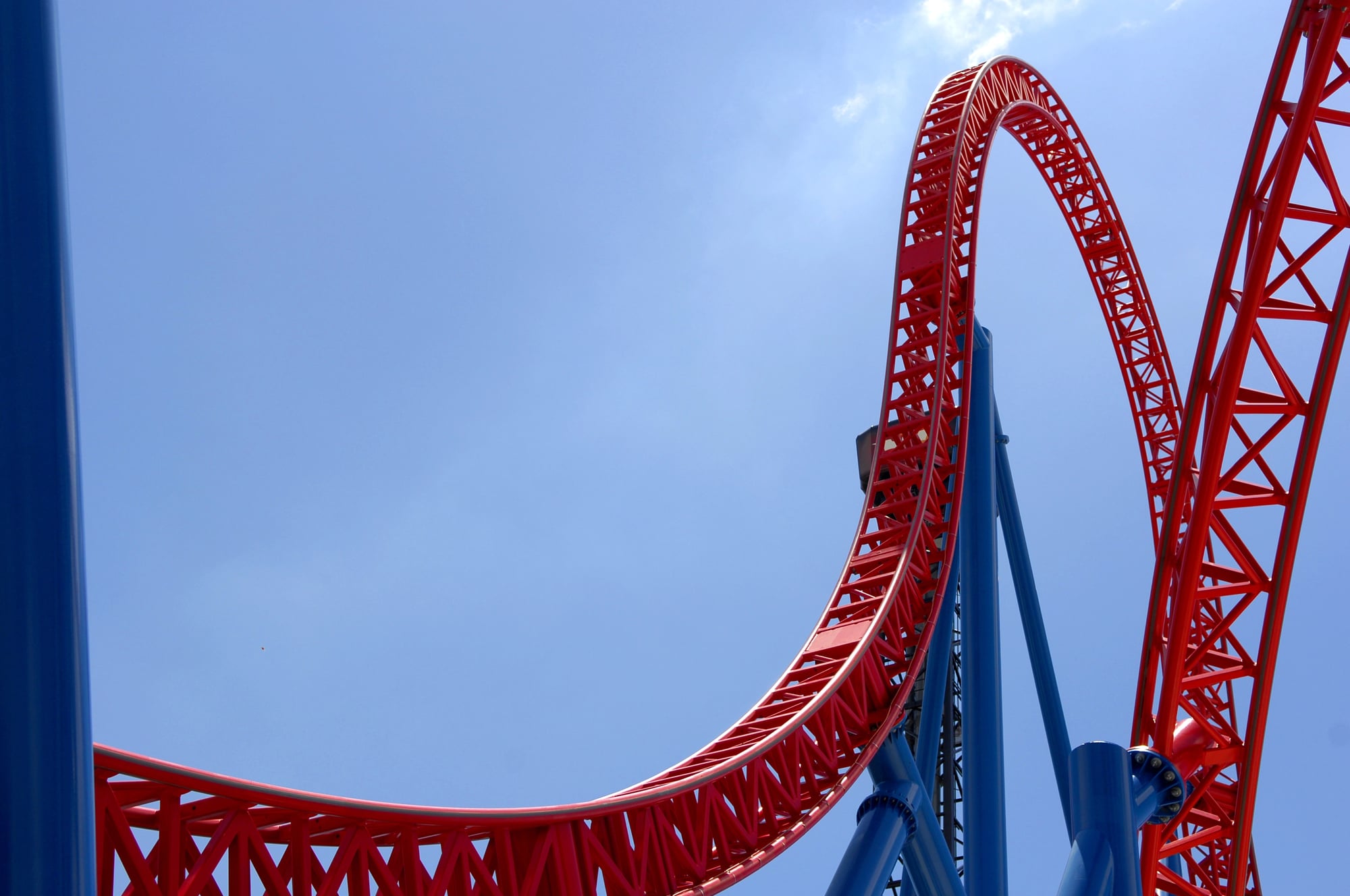
These machines represent the intersection of human curiosity and engineering ambition, built by people who looked at the limits of what bodies can handle and decided those limits were more like suggestions.
Standing in line for any of these rides, watching the trains launch and return with riders whose expressions suggest they’ve just experienced something that doesn’t translate easily into words, the appeal becomes clear: speed this extreme doesn’t just change how you move through space — it changes how space moves around you, and that change feels significant in ways that extend well beyond the few minutes you spend on the track.
More from Go2Tutors!

- The Romanov Crown Jewels and Their Tragic Fate
- 13 Historical Mysteries That Science Still Can’t Solve
- Famous Hoaxes That Fooled the World for Years
- 15 Child Stars with Tragic Adult Lives
- 16 Famous Jewelry Pieces in History
Like Go2Tutors’s content? Follow us on MSN.