17 Famous Ads That Worked Because of Subconscious Messaging
The advertising world has always been a battlefield of creativity and psychological tactics, with the most successful campaigns often working their magic without consumers even realizing why. Behind many iconic advertisements lies the clever use of subconscious messaging—subtle cues that bypass our conscious awareness yet profoundly influence our purchasing decisions.
These hidden persuaders tap into our deepest desires, fears, and aspirations without triggering our mental defenses. Here is a list of 17 famous advertisements that achieved remarkable success through their masterful use of subconscious messaging techniques.
Apple’s “Think Different” Campaign

Apple’s legendary “Think Different” campaign never actually mentioned any product specifications or features. Instead, it associated the brand with visionary figures like Einstein, Gandhi, and Amelia Earhart.
This created a subconscious connection between Apple products and creative genius, making consumers feel they could join this elite group simply by purchasing a Mac. The black and white imagery also evoked a sense of timelessness that elevated the brand above its competitors.
Marlboro Man
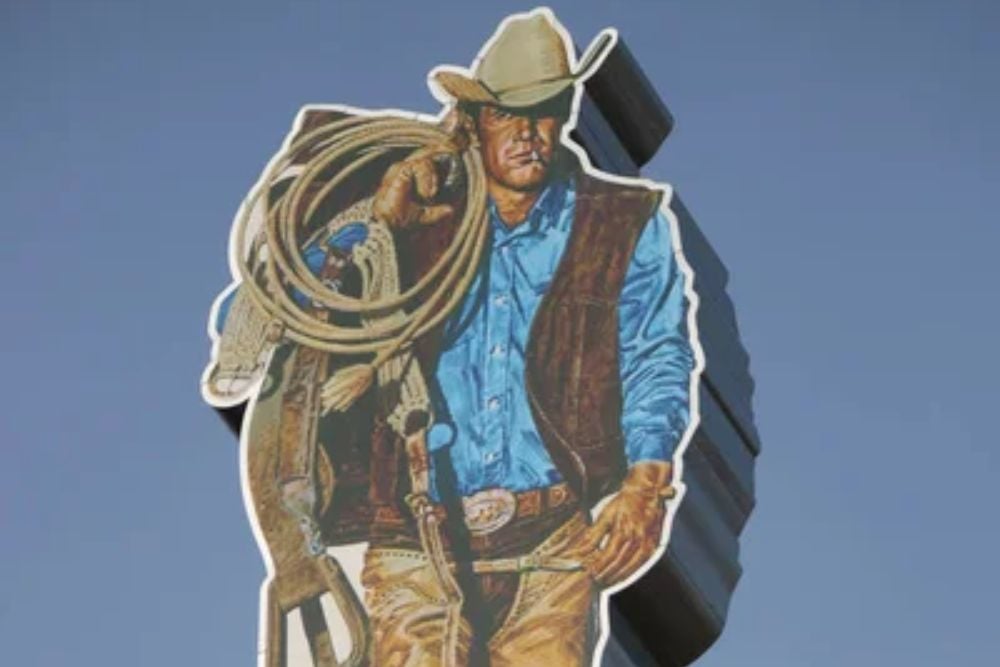
The Marlboro Man transformed a previously feminine-targeted product into an icon of American masculinity. The rugged cowboy imagery tapped into deep-seated masculine ideals of independence, strength, and frontier spirit.
Men weren’t consciously thinking ‘this will make me a cowboy’—they were responding to primal associations with freedom and self-sufficiency. The wide-open landscapes subconsciously suggested a sense of escape from modern constraints.
Coca-Cola’s Contour Bottle

Coca-Cola’s distinctive bottle shape has been carefully maintained since 1915 for good reason. The curvy silhouette subconsciously resembles a female figure, creating a subtle but powerful association with fertility and pleasure.
The physical sensation of holding the curved glass also creates a tactile connection that other containers can’t match. This multisensory approach creates deeper memory encoding than purely visual branding.
FedEx Arrow

The FedEx logo contains a hidden arrow between the ‘E’ and ‘x’ that most viewers don’t consciously notice. This subliminal symbol communicates forward momentum, precision, and reliability without requiring conscious processing.
The brain registers this directional cue subconsciously, reinforcing the company’s promise of moving packages forward efficiently. The simplicity of the design allows this hidden element to work its magic without distraction.
Absolut Vodka Bottle Campaigns

Absolut’s long-running print campaign featuring their distinctive bottle shape in various creative scenarios worked on the principle of subconscious recognition. The campaign rarely showed the actual product—just the distinctive bottle silhouette.
This created a pattern-recognition game that engaged viewers’ brains and built powerful memory associations. The satisfaction of recognizing the bottle became a reward mechanism that reinforced brand recall.
McDonald’s Golden Arches
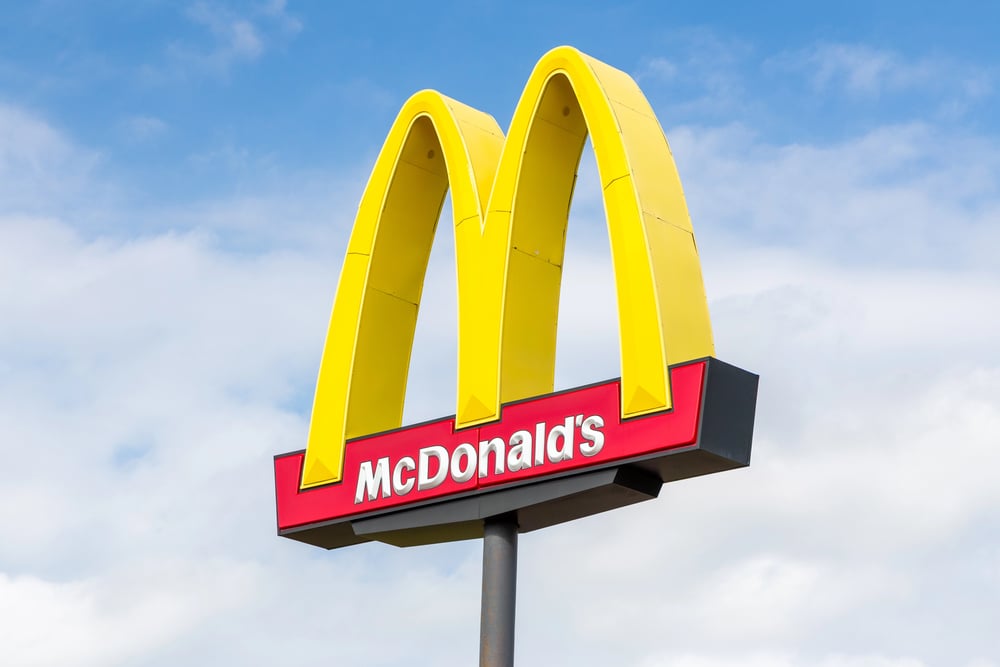
McDonald’s golden arches appeal to several layers of unconscious symbolism. The yellow color is appetizing and produces feelings of happiness, and the arch shape unconsciously reminds one of maternal forms—namely, nourishing breasts.
This evokes comfort associations on a deep evolutionary level. The uniformity of this symbol across the globe means it evokes recognition even in peripheral vision, essentially acting like a hunger cue.
Nike’s “Just Do It”

Nike’s classic strapline acts on the level of challenging the inner resistance that we all possess prior to physical exercise. The slogan ‘Just Do It’ challenges the voice of doubt in the head head-on, and it is a strong spur to overcoming inertia.
Its brevity makes it possible for everybody to apply it to their own circumstances and the imperative mood overlooks rational protests. This inner conversation going on below the level of conscious awareness generates a strong connection with the brand.
Volkswagen “Think Small”

When American cars were all about size and power, Volkswagen’s “Think Small” campaign subverted expectations by embracing the Beetle’s diminutive stature. The minimalist imagery featuring tiny car images surrounded by white space created cognitive dissonance that demanded resolution.
This mental puzzle forced deeper engagement with the ad. The approach also subconsciously positioned Volkswagen owners as independent thinkers who weren’t swayed by typical American consumer values.
De Beers “A Diamond is Forever”
De Beers created one of the most successful marketing campaigns in history by linking diamonds with eternal love. This association tapped into deep fears about mortality and relationship impermanence.
The slogan “A Diamond is Forever” subconsciously suggests that purchasing a diamond ring somehow bestows permanence on a relationship. This emotional insurance policy creates a powerful subconscious motivation far stronger than any practical argument could achieve.
Calvin Klein Controversies
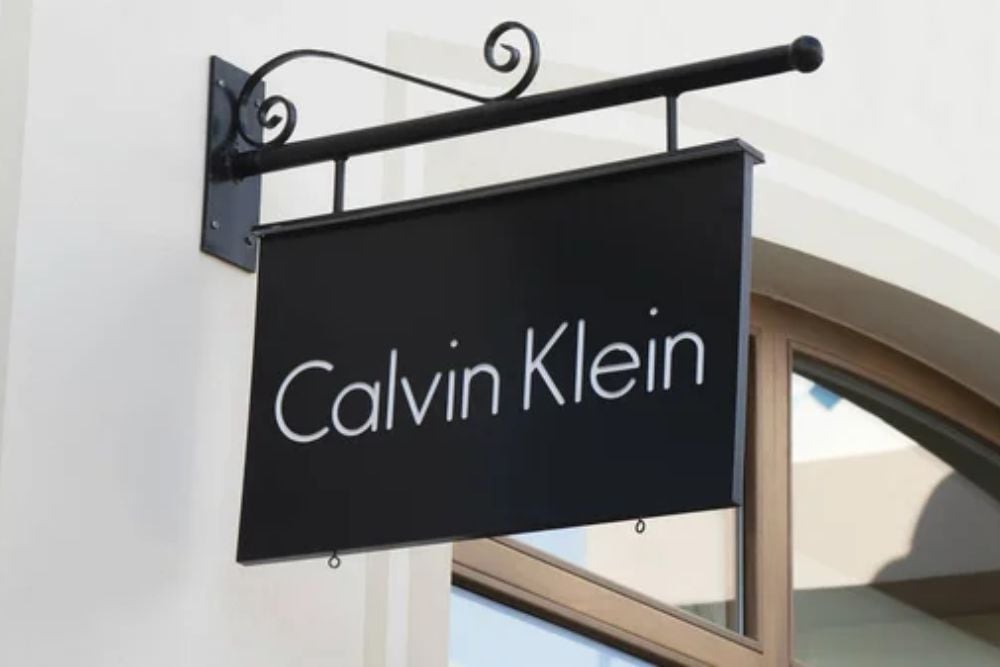
Calvin Klein’s provocative campaigns often generated controversy, but the underlying strategy was brilliant. The taboo imagery created forbidden fruit appeal while the resulting media coverage amplified reach without additional spending.
These ads worked by activating the reticular activating system—the brain’s attention gateway—through sexually charged imagery that bypasses rational thought. The subtle suggestion that wearing the brand would enhance attractiveness operated beneath conscious awareness.
Dos Equis’ “Most Interesting Man”

The “Most Interesting Man in the World” campaign succeeded by leveraging our subconscious desire for status by association. Rather than directly claiming that their beer would make drinkers interesting, the ads created a character so compelling that merely drinking the same beer created a subconscious connection.
The campaign also cleverly used an older spokesman, subconsciously signaling that their beer represented mature sophistication rather than youthful partying.
Got Milk? Campaign

The “Got Milk?” campaign worked by triggering mild anxiety about deprivation. The ads typically showed someone suffering after eating something dry without milk available.
This activated the scarcity principle in our subconscious, making milk seem more valuable by highlighting its absence. The campaign also cleverly positioned milk as the solution to a problem rather than the primary focus, allowing it to piggyback on existing food associations.
Dove’s Real Beauty

Dove’s “Real Beauty” campaign appeared to challenge beauty standards while still subconsciously reinforcing them. The campaign featured women of various body types, yet still within socially acceptable parameters of attractiveness.
This allowed consumers to feel virtuous about supporting body positivity while not challenging deep-seated beauty ideals too drastically. The emotional resonance created brand loyalty operating below conscious awareness.
Corona’s Beach Imagery

Corona’s beach scenes work by creating a powerful state association. The consistent imagery of limes, beaches, and relaxation has conditioned consumers to experience a mild relaxation response merely from seeing the bottle.
This classical conditioning works similarly to Pavlov’s famous experiments, creating a neurological shortcut to positive feelings. The minimalist approach allows viewers to insert themselves into the scene, making it personally relevant.
Chanel No. 5 and Marilyn Monroe

When Marilyn Monroe famously claimed she wore “nothing but Chanel No. 5 to bed,” she created one of the most powerful subconscious associations in advertising history. This casual remark linked the fragrance with intimacy, femininity, and seduction more effectively than any formal advertisement could have done.
The perfume instantly became a totem of feminine allure operating on a subconscious level that direct marketing couldn’t access.
Old Spice Man

The Old Spice Man campaign worked by using humor to bypass rational resistance while simultaneously leveraging attractive male imagery. The absurdist approach created pattern interrupts that captured attention, while the direct address to female viewers acknowledged their influence on male purchasing decisions.
This multi-layered approach created a social contagion effect that spawned countless parodies, extending reach far beyond paid media.
Amazon’s Arrow/Smile

Amazon’s logo contains a smile that connects the letters ‘A’ and ‘Z’, subtly reinforcing their promise to provide everything from A to Z. This directional arrow/smile creates positive emotional associations while suggesting forward movement and comprehensiveness.
The simplicity allows this symbol to work effectively even at small sizes across multiple platforms. The slight curve triggers facial recognition patterns in our brains, activating mirror neurons that generate mild positive feelings.
The Power Behind the Message
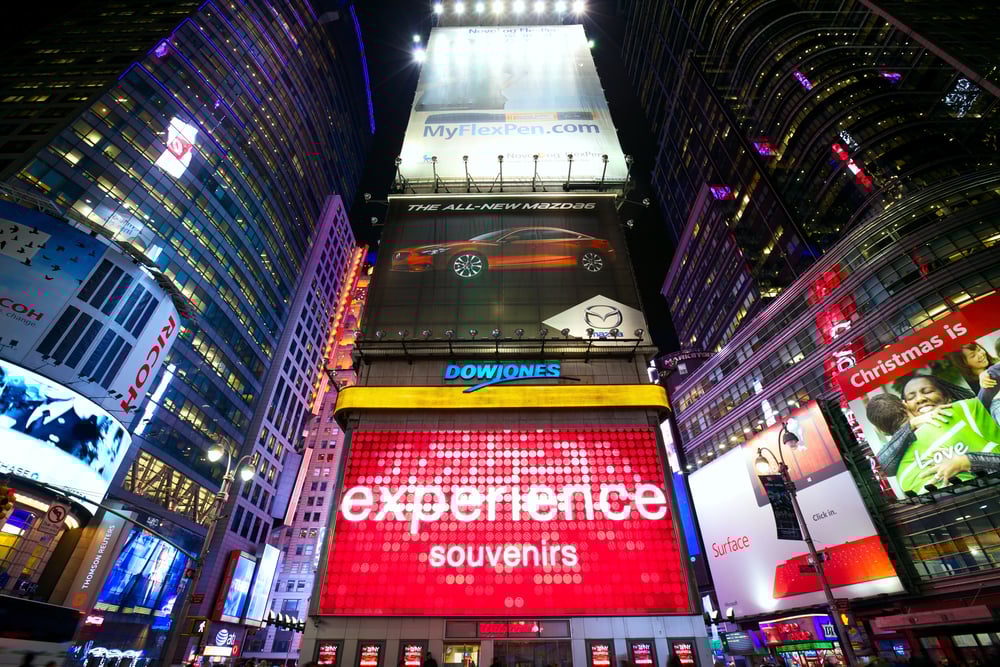
The remarkable success of these advertising campaigns reveals the sophisticated understanding of human psychology that drives modern marketing. These strategies don’t rely on rational arguments or product specifications but instead tap into our emotions, identity, and unconscious associations. Their effectiveness demonstrates that what we think we want often has little to do with the subconscious forces actually driving our decisions.
The next time you find yourself inexplicably drawn to a particular brand or product, take a moment to consider what subconscious levers might be at work beneath your awareness. These famous examples show that the most powerful persuasion often happens when we don’t even realize we’re being persuaded.
More from Go2Tutors!

- The Romanov Crown Jewels and Their Tragic Fate
- 13 Historical Mysteries That Science Still Can’t Solve
- Famous Hoaxes That Fooled the World for Years
- 15 Child Stars with Tragic Adult Lives
- 16 Famous Jewelry Pieces in History
Like Go2Tutors’s content? Follow us on MSN.