Strange Jobs Inside the White House
The White House isn’t just home to the President and a few advisors. Behind those famous columns and pristine lawns, there’s a small army of people doing jobs that most Americans never think about.
Some of these positions have been around for decades, while others are surprisingly modern additions to the executive mansion’s roster. The roles filled inside 1600 Pennsylvania Avenue go far beyond what you’d expect.
Let’s look at some of the most unusual positions that keep America’s most famous residence running.
Chief calligrapher

Someone has to write all those fancy invitations, place cards, and official certificates that come out of the White House. The chief calligrapher heads a small team that hand-letters thousands of documents each year using traditional pens and ink.
This office has existed since the 1800s, and the current setup includes digital design work alongside the classic handwritten pieces. During the holiday season, the calligraphy office goes into overdrive, creating personalized cards for foreign dignitaries and special guests.
It’s a job that requires steady hands, artistic talent, and the ability to work under serious time pressure.
Chocolate curator

The White House pastry kitchen employs someone whose main responsibility involves working with chocolate for state dinners and special events. This person doesn’t just melt chocolate bars from the store.
They create elaborate sculptures, design custom molds, and develop recipes that represent American cuisine on the world stage. The position requires expertise in tempering, sculpting, and understanding how chocolate behaves in different temperatures and humidity levels.
Past creations have included life-sized chocolate replicas of the White House and intricate dessert centerpieces that took days to complete.
Chief floral designer

Fresh flowers appear throughout the White House every single day, and someone has to plan, arrange, and maintain all of them. The chief floral designer oversees a team that creates everything from small arrangements for the Oval Office to massive displays for state dinners.
They work with American-grown flowers whenever possible and design arrangements that reflect the season, the occasion, and sometimes even the home country of visiting dignitaries. This role demands knowledge of horticulture, design principles, and diplomatic protocol.
The team also decorates the White House for holidays, transforming the building into a showpiece that thousands of tourists will see.
Curator of the White House collection
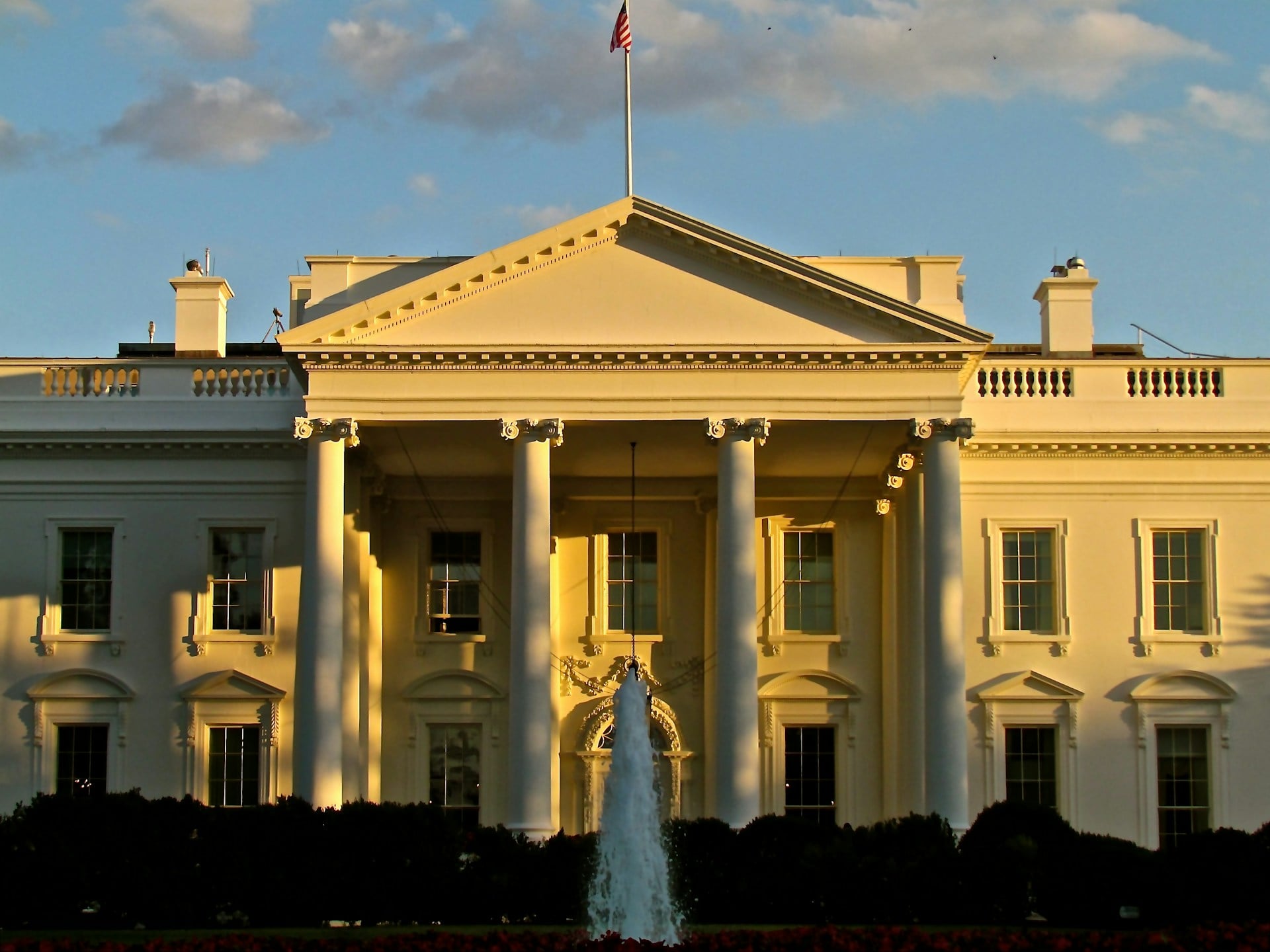
The executive mansion functions as both a home and a museum, and someone needs to care for its historical artifacts. The curator manages more than 60,000 objects, including furniture, paintings, and decorative items that span American history.
This person decides which pieces get displayed where, oversees conservation efforts, and researches the provenance of items in the collection. They also work with First Families to help them understand the historical significance of the rooms they’re living in.
It’s part historian, part art expert, and part diplomat, since every decorating decision can carry political meaning.
Social secretary

Planning parties might sound simple until you’re organizing events for hundreds of guests with complex security clearances and diplomatic protocols to follow. The social secretary coordinates every public event at the White House, from small teas to massive state dinners.
They manage guest lists, work with the kitchen on menus, coordinate with the Secret Service, and ensure that every detail reflects well on the President. One wrong seating assignment could create an international incident, so this person needs exceptional organizational skills and cultural awareness.
The role has been around since 1901, when President Theodore Roosevelt’s wife created the position.
Chief usher
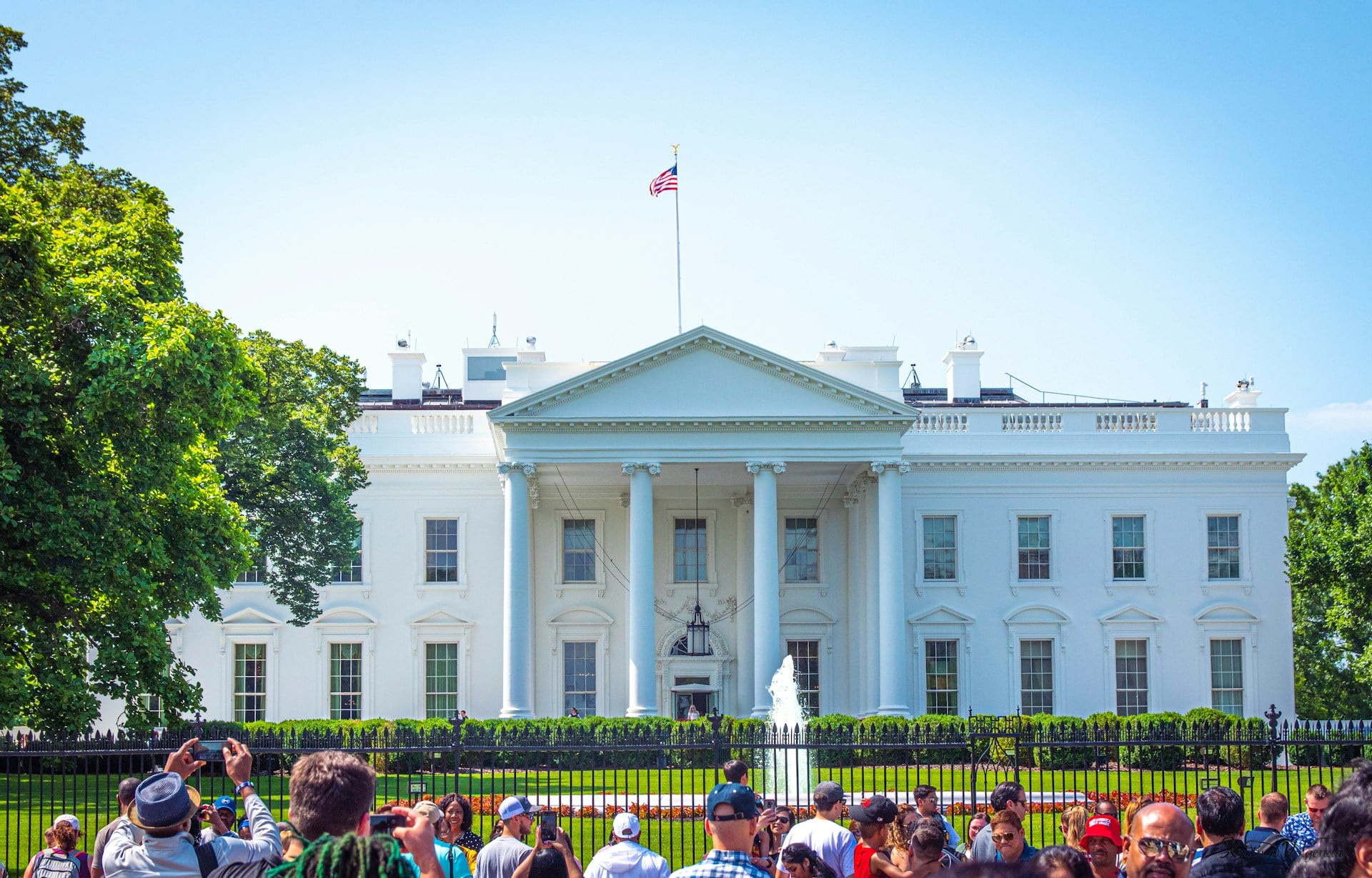
This person runs the entire household operation of the White House, managing a staff of nearly 100 people. The chief usher oversees maintenance, coordinates schedules, manages budgets, and ensures that everything from lightbulbs to state dinners runs smoothly.
They’re often the first person a new First Family meets when moving in, and they help with everything from furniture placement to understanding which rooms serve which purposes. Despite the title ‘usher,’ this is actually the general manager of a complex organization that operates 24 hours a day.
The position requires skills in management, diplomacy, and crisis response, since something always needs fixing in a building this old and this busy.
Chief of staff for the First Lady
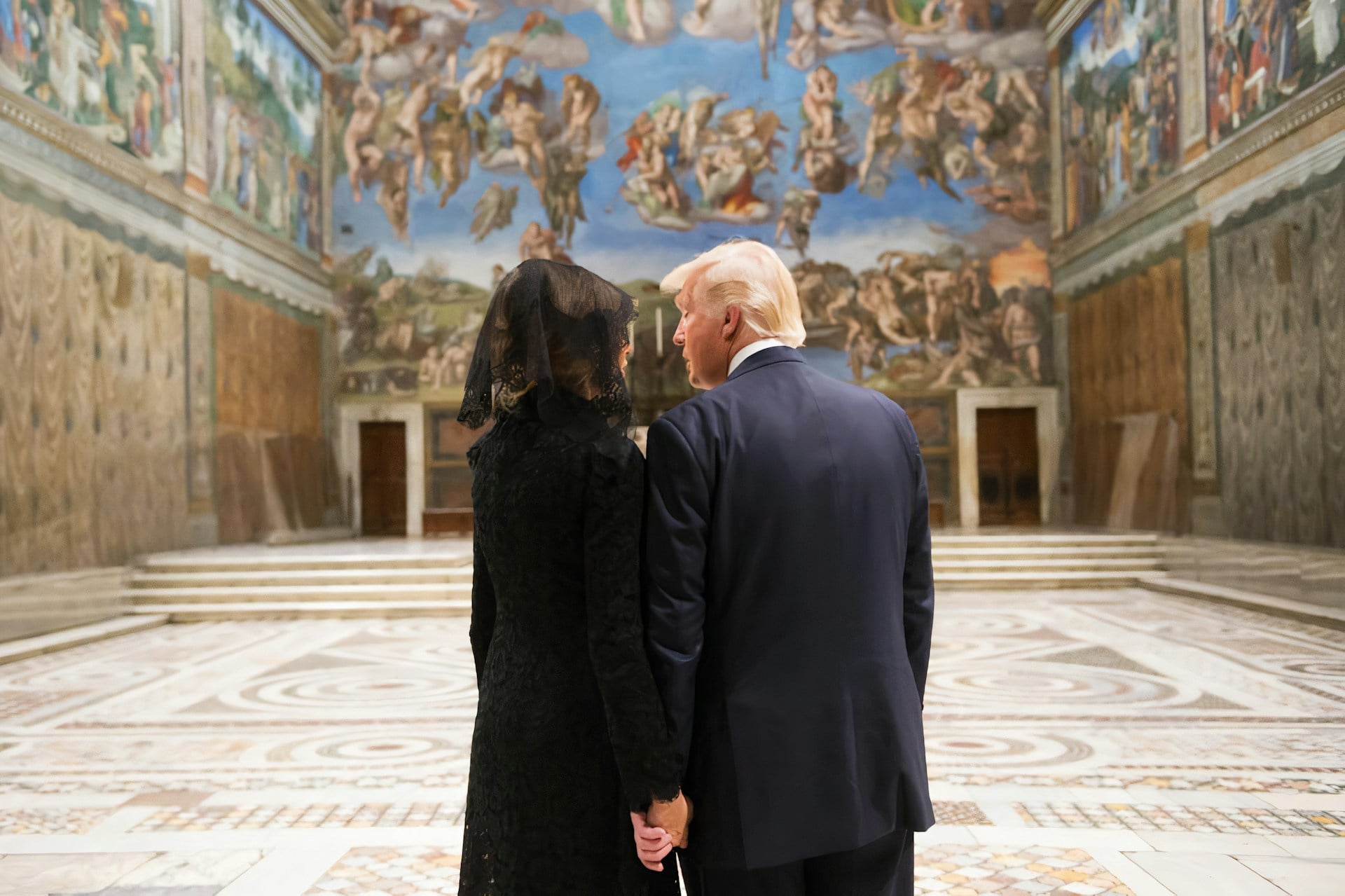
The President’s spouse needs their own team, and someone has to lead it. This chief of staff manages the First Lady’s schedule, oversees her policy initiatives, handles her correspondence, and coordinates with the President’s staff.
The role has grown significantly over the decades as First Ladies have taken on more public responsibilities and advocacy work. This person needs to understand both politics and protocol while helping to shape the First Lady’s public image.
They also serve as a buffer between the First Lady’s office and the rest of the White House operation.
Director of the White House Military Office
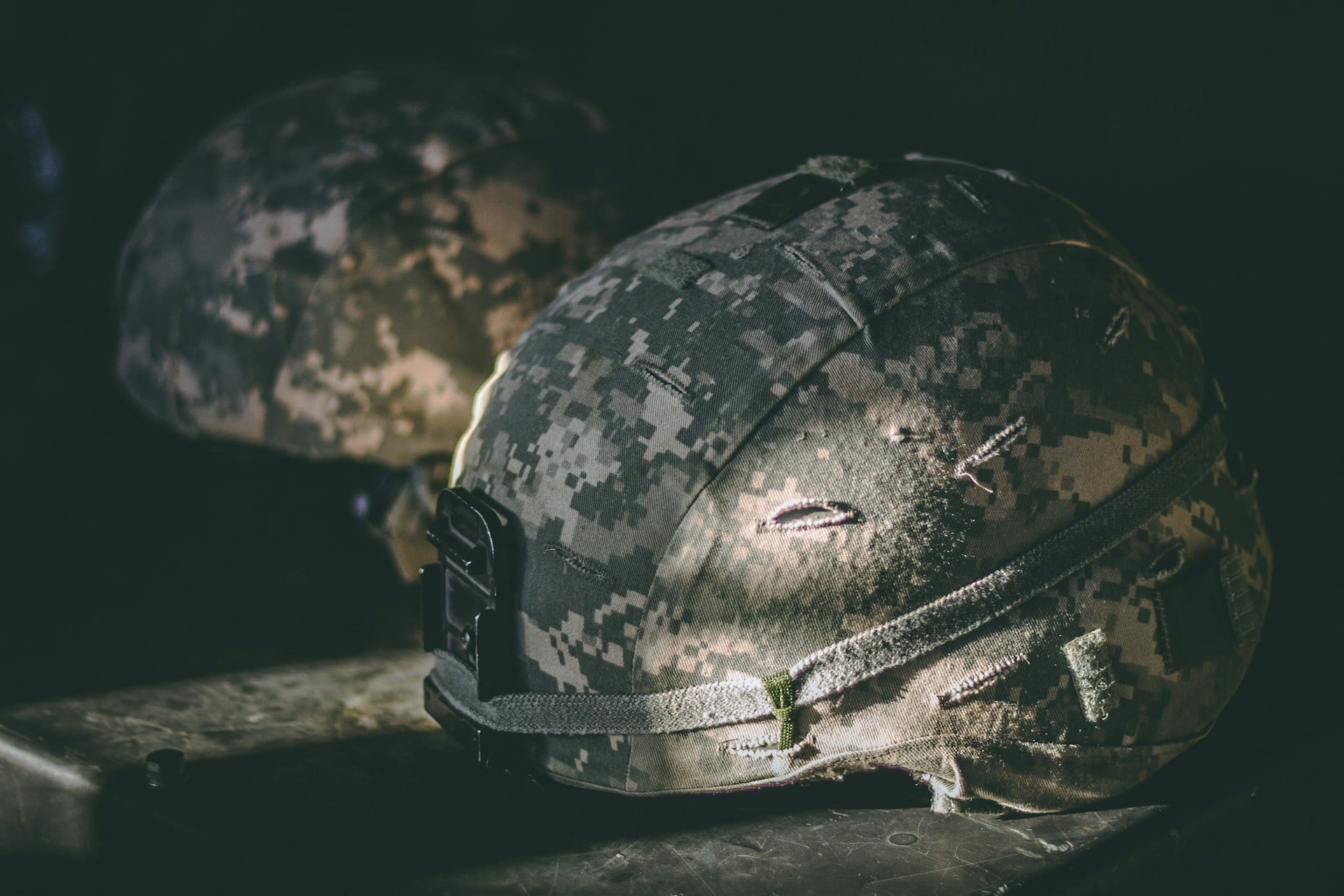
A military officer runs the complex operation that supports the President’s travel, communication, and emergency response needs. This office manages Air Force One, Marine One, the White House Communications Agency, and the nuclear football that follows the President everywhere.
The director coordinates with multiple branches of the military and ensures that the Commander in Chief has instant access to secure communications at all times. This job combines military expertise with logistical planning on a scale that few other positions require.
The office also handles Camp David operations and presidential retreats.
White House photographer

Someone follows the President around all day with a camera, documenting everything from private moments to major historical events. The official White House photographer captures thousands of images each week, creating a visual record of the administration.
This person needs security clearance to be present in sensitive meetings and must have the technical skills to work in any lighting condition. The photographs become part of the National Archives and serve as primary source material for historians.
Past photographers have described the job as both exhausting and incredibly meaningful, since they’re witnessing history firsthand.
Executive pastry chef
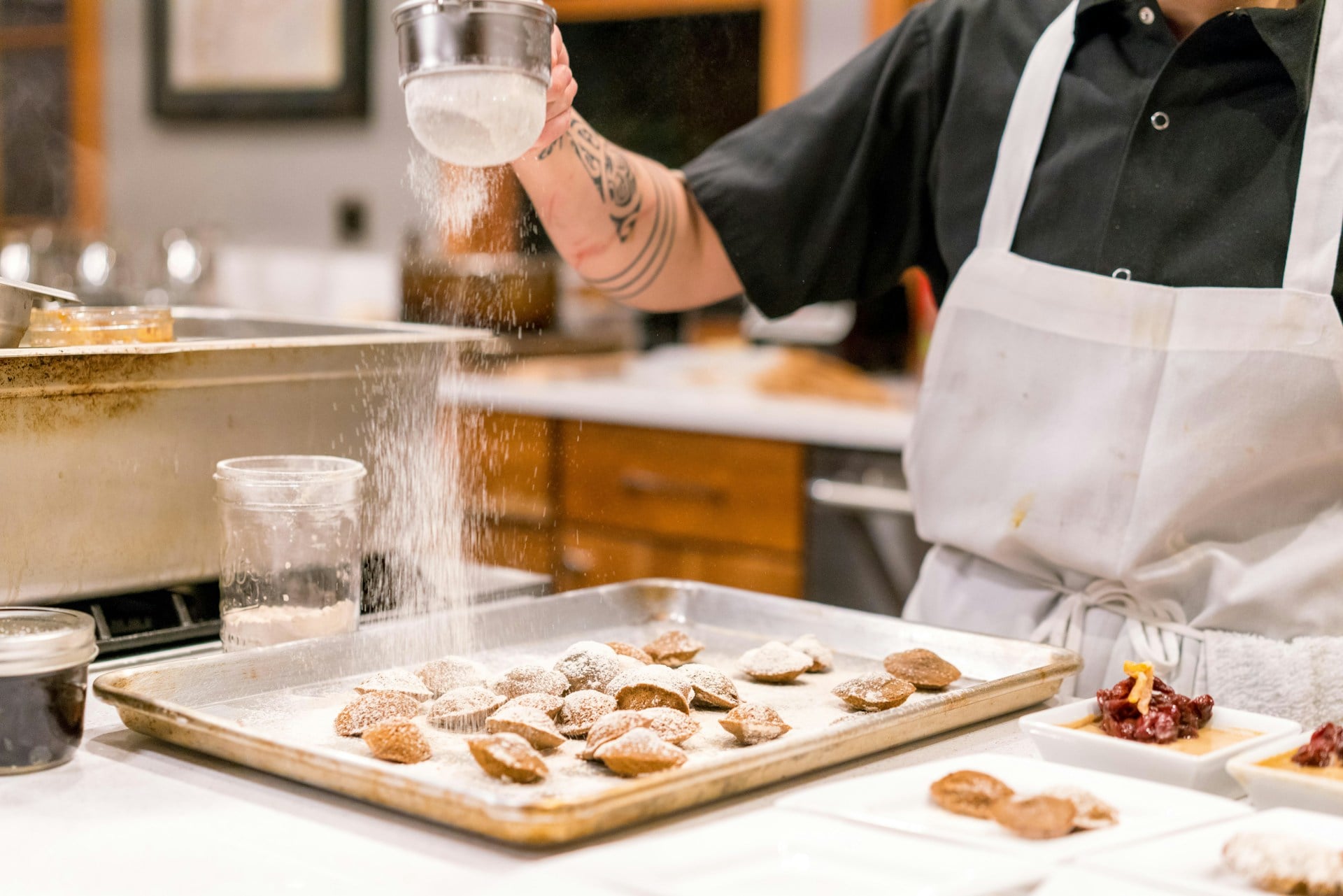
Separate from the main kitchen, a pastry chef focuses exclusively on desserts, bread, and baked goods for the White House. This person creates everything from the President’s birthday cake to elaborate sugar sculptures for state dinners.
They need to accommodate dietary restrictions, work with seasonal ingredients, and sometimes create desserts that make diplomatic statements through their design. The pastry kitchen operates independently but coordinates closely with the executive chef.
This position has produced some of the most photographed desserts in America, including the annual gingerbread White House that appears each holiday season.
Grounds superintendent
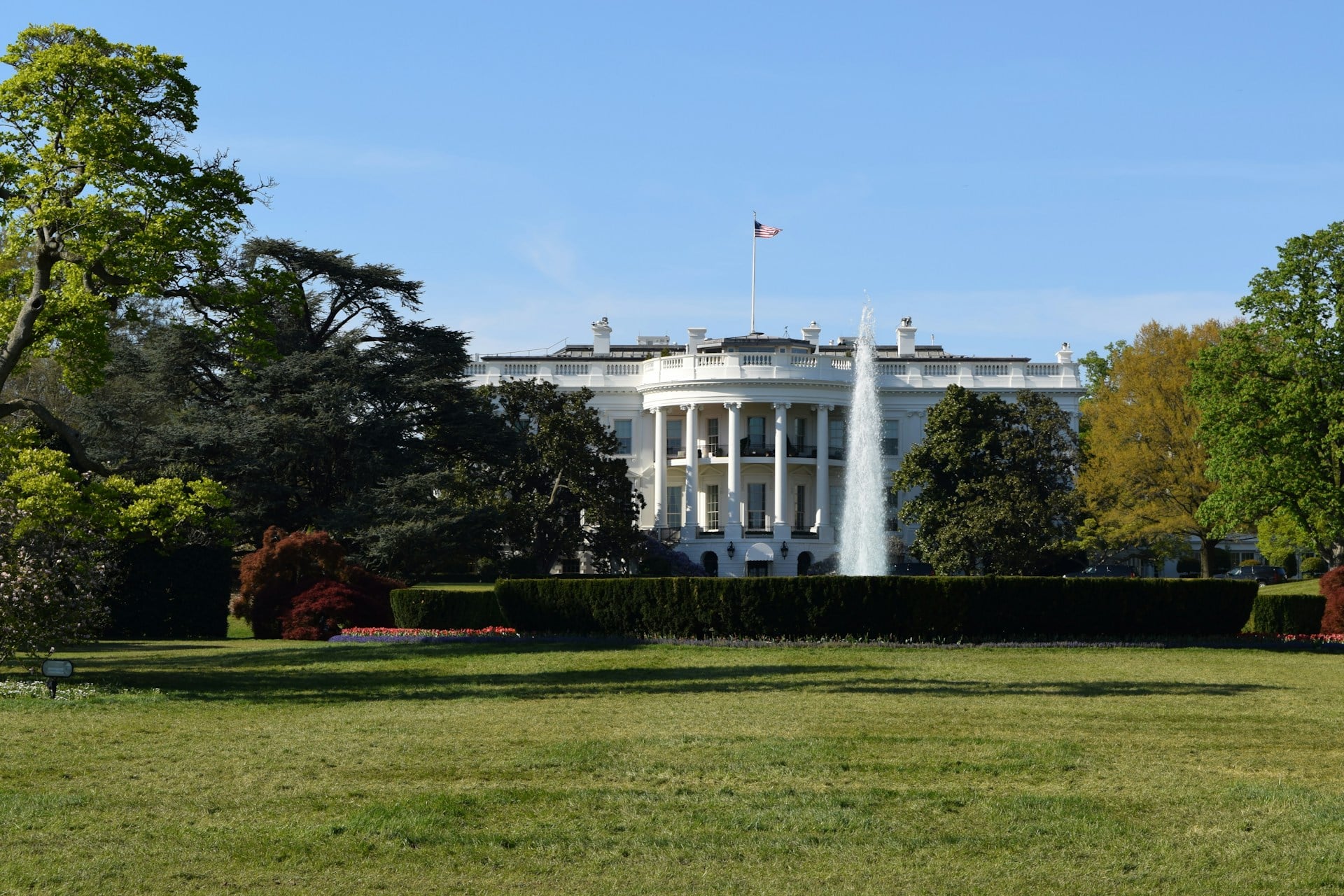
The 18 acres surrounding the White House need constant care, and someone oversees the team of gardeners who maintain them. The grounds superintendent manages everything from the famous Rose Garden to the vegetable garden that Michelle Obama established.
This person plans seasonal plantings, maintains historic trees, and ensures that the lawn looks perfect for photographs and events. They also work with the Secret Service to balance aesthetics with security needs.
The role requires expertise in horticulture, landscape design, and historical preservation, since some of the trees on the property are more than a century old.
White House operations manager
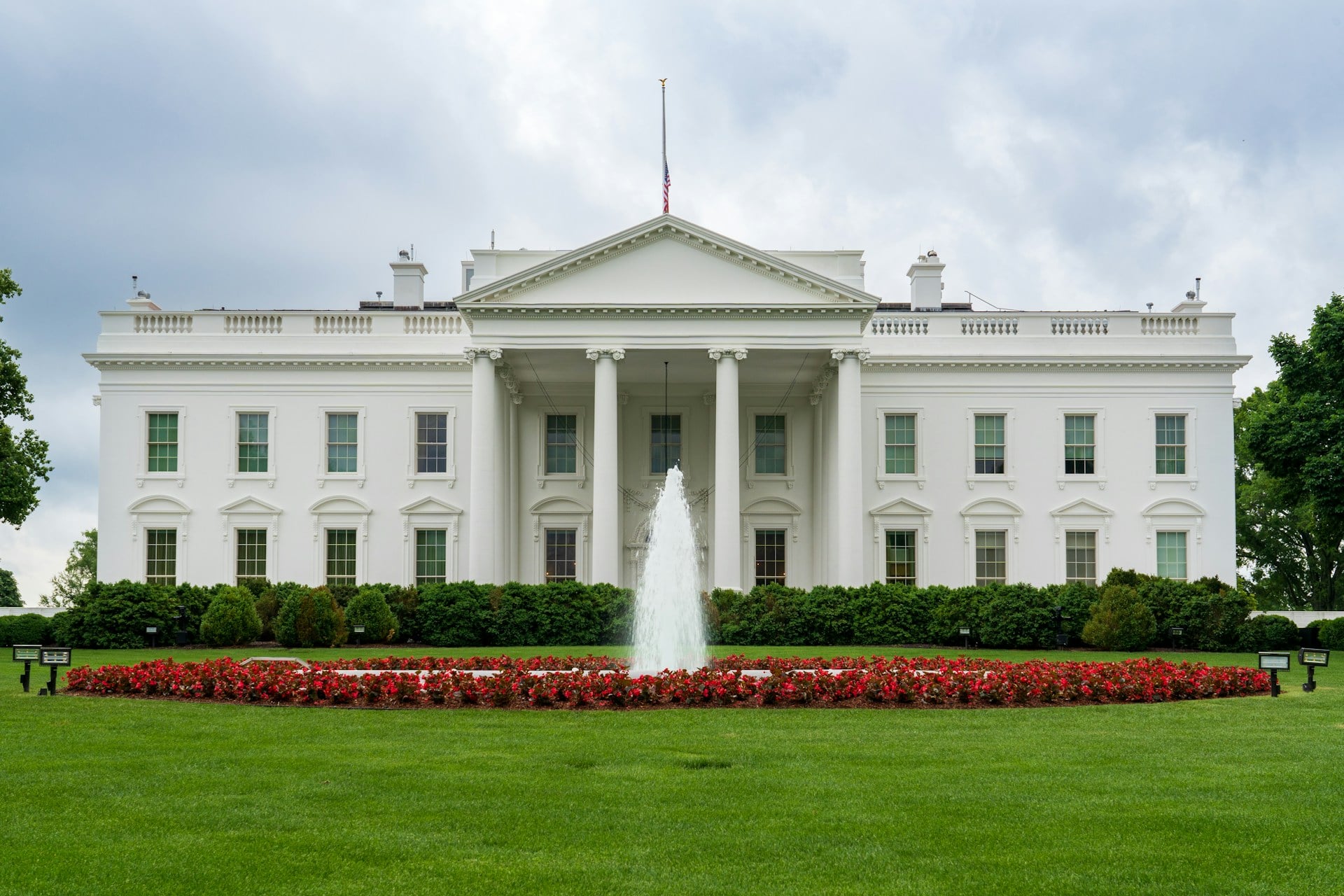
Behind the scenes, someone coordinates the daily logistics that keep the building functioning. The operations manager handles everything from scheduling maintenance to coordinating deliveries to ensuring that staff members have the resources they need.
This person works with outside vendors, manages supply chains, and solves problems that range from broken air conditioning to last-minute event changes. They need to think several steps ahead and maintain backup plans for everything.
The job requires a unique combination of hospitality management, facility operations, and crisis management skills.
Director of press advance
Before the President appears anywhere, someone has to figure out the logistics of how the media will cover it. The director of press advance scouts locations, coordinates with local officials, arranges for camera platforms and press filing centers, and ensures that journalists can do their jobs while the President does his.
This person travels constantly and works under tight deadlines to set up press operations for events that might only last a few minutes. They need to understand both journalism and security protocols.
The role has become increasingly complex as media technology has evolved and the number of credentialed journalists has grown.
White House curator of digital assets
In the modern era, someone manages the White House’s digital presence and archives electronic records. This relatively new position ensures that emails, social media posts, photographs, and other digital materials are properly preserved according to the Presidential Records Act.
The digital curator works with IT staff, communications teams, and archivists to create systems that capture everything for historical preservation. They also help develop policies about what gets saved and how it gets organized.
This job combines archival expertise with technical knowledge and an understanding of constantly evolving platforms.
Chief electrician
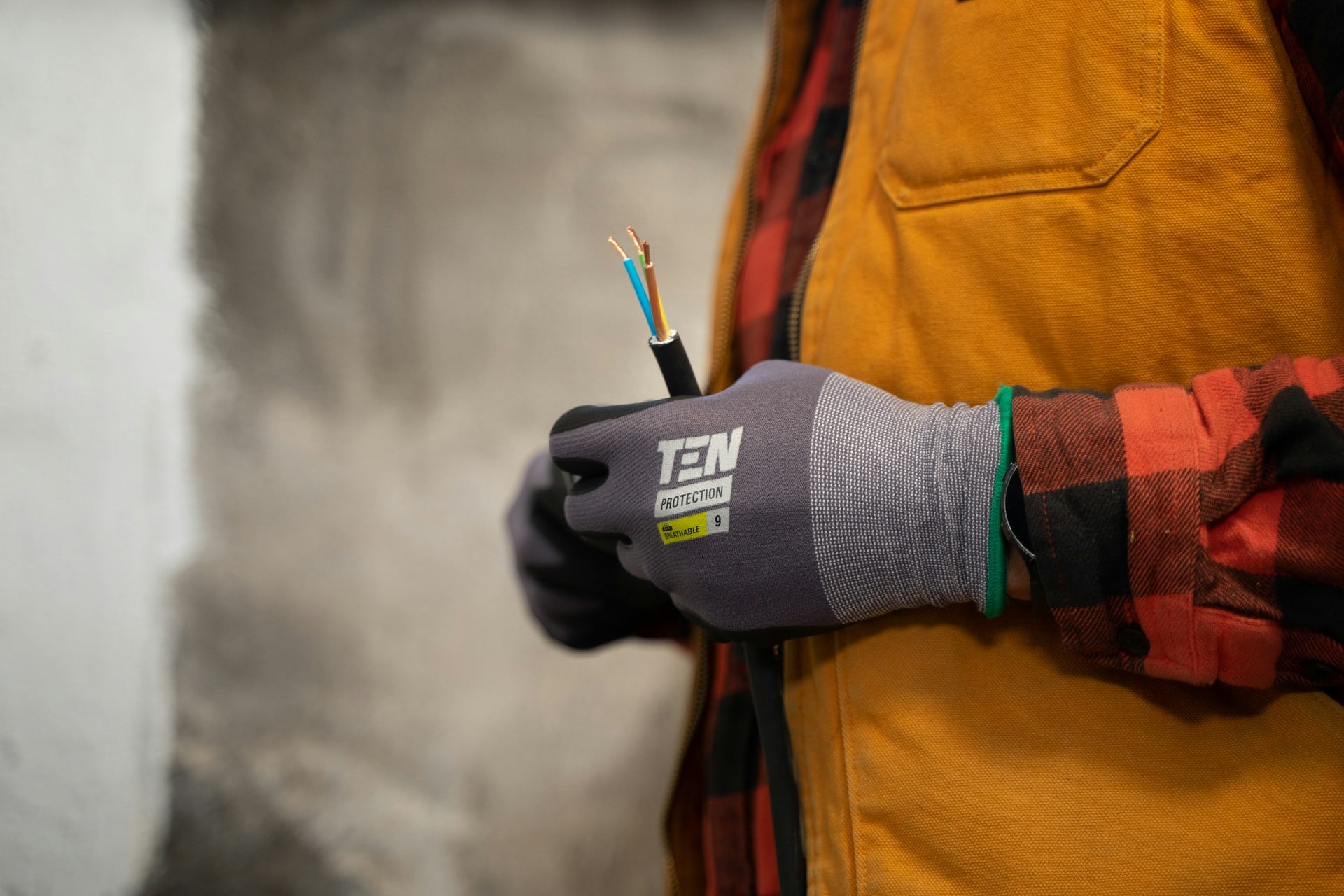
A master electrician oversees the building’s complex electrical systems, which have been added and modified over more than two centuries. This person manages upgrades, responds to emergencies, and ensures that everything from security systems to stage lighting works flawlessly.
The White House electrical infrastructure includes both cutting-edge technology and historical wiring that must be carefully maintained. The chief electrician coordinates with contractors, trains junior electricians, and stays on call for problems that could arise at any hour.
They also work on special projects like installing temporary lighting for events or upgrading systems in ways that don’t damage historical features.
White House housekeeper supervisor

A person keeps an eye on the crew handling daily upkeep of the living areas at the White House. Running the cleaning team means someone handles tasks across spaces from formal dining spots to personal rooms used by the family.
Schedules get adjusted depending on state functions, plus urgent cleanups are lined up without delay. A sharp look is kept so things appear spotless when guests show up unannounced.
Stock levels for towels and cleaners are tracked carefully, matching what’s expected in such a high-profile setting. Handling this job takes solid organizing skills, close focus on small stuff, besides knowing how to stay low-key where secrecy counts.
Director of Oval Office operations

A single individual keeps track of every action inside and near the President’s key workplace. Running day-to-day in the Oval Office means handling appointments, lining up discussions, moving papers around, while making sure the room fits each occasion.
Instead of just juggling tasks, they sync with agents, press teams, top aides balancing who comes in and what info moves where. Staying sharp and private matters more than anything; fast calls on what counts first are part of the routine.
Acting like a filter helps guard the President’s attention from distractions.
Staff secretary

This job handles papers moving to or from the President, checking each one that lands on the big desk. The secretary makes sure briefings are correct, gathers input from key advisers before calls are made, also confirms the President gets what’s needed to decide clearly.
They keep tabs on tasks needing action, check back on open issues, while managing tools that sort out the flood of info passing through the White House daily. It takes sharp planning ability, solid grasp of policies, plus confidence from top aides and the President alike.
Some folks who’ve done this work later moved into major jobs across government or business.
Keeping history running
These odd jobs show a key truth about how the White House runs day to day. Not merely a landmark, nor just an old house, or a workplace instead it’s all three rolled into one, needing experts ready for anything from saving artifacts to handling crises.
Folks in these positions usually put in tough shifts out of the spotlight, yet they’re what keeps the residence ticking as both living space and power hub. So when you spot pics of fancy diplomatic meals or flawlessly trimmed lawns, think this: somebody’s unique role made that moment possible.
More from Go2Tutors!

- The Romanov Crown Jewels and Their Tragic Fate
- 13 Historical Mysteries That Science Still Can’t Solve
- Famous Hoaxes That Fooled the World for Years
- 15 Child Stars with Tragic Adult Lives
- 16 Famous Jewelry Pieces in History
Like Go2Tutors’s content? Follow us on MSN.