16 Highest Paid Television Personalities of the Past Decade
Television used to be where movie stars went to fade away. That was before streaming changed everything, before production budgets started looking like GDP figures for small countries, and before the right TV role could pay more than three blockbuster films combined.
The past decade rewrote the rules entirely. These 16 personalities didn’t just earn impressive paychecks — they redefined what television stardom could mean.
Some negotiated deals that made network executives wince. Others built empires around a single character.
A few proved that the small screen had grown large enough to contain the biggest names in entertainment.
Seinfeld
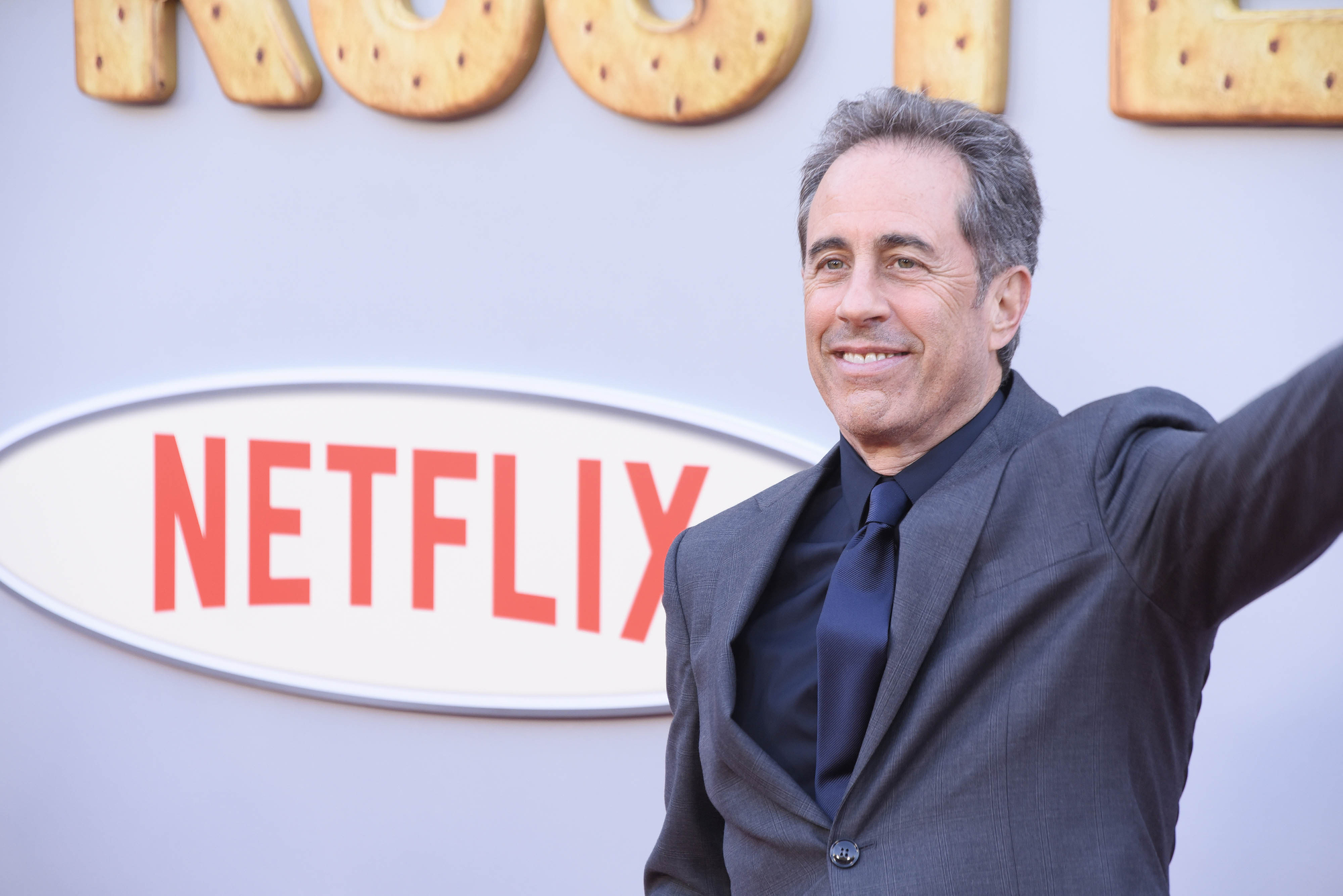
Seinfeld hasn’t filmed a new episode in over two decades. The checks keep arriving anyway.
His syndication deal for “Seinfeld” generated roughly $400 million during the 2010s alone, making him the highest-earning TV personality of the decade without actually appearing on television in any meaningful way.
Residuals are the gift that keeps giving, and Seinfeld’s gift happens to be worth more than most people’s entire careers.
Jim Parsons

The Big Bang Theory turned a relatively unknown theater actor into television’s highest-paid comedy star, and Jim Parsons rode that wave all the way to the bank (earning $1 million per episode by the show’s end, plus substantial backend deals that pushed his annual income well into the eight-figure range during the show’s final seasons). When you consider that the show ran for 12 seasons and Parsons appeared in nearly every episode — not to mention the syndication goldmine that followed — his total earnings from playing Sheldon Cooper likely exceed $200 million.
Which is ironic, given that Sheldon himself would probably calculate the exact figure down to the penny and then explain why the mathematics of television contracts follow predictable patterns that most actors fail to optimize properly. And yet Parsons walked away from the show when CBS offered him $50 million for two more seasons.
Sometimes knowing when to leave matters more than knowing how much to ask for.
Ellen DeGeneres

There’s something almost mythical about watching someone rebuild their entire career from scratch, the way a forest grows back after wildfire — not the same as before, but somehow more expansive. Ellen DeGeneres did exactly that, transforming from a comedian whose sitcom was canceled after she came out, to the host of a daytime empire worth roughly $50 million annually.
Her afternoon show became the television equivalent of a town square, a place where celebrities dropped by to dance awkwardly and reveal just enough vulnerability to remind everyone they were human. The money followed naturally — not just from hosting, but from production deals, endorsements, and a syndication package that kept her show profitable in markets across the globe. DeGeneres didn’t just earn a fortune; she created a space that felt necessary.
Judge Judy
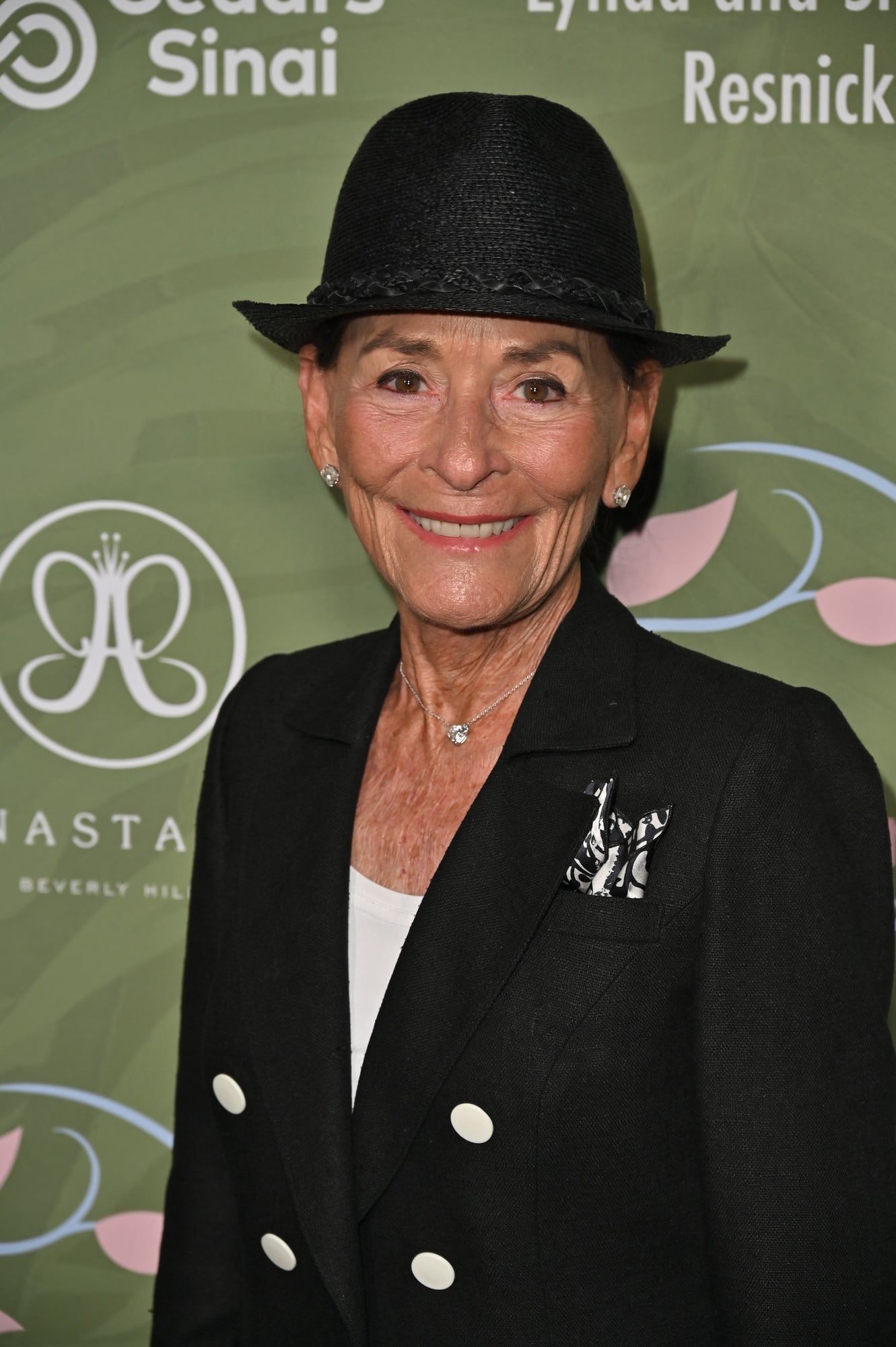
Judge Judy Sheindlin turned small claims disputes into television gold and never apologized for it. Her no-nonsense approach to minor legal disagreements earned her $47 million annually at the peak of her show’s popularity.
That’s more than most Supreme Court justices make in a decade. The formula was simple: real cases, real consequences, and a judge who treated courtroom theater like actual theater.
Viewers loved the efficiency. Sheindlin loved the paychecks. Sheindlin loved the paychecks.
Dr. Phil McGraw
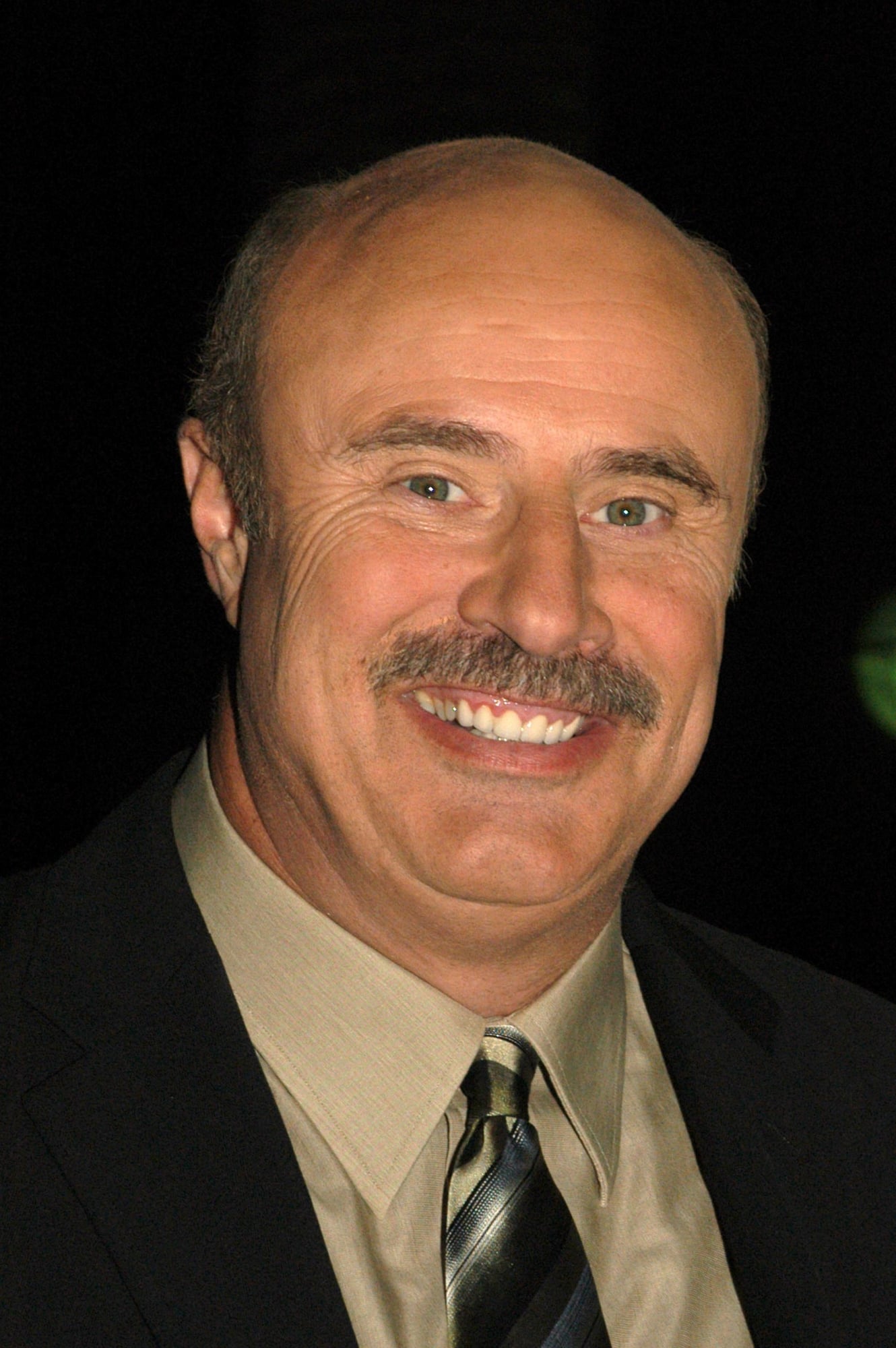
Phil McGraw built his television career on the simple premise that people enjoy watching other people’s problems get solved in 60 minutes or less, and it turns out this approach translates into roughly $80 million annually when you factor in his production company, book deals, and syndication revenue (his show has been sold to more than 40 countries, which means someone in Slovakia might be getting life advice from a Texas psychologist at this very moment). The show’s format — brief crisis, professional analysis, practical solution, emotional resolution — follows a structure so reliable you could set your watch by it.
And McGraw has been setting his bank account by it for over two decades. But here’s what makes his earnings particularly impressive: unlike many TV personalities who depend entirely on their on-screen presence, McGraw owns the production company behind his show.
So he’s not just the star; he’s also the boss collecting profits from every international licensing deal.
Ryan Seacrest

Ryan Seacrest treats television like a diversified investment portfolio, and the returns have been spectacular. His American Idol hosting duties alone earned him $12 million annually, but that was just the foundation.
Add radio syndication, production deals, red carpet coverage, and a morning show, and Seacrest’s annual income regularly topped $60 million during the 2010s. The secret wasn’t just being good at one thing — it was being reliably competent at several things simultaneously.
Seacrest became the Swiss Army knife of entertainment hosting, equally comfortable introducing pop stars and interviewing celebrities about their skincare routines.
Howard Stern
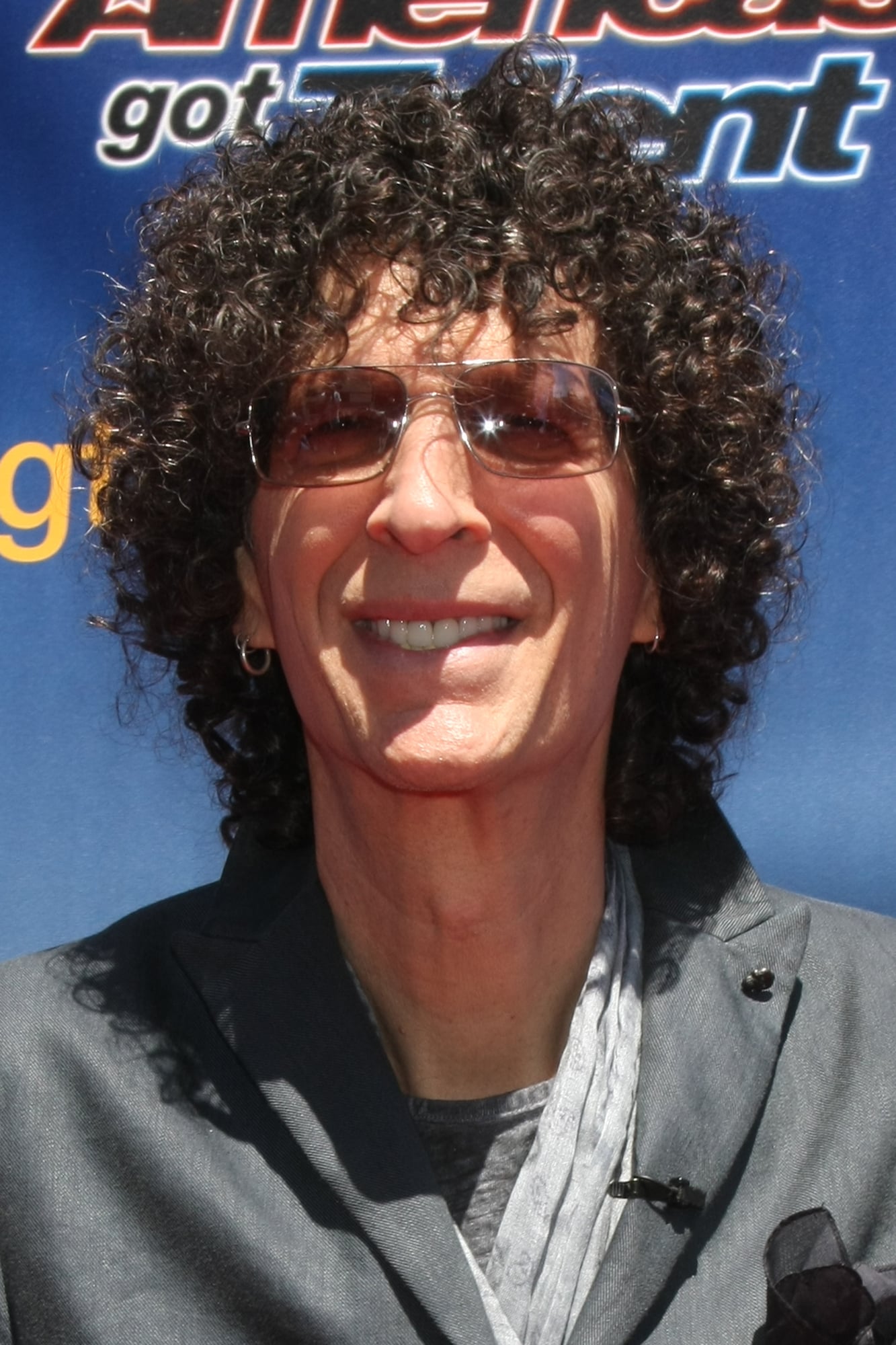
Howard Stern’s move to satellite radio in 2006 looked like career end to traditional broadcasters, the way jumping from a steady ship onto a lifeboat might seem foolish until you realize the ship was sinking anyway. Stern’s five-year deal with SiriusXM was worth $500 million, making him the highest-paid radio personality in history and proving that sometimes the biggest risks yield the most surprising rewards.
Satellite radio gave Stern something terrestrial radio never could: complete creative freedom and an audience willing to pay specifically to hear him speak. The subscription model meant his success could be measured not just in advertising revenue, but in listener loyalty — people literally paid money each month just to access his show.
That kind of direct value proposition is rare in entertainment, and Stern maximized it brilliantly.
Steve Harvey
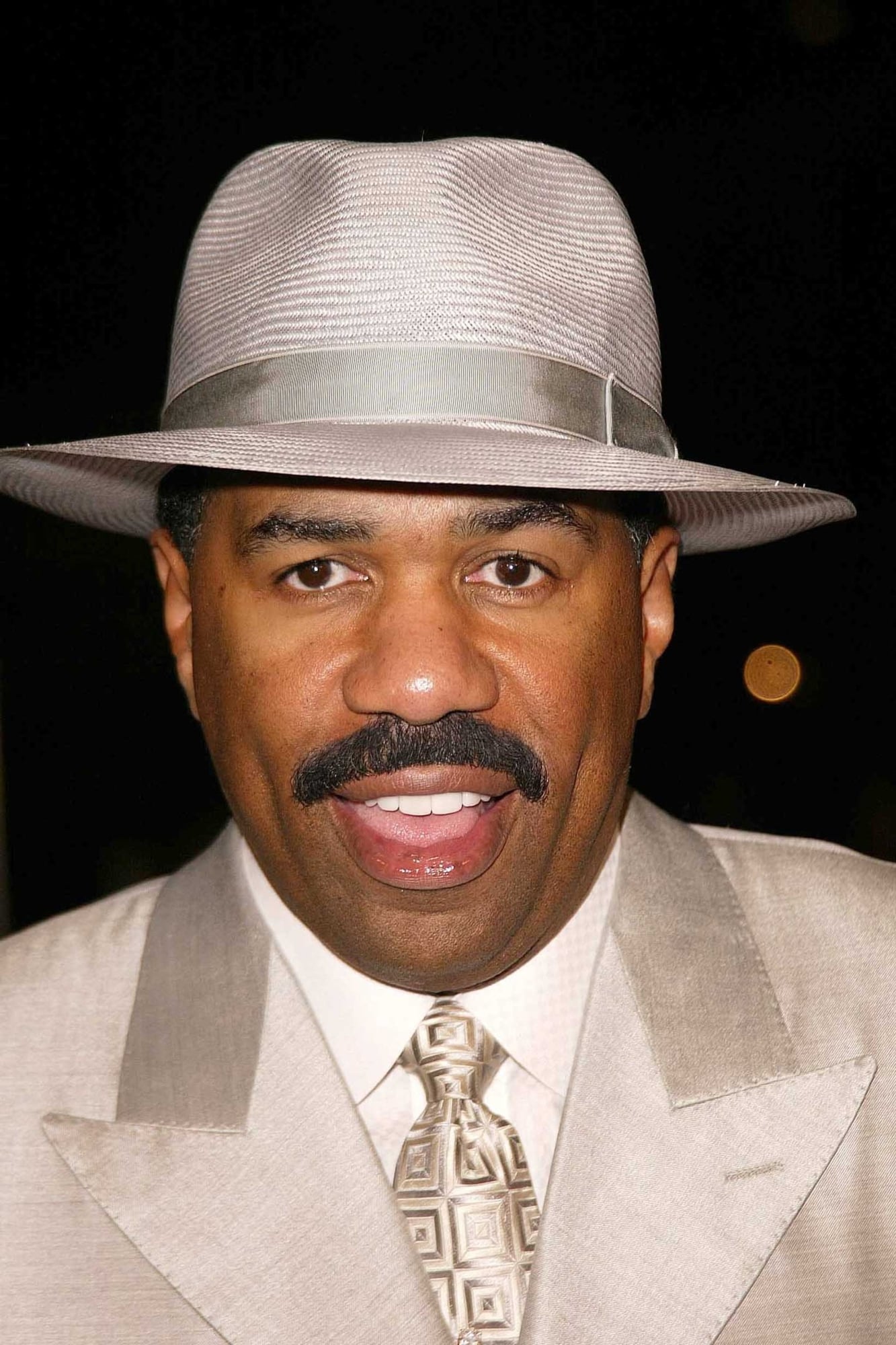
Steve Harvey hosts more television shows than some networks have time slots. Family Feud, Celebrity Family Feud, Steve Harvey’s Funderdome, a daytime talk show, and Miss Universe pageants — Harvey treats television hosting like a full-contact sport and earns roughly $40 million annually for his efforts.
His secret weapon isn’t just comedic timing; it’s the ability to make ordinary people feel comfortable on camera. Harvey can make a nervous contestant feel like they’re talking to their favorite uncle, which turns out to be exactly the skill you need when your job involves asking strangers about their personal lives on national television.
Sofia Vergara

Modern Family made Sofia Vergara the highest-paid actress on television for multiple years running, earning $43 million at her peak when you combine her per-episode salary with endorsement deals and licensing agreements (her clothing lines, furniture collections, and fragrance partnerships turned her TV success into a comprehensive lifestyle brand that generated income streams most actors never even consider). The show ran for 11 seasons, which meant Vergara played Gloria Pritchett longer than some people attend school.
And she made it look effortless.
But Vergara’s real brilliance was recognizing that television fame could be leveraged into business opportunities that outlast any single show. So while other actors focused solely on their craft, Vergara was building an empire that included everything from coffee endorsements to furniture design.
Kevin Hart

Kevin Hart proves that being the busiest person in entertainment can be incredibly profitable. His television production deals, comedy specials, and hosting gigs generated over $90 million during his peak years.
Hart doesn’t just work constantly — he works strategically, building each project into the foundation for the next one. Comedy specials become television development deals.
Television appearances become movie opportunities. Movie success creates demand for more comedy specials.
Hart turned his career into a feedback loop where success generates more success, and each iteration pays better than the last.
Conan O’Brien
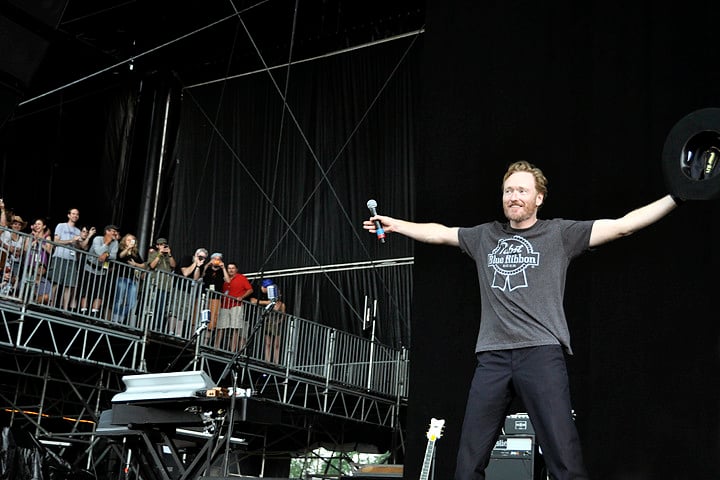
Conan O’Brien’s late-night career reads like a masterclass in turning professional setbacks into financial opportunities, and his various hosting deals have generated substantial wealth even when the shows themselves faced challenges (his brief Tonight Show tenure led to a $45 million exit package, which is possibly the most expensive career pivot in television history, and his subsequent TBS deal was worth roughly $12 million annually). The man has made more money from leaving shows than most hosts make from staying with them.
And O’Brien’s approach to contract negotiations apparently involves treating every setback as a setup for the next deal. Getting fired from The Tonight Show? Negotiate a better deal somewhere else.
Show getting canceled? Launch a podcast and streaming venture. It’s almost like he’s playing career chess while everyone else is playing checkers.
Kelly Ripa

Morning television might look deceptively simple — two hosts, some celebrity interviews, cooking segments, and weather updates — but Kelly Ripa has turned this formula into a $22 million annual salary that’s remained remarkably consistent across multiple co-host changes and network restructuring. Her secret appears to be understanding that morning TV success depends less on being the most talented host and more on being the most reliable one.
Ripa shows up, delivers her lines professionally, manages whatever chaos her co-host brings to the table, and makes the whole production look effortless. That kind of consistent competence is exactly what network executives want to pay for, especially in a time slot where audience loyalty translates directly into advertising revenue.
Anderson Cooper
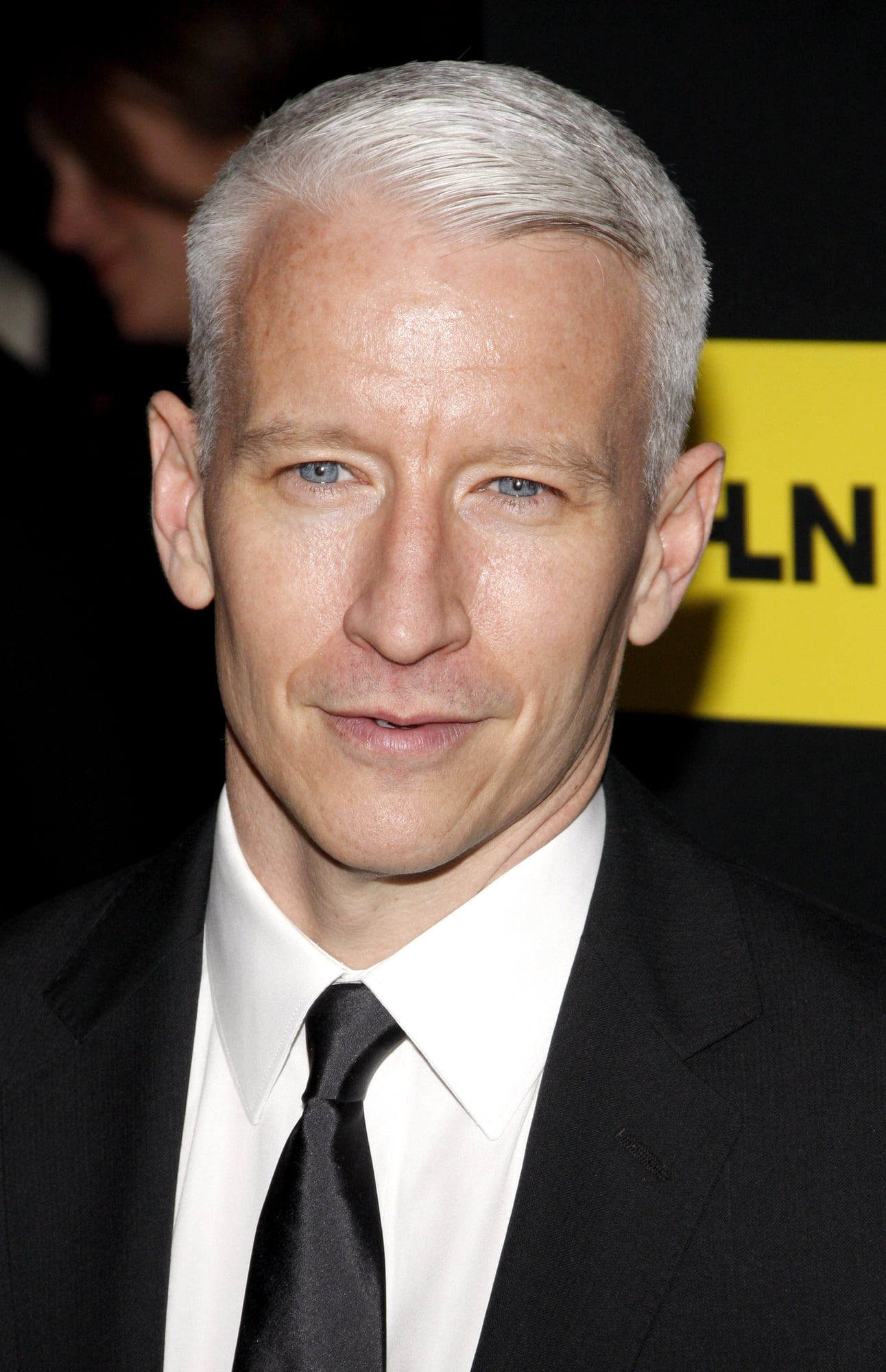
Anderson Cooper built his television career on the radical notion that news anchors should actually report news, and this old-fashioned approach has proven surprisingly profitable. His CNN salary alone approaches $12 million annually, but Cooper’s real earnings come from his production company and book deals, pushing his total income well above $20 million during peak years.
Cooper comes from the prominent Vanderbilt family through his mother, Gloria Vanderbilt, but has publicly stated he did not expect — and ultimately did not receive — a significant inheritance. The fact that he built his own substantial fortune through journalism suggests he’s both very committed to his craft and very good at contract negotiations.
Jon Stewart
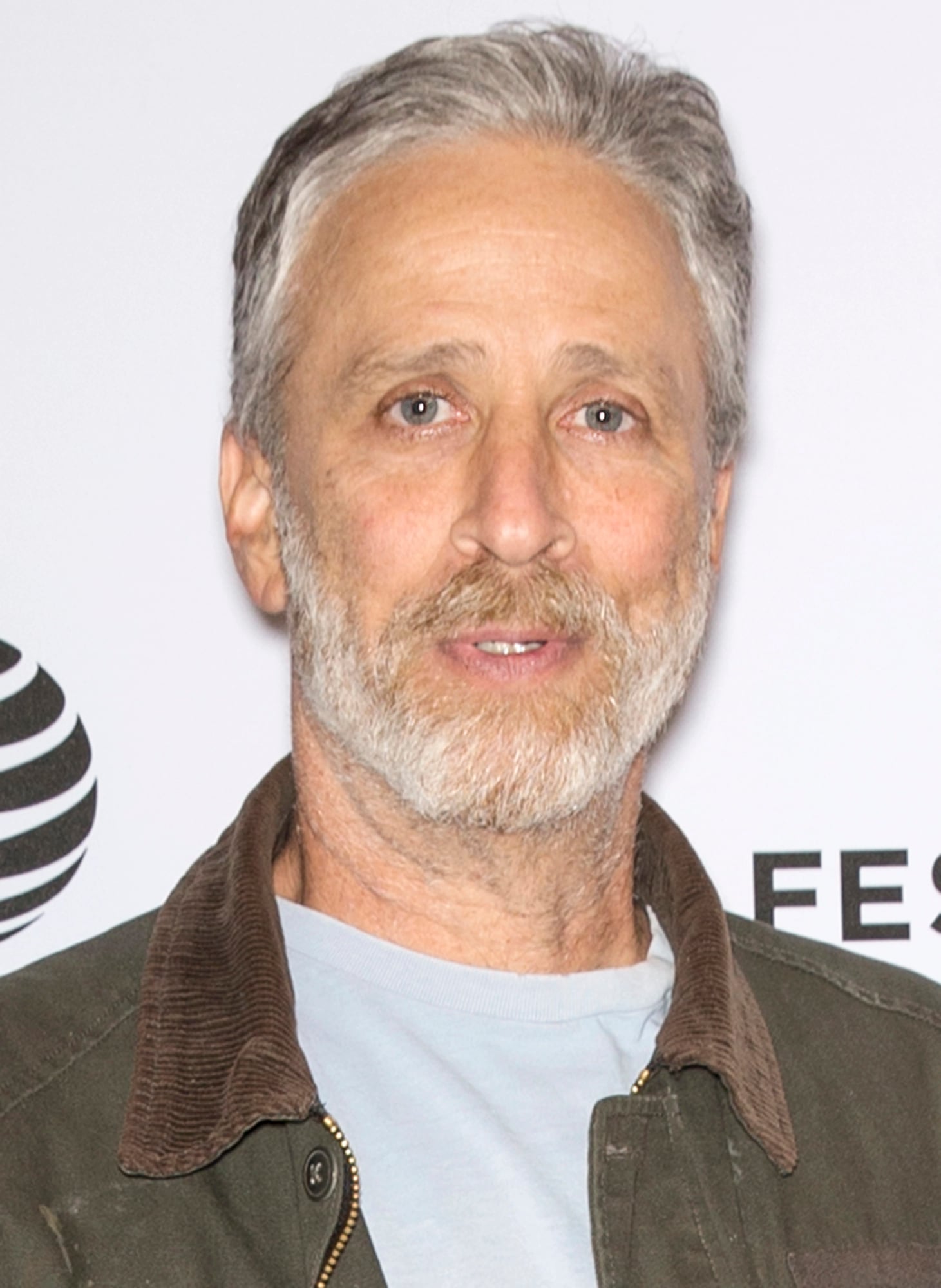
Jon Stewart turned fake news into real money and never seemed particularly interested in apologizing for the irony. The Daily Show made Stewart one of cable television’s highest-paid hosts, earning roughly $25-30 million annually during his final years, and his influence on political discourse was probably worth even more than his salary suggested.
Stewart’s departure from The Daily Show felt like the end of an era, which is exactly the kind of cultural impact that translates into lucrative post-television opportunities. His Apple TV+ deal and continued production work ensure that leaving his most famous job didn’t mean leaving his most profitable career phase.
Stephen Colbert

The transition from cable satire to network late-night hosting typically involves a significant pay increase, and Stephen Colbert’s move from Comedy Central to CBS proved this rule emphatically (his Late Show contract is worth approximately $15 million annually, plus production deals that push his total compensation well above $20 million when you include backend participation and development agreements). Colbert essentially reinvented himself professionally while maintaining the same sharp wit that made him famous in the first place.
But what makes Colbert’s earnings particularly impressive is that he managed to increase his salary while also expanding his creative control. So he’s not just making more money; he’s also making the kind of television he actually wants to make, which is a rare combination in network entertainment.
And the show’s ratings success during the Trump presidency proved that Colbert’s political commentary could drive both audience engagement and advertising revenue simultaneously.
Jimmy Fallon

Jimmy Fallon turned The Tonight Show into a viral content factory and earns roughly $16 million annually for his efforts. His approach to late-night hosting — more variety show, less political commentary — created a different kind of television experience that appealed to audiences who wanted entertainment without the editorial perspective.
Fallon’s genius was recognizing that late-night television clips would eventually live longer on social media than they did in their original broadcast slots. So he optimized the show for shareability, creating segments designed specifically to become viral moments.
The strategy worked: Tonight Show clips generate millions of views across platforms, extending the show’s reach far beyond traditional television audiences.
A Different Kind Of Paycheck

The past decade proved that television success isn’t just about talent anymore — it’s about understanding the entire ecosystem of modern entertainment. The highest earners didn’t just perform well; they negotiated smartly, diversified strategically, and recognized that their on-screen presence could be leveraged into business opportunities that extended far beyond their original shows.
These paychecks represent more than individual success stories. They signal a fundamental shift in how the entertainment industry values television content, and how smart performers can capitalize on that change.
The small screen turned out to be big enough for very large ambitions.
More from Go2Tutors!

- The Romanov Crown Jewels and Their Tragic Fate
- 13 Historical Mysteries That Science Still Can’t Solve
- Famous Hoaxes That Fooled the World for Years
- 15 Child Stars with Tragic Adult Lives
- 16 Famous Jewelry Pieces in History
Like Go2Tutors’s content? Follow us on MSN.



