13 Rare Vintage Cheeses Aged in Ancient Caves
There’s something almost mystical about cheese aging in caves that have witnessed centuries of human history. These underground chambers, carved from limestone and volcanic rock, provide the perfect environment for transformation—steady temperatures, natural humidity, and beneficial molds that can’t be replicated in modern facilities.
The cheeses that emerge from these ancient spaces carry more than flavor; they hold stories of tradition, patience, and the remarkable alchemy that occurs when time meets craftsmanship in the darkness below.
Roquefort
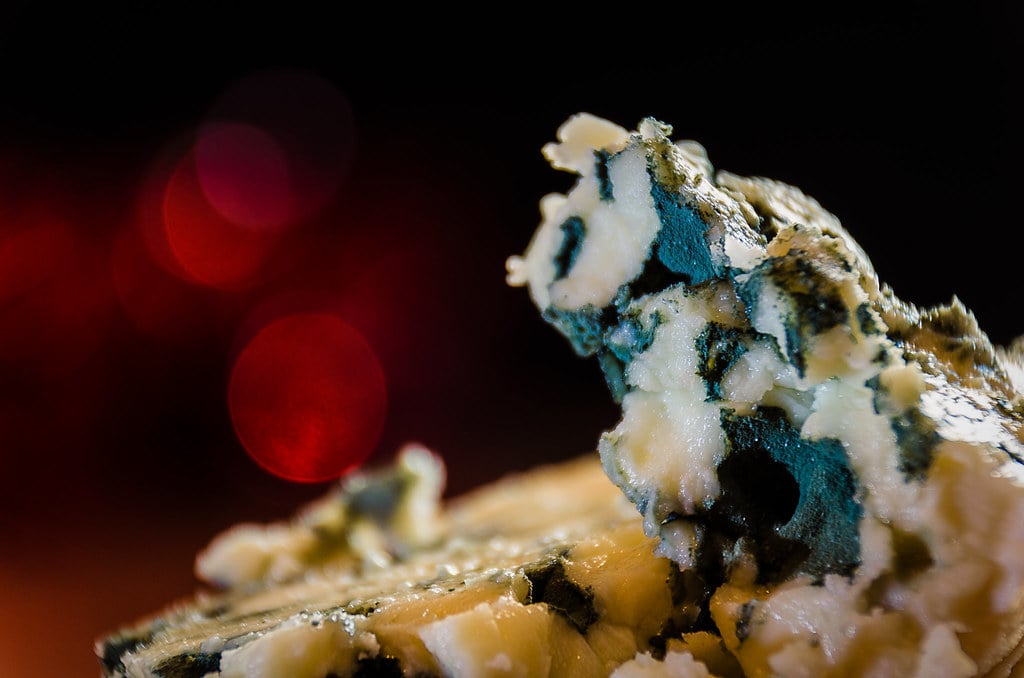
Blue cheese doesn’t get more authentic than this. Roquefort ages exclusively in the natural caves of Aveyron, France, where the same Penicillium roqueforti mold has thrived for over a thousand years.
The limestone caverns maintain a constant 46°F with perfect humidity. No shortcuts, no artificial environments, no compromise.
Caerphilly
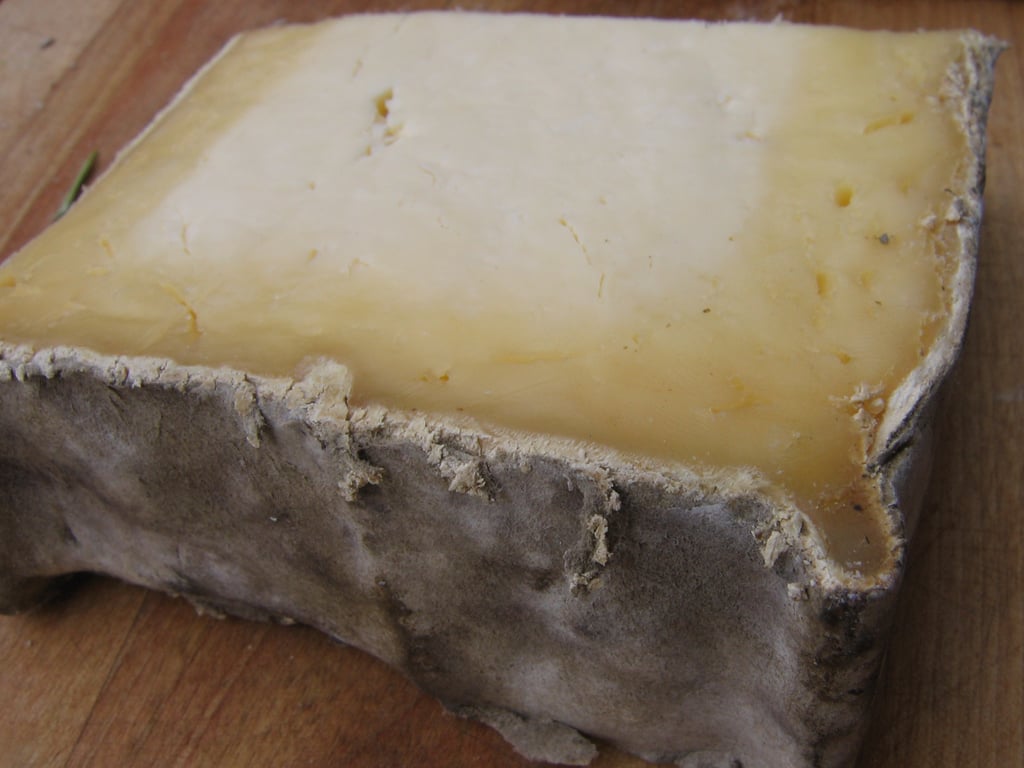
The slate mines of Wales aren’t just historical landmarks—they’re active cheese aging facilities. Traditional Caerphilly develops its characteristic lemony tang and crumbly texture in these ancient workings, where the mineral-rich air seeps into every wheel. The caves stay naturally cool year-round, and the cheese absorbs subtle notes from the surrounding stone (which explains why modern versions made elsewhere never quite capture the same complexity).
And the aging process here isn’t rushed; wheels remain underground for months, developing the gray-white rind that signals proper cave maturation. So these aren’t just any old mines pressed into service—the Welsh have been using these particular caverns for cheese aging since the 1800s, back when miners would store their lunches in the cool depths and noticed how well cheese was kept.
But the transformation goes deeper than preservation: the constant air circulation through the mine shafts, combined with naturally occurring cave flora, creates an environment that actively improves the cheese rather than simply maintaining it.
Gruyère
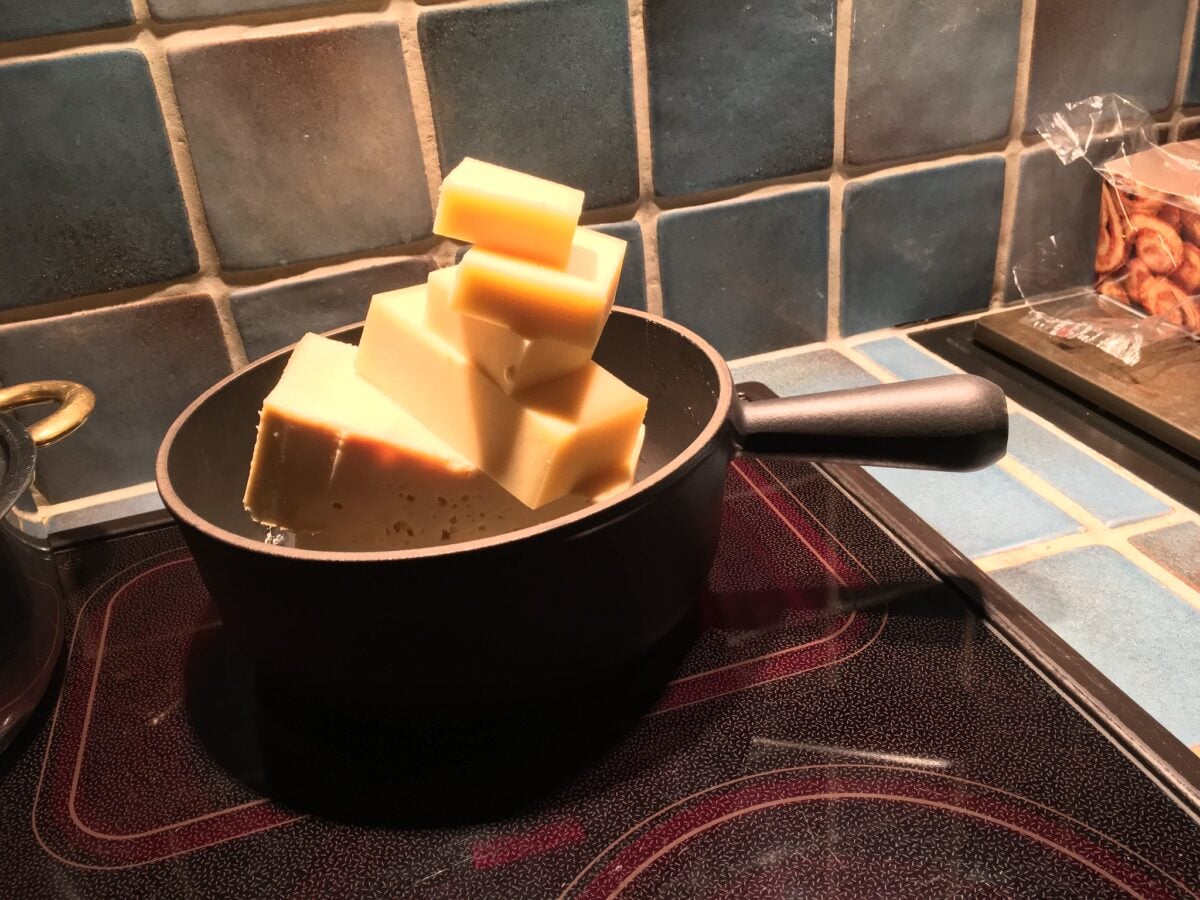
Swiss tradition meets geological perfection in the sandstone caves of the Jura Mountains. These underground chambers have been aging Gruyère since the 12th century, and each wheel develops different characteristics depending on its exact location within the cave system.
Temperature variations of just a few degrees between cave sections create distinct flavor profiles—some wheels emerge nutty and sweet, others sharp and crystalline. The master affineurs (cheese agers) know their caves like vintners know their vineyards, placing wheels strategically based on desired outcomes and monitoring each one individually throughout the aging process.
Cheddar
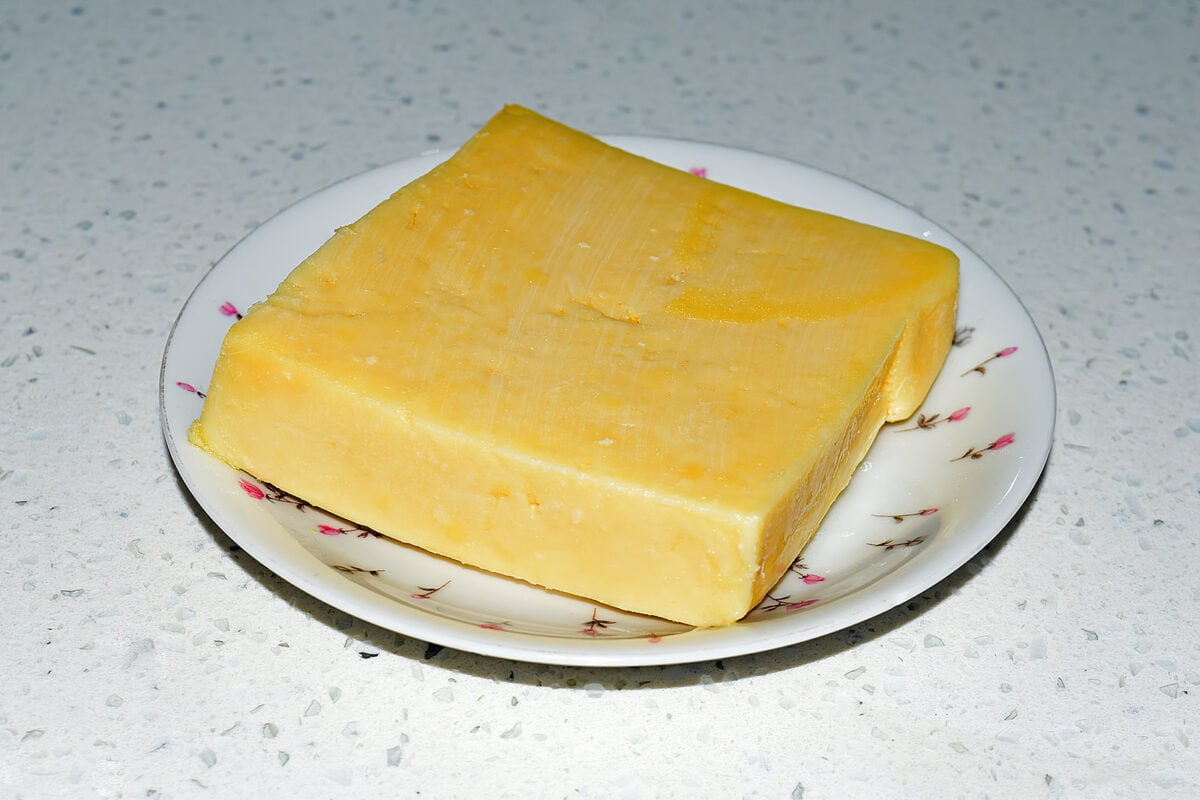
Real farmhouse cheddar ages in the limestone caves of Somerset, where constant temperatures and high humidity create ideal conditions for the slow development that gives this cheese its legendary bite and complexity. These aren’t the bright orange blocks from the grocery store—cave-aged cheddar develops a natural rind and deeper, more nuanced flavors that can only emerge in these ancient spaces.
Camembert de Normandie
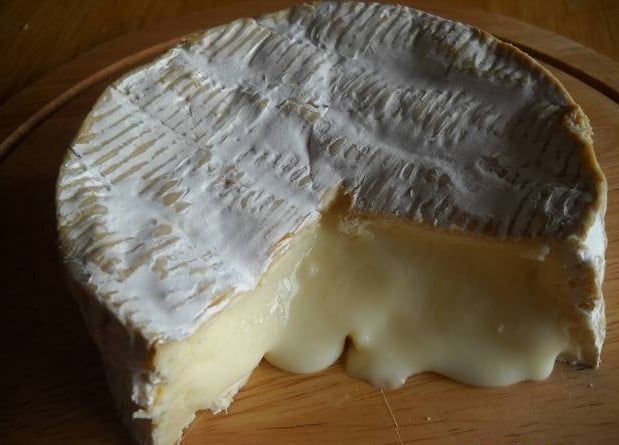
Think of cheese aging like wine making—terroir matters just as much. The chalk caves of Normandy don’t just store Camembert; they actively participate in its creation.
Native Penicillium candidum blooms naturally on the cave walls, inoculating each wheel with wild strains that vary subtly from cave to cave, season to season. This is why authentic Camembert de Normandie tastes different from versions made elsewhere (even using identical recipes and techniques).
The caves themselves become part of the recipe—their mineral composition, air circulation patterns, and resident microflora all contribute flavors that can’t be replicated in sterile aging rooms. Each wheel emerges with a unique fingerprint of its underground nursery.
Beaufort
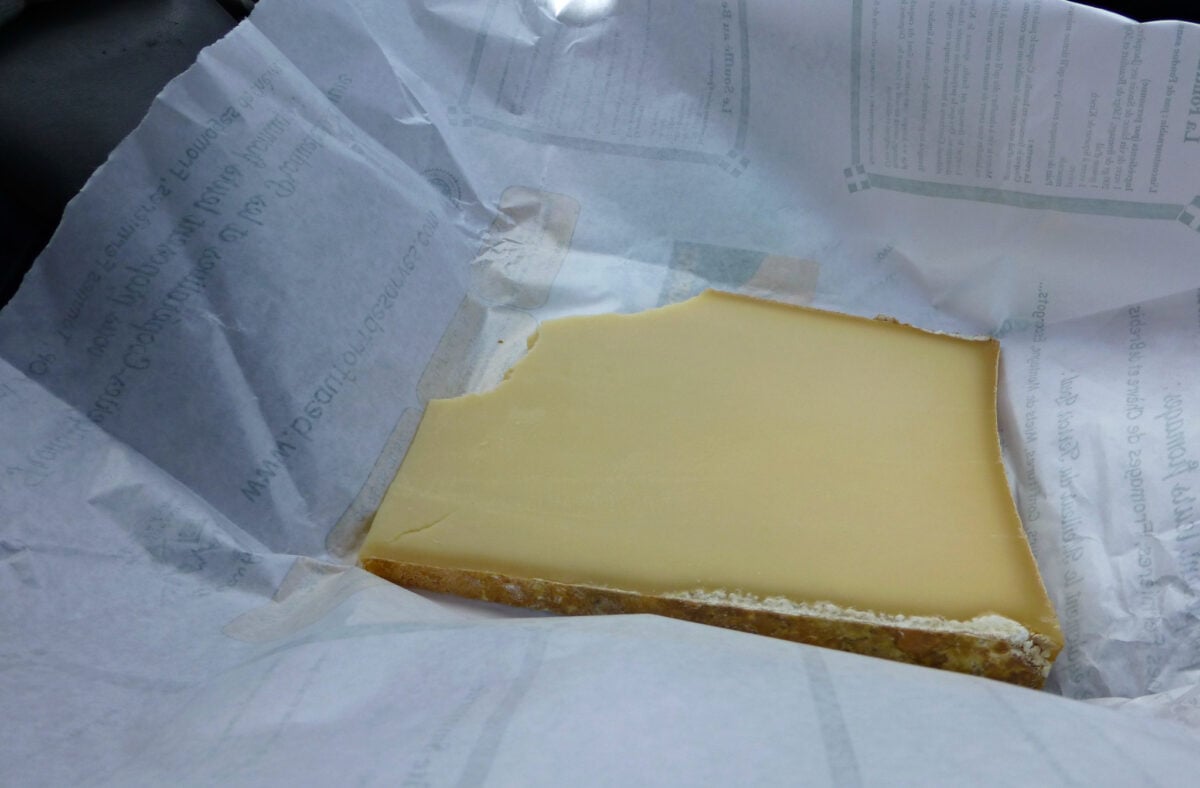
Mountain caves carved from Alpine granite age this king of French cheeses. Beaufort wheels, some weighing up to 130 pounds, rest on wooden planks in these natural cellars for up to two years.
The high altitude and mineral-rich cave environment create the perfect conditions for developing Beaufort’s characteristic fruity complexity and smooth, dense texture.
Maroilles
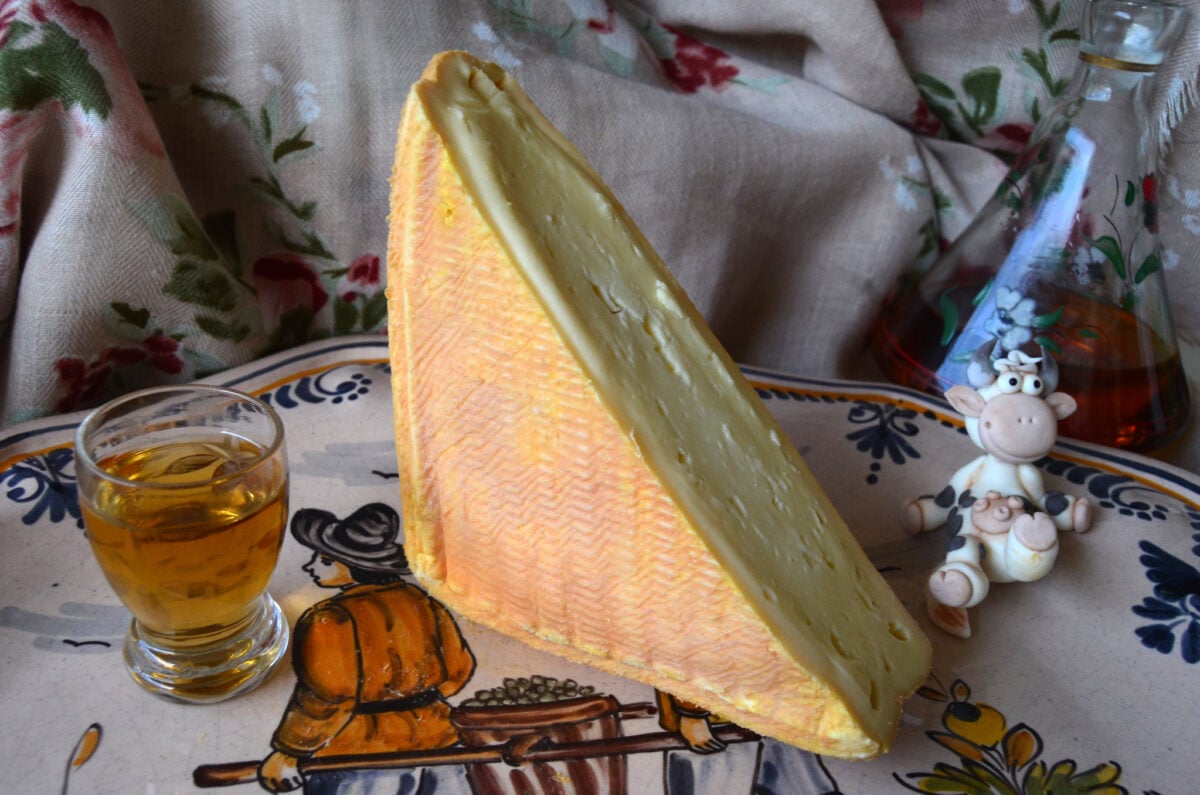
Northern France produces one of the world’s most pungent cheeses in limestone quarries that date back to Roman times. Maroilles develops its infamous aroma and orange rind through regular washing with beer while aging in these ancient chambers.
The caves’ natural ventilation prevents the cheese from becoming overwhelmingly strong while still allowing its signature characteristics to develop. Cave aging serves a purpose beyond preservation here—it’s about controlled fermentation.
The limestone walls regulate humidity naturally, while the constant air movement through the quarry tunnels prevents any single microorganism from dominating the aging process. So the cheese develops complexity rather than simply getting stronger, though it definitely gets stronger too.
Comté
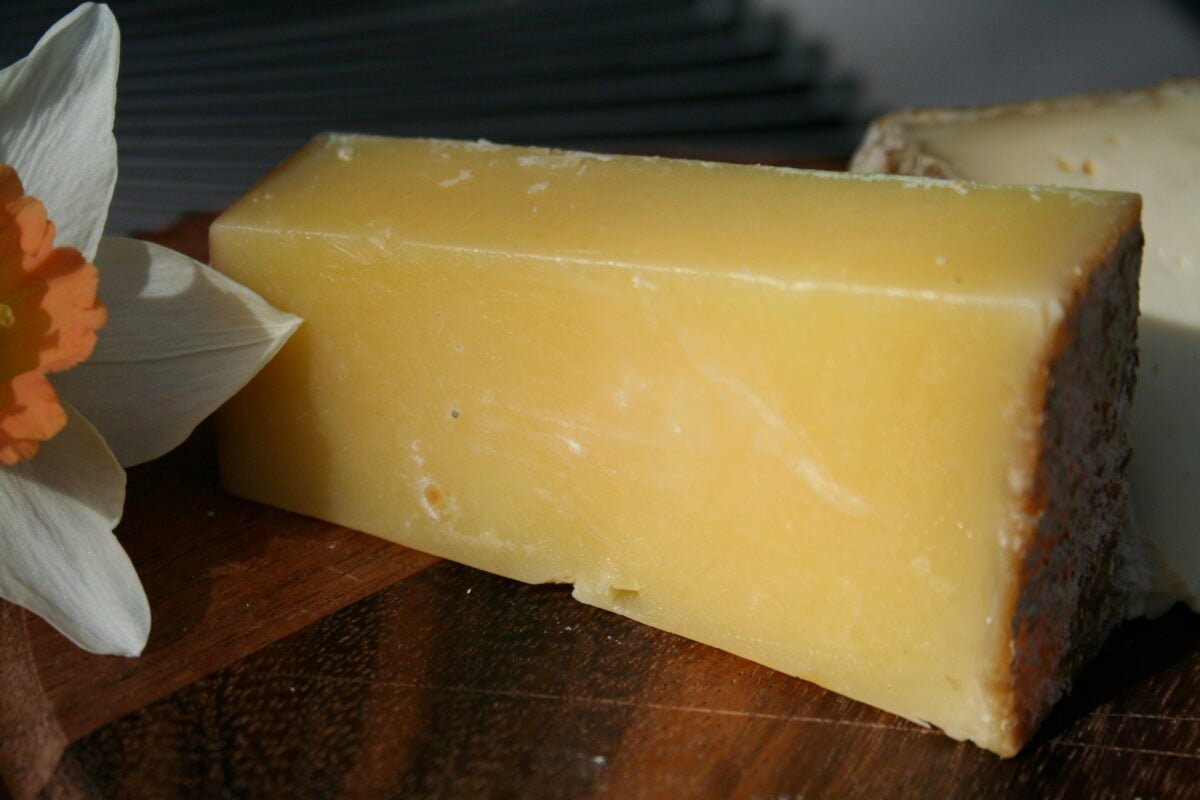
The most cave-aged cheese in the world comes from the Jura Mountains, where wheels of Comté spend 12 to 24 months in converted Fort Saint-Antoine, a 19th-century military installation carved into solid rock. The fortification’s casemates now house over 100,000 wheels, each developing unique characteristics based on the milk’s origin, season of production, and exact location within the underground complex.
Pecorino di Pienza
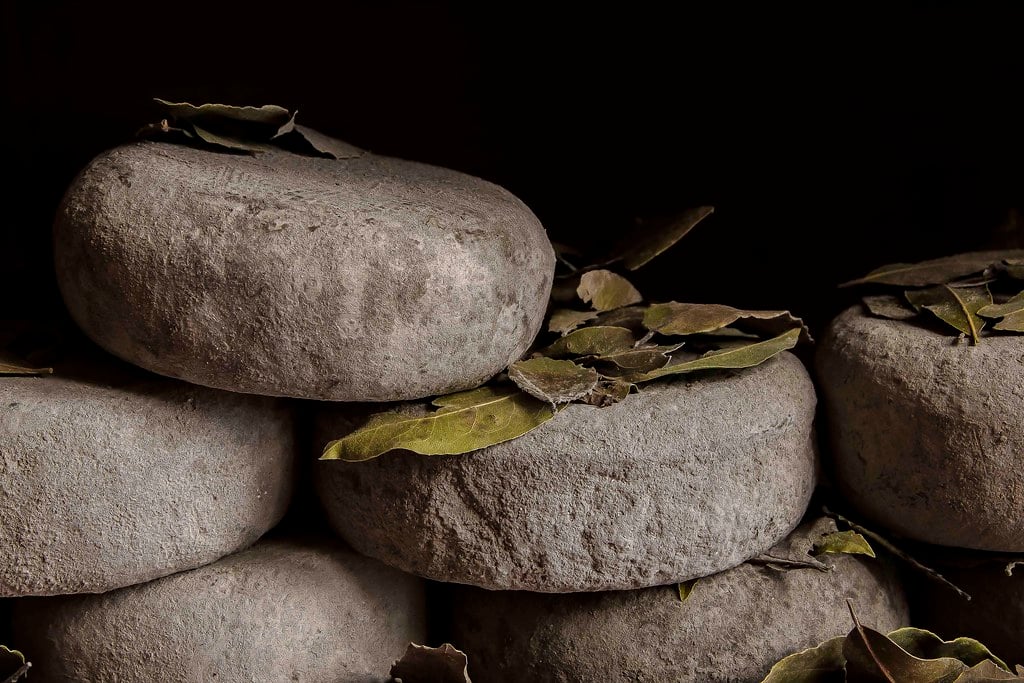
Tuscan caves carved from volcanic tufa age this sheep’s milk cheese in conditions that haven’t changed since the Renaissance. The porous volcanic rock naturally regulates humidity while imparting subtle mineral notes that distinguish Pecorino di Pienza from other Italian sheep cheeses.
These wheels develop a hard, golden rind and intensely savory flavor that reflects both the Tuscan landscape above and the ancient volcanic activity below.
Époisses
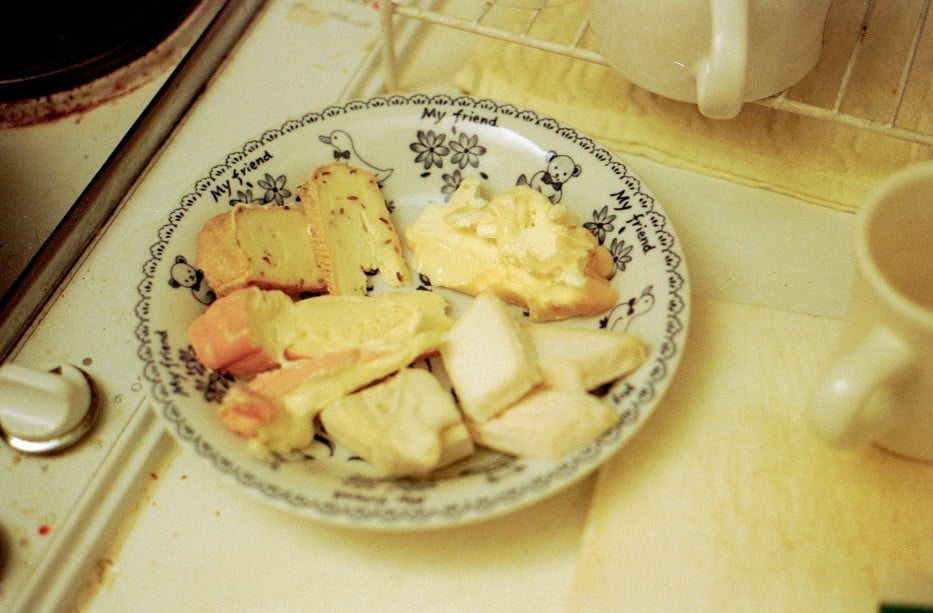
Burgundy’s infamous washed-rind cheese ages in limestone caves that once stored wine. Époisses wheels are regularly washed with local marc de Bourgogne during their cave aging, developing their distinctive orange rind and powerful aroma.
The same caves that perfect the region’s wines create ideal conditions for this challenging cheese—steady temperatures and natural air circulation that allows proper rind development without overwhelming the delicate interior.
Langres
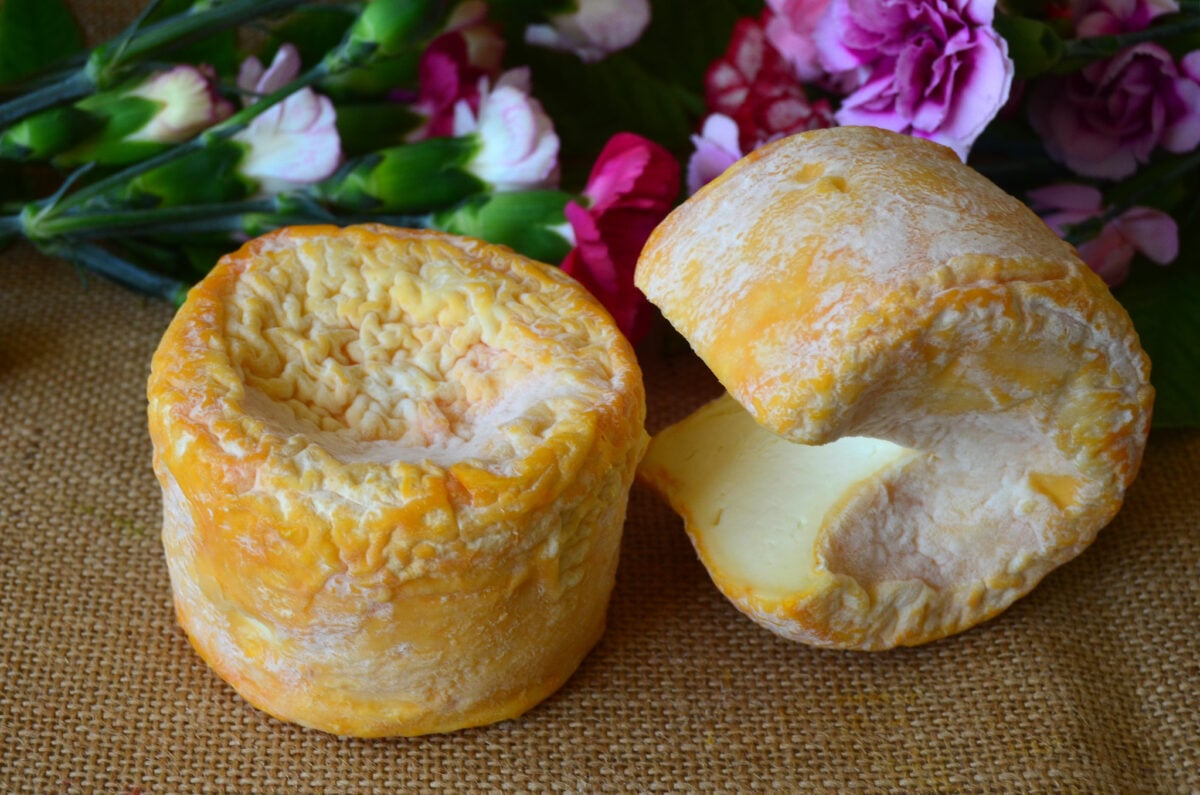
Another Burgundian cave-aged cheese, Langres develops its characteristic concave top while aging in champagne cellars carved from chalk. The natural humidity and consistent temperature of these ancient caves allow the cheese to ripen from the outside in, creating the distinctive depression on top that’s traditionally filled with Champagne or marc before serving.
These caves don’t just age the cheese—they shape it. The specific humidity levels and air circulation patterns in chalk caves cause Langres to lose moisture unevenly, creating that famous dimple while concentrating flavors and developing the wrinkled, orange-washed rind that signals proper cave aging.
Beenleigh Blue
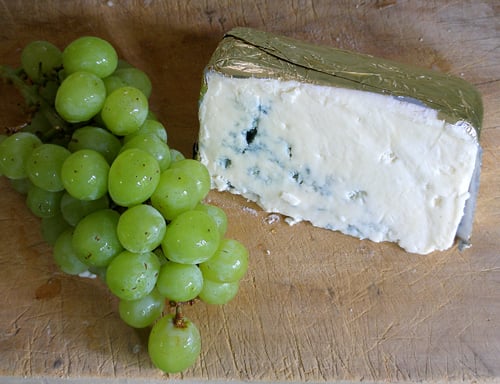
English sheep’s milk blue cheese ages in limestone caves in Devon, where the maritime climate creates unique conditions for blue cheese development. The caves maintain higher humidity than traditional blue cheese aging environments, resulting in a creamier texture and milder blue flavor.
Beenleigh Blue develops slowly in these coastal caves, gaining subtle mineral notes from the limestone while retaining the sweet, rich character of sheep’s milk.
Selles-sur-Cher
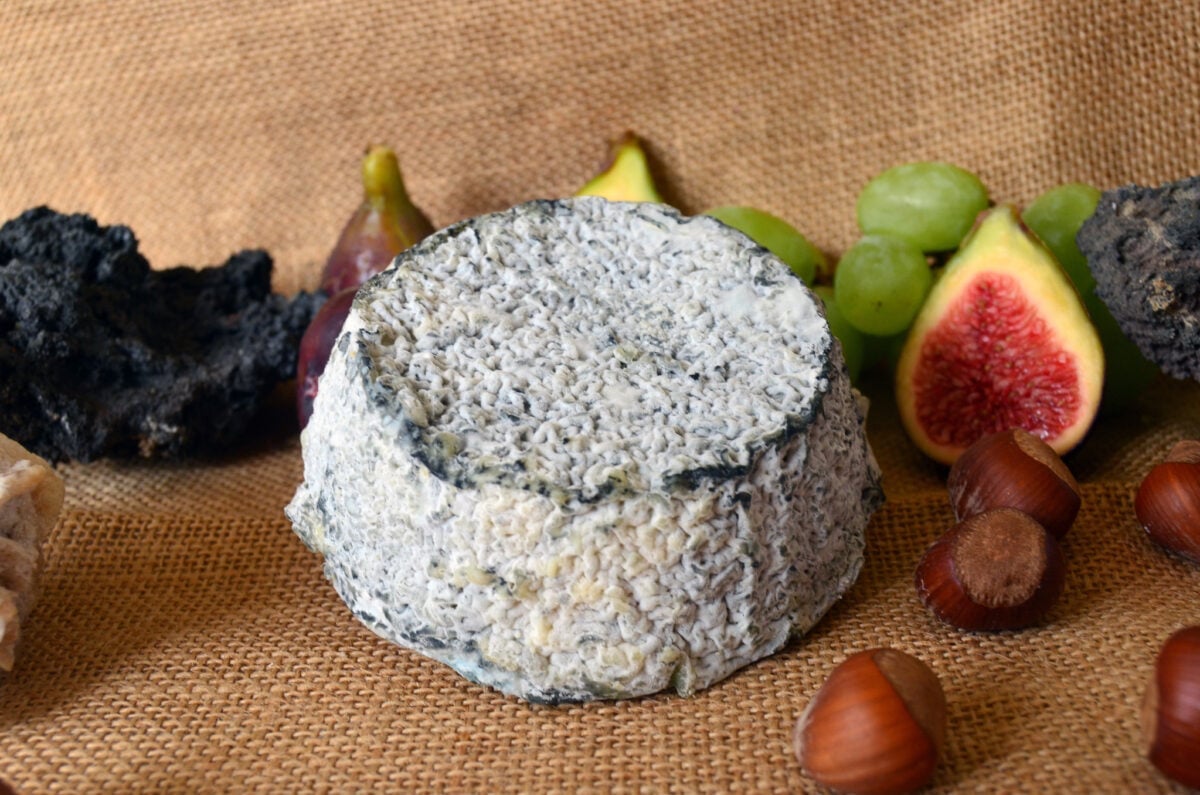
Loire Valley goat cheese reaches perfection in the region’s limestone caves, where natural Penicillium candidum creates the characteristic ash-dusted rind. These caves provide the exact conditions needed for proper goat cheese aging—enough humidity to prevent drying out, enough air circulation to prevent over-ripening.
The result is a cheese that’s creamy near the rind and slightly chalky in the center, with complex mineral notes that can only develop in these ancient underground chambers.
Timeless Craft in Ancient Spaces
Cave-aged cheeses remind us that some things can’t be hurried or artificially replicated. These underground chambers, whether natural caves or ancient human-made excavations, provide irreplaceable aging environments that modern technology struggles to match.
Each cheese carries the signature of its cave—mineral notes from limestone walls, beneficial molds from volcanic rock, humidity patterns carved by centuries of air circulation. The patience required for proper cave aging has become almost countercultural in our rush-everything world, but the results speak for themselves in every complex, irreplaceable bite.
More from Go2Tutors!

- The Romanov Crown Jewels and Their Tragic Fate
- 13 Historical Mysteries That Science Still Can’t Solve
- Famous Hoaxes That Fooled the World for Years
- 15 Child Stars with Tragic Adult Lives
- 16 Famous Jewelry Pieces in History
Like Go2Tutors’s content? Follow us on MSN.