16 Bizarre Laws That Still Exist In The United States
Every state legislature has its quirks, but some laws that made it onto the books decades ago never quite made it off. These aren’t the sensible regulations that keep society running smoothly — these are the head-scratchers that make you wonder what exactly was happening when lawmakers felt compelled to put pen to paper.
From restrictions on ice cream cones to rules about sleeping in cheese factories, American law books are filled with statutes that range from puzzling to downright absurd. Most of these laws are relics of bygone eras, yet they remain technically enforceable today.
Alabama

Ice cream cones are illegal on Sundays. The law specifically targets carrying them in your back pocket.
This isn’t some misunderstood ordinance about public decency — it’s an anti-theft measure from the horse-trading days, when people would use treats to lure animals away from their rightful owners.
Connecticut

You cannot walk backwards after sunset while whistling. The town of Devon takes this seriously enough that it remains on their municipal code.
And here’s the kicker: bouncing a pickle that doesn’t bounce properly can land you in legal trouble, since all pickles sold must meet the official state bounce test.
Florida

So here’s where things get properly strange (and Florida, being Florida, delivers exactly what you’d expect): unmarried women are prohibited from parachuting on Sundays, which sounds like the beginning of a joke but turns out to be a real statute that somehow made it through the legislative process. The law doesn’t explain why married women get a pass on Sunday skydiving — perhaps lawmakers figured matrimony provided sufficient risk assessment skills, or maybe (more likely) this was just another attempt to control women’s behavior dressed up as public safety concerns.
But wait, there’s more. Apparently someone felt strongly enough about shower singing to make it illegal in public bathhouses, which raises the question of who was monitoring bathhouse acoustics closely enough to identify this as a pressing societal issue.
Georgia

Donkeys in bathtubs are forbidden after 5 PM on Sundays. This law emerged after a merchant’s publicity stunt went wrong in the 1920s, involving a donkey, a bathtub, and what must have been a very patient animal.
The incident apparently caused enough of a stir to require legislative intervention.
Illinois

It’s illegal to fish while sitting on a giraffe’s neck. The law doesn’t address whether standing would be acceptable, which seems like a significant oversight.
Chicago specifically prohibits eating in establishments that are on fire, which suggests either exceptional dedication to customer service or some truly unfortunate dining experiences in the city’s past.
Iowa

Kisses cannot last longer than five minutes in public — someone was apparently timing romantic encounters and decided the state needed to weigh in on appropriate durations. There’s something both deeply intrusive and oddly specific about legislating the length of human affection, as if Iowa lawmakers sat around with stopwatches debating the exact moment when public displays cross the line from sweet to scandalous.
One-armed piano players must perform for free, which feels like the kind of discriminatory nonsense that somehow passed for reasonable policy in an earlier era.
And then there’s the butter substitute law: margarine cannot be served in restaurants unless specifically requested by the customer, because apparently Iowa takes its dairy industry seriously enough to make inferior spreads opt-in only.
Louisiana

Gargling in public is prohibited. The law doesn’t specify whether mouthwash or saltwater makes a difference, leaving enforcement officers to make judgment calls about throat-clearing versus actual gargling.
Ordering pizza to someone else’s house without their permission can result in a fine, which honestly seems more reasonable than most laws on this list.
Michigan

A woman cannot cut her hair without her husband’s permission. This relic of coverture laws remains technically enforceable, though any attempt to do so would face immediate constitutional challenges.
It’s also illegal to chain an alligator to a fire hydrant, which suggests Detroit once had a very specific problem with reptile parking.
Montana

Sheep cannot outnumber people 3-to-1 within city limits — a law born from legitimate concerns about livestock overwhelming small communities, though the precise ratio suggests someone did actual math on acceptable sheep density. You’d think this would be more of a zoning issue than a criminal matter, but Montana apparently prefers the direct approach of simply making ovine overpopulation illegal.
Married women cannot fish alone on Sundays, which combines gender discrimination with oddly specific recreational restrictions.
And fortune telling is illegal unless you’re predicting the weather, creating what might be the only legal distinction between meteorology and mysticism anywhere in American law.
Nevada

It’s illegal to drive a camel on the highway. Nevada takes this seriously enough to specify camels by name in their vehicle code, which means someone in the state legislature had to envision scenarios involving highway-traveling dromedaries and decided to get ahead of the problem.
New Hampshire
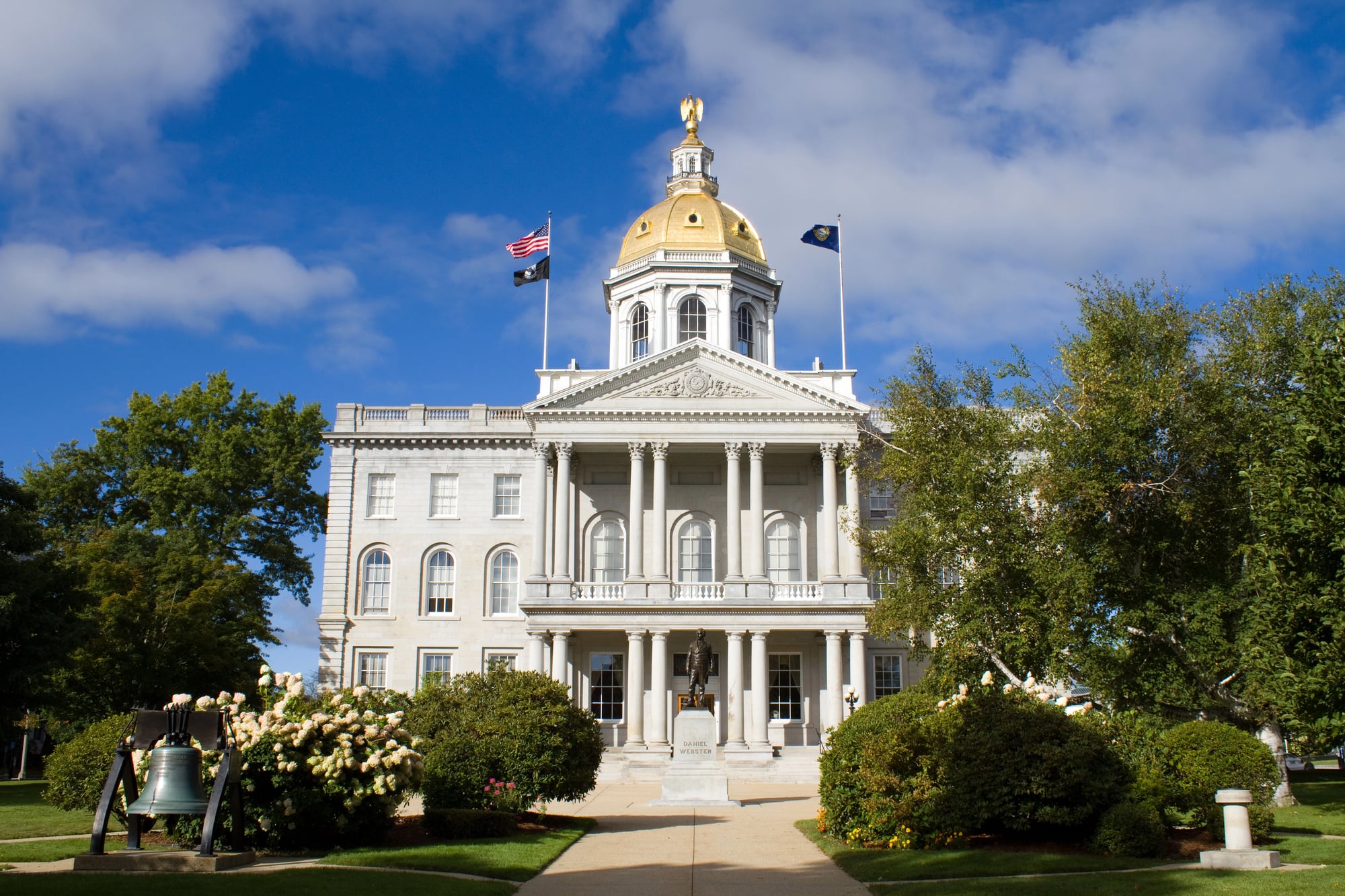
Collecting seaweed at night is forbidden. The law stems from colonial-era property disputes over valuable fertilizer, but it remains on the books with no sunset clause.
Picking up seaweed during daylight hours is perfectly legal, making this perhaps the only crime that depends entirely on natural lighting conditions.
North Dakota

It’s illegal to lie down and fall asleep with your shoes on. This law targets public intoxication without actually mentioning alcohol, creating the bizarre situation where footwear becomes the determining factor in legal behavior.
Beer and pretzels cannot be served simultaneously in the same establishment, which seems designed to eliminate Germany from North Dakota entirely.
Ohio

Fish cannot be given alcohol — period, full stop, no exceptions for special occasions or tiny fish birthdays. Someone apparently felt this needed to be explicitly prohibited, which means at some point in Ohio’s history, people were getting their pets drunk enough to require legislative intervention.
It’s also illegal to get a fish intoxicated, just to cover all possible loopholes that creative fish owners might exploit.
Women cannot wear patent leather shoes in public, because the reflective surface might allow inappropriate glimpses — a law that treats grown women like they’re incapable of choosing appropriate footwear while simultaneously assuming men have no self-control around shiny surfaces.
Tennessee

Sharing your Netflix password is technically theft of services. While this sounds modern, it’s actually an application of older laws about unauthorized access to entertainment services.
The state also prohibits using a lasso to catch fish, which eliminates what sounds like it could have been Tennessee’s signature sport.
Texas

The entire Encyclopedia Britannica is banned because it contains a formula for making beer at home. Texas decided that educational reference materials posed too great a risk to public sobriety, creating what might be the only place in America where learning itself is considered dangerous to moral welfare.
Wyoming
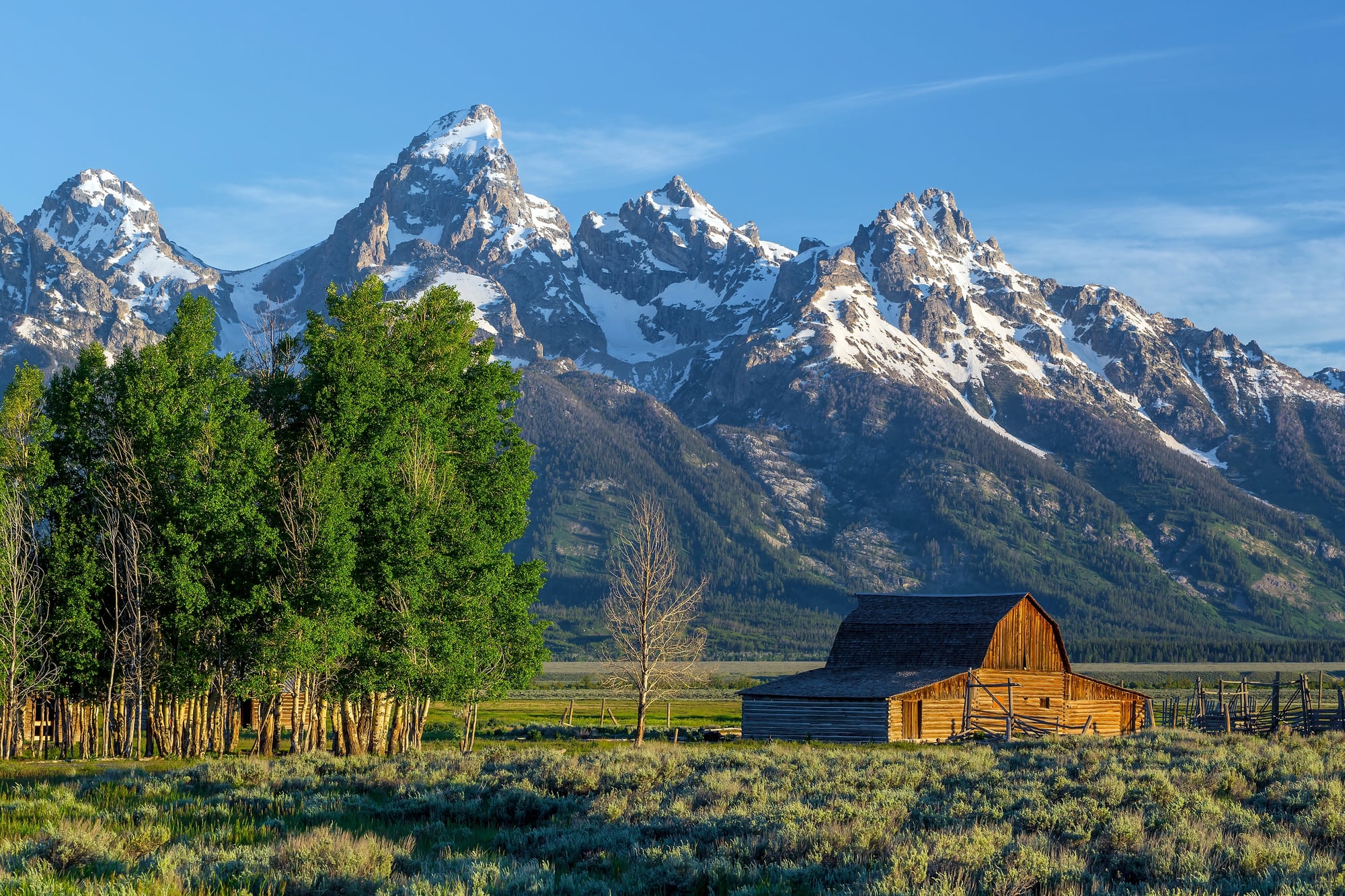
Photographing rabbits during January, February, March, and April is illegal without an official permit. This law protects rabbits during mating season, but it makes Wyoming the only state where wildlife photography requires seasonal paperwork.
The permit process reportedly involves more bureaucracy than photographing actual humans.
Laws That Refuse To Fade

These statutes survive because removing laws requires more effort than ignoring them. Legislative sessions have bigger priorities than combing through century-old ordinances about pickle bounce tests and camel traffic regulations.
So they persist, creating a legal landscape where you can technically be arrested for gargling in Louisiana or fishing with a lasso in Tennessee.
Most of these laws represent their era’s genuine concerns — livestock control, public health, moral regulation — translated into language so specific that it now sounds absurd.
They’re legal fossils, preserved not by design but by the simple inertia of bureaucracy.
More from Go2Tutors!

- The Romanov Crown Jewels and Their Tragic Fate
- 13 Historical Mysteries That Science Still Can’t Solve
- Famous Hoaxes That Fooled the World for Years
- 15 Child Stars with Tragic Adult Lives
- 16 Famous Jewelry Pieces in History
Like Go2Tutors’s content? Follow us on MSN.