16 Harshest Prisons Worldwide
Prison systems around the world vary dramatically in their approach to punishment and rehabilitation. Some facilities focus on providing inmates with education, job training, and mental health support.
Others operate under conditions so severe they’ve drawn condemnation from international human rights organizations. The harshest prisons share certain characteristics: overcrowding that defies human dignity, violence that goes unchecked, and conditions that break people rather than prepare them for eventual release.
Understanding these institutions matters because they reflect broader questions about justice, punishment, and what societies believe criminals deserve. The prisons on this list represent extremes of institutional cruelty, places where basic human needs become luxuries and survival itself becomes the primary concern.
ADX Florence
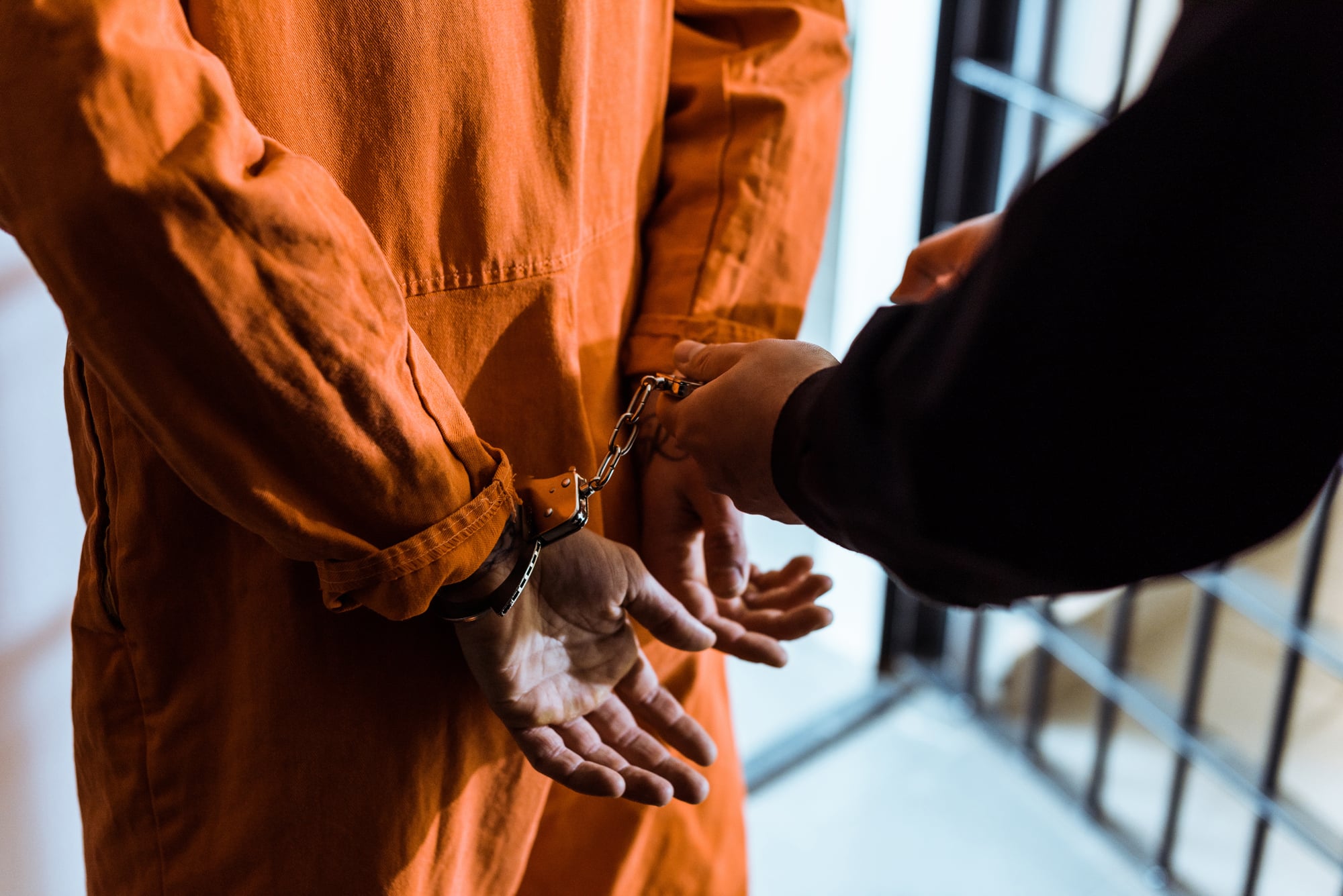
This place doesn’t pretend to be anything other than what it is. America’s most secure federal prison houses terrorists, spies, and the most dangerous criminals in the system.
Inmates spend 23 hours a day in concrete cells with no human contact. The hour of “recreation” happens alone in a slightly larger concrete box.
Black Dolphin Prison
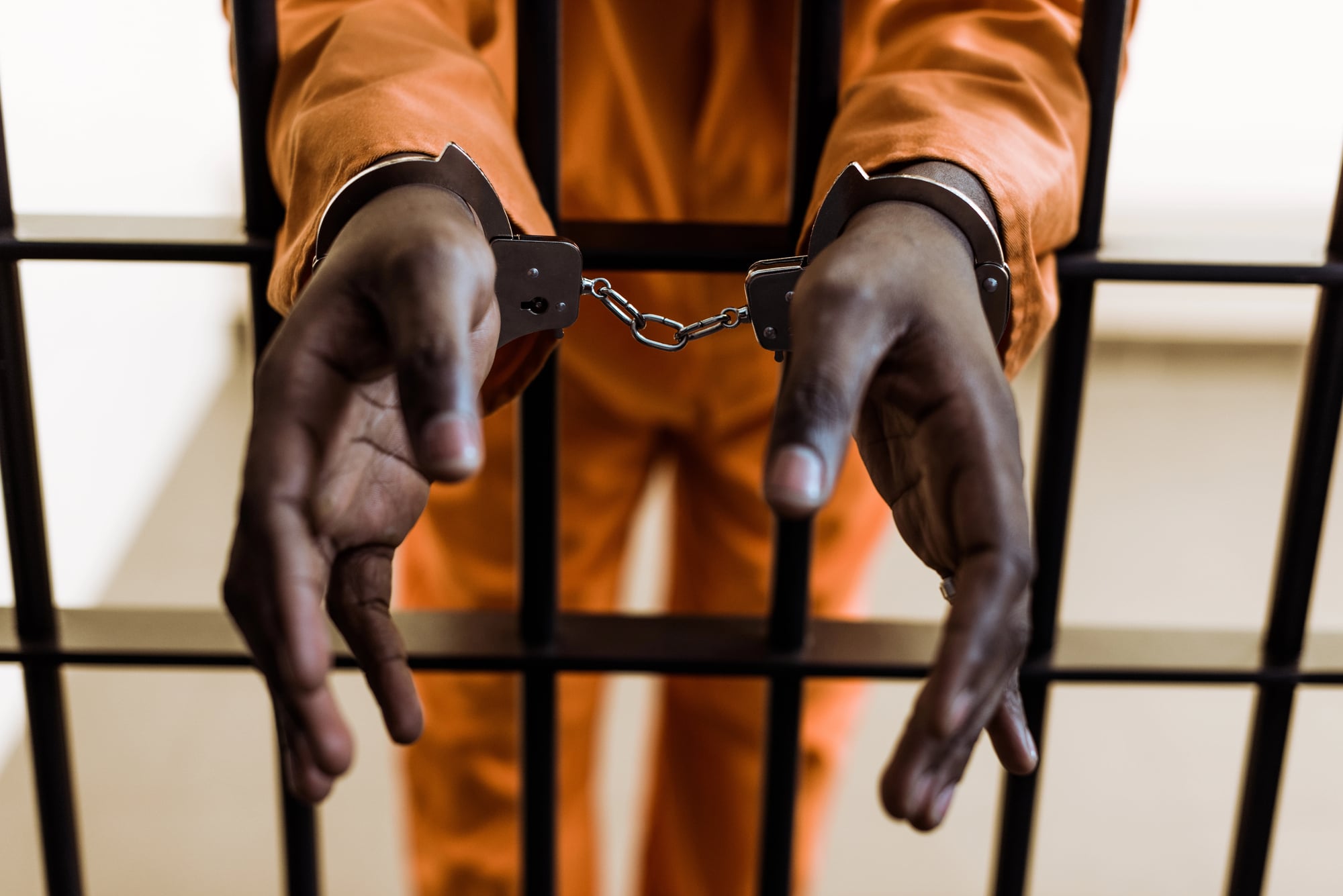
Russian efficiency applied to maximum security creates something genuinely disturbing, and Black Dolphin (officially known as Penal Colony No. 6) demonstrates what happens when a prison system decides that certain inmates should never experience comfort again — or hope, for that matter, since most of the 700 men housed here are serving life sentences for murder, terrorism, or cannibalism. The facility operates under conditions so restrictive that inmates are blindfolded whenever they’re moved (which prevents them from memorizing the prison layout), transported in boxes rather than walking freely, and subjected to hourly checks throughout the night that ensure sleep becomes fragmented and restorative rest nearly impossible.
And yet the truly unsettling aspect isn’t the physical restrictions but the psychological architecture: every element of daily life has been designed to reinforce helplessness. Cells measure roughly 50 square feet — smaller than most American closets — and contain two inmates who must coordinate their movements since there’s insufficient space for both to stand simultaneously.
Exercise happens in individual cages barely larger than the cells themselves. So when Russian authorities describe Black Dolphin as “the most secure prison in the world,” they’re not just talking about escape prevention: they mean the systematic elimination of anything resembling normal human experience.
Bang Kwang Central Prison
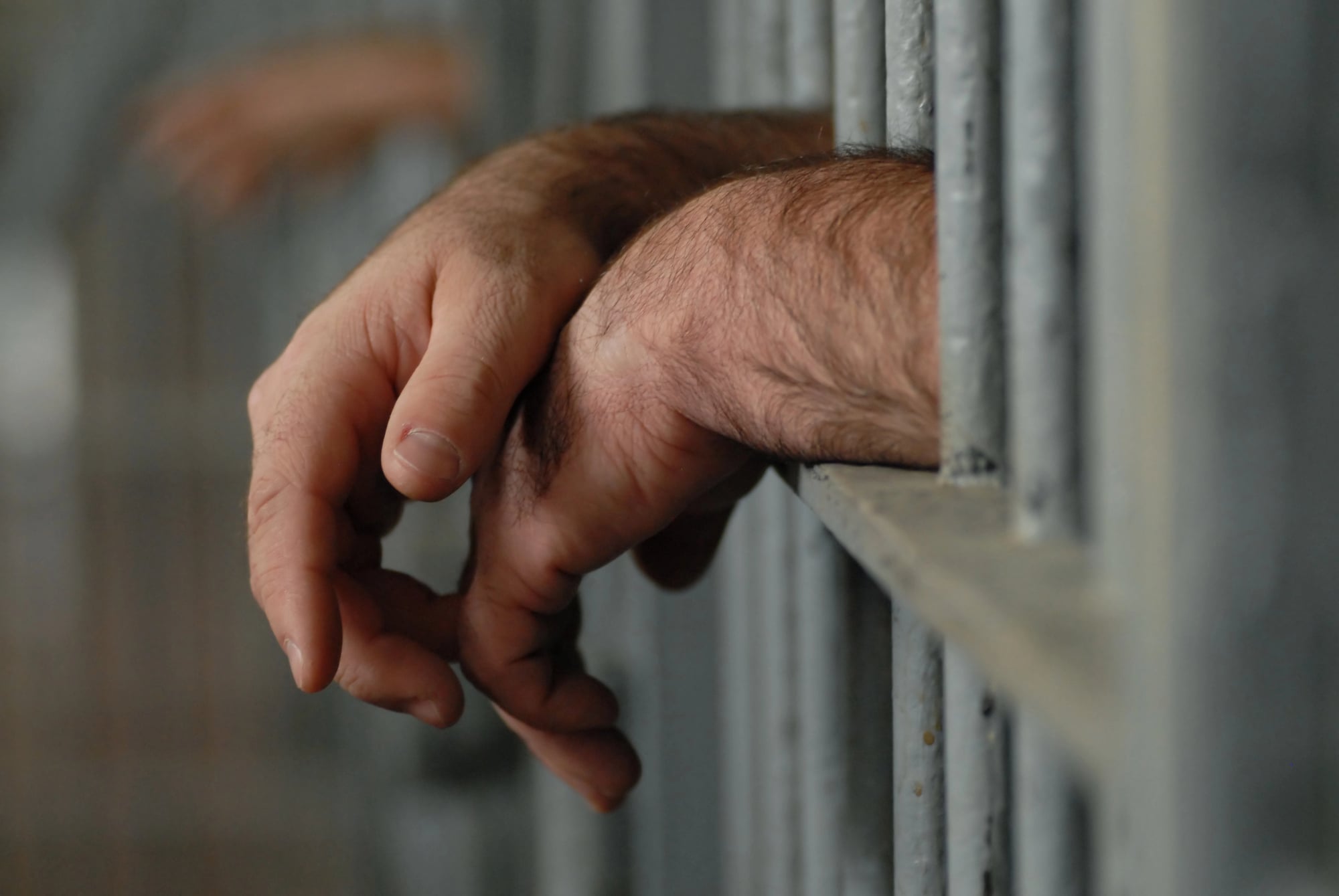
There’s something particularly cruel about the way hope gets measured in this place. Bang Kwang, Thailand’s most notorious prison, houses death row inmates who wear leg shackles for their first two years — not just during transport or as punishment, but continuously, as a constant physical reminder of their status.
The weight becomes part of walking, part of sleeping, part of existing. Most of the men here were sentenced to death for drug-related offenses under Thailand’s strict narcotics laws.
They live in overcrowded cells where tuberculosis spreads easily and medical care arrives slowly, if at all. The prison’s nickname, “Big Tiger,” reflects its reputation for consuming those who enter.
What strikes visitors isn’t just the physical conditions but the stillness. When hope becomes a luxury few can afford, even conversation feels different.
Camp 22
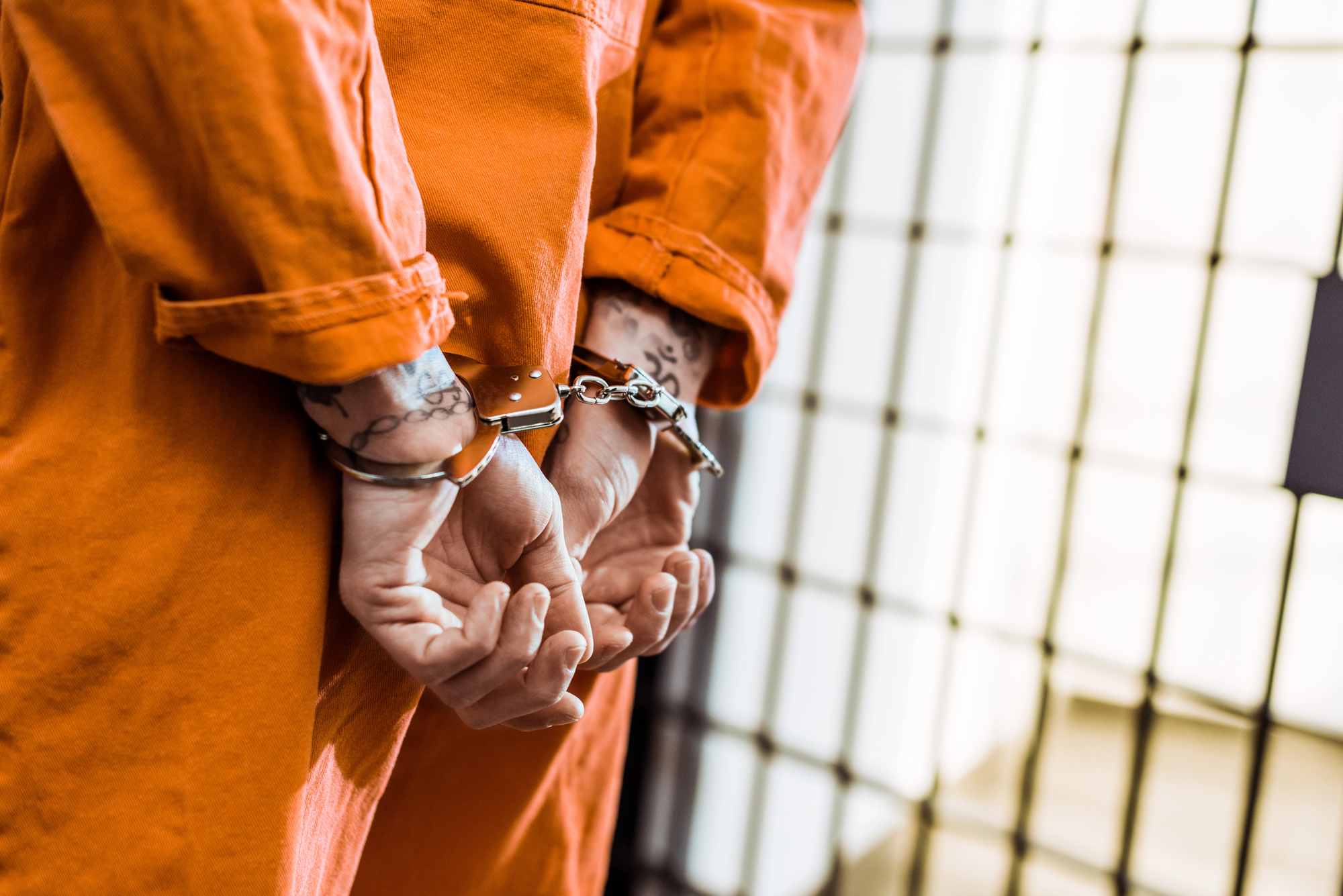
North Korea’s political prison camps exist in a category of institutional brutality that defies comparison. Camp 22 held an estimated 50,000 prisoners — political dissidents, their families, and anyone unlucky enough to be associated with someone the regime deemed problematic.
The facility operated under North Korea’s “three generations of punishment” policy, meaning children and grandchildren served time for crimes they didn’t commit. Former guards who escaped to South Korea describe systematic starvation, medical experiments on prisoners, and executions carried out as public demonstrations.
Inmates survived on rations deliberately set below subsistence levels, supplemented by whatever they could forage. Children born in the camps grew up knowing no other reality.
La Santé Prison
French bureaucracy applied to incarceration produces its own special misery. La Santé, located in Paris, represents everything wrong with Europe’s aging prison infrastructure.
Built in 1867, the facility crams nearly 2,000 inmates into space designed for half that number. The self-harm rate tells the real story.
Overcrowding forces three men into cells built for one, violence goes largely unaddressed, and the waiting list for mental health services stretches for months. Guards describe working conditions that make rehabilitation impossible and basic safety questionable.
This isn’t medieval torture or authoritarian extremism — just institutional neglect that grinds people down through sheer bureaucratic indifference.
Tadmor Prison
Before its destruction during Syria’s civil war, Tadmor Prison existed as a monument to state-sponsored terror, and the accounts from former inmates read like dispatches from humanity’s darkest impulses made institutional policy. The facility, located in the desert near the ancient city of Palmyra, operated under rules so arbitrary that survival depended as much on random luck as personal resilience — guards would select inmates for beatings based on whim, prisoners were forbidden to speak to each other for years at a time, and medical care was withheld not as punishment for specific infractions but as standard practice.
What separated Tadmor from other harsh prisons wasn’t just the systematic brutality but the deliberate psychological warfare: inmates were forced to thank guards after beatings, political prisoners were required to participate in mock executions of fellow inmates, and the prison’s design ensured that screams from the punishment cells could be heard throughout the facility. The 1980 massacre, when guards killed an estimated 1,000 prisoners in retaliation for an assassination attempt against President Assad, established Tadmor’s reputation as a place where the Syrian government’s opponents simply disappeared.
But perhaps the most disturbing aspect was how the prison normalized the abnormal — survivors describe adapting to conditions so extreme that eating insects became routine, sleeping while standing became necessary due to overcrowding, and the absence of daylight for months at a time became just another element of daily existence.
Diyarbakır Prison
Turkish authorities knew exactly what they were creating when they designed the conditions at Diyarbakır Prison during the 1980s. Kurdish political prisoners were subjected to torture methods that Human Rights Watch documented in detail: systematic beatings, forced exposure in winter, and psychological abuse designed to break ethnic identity as much as individual will.
The facility’s reputation grew so notorious that being sent there carried an implicit death sentence. Inmates organized hunger strikes that lasted months, with many dying rather than accepting the daily humiliations.
Guards encouraged violence between different ethnic groups while maintaining conditions that made basic hygiene impossible.
Carandiru Penitentiary
Brazil’s Carandiru became shorthand for institutional failure long before the 1992 massacre that left 111 inmates dead. The prison housed over 8,000 men in space designed for 3,000, creating conditions where violence became inevitable rather than exceptional.
Gangs controlled entire sections while guards avoided whole wings of the facility. The riot that ended in mass executions started over a soccer game but reflected deeper problems: inmates with no hope of fair treatment, overcrowding that made basic sanitation impossible, and a justice system that viewed prisoners as disposable.
Police entered the facility and opened fire indiscriminately, killing inmates who had surrendered. What made Carandiru particularly disturbing wasn’t the violence itself but how predictable it had become.
Everyone involved — inmates, guards, officials — understood the system was broken. The massacre just made it international news.
Gitarama Central Prison
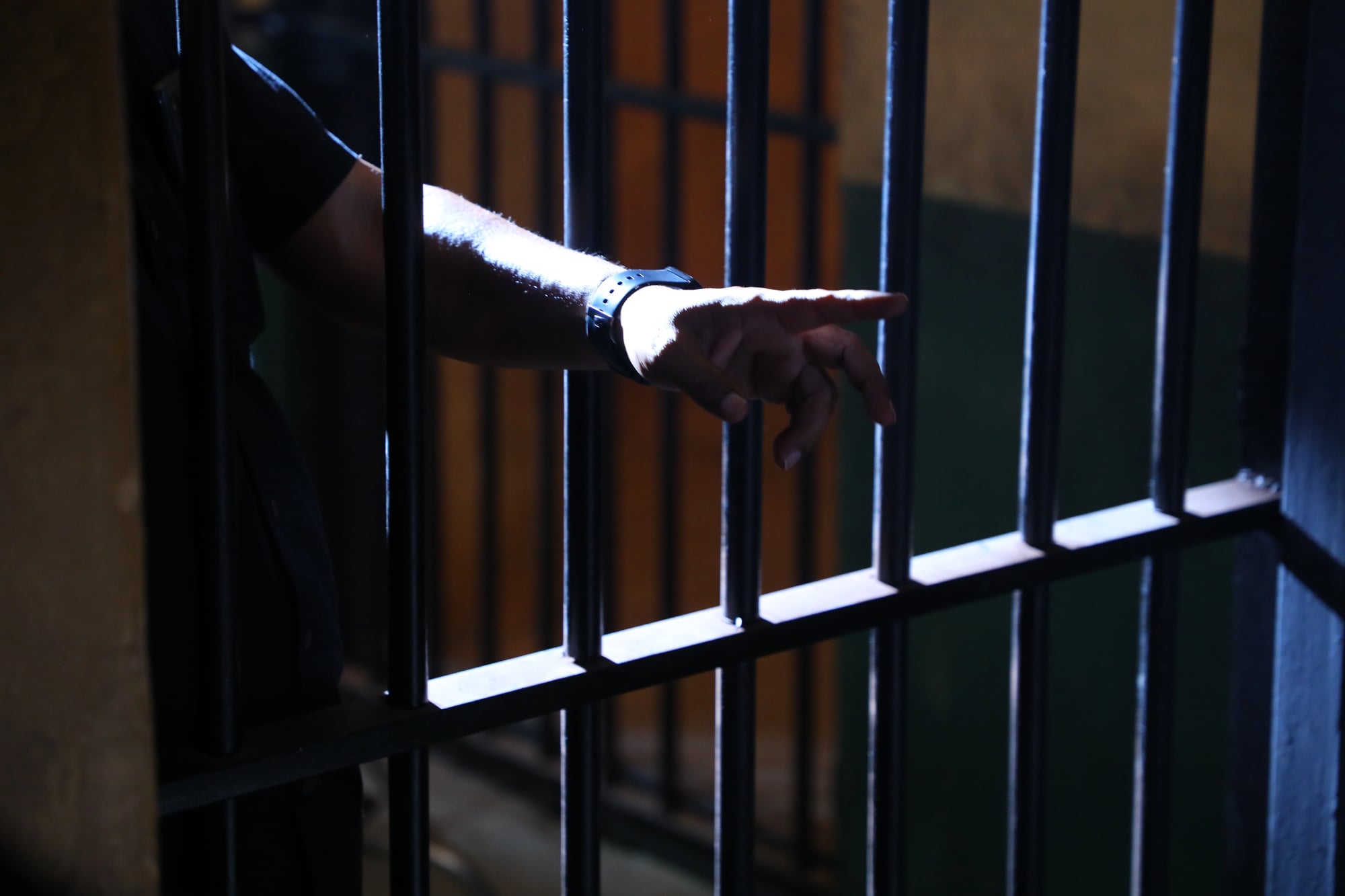
Rwanda’s Gitarama Prison became a showcase for what happens when a justice system collapses under the weight of genocide, and the overcrowding there reached levels that transformed basic human functions into competitive struggles — the facility designed for 400 inmates housed nearly 7,000 at its peak, creating conditions so dense that prisoners had to take turns lying down to sleep, and many simply stood for days at a time because floor space became more valuable than privacy or comfort.
Most inmates were awaiting trial for genocide-related crimes, which meant legal proceedings moved at bureaucratic pace while physical conditions deteriorated daily. Gangrene from standing in sewage-contaminated water became common, medical care was nonexistent, and the death rate climbed so high that bodies were removed each morning like a grim form of inventory management.
And the psychological pressure was perhaps worse than the physical conditions: many inmates knew they faced execution if convicted, while others maintained their innocence in a system where collective guilt had become a form of administrative efficiency. So hope and despair mixed together in a space barely larger than a basketball court, creating a form of human suffering that defied easy categorization.
Petak Island Prison

Russia’s approach to isolation reaches its logical extreme at Petak Island, where the most dangerous criminals serve sentences that might as well be death. The prison sits on an island in Lake Novozero, surrounded by water that’s frozen most of the year and too cold for swimming during the brief summer months.
Inmates spend their sentences in two-man cells for 22.5 hours a day. Limited contact with the outside world, restricted visiting rights, and a bleak environment beyond guards who communicate through food slots define daily life.
The psychological effects become visible quickly — many prisoners develop paranoid delusions or stop speaking altogether. Medical care consists of keeping inmates alive; mental health treatment doesn’t exist.
The isolation isn’t punishment for bad behavior inside prison. It’s the baseline condition of serving time there.
Kamiti Maximum Security Prison
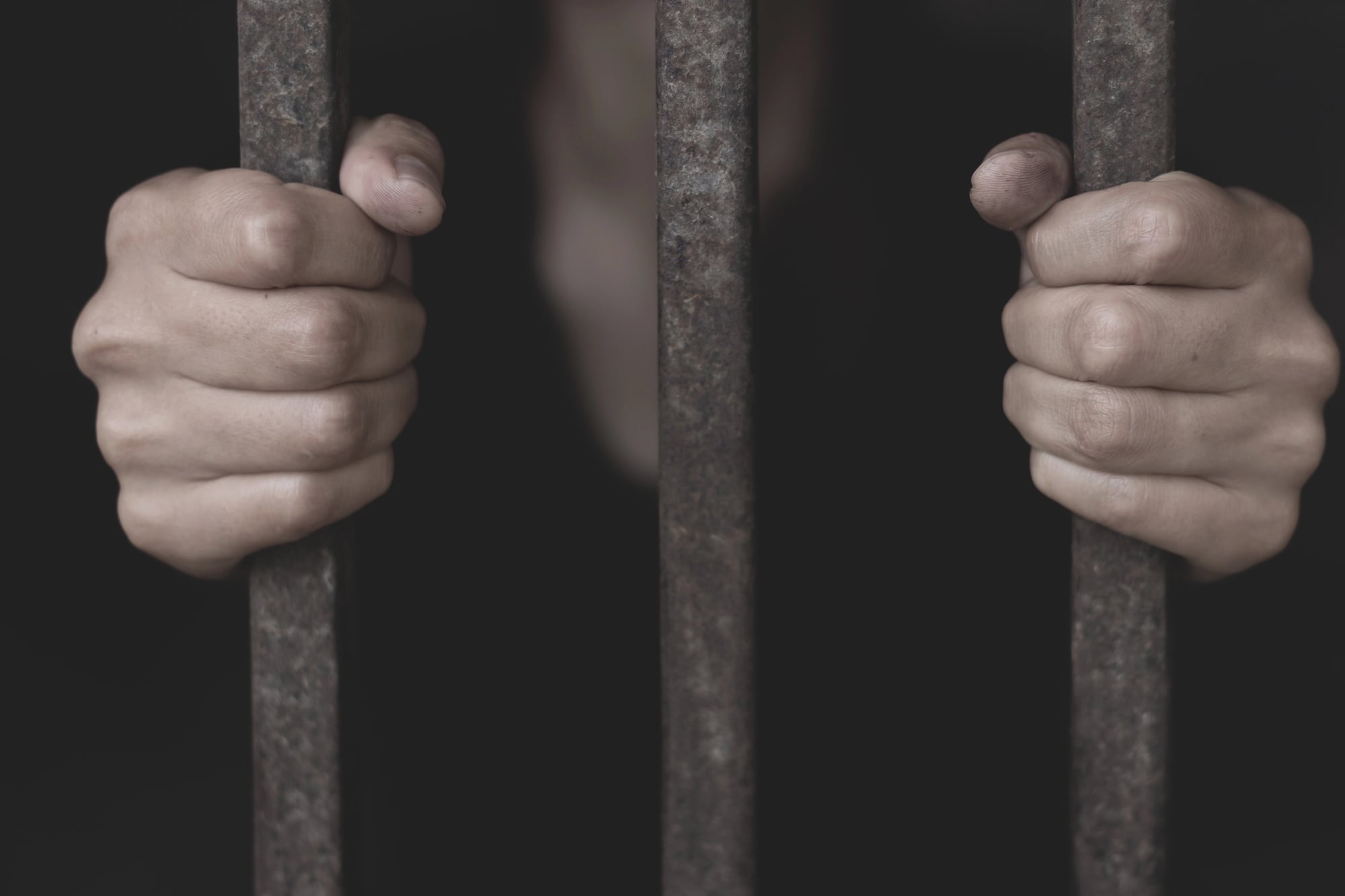
Kenya’s Kamiti Prison represents institutional neglect elevated to an art form. The facility houses over 3,000 inmates in buildings constructed for 600, creating overcrowding that makes basic hygiene impossible and turns minor disputes into life-threatening conflicts.
Tuberculosis spreads unchecked, HIV rates climb steadily, and medical care consists mostly of pain medication and hope. Food arrives sporadically and in quantities that guarantee malnutrition.
Inmates supplement official meals by catching rats, growing small gardens in whatever soil they can find, or trading favors for extra portions. Guards supplement their salaries by selling better treatment to families who can afford bribes.
The death penalty remains legal in Kenya, so many Kamiti inmates live with execution dates that get postponed repeatedly due to bureaucratic delays. The psychological toll of indefinite waiting, combined with conditions that slowly destroy physical health, creates a particularly cruel form of long-term punishment.
Gldani Prison
Georgia’s prison system gained international attention when videos leaked showing guards torturing inmates with broomsticks, forcing prisoners to perform degrading acts, and beating men unconscious for entertainment, but Gldani Prison had been operating under these conditions for years before the footage surfaced — systematic abuse wasn’t an aberration but standard operating procedure in a facility where guards treated inmates like personal property and administrative oversight existed only on paper.
The leaked videos showed assault, torture, and humiliation that shocked even hardened human rights investigators, but former inmates described these incidents as routine rather than exceptional. Guards would select prisoners randomly for abuse, violence was used as a control mechanism, and medical care was withheld from victims to prevent documentation of injuries.
But the most disturbing aspect wasn’t the individual acts of violence but the institutional structure that encouraged them: guards received no meaningful training, faced no consequences for abuse, and worked within a system where prisoner complaints were automatically dismissed. So the torture continued for years until someone managed to record it and smuggle the evidence out.
Mendoza Prison
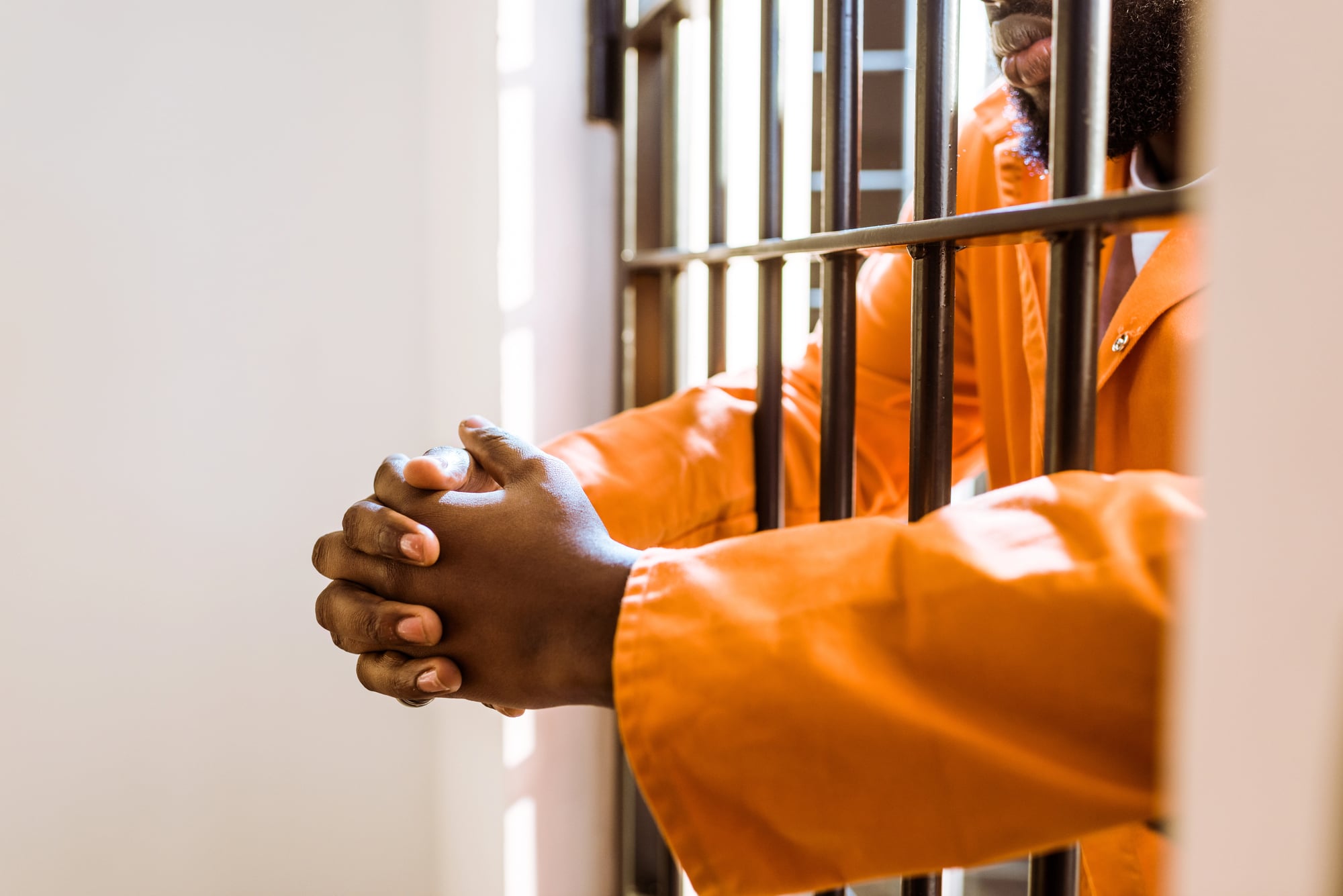
Argentina’s Mendoza Prison exists in a state of barely controlled chaos where gangs have more authority than guards and violence is so routine that staff often refuse to enter certain sections. Overcrowding has reached levels where inmates sleep in shifts, share beds, or simply remain awake for days until exhaustion forces them to collapse wherever space becomes available.
The facility’s gang structure operates like a parallel government with its own courts, punishment systems, and economic networks. Guards negotiate with gang leaders rather than maintaining control, and new inmates must immediately align with a faction or face constant threats.
Medical care happens only when gang leaders approve it. Drug trafficking continues openly inside the prison, with guards serving as both customers and business partners.
The distinction between staff and inmates has blurred beyond recognition.
Rikers Island
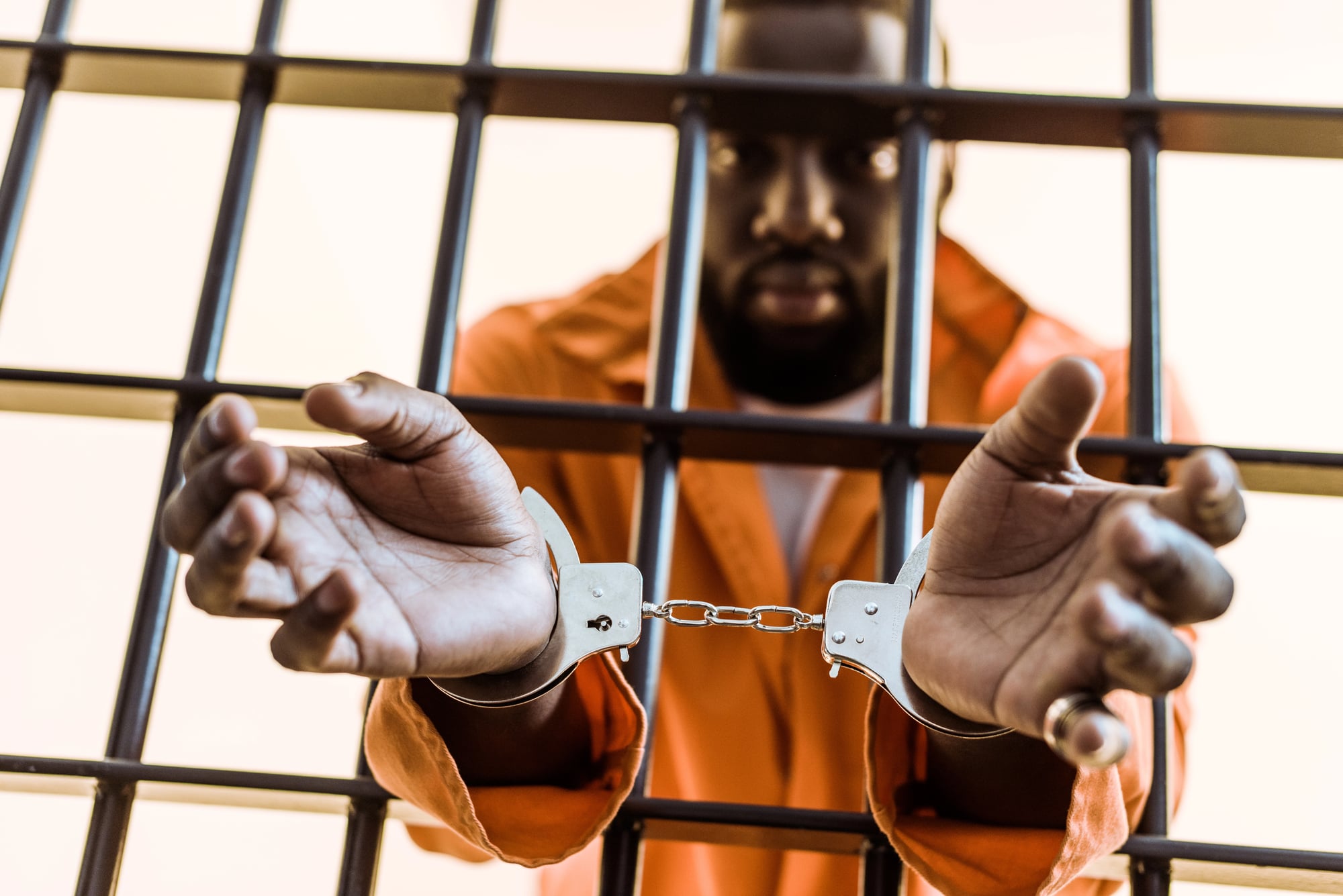
New York’s Rikers Island demonstrates how wealthy societies can create brutal conditions through institutional dysfunction rather than deliberate cruelty. The facility houses roughly 10,000 inmates, most awaiting trial and technically innocent under the law.
Many will spend months or years there simply because they cannot afford bail. Violence between guards and inmates has reached epidemic levels.
Mental health services exist but remain overwhelmed by demand. Solitary confinement gets used as punishment for infractions as minor as talking back to guards, and inmates with serious psychiatric conditions are housed alongside violent offenders in circumstances that worsen their symptoms.
The self-harm rate at Rikers exceeds national averages by substantial margins. Most deaths involve inmates who should never have been in general population to begin with.
Pollsmoor Prison
South Africa’s Pollsmoor Maximum Security Prison houses over 7,000 inmates in a facility built for 4,000, but the overcrowding numbers don’t capture the reality of daily life there — prisoners sleep in shifts because there isn’t floor space for everyone to lie down simultaneously, ventilation systems haven’t functioned properly in years (which means the air quality in some sections approaches suffocation levels during summer months), and gang violence has become so institutionalized that new inmates must immediately choose sides or face constant attacks from all factions.
The “Number gangs” — the 26s, 27s, and 28s — control different aspects of prison life and maintain their own courts, initiation rituals, and punishment systems that operate parallel to official prison rules. Guards often negotiate with gang leaders rather than challenging their authority, which means justice inside Pollsmoor depends more on gang loyalty than legal principles.
Medical care exists but remains so inadequate that treatable conditions like tuberculosis spread unchecked, HIV rates continue climbing, and basic wound treatment becomes a luxury that must be earned through good behavior or gang connections. And the psychological toll extends beyond current inmates: Pollsmoor’s reputation means that sentencing someone there carries additional punishment through anticipatory fear, and families of inmates face their own trauma knowing their loved ones are surviving in conditions that make rehabilitation nearly impossible.
San Quentin State Prison
California’s San Quentin represents American corrections at its most contradictory. The prison houses the state’s largest death row population while simultaneously running innovative rehabilitation programs that other facilities study and attempt to replicate.
Inmates can earn college degrees, participate in restorative justice programs, and work with victims’ families — assuming they survive the gang violence that remains endemic throughout the facility. The death row section operates under conditions approaching psychological torture: inmates spend decades in isolation while appeals work through courts that move at bureaucratic pace.
Many prisoners have been awaiting execution longer than their victims were alive. The psychological effects become predictable — paranoid behavior, social withdrawal, and the kind of institutional thinking that makes eventual release nearly impossible.
But San Quentin also demonstrates how reform can coexist with brutality. The same facility that runs acclaimed education programs also maintains conditions in certain sections that human rights groups consider inhumane.
The Weight of Concrete and Time
These facilities share certain characteristics that transcend geography and political systems. They warehouse human beings in conditions that guarantee psychological damage, physical deterioration, and social dysfunction that persists long after release.
Whether through deliberate cruelty or institutional neglect, they transform punishment into something that extends far beyond legal sentences. The harshest prisons succeed in breaking people, but they fail at nearly everything else societies claim to want from justice systems.
They don’t deter crime effectively, they don’t protect public safety reliably, and they certainly don’t prepare inmates for productive lives after release. What they do accomplish is the systematic dehumanization of people whose crimes, however serious, occurred during small fractions of their total lifespans.
Understanding these places matters not because they represent acceptable approaches to justice, but because they show how quickly institutional power can corrupt the basic human values that make civilization worth maintaining.
More from Go2Tutors!

- The Romanov Crown Jewels and Their Tragic Fate
- 13 Historical Mysteries That Science Still Can’t Solve
- Famous Hoaxes That Fooled the World for Years
- 15 Child Stars with Tragic Adult Lives
- 16 Famous Jewelry Pieces in History
Like Go2Tutors’s content? Follow us on MSN.



