18 Bizarre Trends from the ’90s That We Just Went Along With
The 1990s were a peculiar time for popular culture, fashion, and technology. While millennials might look back with rose-tinted glasses, many trends from this decade were genuinely bizarre when viewed through a modern lens.
The ’90s represented a unique transitional period between analog and digital worlds, creating some truly head-scratching fads along the way. Here is a list of 18 bizarre trends from the ’90s that somehow became completely normal despite their inherent strangeness.
Frosted Tips

Men across America suddenly decided that bleaching just the very ends of their hair was the epitome of cool. This look, popularized by boy band members and celebrity chefs alike, involved keeping natural hair color at the roots while the tips were dyed a brassy yellow-blonde.
Even more puzzling was how the style was often paired with hair gel spiked to gravity-defying heights.
JNCO Jeans
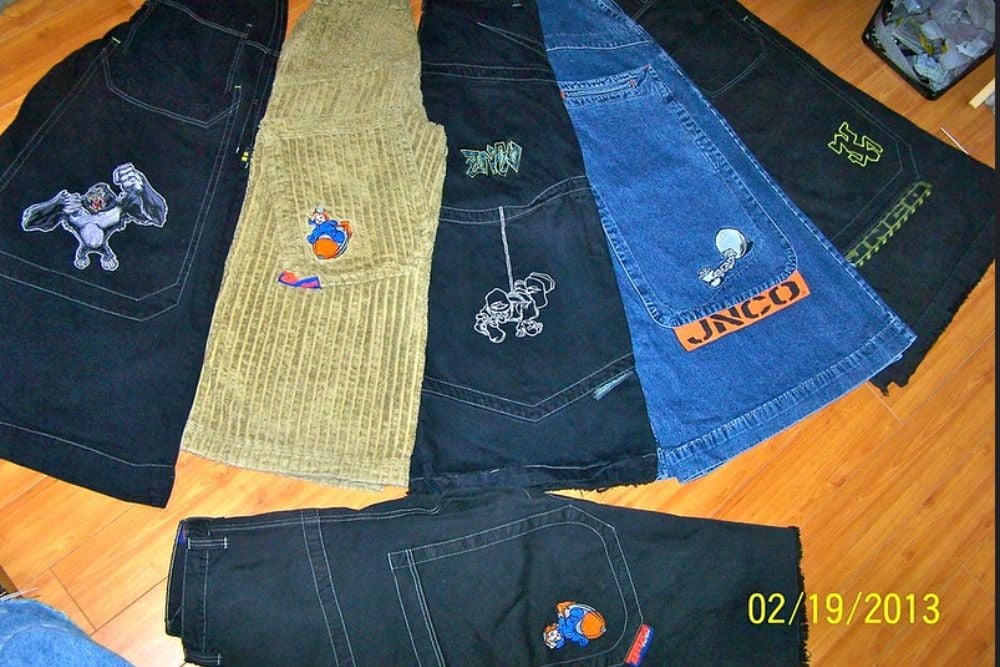
These massively oversized jeans with leg openings up to 50 inches wide swept through middle schools and high schools nationwide. Walking around with enough denim to clothe a small village became the height of fashion.
The pants were so wide that wearers often stepped on their own hems, leading to the characteristic frayed bottoms that somehow made them even more desirable.
Furby Mania
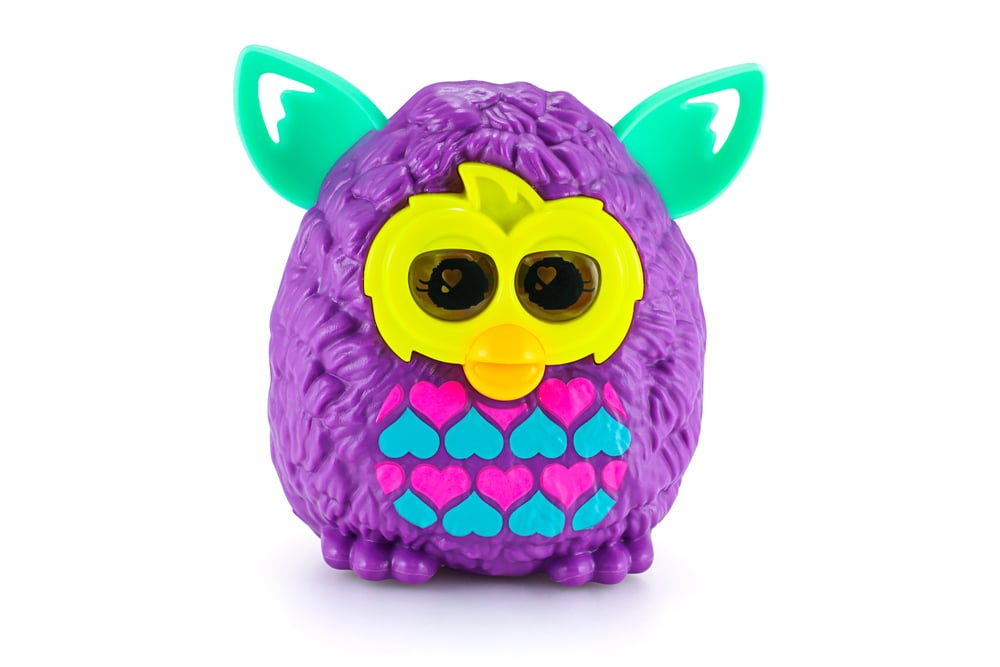
These electronic owl-hamster hybrids with their own language invaded homes across America, often creeping out parents while delighting children. The bizarre part wasn’t just their strange appearance but how they would randomly activate in the middle of the night, speaking their “Furbish” language from dark closets.
Despite being somewhat terrifying, people still spent hundreds of dollars to acquire the rarest models.
Virtual Pets
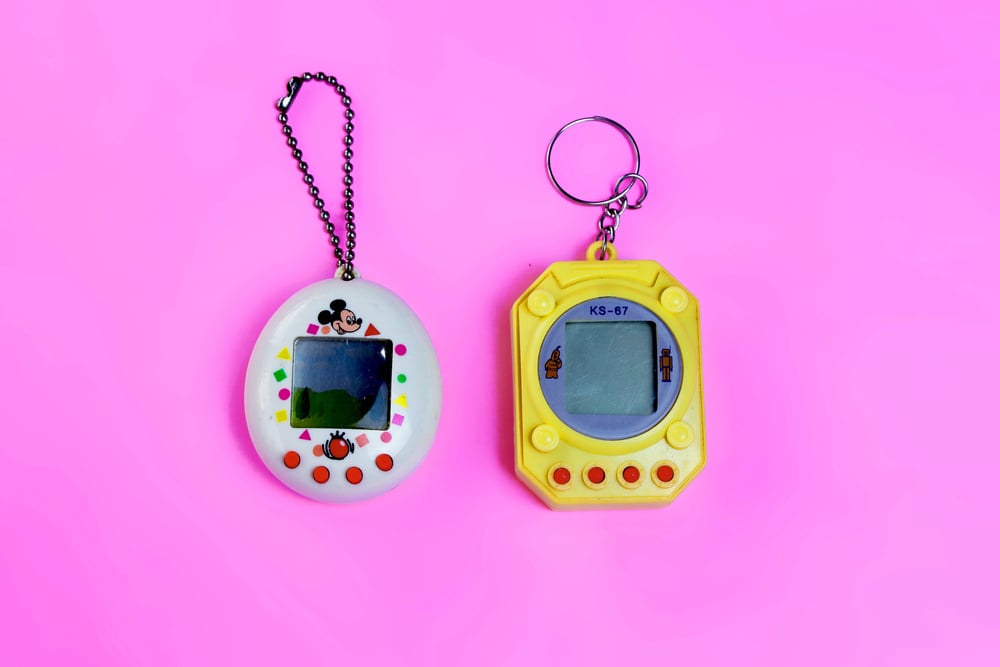
Children willingly carried around small plastic eggs containing primitive LCD screens displaying pixelated “pets” that required constant attention. Tamagotchis and other virtual pets needed feeding, cleaning, and entertainment, creating a generation of kids beeping and tapping at plastic toys during class.
Schools eventually had to ban these devices because children were too preoccupied caring for their digital dependents.
Slap Bracelets

The concept was simple yet bizarre: take a flexible strip of metal covered in fabric, slap it against your wrist, and watch it curl around to form a bracelet. These accessories were effectively repurposed from measuring tapes that frequently cut wearers when the fabric inevitably wore down.
Many schools banned them due to safety concerns, which only made them more coveted.
Pagers
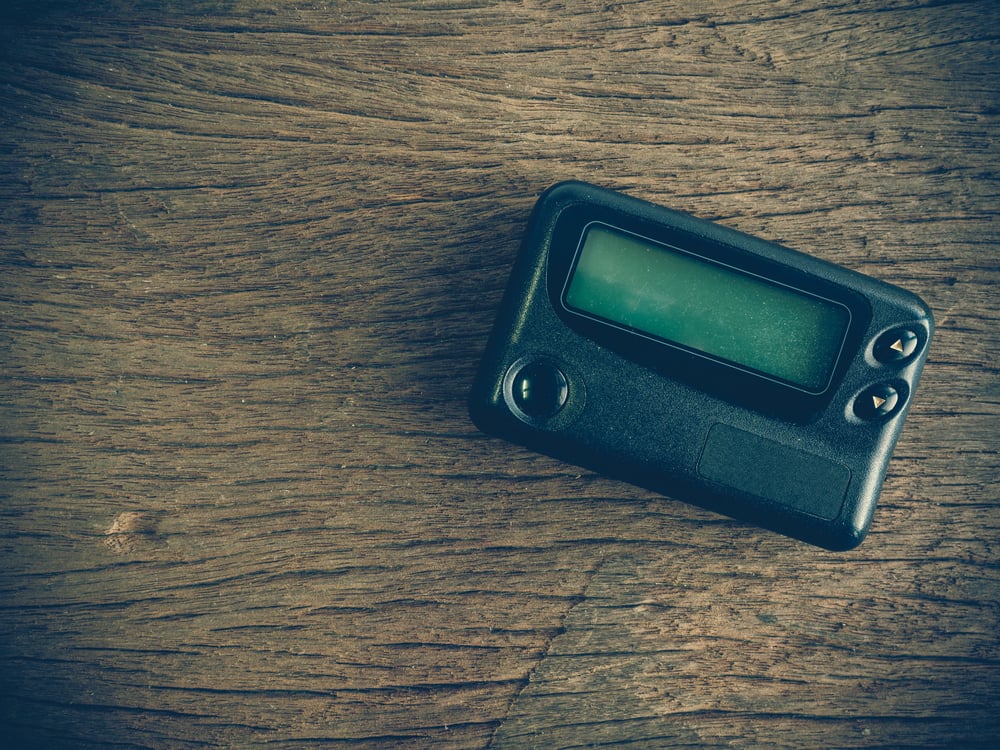
Before cell phones became ubiquitous, people willingly carried devices that could only receive numbers, not messages or calls. When your pager beeped, you had to find the nearest payphone to call back whoever had paged you.
These devices were primarily associated with doctors and drug dealers, yet somehow became status symbols for regular teenagers.
Wallet Chains
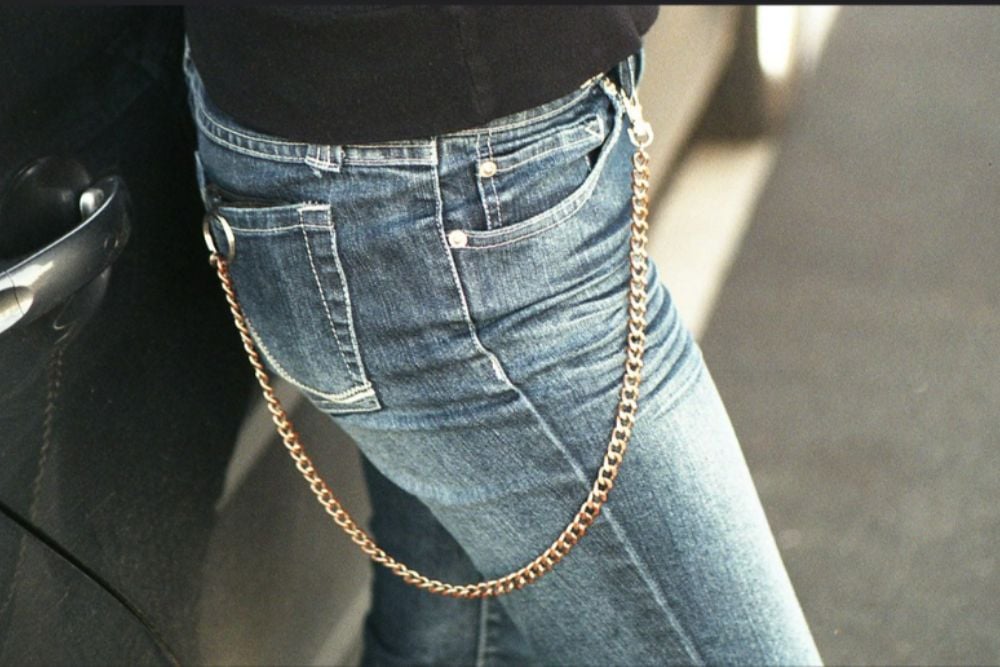
Attaching your wallet to your pants with a heavy metal chain became inexplicably popular despite its questionable practicality. These jangling accessories often extended well below the knee and could weigh several pounds in extreme cases.
The bizarre logic was supposedly theft prevention, yet the chains actually drew more attention to where valuables were kept.
Dial-Up Internet
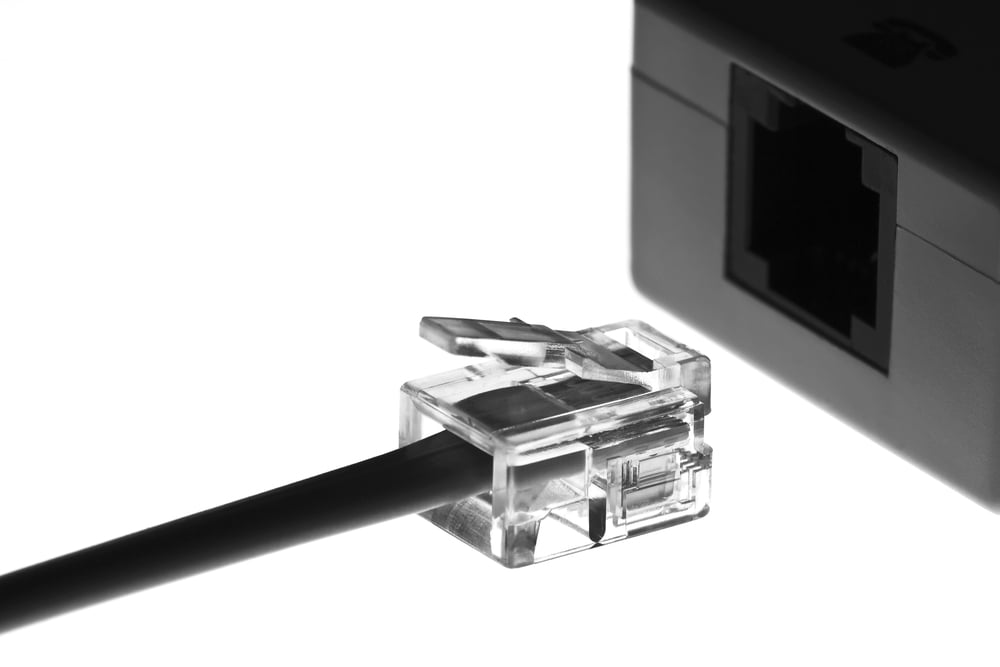
People would willingly wait several minutes while their computers made a series of screeching, static-filled noises just to connect to a primitive version of the internet. Even more baffling, this connection would immediately disconnect if someone in the house picked up the telephone.
Families developed complex negotiation systems just to determine who got to use the phone line and when.
Bowl Cuts
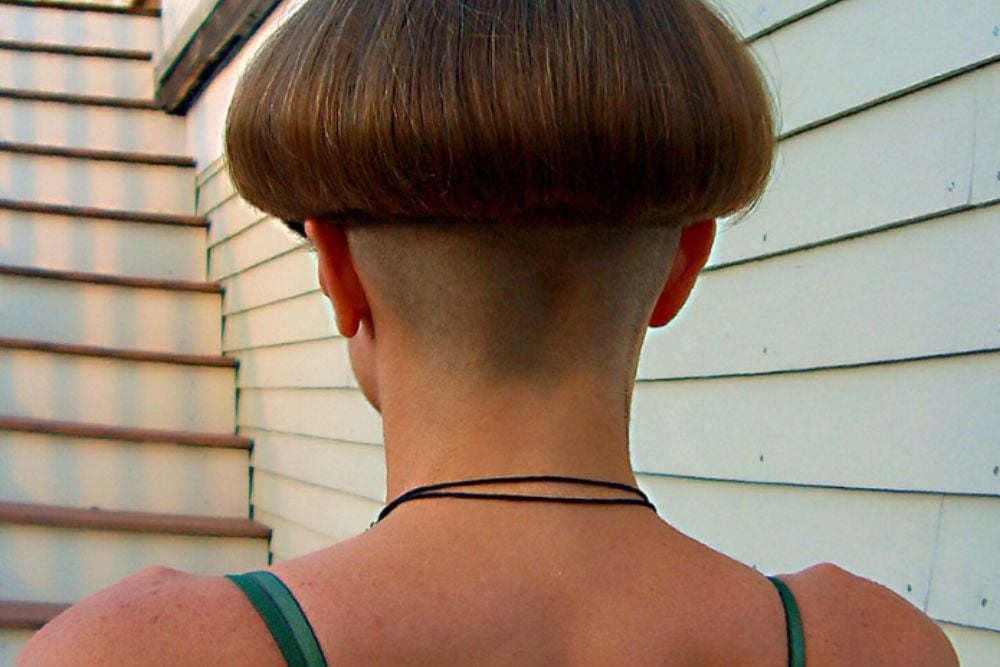
Parents took their children to professional hairstylists and specifically requested that their hair be cut in the shape of an upside-down bowl. This unflattering look gave the impression that someone had literally placed a bowl on the head and cut around it.
Despite looking universally bad on everyone, this style dominated yearbook photos throughout the decade.
Snap Bracelets
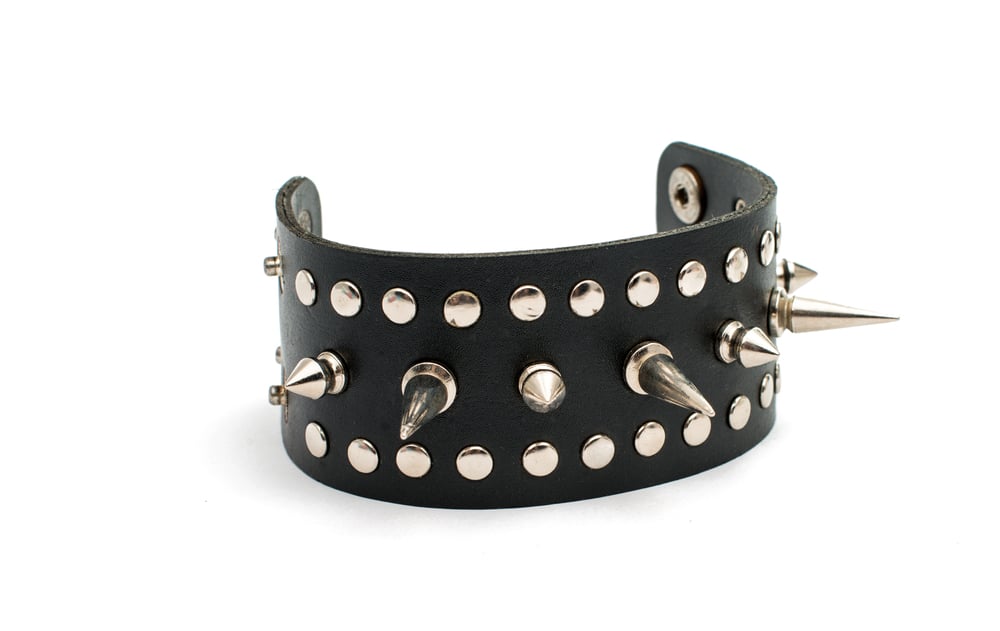
Children everywhere wore these fabric-covered metal strips that would curl around your wrist when you slapped them against it. The appeal was largely in the satisfying “snap” sound they made.
Many schools eventually banned them as the fabric covering would wear away, exposing the sharp metal underneath that could cause cuts and scratches.
This is just a template and this text should be replaced in your post. Each gallery slide consists of a H2 heading, one image, an image caption, and then paragraph text. You can link to your post or another post which is reflected in the image in order to get traffic. You should have a minimum of 10 gallery slides, so 10 of these block combos. This template has 10 for you to start with.
Clear Electronics

For some inexplicable reason, seeing the inner components of your telephone, Game Boy, or alarm clock became highly desirable. Companies released transparent versions of everything electronic, often with neon colored accents.
The irony was that most of these devices revealed nothing particularly interesting—just a circuit board and some wires.
Fanny Packs

People willingly strapped small pouches to their waists, creating an unflattering silhouette while advertising exactly where they kept their valuables. These fashion disasters came in every neon color imaginable and were often worn by tourists who seemed oblivious to how they completely ruined any outfit.
Despite their practical storage capabilities, the aesthetic was puzzling at best.
Collected Pogs
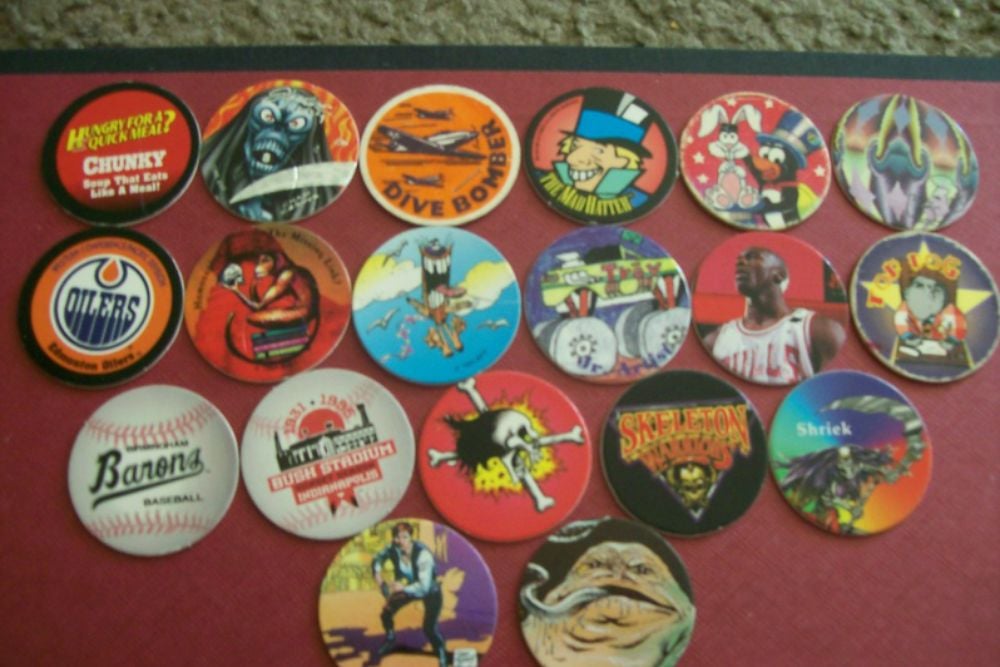
Children nationwide collected small cardboard discs called Pogs that served absolutely no purpose besides being collected and occasionally played in a simple game. The bizarre part wasn’t just the uselessness of these items but the fact that schools had to ban them due to arguments over ownership.
People spent real money on special slammers and rare designs for a game with virtually no skill involved.
Hypercolor T-Shirts
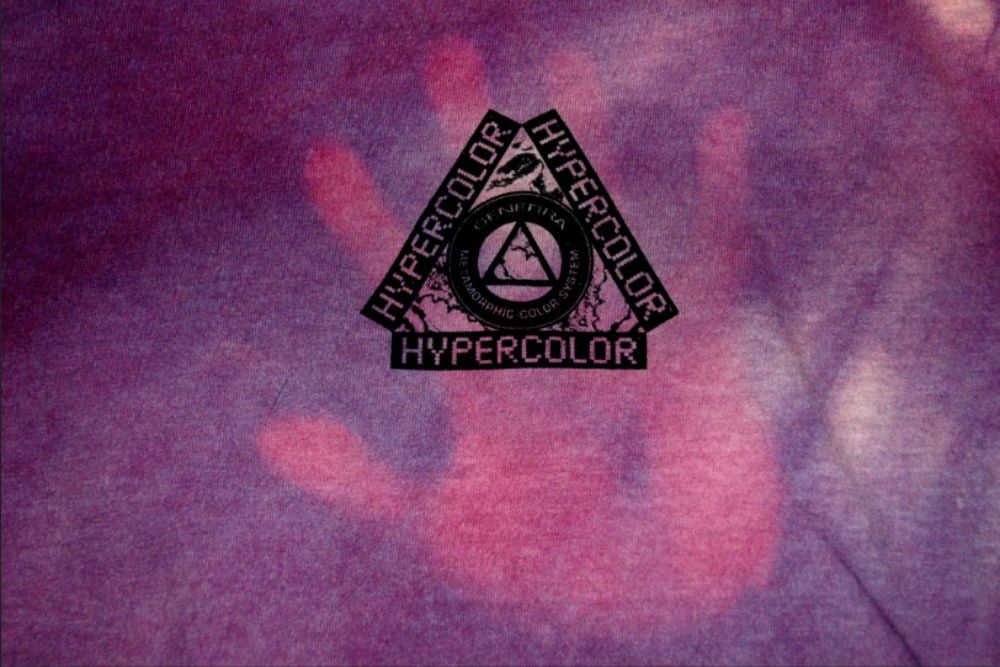
Shirts that changed color when exposed to heat became a fashion phenomenon despite revealing precisely where a person was sweating. These temperature-sensitive garments would create unusual discoloration patterns under armpits or anywhere body heat was concentrated.
Even stranger, excessive washing or drying would permanently ruin the color-changing effect, making these expensive shirts extremely short-lived.
Moon Shoes
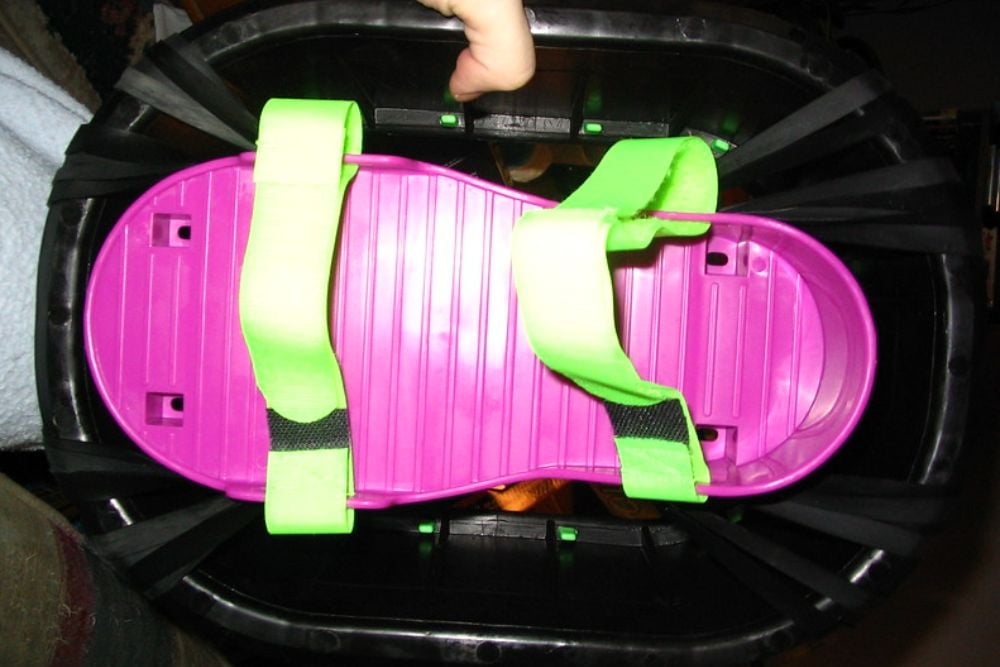
Parents purchased plastic platforms filled with elastic bands that attached to their children’s feet, essentially creating mini trampolines for each step. These dangerous contraptions were marketed as “anti-gravity shoes” despite merely being ankle-twisting hazards.
The design was unstable, the bounce minimal, and injuries common, yet they still flew off shelves during holidays.
Starter Jackets
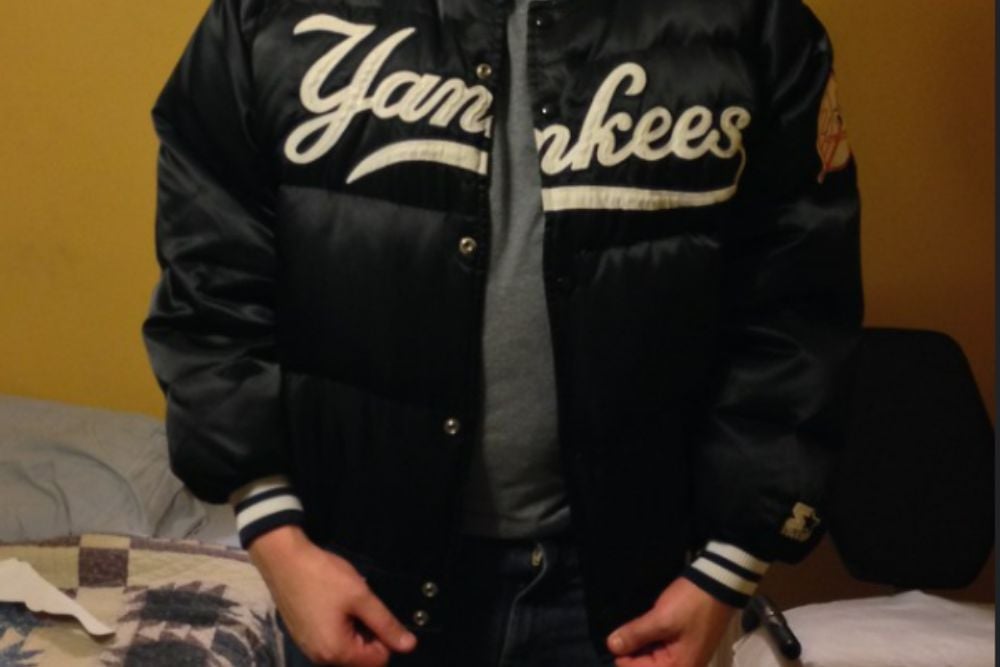
Enormously puffy team-branded jackets became status symbols in schools despite being impractically large and often supporting teams from cities the wearer had never visited. These overpriced nylon monuments to professional sports made wearers resemble walking billboards.
The bizarre part was how fiercely loyal kids became to certain teams based entirely on jacket colors rather than actual sports knowledge.
Inflatable Furniture

People actually furnished rooms with air-filled chairs and couches that squeaked with every movement and deflated regularly. These transparent plastic pieces came in neon colors and would stick uncomfortably to bare skin during hot weather.
Despite being incredibly impractical and remarkably uncomfortable, inflatable furniture was considered the height of bedroom decor for teenagers.
AOL Installation CDs
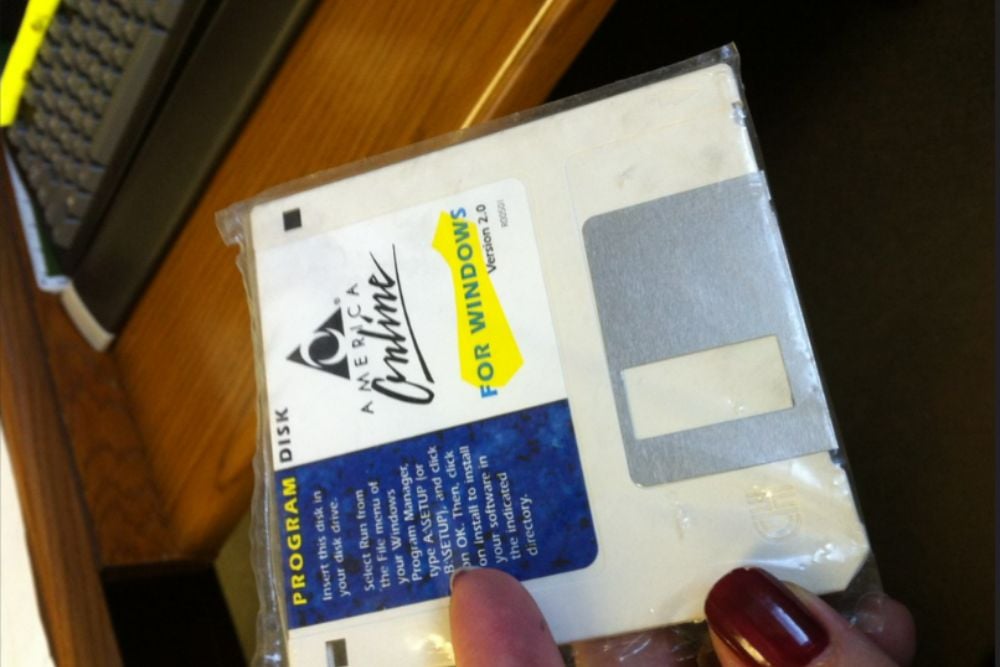
America Online mailed out billions of installation CDs, often multiple copies to the same household every month. These shiny discs arrived unsolicited in mailboxes, packaged in tin cans, cereal boxes, or thin cardboard sleeves.
The truly bizarre aspect was how these discs became so ubiquitous that people created art projects, coasters, and even clothing from the surplus—all while AOL kept sending more.
The Lingering Legacy

These strange trends shaped an entire generation’s understanding of what was cool, showing how easily people can normalize truly bizarre behaviors and fashions. While some ’90s nostalgia has led to revivals of certain trends, many remain firmly in the past where they likely belong.
The decade serves as a reminder that social pressure can make even the most impractical or unusual things seem perfectly normal when everyone else is doing them too.
More from Go2Tutors!

- The Romanov Crown Jewels and Their Tragic Fate
- 13 Historical Mysteries That Science Still Can’t Solve
- Famous Hoaxes That Fooled the World for Years
- 15 Child Stars with Tragic Adult Lives
- 16 Famous Jewelry Pieces in History
Like Go2Tutors’s content? Follow us on MSN.