Reading Facts That Seem Fake But Are Actually True
There’s a particular kind of discomfort that comes from learning something true that your brain refuses to accept. You read it, you check it, you read it again — and still your gut insists someone’s pulling your leg.
These aren’t obscure technicalities or loopholes in definitions. They’re just facts. Real, verified, sitting-right-there facts that the universe decided to make extremely difficult to believe.
Here are some of the best ones.
Cleopatra Lived Closer to the Moon Landing Than to the Pyramids
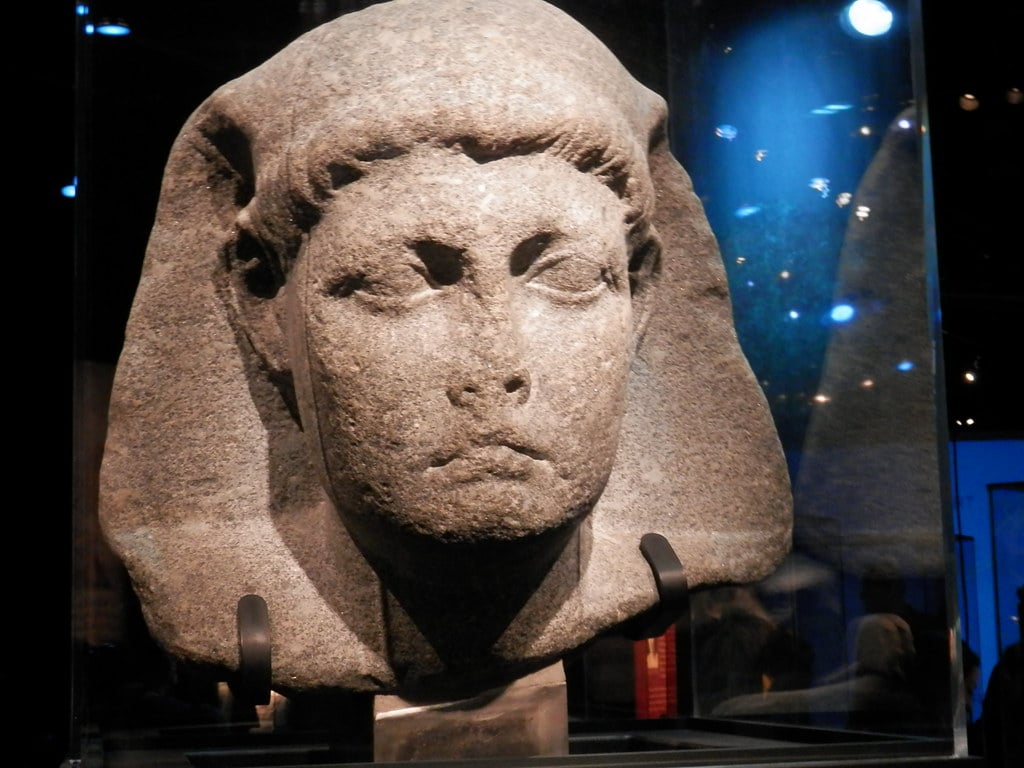
This one tends to stop people mid-sentence. Cleopatra died around 30 BC.
The Moon landing happened in 1969. That’s roughly 2,000 years between them.
The Great Pyramid of Giza was completed around 2560 BC — more than 2,500 years before Cleopatra was even born. So by pure math, she has more in common, timeline-wise, with astronauts than with pyramid builders.
The ancient world was a lot older than people tend to picture it.
Oxford University Is Older Than the Aztec Empire
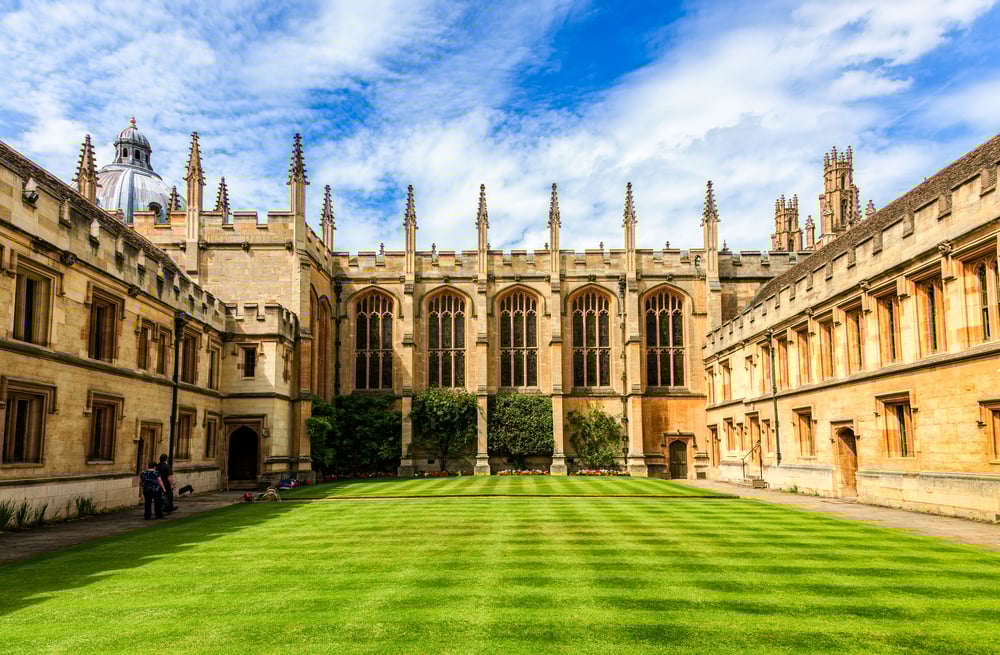
Teaching at Oxford began around 1096 AD. The Aztec Empire didn’t start until around 1300 AD.
By the time the Aztecs founded Tenochtitlán, Oxford had already been running for two centuries. People tend to think of medieval Europe and the pre-Columbian Americas as existing in some kind of parallel ancient past.
But Oxford was already a well-established institution before the Aztec civilization fully formed.
Woolly Mammoths Were Still Alive When the Pyramids Were Being Built
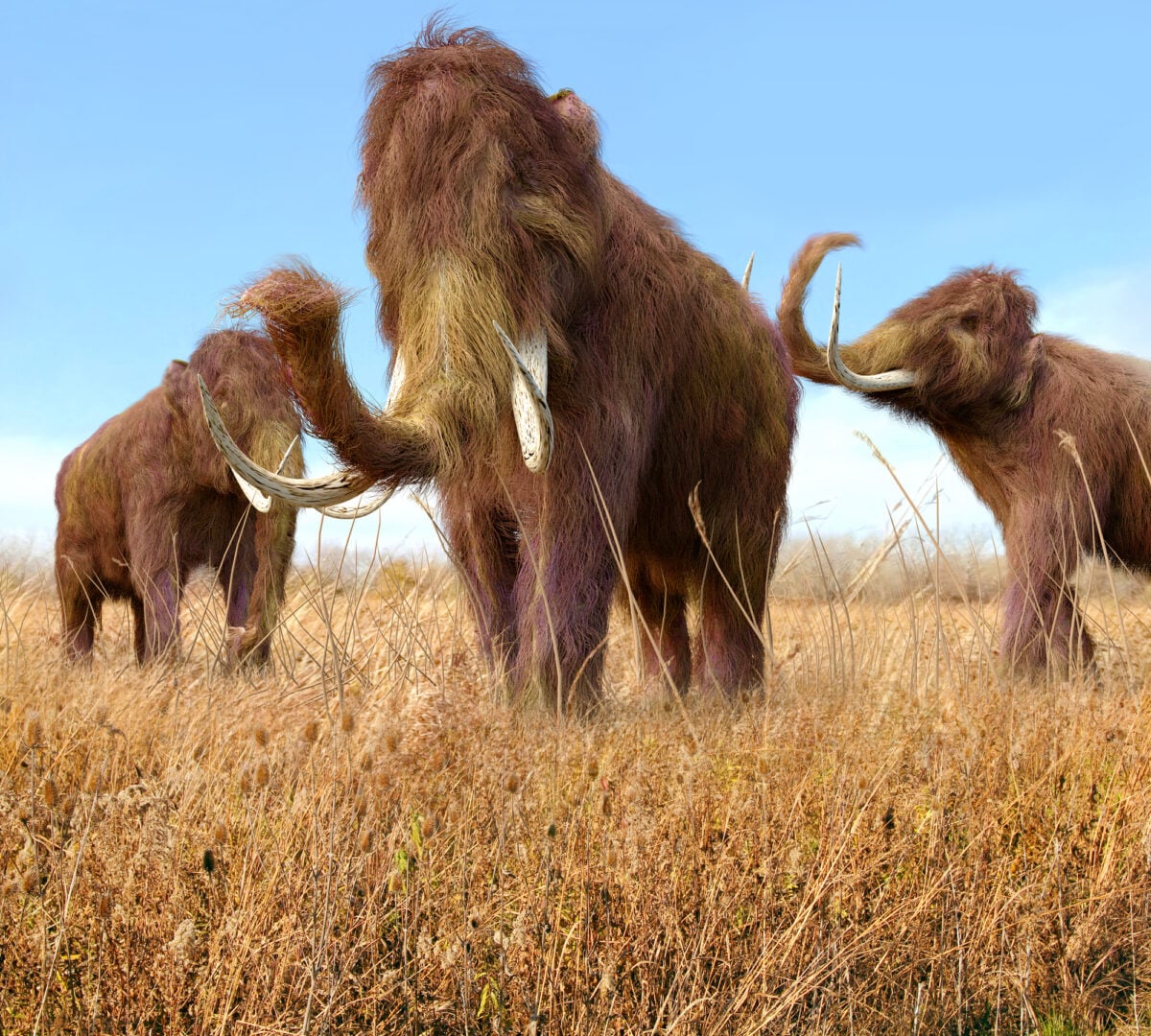
Most people imagine mammoths as prehistoric creatures from a completely different era. And mostly, they were.
But a small, isolated population survived on Wrangel Island in the Arctic until around 1650 BC — which overlaps with the later stages of ancient Egyptian pyramid construction. The Egyptians didn’t know, of course.
But somewhere in the Arctic, mammoths were still wandering around while people were carving pharaohs into stone.
A Day on Venus Is Longer Than a Year on Venus
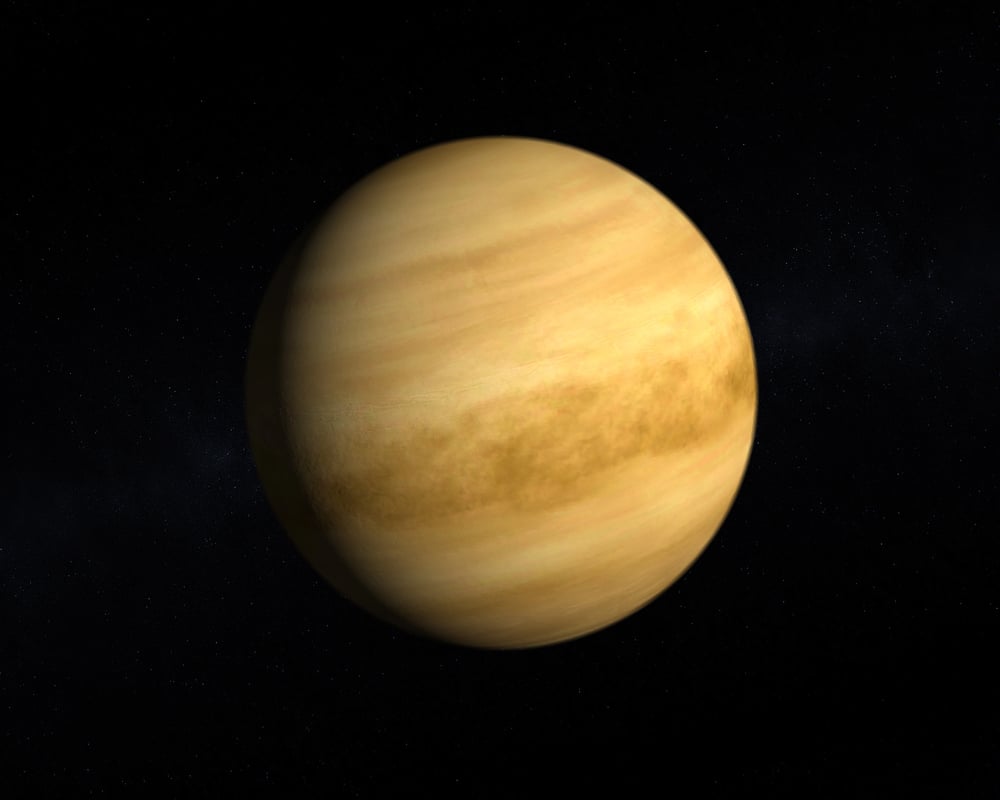
Venus rotates so slowly on its axis that it takes about 243 Earth days to complete one full spin. But it orbits the Sun in just 225 Earth days. So its year — one full trip around the Sun — actually finishes before a single day does.
That’s not a language trick of language. A Venusian sunrise happens less than once per orbit.
Sharks Predate Trees
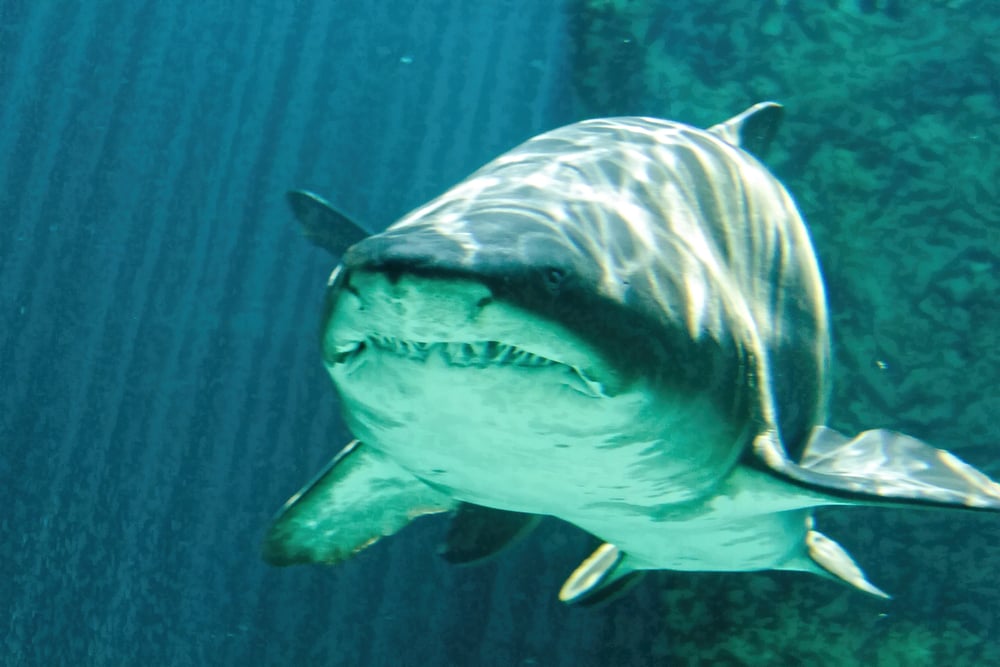
The first sharks appeared roughly 450 million years ago. Trees didn’t show up until about 350 million years ago.
Sharks had already been swimming the oceans for 100 million years before a single tree existed on land. They also survived all five of Earth’s mass extinction events, which puts them in fairly exclusive company.
There Are More Possible Chess Games Than Atoms in the Observable Universe
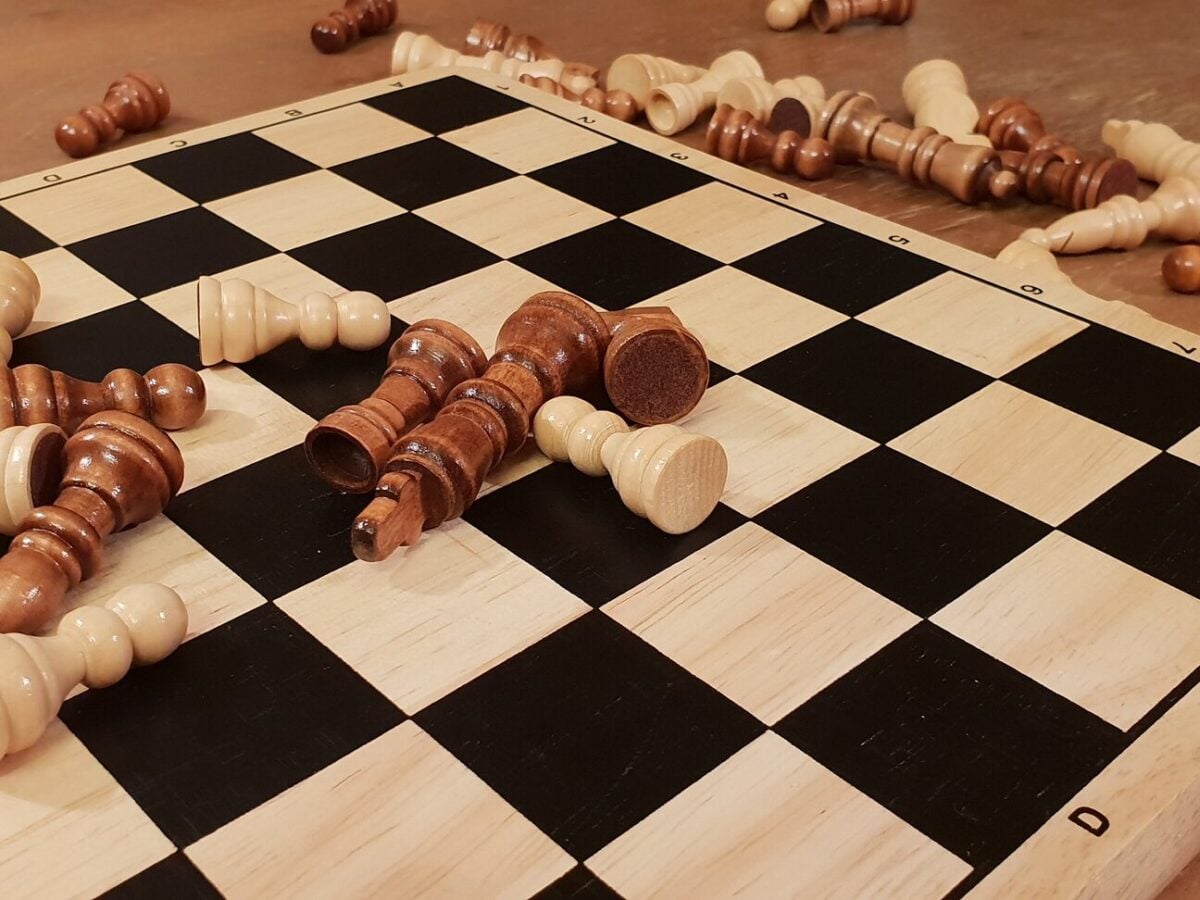
The number of atoms in the observable universe is estimated at around 10 to the power of 80. The number of possible unique chess games — every possible sequence of moves from start to finish — is estimated at 10 to the power of 120.
This is sometimes called the Shannon Number, and it’s one of those figures that doesn’t get easier to grasp the more you think about it.
Honey Found in Egyptian Tombs Is Still Edible
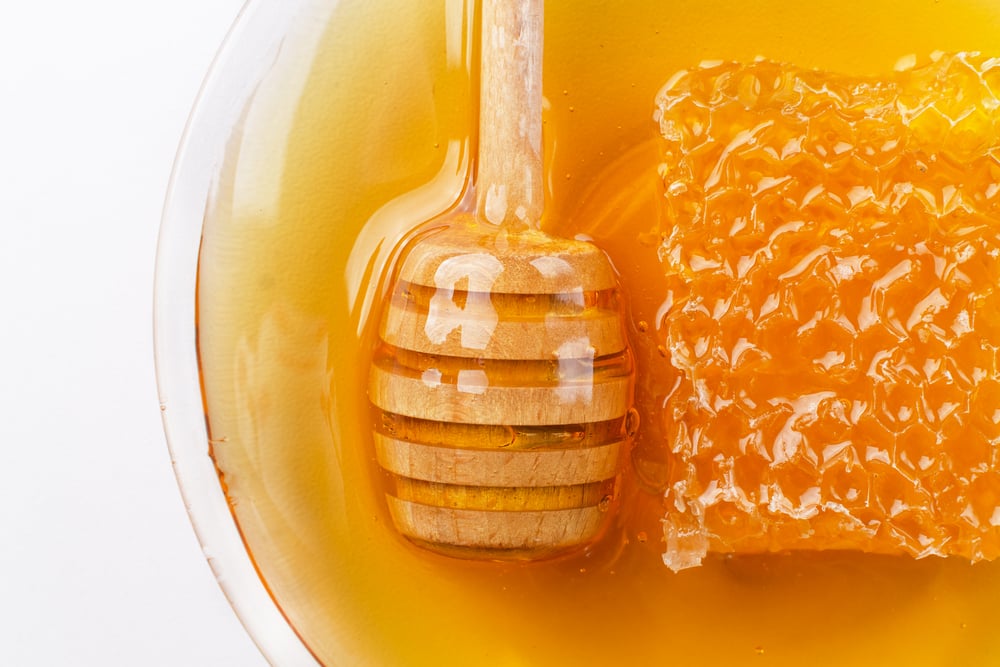
Archaeologists have found honey in ancient Egyptian tombs that’s over 3,000 years old — and it’s still perfectly good to eat. Honey has an extraordinarily low moisture content and high acidity, which makes it nearly impossible for bacteria to survive in it.
Properly stored honey doesn’t really expire. It may crystallize, but that’s easily reversed.
The stuff sitting in your cupboard today could theoretically outlast you by several millennia.
The Eiffel Tower Gets Taller in Summer
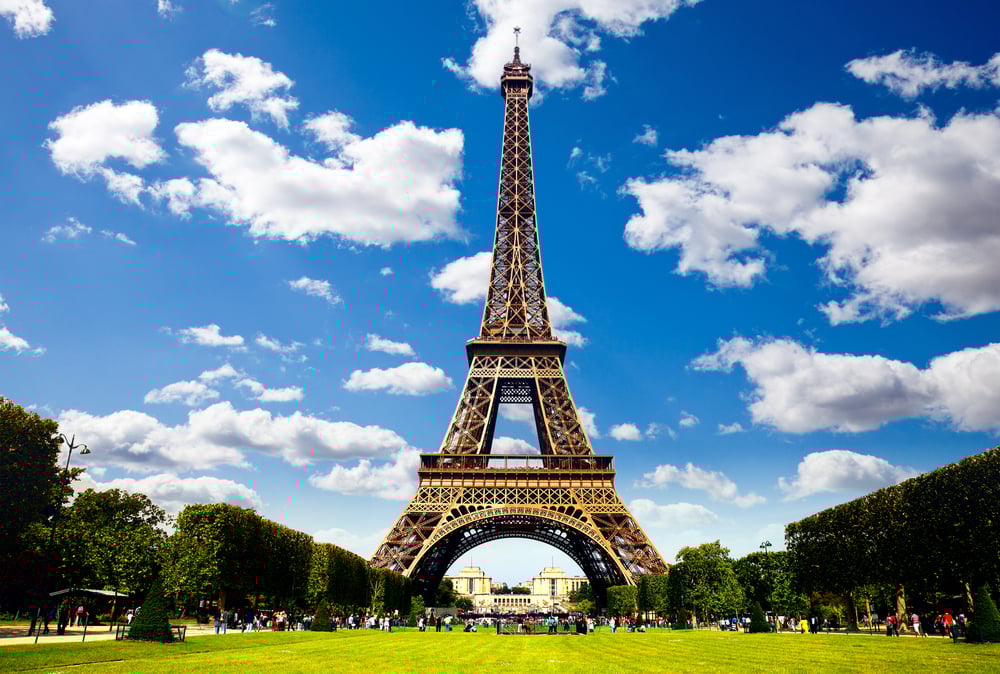
Iron expands when it heats up. During the hot summer months, the Eiffel Tower can grow up to 15 centimetres taller than it is in winter.
The thermal expansion of the metal causes the whole structure to physically stretch. Engineers accounted for this when designing it — but knowing it was planned doesn’t make it feel any less strange.
Crows Can Recognize Individual Human Faces
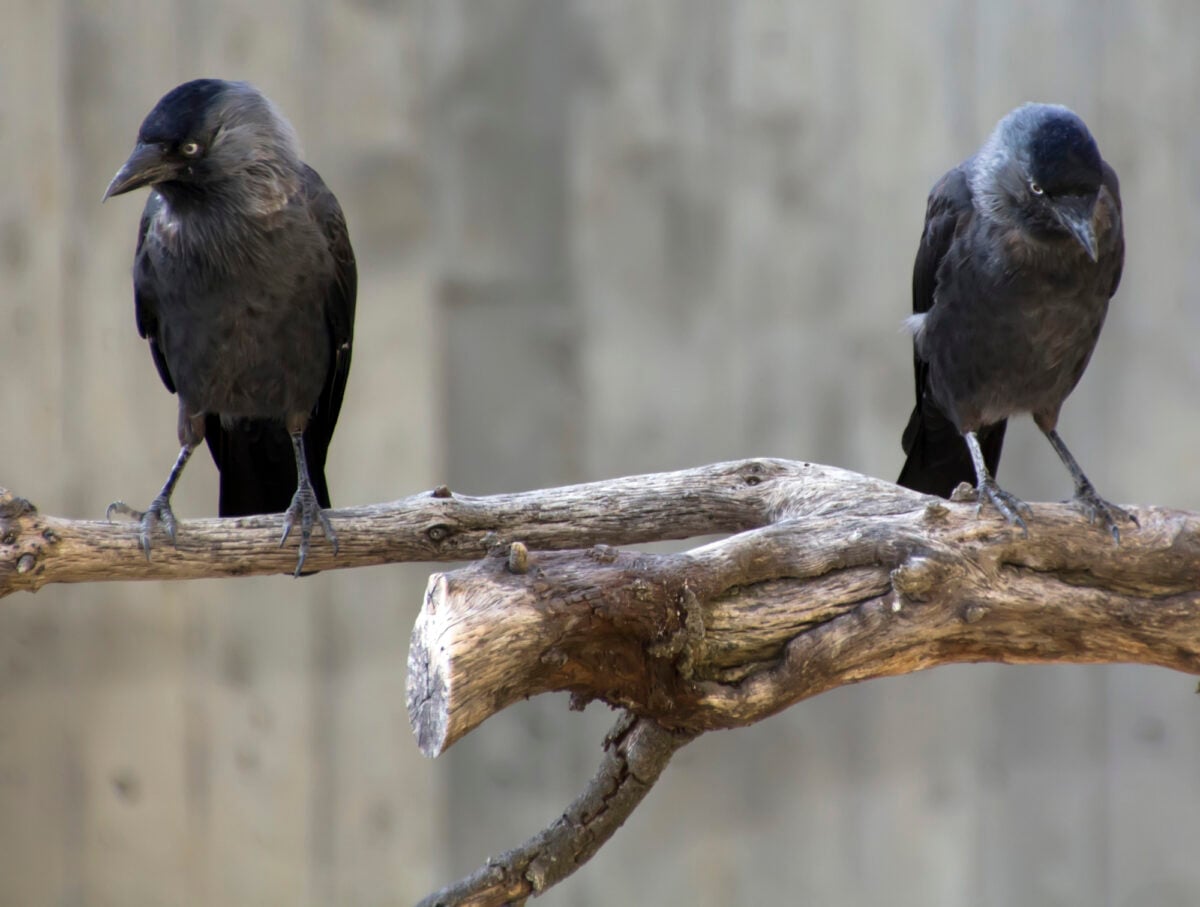
Crows don’t just notice humans as a species. They identify specific people, remember them, and adjust their behavior accordingly.
If a crow decides it doesn’t like you — maybe you got too close to its nest — it will recognize your face in the future and may alert other crows to you as well. Researchers have tested this by wearing masks.
The crows responded differently depending on which mask was worn, not based on the person wearing it. The face was the variable.
Bananas Are Berries. Strawberries Are Not.
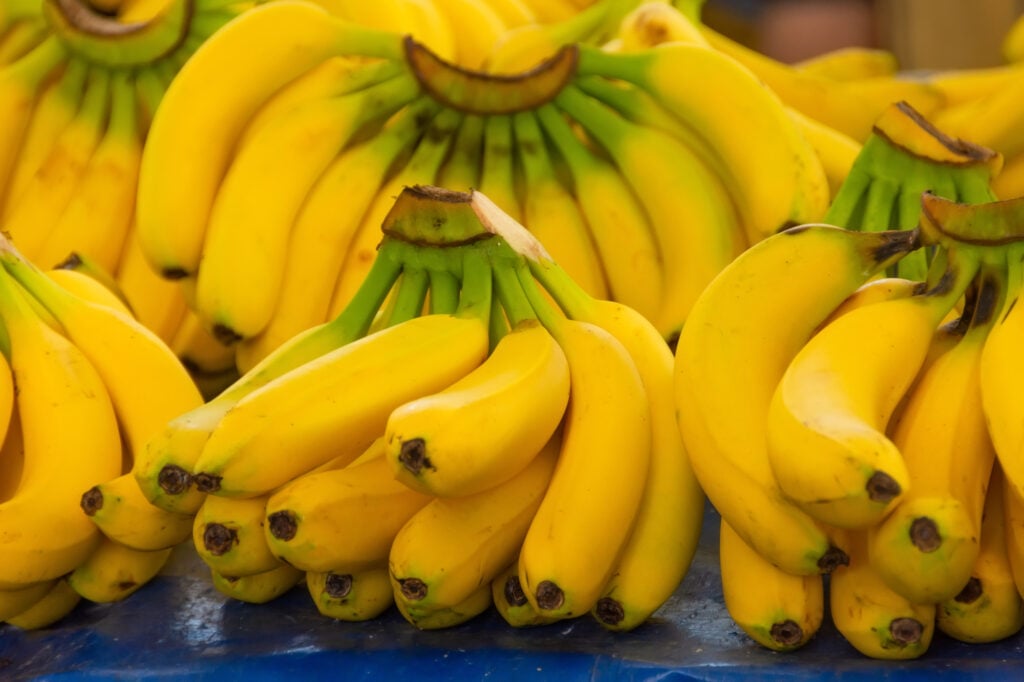
Botanically speaking, a berry is a fruit that develops from a single flower with one ovary. Bananas qualify. So do avocados, kiwis, and watermelons.
Strawberries, on the other hand, develop from a flower with multiple ovaries — which technically makes them “aggregate fruits,” not berries. The common names were locked in before botanists sorted out the classifications, and apparently nobody wanted to go back and fix it.
There Are More Public Libraries in the US Than McDonald’s

The US has around 17,000 public library locations. McDonald’s has roughly 14,000 US locations.
Libraries aren’t dying — they’re just quieter than fast food, so they’re easier to overlook.
The Moon Is Slowly Moving Away From Earth
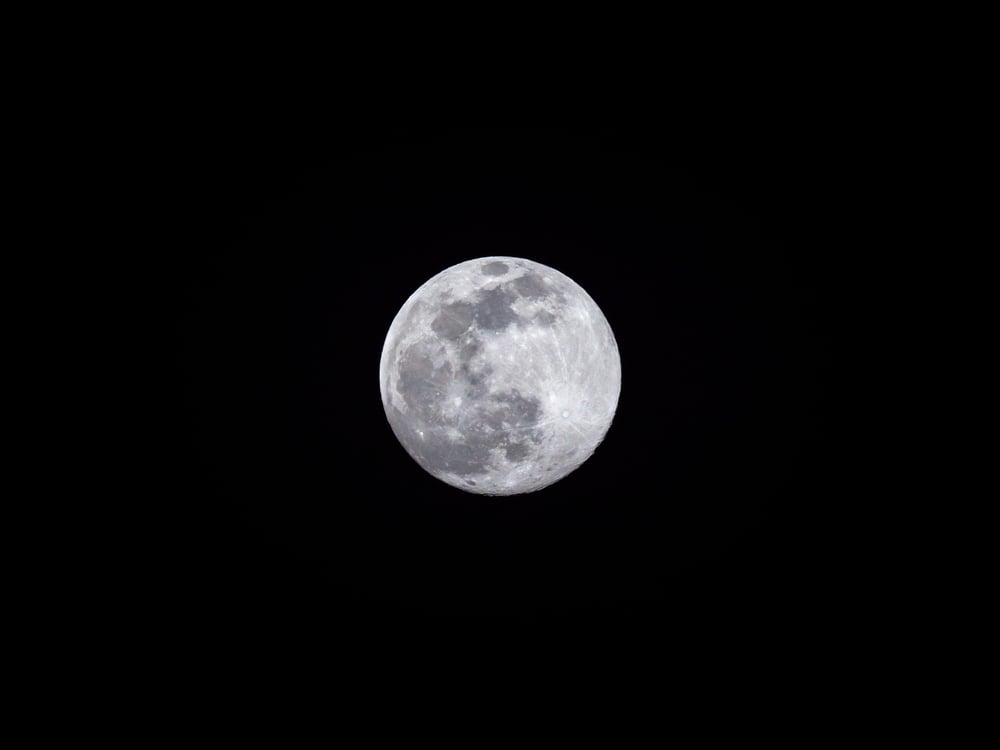
Every year, the Moon drifts about 3.8 centimetres further from Earth. It’s been doing this since it formed.
Eventually — billions of years from now — the Moon will be far enough away that total solar eclipses won’t be possible anymore, because it will appear too small in the sky to fully cover the Sun. Right now, the Moon is in a rare sweet spot where it appears almost exactly the same size as the Sun from Earth’s surface.
That’s why total eclipses look the way they do. It’s a coincidence of timing, and it won’t last forever.
Wombats Produce Cube-Shaped Droppings
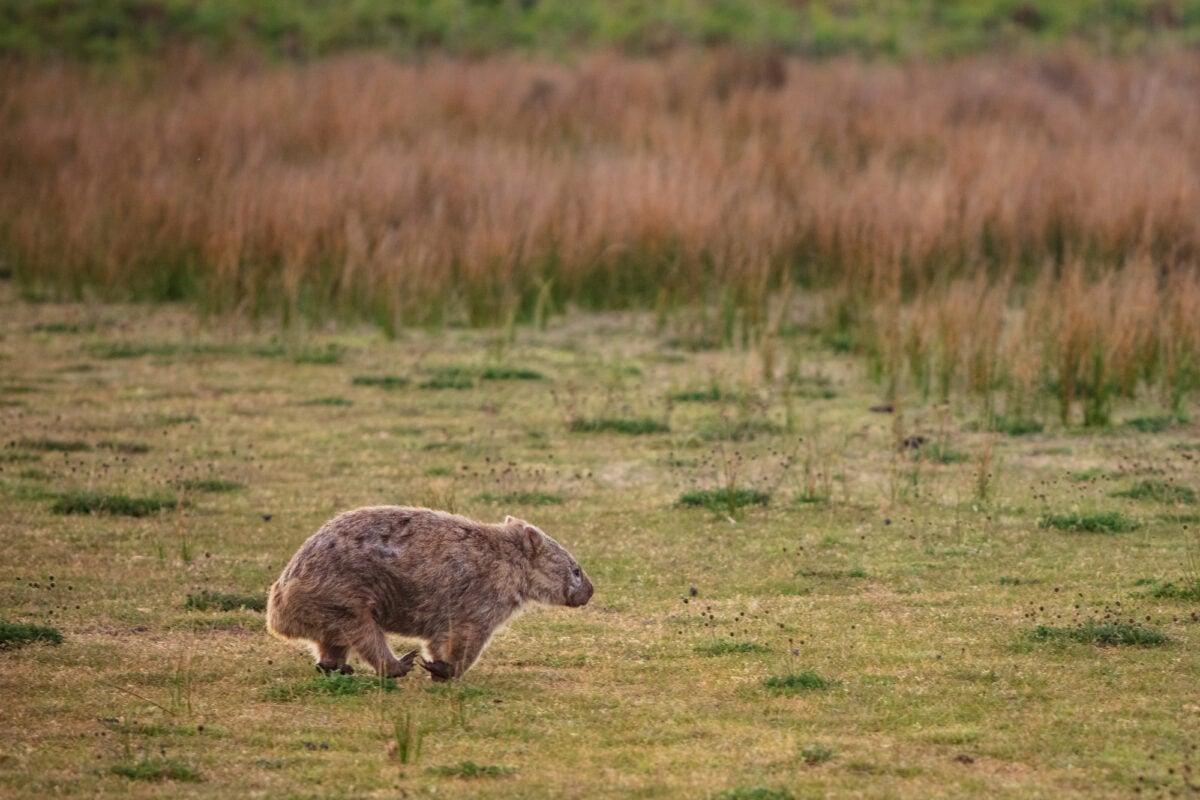
No other animal does this. The cubic shape comes from how wombat intestines work — they have unusually elastic walls with varying elasticity, which moulds the droppings as they pass through.
The cubes stack and don’t roll away, which helps wombats mark territory effectively on rocky terrain. Scientists published papers on this.
It won an Ig Nobel Prize in 2019. The intestinal mechanics are genuinely interesting to researchers studying soft-matter physics.
A Group of Flamingos Is Called a Flamboyance
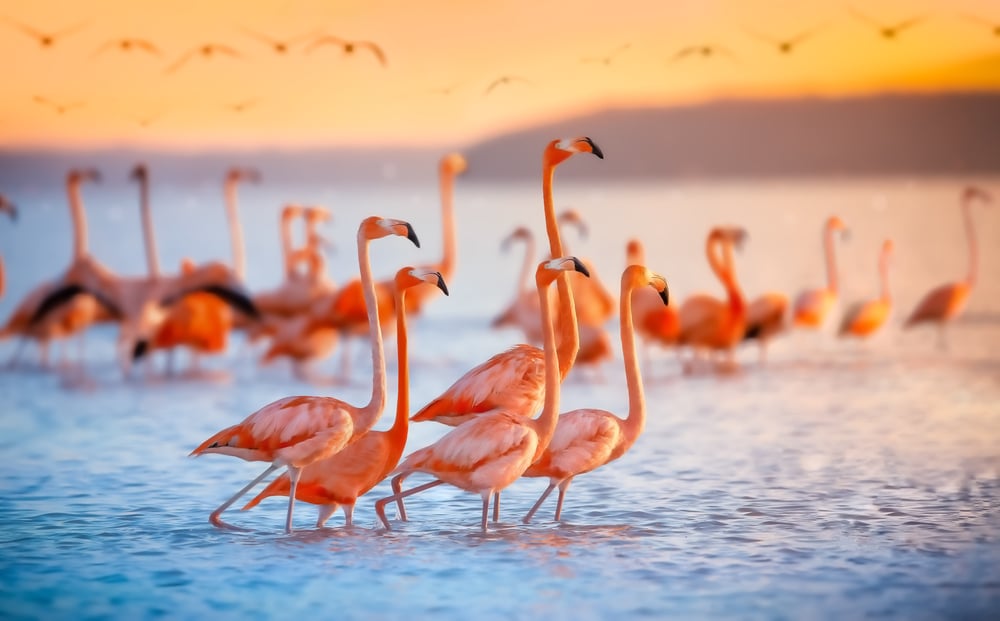
Collective animal nouns are often poetic — a murder of crows, a parliament of owls — but “flamboyance” for flamingos feels almost too perfect. It was apparently coined with some awareness of how those birds carry themselves.
Other notable ones: a conspiracy of lemurs, an ambush of tigers, and a bloat of hippos.
Your Body Replaces Most of Itself Over Time

The cells in your body are constantly dying and being replaced. Skin cells last a few weeks. Red blood cells last around four months.
Bone cells renew over about ten years. The atoms making up your body today are largely not the same ones that were there a decade ago.
The philosophical question of what this means for identity is genuinely unsettled. The practical takeaway is that your body is less a fixed object and more an ongoing process.
The Part That Sticks With You

Facts like these often linger in very strange ways. Once heard, they encounter a flicker of doubt just before they settle quietly in your mind, changing the way you see things compared to the moments just before.
Suddenly pyramids look even more ancient. The distance in space is even greater than it seemed before.
Flamingos walk around with a sense of pride. Perhaps that is why people accumulate such things.
Not to argue or to boast but simply because it feels good when your expectations are turned upside down. Isn’t it funny how life surprises – most of the time it’s through something so ordinary that we barely notice it?
Just there, right in front of you, is where the unexpected is waiting without any sign.
More from Go2Tutors!

- The Romanov Crown Jewels and Their Tragic Fate
- 13 Historical Mysteries That Science Still Can’t Solve
- Famous Hoaxes That Fooled the World for Years
- 15 Child Stars with Tragic Adult Lives
- 16 Famous Jewelry Pieces in History
Like Go2Tutors’s content? Follow us on MSN.