16 Pivotal Moments in the Surprisingly Fascinating History of Underwear
Most people don’t think twice about the garments closest to their skin. That intimate layer between body and world has its own remarkable story though — one filled with scandalous innovations, wartime ingenuity, and cultural revolutions that happened one undergarment at a time.
The history of underwear reveals as much about human nature as it does about fashion, tracking our evolving relationships with comfort, modesty, and self-expression through centuries of hidden yet essential clothing.
Ancient Egyptian Loincloths
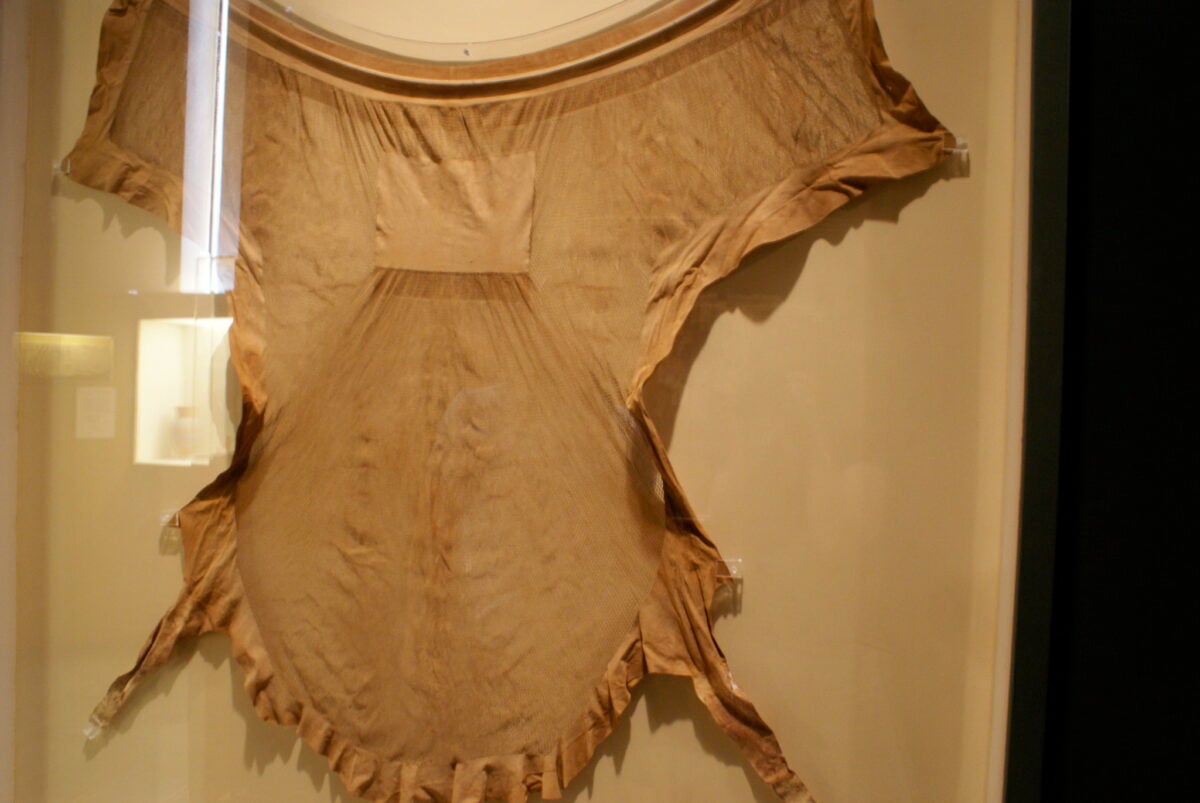
Linen loincloths were the gold standard of ancient Egyptian underwear. The wealthy wrapped themselves in fine linen strips while workers made do with coarser versions.
King Tutankhamun’s tomb contained 145 loincloths — apparently even pharaohs needed backup underwear for the afterlife.
Roman Subligaculum Becomes Standard
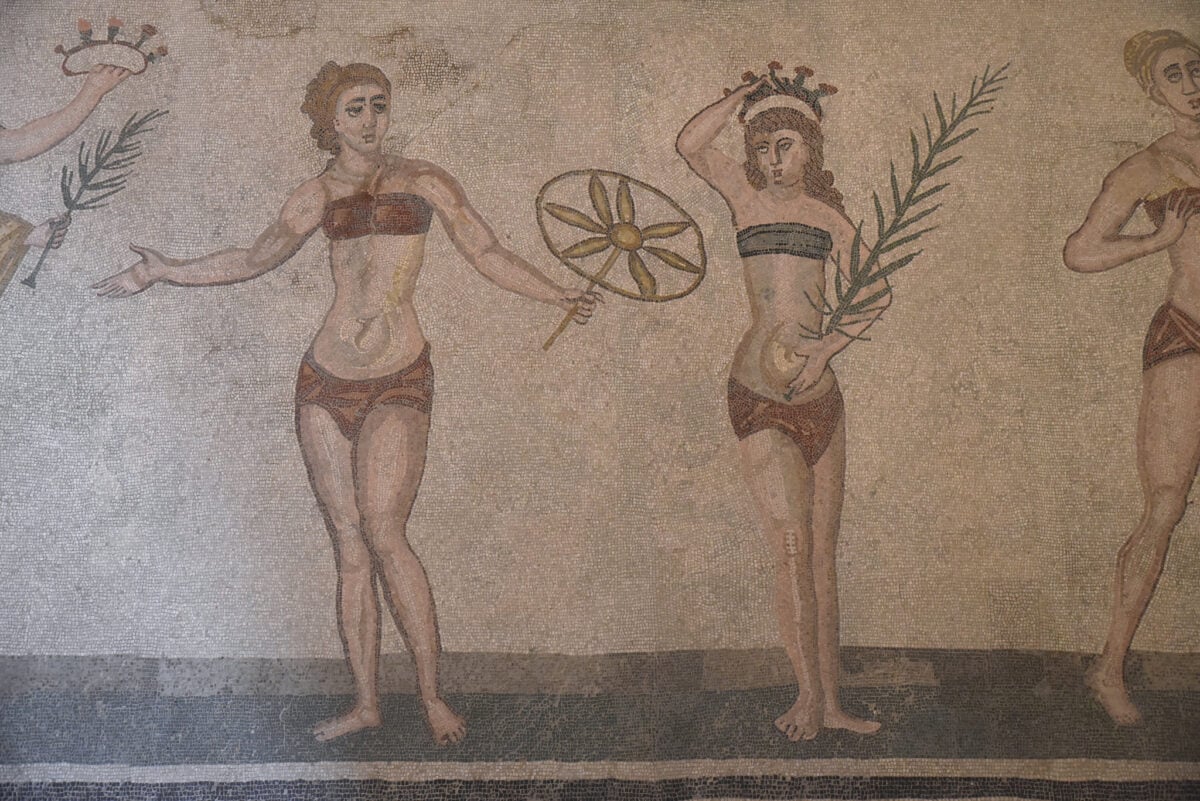
Romans turned underwear into a system. Men wore a subligaculum (essentially a loincloth), while women added a band called a strophium across the chest.
The famous “bikini girls” mosaic from Villa Romana del Casale proves that Roman women were wearing two-piece undergarments that wouldn’t look out of place on a modern beach — though they called it athletic wear, not swimwear.
Medieval Braies Emerge
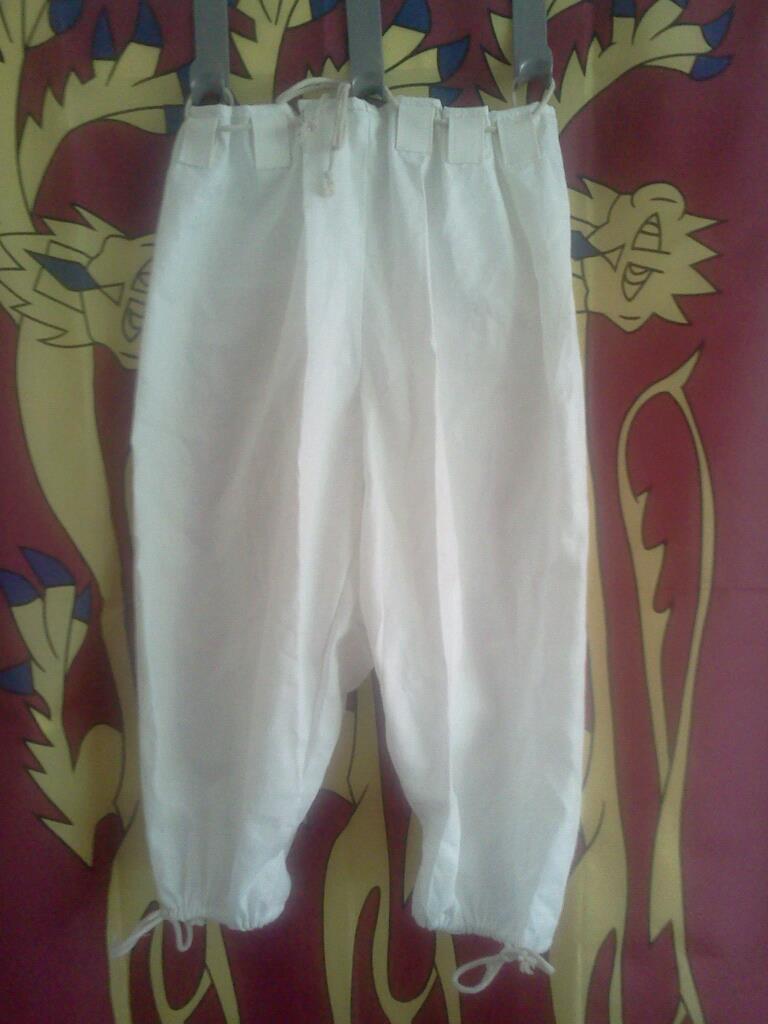
The Middle Ages brought us braies — loose drawers that tied at the waist and became the foundation for men’s underwear for centuries. These linen garments were often the only thing standing between a man and his rough wool outer clothing, which explains why they were considered essential rather than optional.
Women, meanwhile, wore long linen chemises that served as both underwear and nightgowns, and the lucky ones might add wool stockings held up with garters (because elastic wouldn’t be invented for another few hundred years, and gravity has always been a problem). And yet these seemingly simple garments carried enormous social weight.
Clean braies meant respectability. Torn braies suggested poverty. No braies at all? That was practically barbaric.
The Corset Takes Control
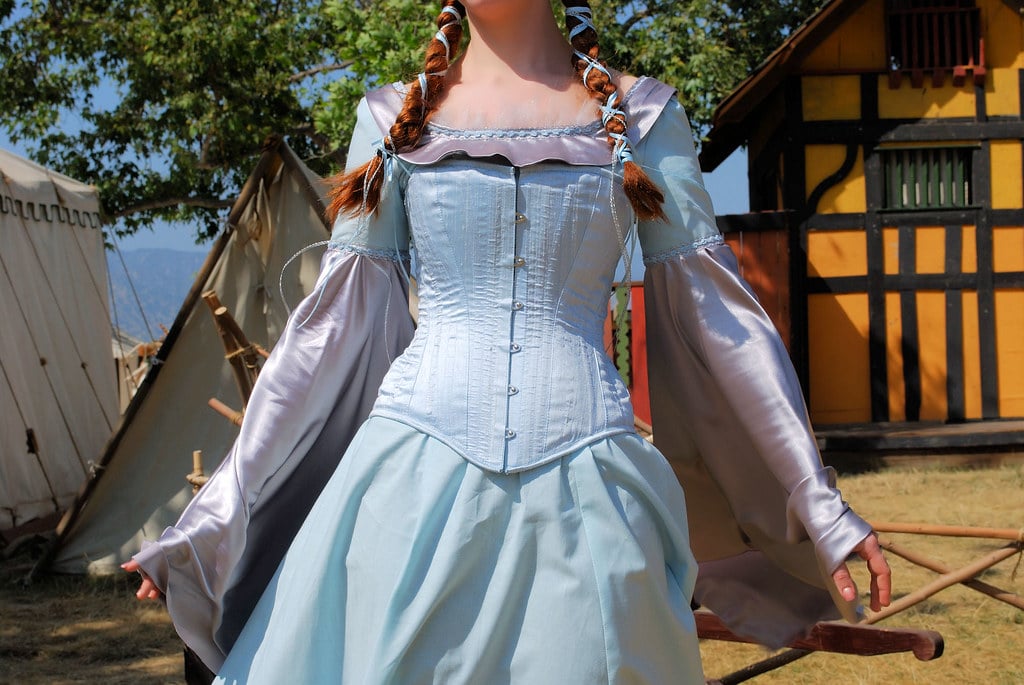
Corsets arrived in the 16th century and immediately sparked centuries of debate. They promised the fashionable silhouette that Renaissance clothing demanded — that coveted cone shape that made waists disappear and busts prominent.
But the price was steep, and not just financially. Women laced themselves into increasingly structured contraptions that were part undergarment, part architecture.
Some corsets were so rigid they could stand up on their own when removed. The most extreme versions pushed internal organs around like furniture being rearranged, which turns out to be every bit as uncomfortable as it sounds.
Drawers Become Acceptable for Women
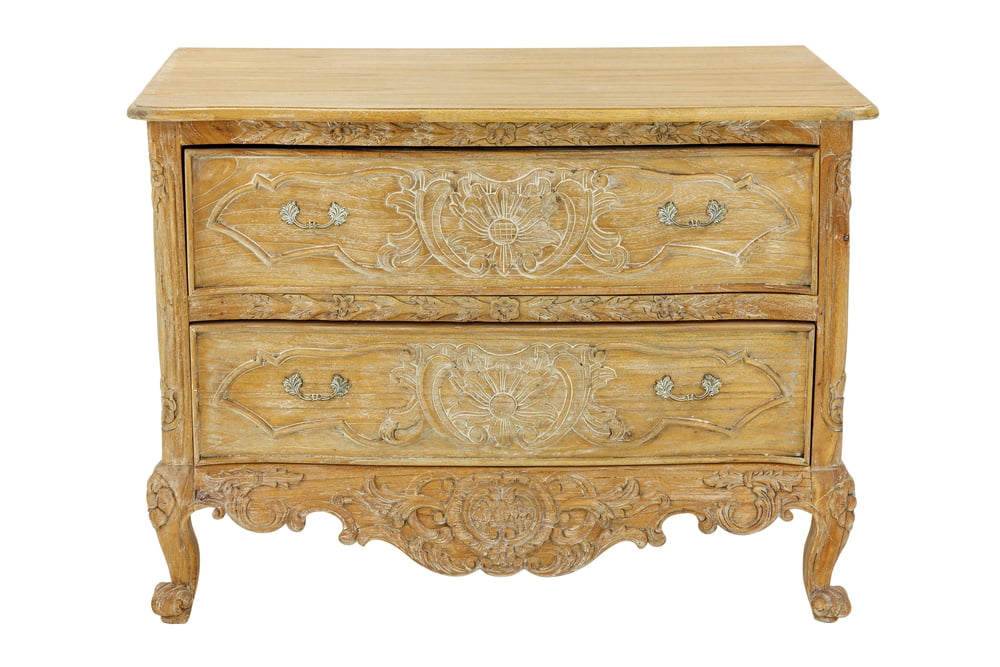
For centuries, respectable women didn’t wear anything under their skirts except a chemise. Drawers were considered masculine — even scandalous.
That changed in the early 19th century when drawers finally became acceptable for ladies, though they remained open at the crotch for practical reasons. The shift happened gradually, then suddenly.
Upper-class women started wearing drawers for horseback riding, then for walking, then eventually for everything. Once Queen Victoria reportedly wore them, the controversy evaporated.
The Union Suit Revolutionizes Comfort
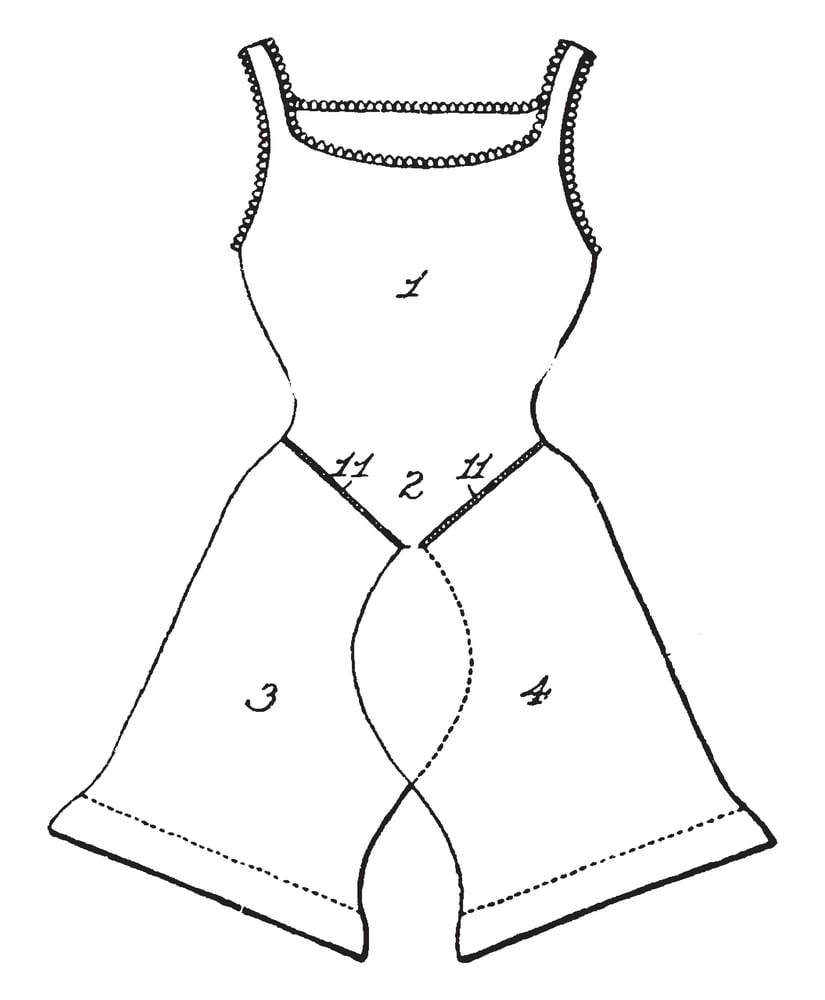
The union suit combined shirt and drawers into one piece — like a onesie for adults. Patented in 1868, it eliminated the gap between separate garments that left bellies exposed to cold air.
The name came from its unified design, though some claimed it represented the reunion of North and South after the Civil War. This innovation sounds minor until winter hits and there’s no drafty space between your undershirt and long johns.
Suddenly the union suit made perfect sense, and millions of people spent the next several decades buttoned into full-body underwear that opened with a convenient back flap.
Corsets Face Medical Backlash
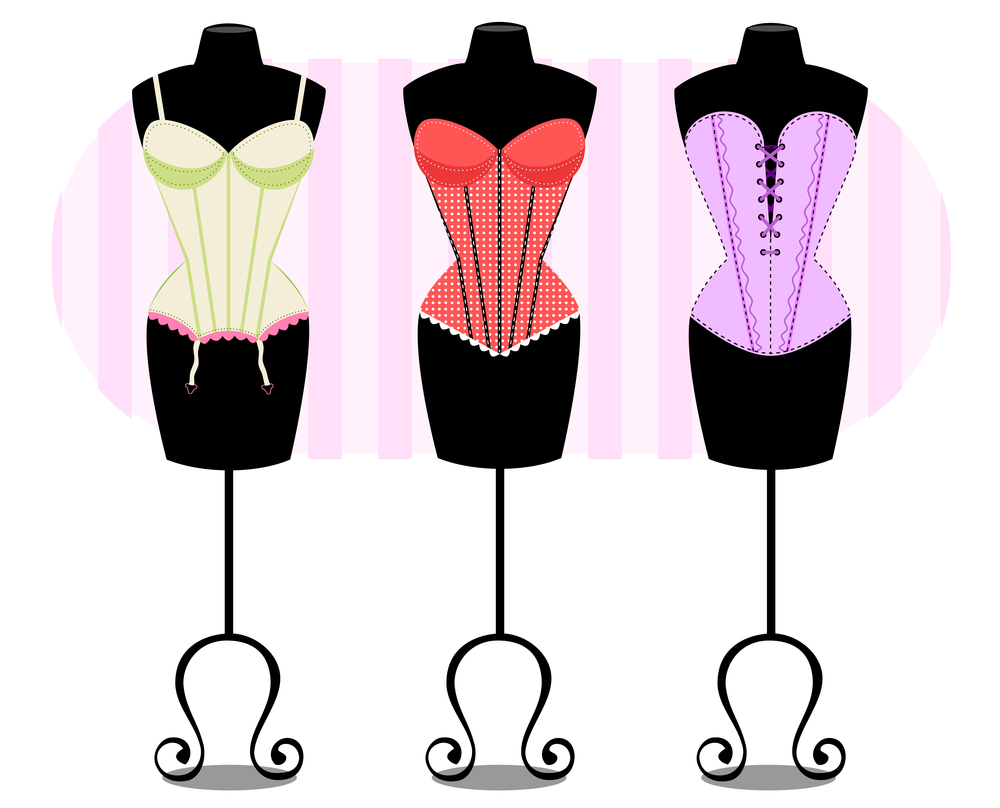
The late 19th century brought a wave of medical criticism against tight-lacing. Doctors blamed corsets for everything from fainting spells to displaced organs to what they dramatically called “corset death.”
Reform movements promoted “rational dress” and looser alternatives. The evidence was hard to ignore. X-rays (a new technology) showed exactly how corsets compressed ribcages and pushed organs out of place.
Women’s magazines began running articles about the dangers of tight-lacing, complete with illustrations that looked more like medical textbooks than fashion advice. The writing was literally on the wall — or rather, in every newspaper and medical journal of the era.
World War I Changes Everything

The Great War transformed underwear by necessity. Metal was needed for munitions, not corset stays. The U.S. War Industries Board asked women to stop buying corsets, claiming it would free up 28,000 tons of steel — enough to build two battleships.
Women discovered they could function perfectly well without rigid corsets. They worked in factories, drove ambulances, and managed farms while wearing softer, more flexible undergarments.
Once the war ended, many refused to go back to the old restrictions. The corset industry never fully recovered from this four-year break in tradition.
Brassières Become Mainstream
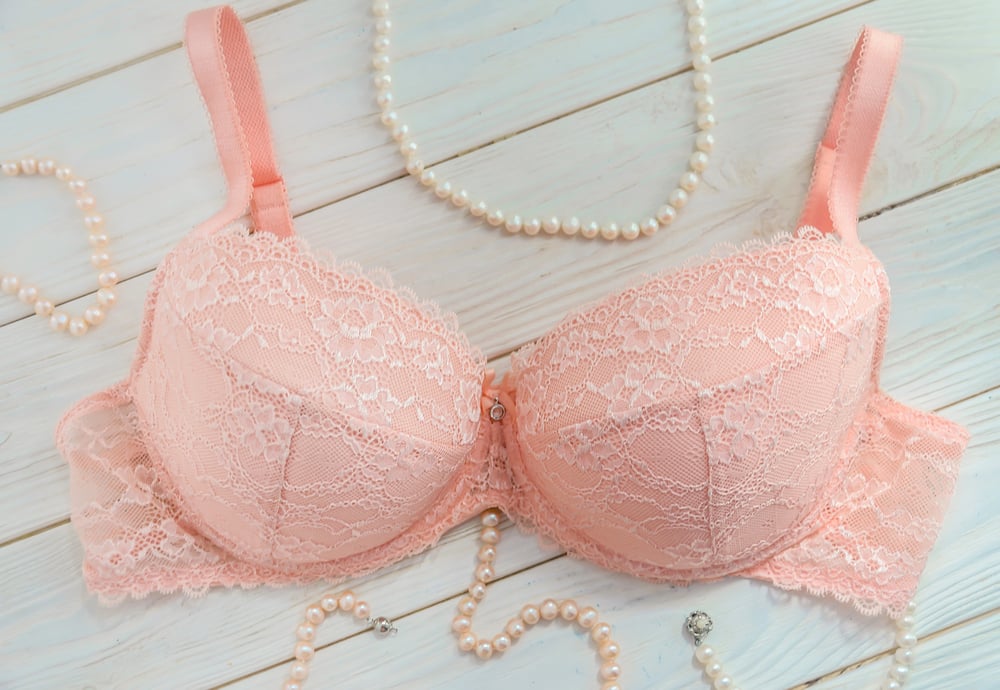
The brassière had been invented in 1914, but it took the post-war 1920s for it to catch on widely. Mary Phelps Jacob’s original design used silk handkerchiefs and ribbon — a far cry from the engineering marvels that came later, but revolutionary for separating bust support from waist compression.
The timing was perfect for the jazz age, when fashions demanded a flatter, more boyish silhouette that corsets couldn’t provide. Flappers needed undergarments that moved with them as they danced the Charleston, and the soft, flexible brassière delivered exactly that freedom.
Fashion had finally caught up with what women’s bodies had been requesting for centuries.
Elastic Transforms Fit

The invention of elastic in the 1930s changed underwear forever. No more drawstrings, ties, or buttons — garments could now stretch and move with the body while still staying put.
This wasn’t just convenient; it was revolutionary. Elastic meant underwear could actually fit properly instead of just hanging loosely or binding tightly with no middle ground.
Panties could hug hips without cutting off circulation. Brassières could provide support without requiring an engineering degree to put on.
The human body finally had undergarments that acknowledged it moves, breathes, and changes shape throughout the day.
World War II Brings Rationing Creativity
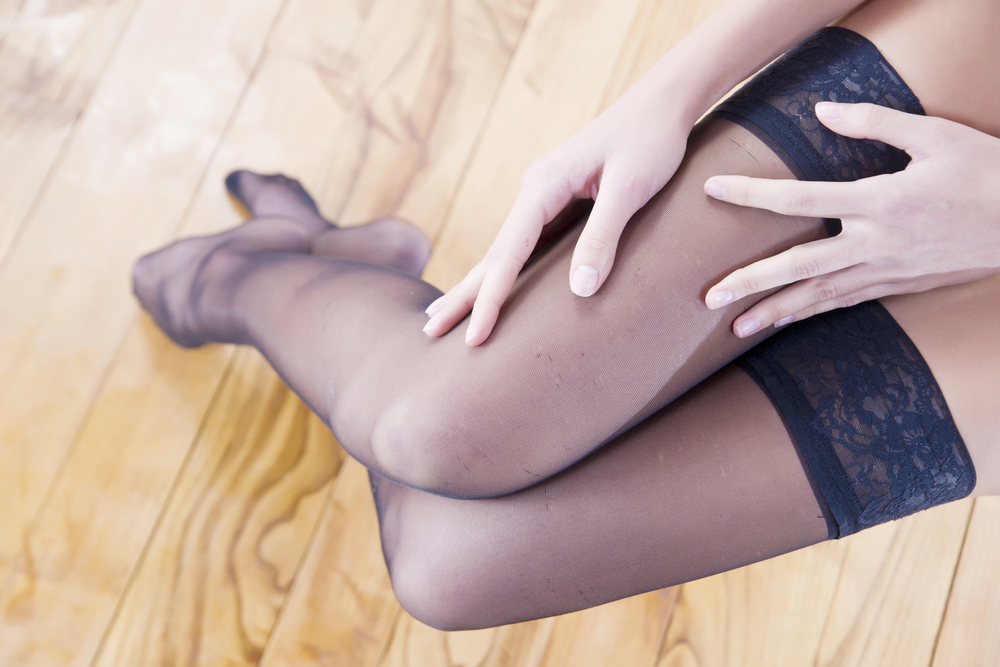
The Second World War brought fabric rationing and material restrictions that forced underwear makers to get creative. Silk was reserved for parachutes, so manufacturers turned to rayon and early synthetic blends.
Designs became simpler by necessity — fewer seams, less trim, more practical construction. Women painted stockings onto their legs complete with seam lines drawn up the back with eyebrow pencils, because actual nylon stockings were nearly impossible to find.
The resourcefulness was remarkable: underwear made from parachute silk, brassières constructed from whatever elastic could be found, and innovations born from scarcity that would influence design for decades.
Nylon Stockings Create Shopping Frenzies
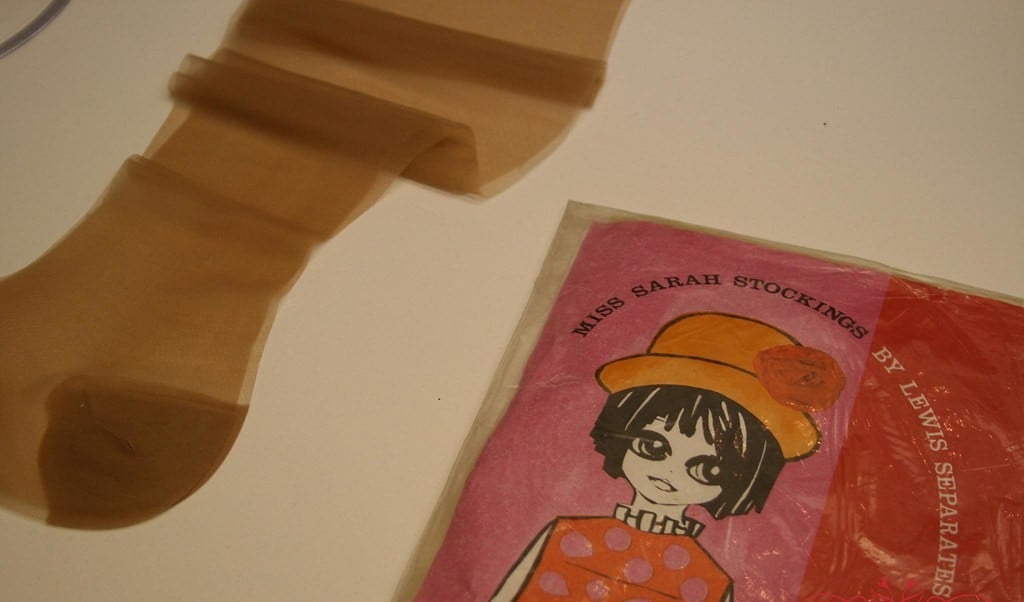
When DuPont introduced nylon stockings in 1940, they sold 64 million pairs in the first year. These weren’t just stockings — they were a miracle fabric that was stronger than silk, easier to care for, and more affordable than anything that had come before.
The end of World War II brought “Nylon Riots” when stores received shipments and thousands of women lined up to buy them. In Pittsburgh, 40,000 women showed up to buy 13,000 pairs.
The National Guard was called in to maintain order. All this for underwear — which tells you everything about how revolutionary nylon really was.
Pantyhose Replace Stockings and Garters
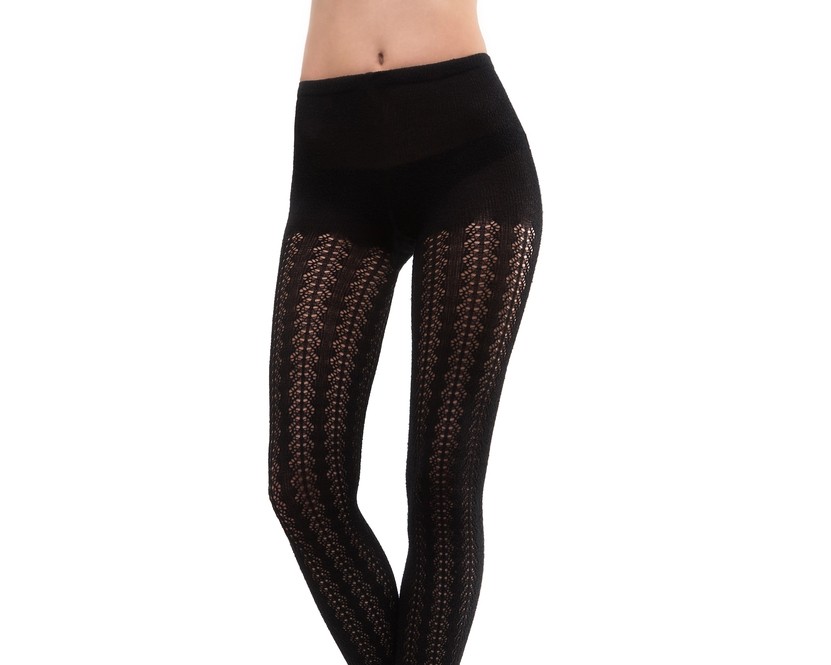
Pantyhose combined stockings and panties into one garment in the 1960s, eliminating the need for garters, girdles, and the complicated infrastructure that had held stockings for centuries. This was liberation disguised as hosiery.
The miniskirt had made traditional stockings and garters impractical — there wasn’t enough skirt length to hide the mechanics. Pantyhose solved the problem while creating a sleeker silhouette.
They also democratized leg coverage, since they were cheaper and easier to wear than traditional stockings with all their required accessories.
The Sports Bra Supports Active Women

The sports bra was invented in 1977 when two women sewed two jockstraps together to create better support for running. This improvised solution launched an entire category of athletic underwear designed for bodies in motion rather than bodies standing still looking decorative.
The innovation addressed something that regular brassières had never been designed for: vigorous movement. Running, jumping, and playing sports required entirely different engineering than sitting gracefully in a parlor.
The sports bra acknowledged that women were athletes, not just ornaments, and their undergarments should support that reality.
Designer Underwear Becomes Visible Fashion

Calvin Klein’s 1992 underwear campaign featuring a young Mark Wahlberg changed everything. Underwear wasn’t just functional anymore — it was fashion, status symbol, and personal expression rolled into one.
The campaign made underwear something to show off rather than hide. This shift transformed the entire industry.
Underwear moved from purely practical to aspirational, with designer logos, premium materials, and marketing budgets that rivaled major fashion houses. The line between underwear and outerwear began to blur, with sports bras worn as tops and boxer shorts peeking above low-rise jeans becoming deliberate style choices rather than wardrobe malfunctions.
Seamless Technology and Modern Innovation

Today’s underwear uses laser-cutting, seamless construction, and moisture-wicking fabrics that would seem like magic to previous generations. These aren’t just improvements — they represent a fundamental shift toward treating underwear as performance gear rather than mere coverage.
The technology has become sophisticated enough that underwear can regulate temperature, prevent chafing, and move with the body so seamlessly that it becomes forgettable — which is perhaps the highest compliment you can pay to underwear. The best modern undergarments do their job so well that you never think about them, freeing you to think about everything else.
The Comfortable Revolution Continues
The story of underwear is really the story of humans trying to be comfortable in their own skin while navigating the demands of society, fashion, and physical reality. Each innovation — from the Roman strophium to moisture-wicking boxer briefs — represents someone solving a problem that had been quietly bothering people for generations.
What’s remarkable isn’t just how far underwear has come, but how each change reflected larger shifts in how people lived, worked, and saw themselves. The garments closest to our skin have always been the most honest about what we actually need, even when the outside world demands something entirely different.
That tension between private comfort and public expectation continues to drive innovation, ensuring that the history of underwear is far from over.
More from Go2Tutors!

- The Romanov Crown Jewels and Their Tragic Fate
- 13 Historical Mysteries That Science Still Can’t Solve
- Famous Hoaxes That Fooled the World for Years
- 15 Child Stars with Tragic Adult Lives
- 16 Famous Jewelry Pieces in History
Like Go2Tutors’s content? Follow us on MSN.