20 Launches That Were All Hype and No Substance
Every year, companies spend millions trying to convince the world that their next big thing is going to change everything. Whether it’s a tech product, a new food trend, or a heavily advertised film, the goal is always the same: get people talking.
And sometimes, the hype works. People camp outside stores, refresh websites, and flood social media—only to be hit with a wave of disappointment when the product finally lands.
Here is a list of 20 product launches that generated enormous buzz but ultimately failed to live up to their ambitious marketing campaigns.
Google Glass
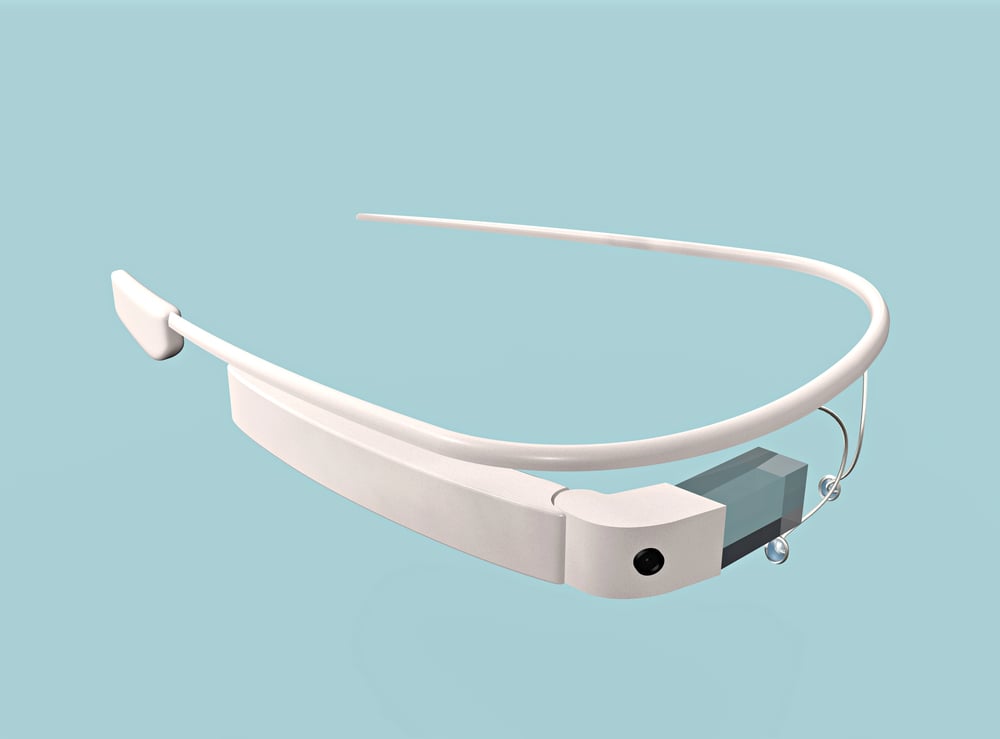
It looked like something from the future. Everyone thought they’d be walking around with smart glasses by now.
But the $1,500 device never really worked right, had privacy issues, and made wearers look a bit ridiculous. Early adopters got bored fast, and the rest of the world never even got the chance to try it.
Google quietly pulled the plug after all the noise.
New Coke
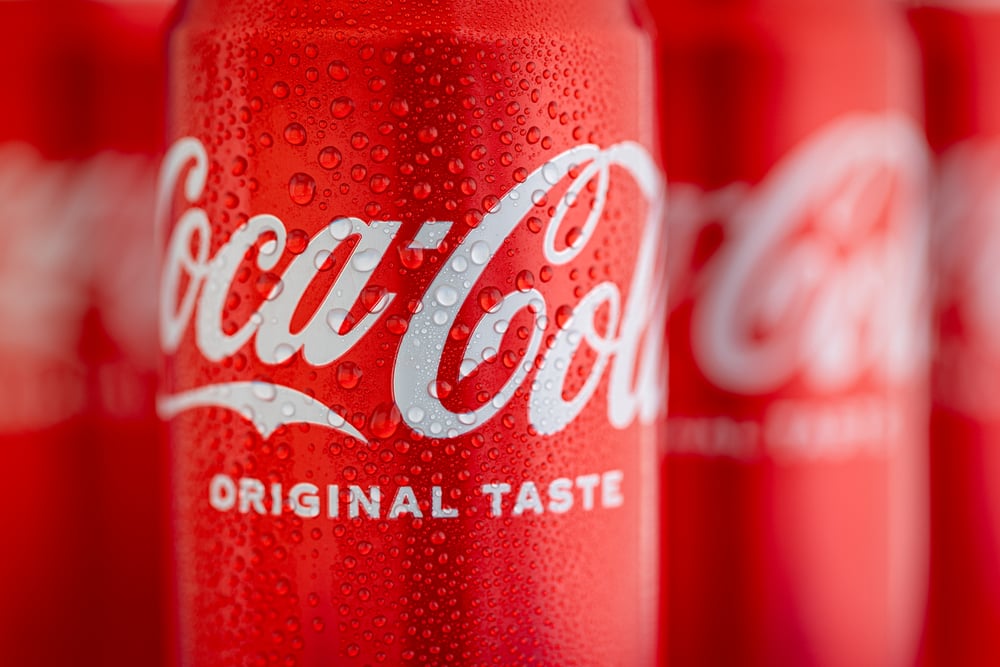
In the ’80s, Coca-Cola thought it could improve on perfection. They messed with the formula and launched “New Coke,” expecting everyone to love it. People hated it.
The backlash was loud and fast. Within months, Coca-Cola brought back the original and tried to act like it never happened.
Cybertruck Reveal
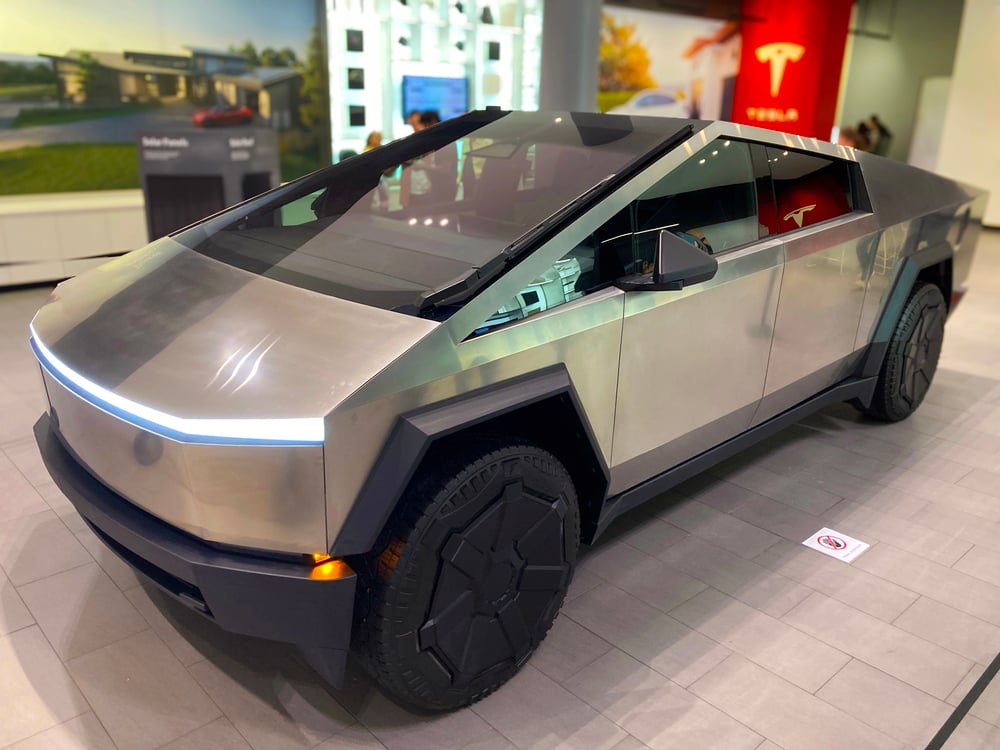
Elon Musk rolled out the Tesla Cybertruck with wild promises—bulletproof windows, futuristic looks, and power like no other. Then came the demo where the “shatterproof” windows… shattered.
The launch became a meme, and while the truck has finally started shipping years later, that first impression stuck hard.
Segway
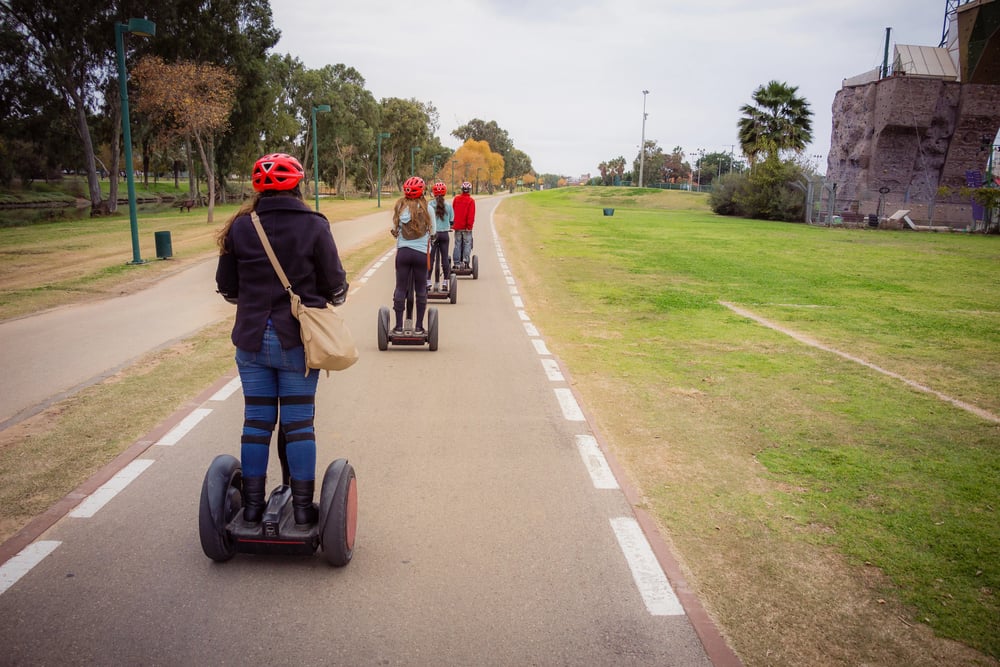
It was supposed to revolutionize transportation. Some even said cities would be redesigned around it.
Instead, it became a punchline and a favorite of mall cops. At $5,000, it was way too pricey, and honestly, walking was still easier.
People moved on, fast.
Amazon Fire Phone
Amazon had nailed online shopping and smart speakers, so a phone seemed like the next smart step. But the Fire Phone flopped hard.
It was loaded with gimmicks but short on what people actually needed. Reviews were bad, sales were worse, and it was pulled after just a year.
Fyre Festival

Advertised as a luxury music festival on a tropical island, the Fyre Festival was anything but. Influencers posted glowing promos, but ticket holders arrived at disaster tents and sad cheese sandwiches.
The whole thing unraveled so publicly that it became a case study in how not to launch something.
Google Stadia
Cloud gaming sounded cool—no downloads, no consoles—just stream the game. But Stadia never found its footing.
It had a clunky model, limited games, and most players didn’t have fast enough internet to keep up. Google shut it down before it ever really picked up.
Windows Vista
After Windows XP, Microsoft marketed it as the next big thing. However, Vista was sluggish, glitchy, and rife with intrusive permission pop-ups.
Regular users quickly became irritated as businesses continued to utilize Windows XP. To regain trust, Microsoft had to switch to Windows 7.
Facebook Portal
Video chatting with grandma sounded sweet. But Facebook is launching a camera for your home?
That didn’t sit right with a lot of people, especially after all those privacy scandals. The product worked, but the trust just wasn’t there.
Most people skipped it.
Crystal Pepsi
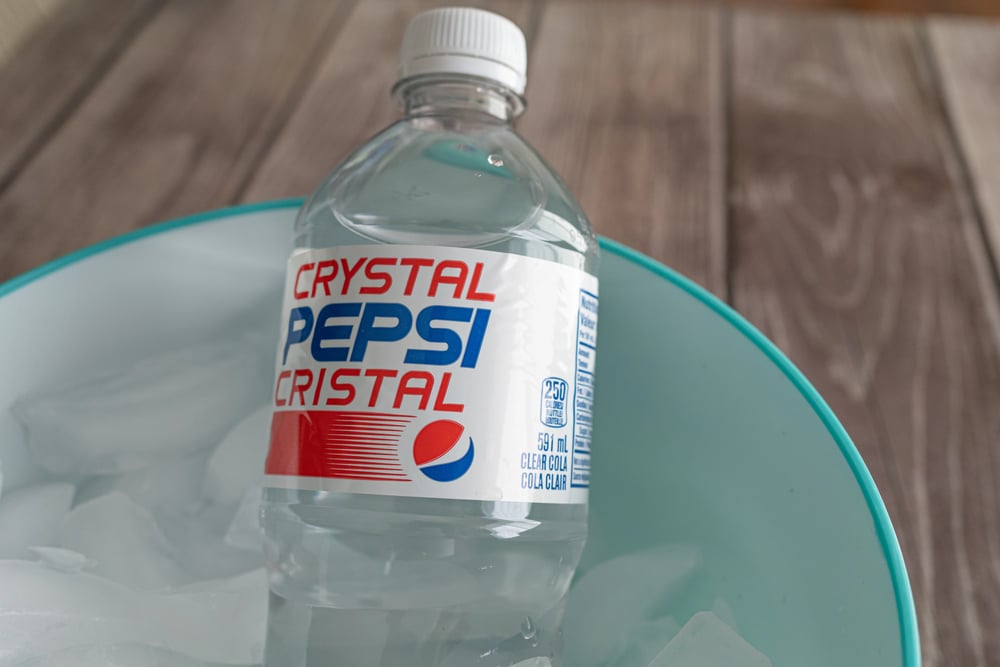
It was clear soda that tasted like Pepsi. That’s it. The company poured tons of money into it, thinking clear = clean = cool.
But people were just confused. It didn’t last long and only returns now and then for nostalgia.
Apple Maps (Launch Version)
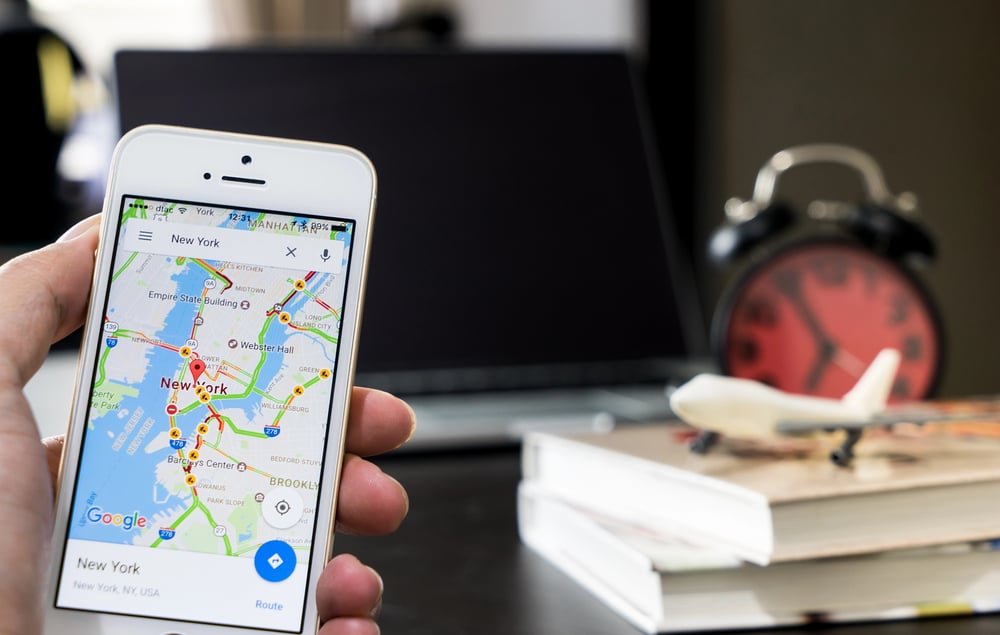
Apple users were used to things just working. However, when Apple Maps launched, it had massive errors.
People were getting lost, cities were misplaced, and landmarks didn’t exist. Apple had to issue a public apology and tell users to use Google Maps until they fixed it.
Jawbone UP
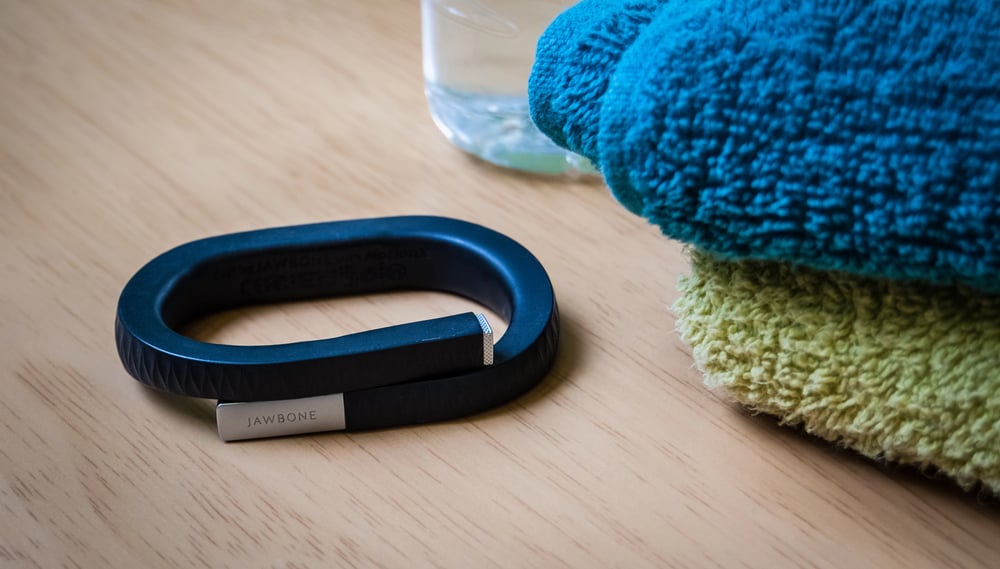
Jawbone UP was a sleek fitness tracker with great promises before everyone owned Fitbits or Apple Watches. Its app was faulty, it stopped syncing, and it broke quickly.
Jawbone never bounced back and finally exited the market completely.
Quibi
Short videos from big Hollywood names, made just for your phone. Quibi raised billions and launched with tons of hype.
But people already had YouTube and TikTok. The content didn’t stand out, and the app died just six months later.
Samsung Galaxy Fold (First Release)
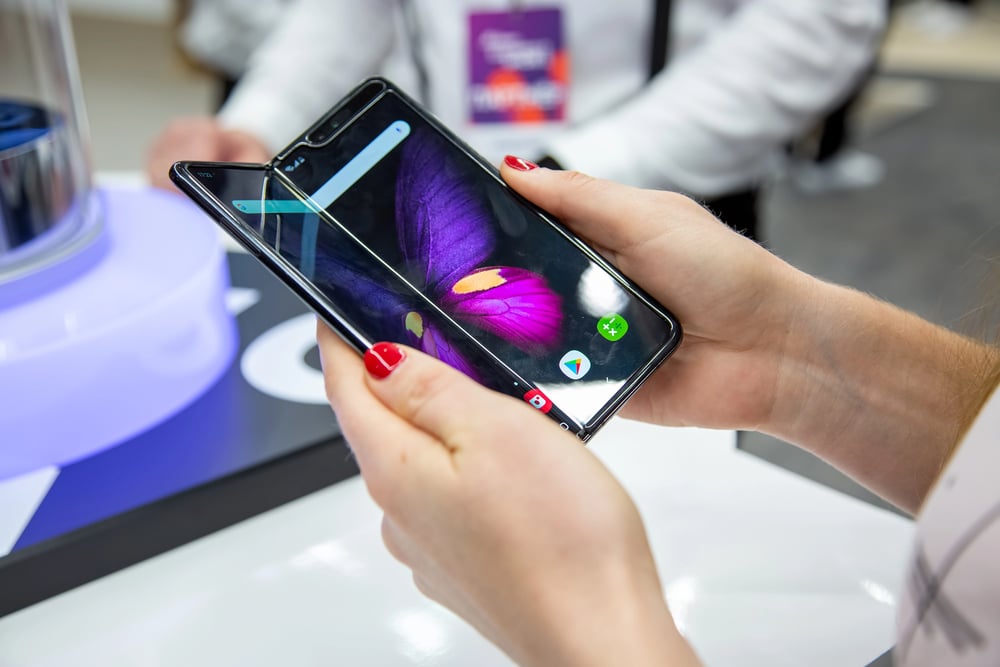
A foldable phone sounded like a dream. But reviewers got their hands on the first Galaxy Fold and it… literally fell apart.
Screens cracked, hinges broke, and Samsung had to delay the launch and redesign the whole thing. Not a great start.
Windows RT
This version of Windows looked like Windows but couldn’t run any of the apps people actually wanted. It was confusing, limited, and way too expensive for what it did.
Most buyers felt tricked, and Microsoft dropped it quickly.
Hoverboards (The 2015 Version)
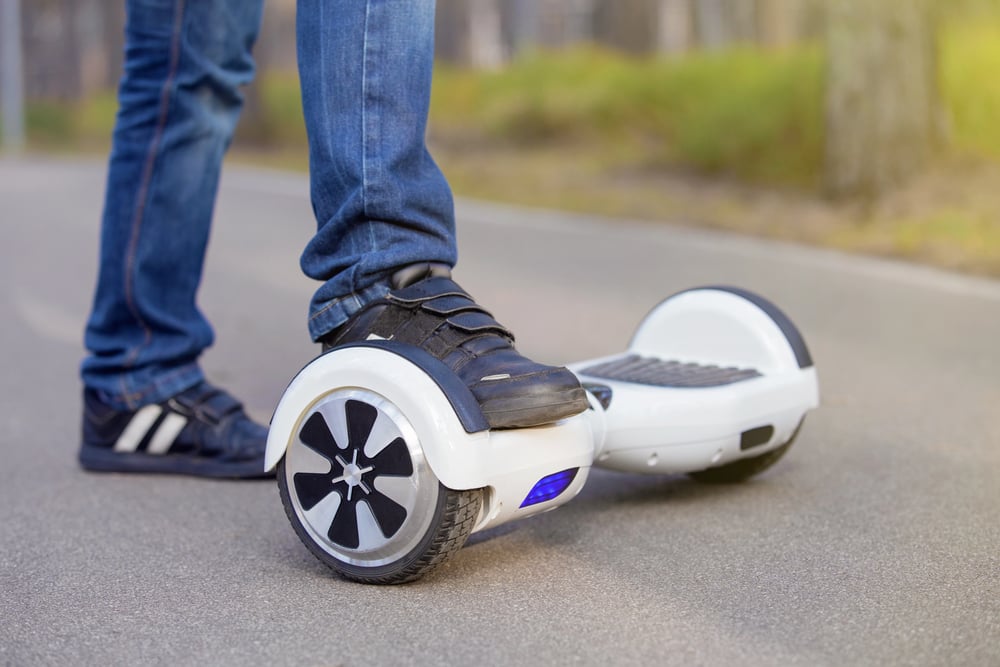
They didn’t hover. They caught fire, and most of them broke within months.
Kids loved them, sure, but fire departments didn’t. The hype was fun while it lasted, but the problems made the entire trend fizzle out fast.
Beats Music
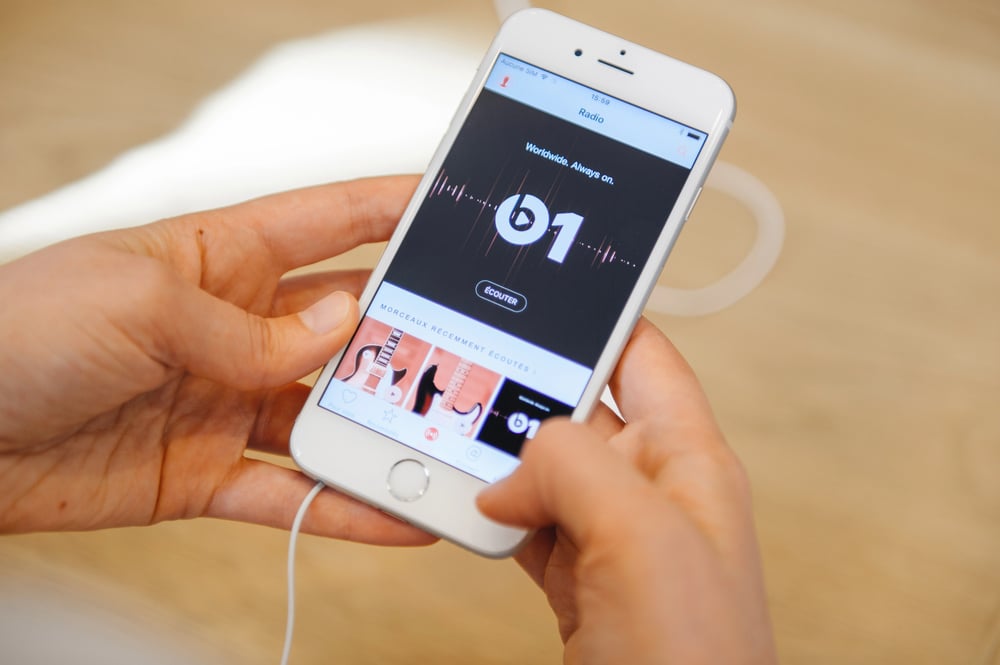
Before Apple Music existed, Beats Music tried to break into the streaming world. It had flashy ads and lots of artist support, but the app itself was messy and didn’t stand out.
Apple later bought Beats—but not for the music service.
Windows Phone
Microsoft tried to take on iPhone and Android with its own sleek interface. But it came too late, had too few apps, and felt out of place.
Developers weren’t interested, users were confused, and Microsoft pulled the plug.
Apple Pippin
Yep, Apple once tried to make a video game console. Hardly anyone remembers it—and for good reason.
It had weak performance, limited games, and a steep price tag. It was quickly forgotten in the gaming world.
Juicero

A $400 machine that squeezed juice packs—but only ones you bought from the company. Then someone figured out you could just squeeze them with your hands.
That was the end. Investors weren’t amused, and Juicero became a joke overnight.
When Hype Becomes History
The world moves fast, and so do expectations. These launches all had one thing in common—they promised to change the game, but ended up being remembered for the wrong reasons.
Sometimes it’s poor timing, other times it’s just poor planning. Either way, they’re now part of launch lore.
What we learn from these misfires isn’t just about failure—it’s about attention, trust, and knowing what people really want. The next big thing might still be out there, but these 20 proved that buzz alone won’t cut it.
More from Go2Tutors!

- The Romanov Crown Jewels and Their Tragic Fate
- 13 Historical Mysteries That Science Still Can’t Solve
- Famous Hoaxes That Fooled the World for Years
- 15 Child Stars with Tragic Adult Lives
- 16 Famous Jewelry Pieces in History
Like Go2Tutors’s content? Follow us on MSN.



