Photos Of 15 Famous TV Houses
Television houses have a peculiar way of becoming as memorable as the characters who lived in them. These fictional homes feel so real that fans make pilgrimages to visit them, real estate sites estimate their value, and architectural historians analyze their design choices.
The front steps, the kitchen layouts, the living room arrangements — they’re burned into collective memory from years of opening credits and establishing shots. From pristine suburban facades to quirky family dwellings, these houses helped define entire shows and became cultural landmarks in their own right.
The Brady Bunch House
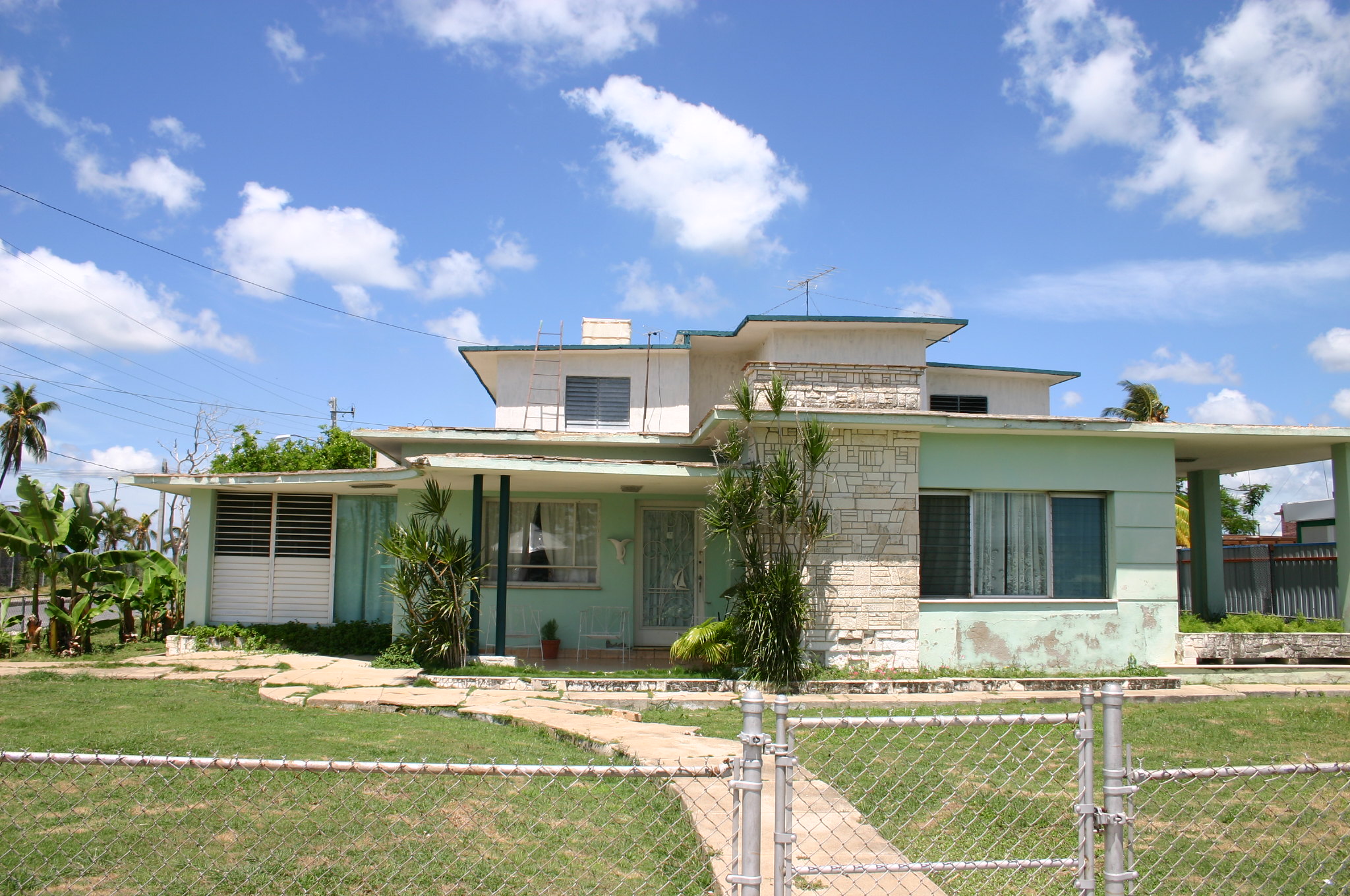
The split-level ranch in Studio City became television’s most famous blended family home. That orange and avocado kitchen. Those wood-paneled walls. The backyard where countless Brady adventures unfolded.
HGTV bought the actual house in 2018 and renovated the interior to match the show’s sets. Turns out the original house was much smaller than it appeared on screen.
The Simpsons House
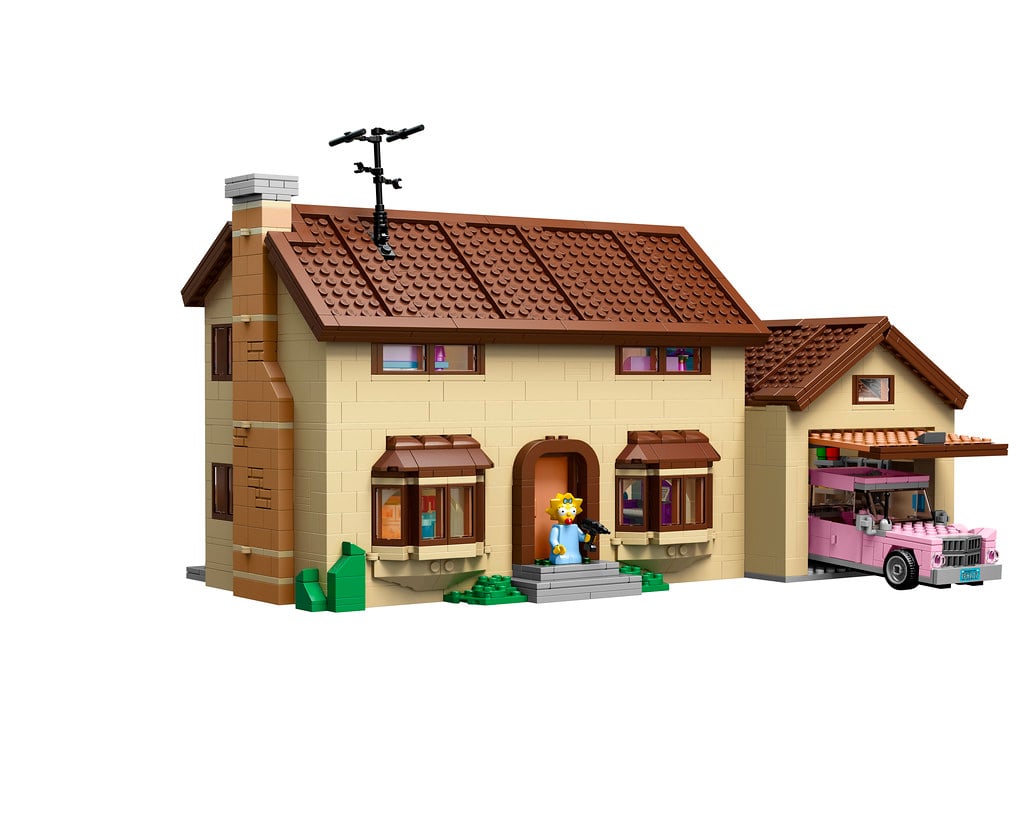
742 Evergreen Terrace exists in animated form, but Fox built a real-life replica in Nevada for a contest promotion. The bright yellow exterior, red front door, and Marge’s car in the driveway — everything matched Homer’s cartoon world.
The winner got to keep the house. Most people would probably move immediately, but owning Springfield’s most famous address has its appeal.
Downton Abbey
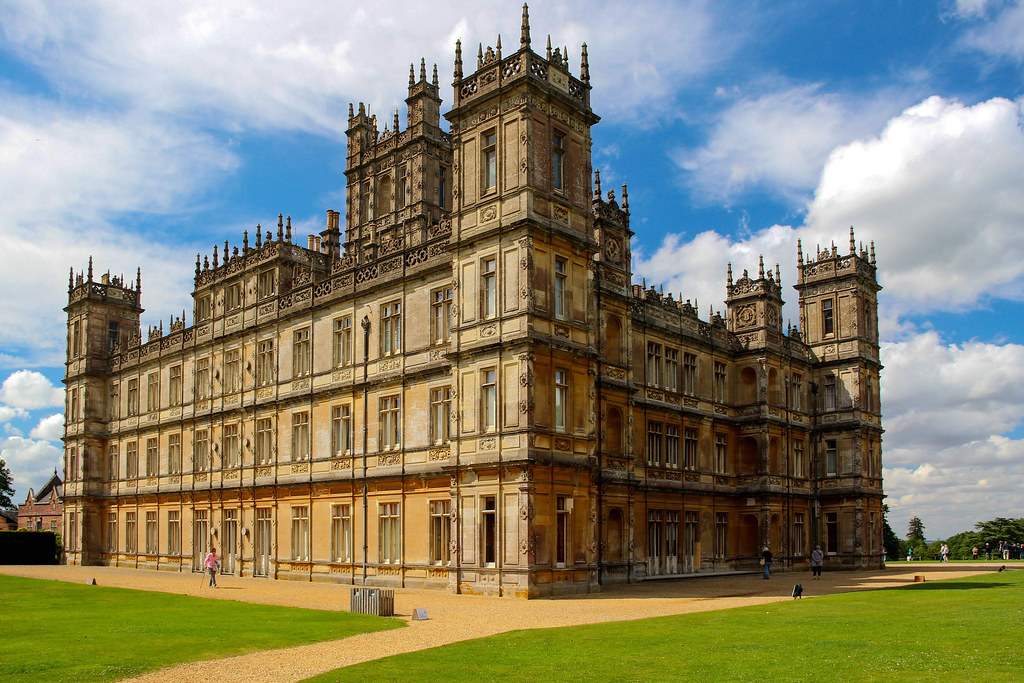
Highclere Castle stands as one of television’s most magnificent settings, and the irony is that this Jacobethan country house predates the fictional Crawley family by centuries (the real castle was built in the 1840s, though its grounds stretch back much further). The show’s creators didn’t just borrow a pretty backdrop — they found a character as complex as any human on screen.
Every room carries weight, every corridor whispers of hierarchy, and the grand staircase becomes a stage where power shifts with each conversation. And yet the castle remains stubbornly, beautifully indifferent to the drama, as if it has seen countless families rise and fall within its walls. Which, of course, it has.
The Fresh Prince Of Bel-Air Mansion
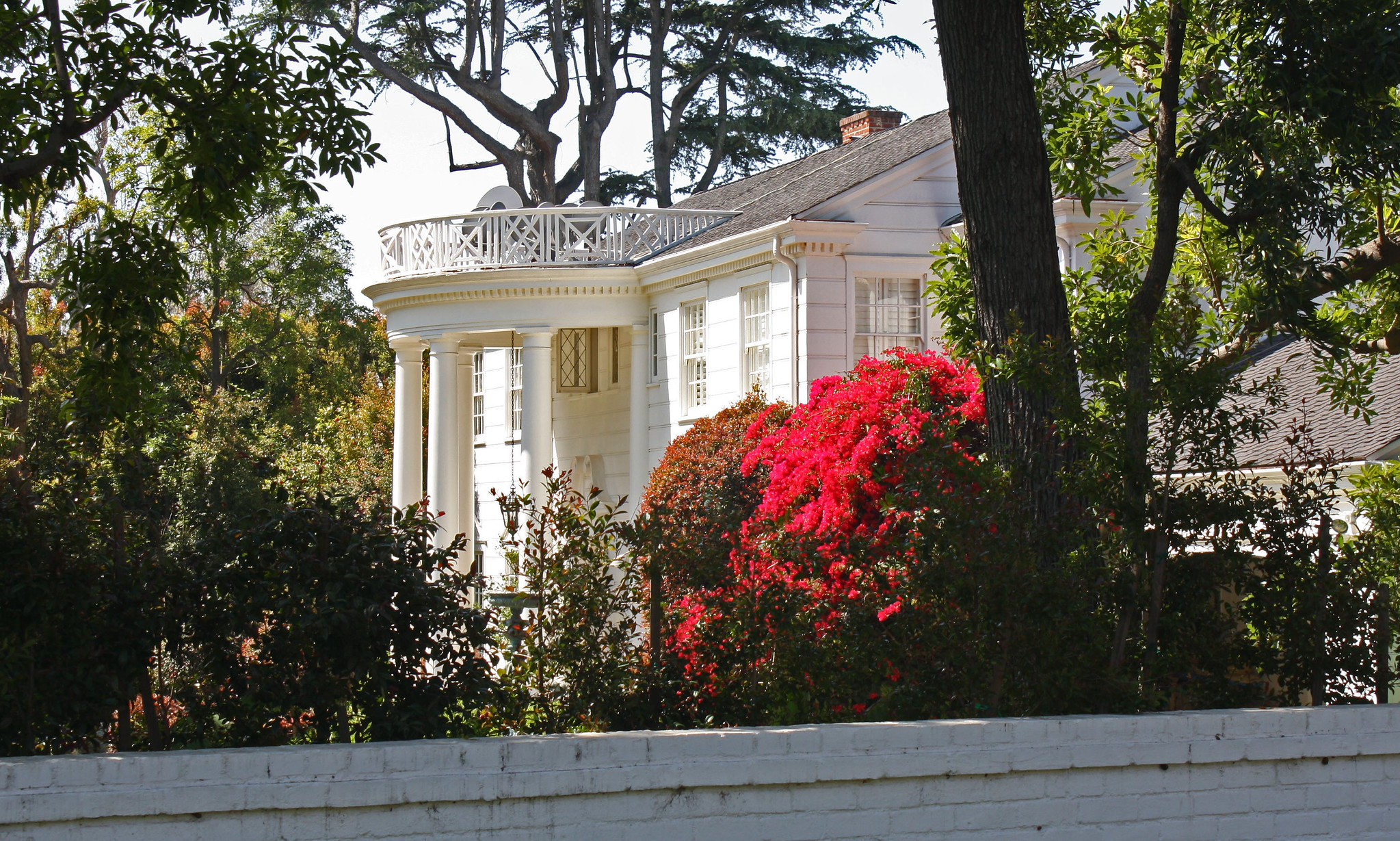
The Brentwood mansion screamed wealth from every marble column and manicured hedge. Will Smith’s character went from Philadelphia row house to this palatial estate, and the contrast never got old.
The real house sold for $11.5 million in 2020. The new owners probably get tired of people driving by slowly, expecting to see Carlton dancing in the driveway.
Cheers Bar
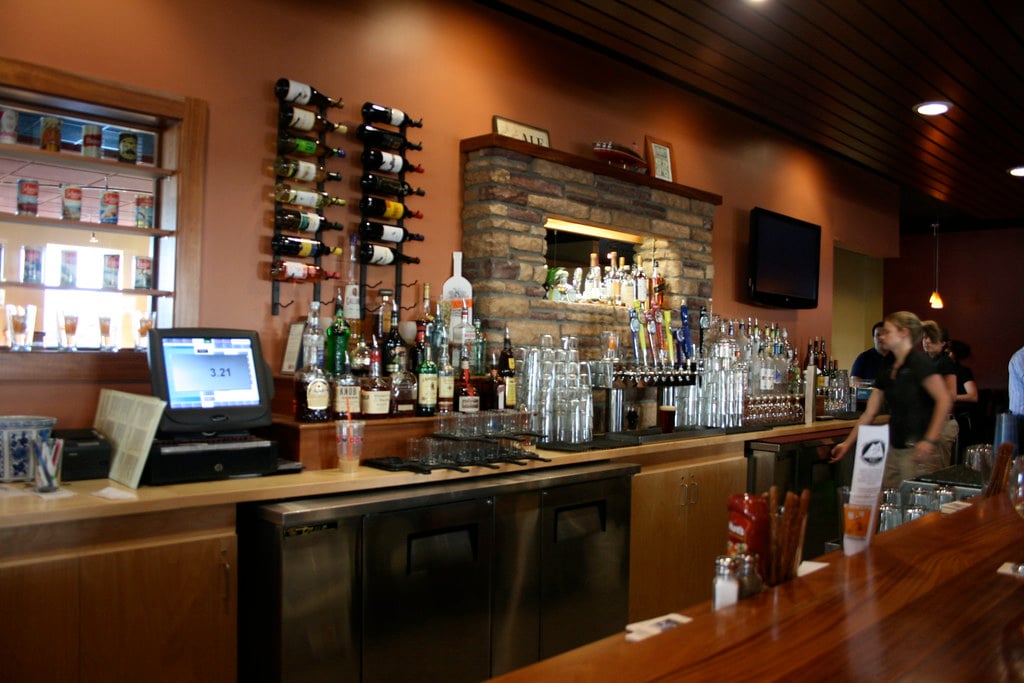
The exterior shots showed the Bull & Finch Pub in Boston’s Beacon Hill neighborhood. Inside, everybody knew your name — or at least that’s what the theme song promised.
The real pub changed its name to Cheers and became a tourist destination. Sometimes life imitates art, then art makes life profitable.
Friends’ Apartment Building
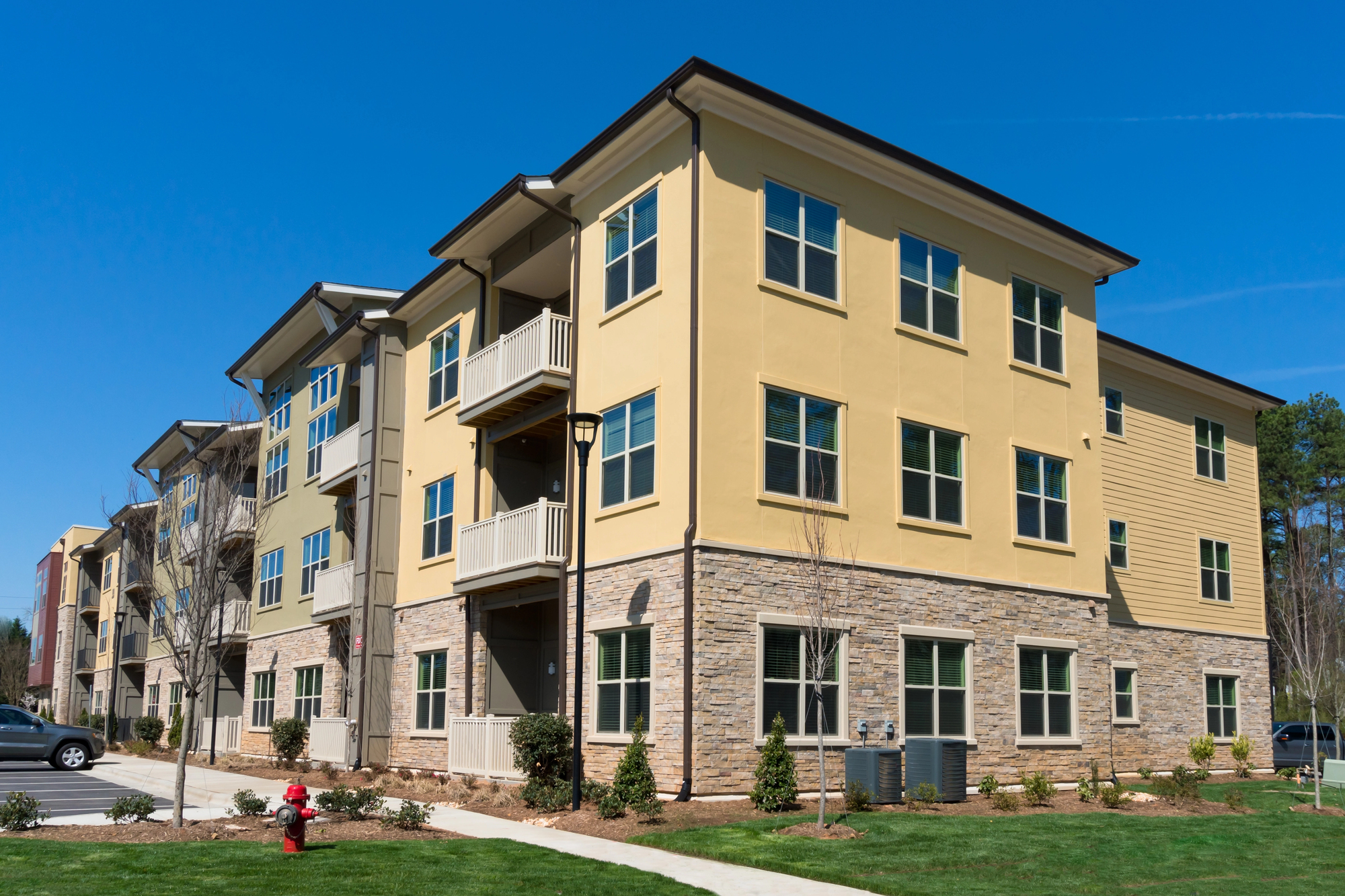
The red-brick building at 90 Bedford and Grove Streets in Greenwich Village housed Monica and Rachel’s impossible apartment. Nobody could afford that much space in Manhattan on a waitress and chef salary, but television real estate operates by different rules.
Fans still gather on the corner for photos. The building’s residents have probably seen enough Central Perk references to last several lifetimes.
The Addams Family Mansion
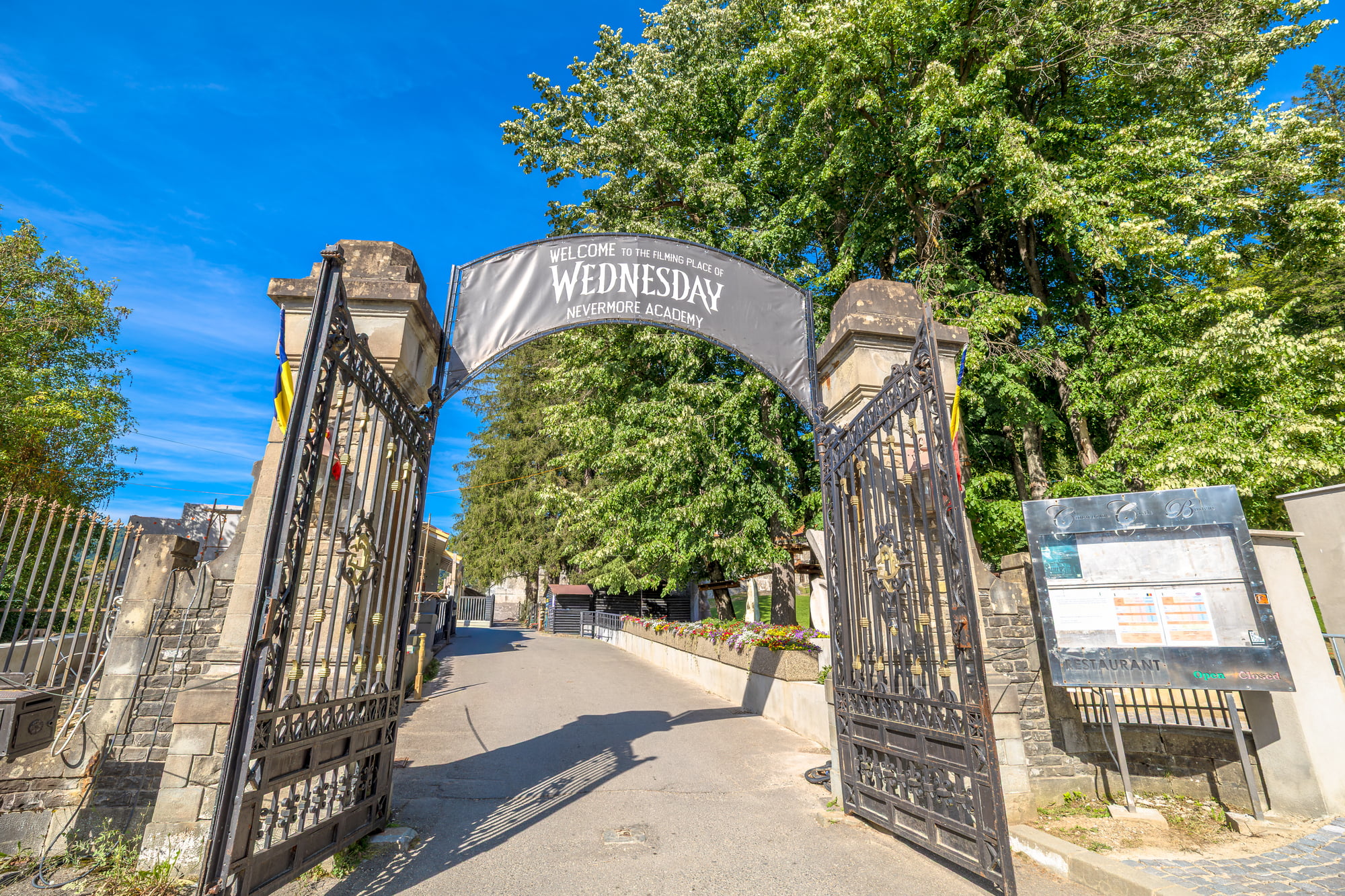
Gothic revival architecture never looked more inviting than when the Addams family called it home. The Victorian mansion with its tower, wraparound porch, and perpetually stormy atmosphere perfectly matched the family’s aesthetic.
The house was actually a painted backdrop for exterior shots, but the illusion held. Sometimes the most memorable homes exist only in matte paintings and collective imagination.
The Munsters House
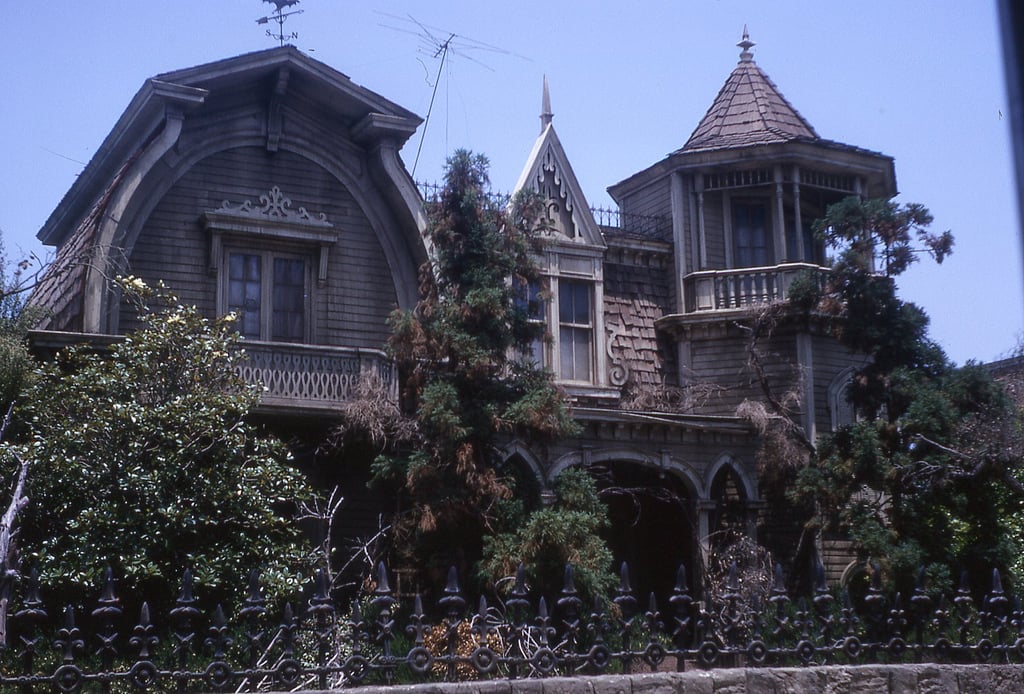
1313 Mockingbird Lane housed television’s most lovably macabre family, and like many great TV homes, this one carried its personality in every Gothic detail — the wraparound porch that suggested Southern hospitality with a supernatural twist, the tower that promised secrets in upper rooms, the overall Victorian gloom that somehow felt cozy rather than forbidding.
The production designers understood something crucial about domestic spaces: a house becomes a home when it reflects the people inside, even when those people happen to be monsters. The Munster house never tried to hide what it was. Instead, it embraced its darkness with such commitment that visitors felt welcomed rather than warned away.
Leave It To Beaver House
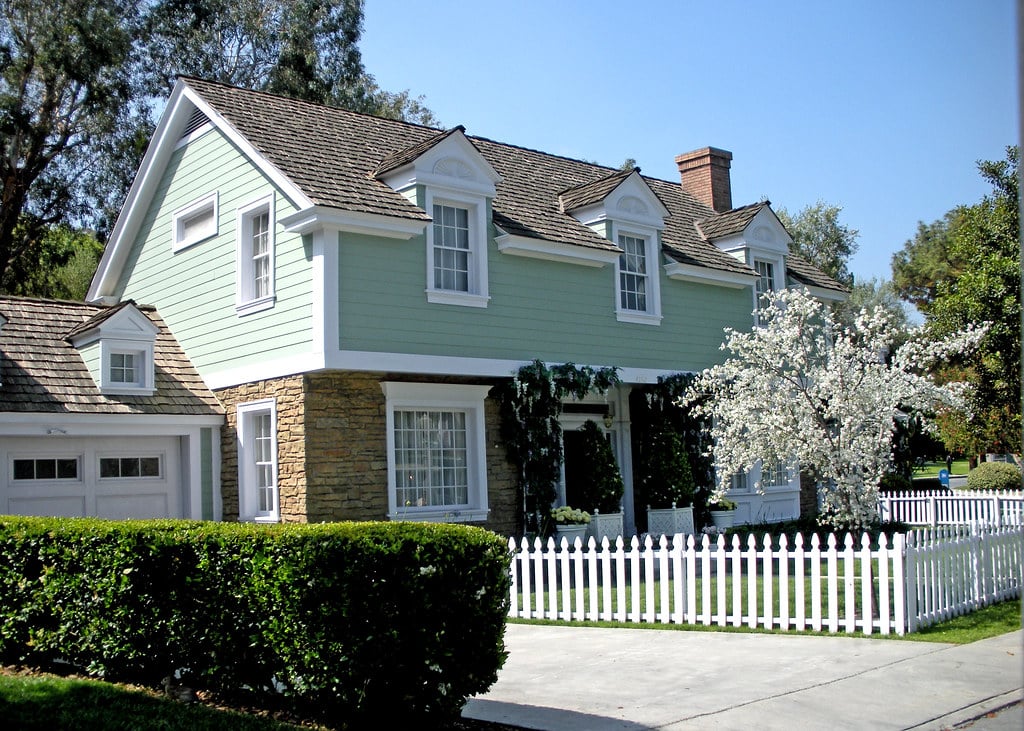
The white colonial at 211 Pine Street in Mayfield represented suburban perfection in the 1950s. Ward’s den, June’s kitchen, and the boys’ upstairs bedroom created the template for television domesticity.
The actual house used for exterior shots sits in California. It looks smaller now than it did through a child’s eyes watching after school.
The Flintstones House

Bedrock’s most famous address featured stone-age architecture with modern conveniences. The cave-style home with its rock furniture and dinosaur appliances made prehistoric living look surprisingly comfortable.
Someone in California built a real Flintstones house, complete with stone exterior and cartoon-inspired landscaping. The neighbors were not amused, but building codes eventually prevailed over creative expression.
Full House Victorian
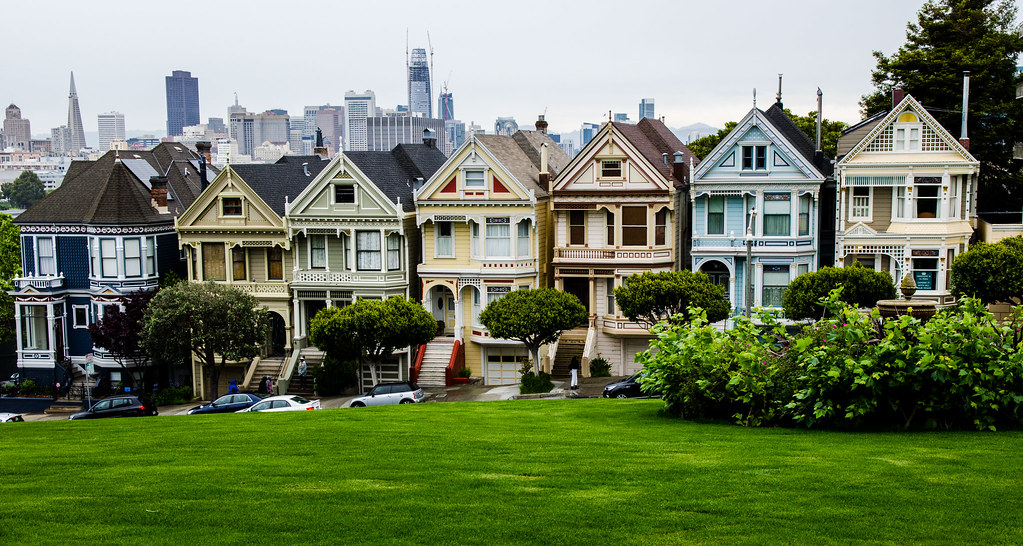
The painted lady Victorian in San Francisco’s Alamo Square became synonymous with family sitcom warmth, and there’s something about these ornate houses that makes them perfect television stars — they photograph beautifully, they suggest both coziness and grandeur, and they carry enough architectural personality to become characters themselves.
San Francisco’s postcard rows of Victorians have appeared in countless shows and movies, but this particular house earned its fame by housing three men and three girls in what should have been domestic chaos but somehow felt like harmony. The real house sold in 2020 for $5.35 million, which means the Tanner family was sitting on a gold mine. But then again, television families rarely worry about property taxes or mortgage payments.
The Golden Girls House
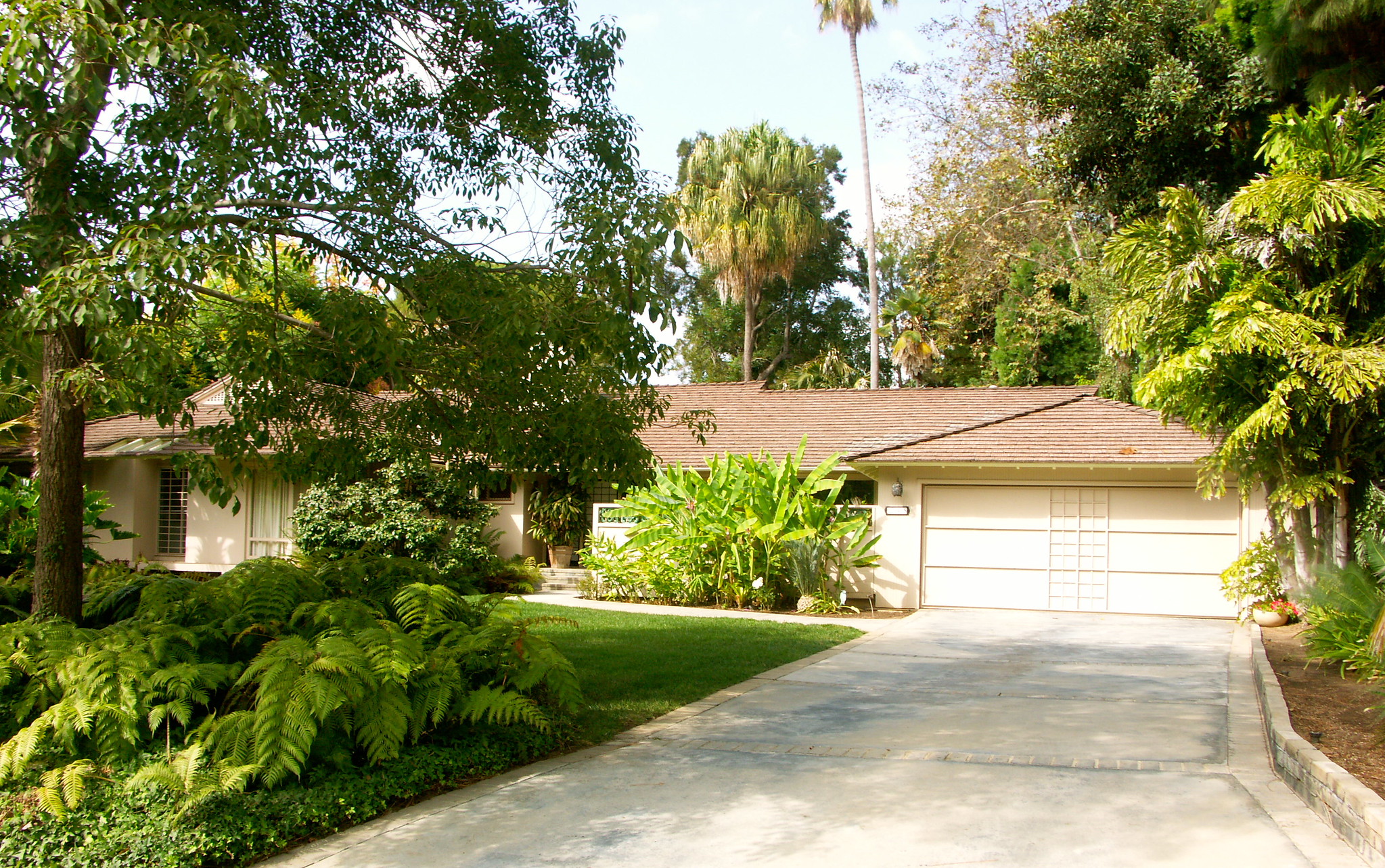
The Miami ranch house on Richmond Street sheltered four women navigating friendship and aging with wit and cheesecake. The lanai, the wicker furniture, and Dorothy’s bedroom all felt like places you could visit.
The exterior shots came from a real house in Brentwood, not Miami. Television geography operates by emotional logic rather than geographical accuracy, and somehow this house felt more like Miami than many actual Miami houses.
The Cosby Show Brownstone
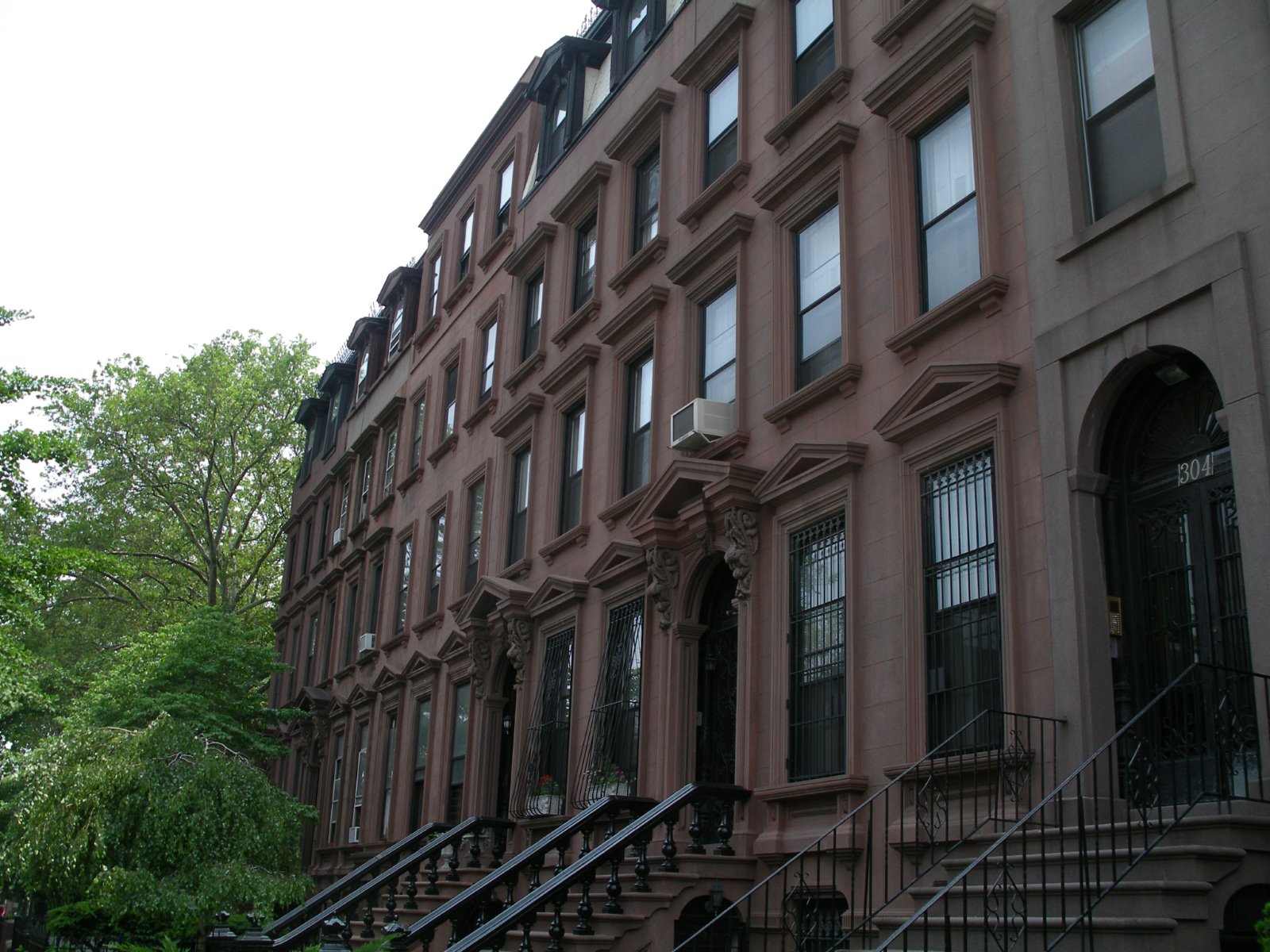
The Brooklyn Heights brownstone represented upper-middle-class African American success in the 1980s. Dr. Huxtable’s basement office, the living room where family meetings happened, and Denise’s bedroom all felt like real spaces where real families might live.
The building still stands, though its television associations have become complicated. Sometimes houses outlive the reputations of their fictional inhabitants.
Gilligan’s Island Huts

The thatched-roof huts scattered around the lagoon created television’s most famous deserted island community. Each character’s living space reflected their personality — the Professor’s organized hut, Ginger’s glamorous space, Gilligan’s chaotic corner.
The island was actually a lagoon on the CBS studio lot in California. The three-hour tour never left Hollywood, but audiences bought the tropical illusion completely.
The Waltons Mountain House
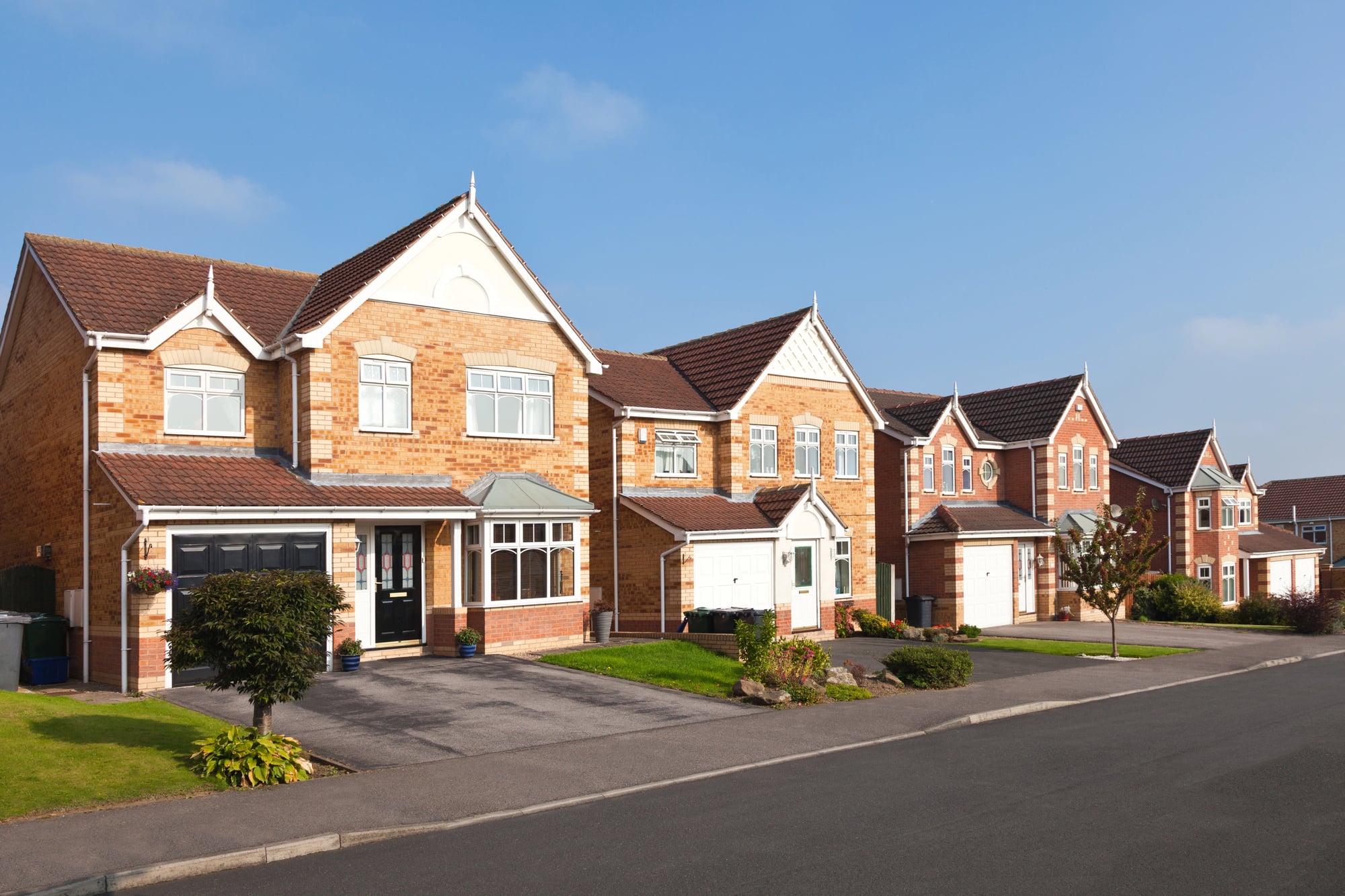
The Depression-era farmhouse on Walton’s Mountain housed three generations under one roof, and viewers could navigate every room from memory — the kitchen where family meals brought everyone together, the parents’ bedroom where quiet conversations happened after the children were asleep, the boys’ room where John-Boy wrote his stories by lamplight, the front porch where wisdom was dispensed and life was observed.
The house felt lived-in because it was: every piece of furniture seemed to have a story, every corner held memories, every creaking board suggested the weight of daily life. And when the lights went out and the family called goodnight to each other from their separate rooms, the house itself seemed to settle in for sleep, another day of sheltering the Walton clan complete.
When Houses Become Characters
These television houses transcended their role as mere backdrops. They became places viewers wanted to visit, spaces that felt more real than many actual homes.
The best television houses understand that architecture is character development, that a home’s personality should match its inhabitants, and that sometimes the most important stories happen not in what people say, but in how they arrange their living rooms.
More from Go2Tutors!

- The Romanov Crown Jewels and Their Tragic Fate
- 13 Historical Mysteries That Science Still Can’t Solve
- Famous Hoaxes That Fooled the World for Years
- 15 Child Stars with Tragic Adult Lives
- 16 Famous Jewelry Pieces in History
Like Go2Tutors’s content? Follow us on MSN.