15 Places on Earth That Humans Have Never Fully Explored
The age of exploration seems like ancient history, doesn’t it? We’ve mapped continents, climbed the tallest peaks, and sent robots to Mars. Yet beneath our feet and beyond our immediate reach, vast stretches of Earth remain as mysterious as they were centuries ago.
These aren’t distant planets or unreachable dimensions — they’re places you could theoretically visit tomorrow, if only the technology, funding, or sheer human endurance allowed it. The unexplored Earth isn’t hiding in some far-off galaxy. It’s hiding right here, often in the most obvious places we simply can’t reach.
Antarctica’s Subglacial Lakes
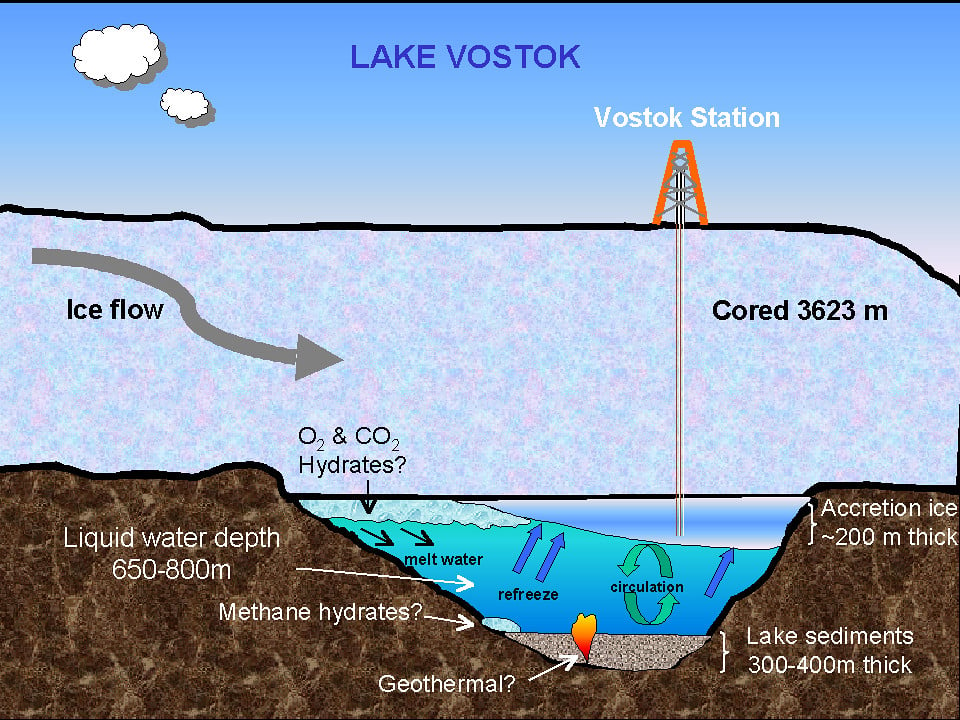
Buried two miles beneath Antarctica’s ice sheet sit hundreds of lakes that haven’t seen sunlight for millions of years. Lake Vostok alone is the size of Lake Ontario, sealed under ice thicker than the Grand Canyon.
Scientists have barely scratched the surface. Drilling through that much ice without contaminating these pristine environments is like performing surgery with a sledgehammer.
The few samples retrieved suggest life forms that evolved in complete isolation — organisms that might rewrite what we know about life on Earth.
The Deep Ocean Trenches
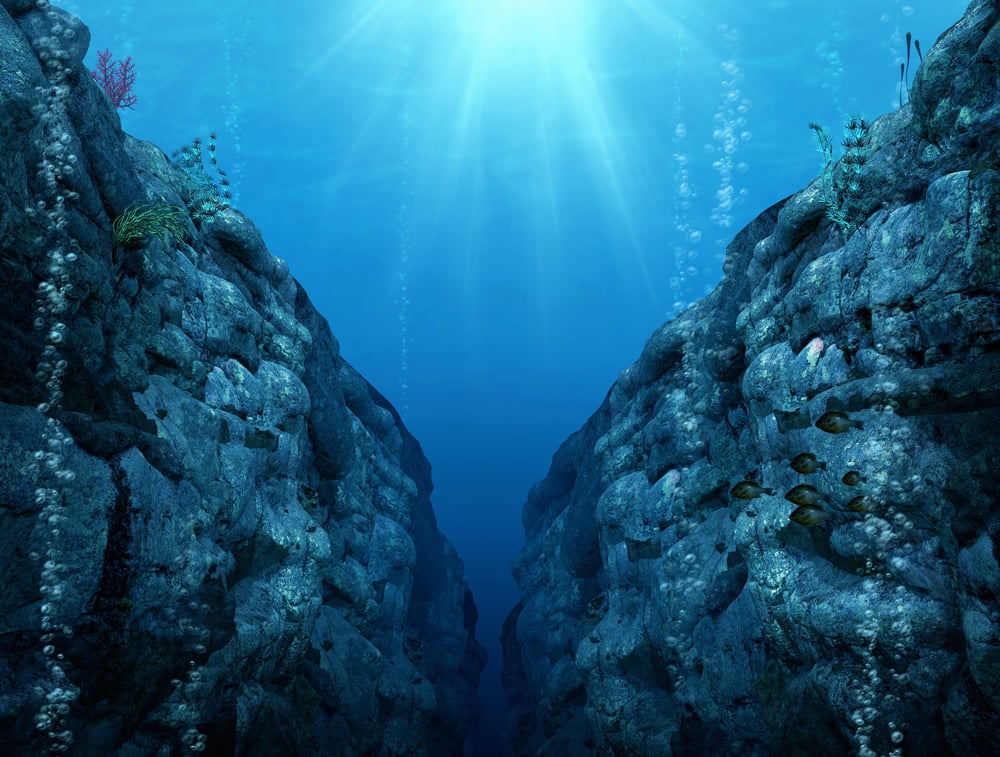
The deepest parts of our oceans remain more foreign than the moon’s surface. The Mariana Trench plunges seven miles down, where the pressure would instantly crush a human body and the darkness is absolute.
We’ve sent only a handful of manned expeditions to the deepest point — a figure that still pales against the twelve people who have walked on the moon. The creatures living down there — and there are creatures living down there — exist in conditions so extreme they might as well be aliens.
Amazon Rainforest Canopy
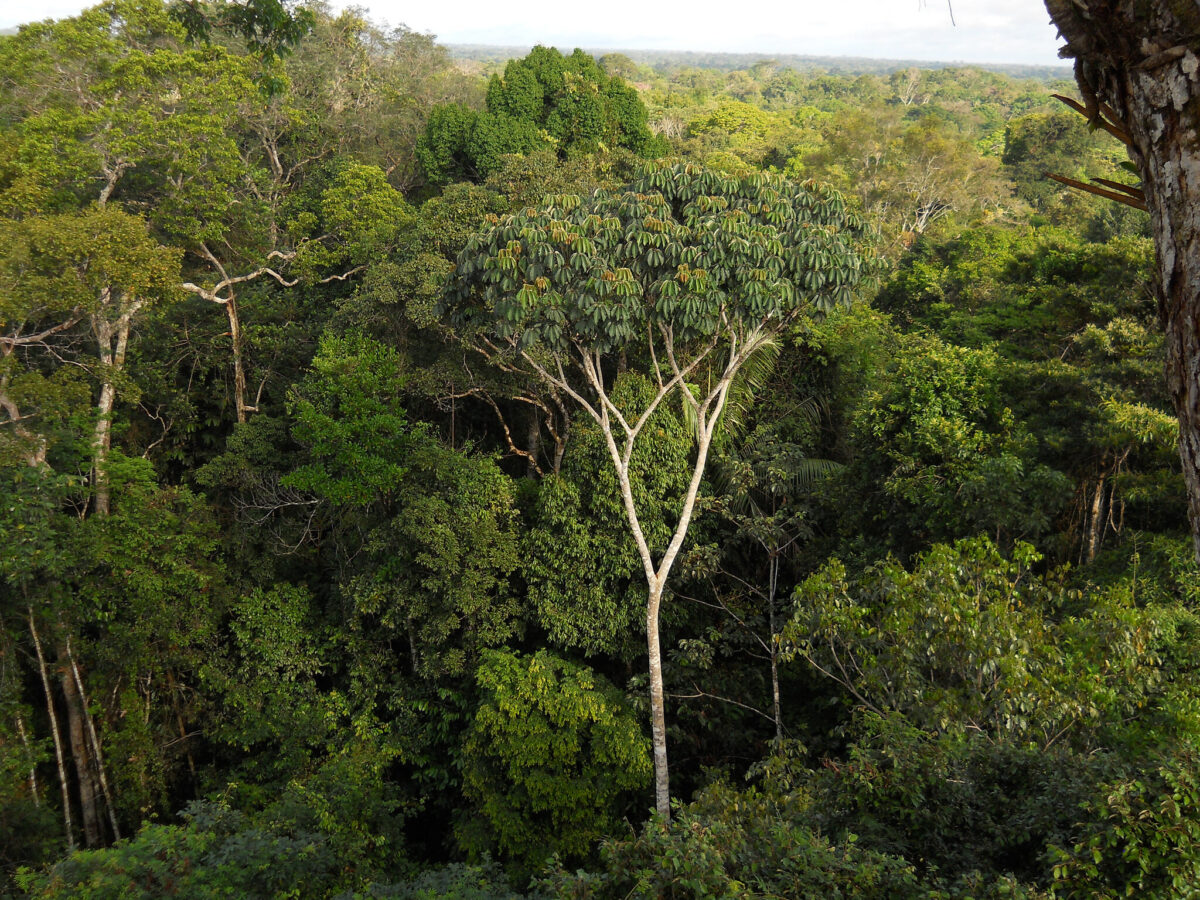
Think of the Amazon as a city where most people have only explored the basement (and when you consider how the forest floor exists in perpetual twilight, shadowed by layers of leaves that stretch 200 feet overhead, the metaphor isn’t far off). But the real Amazon — the one teeming with life, where most of the biodiversity actually lives — exists in the canopy, that green ceiling that might as well be another planet for all the sustained human presence it’s seen.
Scientists estimate that 50% of all terrestrial species live in rainforest canopies worldwide, yet studying them requires rappelling equipment, months of planning, and a willingness to live suspended in mid-air like some academic Tarzan. So we know more about the surface of Mars than we do about what’s happening 150 feet above the Amazon floor — which is both humbling and slightly ridiculous, when you think about it (and most people prefer not to think about it, because it suggests that the most biodiverse places on Earth are the ones we’re least equipped to understand).
The few researchers who do make it up there consistently discover species that have never been catalogued. New birds, new insects, entire ecosystems that exist only in that thin layer between earth and sky.
The Earth’s Mantle
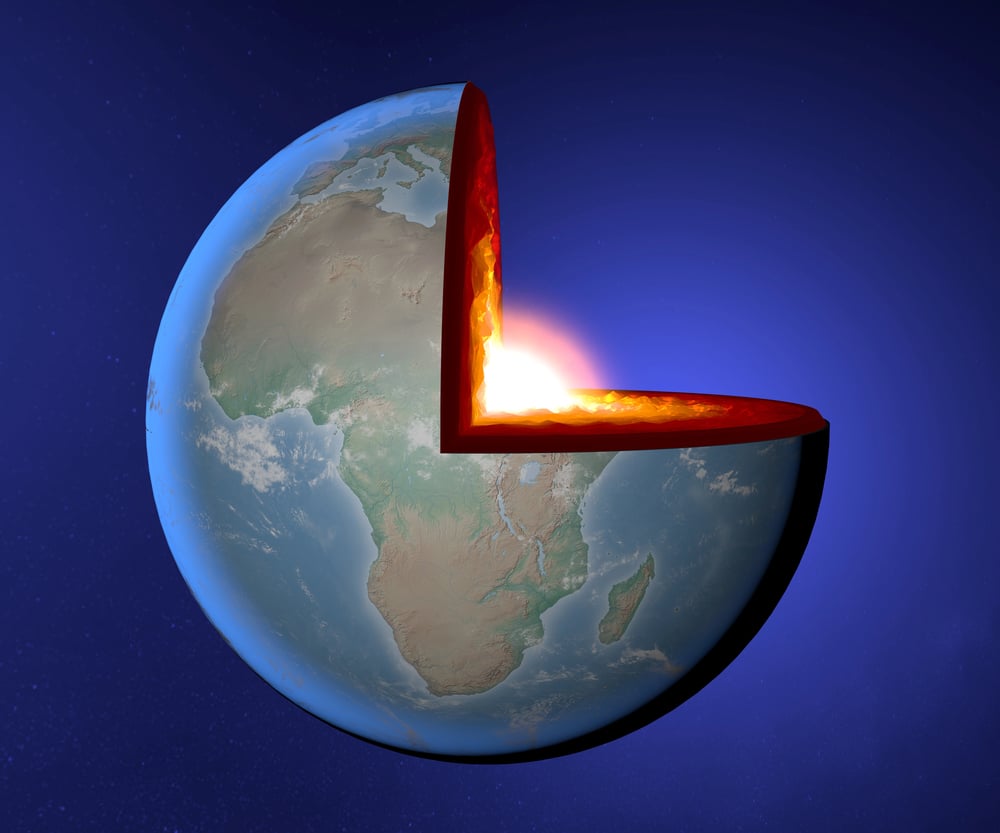
The mantle makes up 84% of Earth’s volume, yet humans have never seen it directly. The deepest we’ve drilled is about seven miles — not even close to the 1,800-mile journey to the mantle.
Everything we know about the layer that drives earthquakes, volcanoes, and continental drift comes from indirect evidence. Seismic waves, mineral samples, educated guesswork. It’s like trying to understand a book by feeling the vibrations when someone else turns the pages.
Northern Myanmar’s Mountains
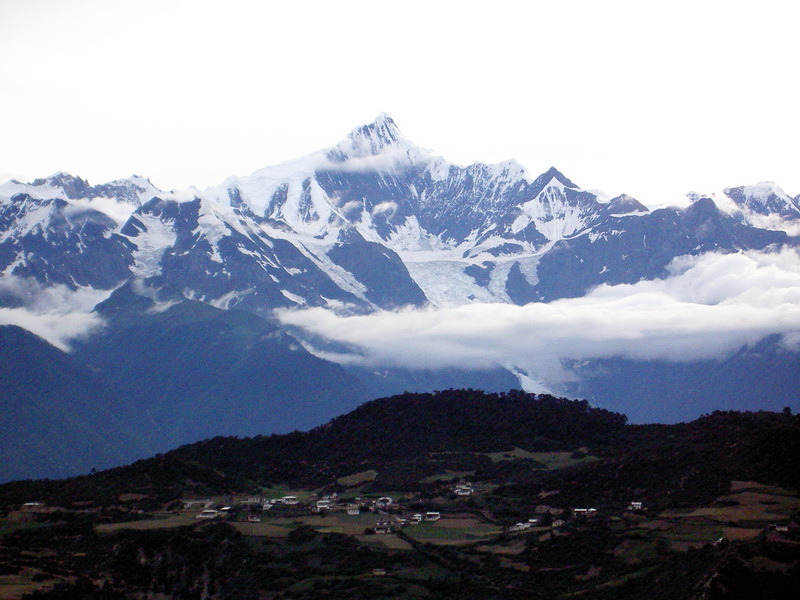
Political instability has kept vast regions of northern Myanmar completely off-limits to scientific exploration for decades. The mountains along the borders with China and India harbor ecosystems that exist in a state of forced preservation.
When researchers do manage brief expeditions, they routinely discover new species. Not variations of known animals — entirely new species.
The Leaf Deer, discovered in 1997, was the first new deer species found in 60 years. It was hiding in plain sight, protected by human conflict.
Deep Cave Systems
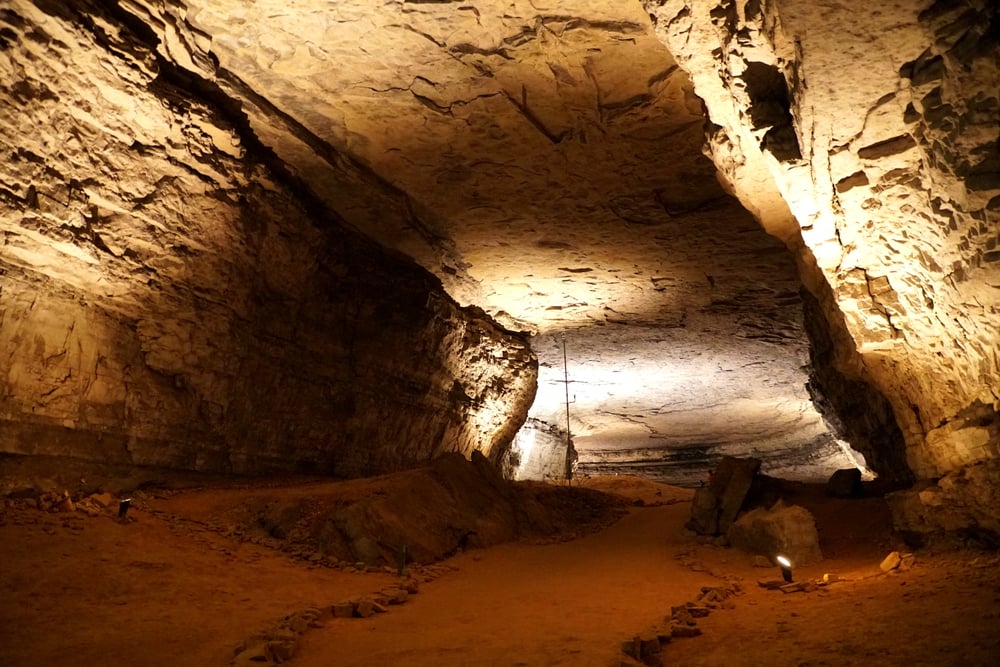
Mammoth Cave in Kentucky stretches for over 400 mapped miles, making it the longest known cave system in the world. The catch? Experts estimate they’ve explored maybe 10% of it.
These aren’t just empty tunnels. Cave systems host unique ecosystems, underground rivers, and geological formations that took millions of years to create.
Some caves remain flooded, requiring technical diving in complete darkness through passages that may or may not have exits.
The Congo Basin
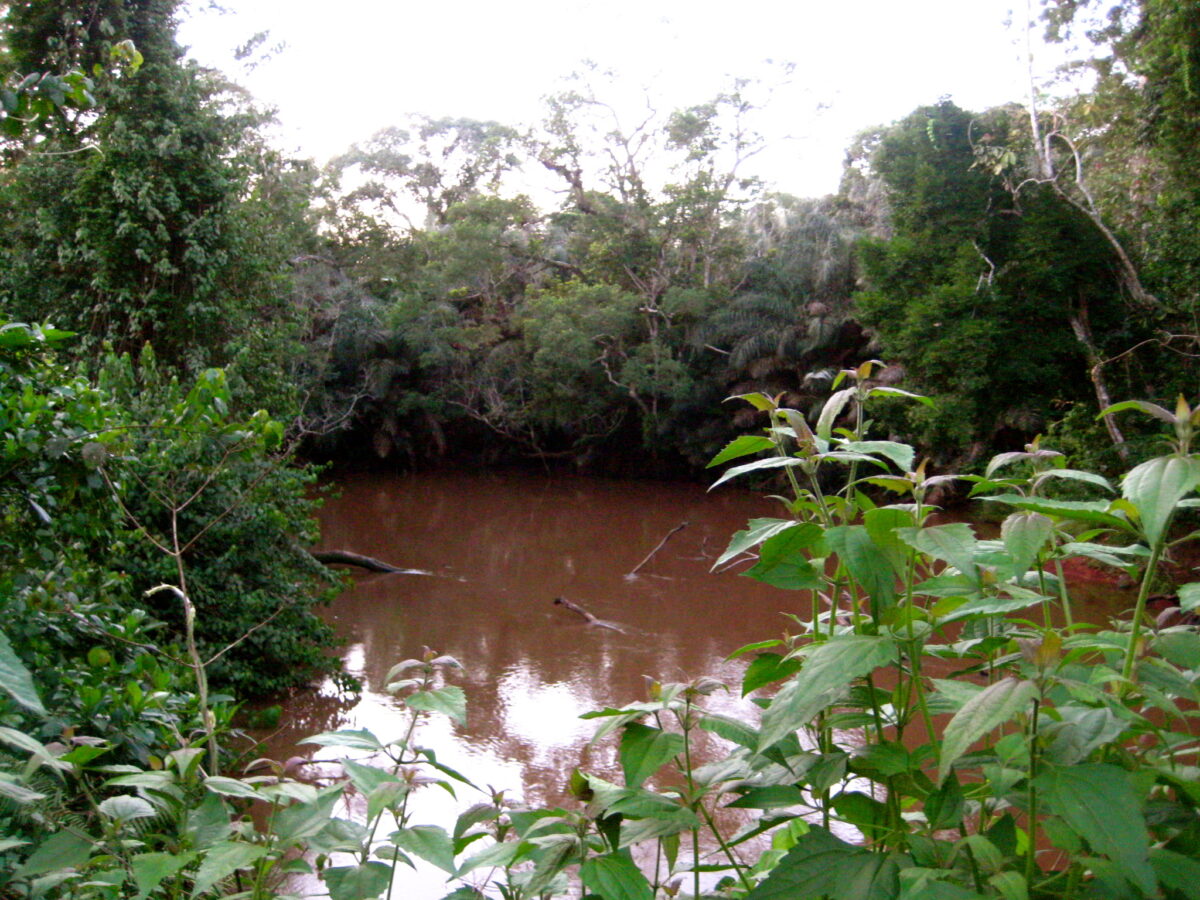
The Congo Basin spans 1.4 million square miles of central Africa, much of it still inaccessible to systematic scientific study. Political instability, lack of infrastructure, and sheer geographic isolation have preserved large swaths in their original state.
New species emerge from the Congo regularly — not just insects, but mammals, birds, reptiles. The region likely contains thousands of undiscovered species, along with mineral deposits and geological features that remain unmapped. It’s a biological treasure chest with a broken lock that no one has figured out how to open safely.
Underwater Cave Networks
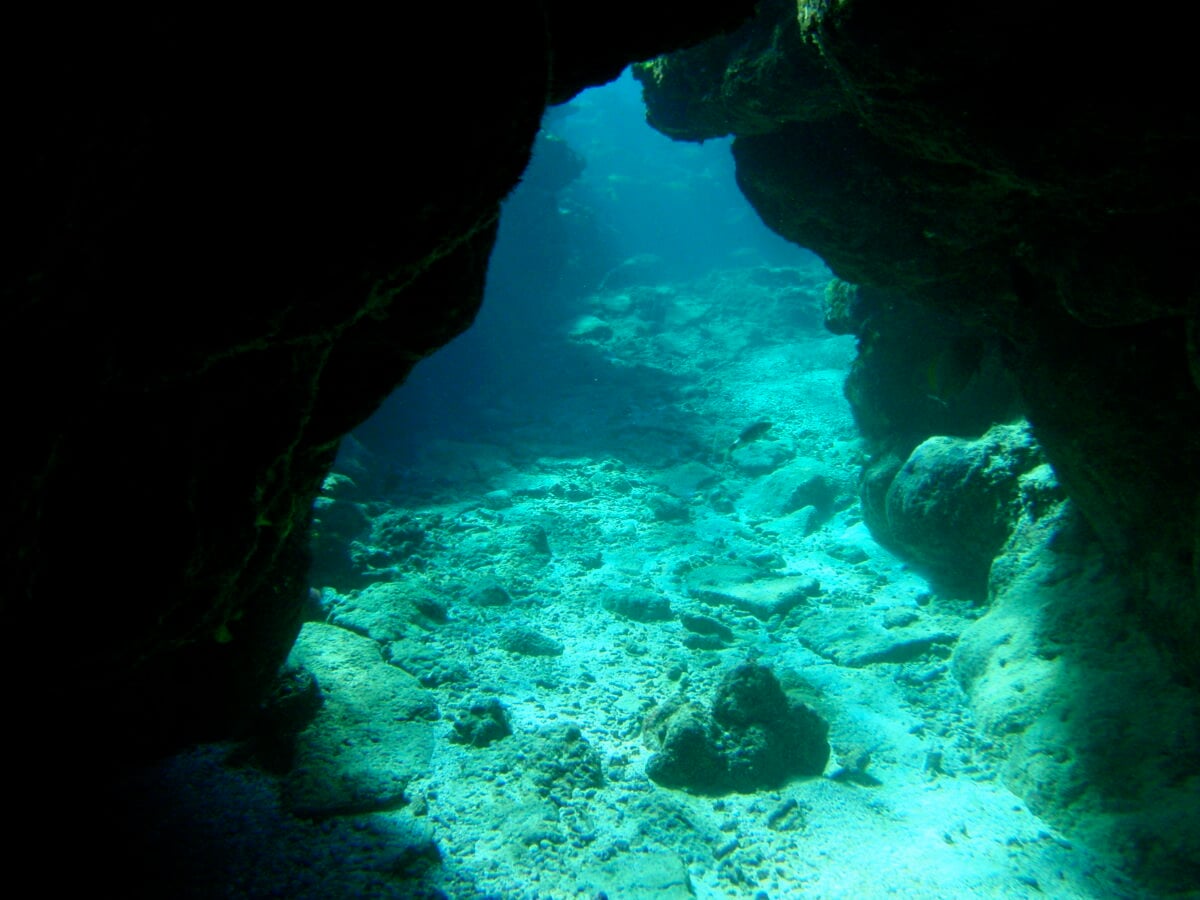
Picture the already mysterious world of deep-sea exploration, then add the claustrophobic complexity of navigating through underwater passages where a wrong turn means death, and where the ceiling above you isn’t open water but solid rock (which means that unlike regular scuba diving, there’s no such thing as an emergency ascent to the surface). These flooded cave systems, found everywhere from Mexico’s cenotes to the underwater passages beneath the Bahamas, represent some of the most technically challenging environments on Earth to explore, requiring specialized training that combines deep-sea diving with spelunking — and even then, the margin for error approaches zero.
The few technical divers skilled enough to explore these systems regularly discover new chambers, new species adapted to life in perpetual darkness, and geological formations that challenge our understanding of how water shapes rock over millennia. But progress is measured in hundreds of yards per expedition, not miles, and many of these systems extend for distances that may never be fully mapped.
Siberian Wilderness
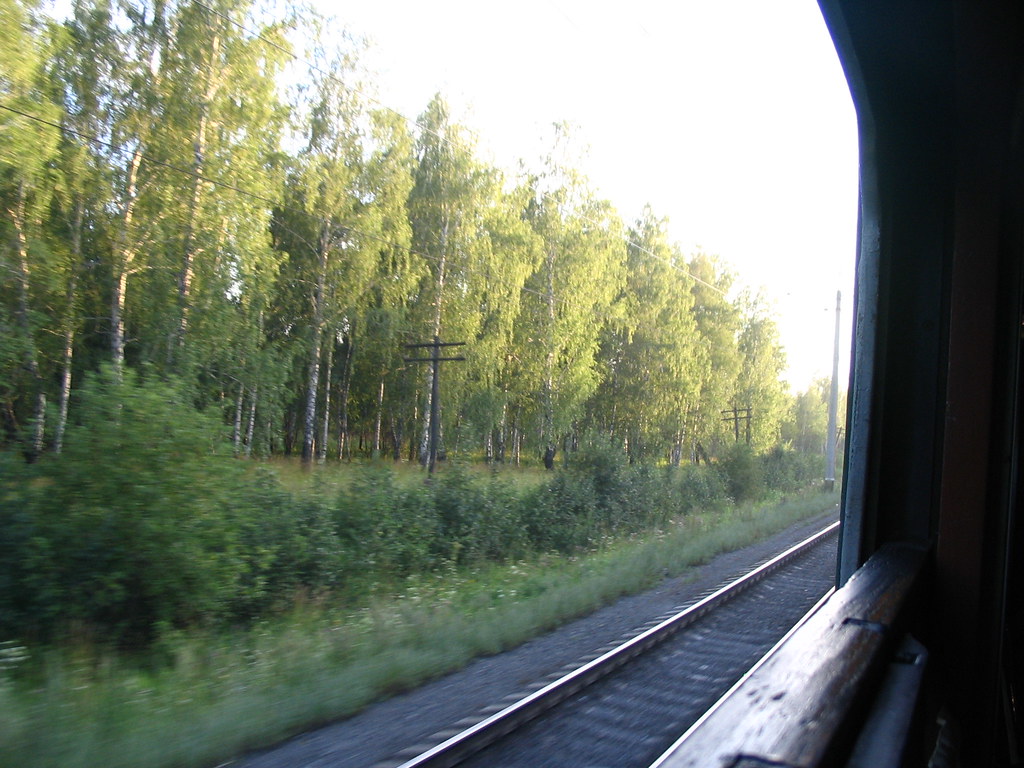
Siberia covers 5.1 million square miles — roughly 10% of Earth’s land surface — and most of it has never been systematically explored. The distances are incomprehensible, the climate hostile, and the logistics nightmarish.
Russian scientists occasionally stumble across valleys that have been isolated for thousands of years, harboring plants and animals that survived ice ages in protected microclimates. But these discoveries happen by accident, not through comprehensive surveys.
Vast regions remain blank spots on biological maps.
Deep Sea Hydrothermal Vents
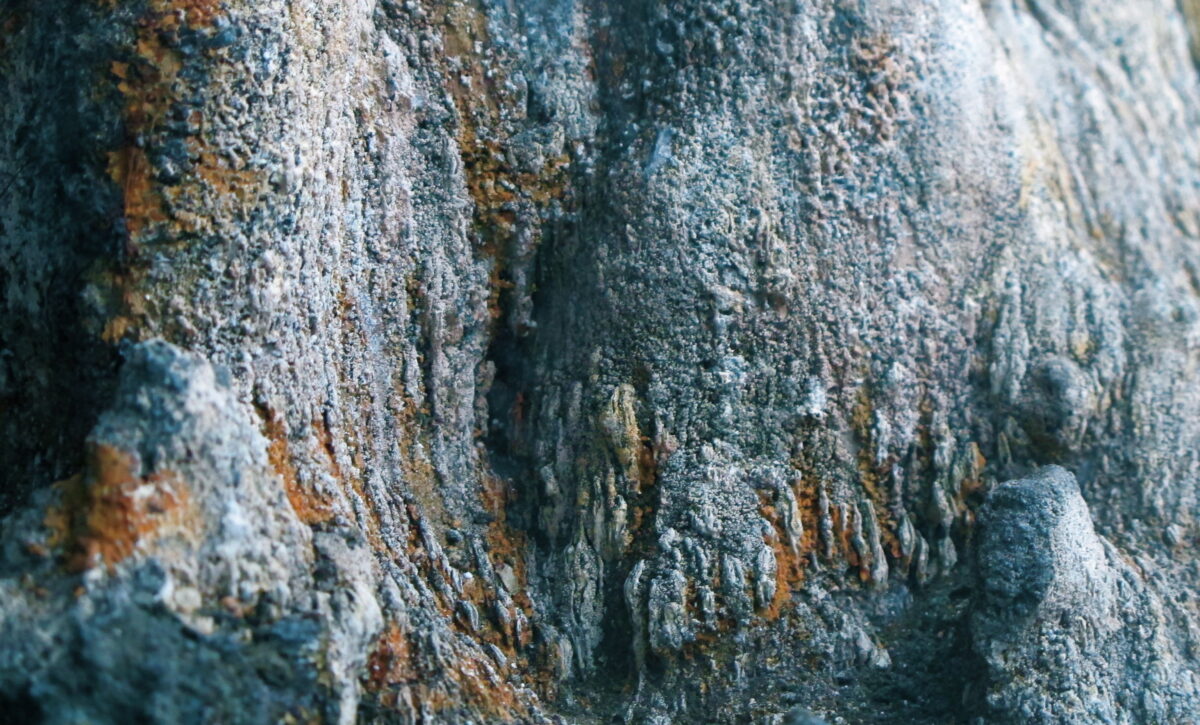
Scientists have identified roughly 250 hydrothermal vent fields in the deep ocean. They estimate thousands more exist, undiscovered.
These underwater geysers create oases of life in the deep ocean desert, supporting ecosystems based on chemosynthesis rather than photosynthesis. Each vent field hosts unique species found nowhere else on Earth.
The creatures living there — tube worms longer than baseball bats, ghostly crabs, bacteria that thrive in temperatures that would kill anything else — suggest that life might exist in far stranger places than we imagine.
Tepuis of South America
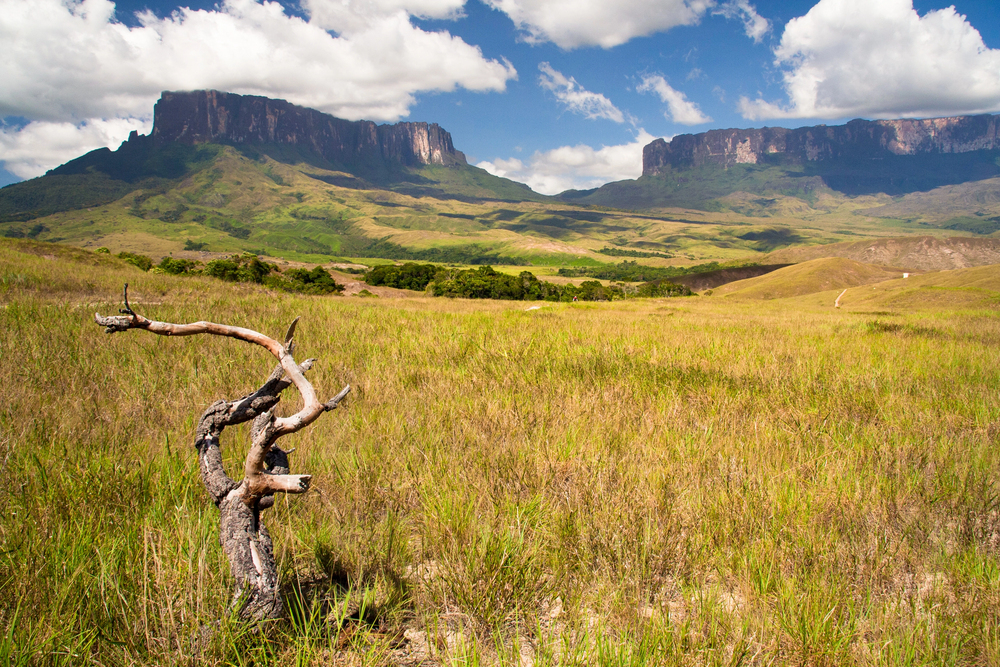
The tepuis are like Earth’s version of sky islands — ancient sandstone plateaus that rise straight up from the jungle floor like massive stone tables, their flat tops accessible only to the most determined climbers or helicopter pilots. These geological formations, scattered across Venezuela, Guyana, and northern Brazil, have been isolated from the surrounding lowlands for millions of years, long enough for evolution to take some very strange turns in their unique environments.
Each tepui hosts species found nowhere else on Earth — plants that exist on only one plateau, nowhere else in the universe. The logistics of studying them are absurd: everything must be helicopterd in, researchers work in conditions where a twisted ankle could mean death, and weather can strand teams for weeks. So most tepuis remain biological mysteries, their endemic species unknown to science.
Mount Roraima gets occasional visitors, but the other 100-plus tepuis might as well be on different planets for all the scientific attention they receive.
Antarctic Dry Valleys
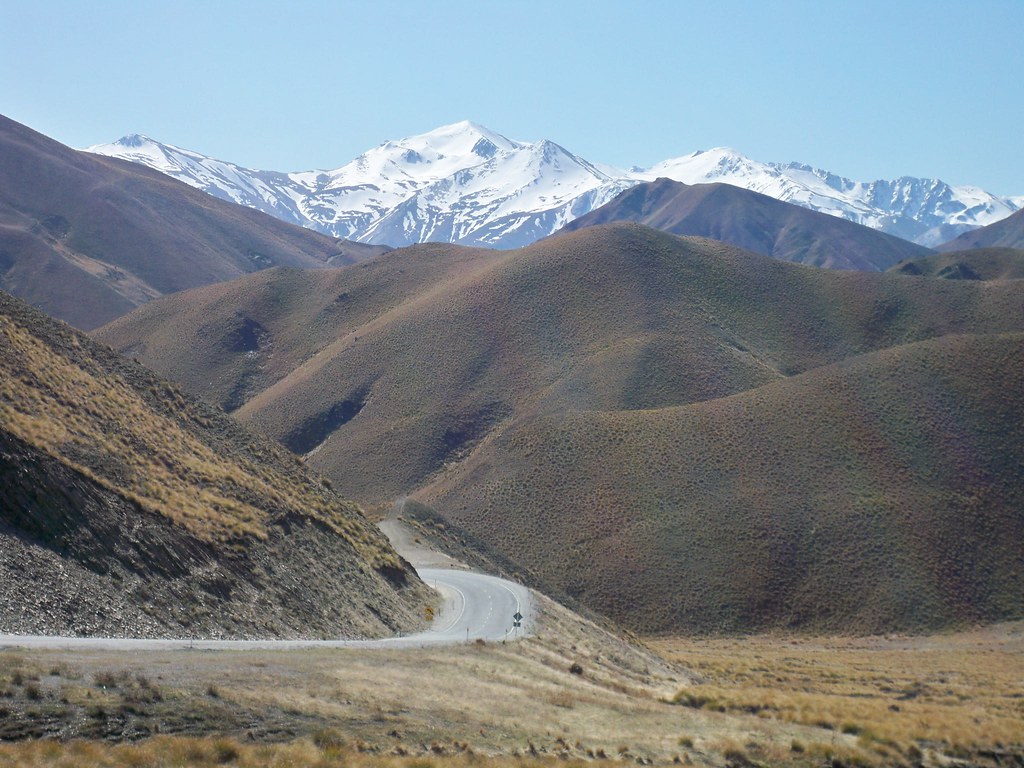
The most Mars-like place on Earth receives no snow, hosts no visible life, and maintains temperatures that make the North Pole seem tropical. Antarctica’s Dry Valleys have been scoured by winds for millions of years, creating a landscape so barren that NASA uses it to test Mars equipment.
Yet life persists here in ways that challenge basic assumptions about biological limits. Microbes live inside rocks, fungi survive in conditions that should be fatal, and some organisms enter states of suspended animation that can last decades.
Understanding how life survives here might unlock secrets about life on other planets.
Deepest Parts of Lake Baikal
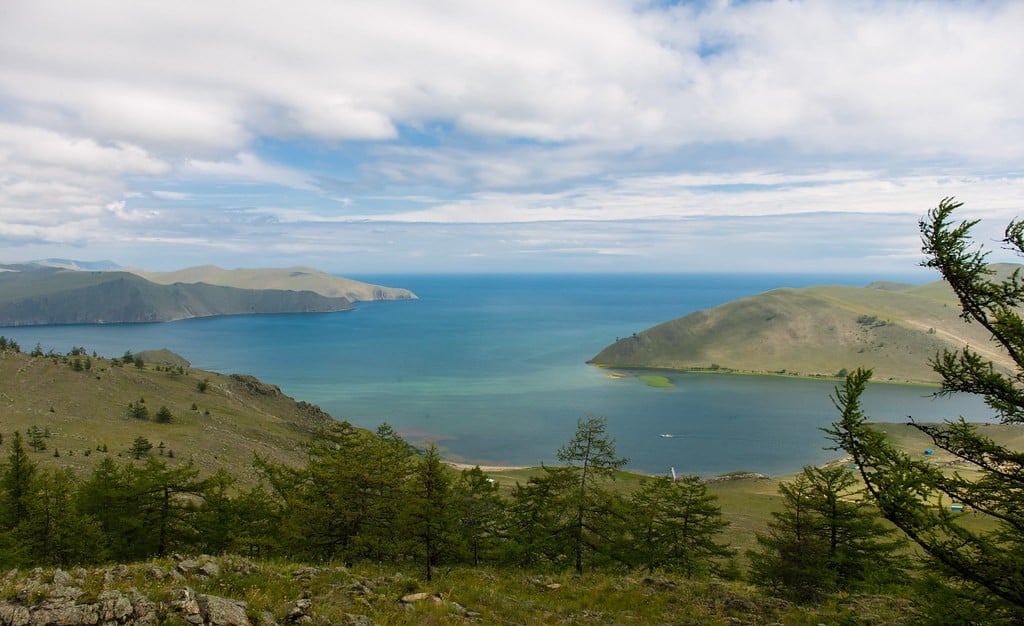
Lake Baikal contains 20% of Earth’s fresh water and reaches depths of over a mile. The deepest sections remain largely unexplored, hosting ecosystems that evolved in isolation for millions of years.
The lake contains over 2,000 species found nowhere else on Earth, including the world’s only freshwater seal. But the deepest waters require specialized submersibles, and comprehensive surveys have never been completed.
New species continue to emerge from Baikal’s depths regularly.
Papua New Guinea’s Highland Forests
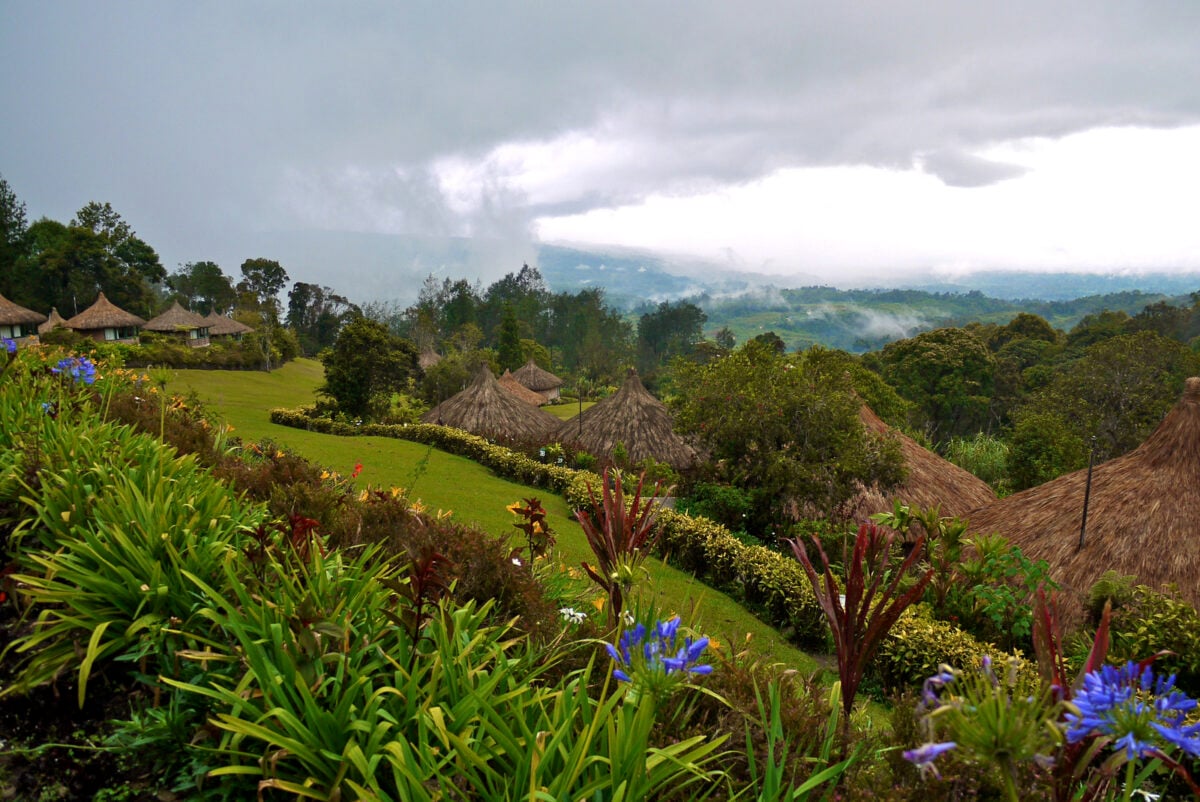
Papua New Guinea’s mountains harbor some of Earth’s most biodiverse ecosystems, yet political challenges and rugged terrain have kept vast regions scientifically unexplored. The island’s highland forests exist in near-complete isolation from the rest of the world.
Recent expeditions consistently discover new species — not just insects, but mammals, birds, and reptiles unknown to science. In 2005, researchers found an entire lost world in the Foja Mountains, including new species of birds, frogs, and butterflies that had never encountered humans.
Remote Arctic Islands
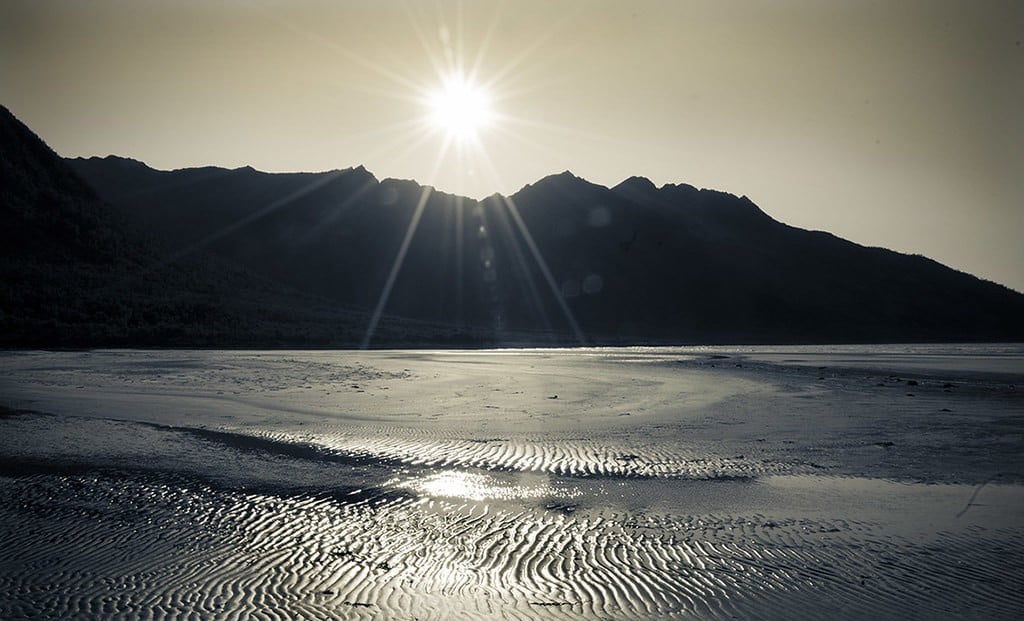
Scattered across the Arctic Ocean are islands so remote that some have been visited by humans fewer than a dozen times in recorded history. These ice-covered landmasses host unique Arctic ecosystems adapted to extreme isolation.
The logistics of reaching these islands make systematic study nearly impossible. Weather windows for travel last only weeks per year, and everything must be transported by icebreaker or aircraft.
Some islands remain unmapped in detail, their wildlife populations unknown, their geological secrets locked away by distance and climate.
The Last Unmapped Territory

The most startling reality isn’t that these places exist — it’s how much of our own planet remains fundamentally unknown to us. Each expedition to these remote corners reveals not just new species or geological features, but entire ecosystems operating by rules we’re still trying to understand.
The age of exploration isn’t over; it’s just moved to places that demand more patience, better technology, and a willingness to accept that some of Earth’s greatest secrets are still waiting for us to develop the tools to uncover them. Perhaps that’s exactly as it should be.
More from Go2Tutors!

- The Romanov Crown Jewels and Their Tragic Fate
- 13 Historical Mysteries That Science Still Can’t Solve
- Famous Hoaxes That Fooled the World for Years
- 15 Child Stars with Tragic Adult Lives
- 16 Famous Jewelry Pieces in History
Like Go2Tutors’s content? Follow us on MSN.