14 Foods That Were Renamed for Political Reasons
Food and politics make strange bedfellows, but history shows they’ve shared the same table more often than you might think. When tensions rise between nations, when wars break out, or when public sentiment shifts, even the most innocent foods can find themselves caught in the crossfire.
What’s in a name? Apparently, everything. The practice of renaming foods for political reasons reveals something deeper about human nature — our need to distance ourselves from perceived enemies, even if it means calling sauerkraut “liberty cabbage” or pretending french fries never had anything to do with France.
These culinary rebranding efforts range from the genuinely concerning to the almost comically petty, but they all share one thing in common: they show how quickly patriotism can turn a lunch menu into a battlefield.
German Chocolate Cake
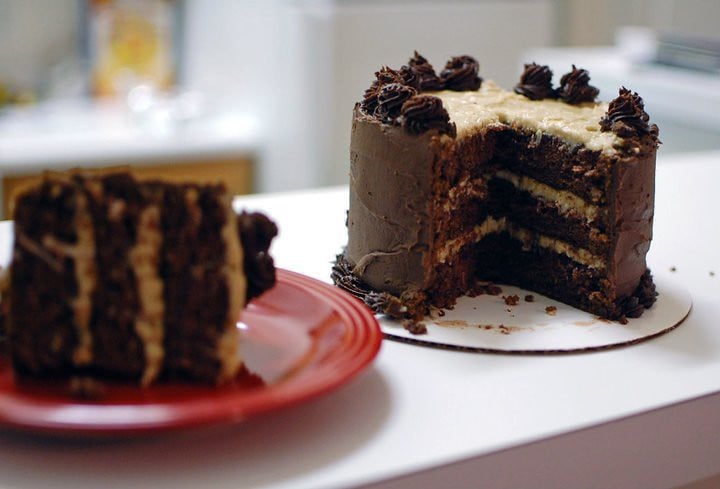
This cake never had anything to do with Germany. The name comes from Samuel German, an American who developed a type of dark baking chocolate for Baker’s Chocolate Company in 1852.
But when anti-German sentiment peaked during both World Wars, many Americans assumed the worst and started calling it “American chocolate cake” instead. The confusion persisted for decades.
Even today, plenty of people believe this dessert originated in Bavaria or Berlin, when it actually first appeared in a Dallas newspaper recipe in 1957. The original German’s chocolate cake recipe used German’s sweet chocolate — note the possessive apostrophe that got lost along the way.
Hamburgers
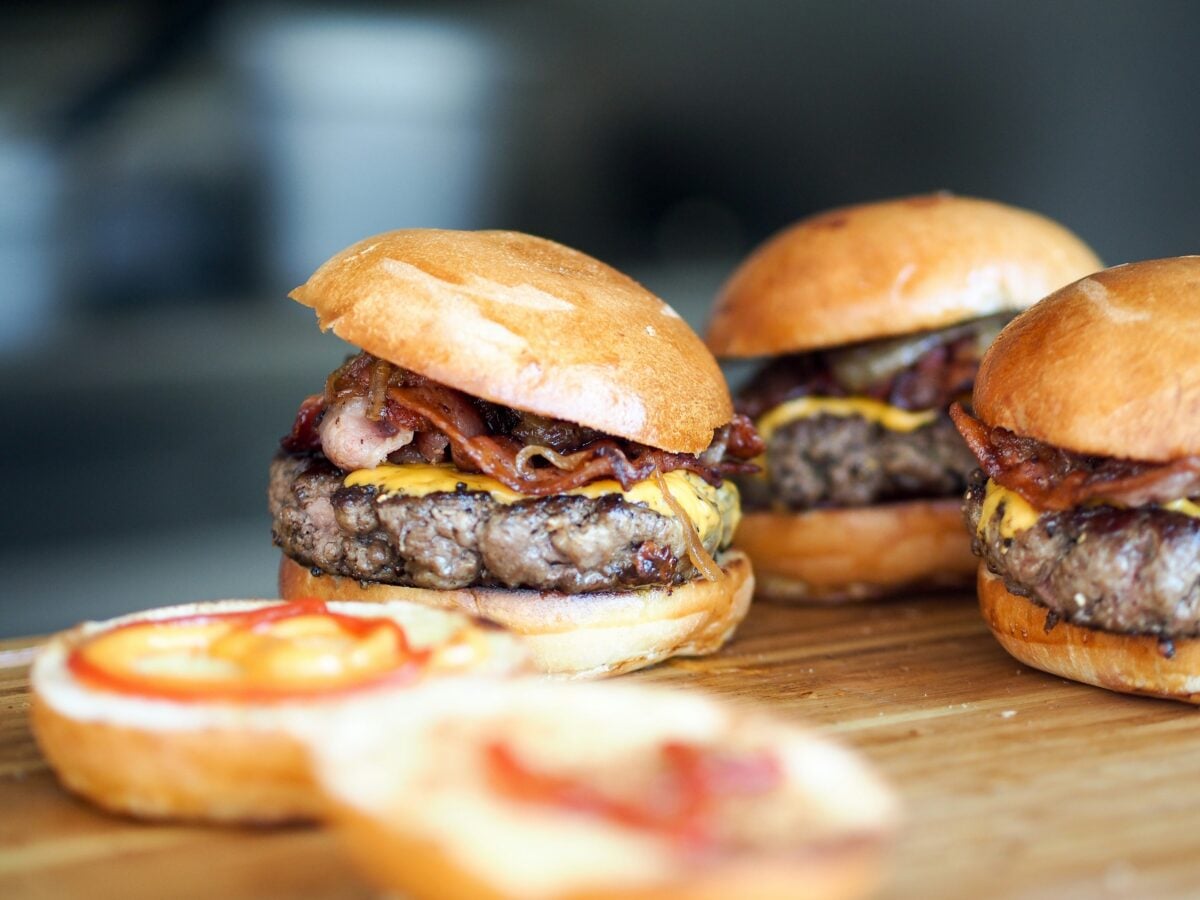
Ground beef patties faced an identity crisis during World War I when their Hamburg origins became politically inconvenient. Restaurants and diners across America started calling them “liberty steaks” or “Salisbury steaks” to avoid any association with German cities.
The Hamburg steak had been a popular menu item since German immigrants brought the concept to America in the 19th century. But patriotic fervor demanded a new name. Some establishments got creative — “liberty sandwiches” appeared on menus from New York to California.
The hamburger name eventually returned, but not before proving that even ground beef could become a casualty of war.
Sauerkraut
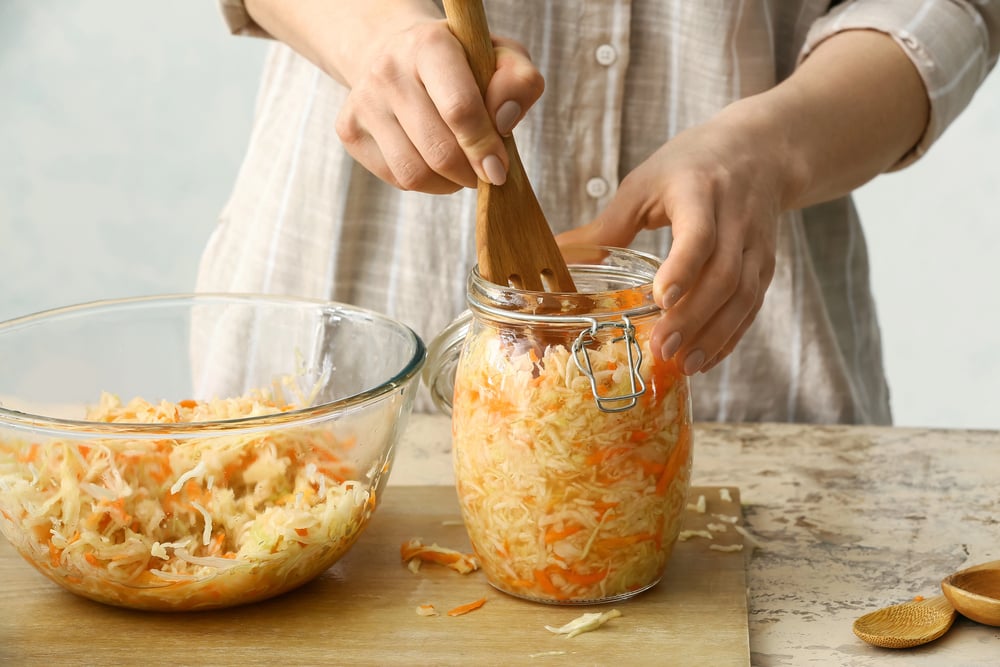
Few foods have endured as many politically motivated name changes as fermented cabbage (and here’s where it gets interesting, because the story of sauerkraut in America reads like a case study in how fear reshapes language, how quickly familiar becomes foreign when tensions rise). During World War I, this German staple transformed into “liberty cabbage” on American tables — which sounds patriotic enough until you consider that people were essentially declaring war on pickled vegetables.
The name stuck in some regions for years. But the curious thing about these food renamings is how they reveal the peculiar psychology of wartime: as if calling sauerkraut by a different name could somehow purge German influence from American kitchens, as if the cabbage itself had chosen sides. So when World War II arrived, the same pattern repeated.
Victory cabbage. Freedom cabbage. Anything but sauerkraut.
French Fries
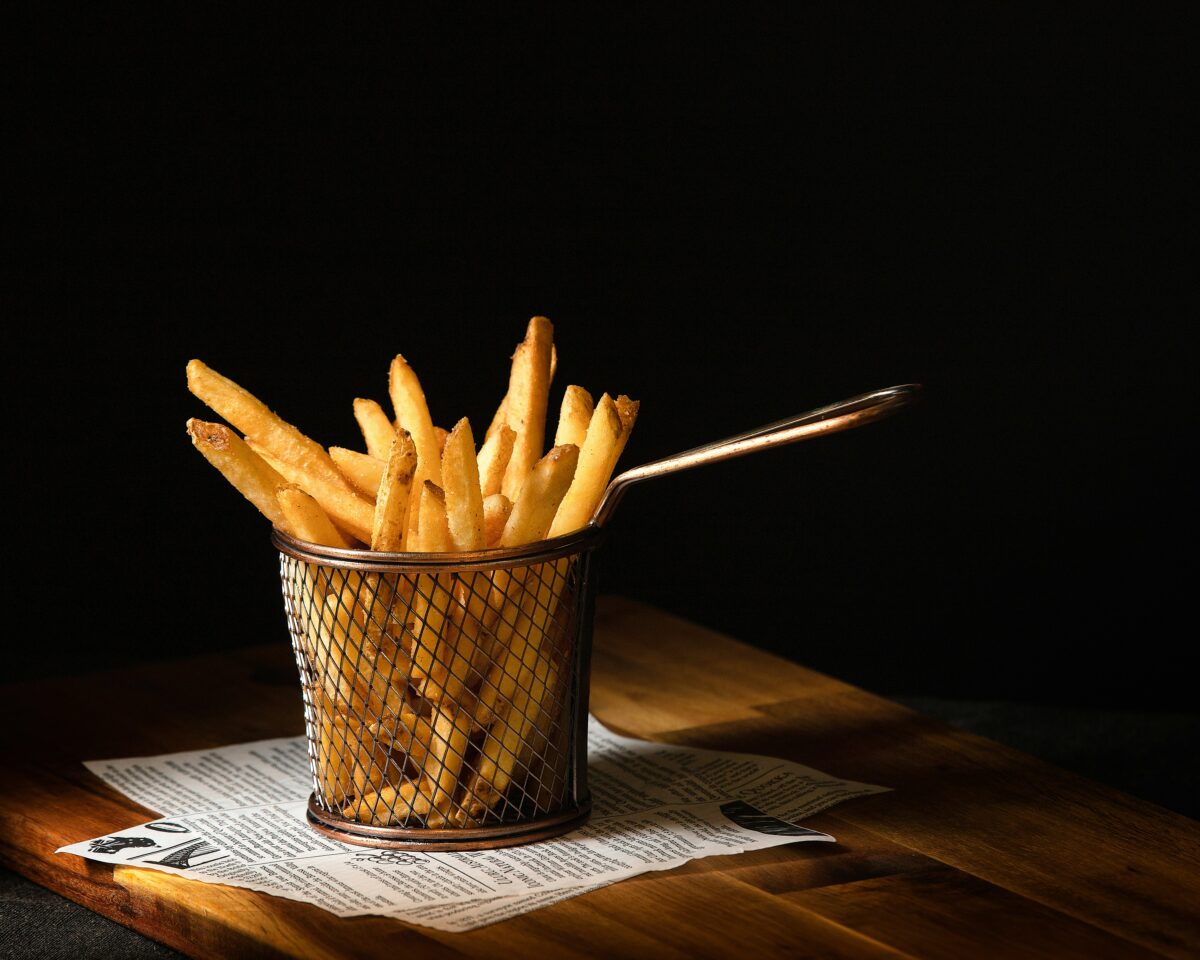
The Iraq War brought out America’s pettiest food politics. When France opposed the 2003 invasion, the House of Representatives cafeteria officially renamed french fries to “freedom fries.” French toast became “freedom toast.”
The gesture was pure theater, considering these foods likely originated elsewhere anyway. Belgium claims to have invented french fries in the 17th century.
French toast appears in cookbooks from multiple countries, none of them France. But logic rarely survives political grandstanding.
The freedom fries movement spread to restaurants and diners nationwide, though most establishments quietly switched back within a few years.
Russian Dressing
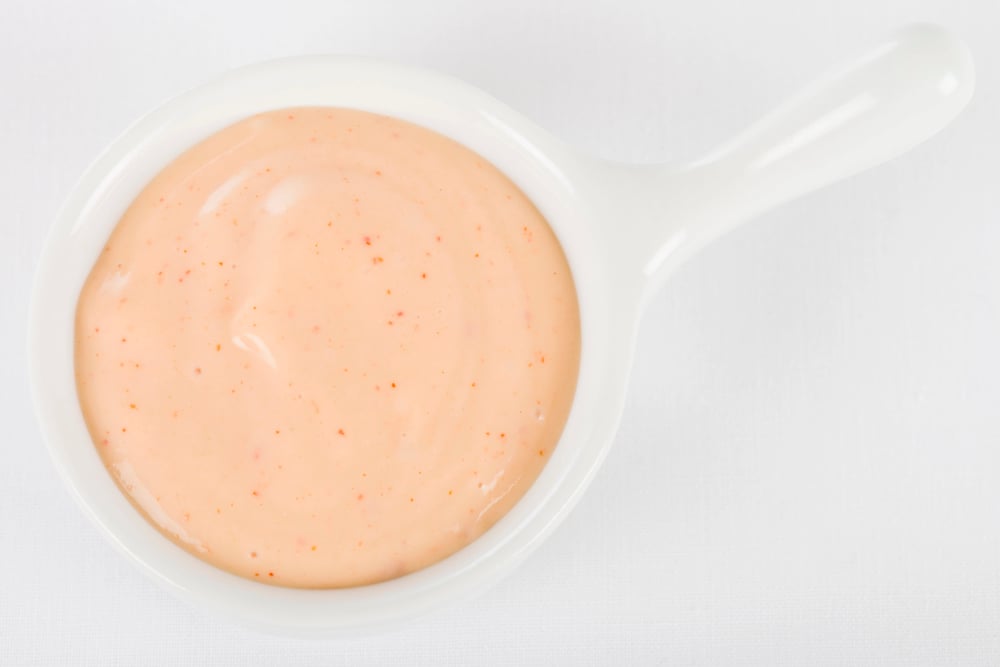
This tangy salad condiment probably never set foot in Russia, but Cold War paranoia didn’t care about culinary accuracy. The creamy orange-pink mixture of mayonnaise, ketchup, and spices got rebranded as “American dressing” in many restaurants during the height of anti-Soviet sentiment.
Food historians trace Russian dressing to early 20th-century American invention, possibly named for the caviar it sometimes contained or the Russian-style service it accompanied. The political renaming proved temporary — Russian dressing returned to most menus once the initial fear subsided.
German Shepherd Dogs
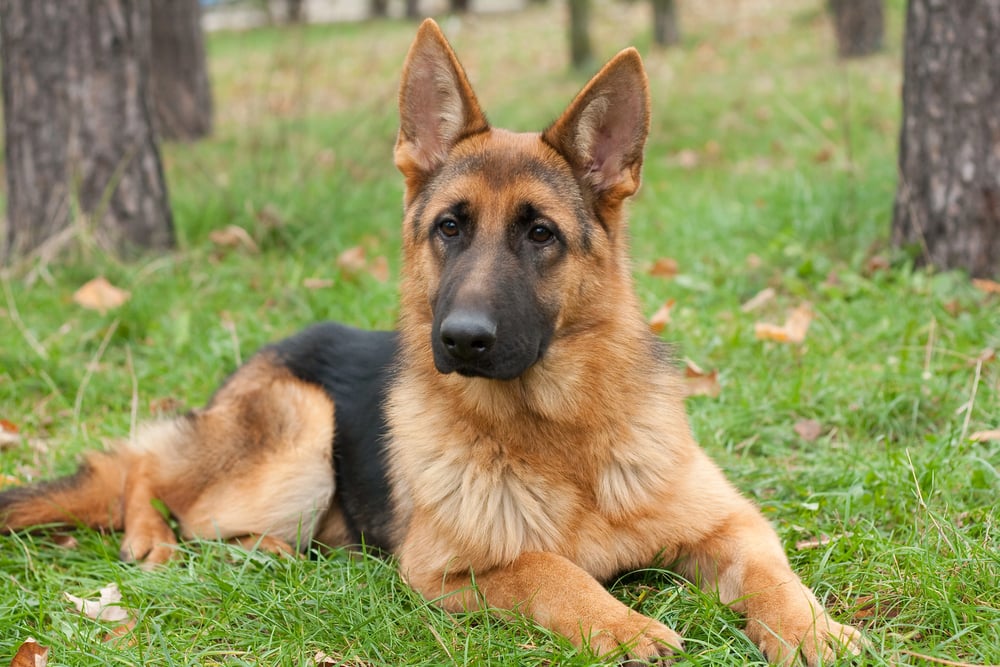
Here’s where food politics gets strange: even dog breeds became suspect during wartime, and since people sometimes referenced these animals in the context of food culture or hunting, the renaming matters. The German Shepherd became the “Alsatian” in many English-speaking countries during World War I, a name that persisted in Britain until the 1970s.
This wasn’t about actual consumption but about the cultural associations food made with particular nationalities. Dogs that helped farmers and appeared in agricultural contexts couldn’t bear German names when Germany was the enemy.
The breed’s working relationship with food production — herding livestock, guarding farms — made the name change feel necessary to many.
Frankfurt Sausages
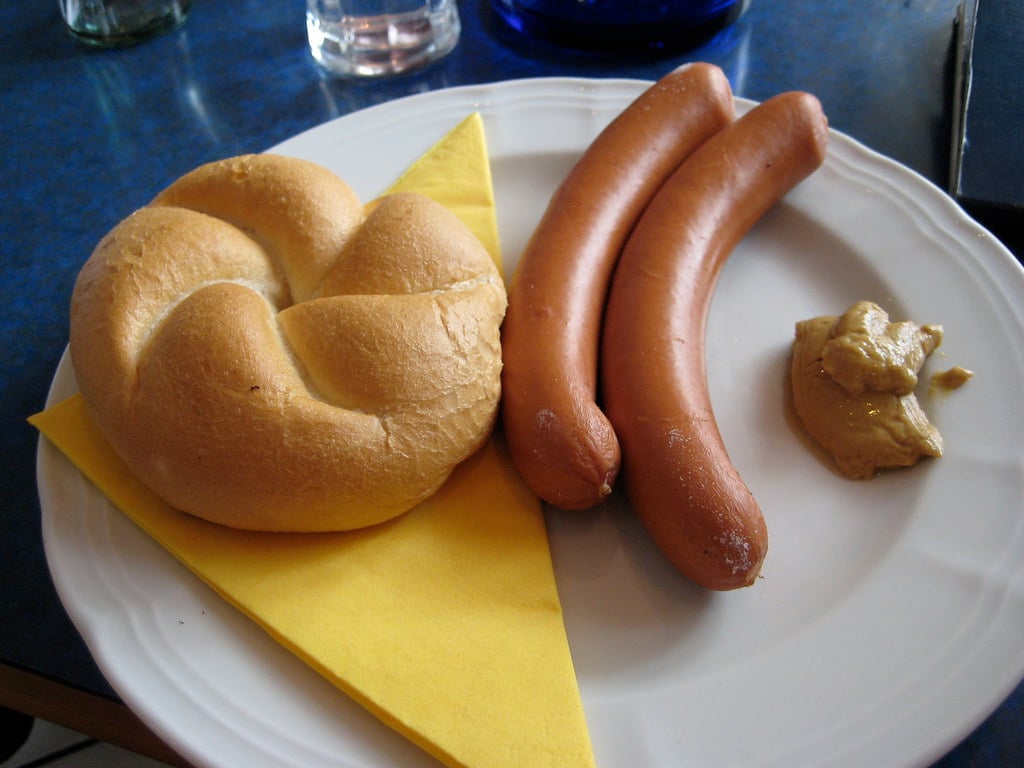
Think of a hot dog as a small ambassador that lost its papers at the border. These cylindrical meat products carried their German city names across the Atlantic, only to discover that American wars could strip them of their identity faster than you could say “ballpark frank.”
Frankfurt sausages became “hot dogs” permanently during World War I — though the dog reference itself sparked rumors about questionable meat sources that persist even now. The transformation was so complete that most Americans forgot the German connection entirely.
And yet the sausage itself remained unchanged. Same casing, same spices, same snap when you bite down. Only the name had to flee.
Vienna Sausages
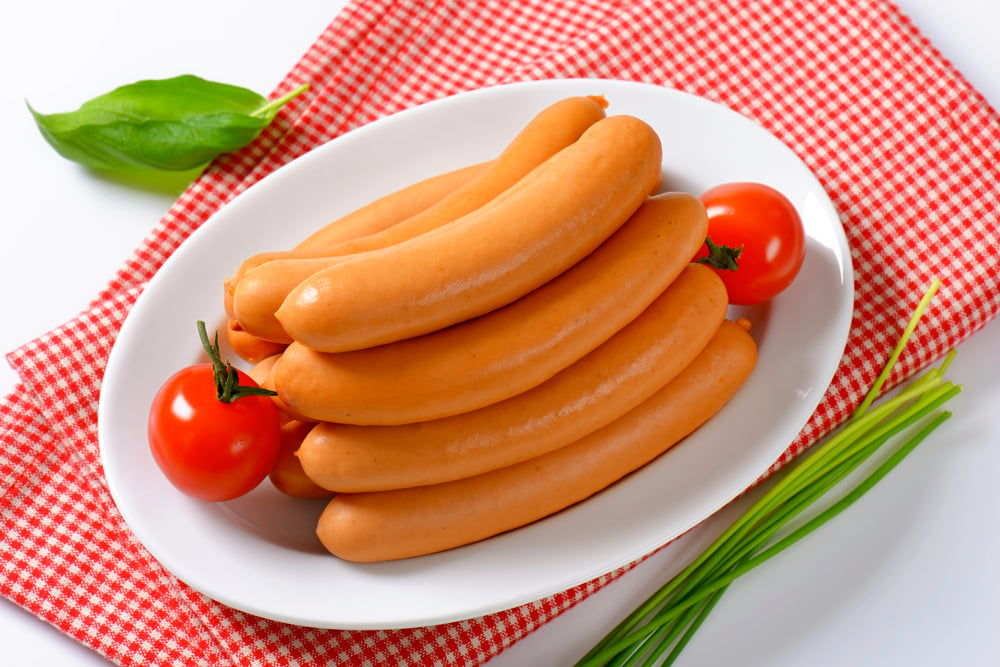
These small canned sausages faced the same wartime scrutiny as their Frankfurt cousins. Vienna sausages got rebranded as “cocktail sausages” or simply “little sausages” when Austrian connections became politically uncomfortable.
The irony runs deep — Vienna sausages sold in America bear little resemblance to anything actually consumed in Vienna. But the name carried enough European baggage to require American rebranding during both world wars.
Wiener Schnitzel
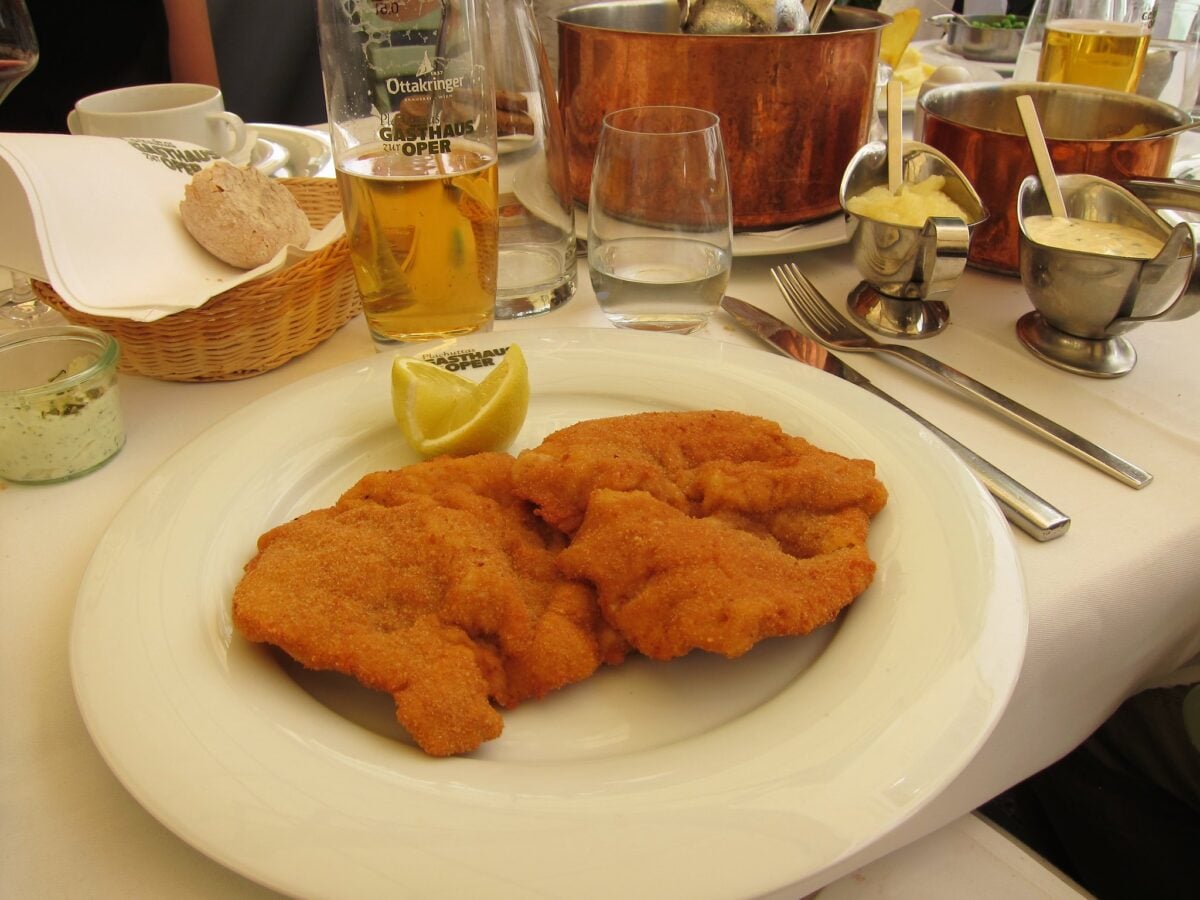
Austrian veal cutlets couldn’t escape the anti-German sentiment that swept America during wartime. Restaurants started calling the dish “breaded veal cutlet” or “Viennese cutlet” — which technically made no sense, since they were trying to avoid European associations entirely.
The dish suffered from geographic confusion anyway. Real Wiener Schnitzel comes from Austria, not Germany, but wartime America wasn’t interested in such distinctions.
European was European, and European meant suspect.
Kaiser Rolls
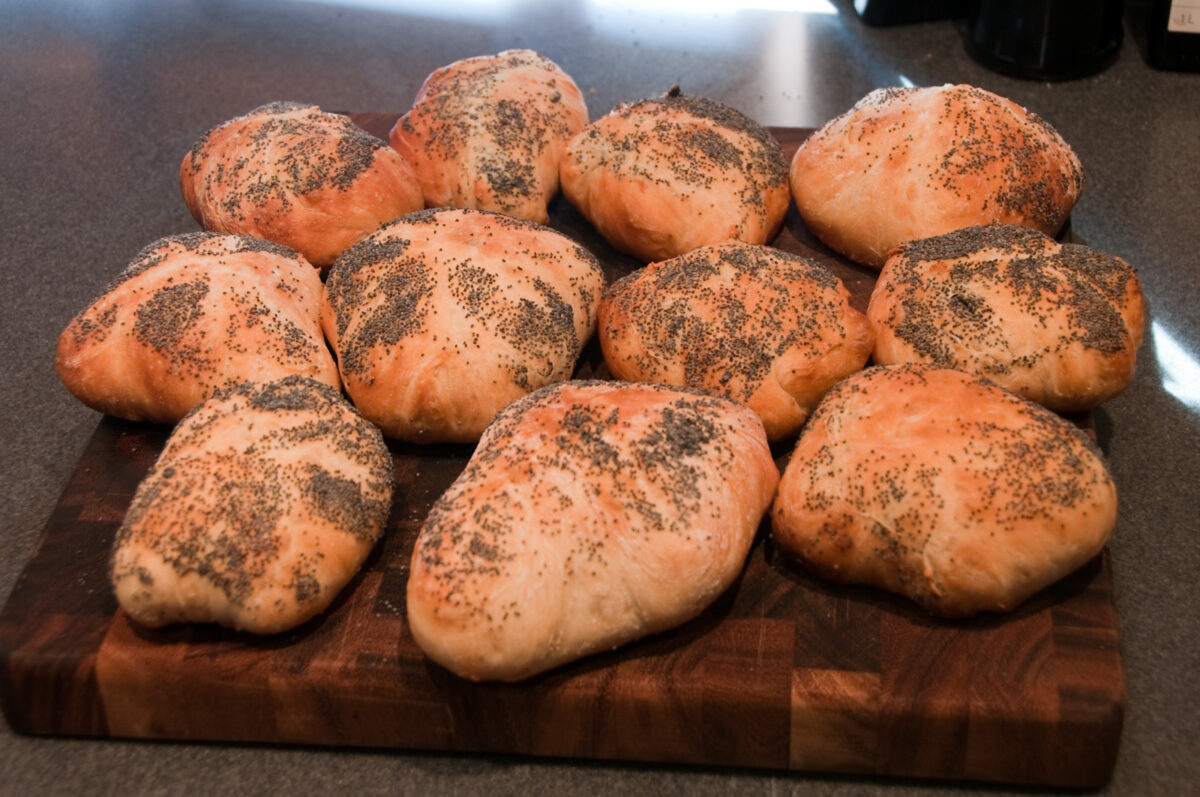
These crown-shaped bread rolls lost their imperial German name during World War I and became “liberty rolls” or simply “hard rolls” in American bakeries. The Kaiser reference was too close to Kaiser Wilhelm II for comfort.
The rolls themselves remained popular — their crusty exterior and soft interior made them perfect for sandwiches. But the name had to go.
Some bakeries never brought the Kaiser name back, which explains why identical rolls go by different names in different regions today.
Bratwurst
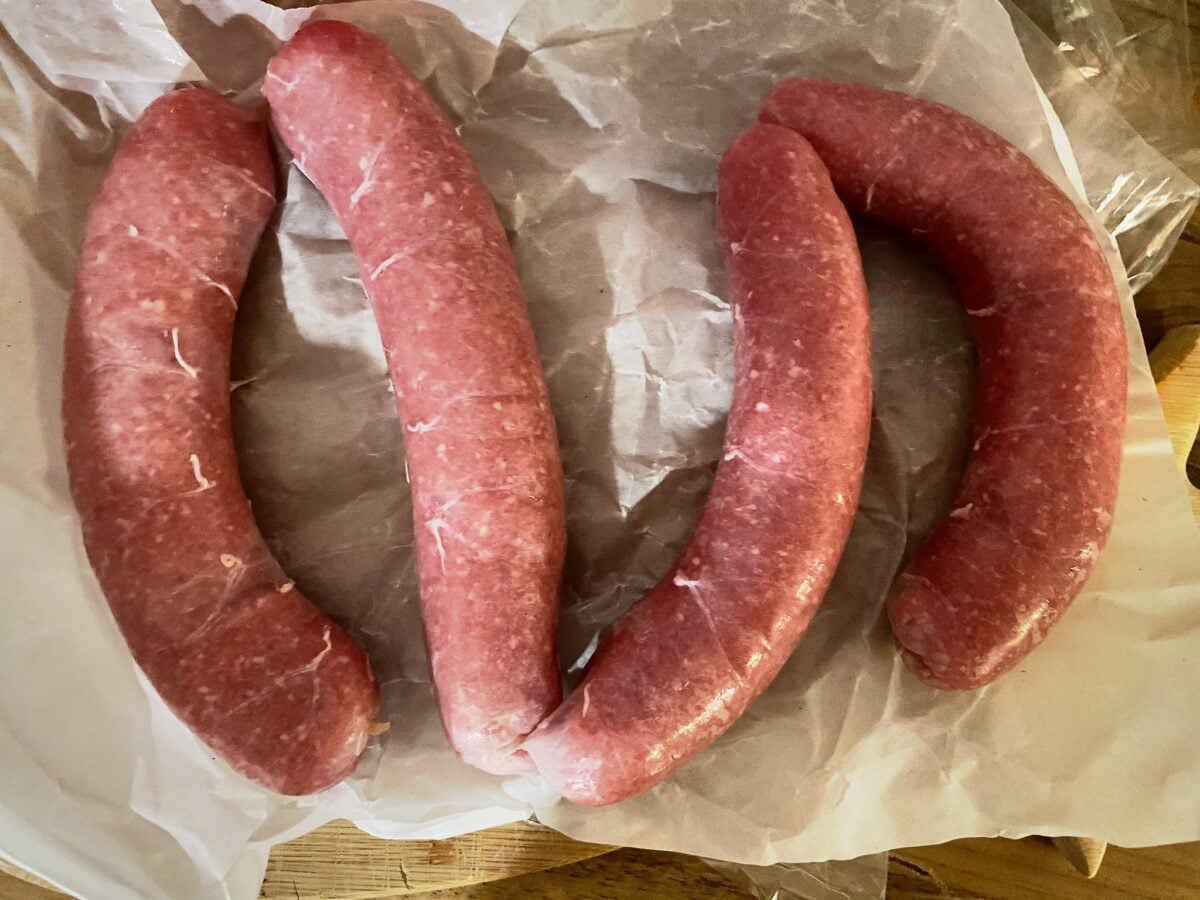
German sausages faced wholesale renaming during both world wars. Bratwurst became “liberty sausage” or “American sausage,” depending on which patriotic label the butcher preferred.
The name changes never really stuck — bratwurst sounds too distinctive, and the sausage itself was too popular to abandon. Milwaukee and other cities with large German populations resisted the renaming more than other places.
But even there, some establishments felt pressure to Americanize their menus, at least temporarily.
Dachshund Sandwiches
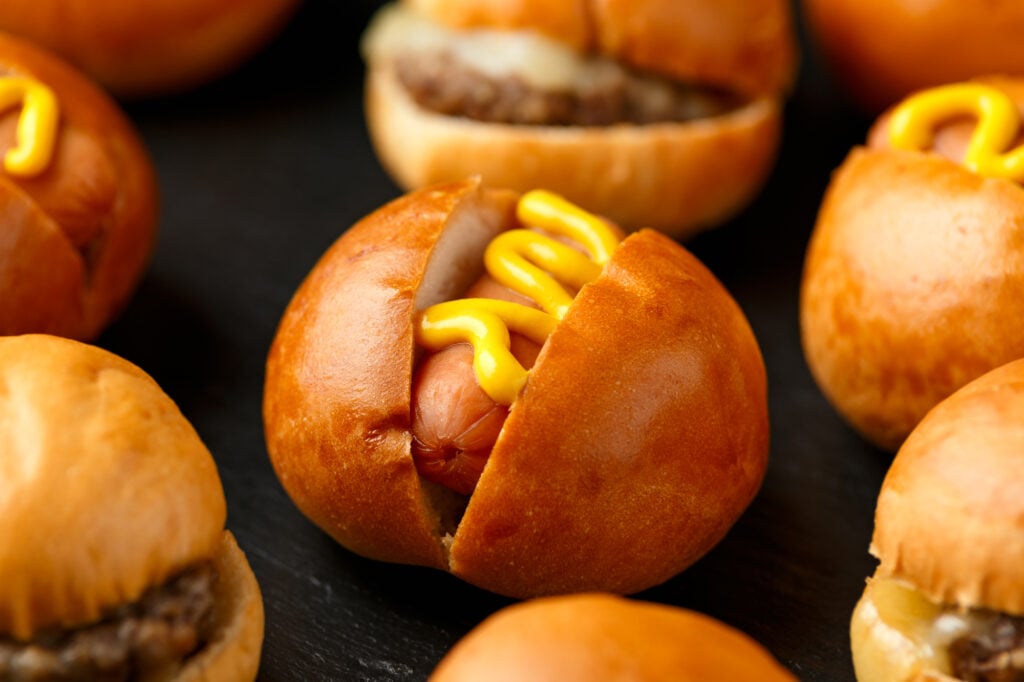
Before they were hot dogs, these sausage sandwiches were sometimes called dachshund sandwiches because of their resemblance to the long German dog breed. World War I anti-German sentiment killed both references — the dog breed name and the German sausage connection.
“Hot dog” emerged as the perfect solution. American slang, no German references, and memorable enough to stick permanently.
The name change was so successful that most people today have no idea about the dachshund connection.
German Potato Salad
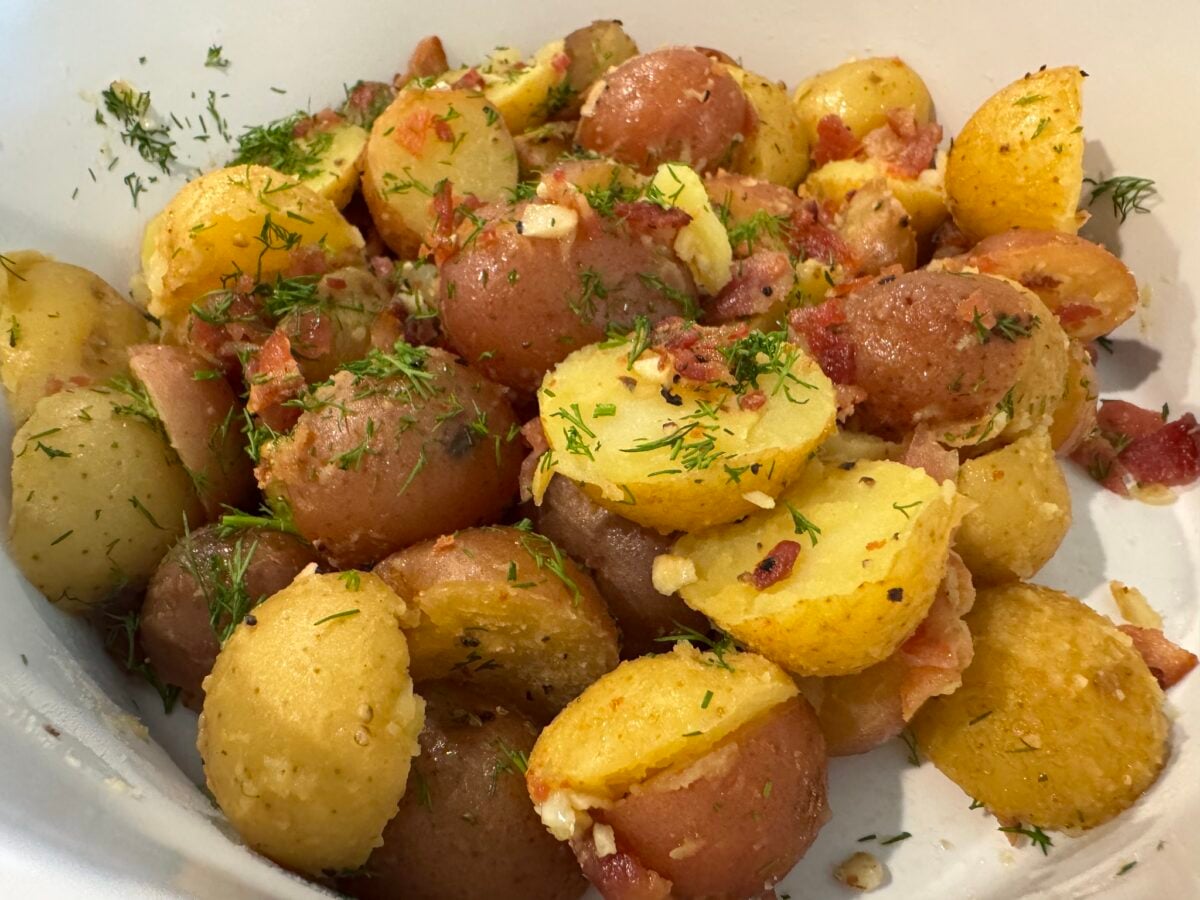
This warm, vinegar-based potato dish got rebranded as “liberty potato salad” or “American potato salad” during wartime, though the latter created confusion with the cold, mayonnaise-based version that was already called American potato salad.
The warm German style remained popular despite the name changes. Its tangy flavor and bacon additions made it a favorite at barbecues and picnics, regardless of what people called it.
Stollen
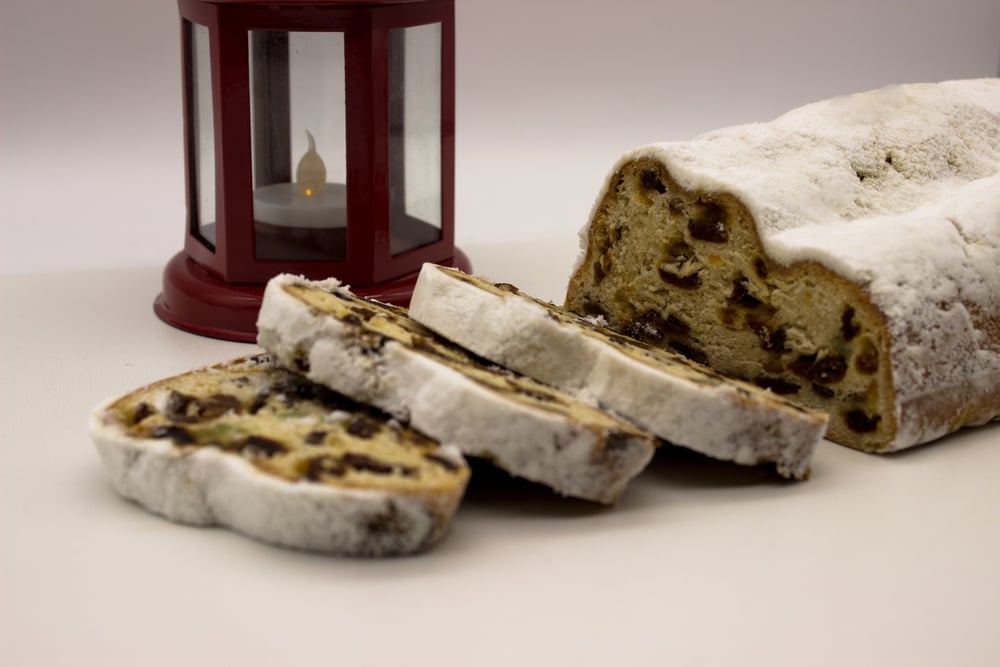
This traditional German Christmas bread faced seasonal patriotic pressure durping both world wars. Bakeries called it “Christmas bread” or “holiday bread” to avoid the German name and associations.
Stollen’s distinctive shape and ingredients — dried fruit, nuts, and a heavy dusting of powdered sugar — made it instantly recognizable regardless of the name. But the German word was too much for wartime sensibilities, even during the supposedly peaceful Christmas season.
When Food Becomes a Casualty of War
These culinary name changes tell a larger story about how quickly fear can reshape even the most mundane aspects of daily life. A hamburger is still a hamburger whether you call it a liberty steak, and sauerkraut ferments the same way regardless of political sentiment.
But the human need to purge foreign influence runs so deep that it extends to lunch menus and bakery cases. Most of these politically motivated renamings proved temporary — people eventually returned to calling things by their original names once tensions cooled.
The few that stuck, like hot dogs, succeeded because they were genuinely better names, not because the political pressure lasted. Food, it turns out, is remarkably resistant to political manipulation.
You can change what you call it, but you can’t change what it is or why people want to eat it.
More from Go2Tutors!

- The Romanov Crown Jewels and Their Tragic Fate
- 13 Historical Mysteries That Science Still Can’t Solve
- Famous Hoaxes That Fooled the World for Years
- 15 Child Stars with Tragic Adult Lives
- 16 Famous Jewelry Pieces in History
Like Go2Tutors’s content? Follow us on MSN.