19 Once-Popular Traditions That Have Completely Disappeared
Our world evolves at lightning speed, causing numerous customs once central to everyday life to fade into the mists of history. These vanished traditions shaped entire communities and defined specific eras, yet today they exist mainly in historical records and the fading memories of older generations. The perfect storm of technological advancement, shifting societal values, and drastically changed lifestyles has effectively erased them from modern experience.
Here is a list of 19 once-popular traditions that have vanished from contemporary society, offering a fascinating glimpse into how dramatically our cultural landscape has transformed.
Calling Cards

Before the digital age revolutionized communication, people left small printed cards bearing their names – sometimes with addresses – when making social visits. These elegant little rectangles served as physical proof of one’s presence and formed an essential component of proper etiquette.
Hosts typically collected these cards in decorative trays or specialized bowls – using them to track who visits required reciprocation. This scrupulous social ritual gradually disappeared by the mid-20th century as telephones became fixtures in average homes.
Radio Serial Programs

Every evening, families would huddle around their radio sets to listen raptly to the adventures of their favorite characters. Because of their excellent voice acting, clever sound effects, and enticing cliffhanger endings, these captivating serialized plays inspired innovation and held viewers’ attention week after week.
Shows like “The Shadow” and “Little Orphan Annie” established shared cultural touchpoints across the country, not just for entertainment purposes. The golden age of radio came to an end when television ultimately broke this beloved habit.
Maypole Dancing
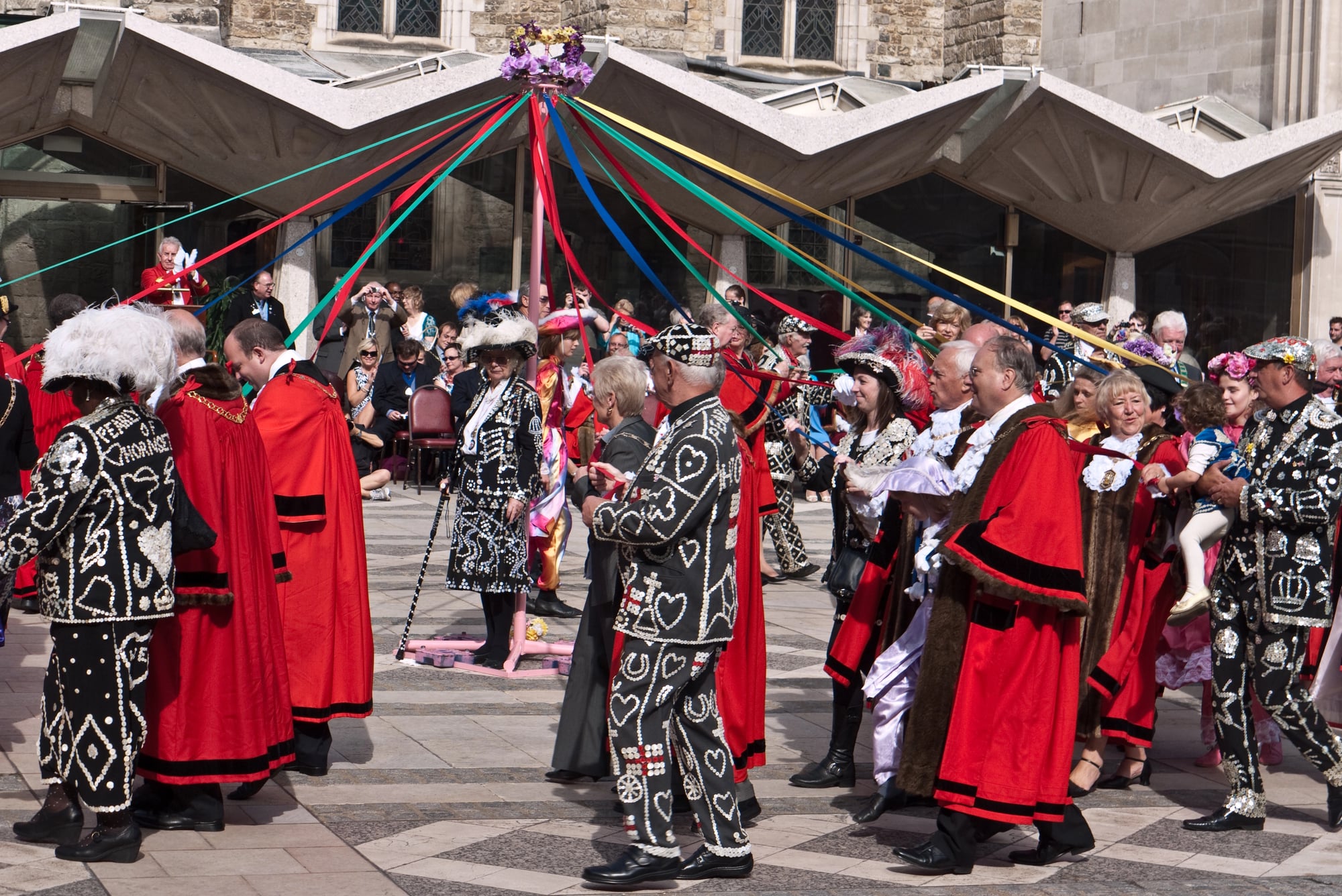
People dancing in circles around a tall decorated pole held bright ribbons that progressively entwined as dancers moved in this happy springtime event. Around Europe and North America, communities embraced this joyful custom to mark the arrival of better weather and the revival of life.
Schools commonly included these dances in their spring events well into the early 20th century – teaching children traditional patterns passed down through generations. Modern educational priorities, coupled with changing recreational preferences, have largely eliminated this vigorous custom from today’s spring celebrations.
Chimney Sweeps
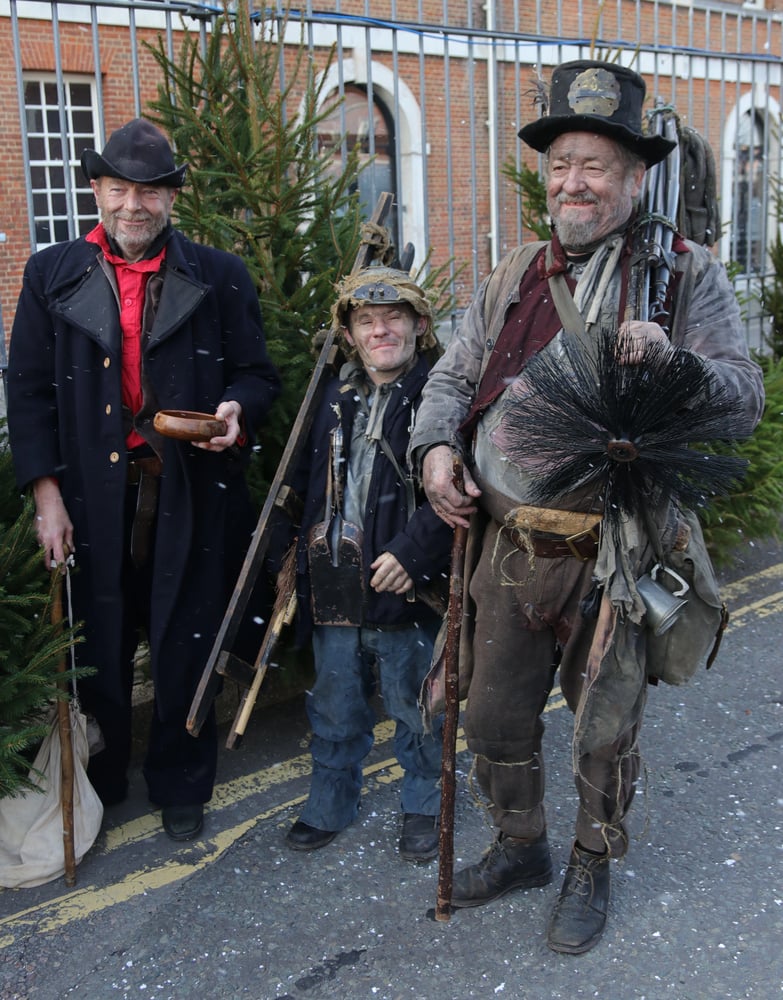
Regular professional chimney cleaning once ranked among essential household maintenance traditions in many regions. Young apprentices – often from disadvantaged backgrounds – climbed through dangerous narrow flues to remove potentially deadly buildups of soot and creosote.
Despite their perpetually sooty appearance, these workers received welcome in homes because their services prevented catastrophic house fires. The widespread adoption of central heating systems and cleaner-burning fuels has rendered this profession increasingly rare – though specialized preservation services still exist for historic properties.
Ice Harvesting

Communities once organized massive winter operations to harvest block ice from frozen lakes before refrigeration existed. Workers carefully cut uniform blocks that would later be stored in specially constructed ice houses – insulated with sawdust – and used throughout summer months for food preservation.
Local delivery services transported these blocks directly to homes, where families used them in iceboxes to keep perishables fresh. This tradition supported entire seasonal industries employing thousands until electric refrigerators made the practice obsolete in the 1930s.
Rent Parties

During economically challenging periods – particularly in urban neighborhoods – people hosted lively social gatherings where guests paid modest entrance fees to help cover the host’s monthly rent. These ingenious events featured homemade food, energetic live music, and dancing – effectively transforming financial necessity into community celebration.
Such parties thrived during the Great Depression and remained especially common in Harlem from the 1920s through 1940s. Contemporary lease structures, different social dynamics, and various payment assistance programs have eliminated this creative community-based solution.
Telegrams

Sending crucial information via telegram once represented the fastest possible long-distance communication method. These notoriously brief, expensive messages forced senders to practice extreme concision – creating a distinctive communication style.
Receiving a telegram constituted a significant event in most households – often bringing news of births, deaths, or other major life developments. The evolution of telephone networks – followed by email and instant messaging – has thoroughly supplanted this communication method that once shaped how entire generations shared important information.
Public Bath Houses

Communal bathing facilities served densely populated urban areas where individual dwellings lacked adequate water access or proper bathing facilities. These establishments evolved beyond mere hygiene centers to become important social spaces – places where neighbors connected while maintaining personal cleanliness.
Diverse cultures developed unique traditions surrounding these public baths – elevating them to cultural institutions rather than just practical necessities. The standardization of indoor plumbing and private bathrooms eventually rendered these once-essential community spaces obsolete by the mid-20th century.
Victory Gardens

During both World Wars, millions of Americans transformed yards, vacant lots, and public parks into productive vegetable gardens supporting the war effort. These civilian-maintained plots produced up to 40% of vegetables consumed domestically during wartime – allowing commercially grown crops to feed troops overseas.
Government agencies actively promoted these gardens through widespread poster campaigns, educational pamphlets, and practical growing programs. This remarkable civilian contribution to national security disappeared after hostilities ended – though community gardening has experienced limited revival recently for environmental and food security reasons.
Elevator Operators
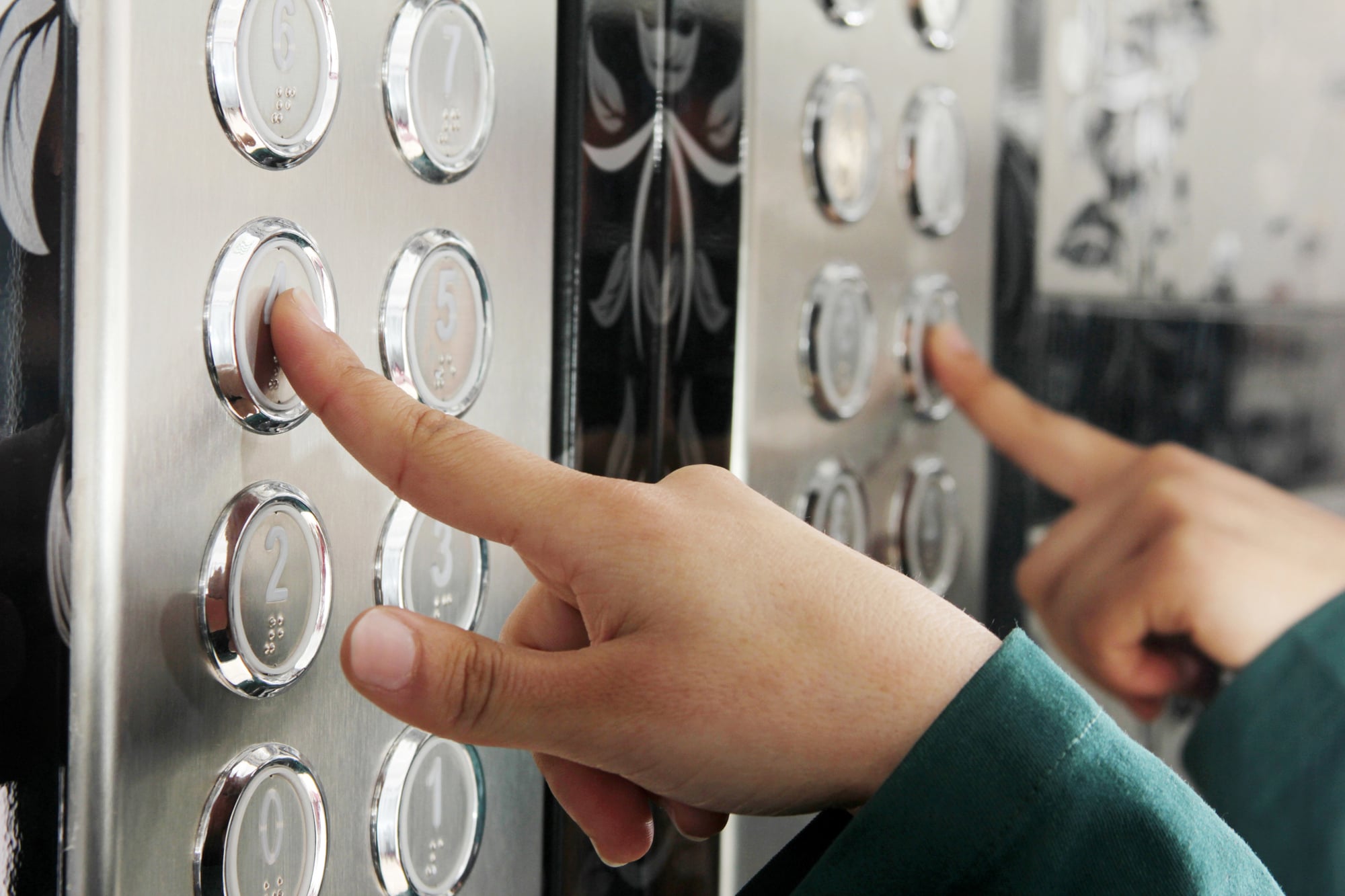
Specially trained professionals once manually controlled elevator movement in department stores, hotels, office buildings, and apartment complexes. These operators skillfully navigated complicated mechanical systems while announcing floors, available services, and safety information to passengers.
Beyond technical duties, they functioned as building ambassadors – providing security, assistance, and often pleasant conversation during vertical journeys. Automated elevator technology gradually displaced this personalized service tradition by the 1970s, though certain luxury establishments occasionally maintain the practice as a premium amenity.
Formal Afternoon Tea

The deliberate ritual of afternoon tea once structured daily social calendars across various social classes. This ceremonial pause incorporated specific foods, proper serving implements, and universally understood etiquette rules that participants respected.
Even modest households typically maintained some version of this tradition, viewing it as a necessary respite rather than an optional luxury. Today’s demanding work schedules, dramatically altered family structures, and increasingly casual dining trends have transformed this once-universal daily practice into an occasional specialty experience.
Like Go2Tutors’s content? Follow us on MSN.
Home Milk Delivery

Fresh dairy products delivered directly to doorsteps represented a morning staple for countless households across generations. Milkmen typically arrived before dawn, efficiently collecting empty glass bottles and leaving fresh products according to standing orders.
Many families developed decades-long relationships with their delivery services, which eventually expanded to include eggs, butter, and various other perishable goods. Supermarket proliferation, improved pasteurization techniques extending shelf life, and changing consumer habits gradually ended this personalized service tradition in most communities by the 1970s.
Threshing Rings
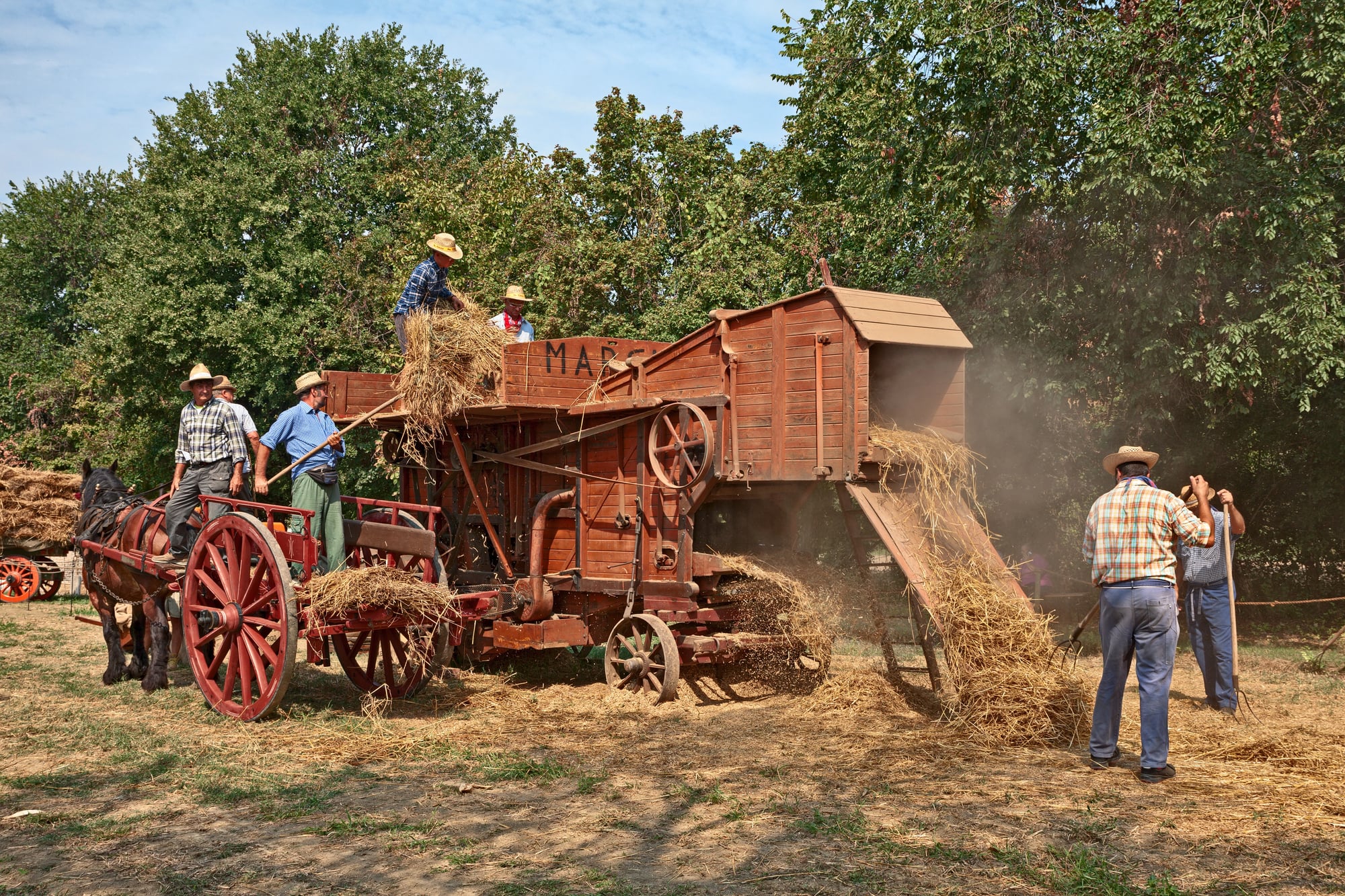
Rural farming communities once shared labor and expensive equipment through cooperative arrangements called threshing rings. Neighbors rotated between farms during harvest season, bringing shared threshing machines and providing manual labor to efficiently process grain crops.
These practical work sessions frequently evolved into significant social gatherings, with host families providing substantial meals for workers who contributed their time and effort. Modern combine harvesters, agricultural industrialization, and the declining number of family farms have eliminated this tradition of rural interdependence.
Sunday Drives

Families would don their better clothes and embark on leisurely automobile rides with no particular destination each Sunday afternoon. This curious tradition emerged during a specific historical window when car ownership had become relatively common but before driving was considered merely practical transportation.
People admired natural scenery, discovered roadside attractions, and simply enjoyed the novelty of movement itself. Increasing fuel costs, worsening traffic congestion, busier weekend schedules, and the sheer ubiquity of automobiles have transformed this special weekly activity into an obsolete leisure practice.
Porch Sitting

Evening gatherings on front porches served as neighborhood social hubs where residents exchanged news and strengthened community bonds. Families typically brought chairs outside after dinner, greeting passersby and casually monitoring neighborhood activities.
This architectural feature actively shaped social interaction patterns throughout American communities for generations. The widespread adoption of air conditioning, television entertainment, backyard-focused home designs, and digital diversions has nearly eliminated this tradition from contemporary neighborhoods.
Penny Candy Stores

Specialized shops selling individual pieces of candy for literal pennies created memorable experiences for generations of children across America. Young customers could carefully select personalized assortments based on their preferences and limited budgets, unconsciously learning early money management through these transactions.
Store owners typically knew neighborhood children by name and sometimes extended tiny amounts of credit. Prepackaged candies, convenience store distribution models, and fundamental economic changes have ended this cherished childhood tradition that once flourished in virtually every community.
Parlor Games

Evening entertainment frequently centered around interactive group activities rather than passive media consumption. Charades, word games, musical performances, and various other diversions in home parlors created shared experiences that developed performance skills and reinforced social connections.
These games required minimal equipment beyond what average households already possessed, making them accessible across economic backgrounds. Television, video games, and endless digital entertainment options have largely replaced these interactive family traditions that once brought generations together.
Letter Writing

Regular correspondence through handwritten letters connected people across distances using carefully considered words and distinctive personal handwriting. People developed unique written voices and maintained relationships through consistent exchanges that sometimes continued for decades.
The preservation and rereading of these physical artifacts created tangible relationship histories that families often treasured for generations. Email, text messaging, and pervasive social media have dramatically reduced this reflective communication practice that once structured long-distance relationships.
Days of Rest

Weekly designated periods when commerce and work activities completely ceased once created universal community rhythms. Regardless of specific religious beliefs, these shared pauses meant entire populations experienced leisure simultaneously, enabling coordinated social activities and family gatherings.
Retail establishments closed, businesses suspended operations, and communities synchronized their rest periods according to established tradition. The societal shift toward 24/7 availability, online shopping alternatives, and increasingly diverse work schedules has effectively eliminated this once-universal tradition of collective downtime.
Cultural Memory Keepers

Traditions rarely vanish instantly—they gradually transform as societies evolve to address changing circumstances. Many of these disappeared practices served specific functional purposes during their era, addressing challenges that modern technology or contemporary social structures now handle through different means.
Their absence reminds us how remarkably adaptable human communities are, continuously reinventing cultural practices while preserving certain underlying values that remain important. The real loss when traditions fade isn’t simply the activities themselves but the shared experiences and social connections they fostered.
More from Go2Tutors!

- The Romanov Crown Jewels and Their Tragic Fate
- 13 Historical Mysteries That Science Still Can’t Solve
- Famous Hoaxes That Fooled the World for Years
- 15 Child Stars with Tragic Adult Lives
- 16 Famous Jewelry Pieces in History
Like Go2Tutors’s content? Follow us on MSN.