16 Modern Forensic Tools That Are Solving Decades-Old Cold Cases
Turns out, you share enough DNA markers with that cousin to point investigators directly to your family line — and from there, directly to you.
The technique has solved hundreds of cold cases by building family trees backward from crime scene DNA.
Investigators upload genetic profiles to public genealogy databases, identify potential relatives, then work forward through generations to find suspects.
The process can take months of painstaking research, but it’s remarkably effective when traditional forensic methods have been exhausted.
Touch DNA Analysis
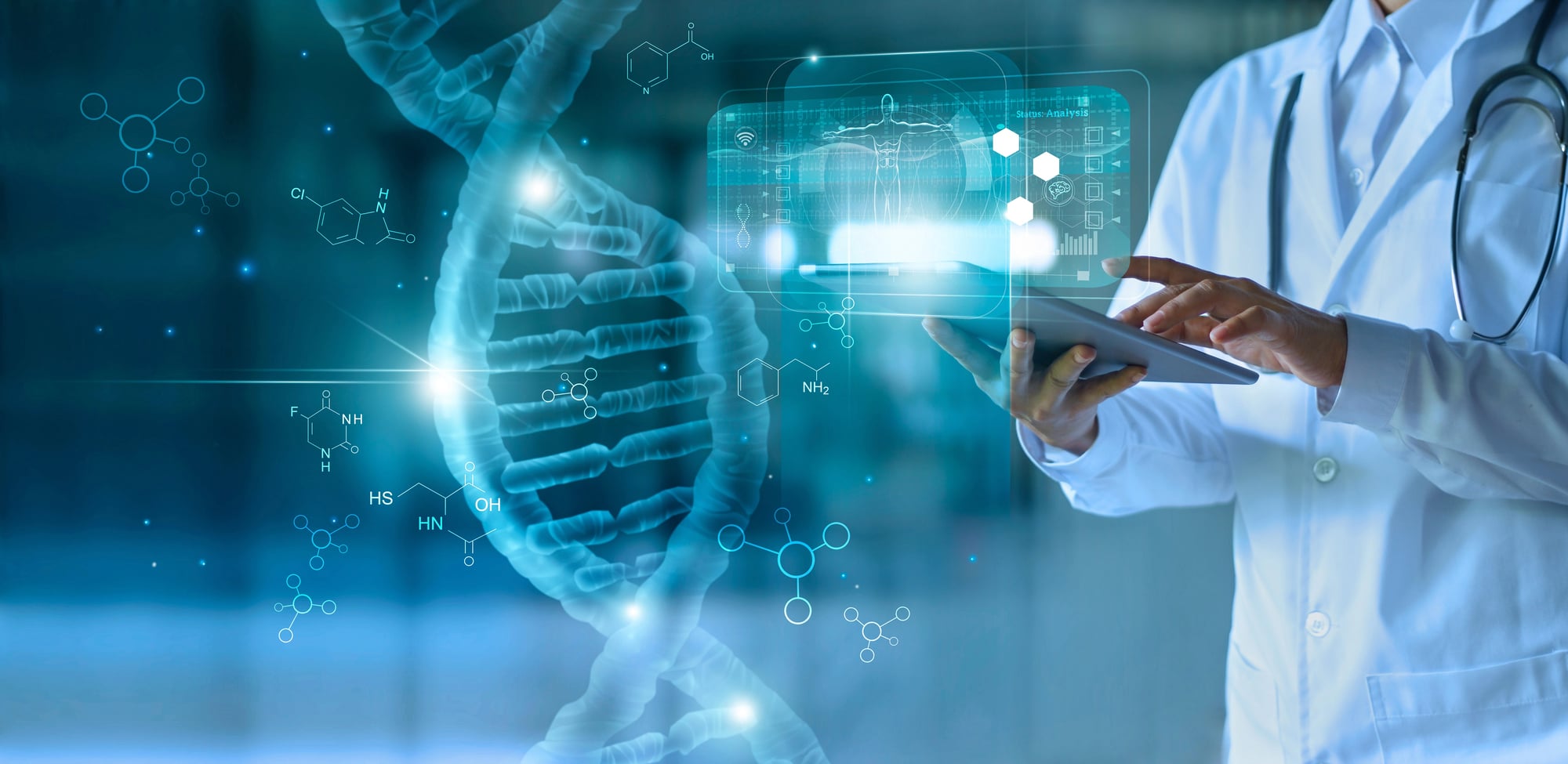
Touch DNA lives in the microscopic world of skin cells left behind by brief contact. A hand that brushed against a doorknob. Fingers that held a weapon for thirty seconds.
The technology can now extract usable genetic profiles from samples containing as few as ten cells — amounts so small that older testing methods couldn’t detect them at all.
The technique has particular value in cases where the original evidence was collected but never fully analyzed due to technological limitations.
Evidence rooms across the country are filled with items that contained insufficient DNA for testing in the 1990s but might yield complete profiles today.
A steering wheel, a piece of clothing, the handle of a knife — objects that seemed forensically barren are now giving up their secrets.
Forensic Genetic Genealogy Databases
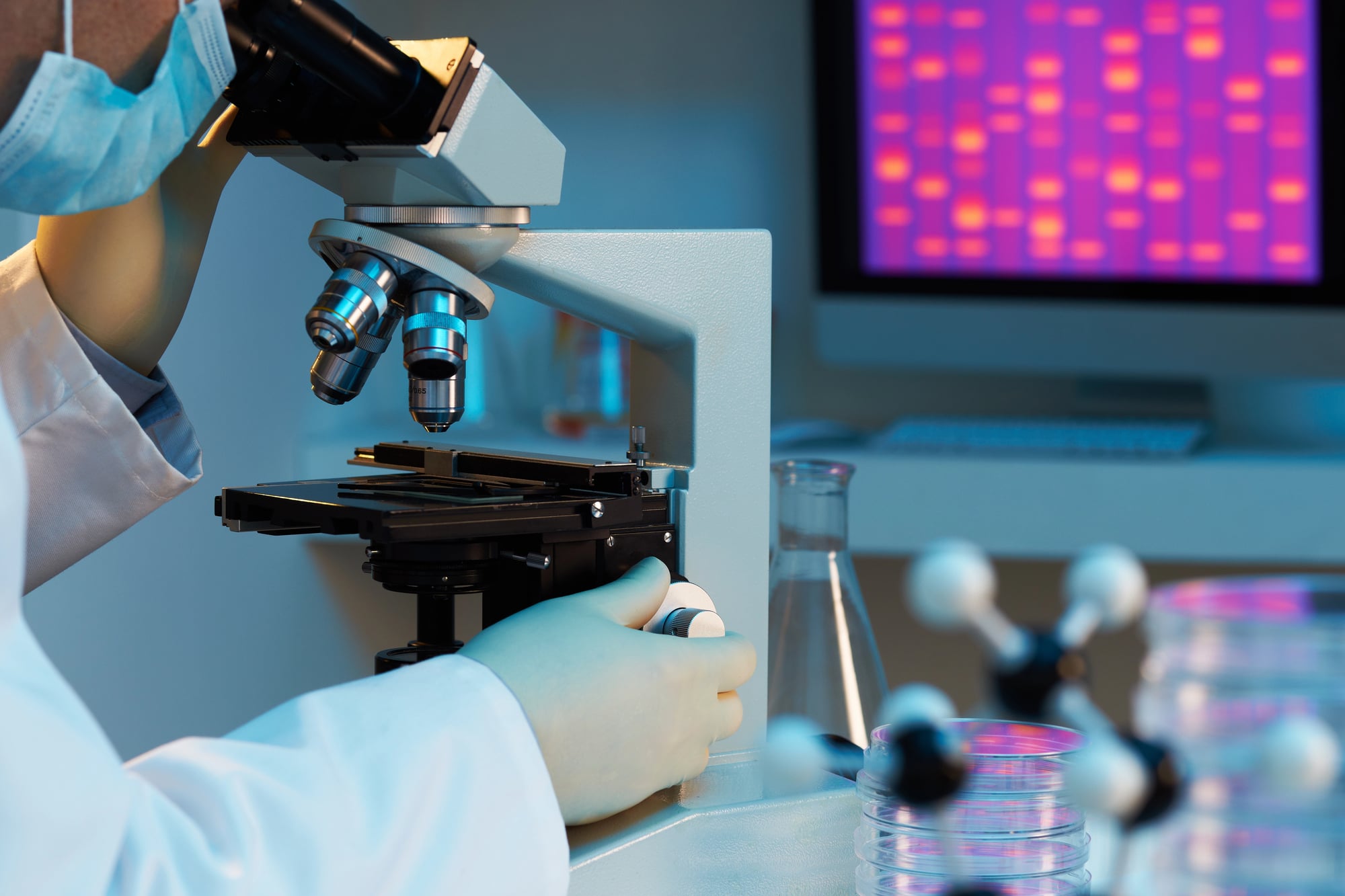
Public genealogy databases have become an unexpected crime-solving resource. When traditional CODIS searches fail to find a match, investigators can upload DNA profiles to genealogy platforms where millions of people have voluntarily shared their genetic information for family research.
These databases work differently than law enforcement databases. They’re designed to find family relationships rather than exact matches, which makes them useful for identifying suspects through their relatives.
The process requires specialized software and genealogical expertise, but it’s proven effective in cases that had been considered unsolvable.
Digital Image Enhancement

Every photograph contains more information than what’s visible to the human eye, and modern enhancement software has become exceptionally good at pulling out those hidden details.
Crime scene photos taken with 1980s cameras can be sharpened to reveal license plate numbers, faces in backgrounds, or text on documents that appeared illegible for decades.
The process goes beyond simple sharpening or brightness adjustment. Advanced algorithms can interpolate missing pixel data, reduce noise from low-light conditions, and enhance specific features while suppressing others.
So a photograph that showed nothing but shadows and blur when it was printed in 1985 might reveal clear facial features when processed with contemporary enhancement tools.
Mass Spectrometry for Trace Evidence
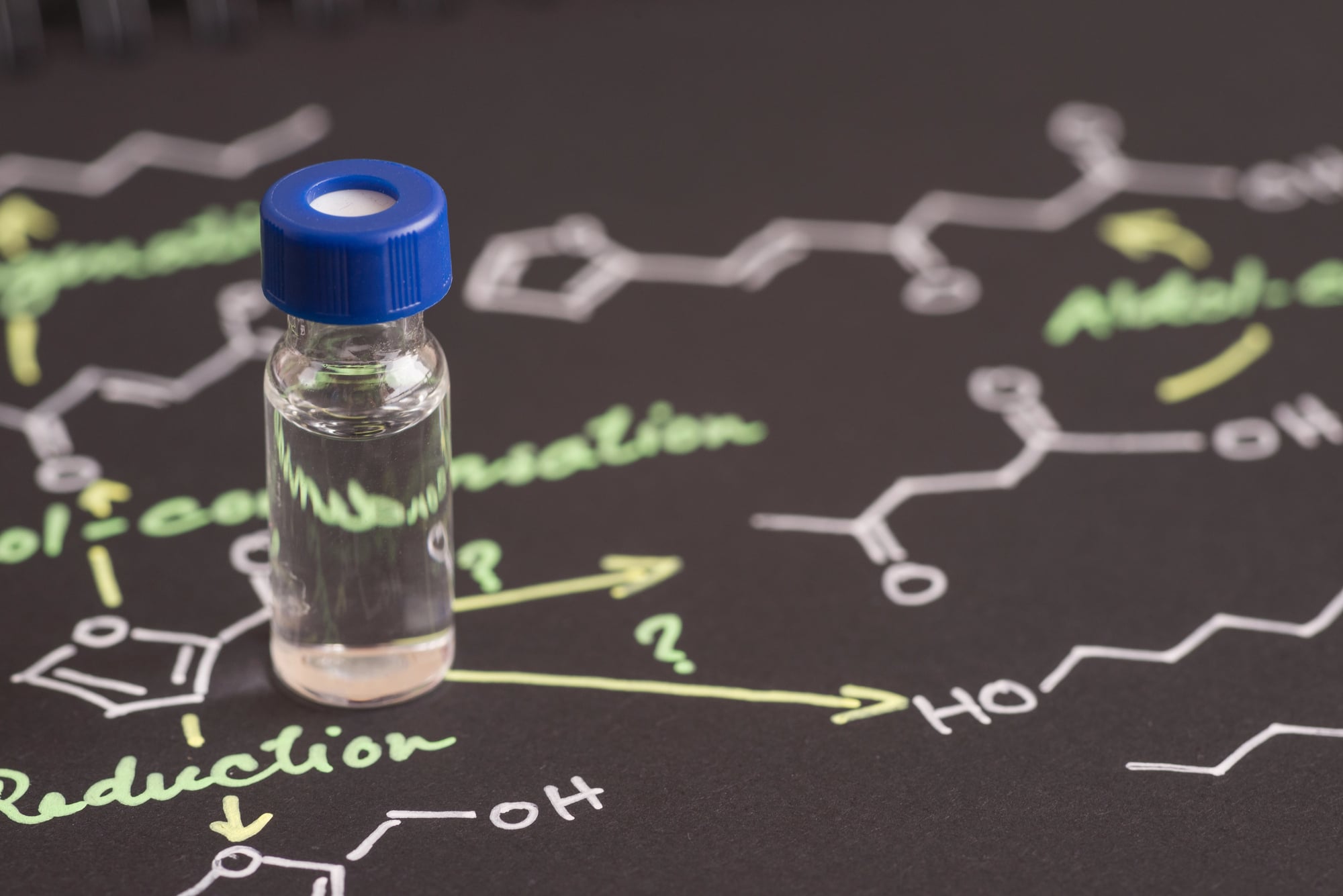
Mass spectrometry has evolved to identify microscopic traces of materials that were previously undetectable. Paint chips, fibers, glass fragments, and chemical residues can now be analyzed at the molecular level to determine their specific composition and origin.
The technology can distinguish between products that appear identical but have slightly different chemical signatures.
This level of precision matters because it can link evidence to very specific sources.
A paint chip might not just match a particular brand and color — it might match a specific production batch from a specific factory during a narrow time window.
That kind of specificity can turn circumstantial evidence into compelling proof.
3D Crime Scene Reconstruction

Three-dimensional scanning technology can recreate crime scenes with millimeter precision, even decades after the original investigation.
Laser scanners and photogrammetry software build detailed digital models that allow investigators to examine spatial relationships, sight lines, and physical evidence placement from any angle.
The reconstructions are particularly valuable for cases where witness testimony conflicts with physical evidence.
Blood spatter patterns, bullet trajectories, and the positioning of objects can be analyzed in the digital environment to test different theories about what happened.
Some cold cases have been solved simply by applying modern reconstruction techniques to old crime scene photographs.
Automated Fingerprint Enhancement
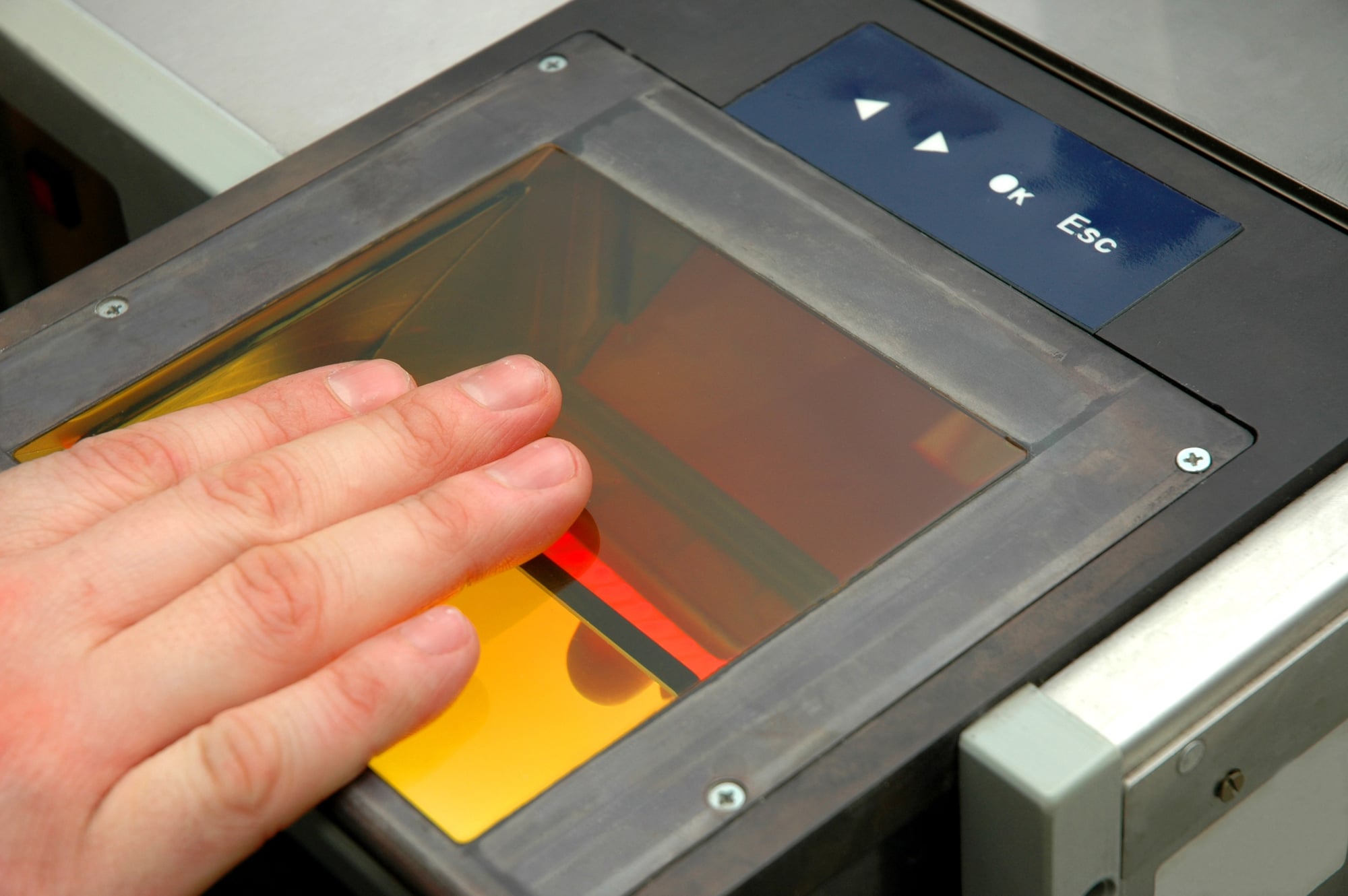
Fingerprint analysis has gone digital in ways that make old techniques look primitive. Automated enhancement systems can clarify ridge patterns from prints that were considered unusable, match partial prints that human analysts couldn’t identify, and search databases with unprecedented speed and accuracy.
And yet the most impressive capability might be the simplest one: these systems never get tired, never have bad days, and never overlook potential matches because it’s late on a Friday afternoon.
They process thousands of comparisons with consistent attention to detail. Human analysts still make the final determinations, but the technology handles the tedious work of scanning databases and flagging potential matches.
Forensic Entomology Database
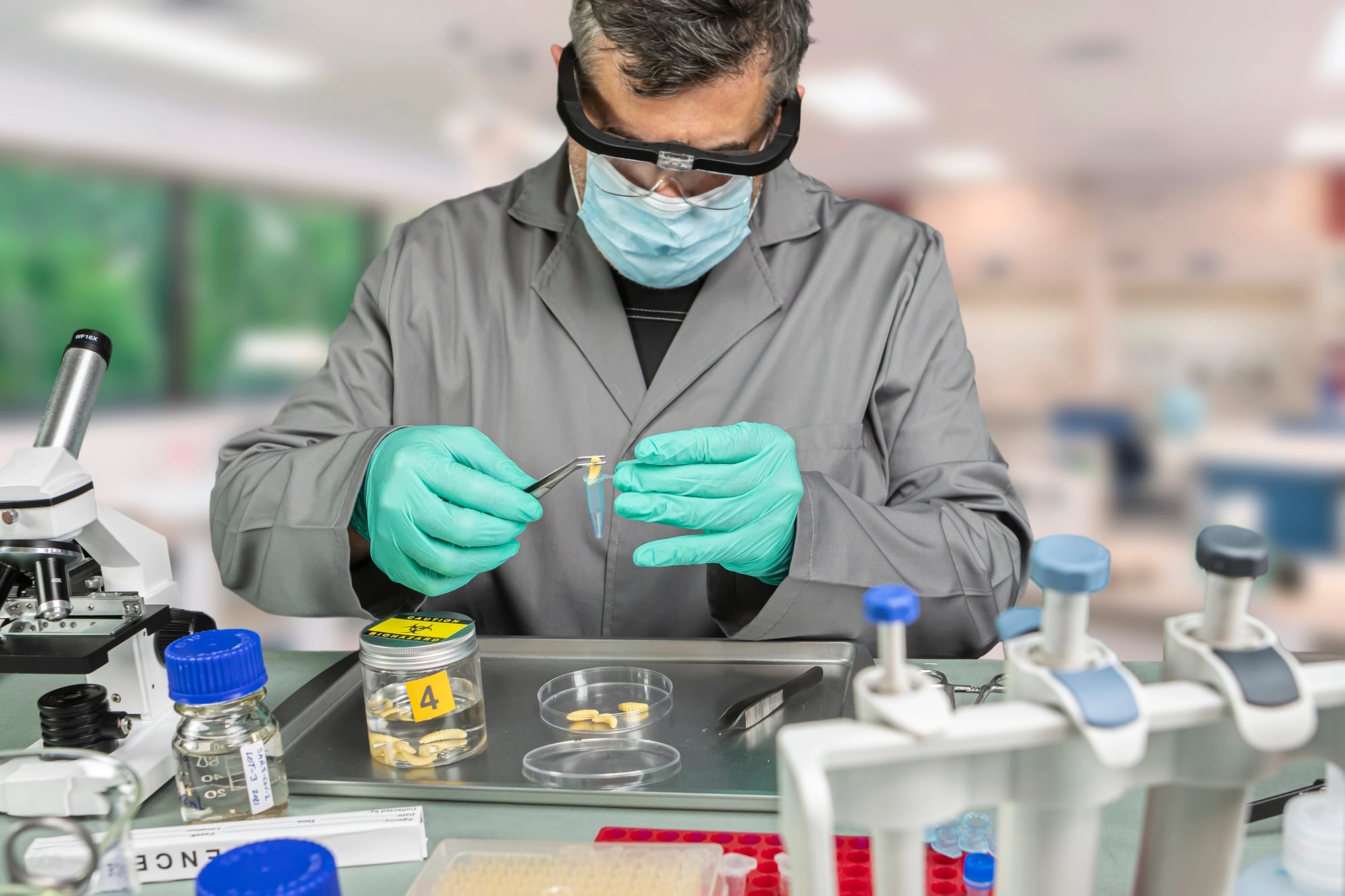
Insects follow predictable patterns when they colonize decomposed remains, and forensic entomology has developed sophisticated databases that catalog these patterns across different climates, seasons, and environments.
The data can help establish time of death even when remains have been undiscovered for extended periods.
Modern entomology analysis goes beyond simple identification to include DNA analysis of insect gut contents, temperature modeling for larval development, and correlation with historical weather data.
These techniques can narrow down time-of-death estimates to surprisingly specific windows, even in decades-old cases where environmental factors have eliminated other forensic markers.
Isotope Analysis

Every region has a unique isotopic signature based on its geology, water supply, and atmospheric conditions. Human hair, teeth, and bones incorporate these signatures, creating a chemical record of where someone lived during different periods of their life.
Isotope analysis can determine if an unidentified victim was local to the area where they were found or came from somewhere else entirely.
The technique has proven particularly valuable in identifying victims in cold cases where traditional identification methods have failed.
Hair samples can reveal if someone spent their childhood in one region and their adult years in another, while tooth enamel preserves isotopic signatures from early development that can point to very specific geographic origins.
Digital Forensics Recovery
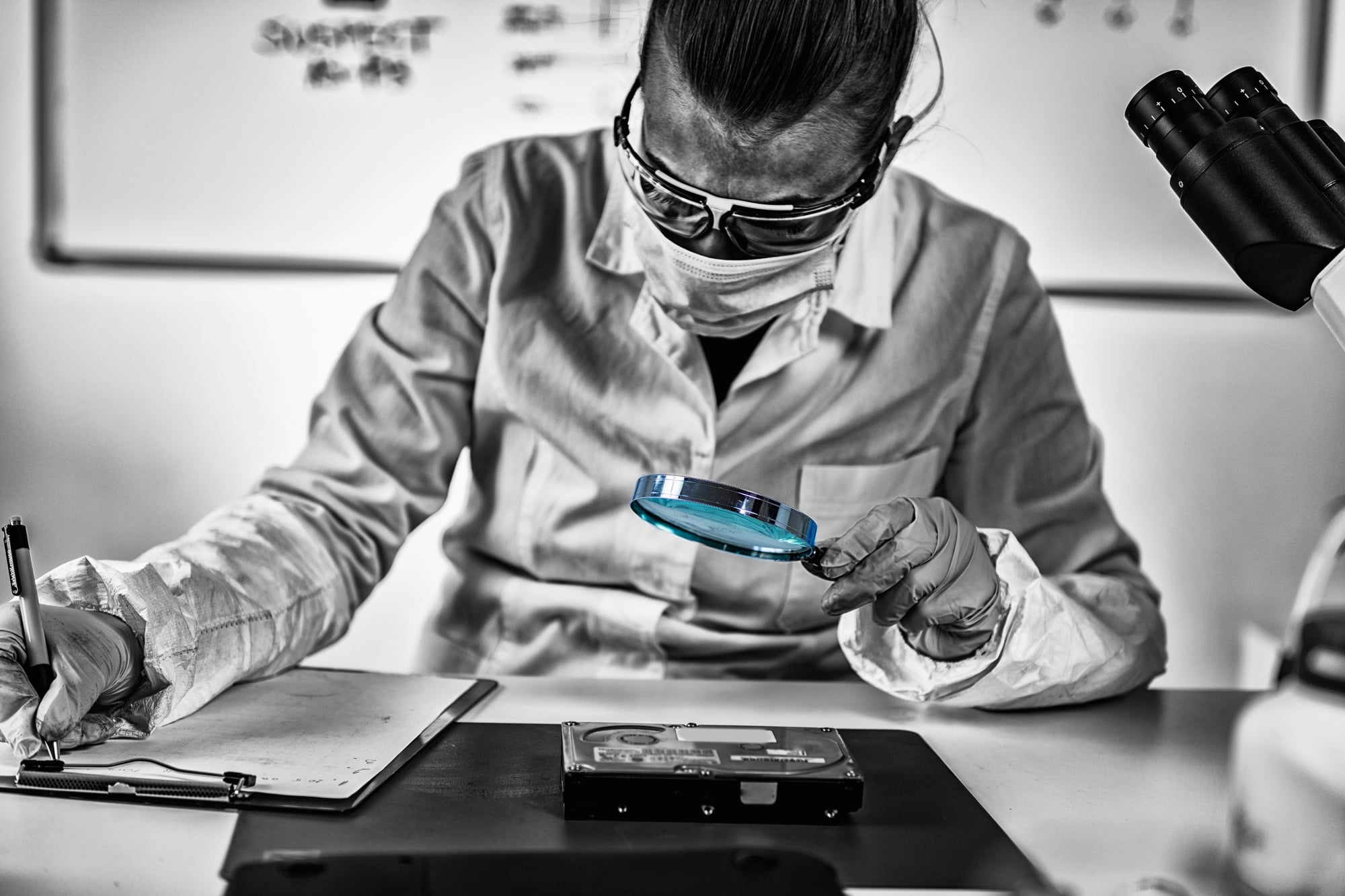
Digital forensics has developed techniques for recovering data from electronic devices that were considered permanently wiped or damaged.
Hard drives, cell phones, and other storage media from cold cases can be reanalyzed with contemporary tools that can retrieve information that was inaccessible to earlier forensic methods.
The process can recover deleted files, reconstruct fragmented data, and extract information from damaged storage media.
Even devices that have been deliberately wiped often contain recoverable traces of their original contents. Text messages, photographs, internet search histories, and location data that seemed lost forever can provide crucial evidence in old investigations.
Advanced Ballistics Matching
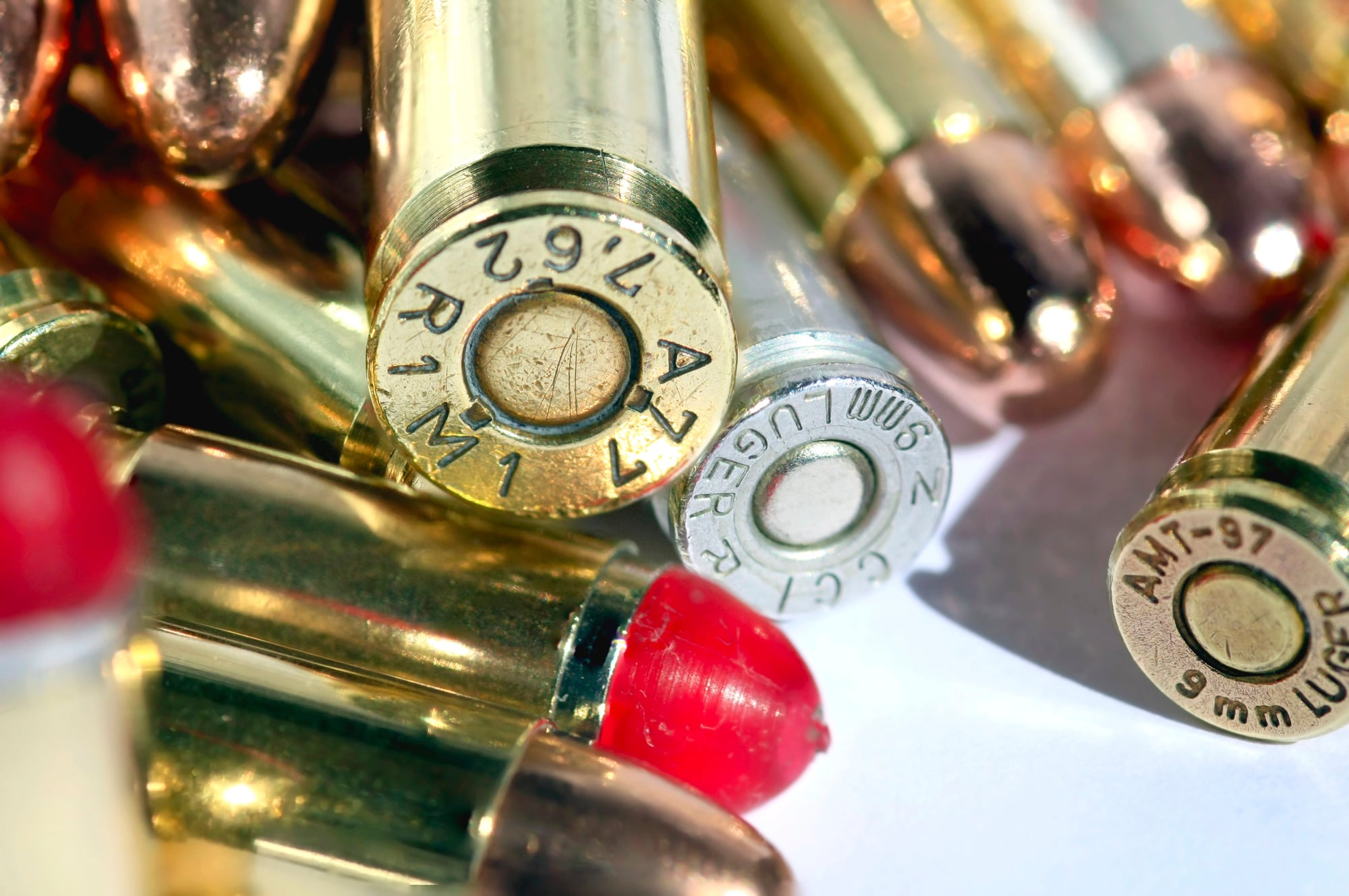
Ballistics analysis has been transformed by digital imaging systems that can identify microscopic tool marks on bullets and cartridge cases with unprecedented precision.
The technology creates detailed three-dimensional maps of markings that allow for more accurate comparisons between evidence bullets and test fires from suspect weapons.
These systems can also search national databases of bullet and cartridge evidence to identify connections between crimes that occurred in different jurisdictions or at different times.
A gun used in a crime in 1995 might be linked to evidence from an apparently unrelated case in 2001, revealing patterns that weren’t visible when the investigations were conducted separately.
Chemical Analysis of Paper and Ink

Documents from cold cases can be analyzed with techniques that determine when they were created, what materials were used, and whether they’ve been altered.
Paper analysis can identify manufacturing dates, while ink analysis can detect different writing instruments and determine the sequence in which markings were made on a document.
The analysis can reveal information that wasn’t apparent when documents were originally collected as evidence.
A supposedly contemporaneous note might contain ink formulations that weren’t available until years after the alleged date of writing.
Multiple ink signatures might indicate that documents were signed at different times despite appearing to be from a single session.
Forensic Anthropology Facial Reconstruction

Facial reconstruction has evolved from clay modeling to digital techniques that can create multiple versions of a face based on different assumptions about soft tissue thickness, age, and physical condition.
Computer modeling allows for rapid iteration and can generate faces that show how someone might have appeared at different stages of life.
The technology is particularly useful for identifying remains in old missing persons cases.
Digital reconstruction can create faces that show how someone might have looked both at the time they disappeared and at the time of death, accounting for aging, weight changes, and other factors that affect appearance over time.
Micro-X-Ray Fluorescence
Micro-X-ray fluorescence can identify the elemental composition of microscopic samples without destroying them.
The technique can analyze paint chips, glass fragments, metal traces, and other materials to determine their specific chemical makeup and potential sources.
This level of analysis can distinguish between materials that appear identical but have different elemental signatures.
Glass fragments might match not just a particular type of product but a specific manufacturing batch.
Paint samples can be traced to particular formulations used during narrow time periods, helping to establish when and where evidence originated.
Forensic Podiatry
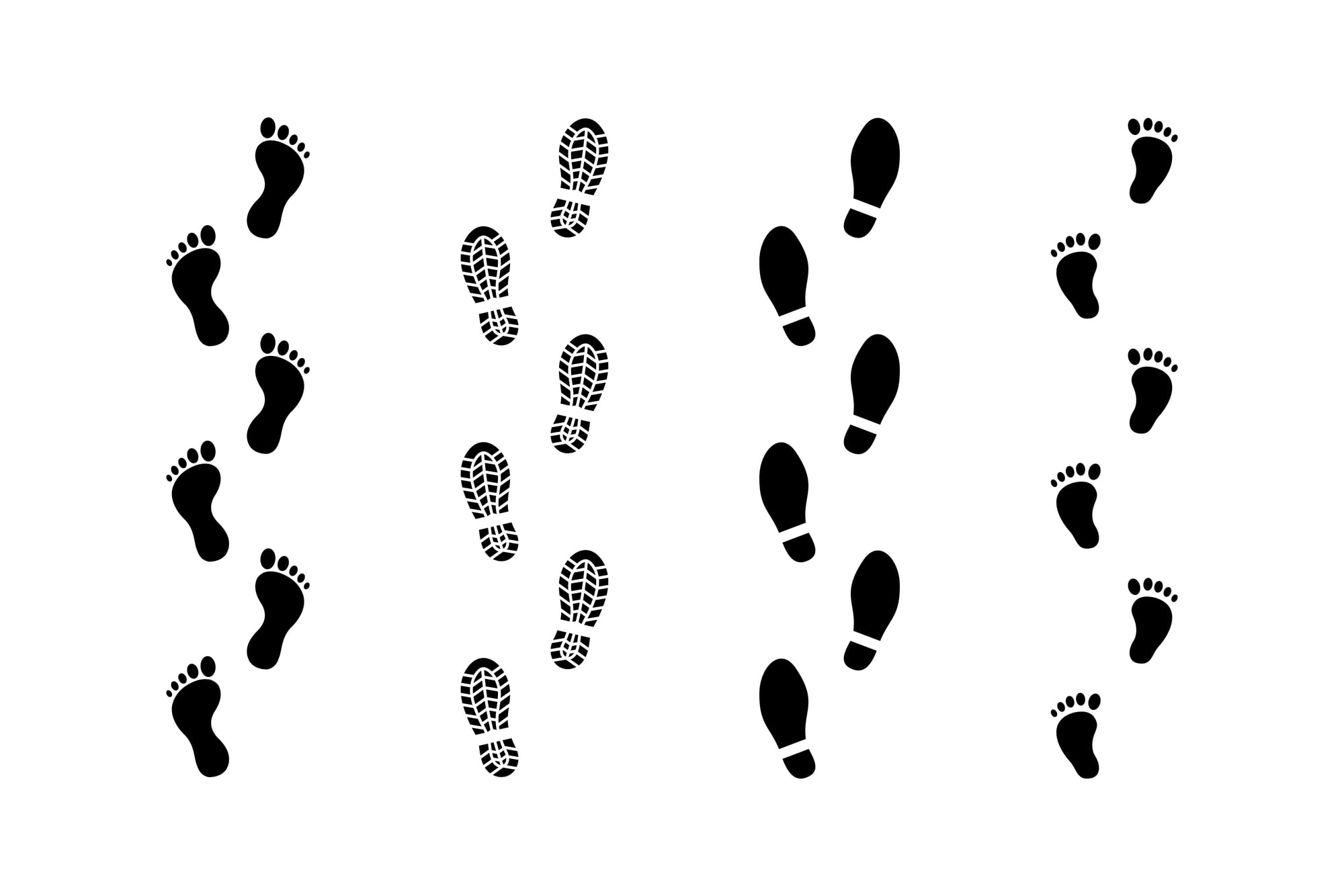
Footprint analysis has developed into a sophisticated discipline that can identify individuals based on the unique characteristics of their feet and gait patterns.
The analysis examines not just shoe impressions but also the distinctive wear patterns, pressure points, and anatomical features that make each person’s footprints unique.
Modern podiatry analysis uses digital pressure mapping and statistical comparison methods that weren’t available when many cold cases were originally investigated.
Footprint evidence that was collected but never fully analyzed can now be compared against suspect populations with much greater precision than was possible with older techniques.
Time Doesn’t Stop the Truth

Science moves forward even when investigations don’t. The evidence that meant nothing in 1987 sits in that storage room, waiting for the right technology to unlock its secrets.
DNA that was too degraded, fingerprints that were too partial, photographs that were too dark — they’re all getting second chances now.
The families who thought they’d never get answers are finally getting phone calls from detectives who have something new to tell them.
Turns out, time doesn’t always work in favor of the people who think they got away with something.
Sometimes it just gives science more chances to catch up.
More from Go2Tutors!

- The Romanov Crown Jewels and Their Tragic Fate
- 13 Historical Mysteries That Science Still Can’t Solve
- Famous Hoaxes That Fooled the World for Years
- 15 Child Stars with Tragic Adult Lives
- 16 Famous Jewelry Pieces in History
Like Go2Tutors’s content? Follow us on MSN.