Singers Rejected by Labels First
The music industry loves a good success story, but some of the biggest names in the business started with rejection letters piling up on their kitchen tables. Record labels passed on artists who would later sell millions of albums and fill stadiums around the world.
These weren’t just small mistakes either. Some labels turned down singers who went on to define entire decades of music and change the industry forever.
Here are some of the most surprising rejection stories that prove even the experts get it wrong sometimes.
Elvis Presley Got Told to Stick With Truck Driving

Before Elvis became the King of Rock and Roll, he walked into a recording studio in Memphis and paid four dollars to record two songs for his mother’s birthday. The studio manager listened and told him he couldn’t sing.
She said he should go back to driving trucks because that’s where his future really was. Elvis kept trying anyway, and within a few years, he became one of the most famous people on the planet.
The Beatles Heard ‘No’ From Decca Records
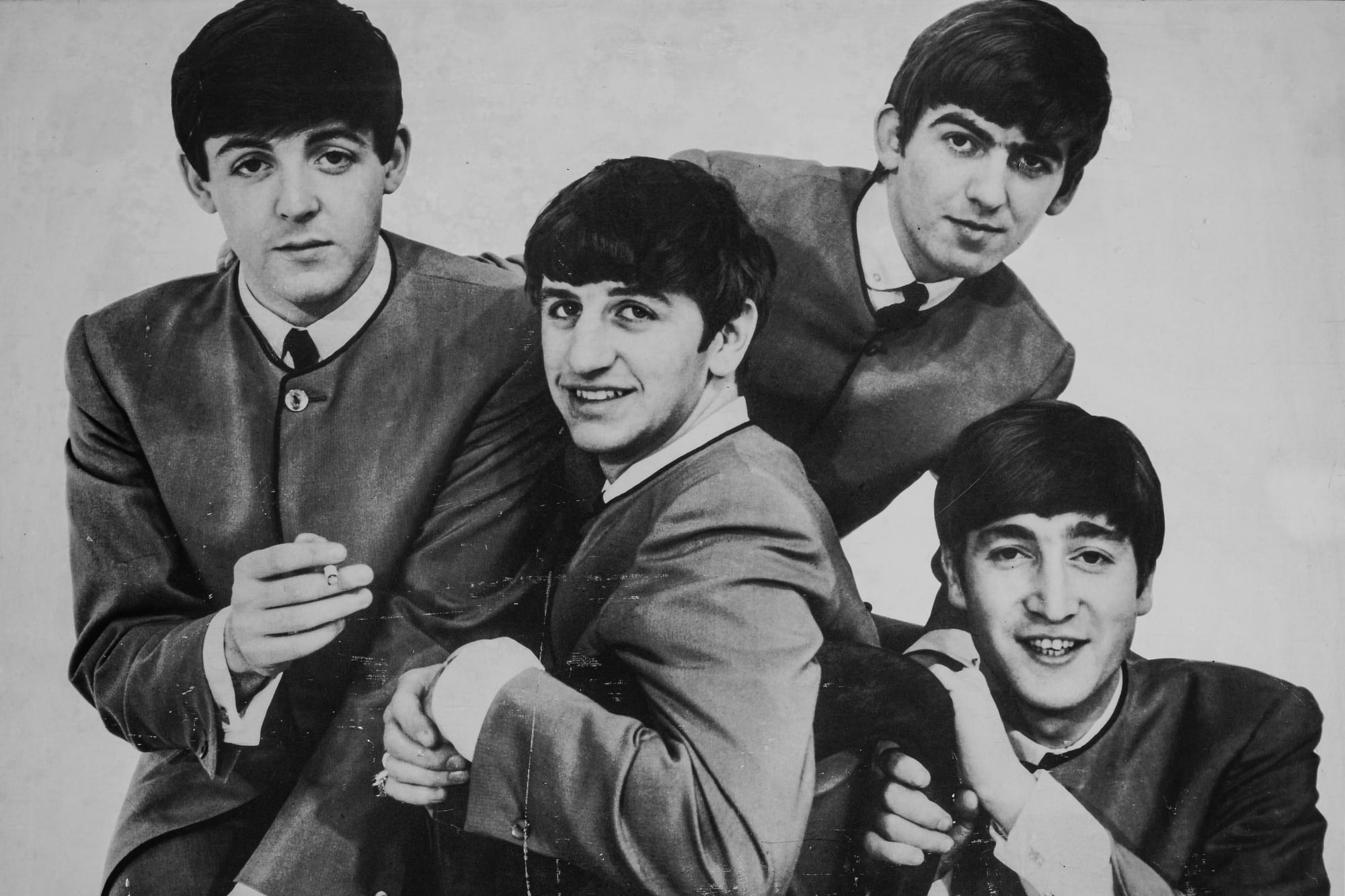
Decca Records had a chance to sign The Beatles in 1962 but passed on them after an audition. The label’s executives said guitar groups were on their way out and The Beatles had no future in show business.
Rowe, the man who turned them down, later called it the biggest mistake of his career. The Beatles signed with EMI instead and became the best-selling band in history.
Madonna Couldn’t Get Anyone Interested at First

Madonna moved to New York with 35 dollars in her pocket and a dream of making it big. She knocked on doors all over the city trying to get record deals, but labels kept saying no.
Some thought her voice wasn’t strong enough, while others just didn’t see the potential. She finally got signed by Sire Records in 1982, and by the end of the decade, she was one of the most famous women in the world.
Lady Gaga Got Dropped After Three Months

Lady Gaga actually signed with Def Jam Records early in her career, but they dropped her after just three months. The label didn’t think her style would work, and they couldn’t figure out how to market her.
She was devastated but kept writing songs and performing anywhere that would have her. A few years later, she released ‘Just Dance’ and everything changed overnight.
U2 Got Rejected by Every Major Label in London

U2 sent demo tapes to every major record label they could find in London, and every single one said no thanks. Labels thought their sound was too different and wouldn’t appeal to mainstream audiences.
The band kept playing small clubs in Ireland and eventually caught the attention of Island Records. Their first album came out in 1980, and they went on to become one of the biggest rock bands ever.
Katy Perry Got Dropped Twice Before Finding Success

Katy Perry signed her first record deal when she was just 15 years old, but that label went bankrupt before releasing her album. She signed with another label at 17, and they dropped her too.
She was about to give up on music completely when Capitol Records finally took a chance on her. ‘I Kissed a Girl’ became a massive hit in 2008, and suddenly everyone wanted to work with her.
Whitney Houston’s Demo Tape Got Ignored

Whitney Houston had one of the most powerful voices anyone had ever heard, but her demo tape sat on a shelf at a record label for months without anyone listening to it. When someone finally played it, they couldn’t believe what they were hearing.
Arista Records signed her immediately, and her first album became one of the best-selling debut albums by any artist. She went on to sell over 200 million records worldwide.
Aretha Franklin Got Told She Wasn’t Commercial Enough
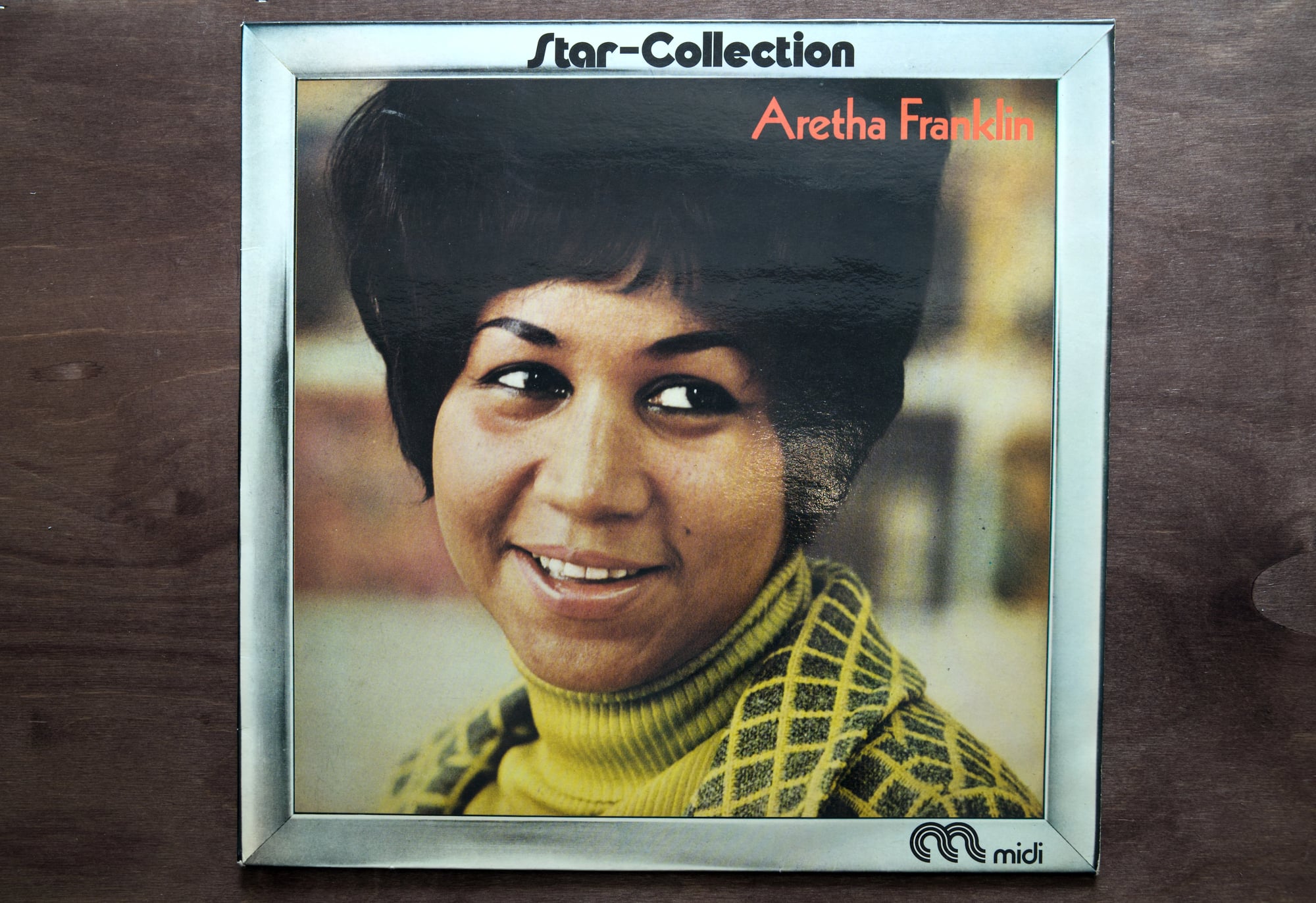
Before Aretha Franklin became the Queen of Soul, Columbia Records signed her but had no idea what to do with her voice. They tried to make her sing jazz standards and pop songs that didn’t fit her style at all.
After six years of struggling, she left Columbia and signed with Atlantic Records. They let her sing soul music the way she wanted, and she immediately became a superstar.
Prince Got Rejection Letters That Called Him Too Weird

Prince sent out tapes to record labels when he was still a teenager, and most of them came back with notes saying his music was too strange for radio. Labels didn’t know how to categorize him because he mixed rock, funk, pop, and R&B all together.
Warner Bros. finally signed him in 1977, and he became one of the most innovative artists in music history. His album ‘Purple Rain’ alone sold over 25 million copies.
Taylor Swift Heard ‘No’ From Nashville Labels

Taylor Swift and her family moved to Nashville when she was 14 so she could pursue a country music career. She walked up and down Music Row handing out demo CDs, but most labels turned her away.
Some thought she was too young, while others said her songwriting wasn’t ready yet. Big Machine Records took a chance on her in 2005, and she became the biggest crossover star country music had ever seen.
Tom Jones Almost Gave Up After Countless Rejections

Tom Jones spent years performing in Wales and trying to get a record deal, but nobody wanted him. Labels said his voice was too powerful and wouldn’t work on the radio.
He was about to quit music and go back to construction work when producer Gordon Mills heard him sing. Mills became his manager, got him a deal, and ‘It’s Not Unusual’ became a huge hit in 1965.
Jennifer Lopez Faced Doubt About Her Singing Ability

Jennifer Lopez was already a successful dancer and actress when she decided to pursue a singing career. Record labels doubted whether an actress could make it as a singer, and many didn’t think her voice was strong enough.
Sony Music took a risk on her in 1999, and her debut album ‘On the 6’ went platinum multiple times. She proved that actors could successfully transition to music if they worked hard enough.
James Brown Got Rejected for Sounding Too Rough
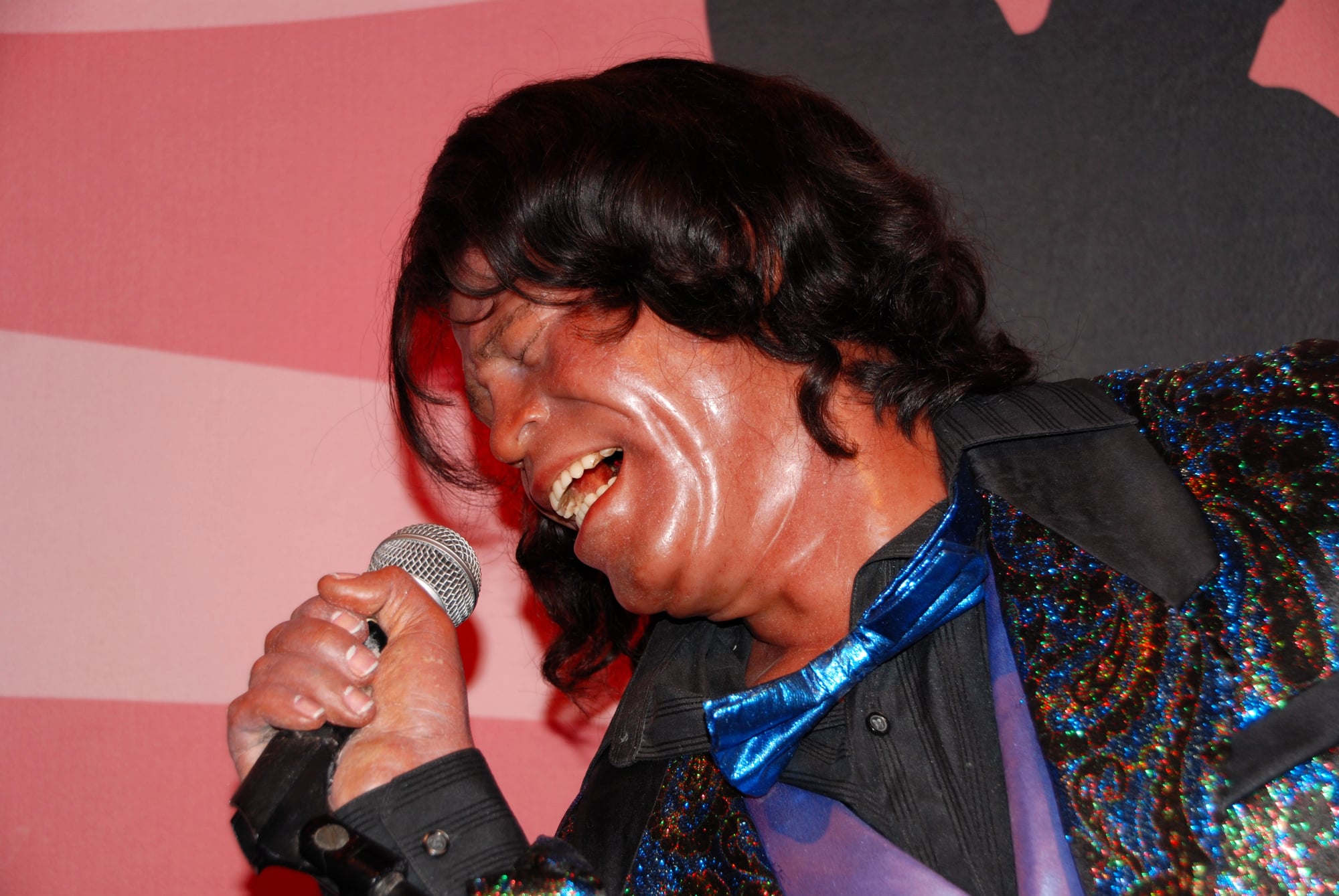
James Brown’s energetic style and raw vocals didn’t fit what record labels wanted in the 1950s. Executives thought his voice was too rough and his performance style was too wild for mainstream audiences.
Federal Records finally signed him in 1956, and he revolutionized music with his unique sound. Brown became known as the Godfather of Soul and influenced countless artists who came after him.
Mariah Carey Got Laughed Out of Meetings

Mariah Carey attended meeting after meeting with record executives in New York, and many of them laughed when she said she wanted to be a singer. Some thought her vocal range was a gimmick that wouldn’t translate to hit songs.
Columbia Records executive Tommy Mottola heard her demo tape in a car and immediately turned around to find her. Her self-titled debut album came out in 1990 and made her a star practically overnight.
Rod Stewart Got Turned Down for Having an Odd Voice

That rough edge in Rod Stewart’s voice? Record companies hated it at first.
Back in the 1960s, bosses claimed it sounded like gravel – no way pop fans would buy it. So he drifted through band after band, never sticking long.
A break came only when someone took a chance on him alone. Then, in 1971, everything changed fast: Every Picture Tells a Story exploded.
Suddenly, the very thing they mocked was playing everywhere.
Older Styles Almost Cost Adele Her Chance
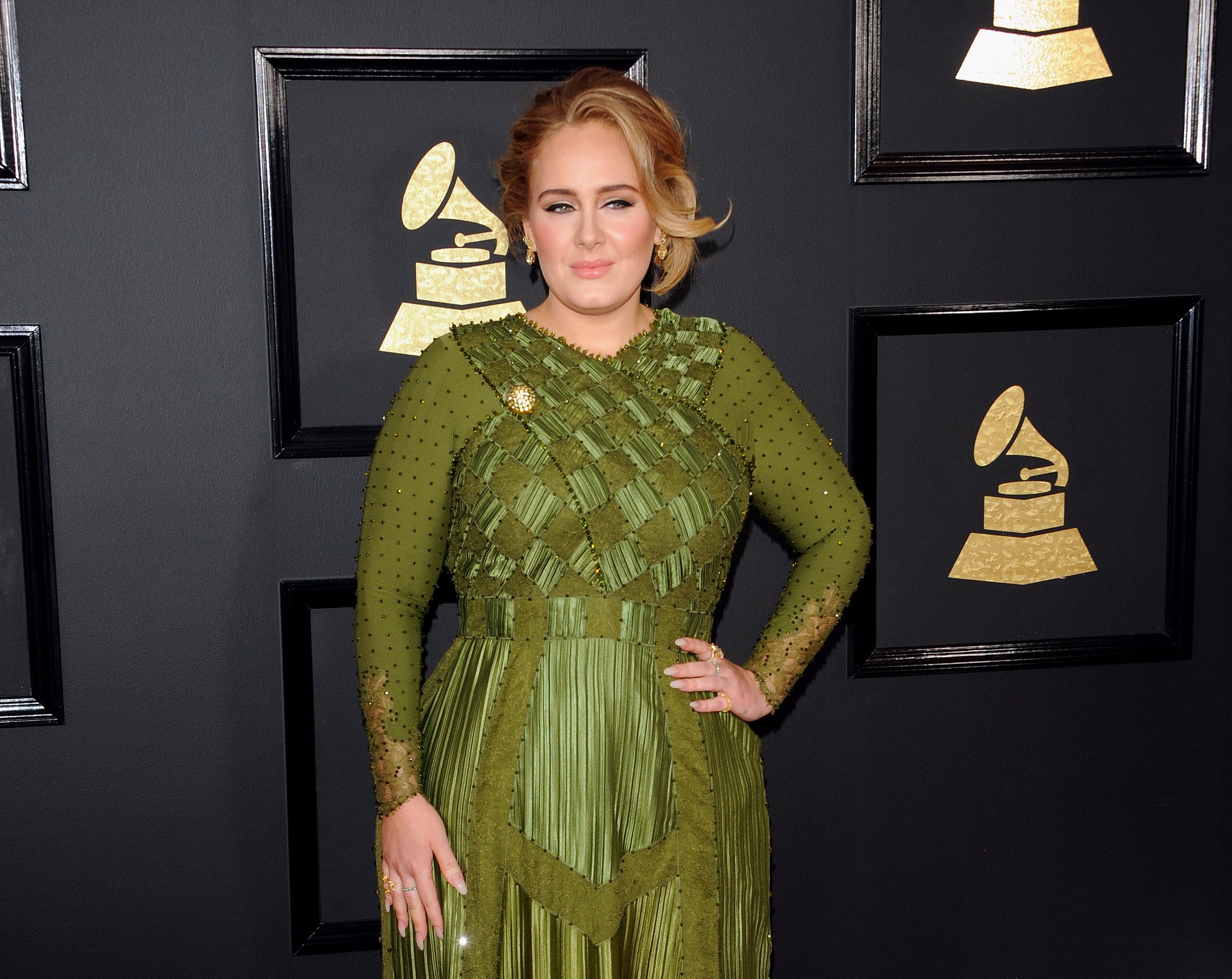
Out of step with the flashy beats ruling 2006, Adele’s deep, raw sound stood apart. Major companies passed, calling her old-fashioned, worried teens would ignore it.
Still, XL Recordings noticed a rare spark in how she sang and brought her on board regardless. By 2008, her first record ‘19’ arrived – proof that music built to last could find millions ready to listen.
From Rejection Letters to Platinum Records

Something ties together those singers turned away at the start – a quiet refusal to stop. When giving up made sense, they still sang, held close what felt true inside, yet ignored loud opinions from supposed authorities.
Papers stamped “no” faded into background noise behind long arcs sticking around. Now, their music lives louder than old dismissals, showing how quickly “failure” flips when heard by fresh ears.
More from Go2Tutors!

- The Romanov Crown Jewels and Their Tragic Fate
- 13 Historical Mysteries That Science Still Can’t Solve
- Famous Hoaxes That Fooled the World for Years
- 15 Child Stars with Tragic Adult Lives
- 16 Famous Jewelry Pieces in History
Like Go2Tutors’s content? Follow us on MSN.